New Jersey Arbitration Agreement with Foreign Company
Description
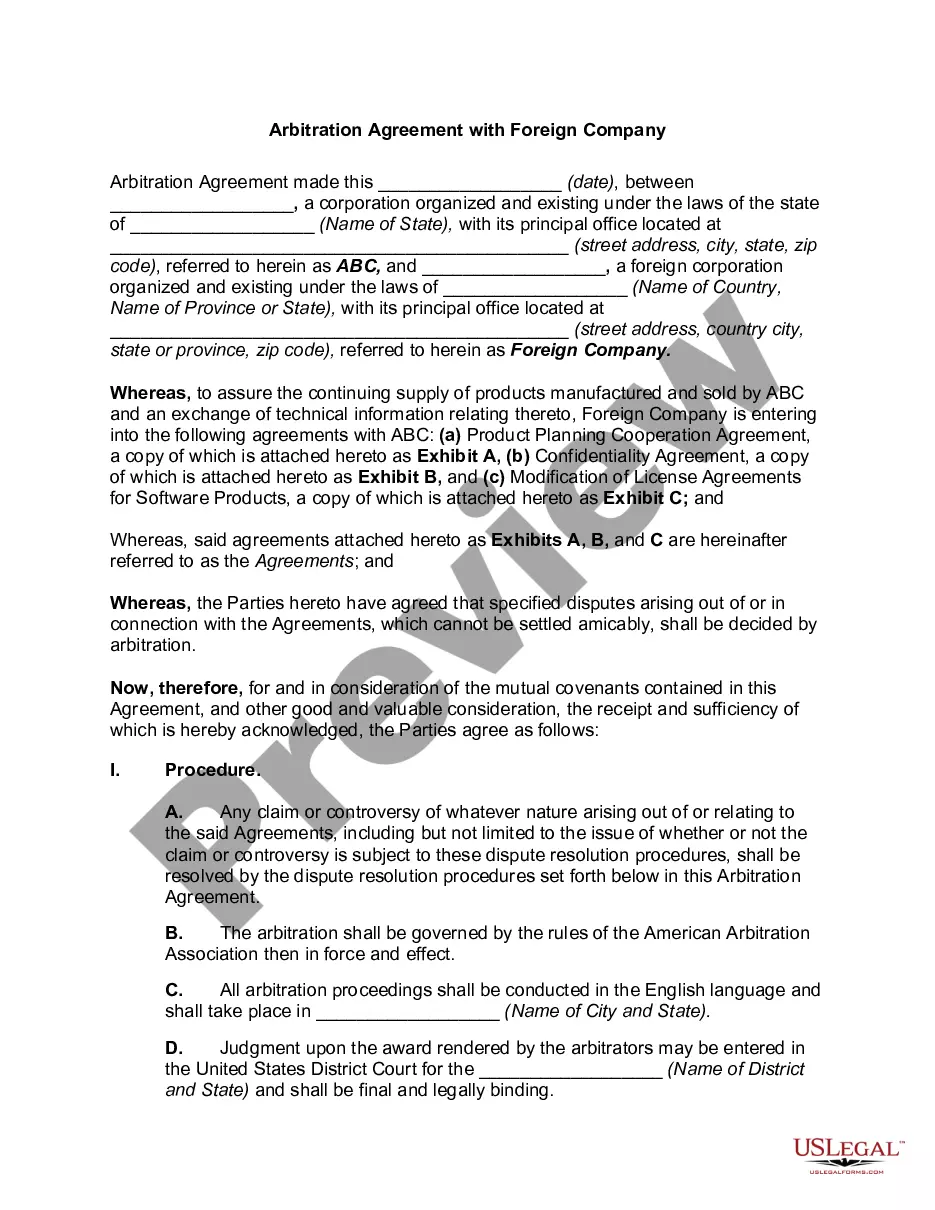
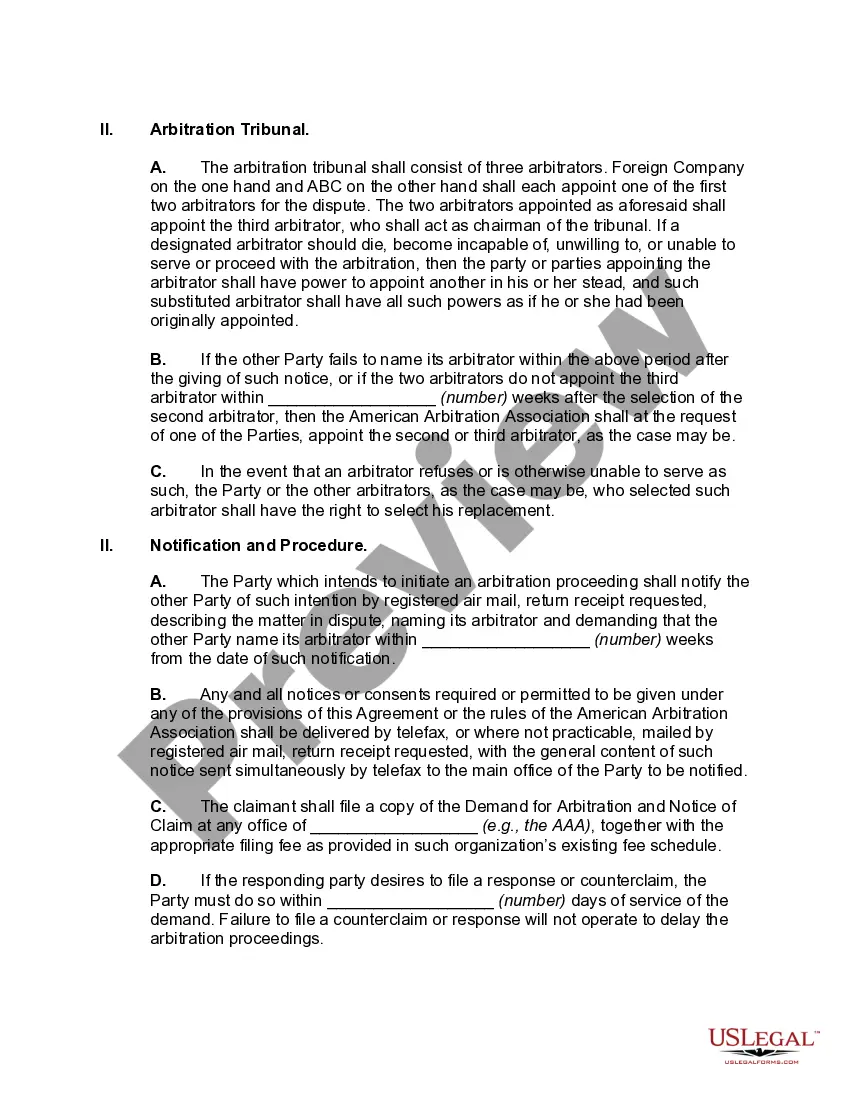
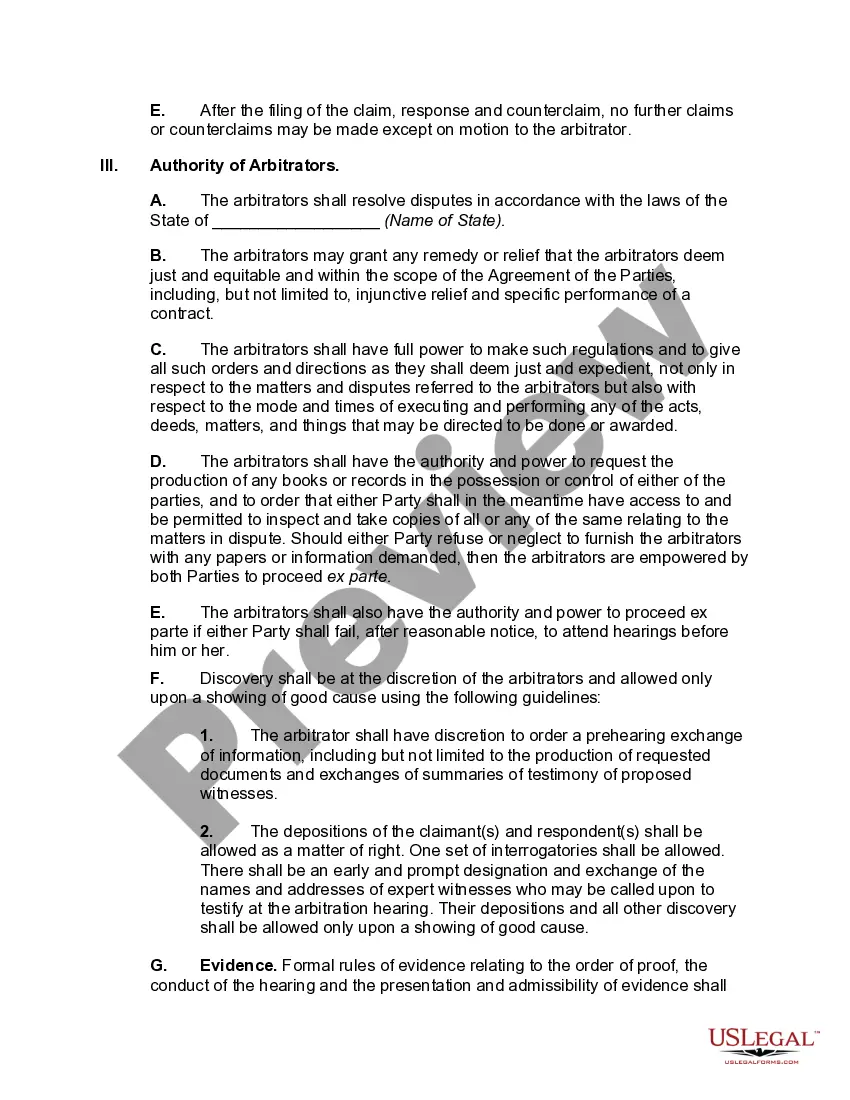
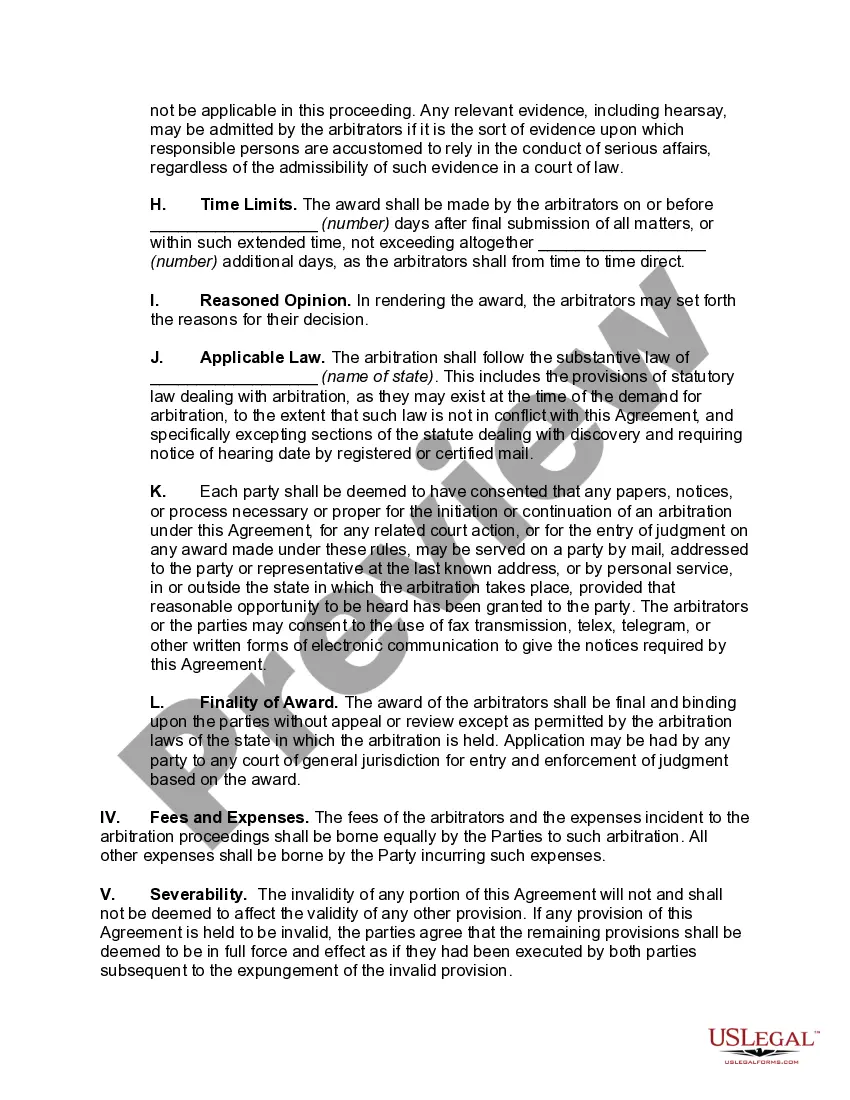
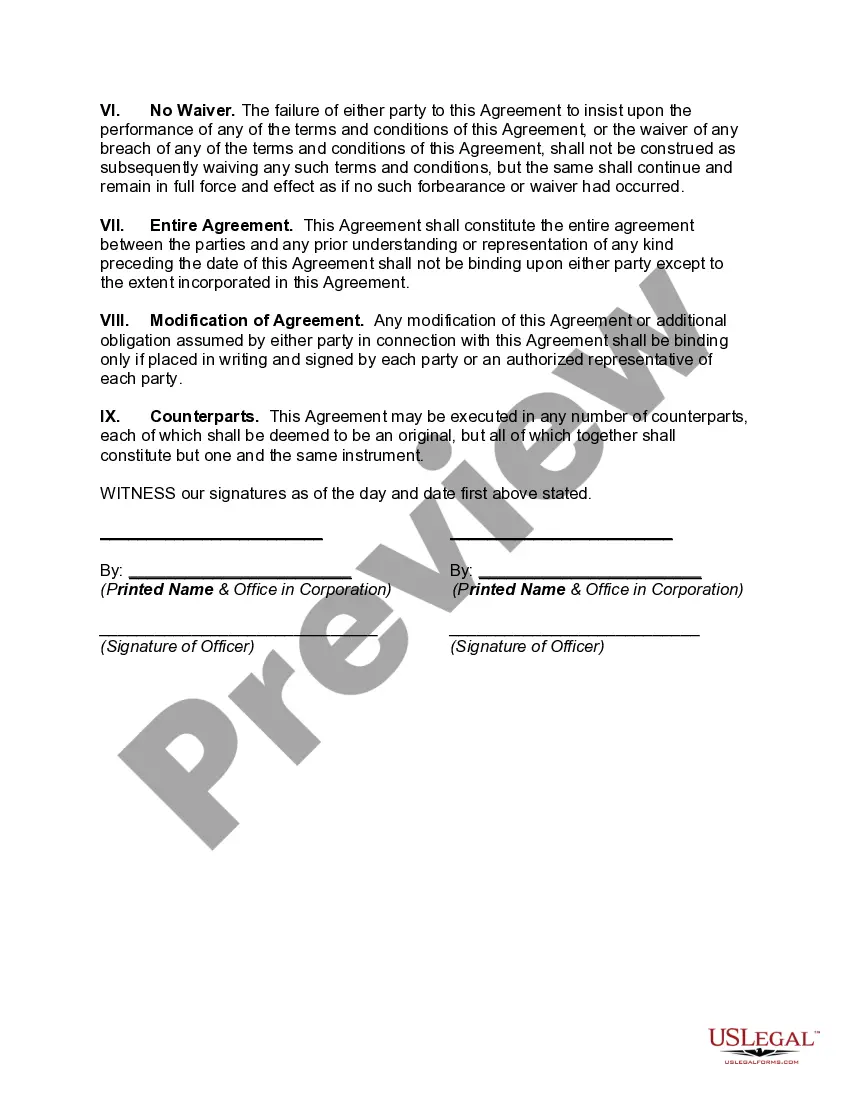

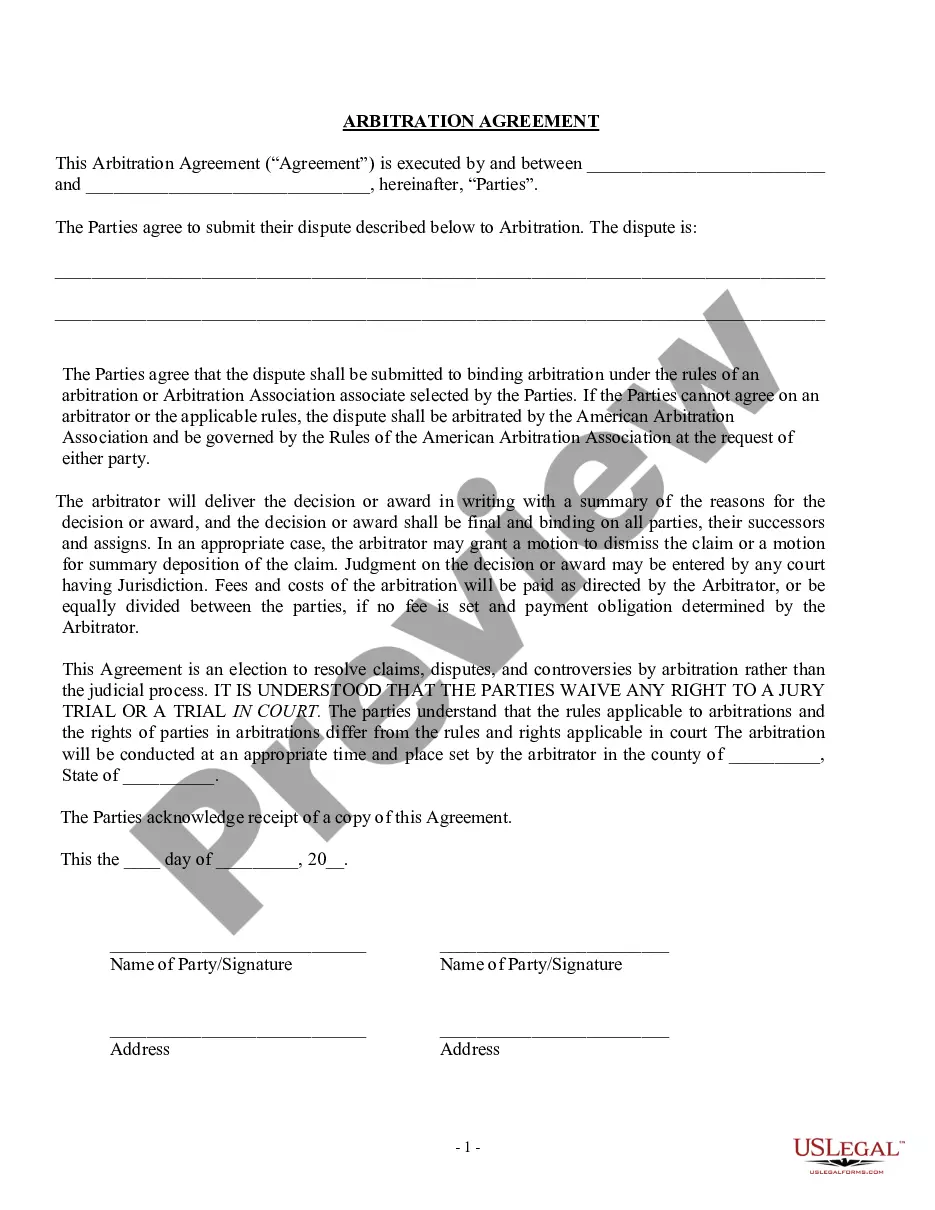
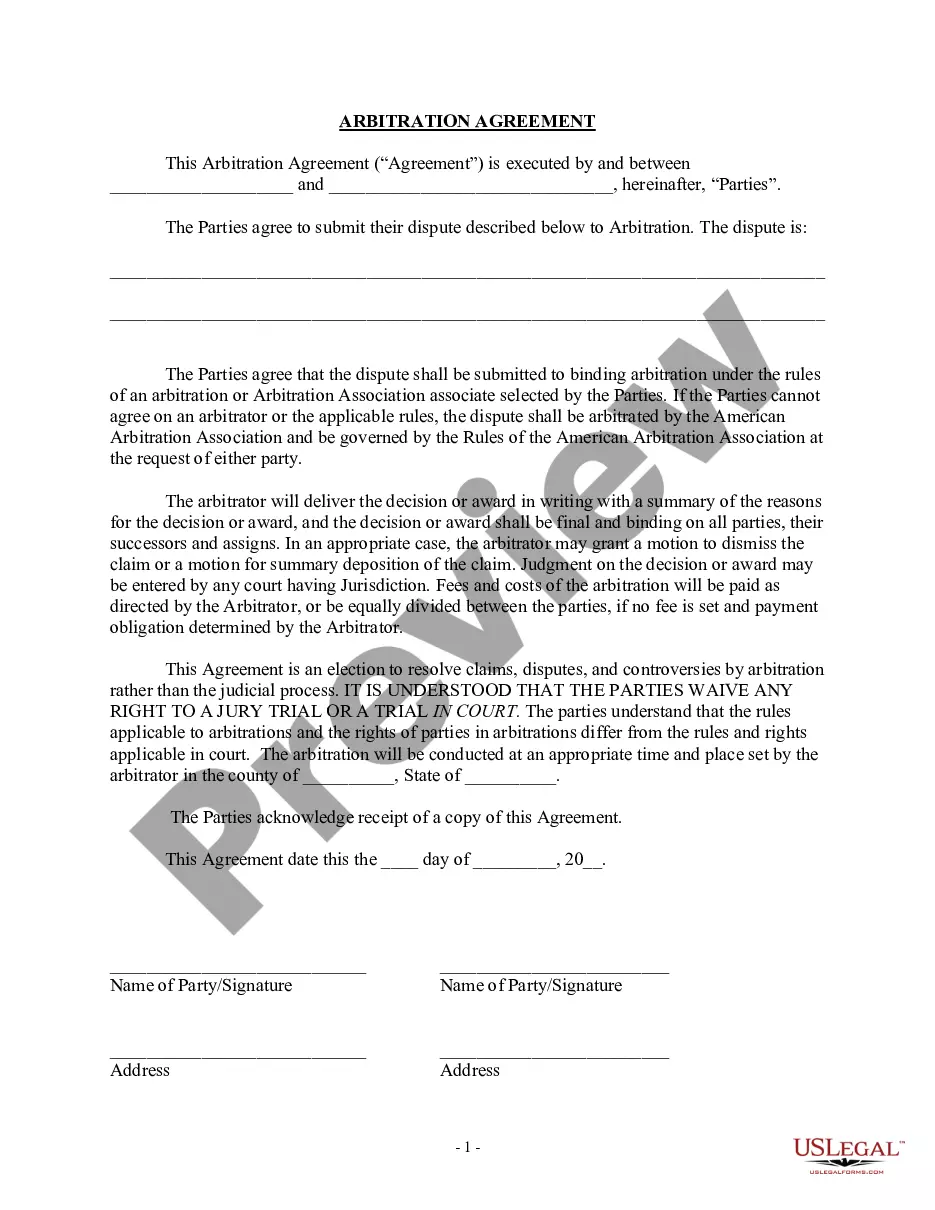
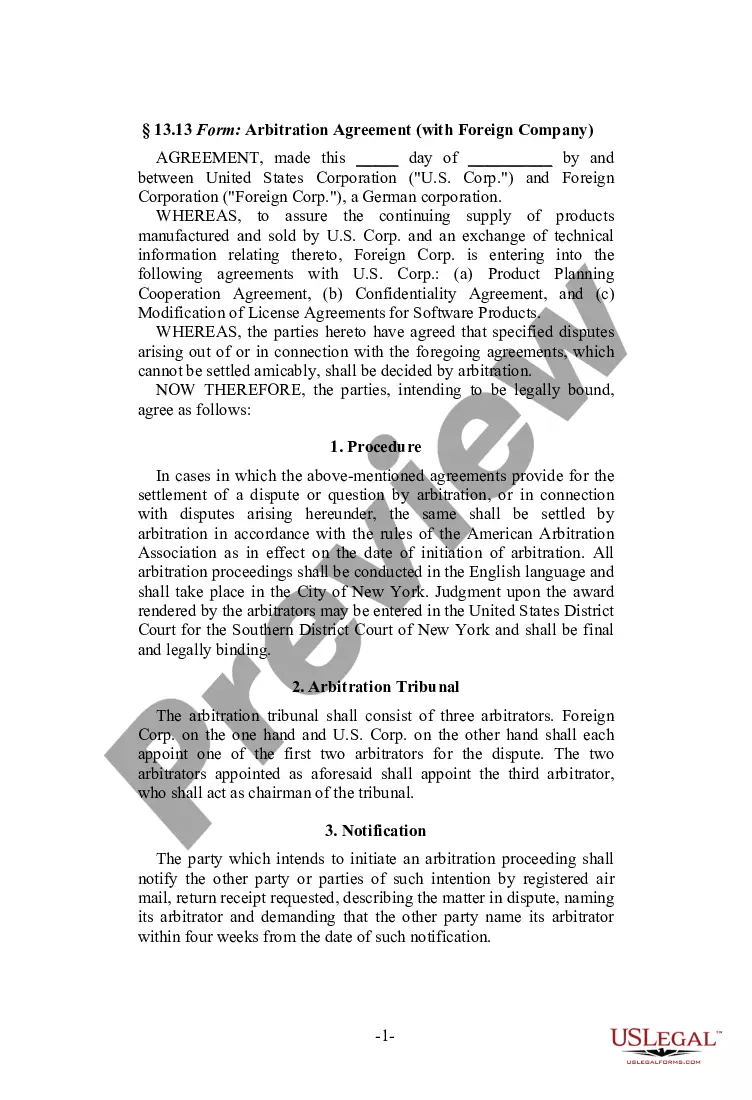
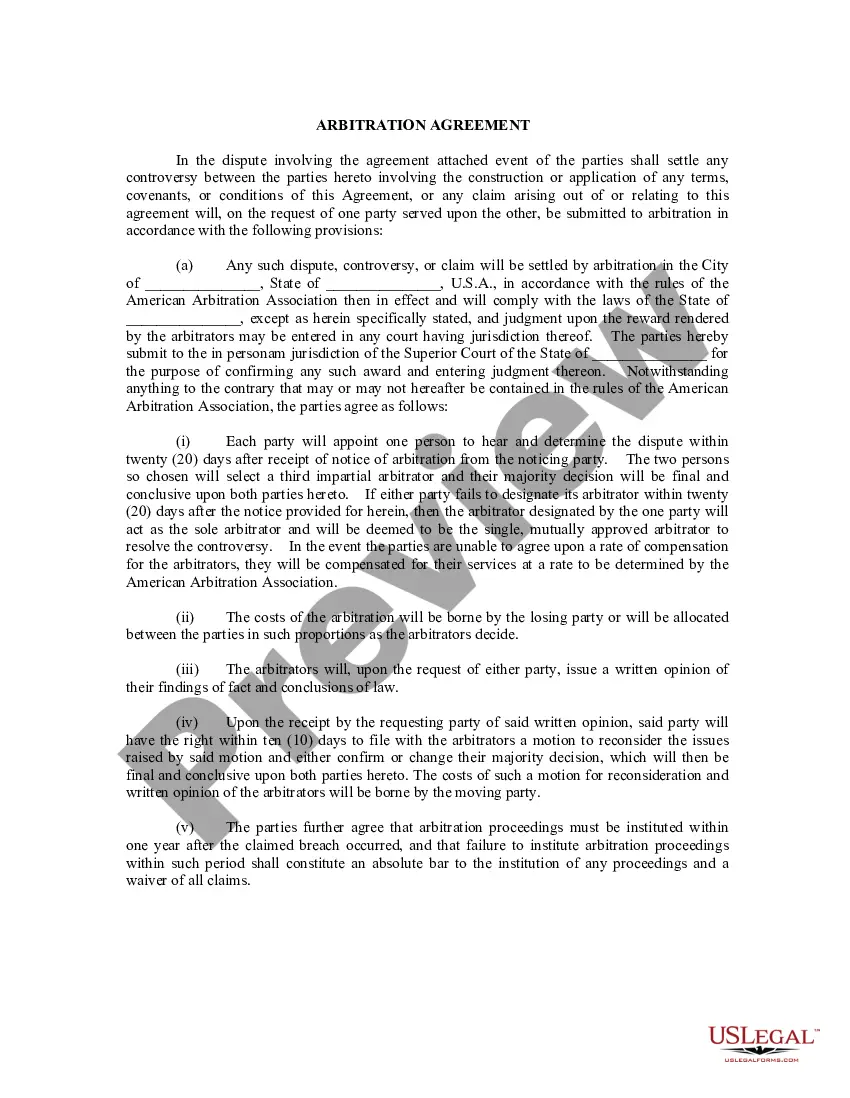

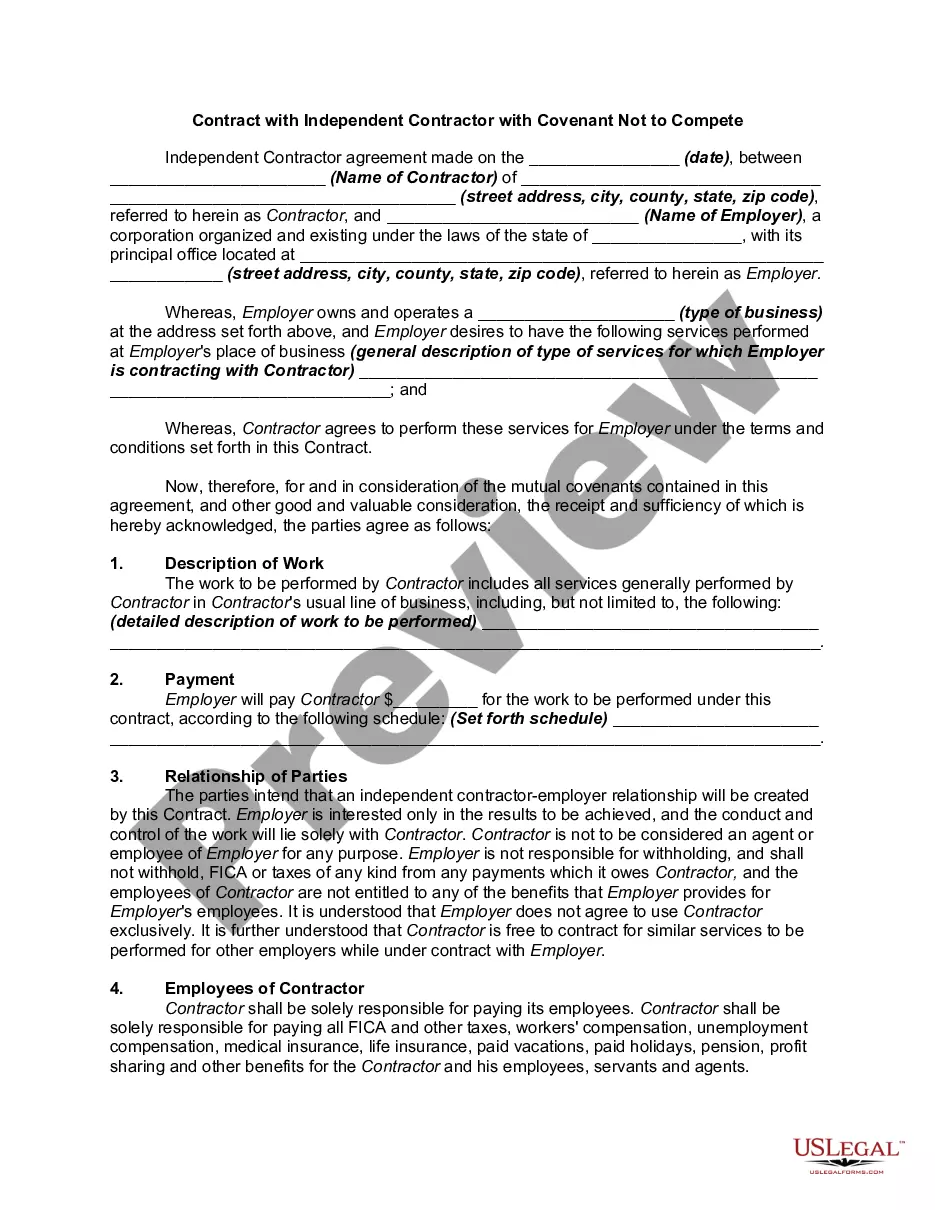
How to fill out Arbitration Agreement With Foreign Company?
US Legal Forms - one of the most extensive collections of sanctioned documents in the country - offers a range of approved template files that you can download or print.
Using the website, you can access thousands of documents for business and personal purposes, categorized by types, states, or keywords. You can find the latest editions of documents such as the New Jersey Arbitration Agreement with a Foreign Company in moments.
If you hold a monthly subscription, Log In and download the New Jersey Arbitration Agreement with a Foreign Company from the US Legal Forms library. The Download button will appear on every document you view. You can access all previously saved documents from the My documents section of your account.
Then, select the pricing plan you prefer and provide your credentials to register for an account.
Process the payment. Use your Visa or Mastercard or PayPal account to complete the transaction. Choose the format and download the document to your device. Make edits. Fill out, modify, print, and sign the downloaded New Jersey Arbitration Agreement with a Foreign Company. Each template you added to your account has no expiration date and is yours permanently. Therefore, if you need to download or print an additional copy, simply head to the My documents section and click on the document you require. Access the New Jersey Arbitration Agreement with a Foreign Company with US Legal Forms, the most comprehensive collection of authorized document templates. Utilize thousands of professional and state-specific templates that fulfill your business or personal needs and requirements.
- If this is your first time using US Legal Forms, here are some simple steps to get started:
- Ensure you have selected the appropriate document for your city/county.
- Click on the Preview button to examine the content of the document.
- Check the document description to confirm you have chosen the right one.
- If the document does not meet your needs, utilize the Search area at the top of the screen to find the one that does.
- If you are satisfied with the document, confirm your selection by clicking on the Buy Now button.
Form popularity
FAQ
A recent New Jersey case warns that arbitration clauses in real estate contracts are enforceable only if they specifically state that the parties are waiving their right to sue in court and that arbitration is the parties' sole remedy for disputes.
Under the Armendariz standards, an arbitration agreement will not be enforced in California if it is both "procedurally unconscionable" and "substantively unconscionable." Any arbitration agreement required as a condition of employment (i.e., any mandatory arbitration agreement) is automatically considered procedurally
The primary benefits of using international arbitration to resolve a dispute rather than traditional court litigation include: International Arbitration can resolve disputes more swiftly than traditional court litigation since there are only limited appeals from arbitration awards.
Particularly in the international contracts area, arbitration is used to bypass the fear (real or perceived) of not getting a fair hearing in another country's courts, or fear of corruption in such courts.
Particularly in the international contracts area, arbitration is used to bypass the fear (real or perceived) of not getting a fair hearing in another country's courts, or fear of corruption in such courts.
To enforce the right to arbitrate, the party must then file a motion to stay the lawsuit in favor of arbitration. If both parties to the agreement ignore the right to arbitrate, the right is waived.
First, U.S. parties and those with close economic ties to the U.S. only rarely rely on arbitration. Whereas 25% of international agreements include arbitration clauses, 34% include clauses referring parties to domestic courts.
In a 5-1 ruling, the NJSC reversed that decision. Both federal and state law provide that arbitration agreements are presumed to be enforceable and irrevocable, unless a party can show a ground that exists at law or in equity for the revocation of a contract. 9 U.S.C. § 2, N.J. Rev. Stat.
These include: An arbitrator lacked jurisdiction to award, such as when the subject matter of the dispute cannot be arbitrated; The issue or dispute is not covered by a valid arbitration agreement, such as when there is an issue the parties did not agree to arbitrate; The arbitration was tainted by fraud; and/or.
Perhaps the foremost advantage of international arbitration over litigation is that an international arbitral award is enforceable virtually worldwide, while a judgment from a national court is oftentimes only enforceable in the nation that issued it.