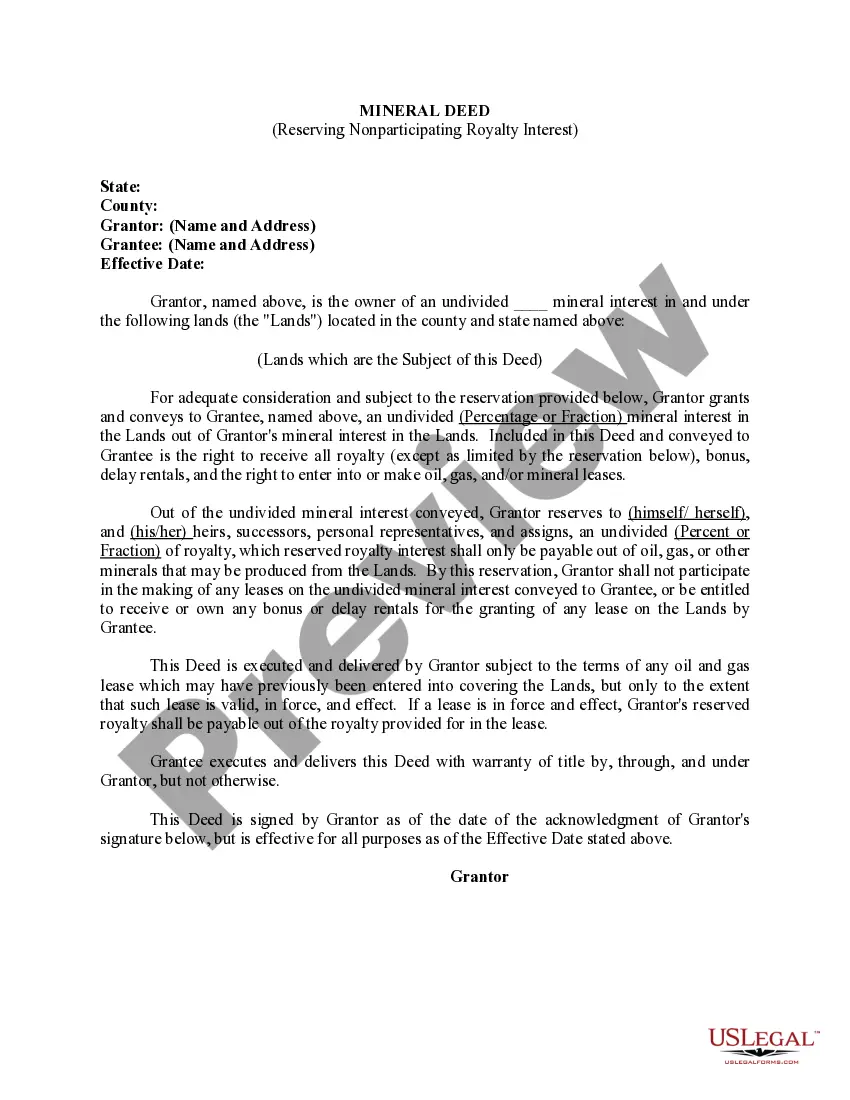
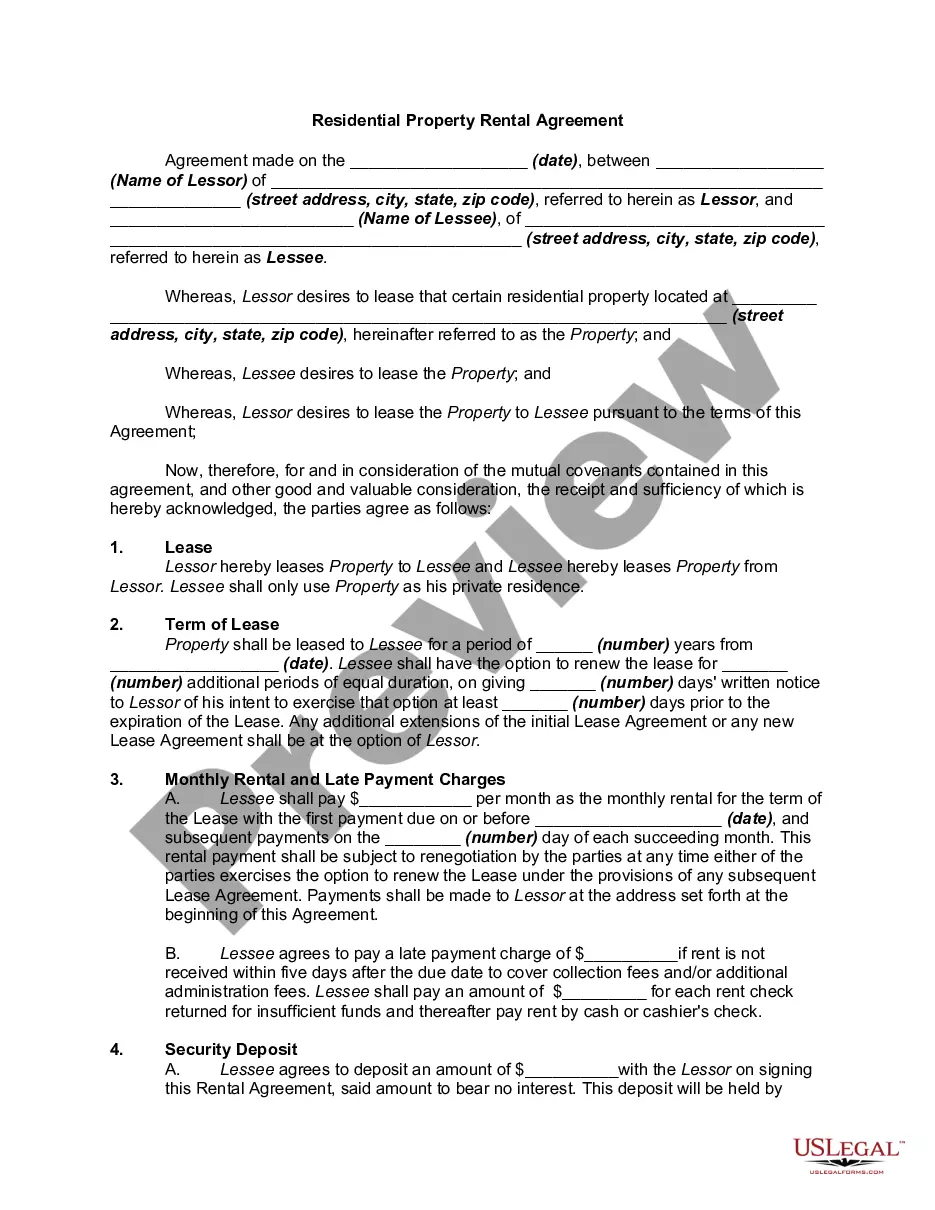
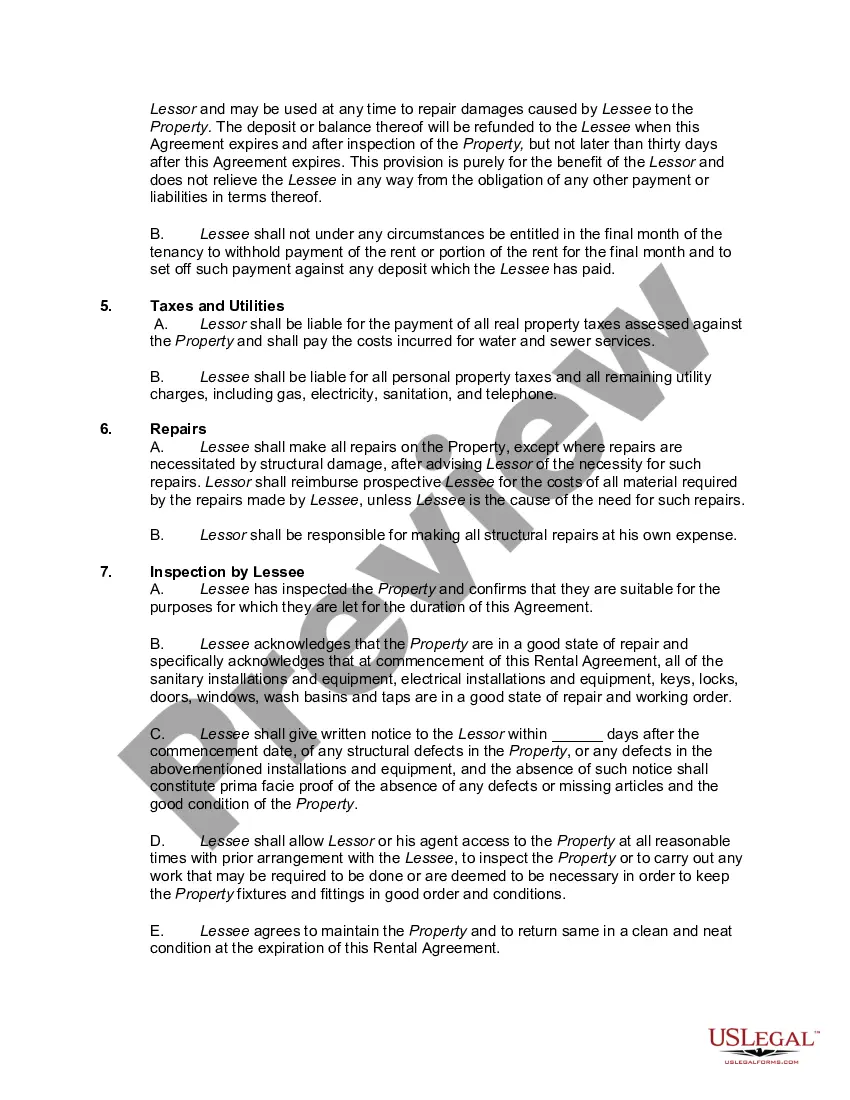
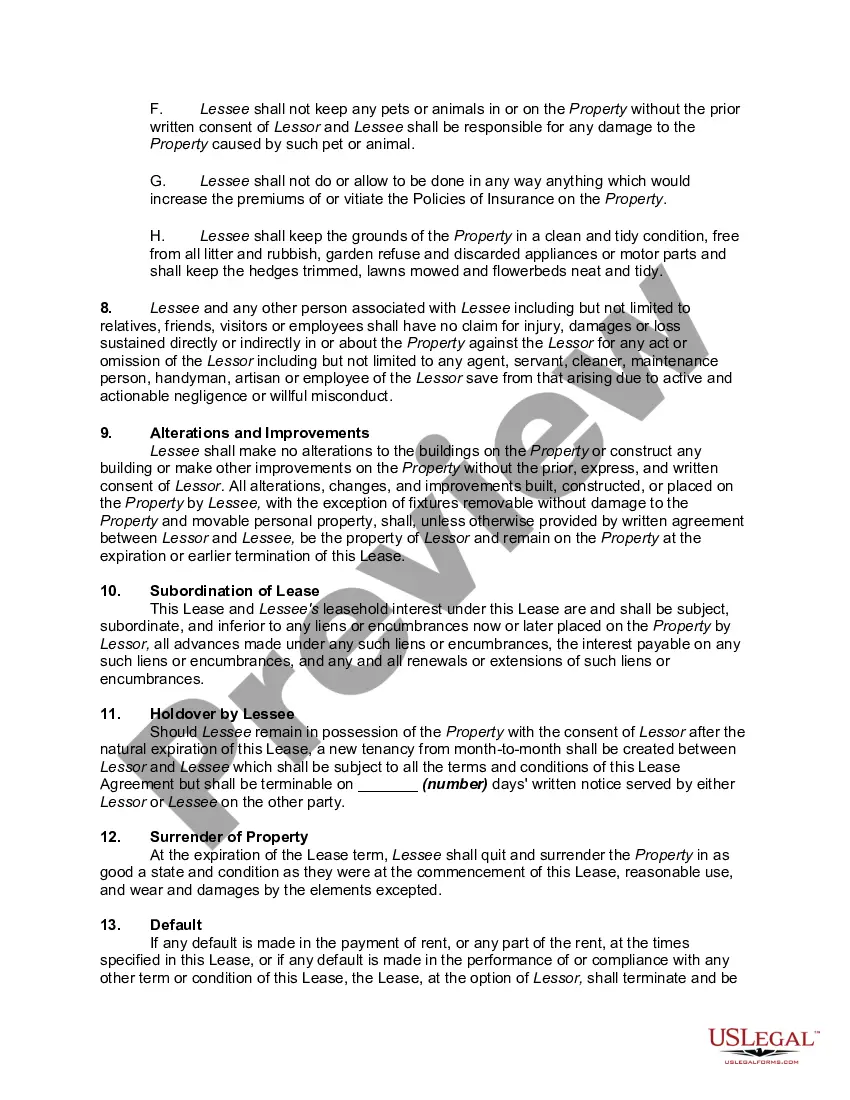
New Jersey Residential Property Rental Agreement
Description
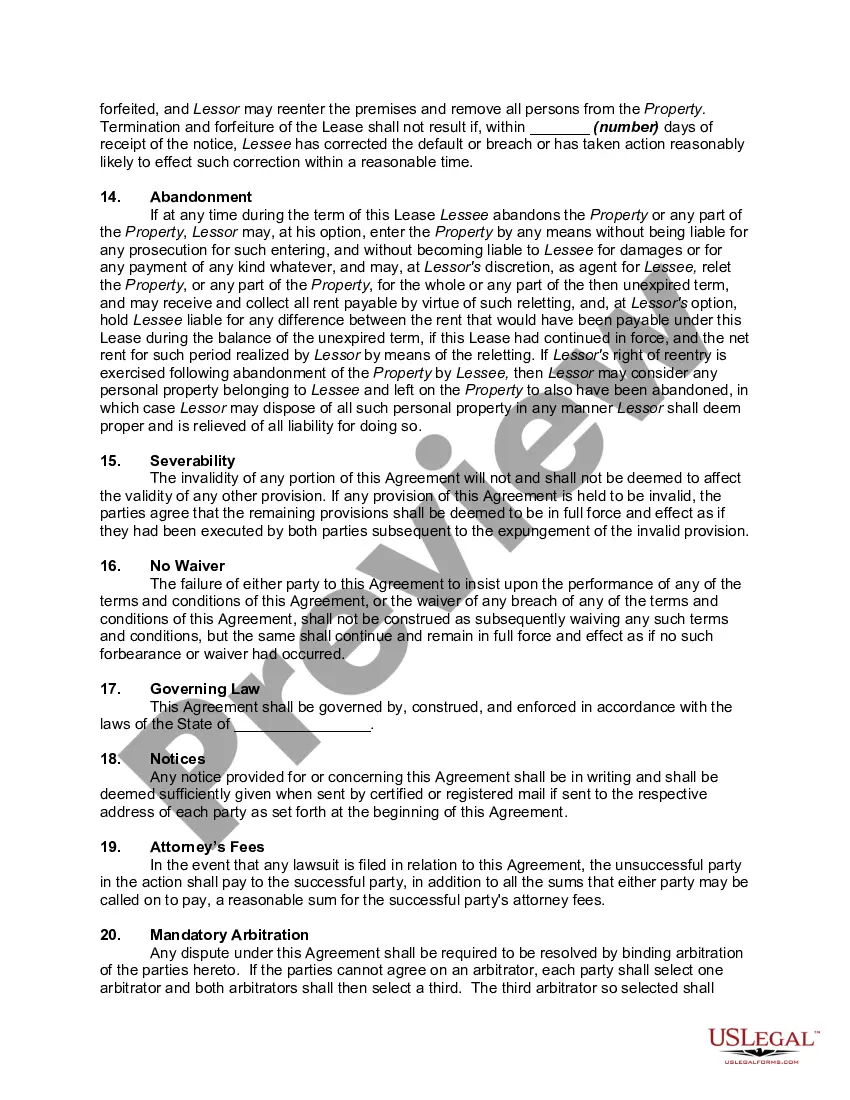
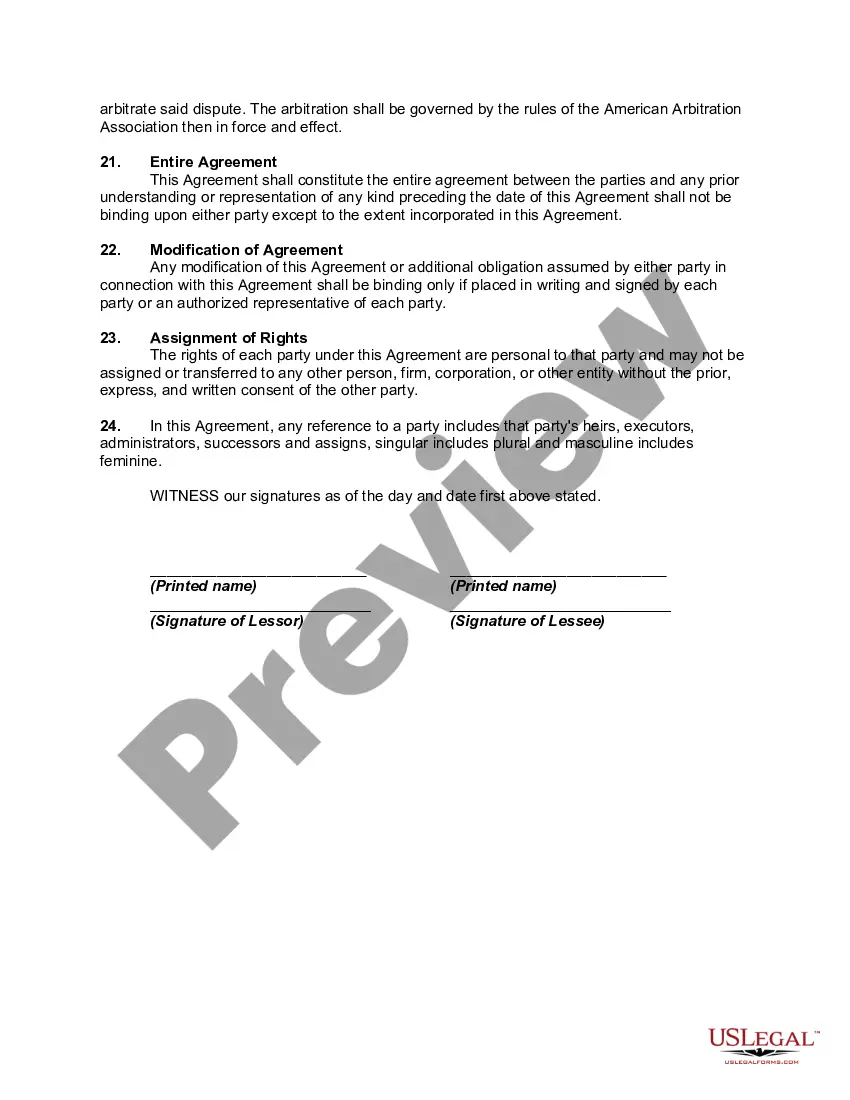
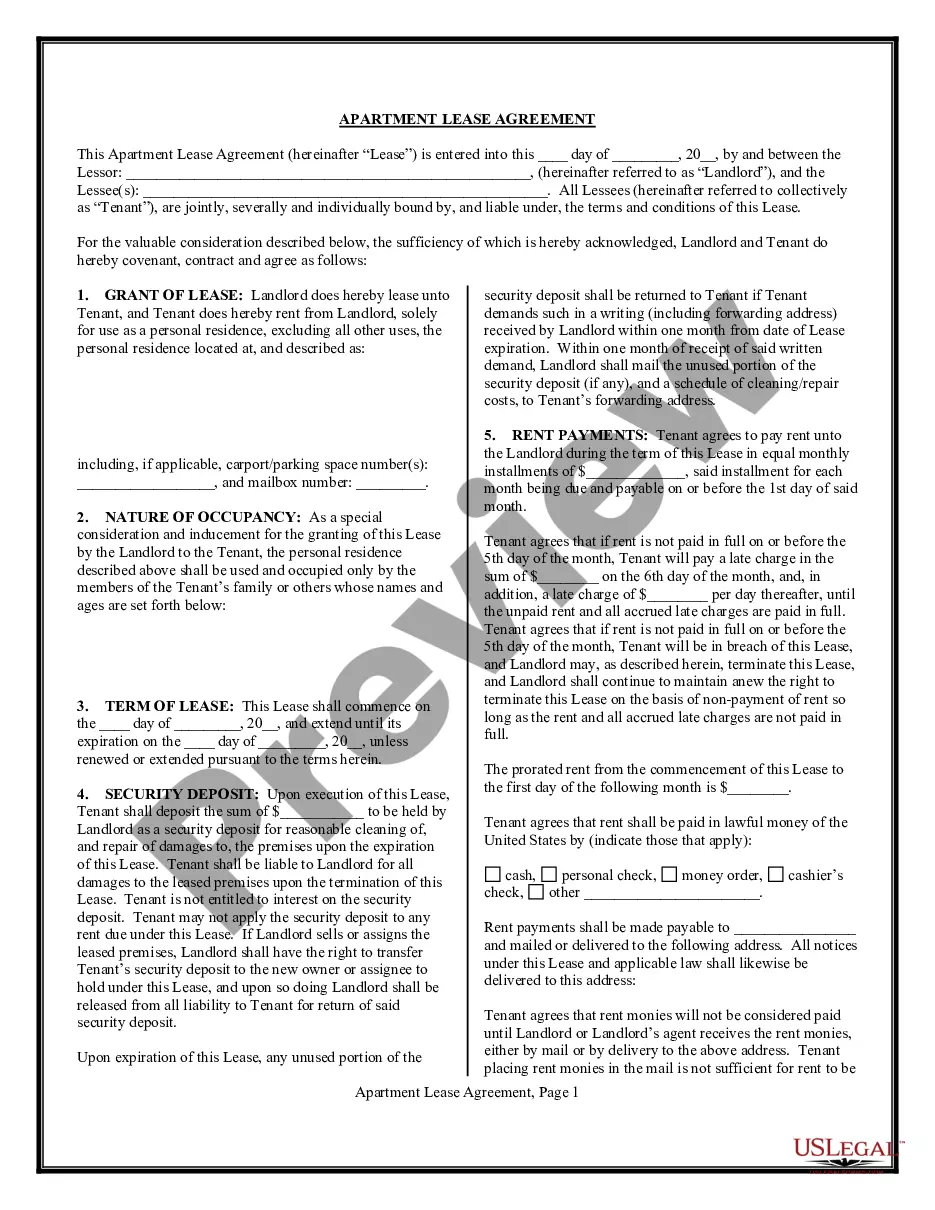
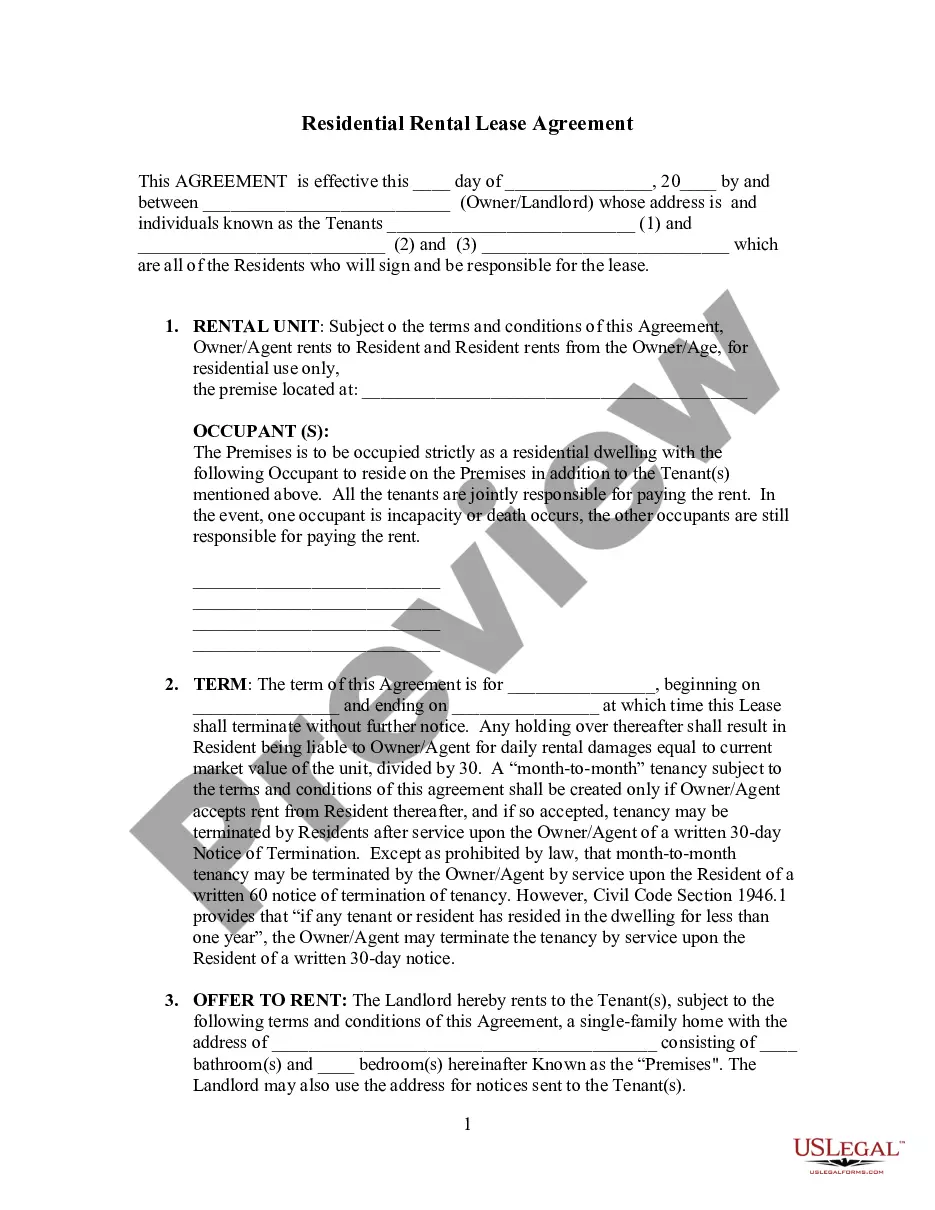
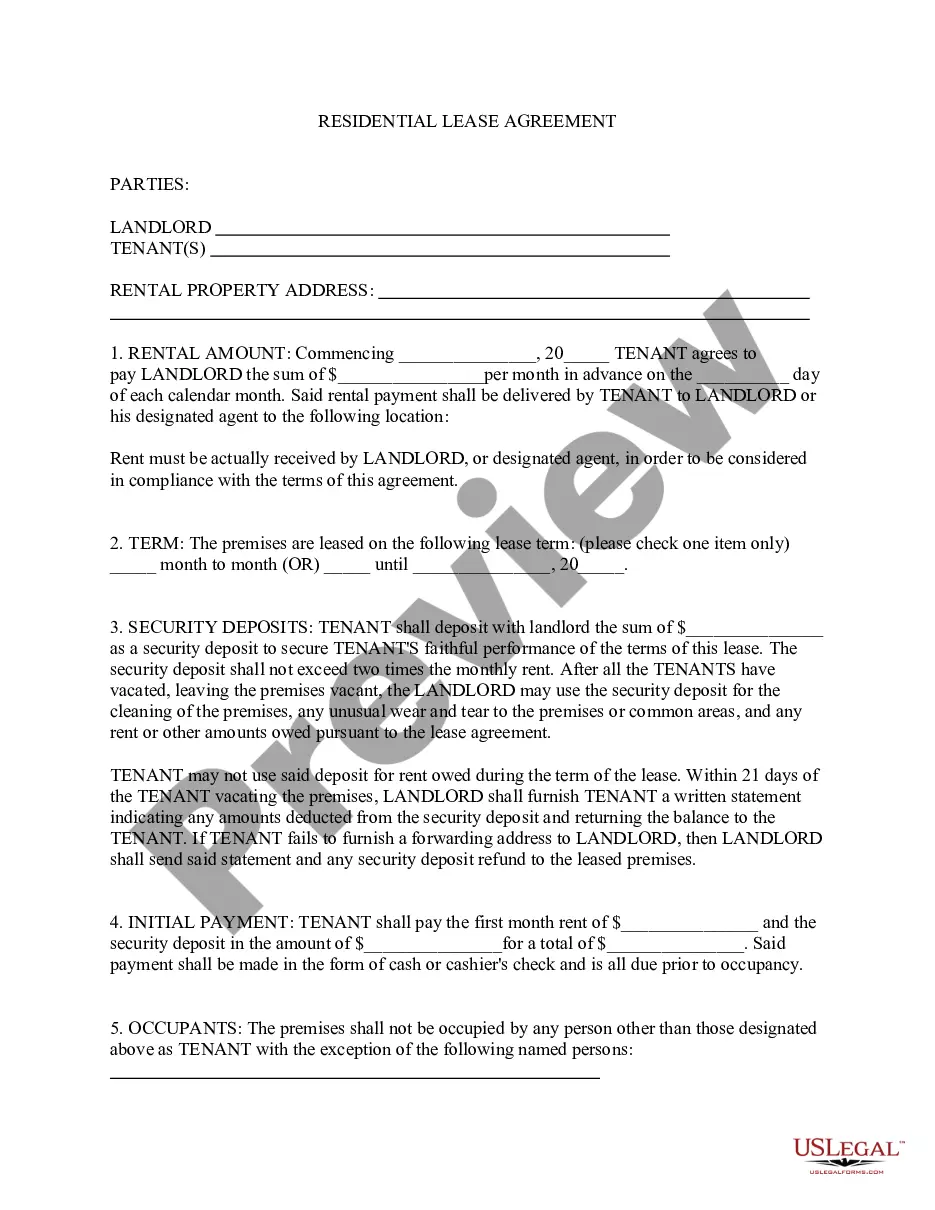
Get your form ready online
Our built-in tools help you complete, sign, share, and store your documents in one place.
Make edits, fill in missing information, and update formatting in US Legal Forms—just like you would in MS Word.
Download a copy, print it, send it by email, or mail it via USPS—whatever works best for your next step.
Sign and collect signatures with our SignNow integration. Send to multiple recipients, set reminders, and more. Go Premium to unlock E-Sign.
If this form requires notarization, complete it online through a secure video call—no need to meet a notary in person or wait for an appointment.
We protect your documents and personal data by following strict security and privacy standards.

Make edits, fill in missing information, and update formatting in US Legal Forms—just like you would in MS Word.

Download a copy, print it, send it by email, or mail it via USPS—whatever works best for your next step.

Sign and collect signatures with our SignNow integration. Send to multiple recipients, set reminders, and more. Go Premium to unlock E-Sign.

If this form requires notarization, complete it online through a secure video call—no need to meet a notary in person or wait for an appointment.

We protect your documents and personal data by following strict security and privacy standards.
Looking for another form?
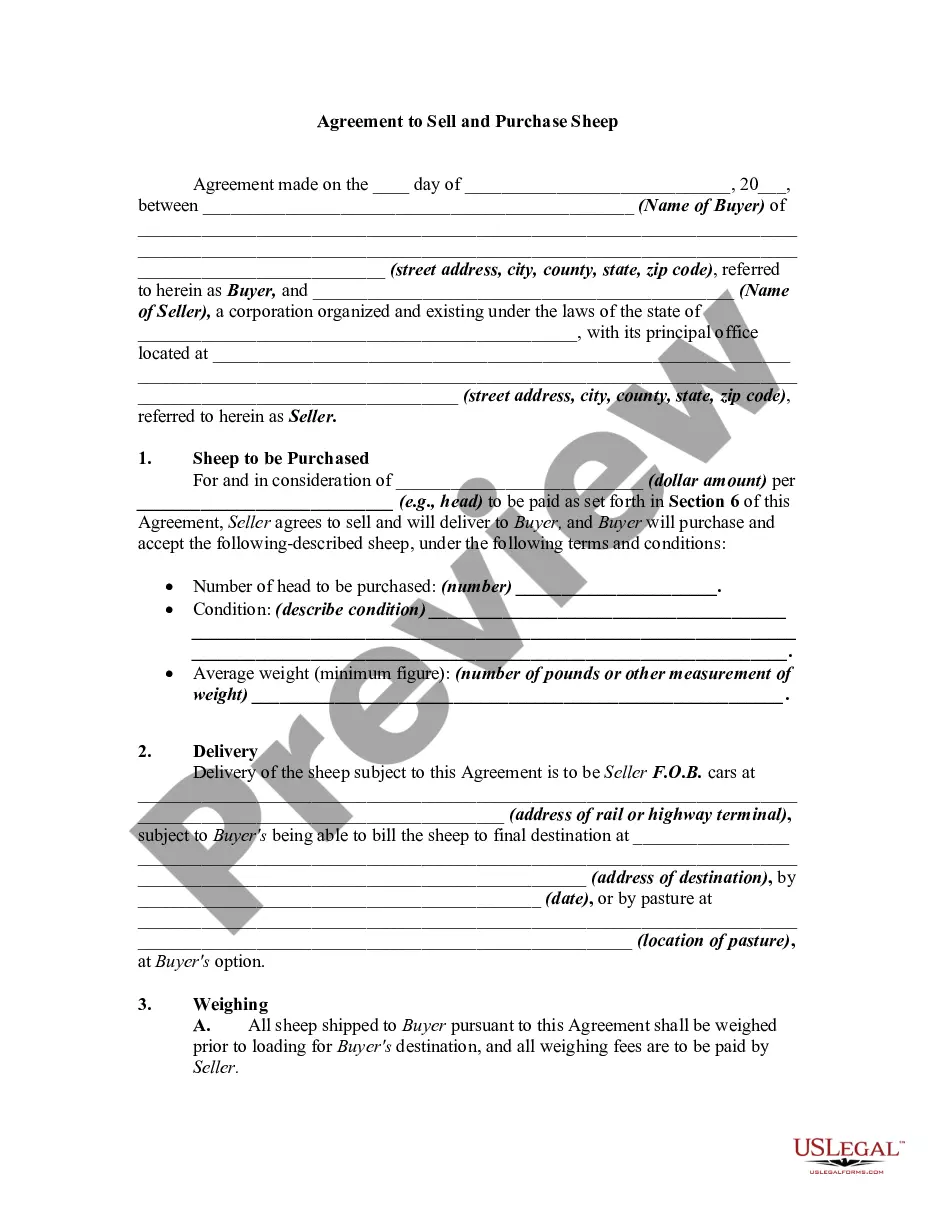

How to fill out Residential Property Rental Agreement?
If you require to complete, obtain, or create legal document templates, utilize US Legal Forms, the biggest collection of legal forms available online.
Employ the site's straightforward and user-friendly search to find the documents you need.
Different templates for business and personal purposes are categorized by groups and states, or keywords.
Step 4. Once you find the form you need, click the Buy now button. Choose your preferred pricing plan and enter your details to register for an account.
Step 5. Complete the purchase. You may use your credit card or PayPal account to finalize the payment.
- Utilize US Legal Forms to secure the New Jersey Residential Property Rental Agreement with just a few clicks.
- If you are an existing US Legal Forms customer, Log In to your account and click the Download button to access the New Jersey Residential Property Rental Agreement.
- You can also retrieve forms you have previously acquired in the My documents section of your account.
- If you are using US Legal Forms for the first time, follow the steps listed below.
- Step 1. Ensure you have selected the form for the correct city/state.
- Step 2. Use the Preview option to review the content of the form. Remember to check the description.
- Step 3. If you are not satisfied with the form, utilize the Search field at the top of the screen to find alternative versions of the legal form template.
Form popularity
FAQ
Filling out a condition of rental property checklist entails documenting the property's state before a tenant moves in. Begin by walking through the property and noting the condition of walls, floors, appliances, and fixtures. It is essential to ensure that both parties sign this checklist, as it forms part of the New Jersey Residential Property Rental Agreement. Utilizing templates from USLegalForms can streamline this process and make it easier for landlords and tenants.
In New Jersey, landlords must adhere to certain legal restrictions to protect tenant rights. They cannot increase rent without proper notice, evict tenants without going through a legal process, or enter the rental property without permission. Understanding these rules is crucial when creating a New Jersey Residential Property Rental Agreement. For clarity, consider using reliable templates from USLegalForms to ensure compliance.
In New Jersey, a residential lease can range from a month-to-month agreement to a multi-year contract, with one year being the most common duration. The length should be clearly specified in the New Jersey Residential Property Rental Agreement. Flexible options allow both landlords and tenants to choose a term that suits their needs. Clarity in the lease terms helps prevent misunderstandings.
The most common residential lease in New Jersey is a fixed-term lease, usually lasting one year. This type of lease provides stability for both tenants and landlords, as it clearly defines the rental term and conditions. A proper New Jersey Residential Property Rental Agreement helps to ensure that both parties comprehend their commitments. This understanding can foster a positive landlord-tenant relationship.
A standard 12 month lease agreement is a contract between a landlord and tenant that lasts for one year. This lease typically specifies the rent amount, payment schedule, and rules regarding the property. A well-crafted New Jersey Residential Property Rental Agreement incorporates all essential details to protect both parties’ interests. Understanding this contract helps ensure a harmonious living situation.
Legally breaking a 1 year lease in New Jersey can be complex. Tenants may have valid reasons, such as unsafe living conditions or significant life changes, but must typically provide notice and possibly face penalties. It’s vital to review the terms of your specific New Jersey Residential Property Rental Agreement and consider seeking legal advice. Understanding your rights is essential to navigate the termination process smoothly.
The most typical lease for residential rentals in New Jersey is the standard residential lease agreement. This document outlines the rights and responsibilities of both landlords and tenants. It covers critical details such as rent amount, duration of the lease, security deposit, and maintenance responsibilities. Using a New Jersey Residential Property Rental Agreement ensures both parties have a clear understanding of their obligations.
To create a lease in New Jersey, you will need the basic information such as the names of the landlord and tenant, the property address, and rental terms. It is essential to include details like security deposit requirements and maintenance responsibilities. A comprehensive New Jersey Residential Property Rental Agreement will help prevent disputes in the future. For ease, consider using templates available on uslegalforms for reliable guidance.
In New Jersey, whether you need a license to rent out property depends on the municipality where the property is located. Many municipalities require landlords to obtain a license to operate legally, especially if they rent to multiple tenants. Ensuring compliance will protect your investment and your tenants. Always check local regulations and consider drafting a New Jersey Residential Property Rental Agreement that reflects these legal requirements.
Yes, you can definitely type up your own rental agreement in New Jersey. A well-prepared New Jersey Residential Property Rental Agreement outlines the rules and responsibilities of both the landlord and tenant. This can be done using various online templates to ensure you include essential clauses. Just make sure to adhere to New Jersey's rental laws to avoid any legal issues.