New Jersey Order Fixing Hearing Date
Understanding this form
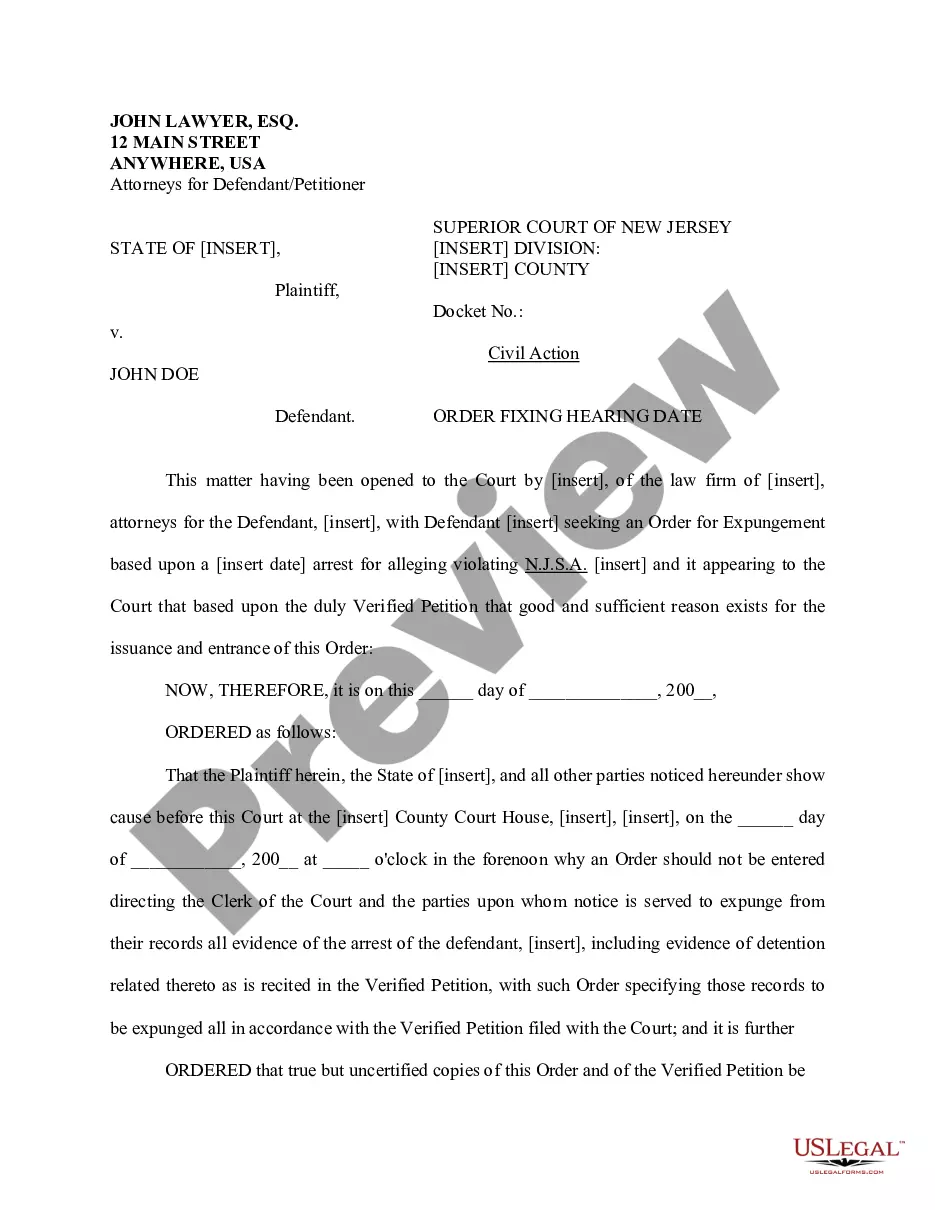
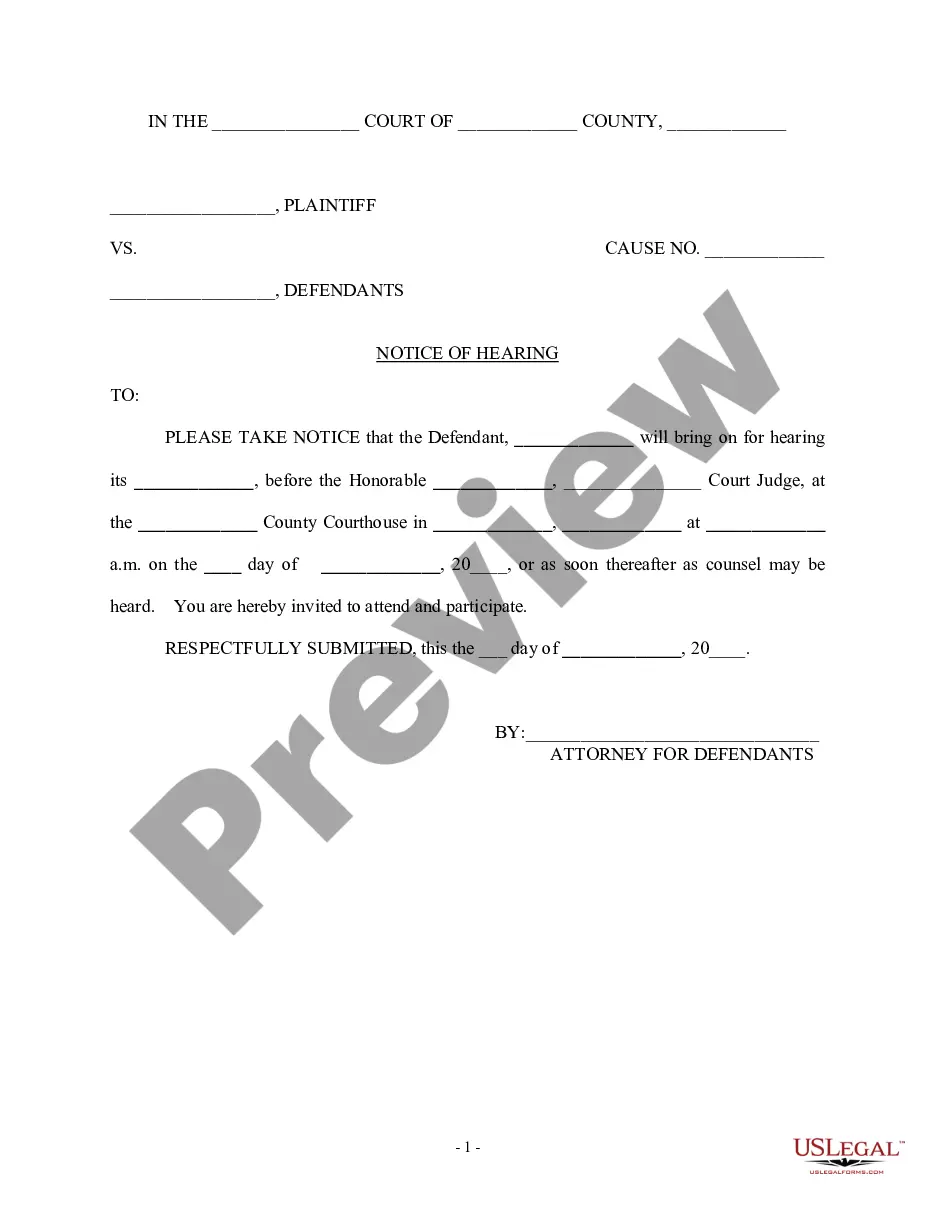
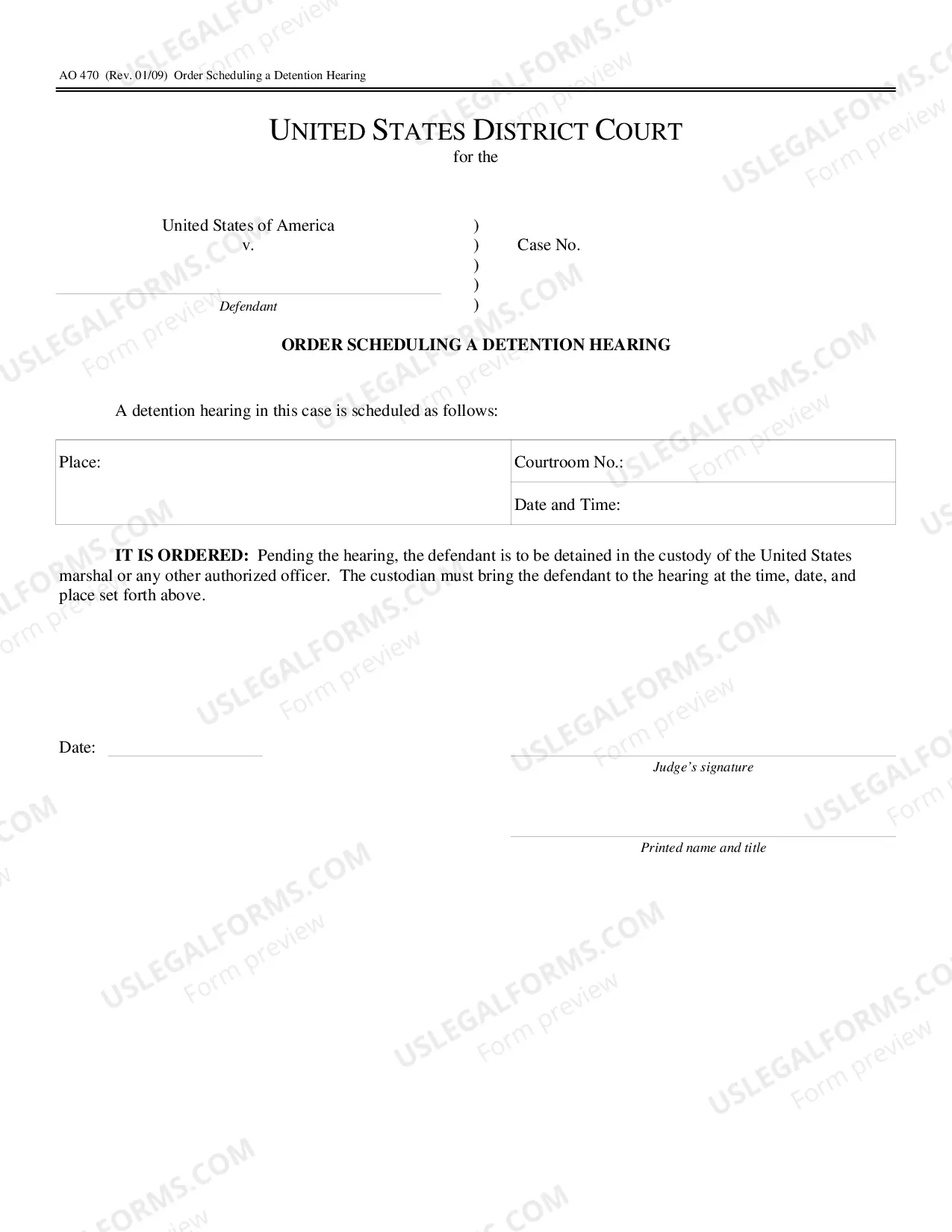
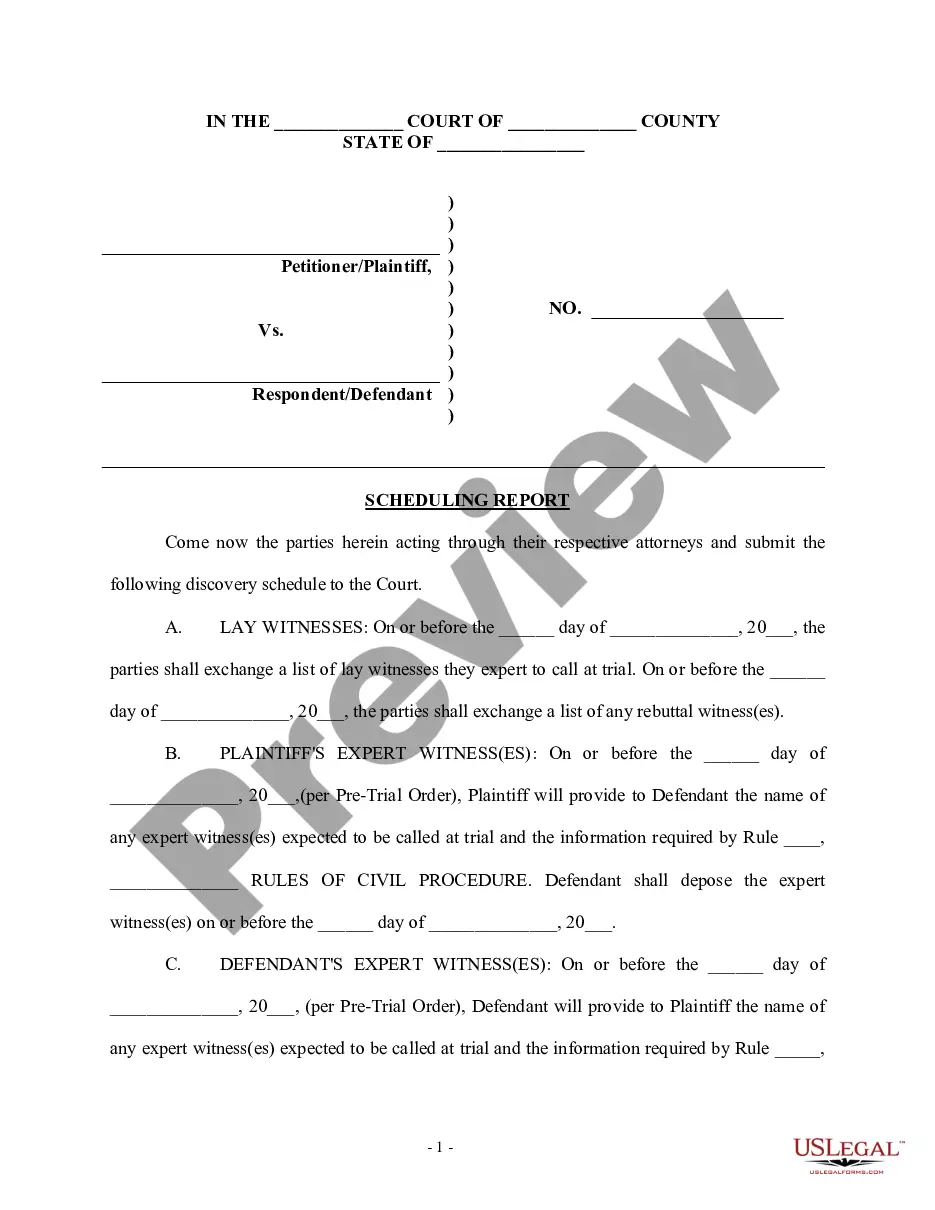
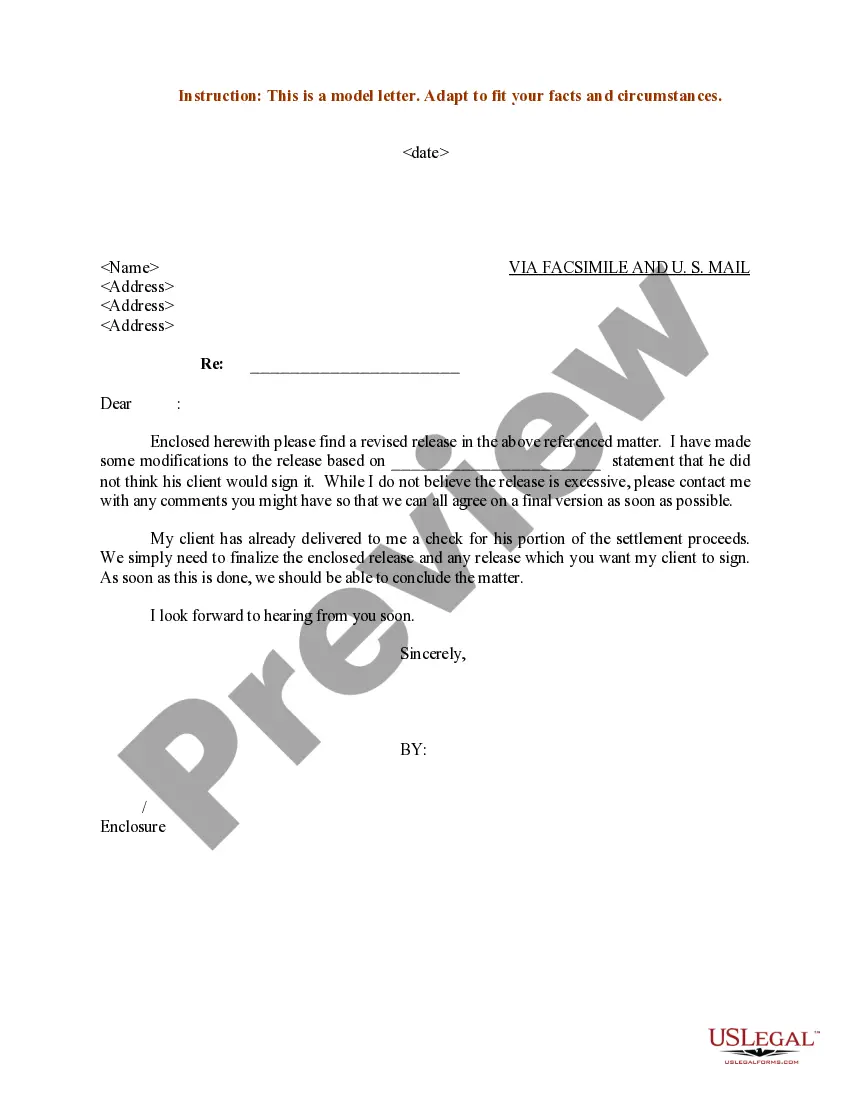
The Order Fixing Hearing Date is a legal document used in New Jersey to officially set a date for a court hearing, particularly concerning cases involving expungement. This form is signed by a judge and establishes a timeline for all parties involved to respond and prepare for the hearing. It differs from other court forms by specifically focusing on hearing dates rather than other procedural elements.
Key parts of this document
- Title of the court case, including plaintiff and defendant names.
- Docket number associated with the civil action.
- Details of the request made to the court, including the nature of the request for expungement.
- Dates and locations pertinent to the hearing.
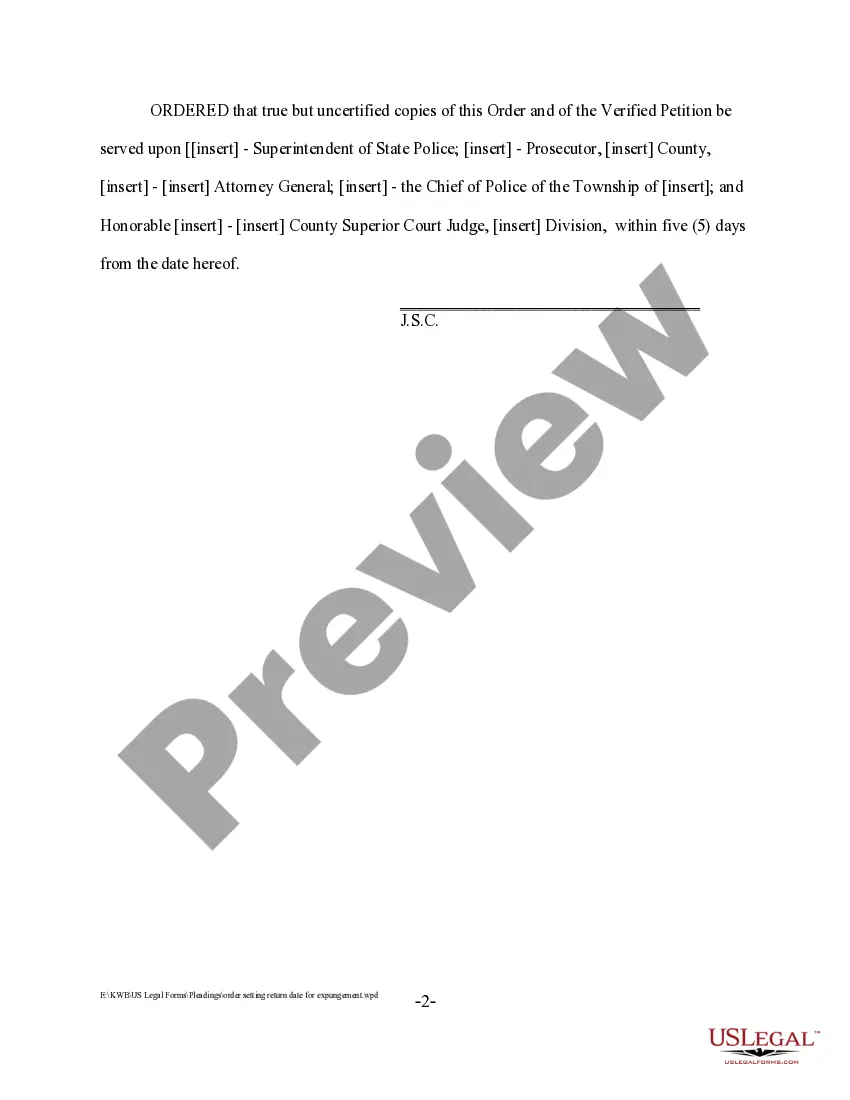
- List of parties to be notified regarding the hearing date.
- Judge's signature for validation.
Situations where this form applies
This form should be used when a defendant is seeking to have records of an arrest expunged and requires a formal hearing date to be established by the court. It is appropriate in situations where a judge has deemed there is sufficient reason to proceed with expungement action and needs to set a timeline for all involved parties to respond.
Who this form is for
- Defendants who have undergone an arrest and wish to have their records expunged.
- Attorneys representing defendants seeking expungement.
- Legal representatives or petitioners involved in similar requests for expungement in New Jersey.
Steps to complete this form
- Fill in the title and names of the plaintiff and defendant.
- Enter the docket number associated with the case.
- Specify the details of the expungement request, citing relevant laws.
- Indicate the required hearing date and time for the court session.
- List all parties that need to be notified and ensure that copies are served appropriately.
- Have the judge sign and date the form to finalize the order.
Notarization guidance
This form does not typically require notarization unless specified by local law. It's essential to check local requirements or consult an attorney if unsure.
Get your form ready online
Our built-in tools help you complete, sign, share, and store your documents in one place.
Make edits, fill in missing information, and update formatting in US Legal Forms—just like you would in MS Word.
Download a copy, print it, send it by email, or mail it via USPS—whatever works best for your next step.
Sign and collect signatures with our SignNow integration. Send to multiple recipients, set reminders, and more. Go Premium to unlock E-Sign.
If this form requires notarization, complete it online through a secure video call—no need to meet a notary in person or wait for an appointment.
We protect your documents and personal data by following strict security and privacy standards.

Make edits, fill in missing information, and update formatting in US Legal Forms—just like you would in MS Word.

Download a copy, print it, send it by email, or mail it via USPS—whatever works best for your next step.

Sign and collect signatures with our SignNow integration. Send to multiple recipients, set reminders, and more. Go Premium to unlock E-Sign.

If this form requires notarization, complete it online through a secure video call—no need to meet a notary in person or wait for an appointment.

We protect your documents and personal data by following strict security and privacy standards.
Mistakes to watch out for
- Failing to include all required parties in the notice list.
- Not providing a clear reason for the expungement request.
- Omitting the docket number or relevant case details.
- Inaccurate or incomplete dates leading to potential delays in processing.
Benefits of using this form online
- Convenient access to legal forms anytime, removing the need for in-person visits.
- Editable templates that allow for customization based on specific case needs.
- Reliable forms drafted by licensed attorneys to ensure legal compliance.
Main things to remember
- The "Order Fixing Hearing Date" is essential for scheduling a court hearing in expungement cases.
- Completing the form accurately ensures your request is processed without unnecessary delays.
- Understanding the specific requirements for New Jersey can aid in successful completion and submission.
Looking for another form?


Form popularity
FAQ
Tenant Rights to Withhold Rent in New Jersey Tenants may withhold rent or exercise the right to repair and deduct if a landlord fails to take care of important repairs, such as a broken heater.
You are legally required to keep rental premises livable in New Jersey, under a legal doctrine called the implied warranty of habitability. If you don't take care of important repairs, such as a broken heater, tenants in New Jersey may have several options, including the right to withhold rent or repair and deduct.
The New Jersey state housing code requires that from October 1st through May 1st, landlords must provide heat so that a tenant's rental unit temperature is at least 68 degrees between the hours of 6 am through 11 pm, and at least 65 degrees between the hours of 11 pm through 6 am.
Painting or other protective coatings are the responsibility of the occupant, not the landlord when required more than once every three years, as a result of acts or omissions of the tenant. (Rental units are not required to be painted between tenants.)
Under the state housing codes, from October 1 to May 1, the landlord must provide enough heat so that the temperature in the apartment is at least 68 degrees from 6 am to 11 pm. Between 11 pm and 6 am, the temperature in the apartment must be at least 65 degrees.
Typically, the deadline to fix the problem is 30 to 60 days. If your heat stops working, and your landlord won't fix it, Veitengruber Law can help. It's important to consult with us as soon as possible so that we can advise you and take action in a timely manner.
A landlord is allowed to provide heat at less than 68 degrees Fahrenheit if they enters into an agreement with the tenant.
The short answer to whether New Jersey landlords are required to paint rental units between tenants is no. The New Jersey Department of Community Affairs' Division of Codes and Standards says landlords are not obligated to paint rental units more than once every three years and even then, only if necessary.
24 hours. Under Section 11 of the Landlord and Tenant Act 1985, you have the right to expect your landlord to carry out repairs in a 'reasonable time'. If it's an emergency repair as you've got no heating or hot water, your landlord should fix this in 24 hours.