New Jersey Timber Sale Contract
Overview of this form
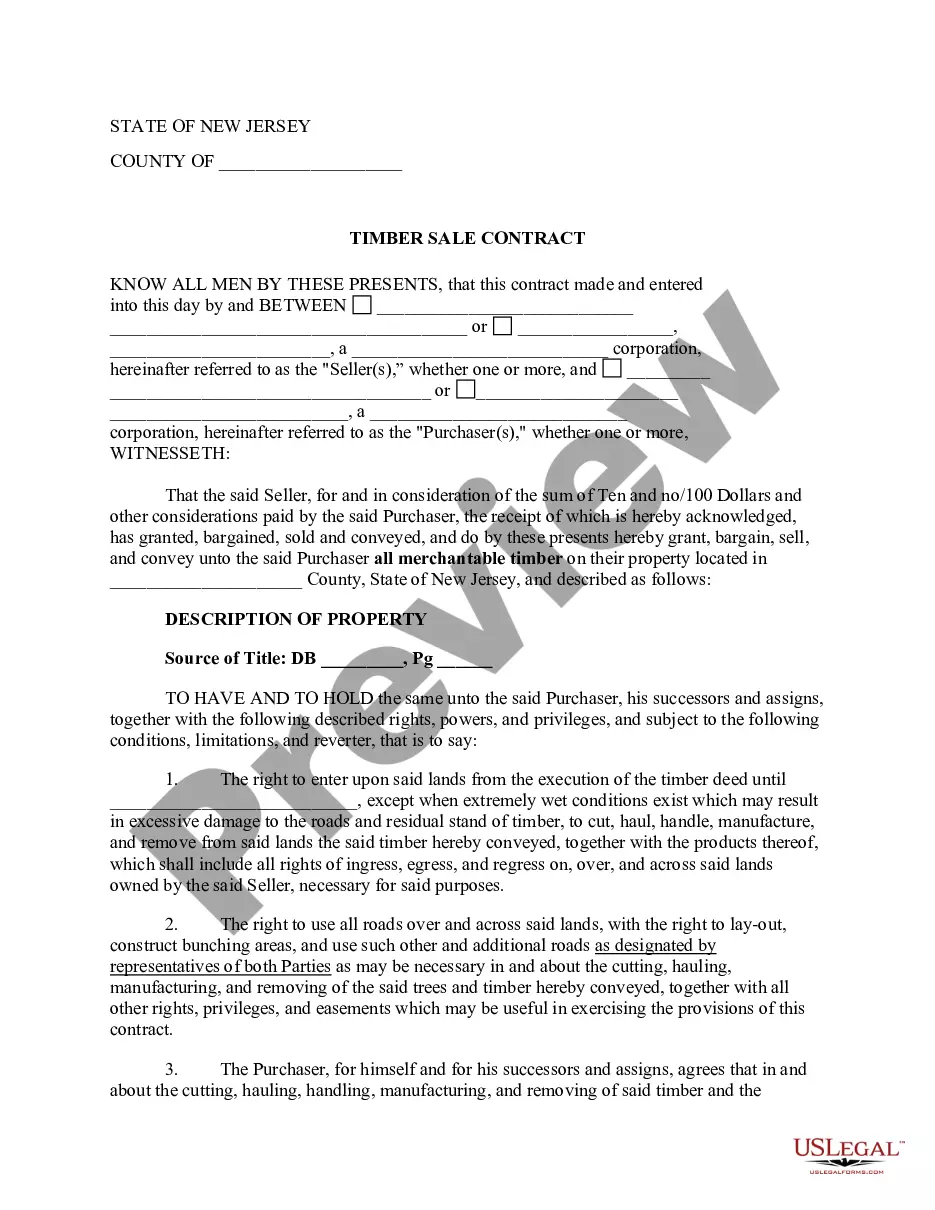
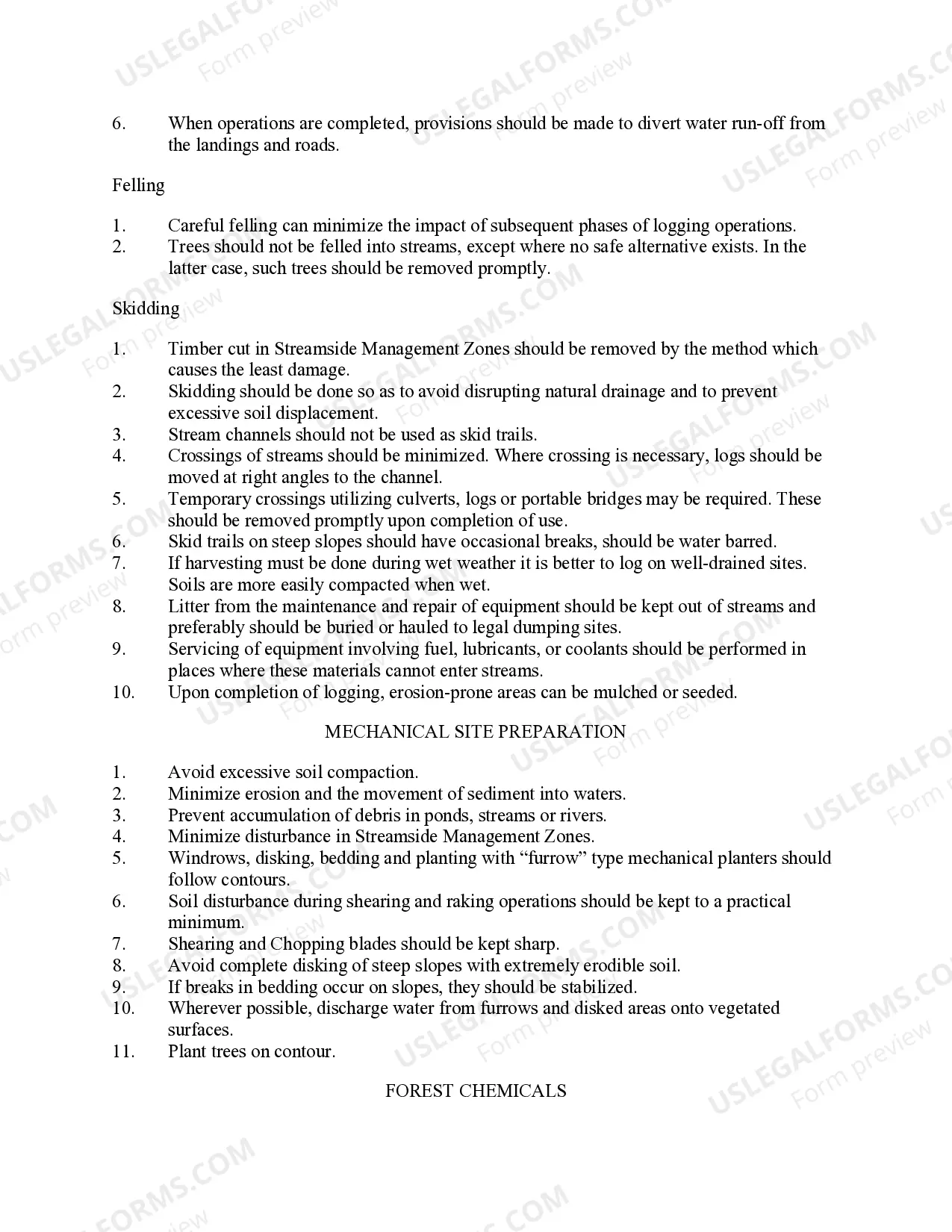
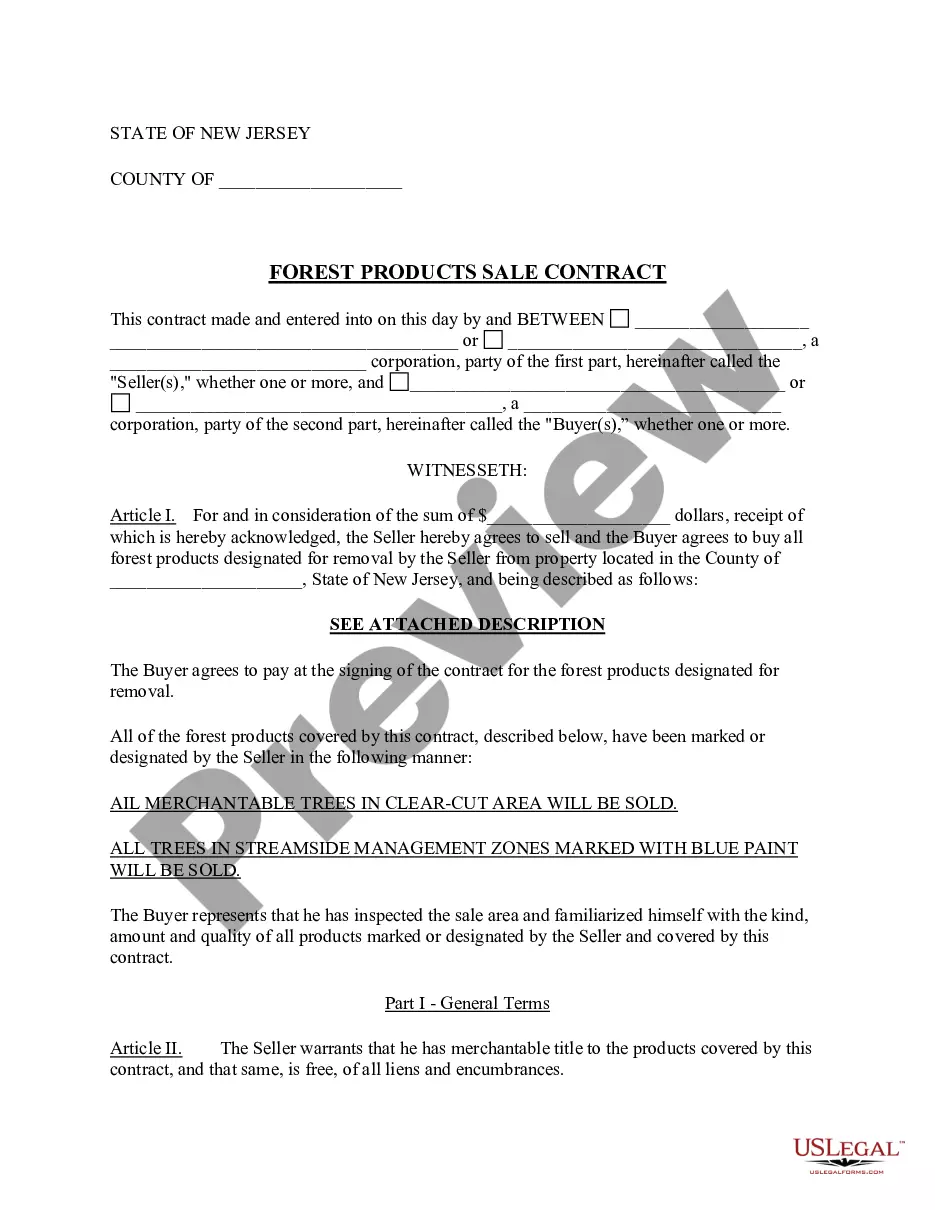
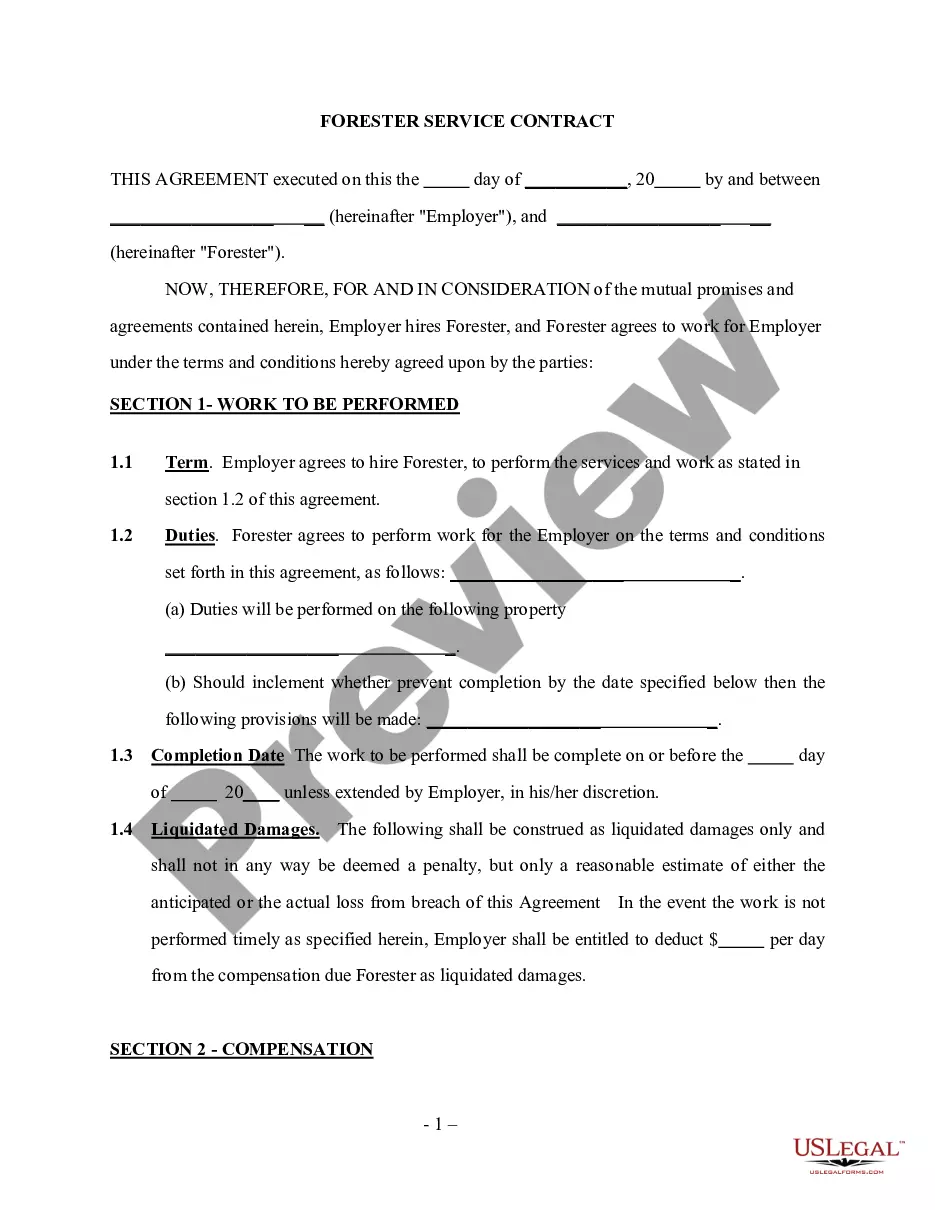
The New Jersey Timber Sale Contract is a legally binding agreement in which the seller authorizes the buyer to purchase timber designated for removal from the seller's property. This contract grants the buyer the rights of ingress and egress for the removal of the timber, ensuring that both parties are protected during the transaction. It is distinct from other types of contracts because it specifically pertains to timber rights and the responsibilities associated with harvesting wood resources.
Form components explained
- Identification of parties: Clearly names the seller and buyer involved in the transaction.
- Description of property: Specifies the location and characteristics of the land from which timber will be harvested.
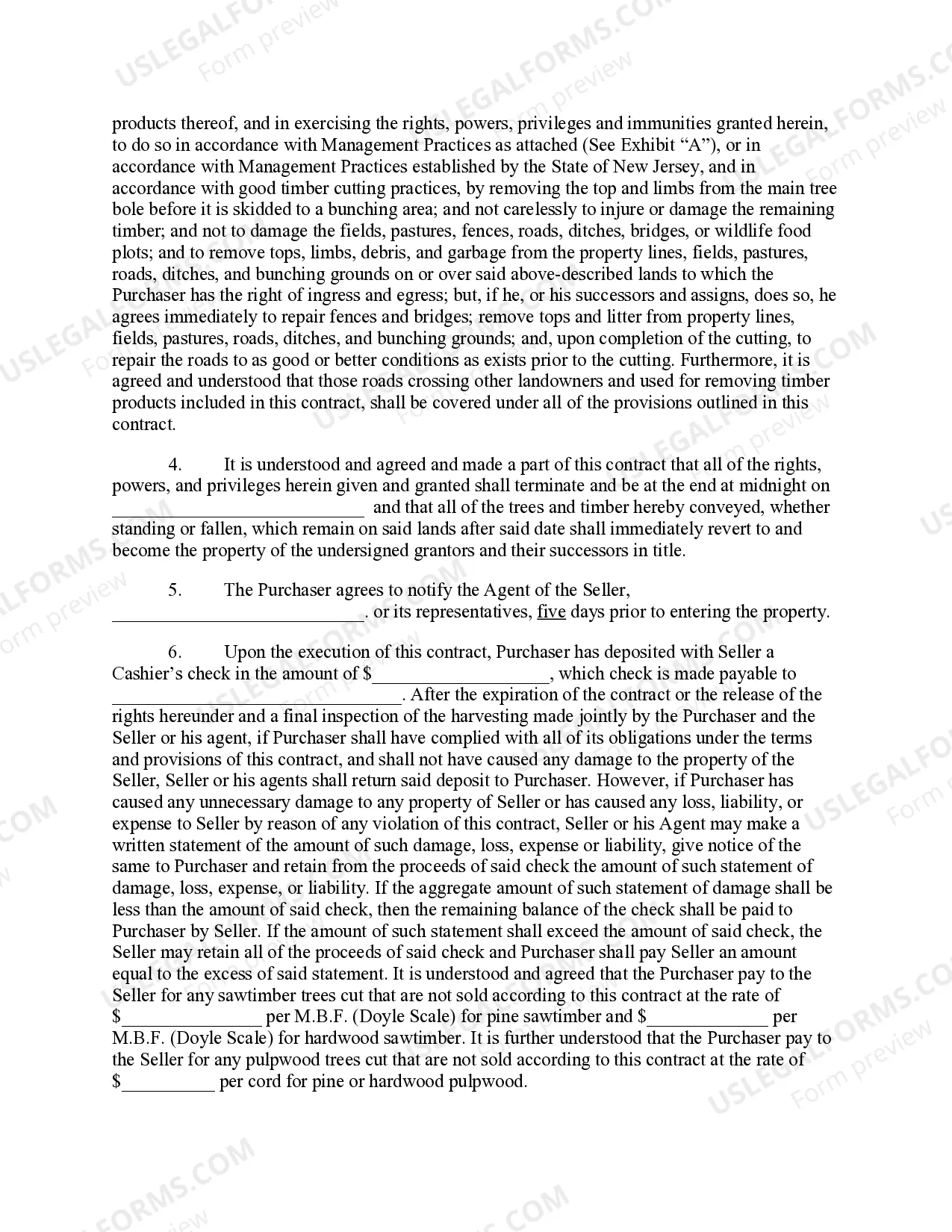
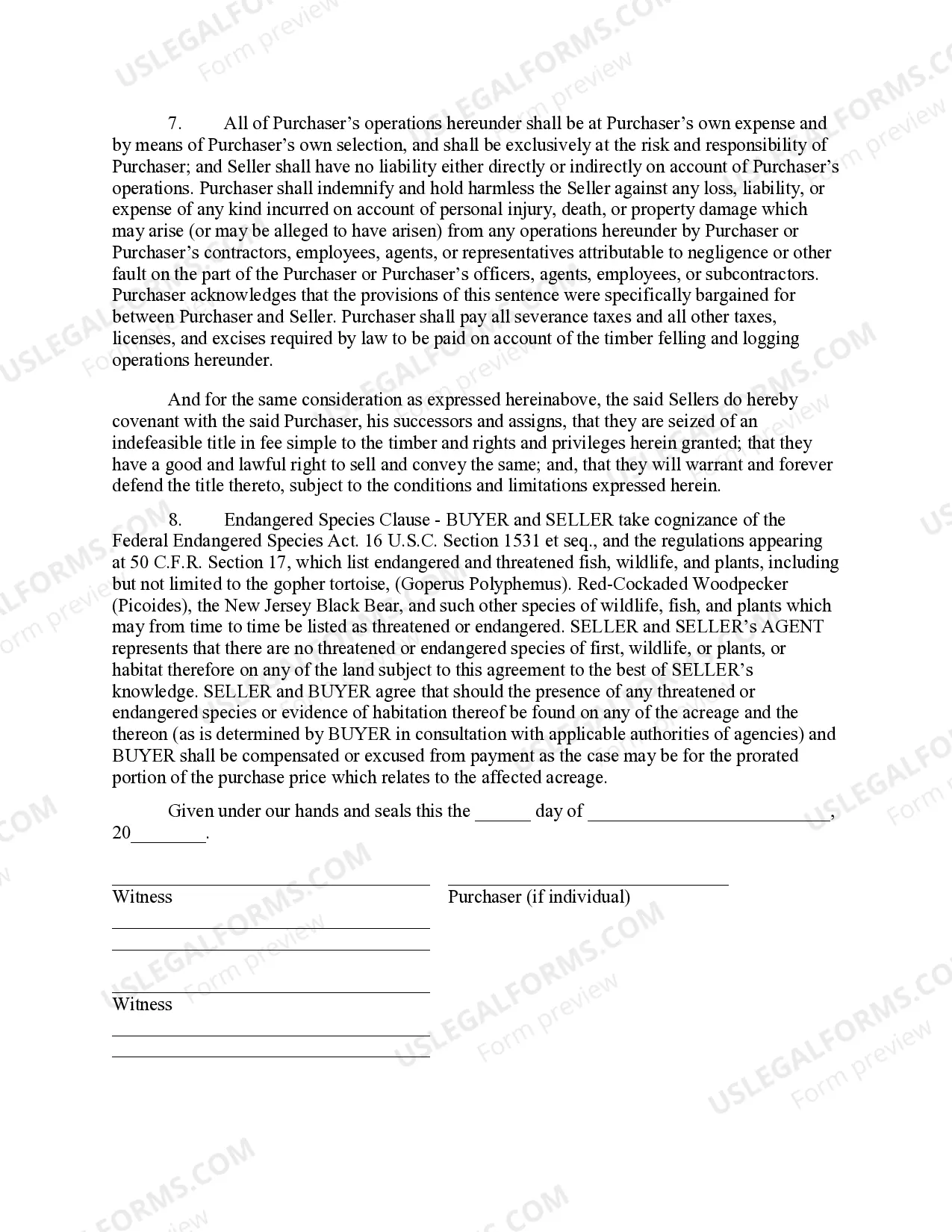
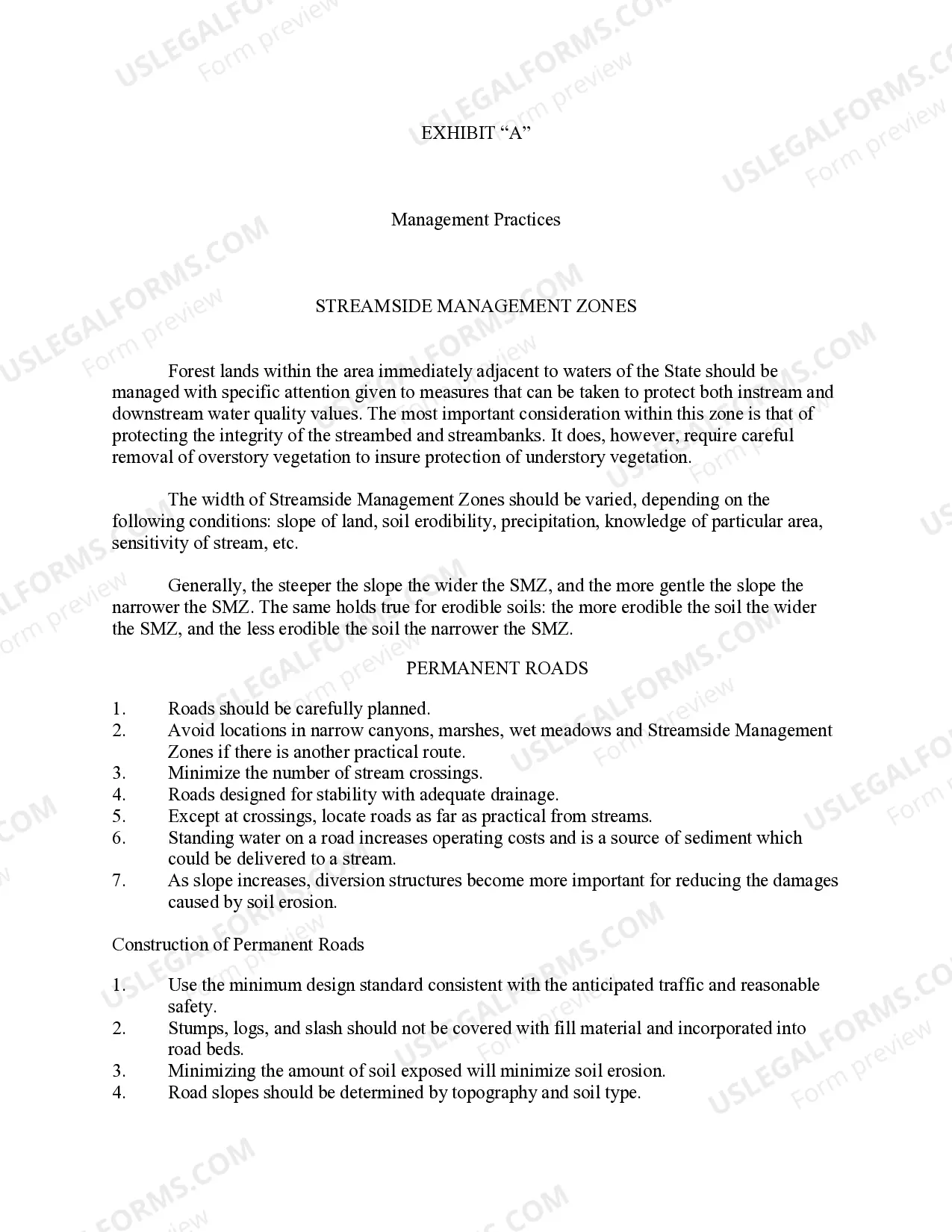
- Rights granted: Details the rights of the buyer to enter the property for timber removal, along with guidelines for responsible management practices.
- Indemnification clause: Protects the seller from liability related to the buyer's timber operations.
- Termination conditions: Sets an end date for the rights granted under the contract and details reversion of timber ownership to the seller.
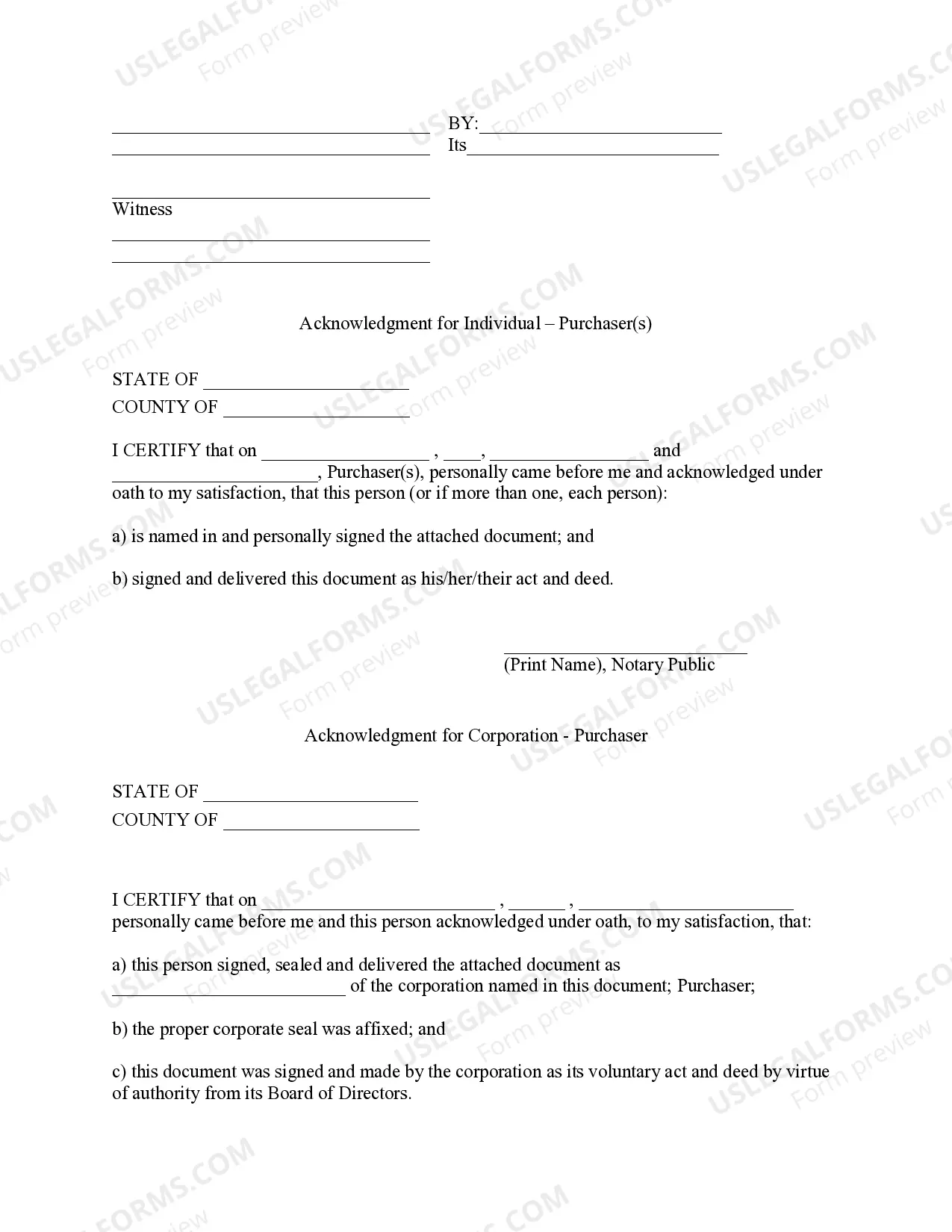
- Notarization requirements: Outlines whether the document must be notarized to ensure legal validity.




When to use this document
This timber sale contract is typically used when a landowner wishes to sell timber from their property. It is necessary for transactions involving the sale of standing or fallen timber, ensuring that both the seller and buyer understand their rights and obligations during the timber removal process. This contract is especially important when multiple parties or legal entities are involved, as it clarifies the terms of sale and the conditions under which the timber can be harvested.
Who can use this document
This form is suitable for:
- Landowners or sellers who own timber and wish to sell it.
- Timber buyers who are interested in purchasing timber for commercial use or personal projects.
- Forestry professionals tasked with managing timber sales and ensuring compliance with state regulations.
- Corporations or partnerships involved in real estate or timberland management.
How to prepare this document
- Identify the parties: Fill in the names and addresses of the seller and buyer.
- Specify the property: Clearly describe the property from which timber will be sold, including legal descriptions if necessary.
- Detail the contract terms: Enter the agreed-upon amount for the sale and specify the rights granted to the buyer for timber removal.
- Enter relevant dates: Fill in the contract date and the termination date for timber rights.
- Sign and date the form: Ensure all parties sign the contract where indicated, and if required, have it notarized.
Notarization requirements for this form
This form needs to be notarized to ensure legal validity. US Legal Forms provides secure online notarization powered by Notarize, allowing you to complete the process through a verified video call, available anytime.
Get your form ready online
Our built-in tools help you complete, sign, share, and store your documents in one place.
Make edits, fill in missing information, and update formatting in US Legal Forms—just like you would in MS Word.
Download a copy, print it, send it by email, or mail it via USPS—whatever works best for your next step.
Sign and collect signatures with our SignNow integration. Send to multiple recipients, set reminders, and more. Go Premium to unlock E-Sign.
If this form requires notarization, complete it online through a secure video call—no need to meet a notary in person or wait for an appointment.
We protect your documents and personal data by following strict security and privacy standards.

Make edits, fill in missing information, and update formatting in US Legal Forms—just like you would in MS Word.

Download a copy, print it, send it by email, or mail it via USPS—whatever works best for your next step.

Sign and collect signatures with our SignNow integration. Send to multiple recipients, set reminders, and more. Go Premium to unlock E-Sign.

If this form requires notarization, complete it online through a secure video call—no need to meet a notary in person or wait for an appointment.

We protect your documents and personal data by following strict security and privacy standards.
Avoid these common issues
- Failing to clearly define the property description, which can lead to disputes.
- Omitting important terms regarding rights and obligations, such as maintenance of roads and environmental protections.
- Neglecting to obtain the necessary signatures or notarization, which can invalidate the contract.
- Inadequate communication about the timeline for timber removal, leading to potential conflicts.
Why use this form online
- Convenience: Easily accessible and available for download at any time.
- Editability: Customizable to reflect the specific terms of your agreement.
- Reliability: Drafted by licensed attorneys to ensure compliance with legal standards.
Legal use & context
- The Timber Sale Contract is legally binding once signed by both parties, provided all state laws are followed.
- It helps in safeguarding the seller's property rights while enabling the buyer to have clear authority to harvest timber.
- Non-compliance with the terms may result in legal disputes regarding timber rights and environmental regulations.
Key takeaways
- The New Jersey Timber Sale Contract is crucial for documented timber sales.
- Clearly outline property details, management practices, and rights in the contract.
- Notarization is required to validate the agreement.
- Proper usage of this form helps avoid common legal pitfalls associated with timber sales.
Looking for another form?
Form popularity
FAQ
In order for a contract to be considered binding, it must include the basic elements of a contract, including offer and acceptance, consideration, mutuality or intention, legality, and capacity. If a contract includes all of these elements, it is most likely a binding contract.
Find the contract opportunity that you are interested in. Make sure that you can provide the products or services needed. Read the proposal submission guidelines closely and follow them to the letter. Research closed bid information.
The Essential Provisions of an Enforceable Contract An acceptance. Competent parties who have the legal capacity to contract. Lawful subject matter. Mutuality of obligation.
To form a contract, one party must make an offer and the other party must accept the offer. Each party must give up something of value in order to create a legal contract. This is called consideration.Oral contracts, with some exceptions under the Statute of Frauds, are no less binding and enforceable.
Before you can bid on federal contracts, you must complete your System for Award Management (SAM) Registration. Only businesses that have completed their registration can submit bids and receive federal contracts. Completed your SAM Registration? Then it's time to start submitting bids for federal contracts.
According to New Jersey law, most verbal agreements in the state are binding. However, someone hoping to enforce the contract has the legal burden of showing that a valid contract existed. This task can be more complicated when the terms of an agreement are not spelled out in a written contract.
NJ. The State of New Jersey has launched a new e-procurement portal, NJSTART.gov, which is designed to simplify the procurement process for suppliers doing business with New Jersey.
An agreement between private parties creating mutual obligations enforceable by law. The basic elements required for the agreement to be a legally enforceable contract are: mutual assent, expressed by a valid offer and acceptance; adequate consideration; capacity; and legality.
Generally, to be legally valid, most contracts must contain two elements: All parties must agree about an offer made by one party and accepted by the other. Something of value must be exchanged for something else of value. This can include goods, cash, services, or a pledge to exchange these items.