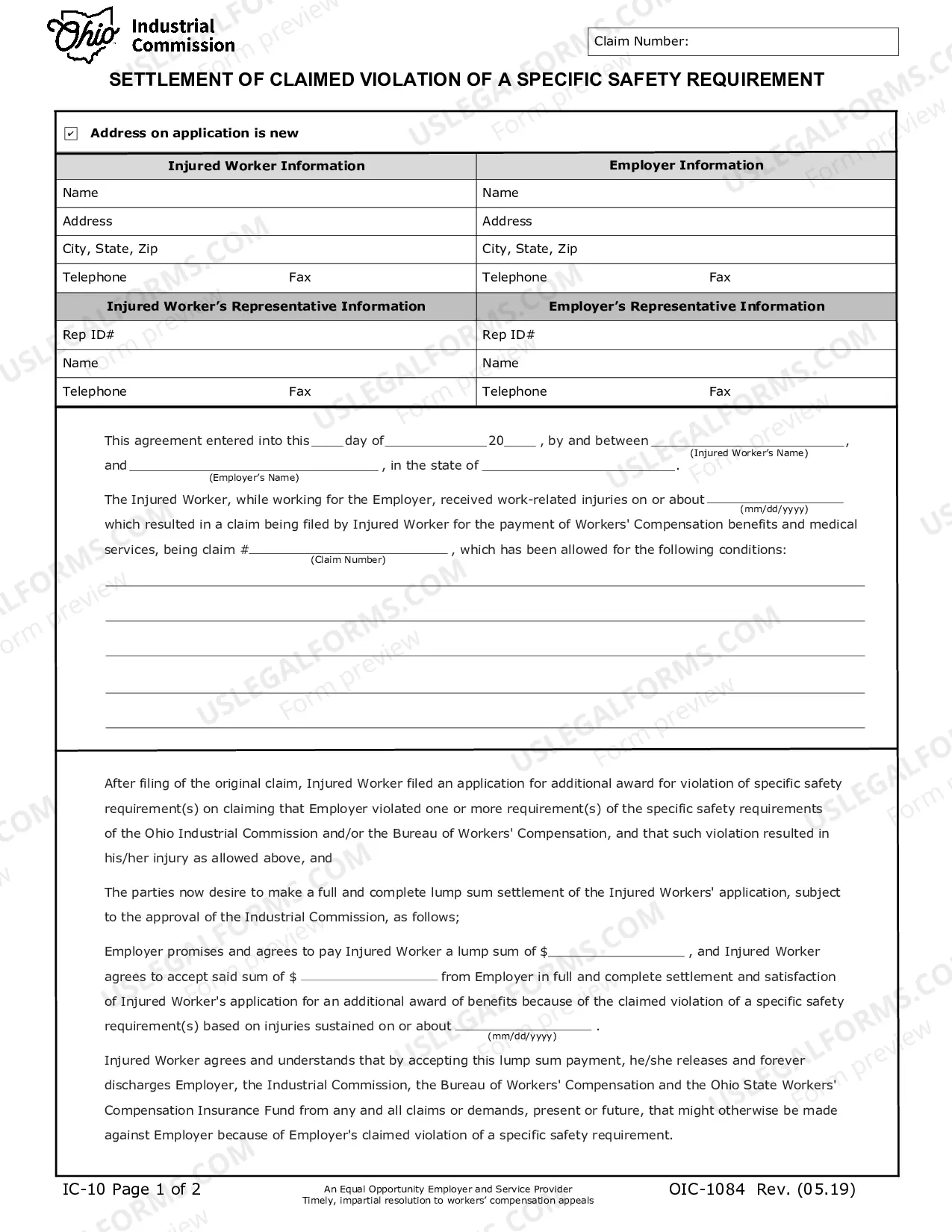
New Jersey Application for Sublease
What this document covers
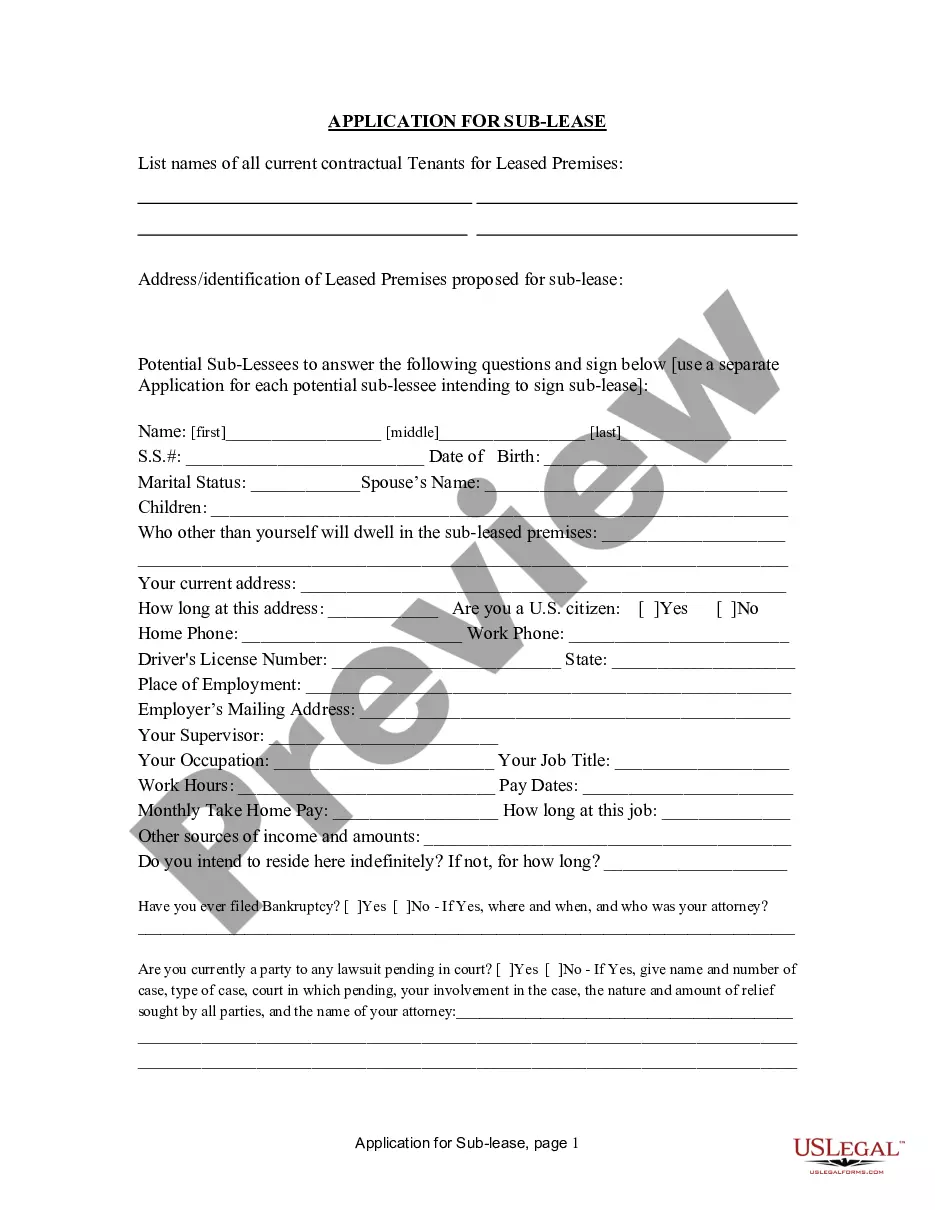
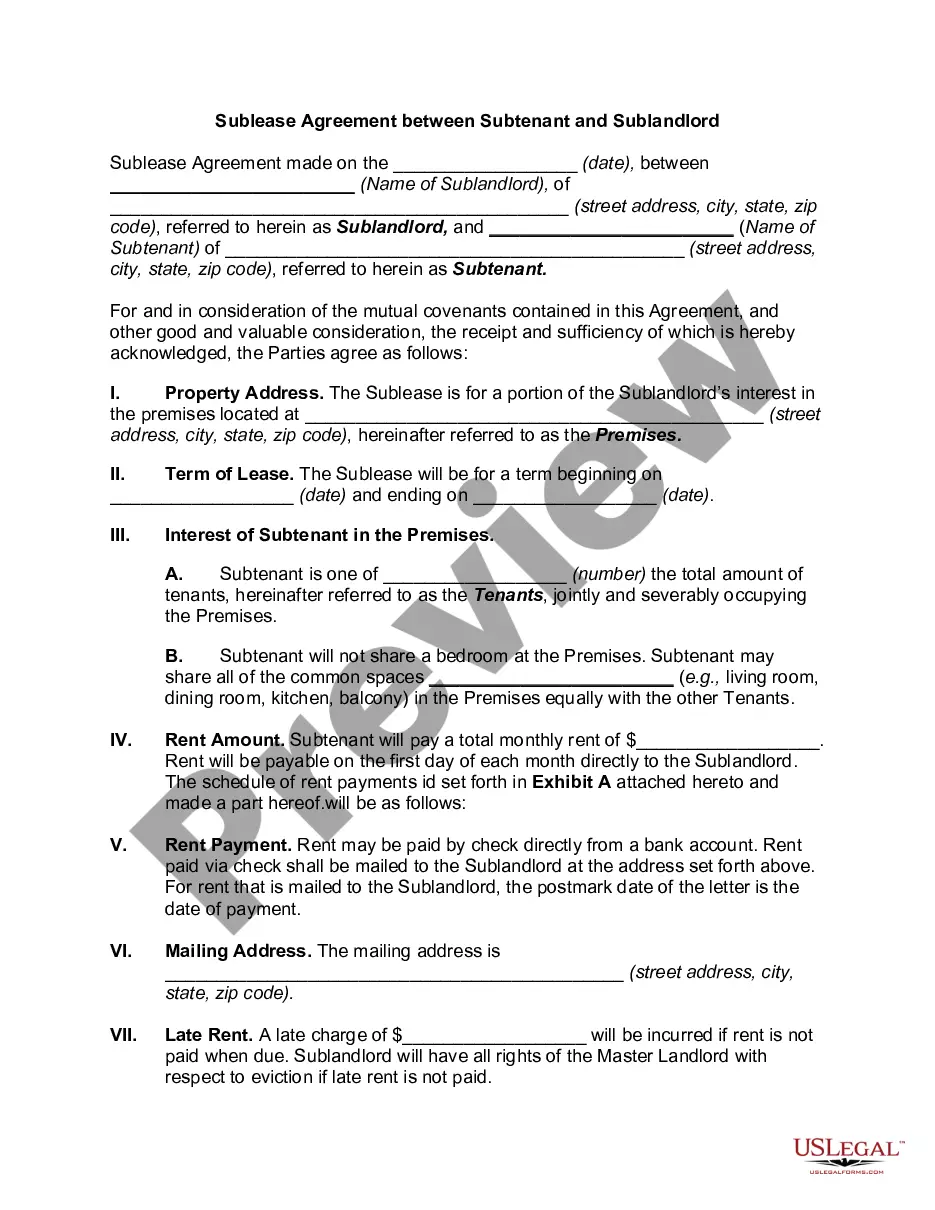
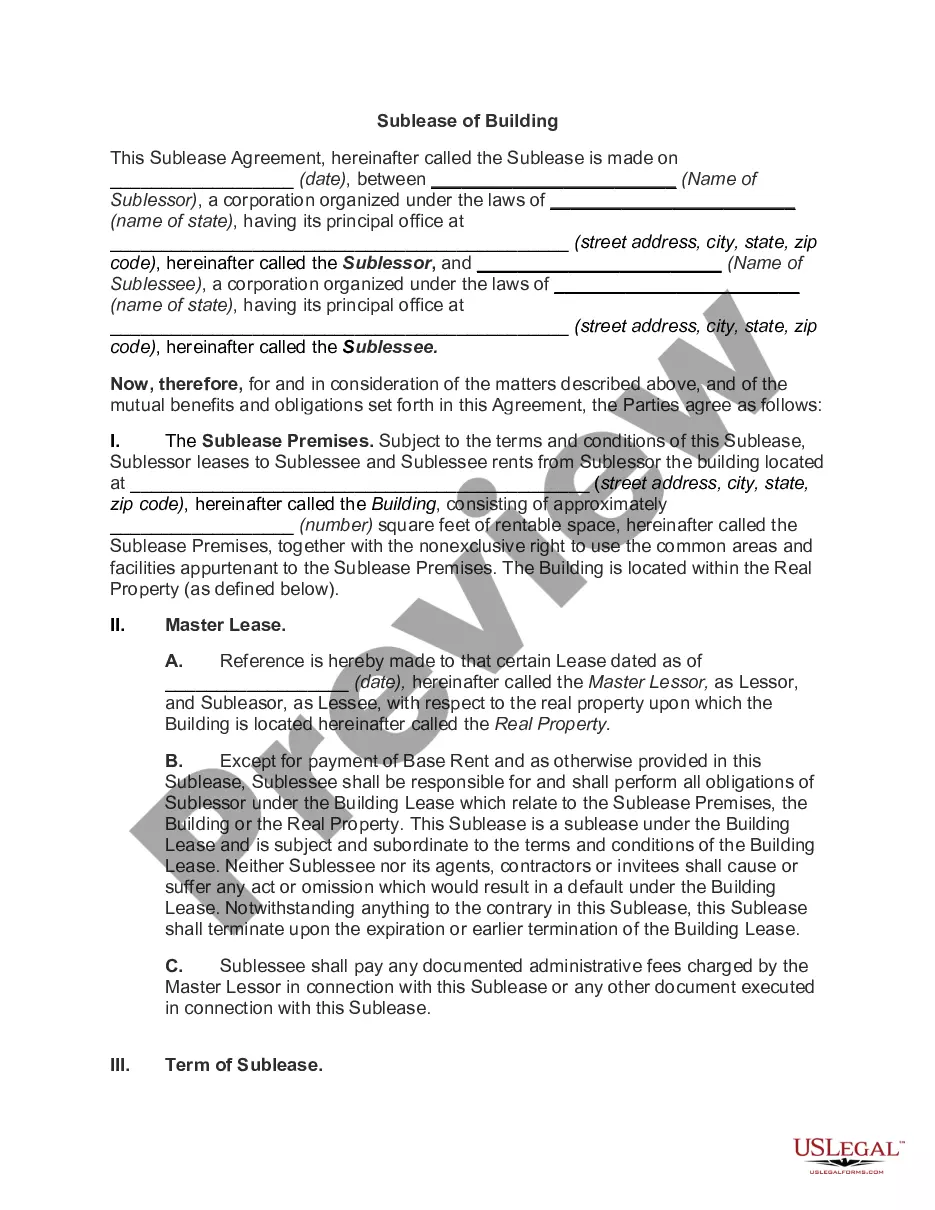
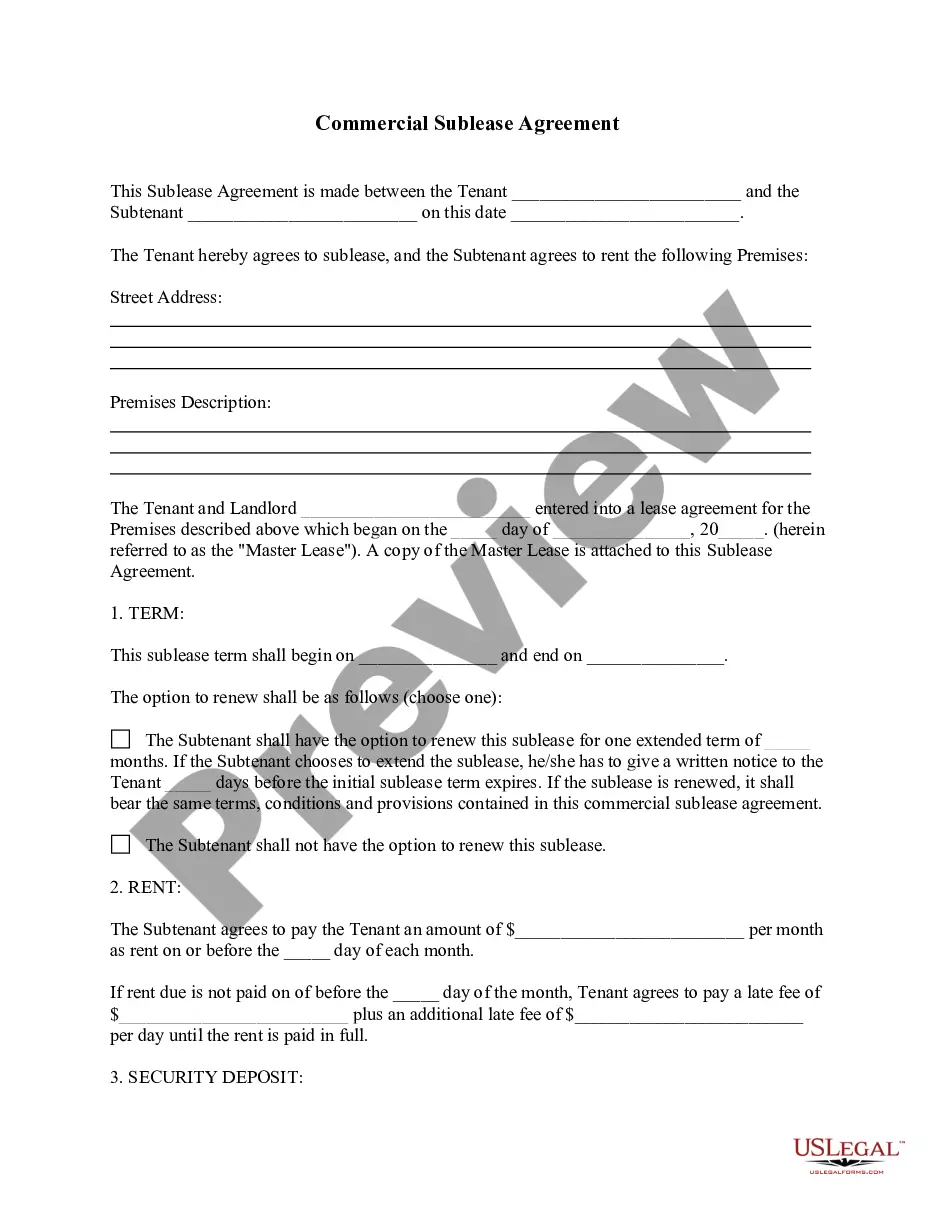
The Application for Sublease is a document that allows a potential sub-tenant to apply to rent a property that a current tenant wishes to sublet. This form helps landlords assess relevant information about the sub-tenant's eligibility before making a decision to approve or deny the sublease. Unlike a rental agreement, which initiates a new contract between a landlord and tenant, this application specifically focuses on sub-leasing arrangements and the information required for approval by the landlord.
Key components of this form
- Personal information: Includes the applicant's name, address, and marital status.
- Employment details: Requires information about the applicantâs job, income, and employer.
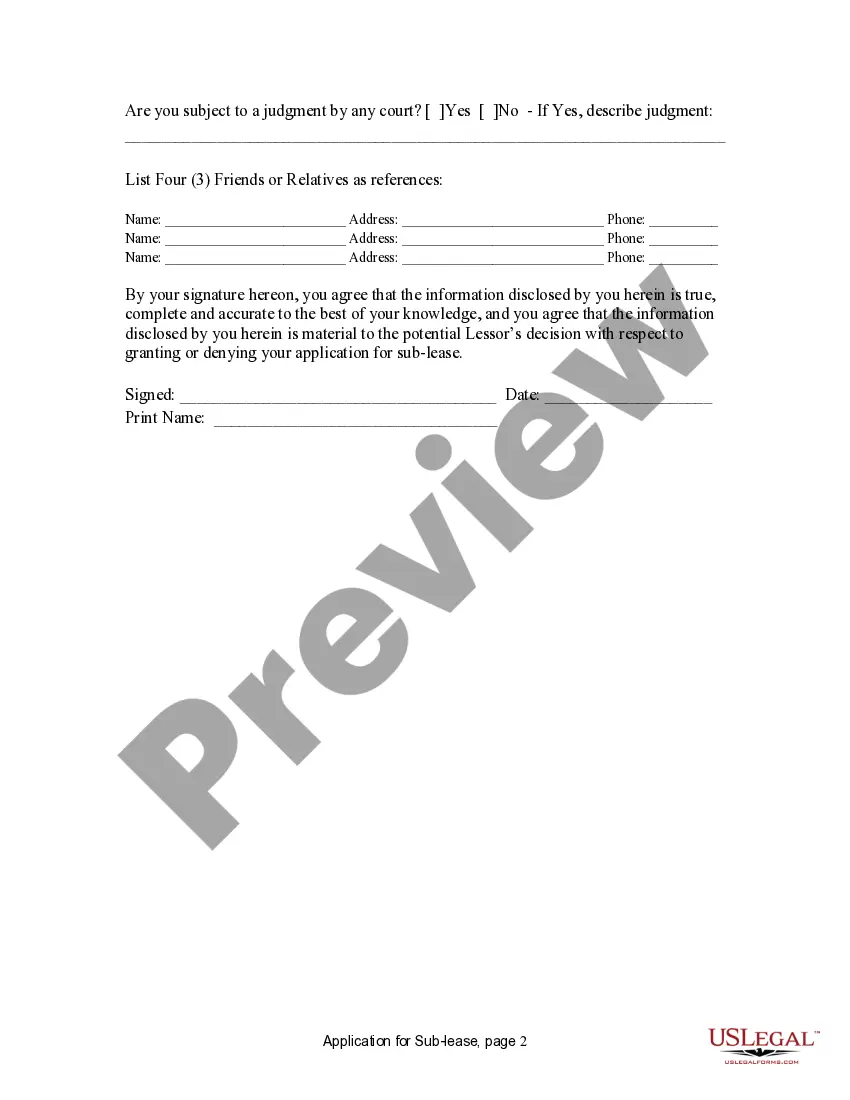
- References: Requests contact information for friends or relatives who can vouch for the applicant.
- Legal disclosures: Asks about bankruptcy, lawsuits, or existing judgments against the applicant.
- Consent clause: A section where the applicant agrees that the information provided is true and relevant.
When to use this document
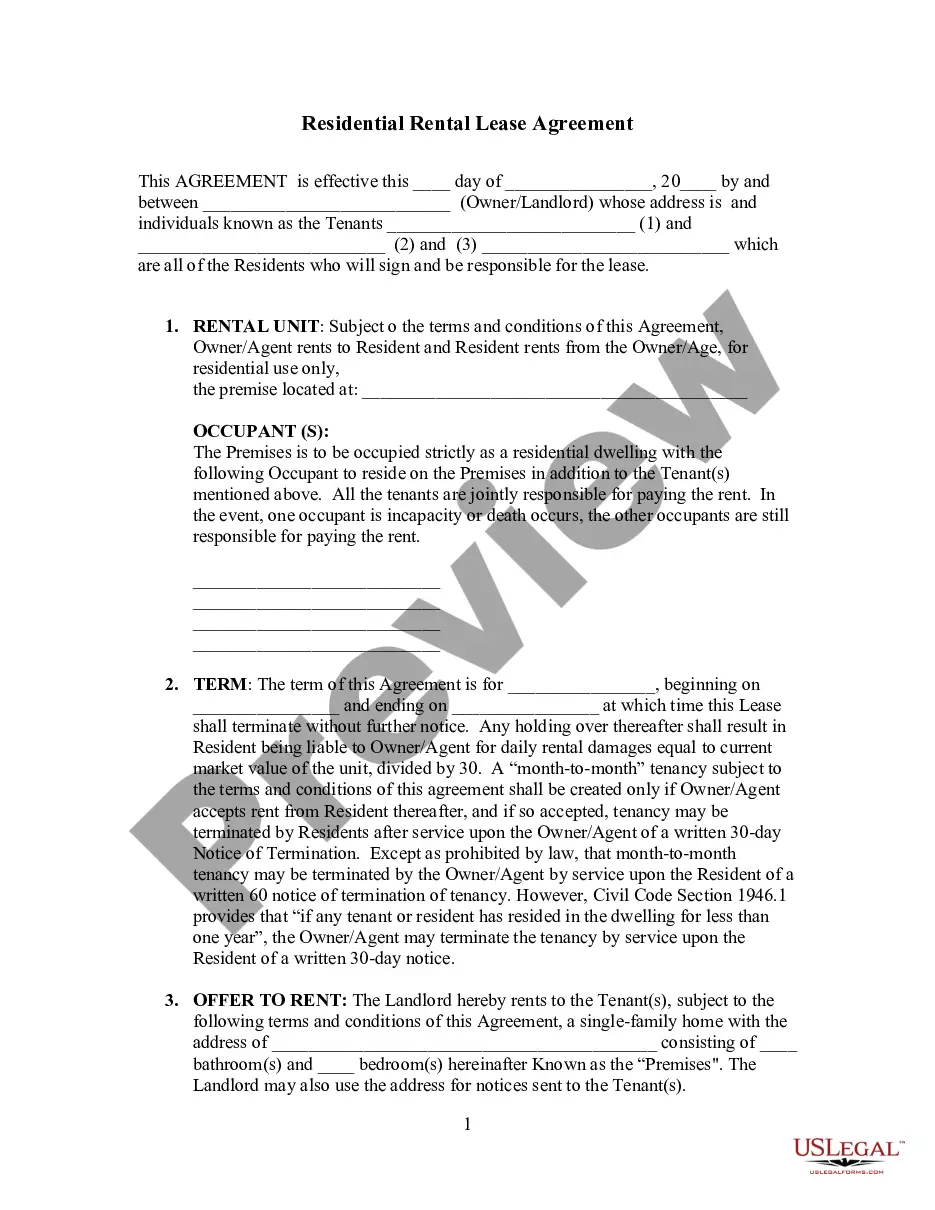
This form should be utilized when a tenant wishes to sublet their rented property to another individual and the original lease agreement allows for subleasing with landlord approval. It is commonly used in situations where the primary tenant may be relocating temporarily, seeking financial relief by sharing rental costs, or needing to vacate the premises for personal reasons while ensuring their lease obligations are met through the sub-tenant.
Who this form is for
- Current tenants looking to sublet their rental property.
- Potential sub-tenants who wish to apply to sublease from a current tenant.
- Landlords who require a structured application process for sub-leasing arrangements.
How to complete this form
- Provide your personal information, including marital status and address.
- Enter your employment details, including job title, pay dates, and income information.
- List references that can support your application.
- Disclose any past bankruptcies, lawsuits, or judgments that may affect your application.
- Sign and date the application, certifying that the information provided is accurate.
Does this document require notarization?
This form does not typically require notarization unless specified by local law. However, it is advisable to check if any additional documentation or verification is needed based on the landlordâs requirements.
Get your form ready online
Our built-in tools help you complete, sign, share, and store your documents in one place.
Make edits, fill in missing information, and update formatting in US Legal Forms—just like you would in MS Word.
Download a copy, print it, send it by email, or mail it via USPS—whatever works best for your next step.
Sign and collect signatures with our SignNow integration. Send to multiple recipients, set reminders, and more. Go Premium to unlock E-Sign.
If this form requires notarization, complete it online through a secure video call—no need to meet a notary in person or wait for an appointment.
We protect your documents and personal data by following strict security and privacy standards.

Make edits, fill in missing information, and update formatting in US Legal Forms—just like you would in MS Word.

Download a copy, print it, send it by email, or mail it via USPS—whatever works best for your next step.

Sign and collect signatures with our SignNow integration. Send to multiple recipients, set reminders, and more. Go Premium to unlock E-Sign.

If this form requires notarization, complete it online through a secure video call—no need to meet a notary in person or wait for an appointment.

We protect your documents and personal data by following strict security and privacy standards.
Common mistakes
- Failing to complete all required fields, leading to incomplete applications.
- Not providing accurate or complete employment and income information.
- Overlooking the need to list references and their contact details.
- Neglecting to sign and date the application, rendering it invalid.
Why complete this form online
- Convenience: Download the form from anywhere at any time.
- Editability: Customize the form to suit specific needs before submitting.
- Reliability: Ensure compliance with standard legal language and requirements drafted by licensed attorneys.
Legal use & context
- This application is essential for obtaining the landlord's consent to sublease a rental unit.
- Unauthorized subleasing can lead to eviction or legal issues for the original tenant.
- Providing accurate information is crucial, as it impacts the landlordâs decision.
Looking for another form?
Form popularity
FAQ
If a court finds you guilty of the first offence of unlawful subletting, you can be fined in the magistrates' court.At the magistrates' court, you can get up to six months in prison or a fine, or both. At the Crown Court the maximum penalty is imprisonment for two years or a fine, or both.
Tenants in New Jersey can legally sublet with landlord approval as long as the lease agreement doesn't expressly forbid it. Landlords in New Jersey have the ability to stop you from subletting by putting a term in your lease contract to that effect.
No residential landlord may evict or fail to renew a lease, whether it is a written or an oral lease without good cause. The landlord must be able to prove in court that he has grounds for an eviction.
Writing Your Sublease. State the name of the parties and the date of the contract. Identify the full names of each party and what their role is in the contract. The original leaseholder of the property is the Tenant and the person subletting the property is the Subtenant.
Everything is illegal in NJ if you don't know anyone. People rent rooms all the time and paying cash is fine. Its not illegal to do business in cash.
Make sure you're allowed to sublet. Find a great sublet candidate (more on how to do this below). Set up your sublet agreement. Go to your landlord for final approval. Once your landlord gives the okay, start subletting.
The Lease Must be in Writing It does not matter if the lease is handwritten or typed. If the lease is for more than one year, it must be in written form and contain the following terms.
Oftentimes, sub-tenants have the right to be presented with an eviction notice in advance of having to move out and, in some jurisdictions, may be able to bring a lawsuit against the landlord.
Record a liability calculated as the present value of the remaining minimum lease payments due under the original (head) lease, reduced by the present value of any estimated sublease income, Write off the deferred rent from the original lease, and. Record a loss on the income statement for the difference.