New Jersey Discharge of Construction Lien Claim
Understanding this form
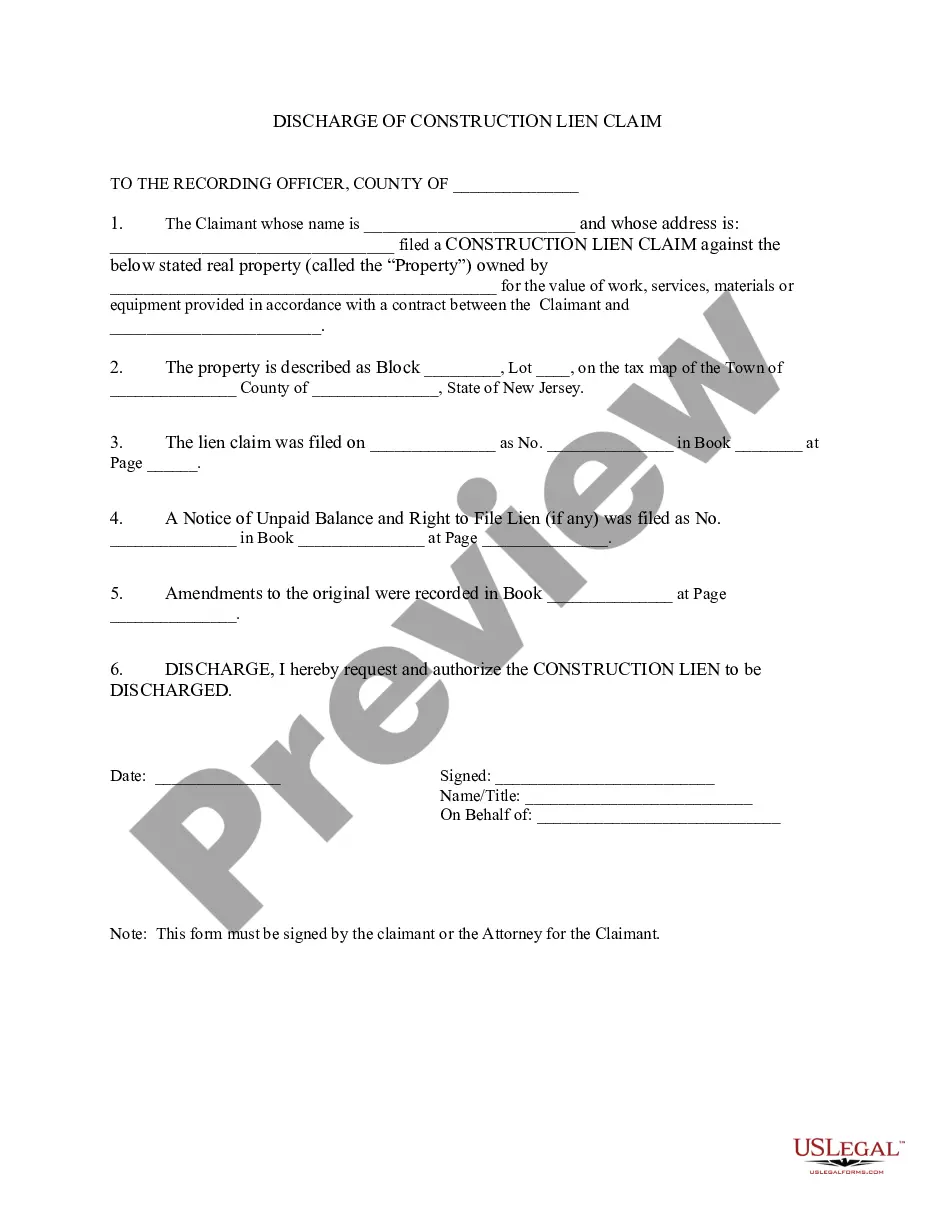
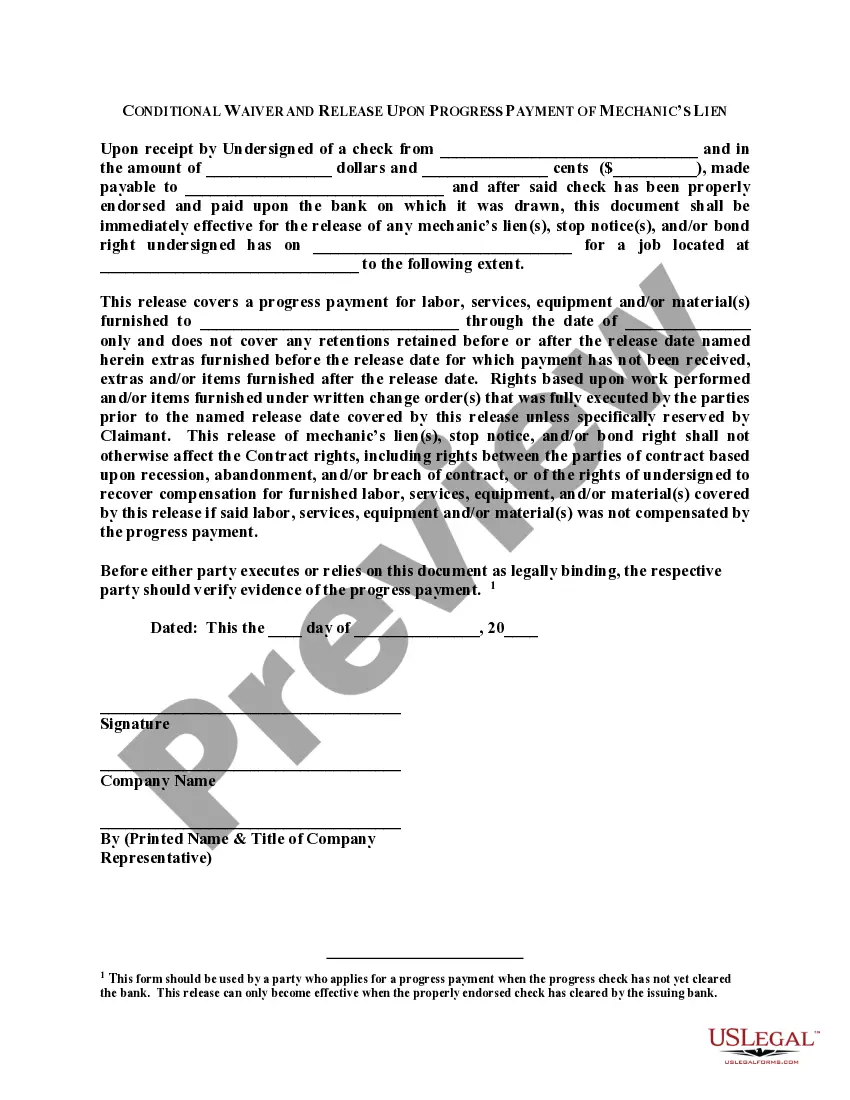
The Discharge of Construction Lien Claim is a legal document used by a lien holder to formally release a construction lien on a property after receiving full payment for work, services, materials, or equipment provided. This form is vital for ensuring that property owners have clear title to their property once their obligations are met, distinguishing it from other lien-related forms that may not reflect payment or release of claims.
Key parts of this document
- Claimant's name and address: Identifies the party who filed the construction lien.
- Property description: Specifies the real property subject to the lien, including block and lot.
- Original lien details: Includes the filing date and recording information of the lien claim.
- Discharge request: A specific declaration by the claimant to discharge the lien upon receipt of full payment.
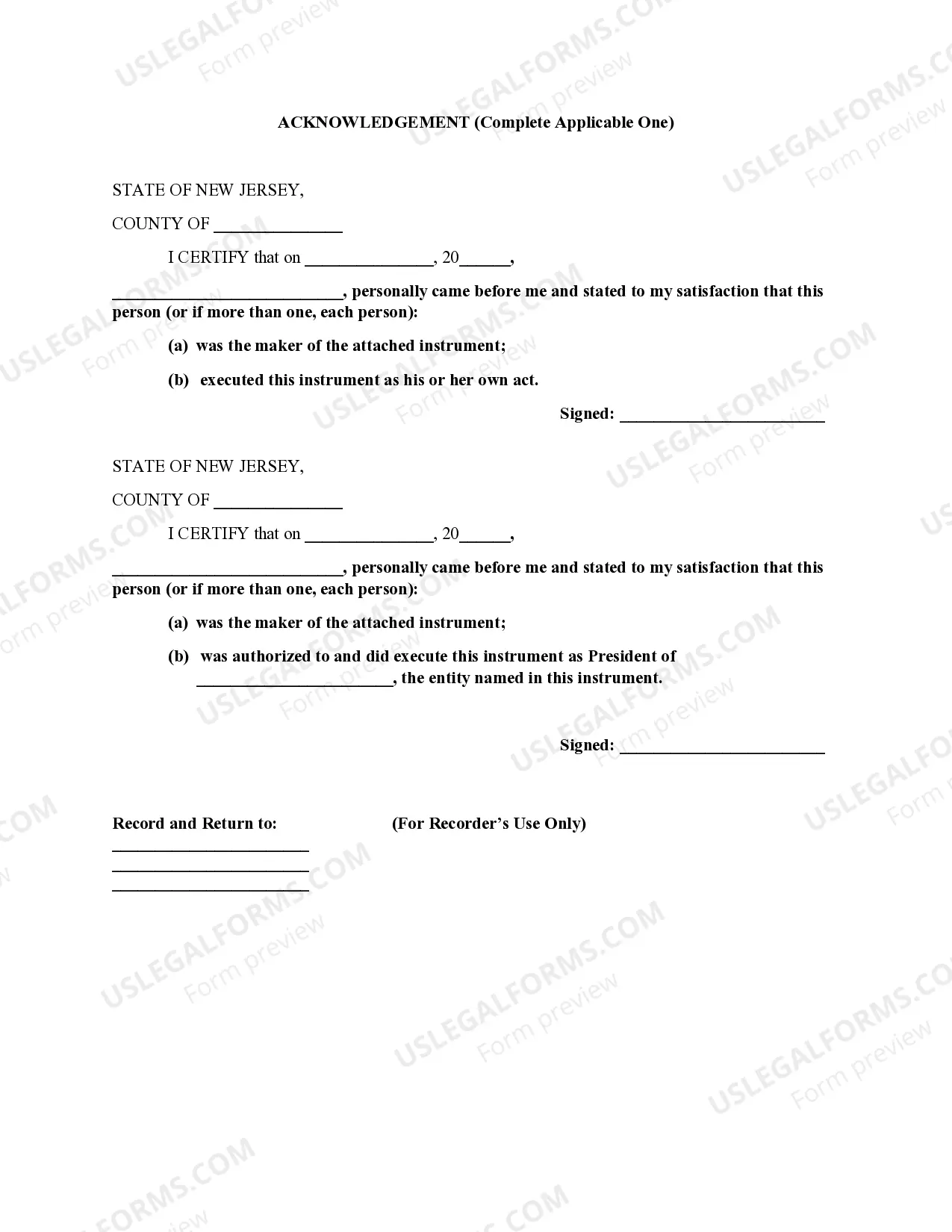
- Acknowledgement section: For notarization and verification of the claimant's signature.
Situations where this form applies
This form should be used whenever a contractor, subcontractor, or supplier has completed their work and received full payment for the services rendered, and they need to remove the lien from the property. It's relevant in construction projects where a lien was previously filed due to non-payment or contractual disputes that have now been resolved.
Who this form is for
- Contractors who have completed their contractual obligations and have been fully paid.
- Subcontractors or suppliers who need to release a construction lien on a property.
- Property owners seeking to clear a property title after settling payments for construction work.
- Attorneys representing lien claimants in the discharge process.
How to prepare this document
- Identify the parties involved: Include the names and addresses of the claimant and property owner.
- Specify the property: Provide detailed description, including block and lot information.
- Enter the lien claim details: Fill in the dates and references for the original lien and any notices filed.
- Complete the discharge section: Clearly state the request to discharge the lien.
- Provide signatures: Ensure the form is signed by the claimant or their attorney and includes notarization.
Does this document require notarization?
Yes, this form must be notarized to be legally valid. The notarization process requires the claimant or an authorized representative to affirm their identity and the authenticity of the document. US Legal Forms offers integrated online notarization for convenience, allowing you to notarize securely via video call without needing to travel.
Get your form ready online
Our built-in tools help you complete, sign, share, and store your documents in one place.
Make edits, fill in missing information, and update formatting in US Legal Forms—just like you would in MS Word.
Download a copy, print it, send it by email, or mail it via USPS—whatever works best for your next step.
Sign and collect signatures with our SignNow integration. Send to multiple recipients, set reminders, and more. Go Premium to unlock E-Sign.
If this form requires notarization, complete it online through a secure video call—no need to meet a notary in person or wait for an appointment.
We protect your documents and personal data by following strict security and privacy standards.

Make edits, fill in missing information, and update formatting in US Legal Forms—just like you would in MS Word.

Download a copy, print it, send it by email, or mail it via USPS—whatever works best for your next step.

Sign and collect signatures with our SignNow integration. Send to multiple recipients, set reminders, and more. Go Premium to unlock E-Sign.

If this form requires notarization, complete it online through a secure video call—no need to meet a notary in person or wait for an appointment.

We protect your documents and personal data by following strict security and privacy standards.
Mistakes to watch out for
- Failing to include all required signatures, particularly from the claimant or their attorney.
- Neglecting to fully complete the property description fields.
- Forgetting to notarize the form, which is necessary for it to be legally valid.
- Incorrectly filling in the original lien information, leading to confusion or disputes.
Benefits of completing this form online
- The convenience of completing the form from anywhere, at any time.
- Easy editing and customization to fit specific circumstances.
- Access to professionally drafted templates that ensure legal compliance.
- Immediate download available for quick processing of paperwork.
Main things to remember
- The Discharge of Construction Lien Claim is crucial for releasing claims on properties post-payment.
- Accurate completion of the form is essential for legal validity, including signatures and notarization.
- This form is specific to New Jersey, aligning with the state's legal framework regarding construction liens.
Looking for another form?

Form popularity
FAQ
The most common way to reduce or even eliminate mechanic's lien risk is through the use of lien waivers. A lien waiver is a private agreement in which a party surrenders the right to file a lien in exchange for payment.
A non-residential project participant has 90 days from the date the labor or materials were last provided to the property. The lien must also be served to the property owner within 10 business days from the date that the lien was recorded.
Steps to avoid a lien Before making any partial or final payment to your contractor, ask for a Release of Lien and Affidavit (or Partial Release of Lien and Affidavit). These will either indicate that the contractor has paid all laborers or list out who is still owed money and how much.
What Is a Mechanics' (Construction) Lien? When a contractor files a mechanics' (construction) lien on your home, the lien makes your home into what's called security for an outstanding debt, which the contractor claims is due and unpaid for services or materials.
Expired mechanic's liens will not disappear from the clerk. It must be cancelled by the contractor or subcontractor when it's paid. Even if the contractor simply decides not to pursue the lien claim, it must be cancelled in order to release the lien on the property.
The filing of a Residential Lien Claim is a two step process. BOTH STEPS MUST BE COMPLETED WITHIN 120 DAYS. Within 60 days of the last furnishing of labor or materials, a lien claimant must file a Notice of Unpaid Balance along with a demand for arbitration.
In Alberta, for example, your lien is valid for 180 days from the date the lien was placed. In Ontario, liens are only valid for 90 days from the date of last on site working.