New Jersey Construction Contract Cost Plus or Fixed Fee
What this document covers
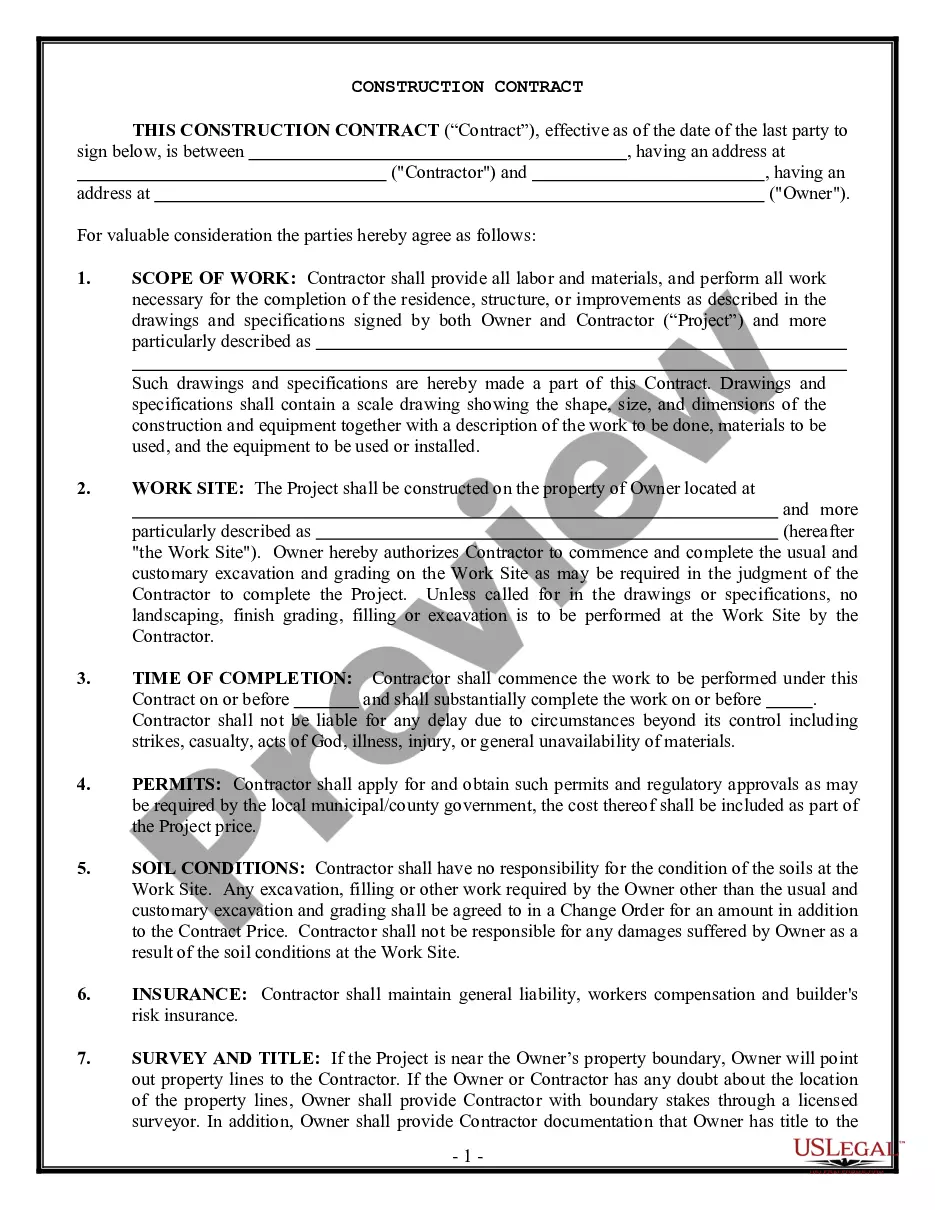
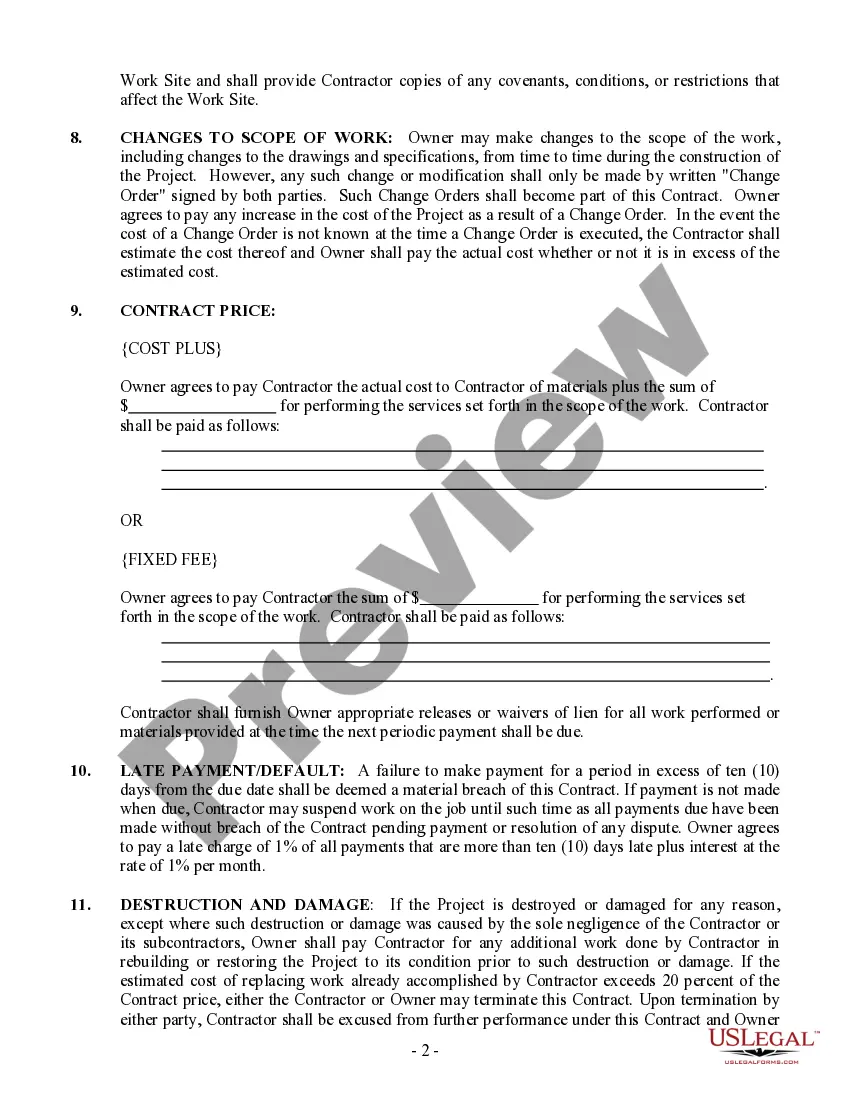
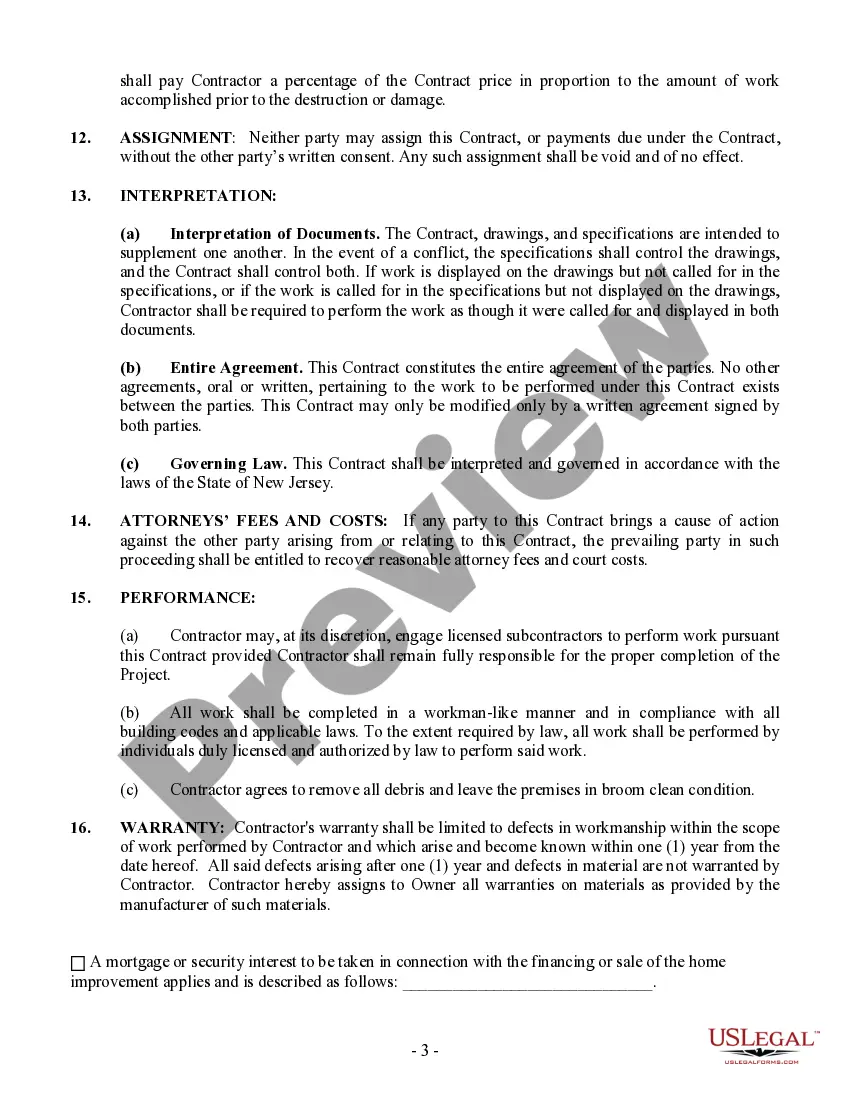
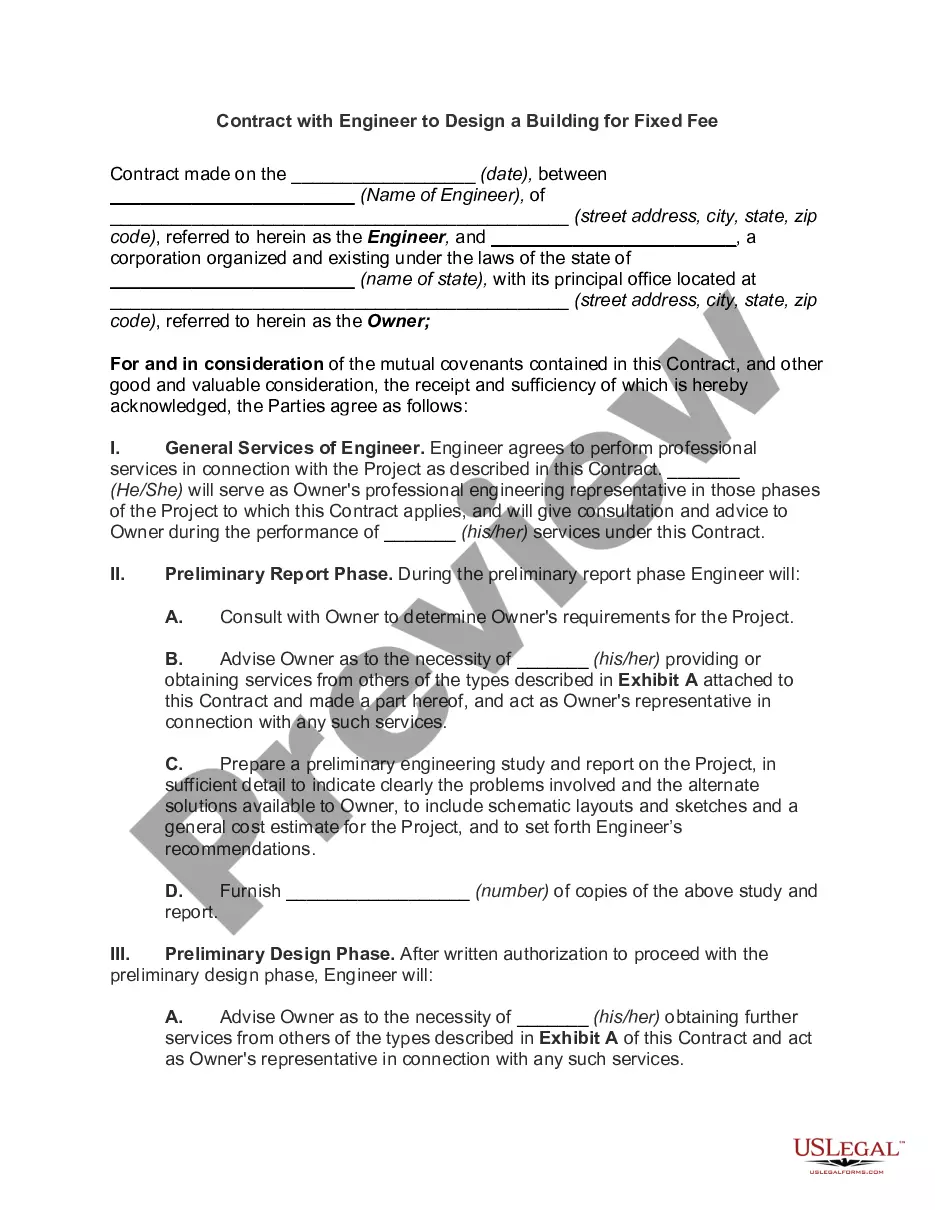
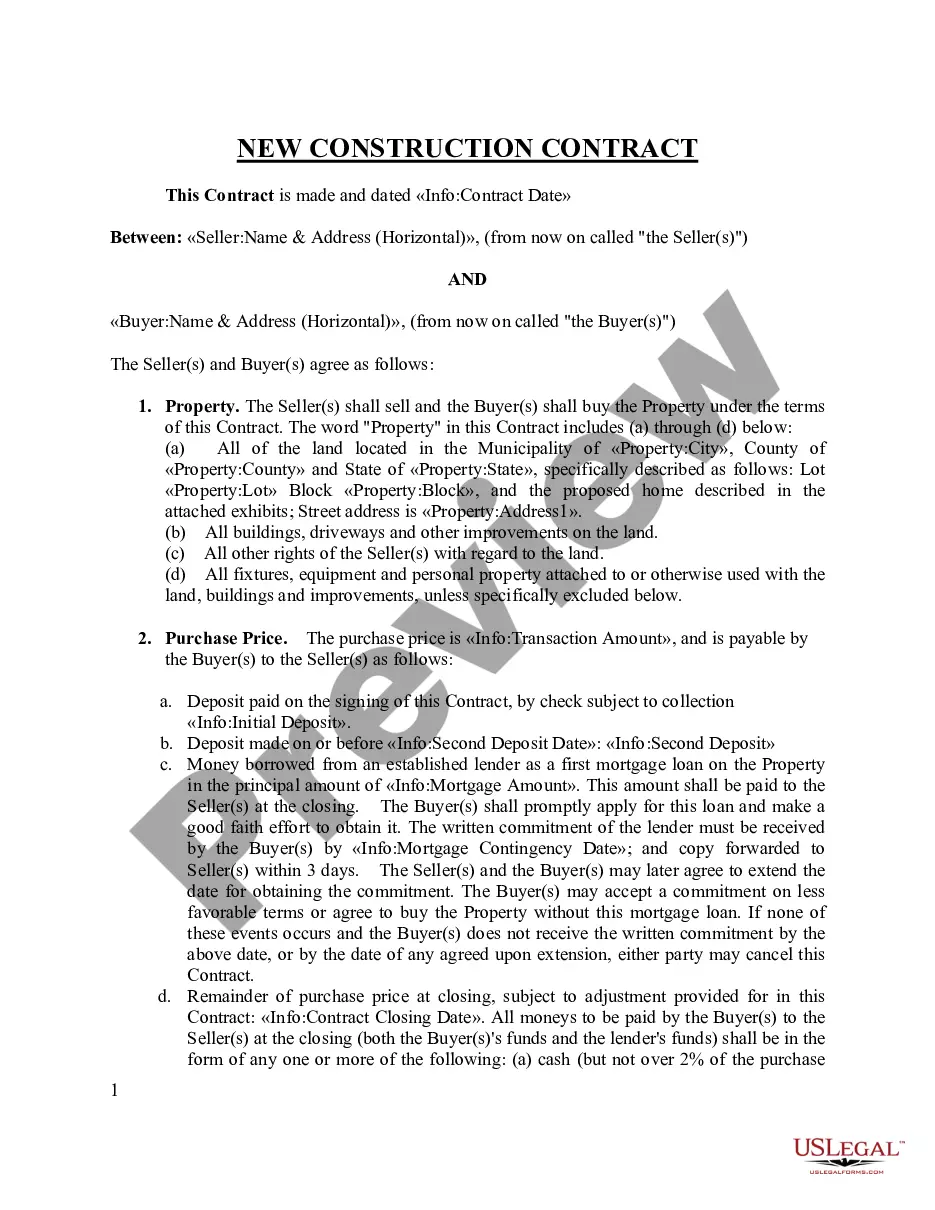
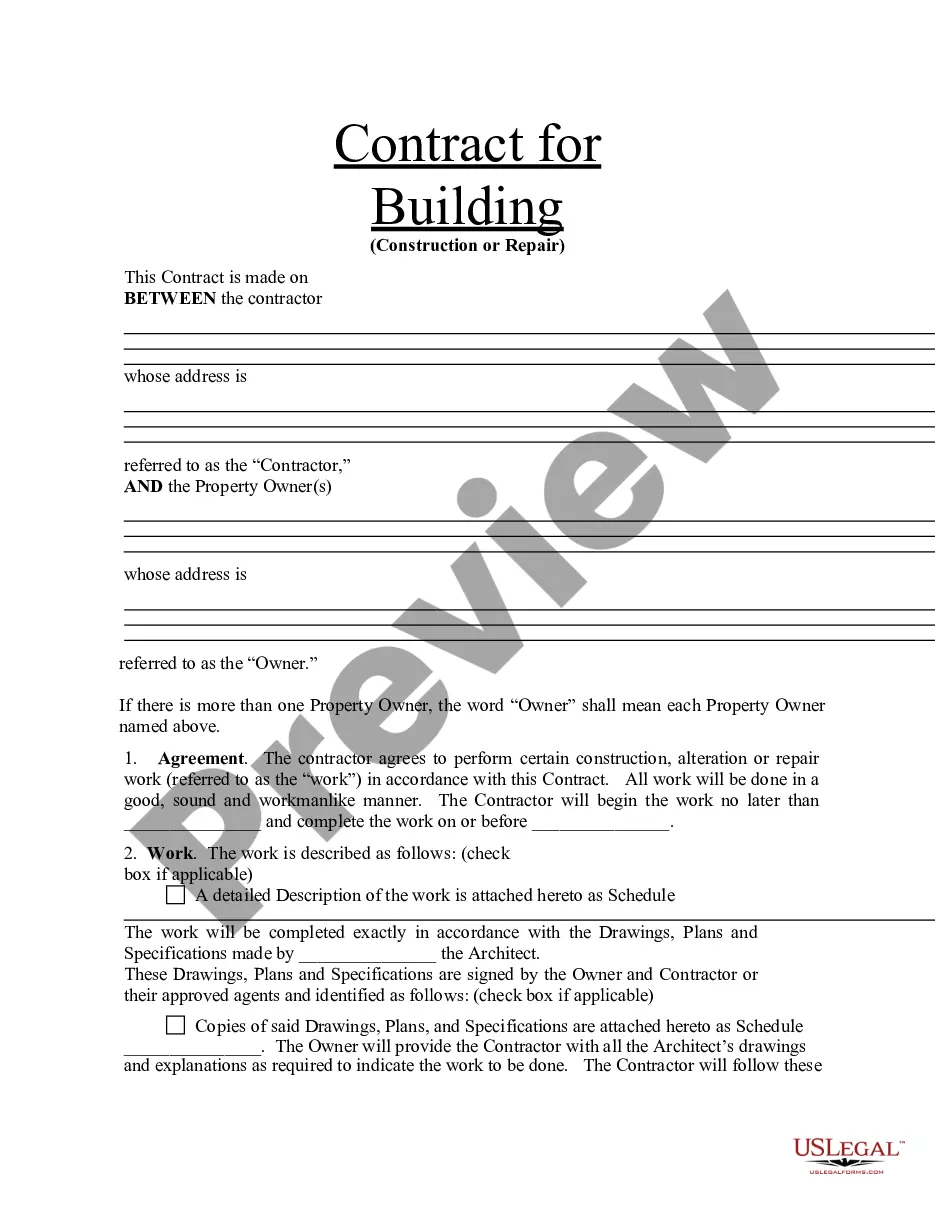
The Construction Contract Cost Plus or Fixed Fee is a legal document used in construction projects that outlines payment arrangements based on either a cost plus or fixed fee structure. This form is specifically designed to comply with the laws of New Jersey and details the scope of work, site conditions, insurance requirements, and warranty provisions, making it distinct from other construction contracts.
Key components of this form
- Work site: Specifies the location of the construction project.
- Permits: Outlines who is responsible for obtaining necessary permits.
- Soil conditions: Clarifies the contractor's liability regarding soil issues.
- Insurance: Details required insurance coverage for the contractor.
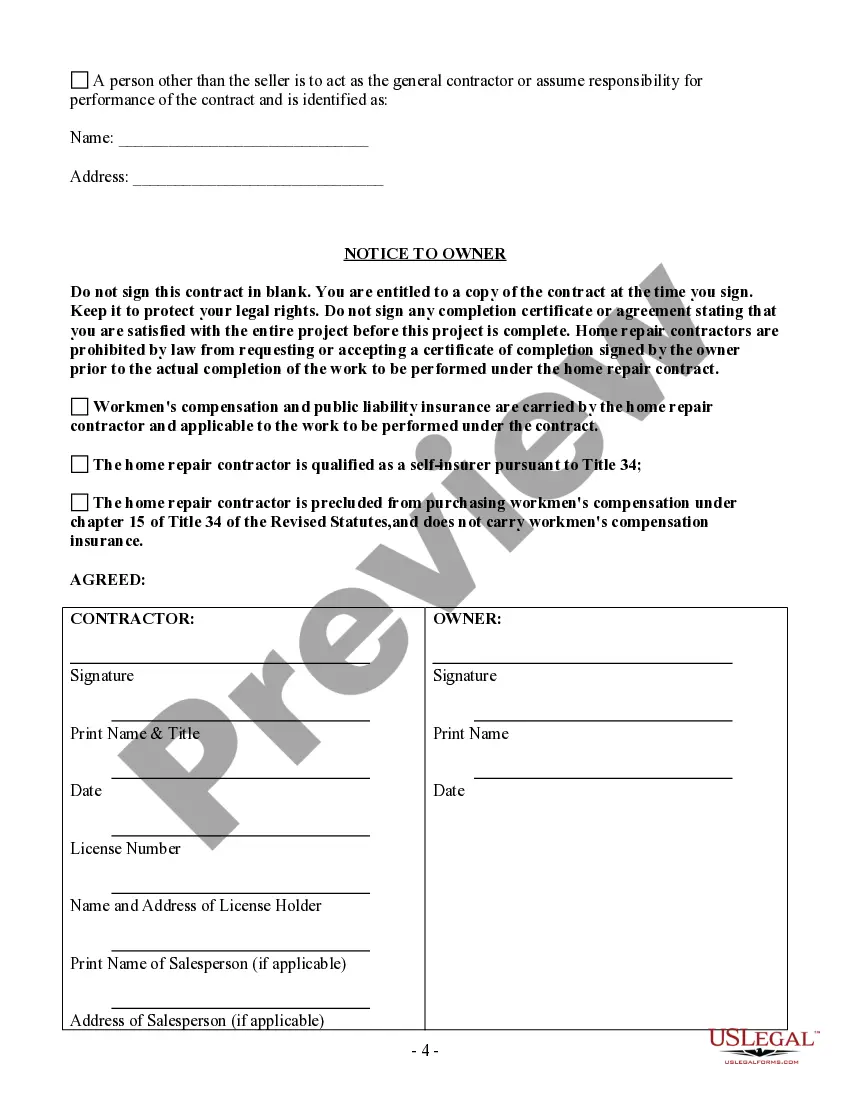
- Changes to scope of work: Describes the procedure for making changes during construction.
- Late payment/default: Defines terms for payment delays and their consequences.

When to use this document
This form should be used when engaging a contractor for a construction project where payment may be arranged on a cost plus basis or fixed fee. It is ideal for situations where the owner desires a detailed understanding of responsibilities and liabilities, particularly regarding changes in scope, site conditions, and payment terms.
Who should use this form
- Homeowners hiring contractors for construction, renovation, or remodeling projects.
- Contractors seeking a legally compliant contract for their work.
- Property developers involved in the construction of new properties.
How to prepare this document
- Identify the parties: Clearly state the names and contact information of the owner and contractor.
- Specify the property: Provide the exact address where the construction will take place.
- Outline the scope of work: Describe the construction tasks and services to be rendered.
- Include payment details: Decide on and document whether the payment will be cost-plus or a fixed fee arrangement.
- Sign and date: Ensure all parties sign and date the contract to make it legally binding.
Is notarization required?
Notarization is generally not required for this form. However, certain states or situations might demand it. You can complete notarization online through US Legal Forms, powered by Notarize, using a verified video call available anytime.
Get your form ready online
Our built-in tools help you complete, sign, share, and store your documents in one place.
Make edits, fill in missing information, and update formatting in US Legal Forms—just like you would in MS Word.
Download a copy, print it, send it by email, or mail it via USPS—whatever works best for your next step.
Sign and collect signatures with our SignNow integration. Send to multiple recipients, set reminders, and more. Go Premium to unlock E-Sign.
If this form requires notarization, complete it online through a secure video call—no need to meet a notary in person or wait for an appointment.
We protect your documents and personal data by following strict security and privacy standards.

Make edits, fill in missing information, and update formatting in US Legal Forms—just like you would in MS Word.

Download a copy, print it, send it by email, or mail it via USPS—whatever works best for your next step.

Sign and collect signatures with our SignNow integration. Send to multiple recipients, set reminders, and more. Go Premium to unlock E-Sign.

If this form requires notarization, complete it online through a secure video call—no need to meet a notary in person or wait for an appointment.

We protect your documents and personal data by following strict security and privacy standards.
Typical mistakes to avoid
- Failing to specify all parties involved, leading to ambiguity.
- Not detailing the scope of work sufficiently, causing misunderstandings.
- Neglecting to obtain necessary permits before starting the project.
- Missing signatures from one or both parties, rendering the contract unenforceable.
Benefits of using this form online
- Convenient access allows users to fill out and download the form at their convenience.
- Editable templates enable customization to fit the specific needs of a project.
- Reliability backed by templates created by licensed attorneys ensures legal compliance.
Legal use & context
- This construction contract is legally binding once signed by both parties.
- It is enforceable in accordance with the laws of New Jersey, ensuring adherence to local construction regulations.
- Failure to comply with contract terms may result in material breaches and legal consequences.
What to keep in mind
- This form is essential for defining agreements in construction projects with variable costs.
- Understanding the payment structure (cost plus or fixed fee) is crucial for both parties.
- The contract must comply with New Jersey regulations, including necessary permits.
- Clear communication regarding the scope of work and contract obligations will prevent disputes.
Looking for another form?
Form popularity
FAQ
Disadvantages of fixed-price Therefore the biggest issue is usually around project scope and change requests. Lack of flexibility. A fixed-price project has a defined scope (requirements). As the cost cannot change, the scope of work is much less flexible.
In the cost plus a percentage arrangement, the contractor bills the client for his direct costs for labor, materials, and subs, plus a percentage to cover his overhead and profit. Markups might range anywhere from 10% to 25%.
Cost Plus Contract Disadvantages For the buyer, the major disadvantage of this type of contract is the risk for paying much more than expected on materials. The contractor also has less incentive to be efficient since they will profit either way.
Disadvantages of cost-plus fixed-fee contracts may include: The final, overall cost may not be very clear at the beginning of negotiations. May require additional administration or oversight of the project to ensure that the contractor is factoring in the various cost factors.
Cost-plus-fixed-fee tends to me more advantageous to the buyer as opposed to the seller as it caps the fee and the fee will not swell or grow based on the future expansion or fluctuations of the budget. However, it also can protect the seller because, in the event the budget tightens, it provides a fixed fee.
A cost-plus contract is an agreement to reimburse a company for expenses incurred plus a specific amount of profit, usually stated as a percentage of the contract's full price.
Cost Plus Contract Disadvantages For the buyer, the major disadvantage of this type of contract is the risk for paying much more than expected on materials. The contractor also has less incentive to be efficient since they will profit either way.
Advantages of Cost-Plus Contract to the Contractor: (i) There is no risk of loss arising from changing prices, wrong estimates and underestimated quotation.(ii) It provides an automatic or ready escalation clause, so that increase in cost is automatically adjusted and recovered; (iii) There is no bargaining problem.