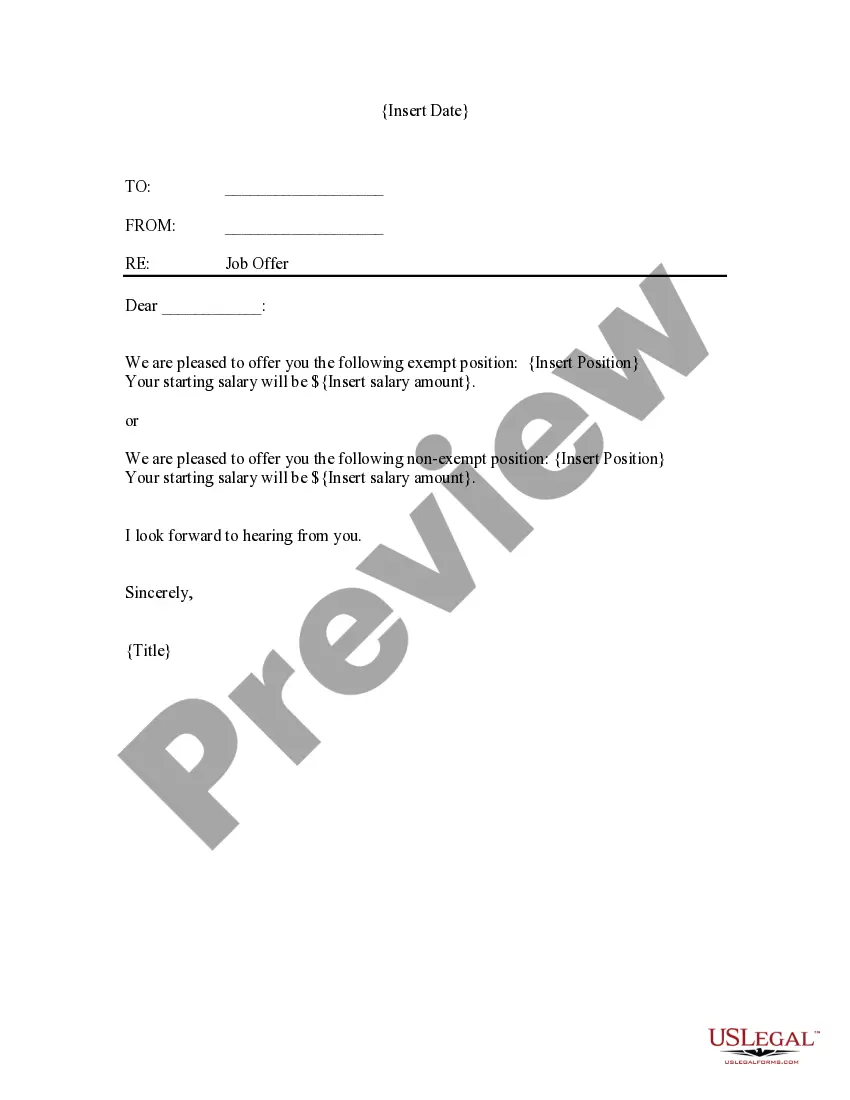
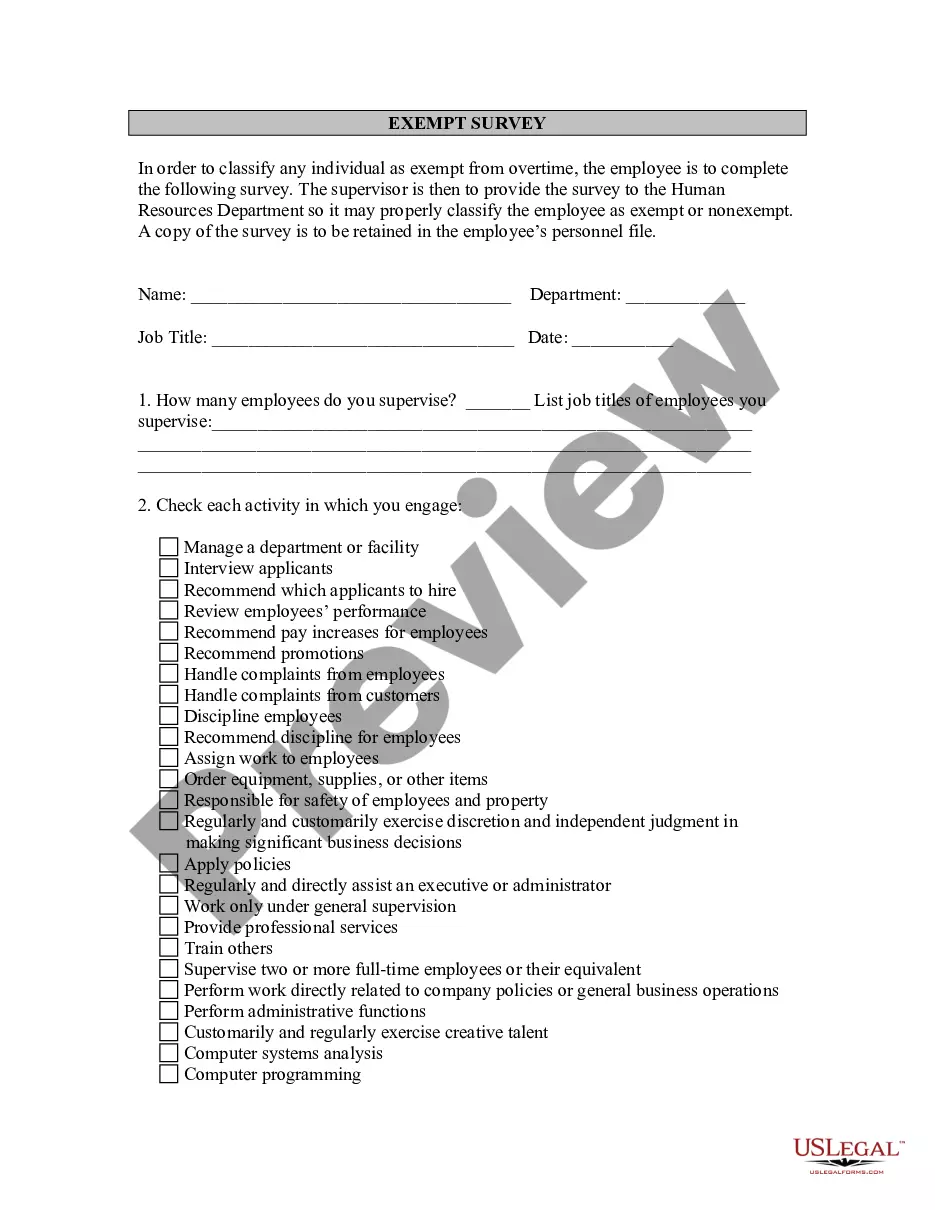
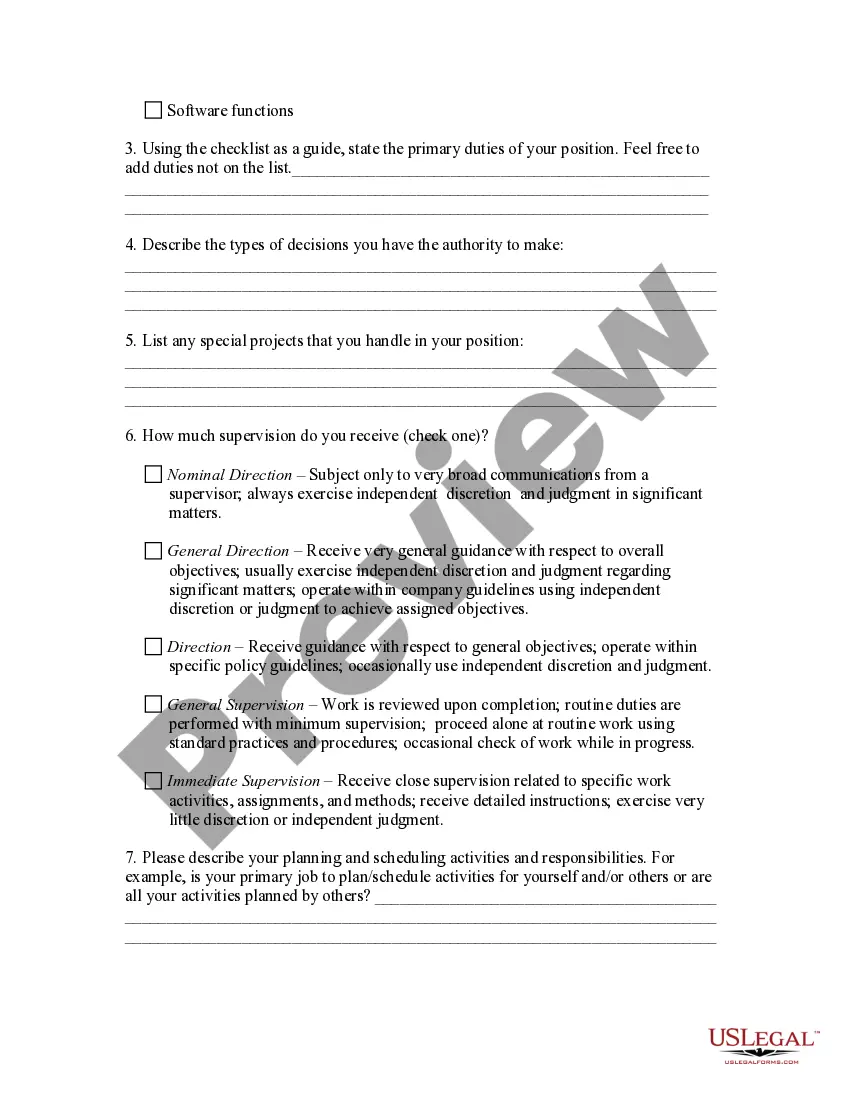
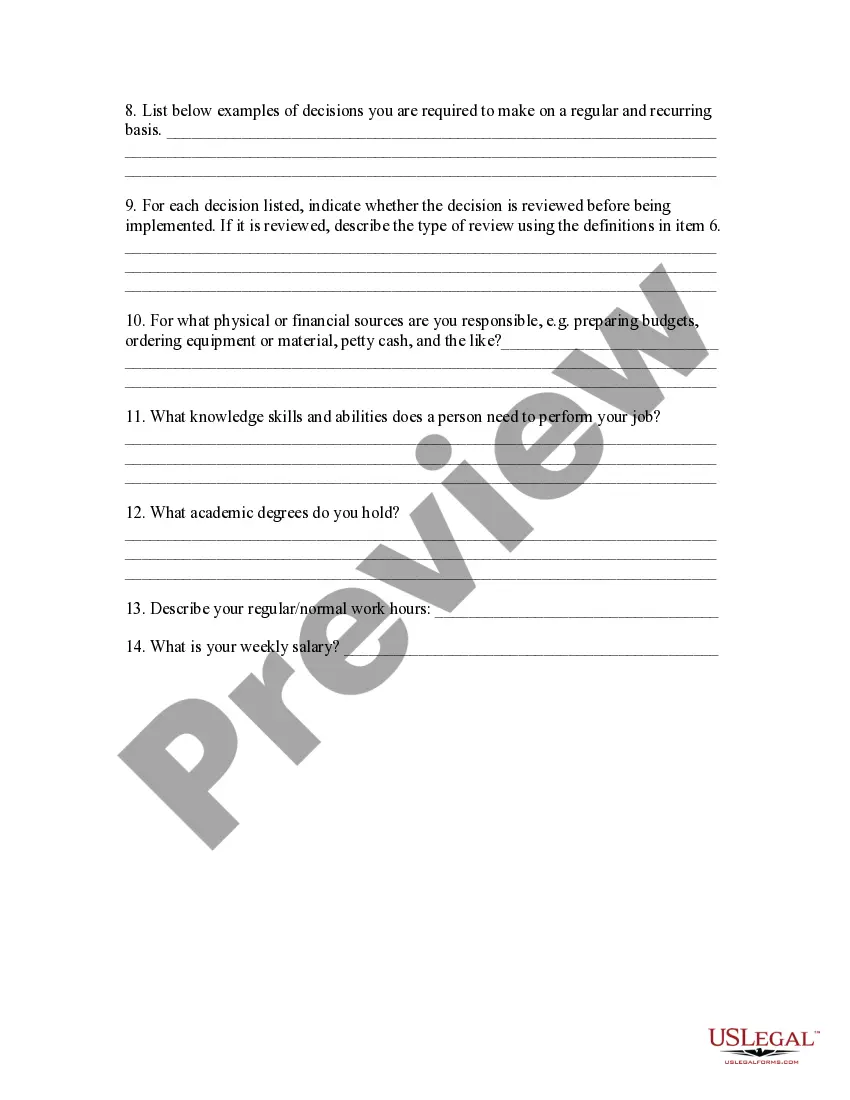
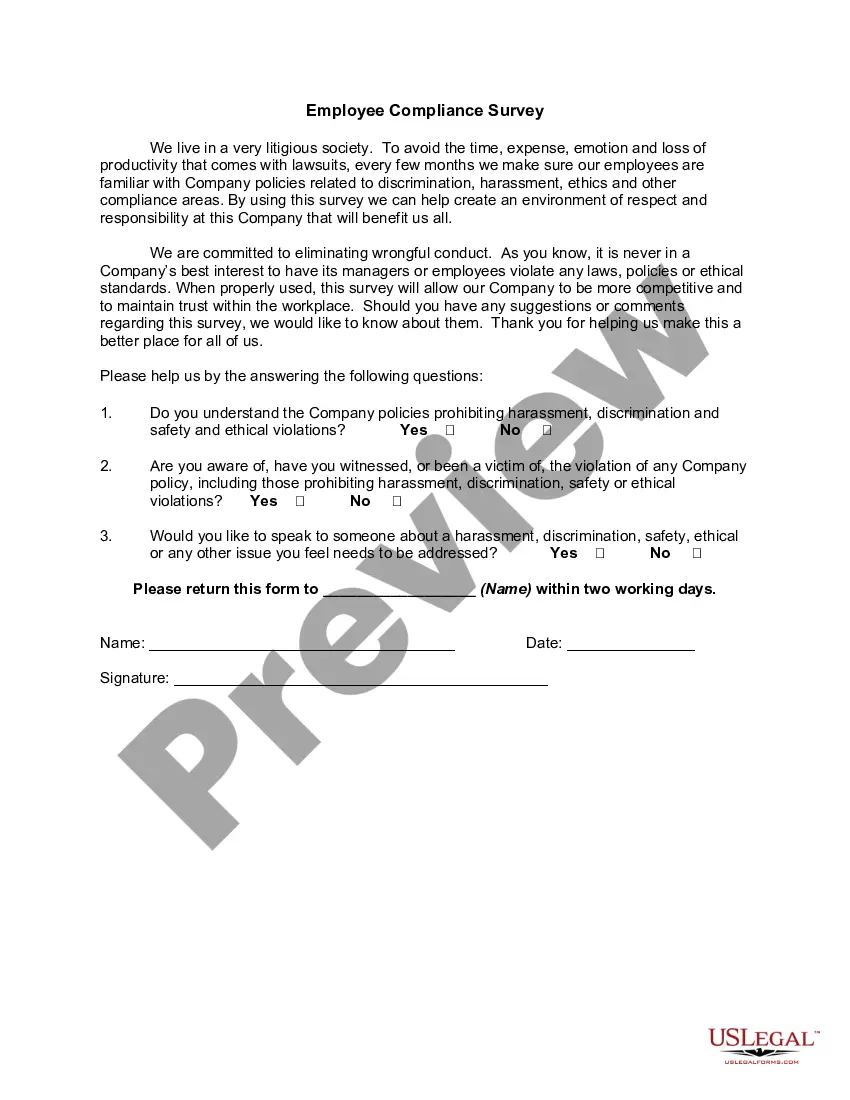
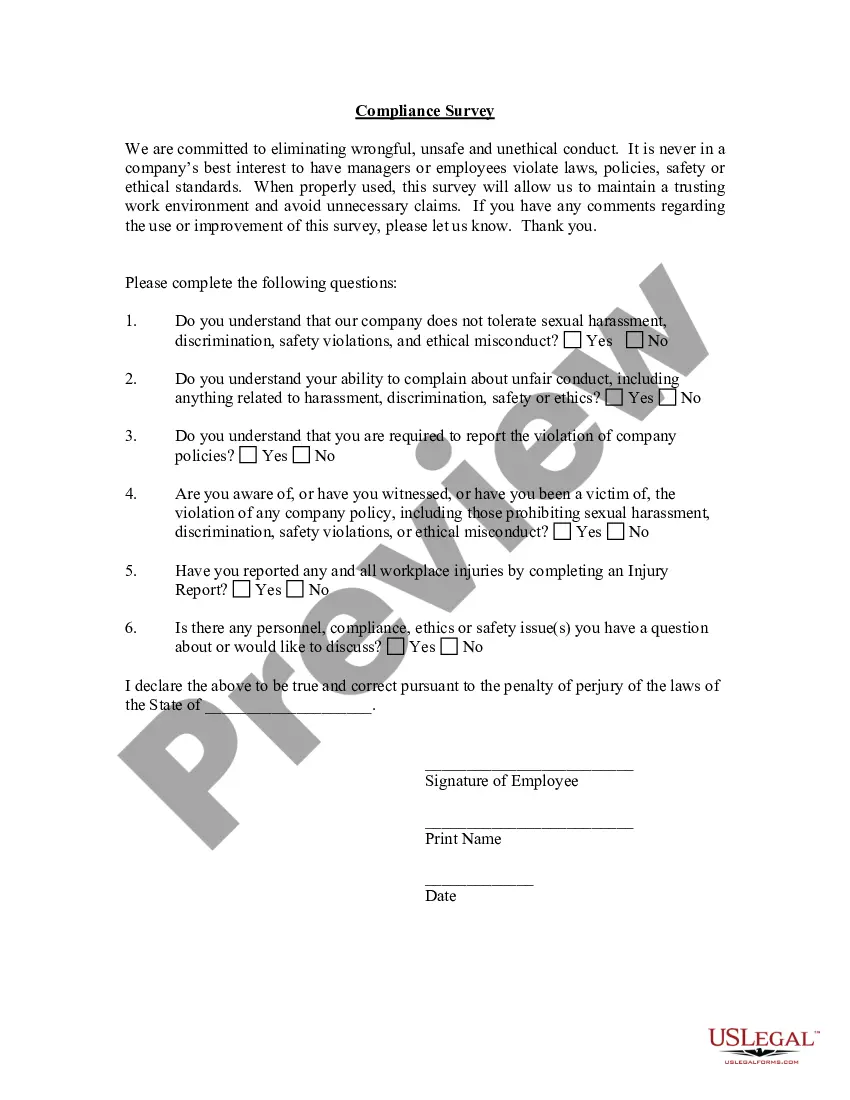
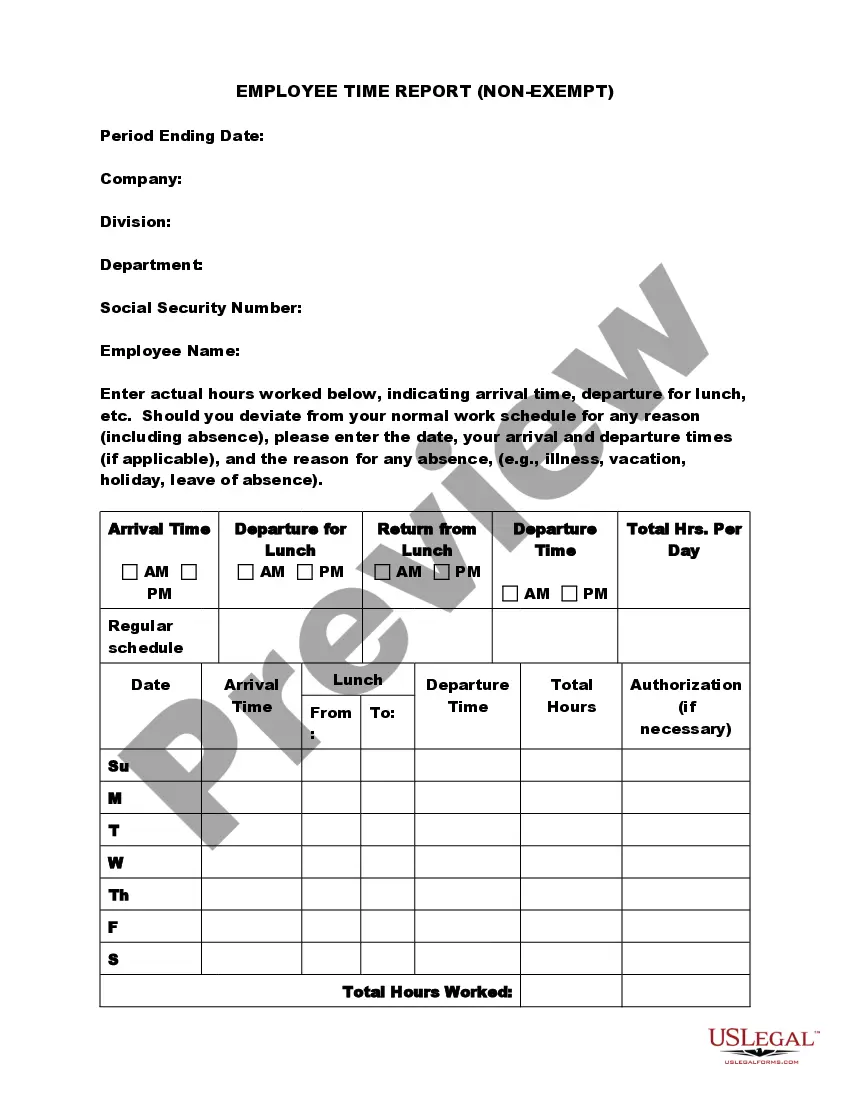
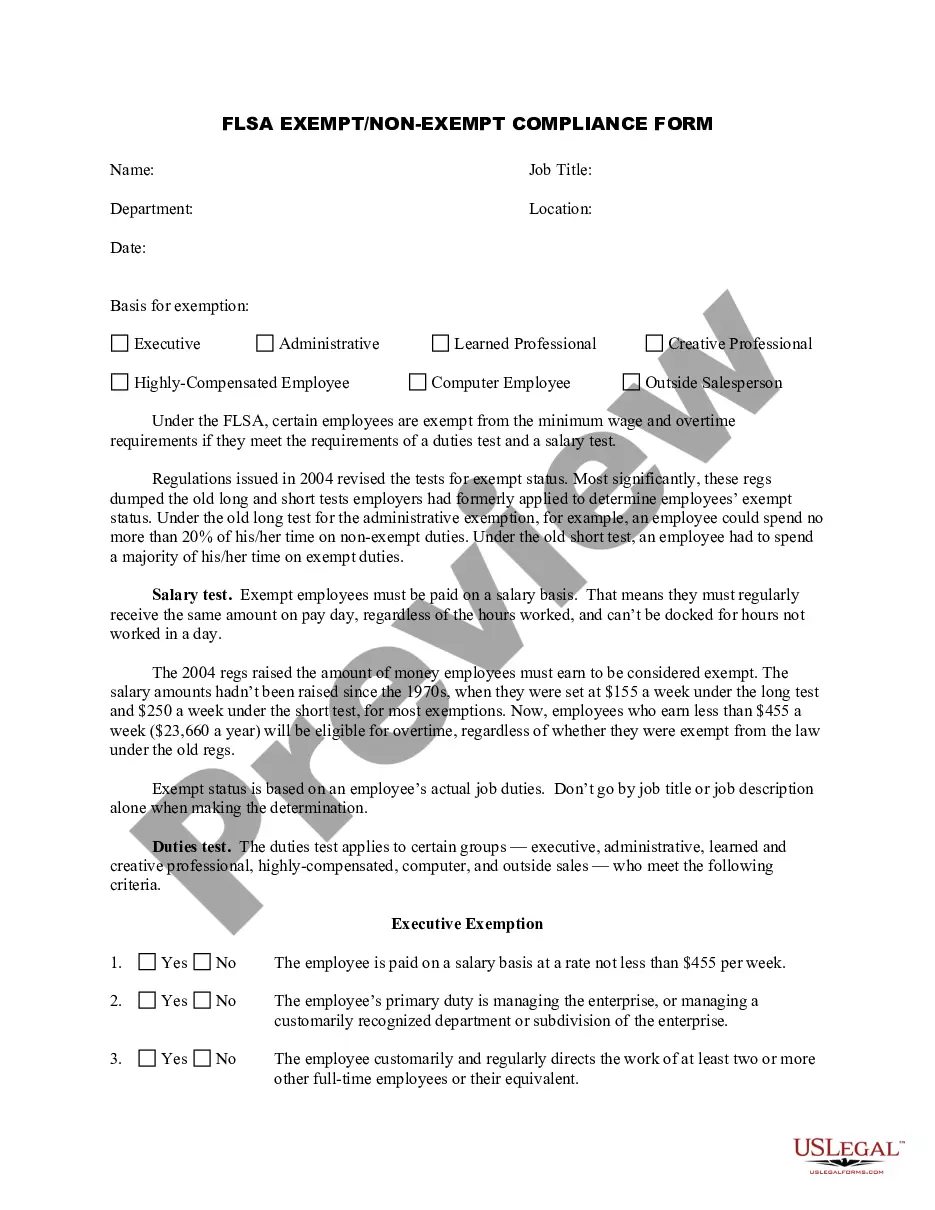
New Hampshire Exempt Survey
Description
Get your form ready online
Our built-in tools help you complete, sign, share, and store your documents in one place.
Make edits, fill in missing information, and update formatting in US Legal Forms—just like you would in MS Word.
Download a copy, print it, send it by email, or mail it via USPS—whatever works best for your next step.
Sign and collect signatures with our SignNow integration. Send to multiple recipients, set reminders, and more. Go Premium to unlock E-Sign.
If this form requires notarization, complete it online through a secure video call—no need to meet a notary in person or wait for an appointment.
We protect your documents and personal data by following strict security and privacy standards.

Make edits, fill in missing information, and update formatting in US Legal Forms—just like you would in MS Word.

Download a copy, print it, send it by email, or mail it via USPS—whatever works best for your next step.

Sign and collect signatures with our SignNow integration. Send to multiple recipients, set reminders, and more. Go Premium to unlock E-Sign.

If this form requires notarization, complete it online through a secure video call—no need to meet a notary in person or wait for an appointment.

We protect your documents and personal data by following strict security and privacy standards.
Looking for another form?





How to fill out Exempt Survey?
If you need to compile, acquire, or print legal document templates, utilize US Legal Forms, the largest repository of legal forms available online.
Utilize the site’s straightforward and user-friendly search function to obtain the documents you require.
Various templates for commercial and personal purposes are categorized by types, states, or keywords.
Step 4. Once you have found the form you need, select the Purchase now button. Choose the payment plan you prefer and input your information to create an account.
Step 5. Complete the transaction. You can use your credit card or PayPal account to finalize the purchase.
- Utilize US Legal Forms to retrieve the New Hampshire Exempt Survey in just a few clicks.
- If you are already a US Legal Forms user, sign in to your account and click the Download button to access the New Hampshire Exempt Survey.
- You may also access forms you previously downloaded from the My documents tab in your account.
- If you are utilizing US Legal Forms for the first time, refer to the instructions below.
- Step 1. Ensure you have selected the form for the correct city/state.
- Step 2. Use the Preview option to review the form's details. Don’t forget to read the summary.
- Step 3. If you are unsatisfied with the form, use the Search field at the top of the screen to find alternative types in the legal form template.
Form popularity
FAQ
In New Hampshire, exempt properties refer to those that qualify for tax exemptions due to specific criteria, such as charitable organizations or certain residential properties. Non-exempt properties do not meet these criteria, making them liable for standard property taxes. Understanding the differences through a New Hampshire Exempt Survey can help property owners make informed decisions.