New Hampshire Revenue Sharing Agreement to Income from the Licensing and Custom Modification of the Software
Description
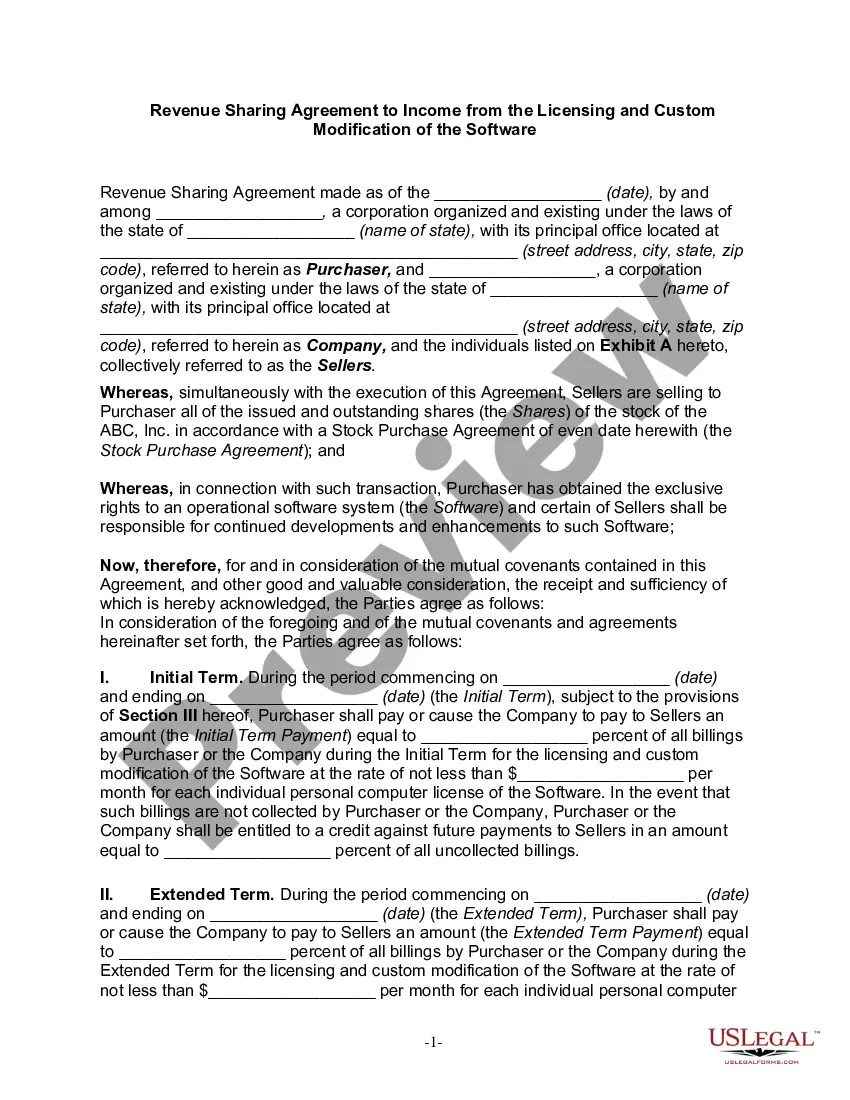
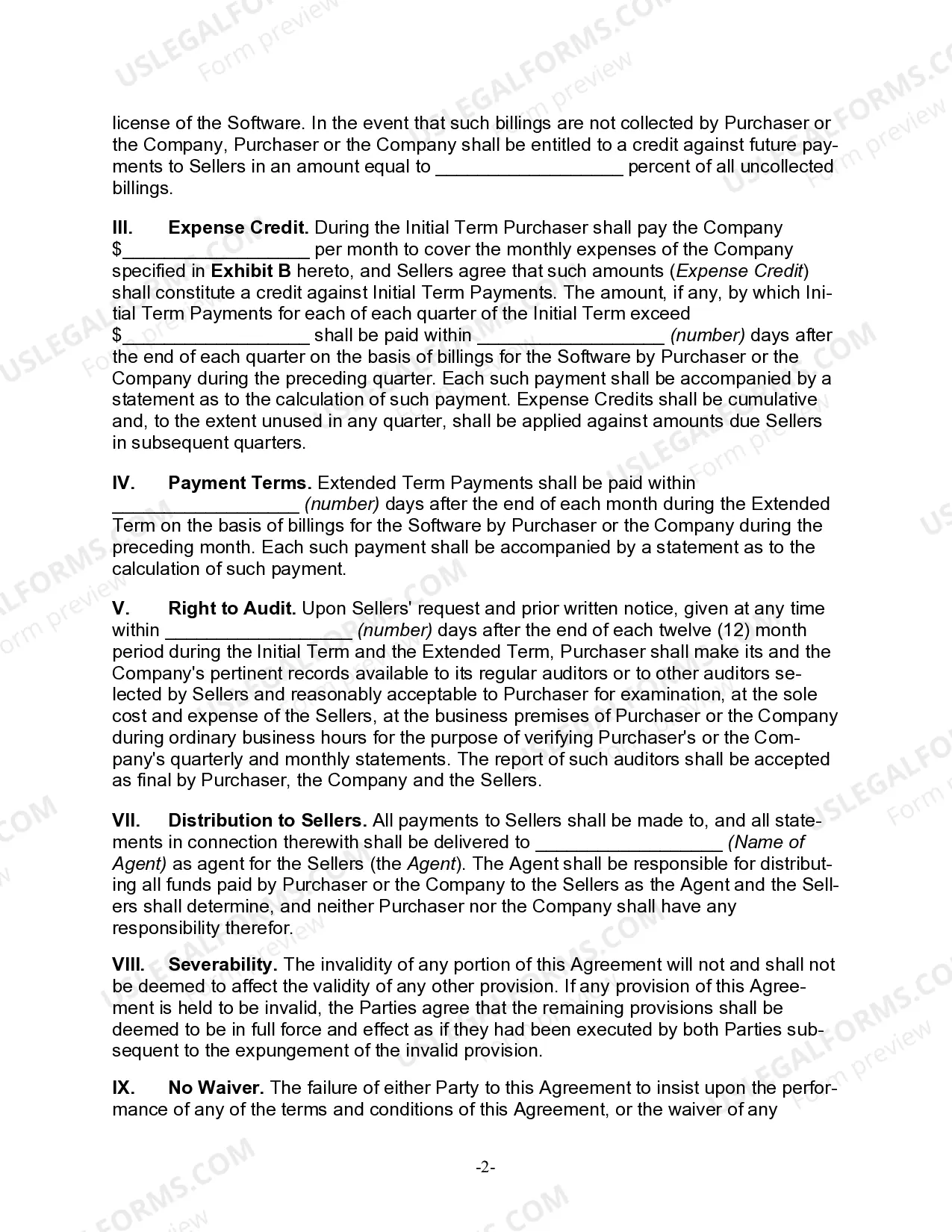
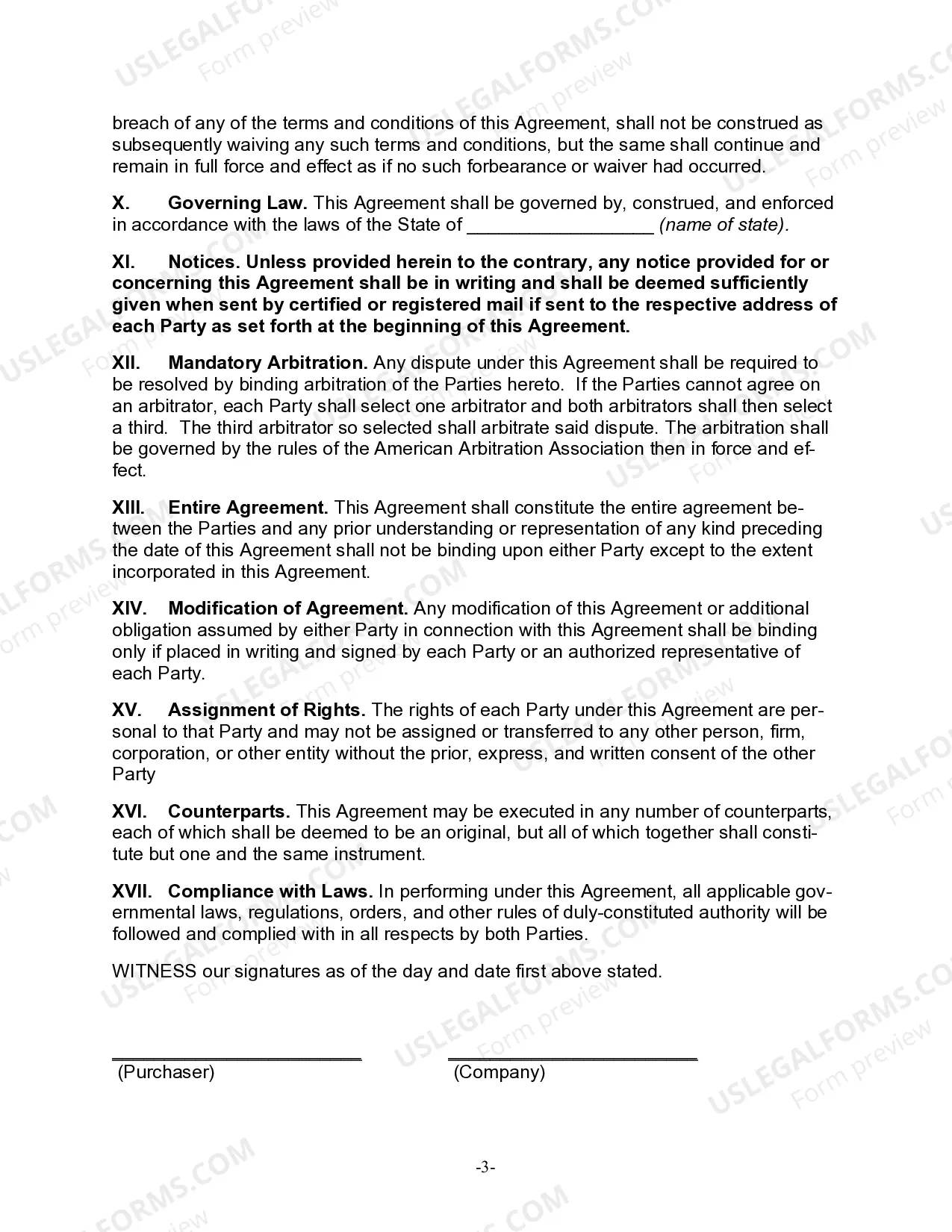
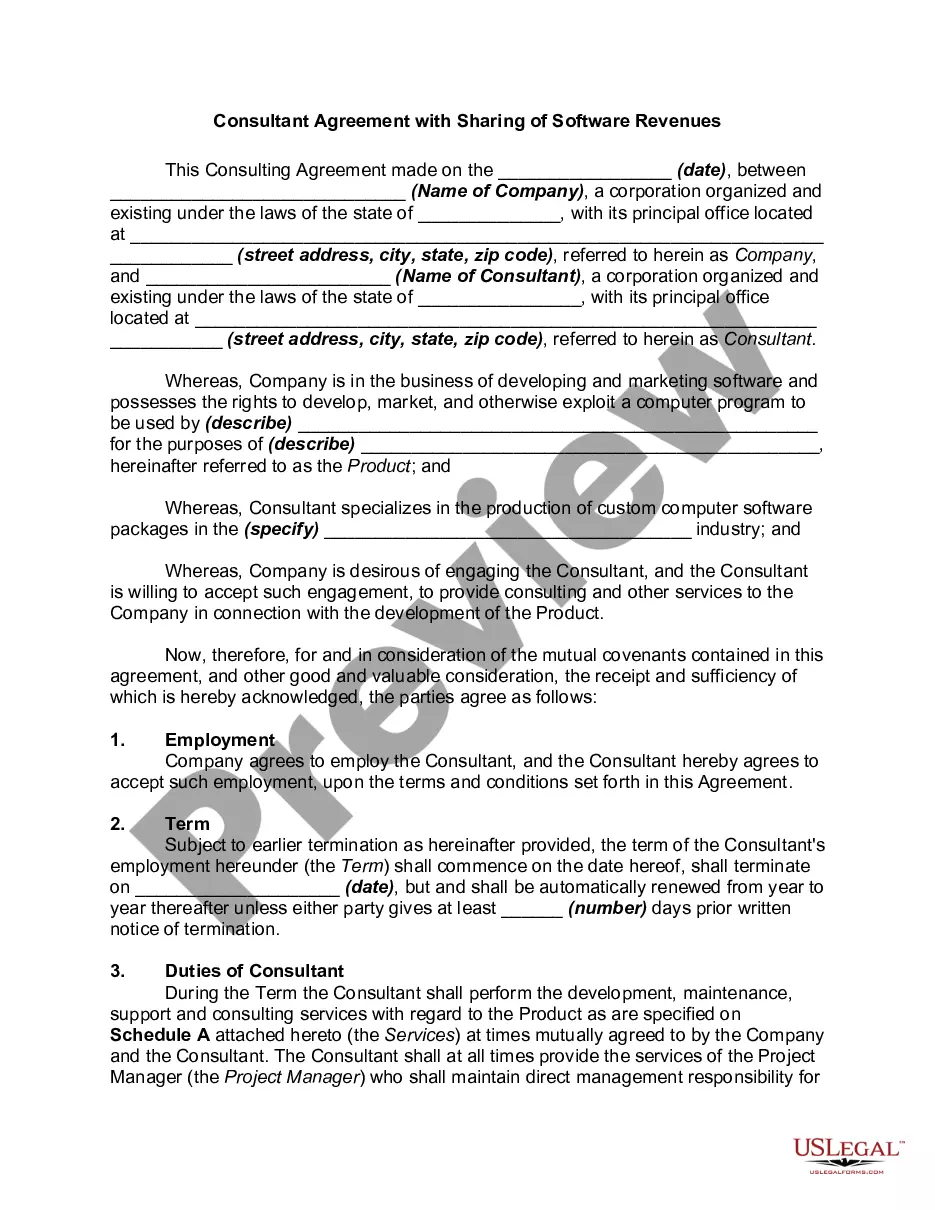
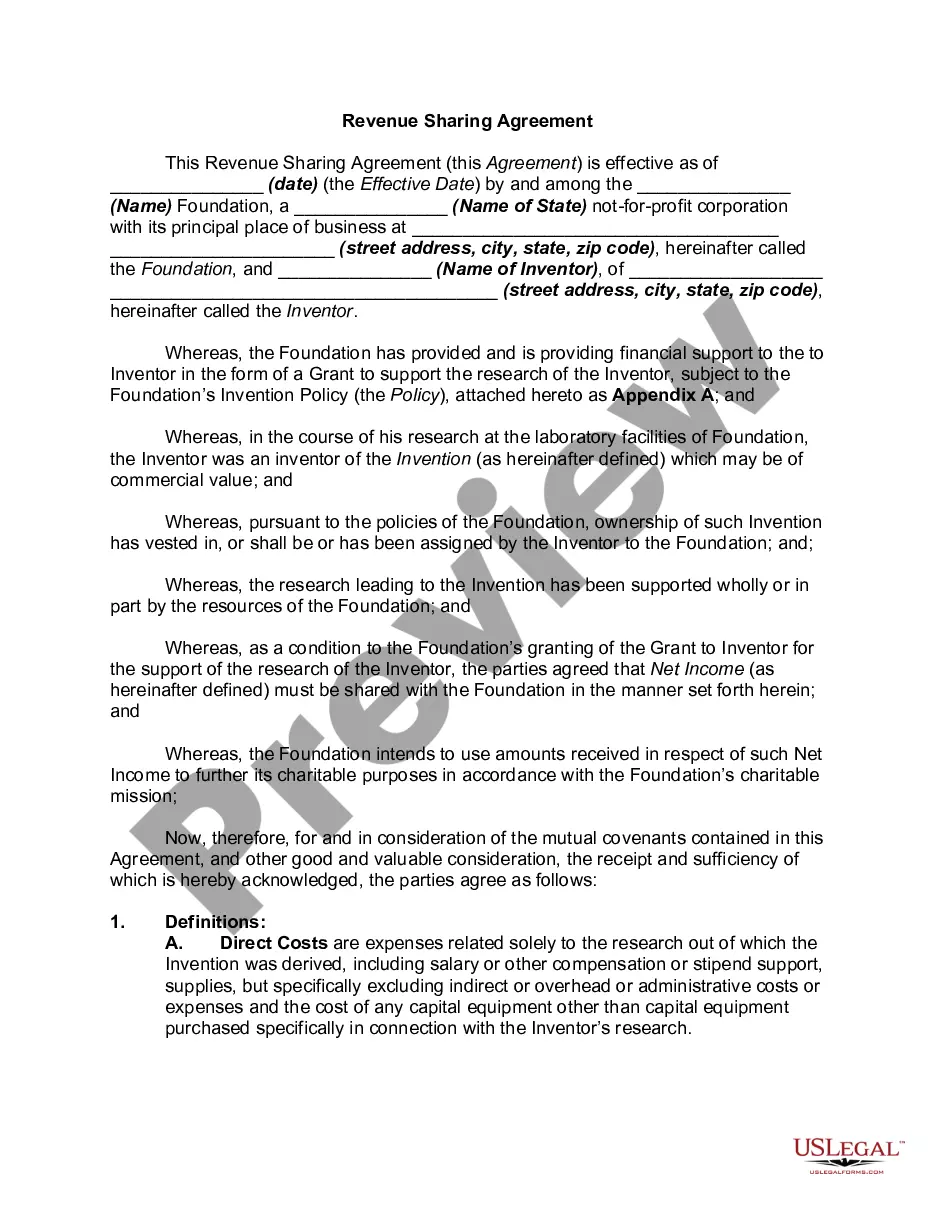
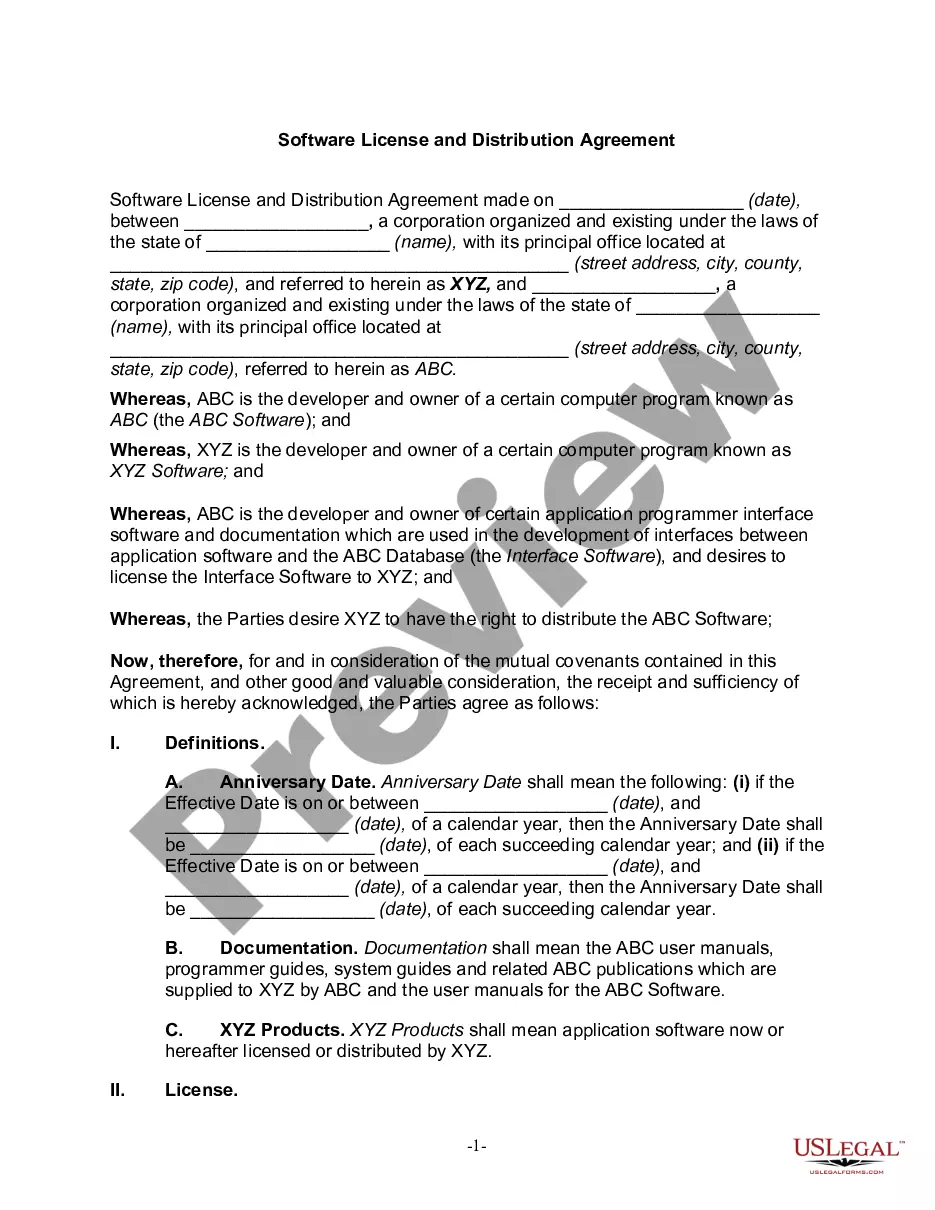
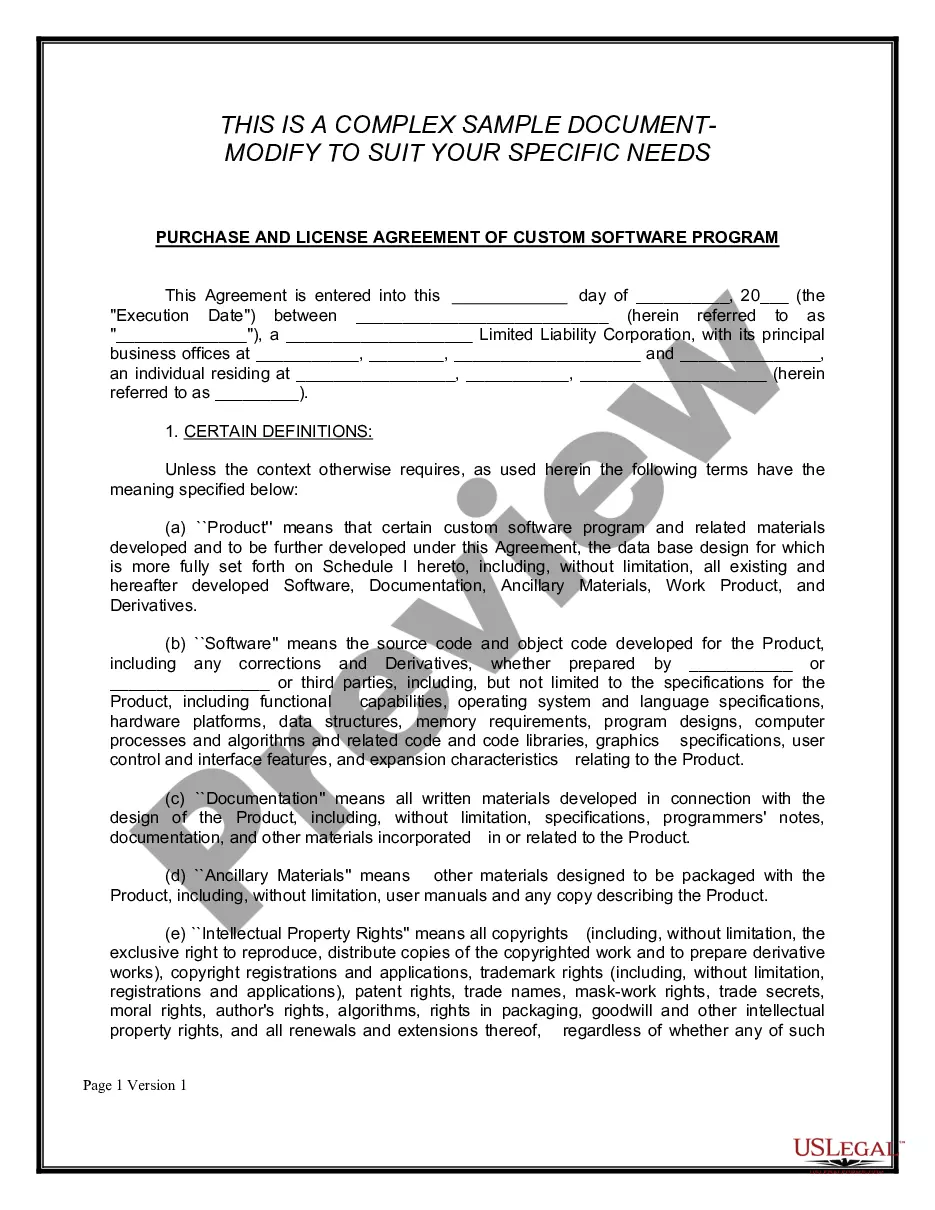
How to fill out Revenue Sharing Agreement To Income From The Licensing And Custom Modification Of The Software?
Locating the appropriate legal document format can be a challenge.
Of course, there are countless templates accessible online, but how do you find the legal form you require.
Utilize the US Legal Forms website. This platform offers thousands of templates, such as the New Hampshire Revenue Sharing Agreement related to Income from the Licensing and Custom Modification of Software, which you can use for business and personal purposes.
You can view the form using the Preview option and read the form details to ensure it is suitable for you.
- All documents are reviewed by experts and comply with state and federal regulations.
- If you are already registered, Log In to your account and click the Download button to obtain the New Hampshire Revenue Sharing Agreement related to Income from the Licensing and Custom Modification of the Software.
- Use your account to browse the legal documents you have purchased previously.
- Visit the My documents section of your account and retrieve another copy of the document you need.
- If you are a newcomer to US Legal Forms, here are simple steps for you to follow.
- First, ensure you have chosen the right form for your city/state.
Form popularity
FAQ
New Hampshire currently is one of just five states that does not charge sales tax. Consequently, unlike LLCs that sell goods in most other states, if your LLC sells goods in New Hampshire you don't need to worry about paying sales tax to the state.
Like hotel and B&B stays, short-term rentals in New Hampshire are subject to tax. Tax authorities require short-term vacation rental hosts to collect applicable short-term rental taxes from their guests and remit them to the proper authorities.
The partnership will also owe New Hampshire business enterprise tax in the amount of $1,100 (0.55% of $200,000). Individual partners will not owe tax to the state on their respective shares of the partnership's net income.
The Business Profits Tax ("BPT") was enacted in 1970. The tax is assessed on income from conducting business activity within the state at the rate of 7.7% for taxable periods ending on or after December 31, 2019. For taxable periods ending on or after December 31, 2022, the BPT rate is reduced to 7.6%.
Overview of New Hampshire Taxes New Hampshire has no income tax on wages and salaries. However, there is a 5% tax on interest and dividends. The state also has no sales tax. Homeowners in New Hampshire pay some of the highest average effective property tax rates in the country.
As a landlord, you must normally pay income tax on any profit you receive from any rental properties you own. Put simply, your profit is the sum left once you've added together your rental income and deducted any expenses or allowances.
Distributions from partnerships and LLCs represented by nontransferable shares, and that do not have a usual place of business within New Hampshire, are taxed at the resident owner level on the portion of the distribution that represents interest or dividends received by the entity under N.H. Rev. Stat.
Unlike regular corporations, partnerships aren't subject to income tax. Instead, each partner is taxed on the partnership's earnings whether or not they're distributed. Similarly, if a partnership has a loss, the loss is passed through to the partners.
Distributions from S corporations are taxable, as are distributions from LLCs and partnerships. c. Exclusions are available for certain types of interest and dividends including interest earned on obligations of the State of New Hampshire and its subdivisions and obligations of the United States Government.
The Business Profits Tax ("BPT") was enacted in 1970. The tax is assessed on income from conducting business activity within the state at the rate of 7.7% for taxable periods ending on or after December 31, 2019.