New Hampshire Self-Defense - Assault
Description
Get your form ready online
Our built-in tools help you complete, sign, share, and store your documents in one place.
Make edits, fill in missing information, and update formatting in US Legal Forms—just like you would in MS Word.
Download a copy, print it, send it by email, or mail it via USPS—whatever works best for your next step.
Sign and collect signatures with our SignNow integration. Send to multiple recipients, set reminders, and more. Go Premium to unlock E-Sign.
If this form requires notarization, complete it online through a secure video call—no need to meet a notary in person or wait for an appointment.
We protect your documents and personal data by following strict security and privacy standards.

Make edits, fill in missing information, and update formatting in US Legal Forms—just like you would in MS Word.

Download a copy, print it, send it by email, or mail it via USPS—whatever works best for your next step.

Sign and collect signatures with our SignNow integration. Send to multiple recipients, set reminders, and more. Go Premium to unlock E-Sign.

If this form requires notarization, complete it online through a secure video call—no need to meet a notary in person or wait for an appointment.

We protect your documents and personal data by following strict security and privacy standards.
Looking for another form?


How to fill out Self-Defense - Assault?
If you want to fully, download, or print legal document templates, utilize US Legal Forms, the largest selection of legal forms, which are accessible online.
Employ the site's straightforward and efficient search to locate the documents you need. Numerous templates for business and personal purposes are organized by categories and states, or keywords.
Use US Legal Forms to obtain the New Hampshire Self-Defense - Assault in just a few clicks.
Step 5. Complete the transaction. You can use your Visa or Mastercard or PayPal account to finalize the purchase.
Step 6. Choose the format of the legal form and download it to your device. Step 7. Complete, edit and print or sign the New Hampshire Self-Defense - Assault. Each legal document template you purchase is yours indefinitely. You have access to every type you downloaded within your account. Visit the My documents section and select a form to print or download again. Compete and download, and print the New Hampshire Self-Defense - Assault with US Legal Forms. There are numerous professional and state-specific forms you can utilize for your personal business or individual needs.
- If you are currently a US Legal Forms user, sign in to your account and click on the Download button to receive the New Hampshire Self-Defense - Assault.
- You can also access forms you have previously downloaded in the My documents tab of your account.
- If you are using US Legal Forms for the first time, follow the steps below.
- Step 1. Ensure you have chosen the form for your correct city/state.
- Step 2. Utilize the Review option to check the form's details. Don't forget to look at the overview.
- Step 3. If you are not satisfied with the form, use the Search field at the top of the screen to find other types in the legal form template.
- Step 4. Once you have located the form you need, click the Buy now button. Select the pricing plan you prefer and enter your information to register for the account.
Form popularity
FAQ
Self-defense involves the use of force, violence, or deadly force, where necessary, to protect yourself or someone else from imminent danger or harm. ing to California law, if you reasonably believe that a threat exists?you're about to be physically harmed or facing possible danger?you may act in self-defense.
The Castle Doctrine, as found in Section 8A of Massachusetts General Laws, reads that the occupant of a dwelling who is charged with killing a trespasser in the dwelling does not have a duty to retreat from the trespasser before using force against them.
The State of Maine does have a Castle Law and a "Stand Your Ground" variation.
The New Hampshire law relating to people defending themselves while in their homes, sometimes called the "castle doctrine", is found in RSA 627. This is a criminal statute titled ?Justification? and relates to the appropriate use of self-defense in a variety of situations.
In the state of New Hampshire, using pepper spray as a way to protect yourself is legal as long as you are not using it with the intent to harm others unnecessarily. As with other forms of non-lethal self protection you are free to carry it and use it for self defense.
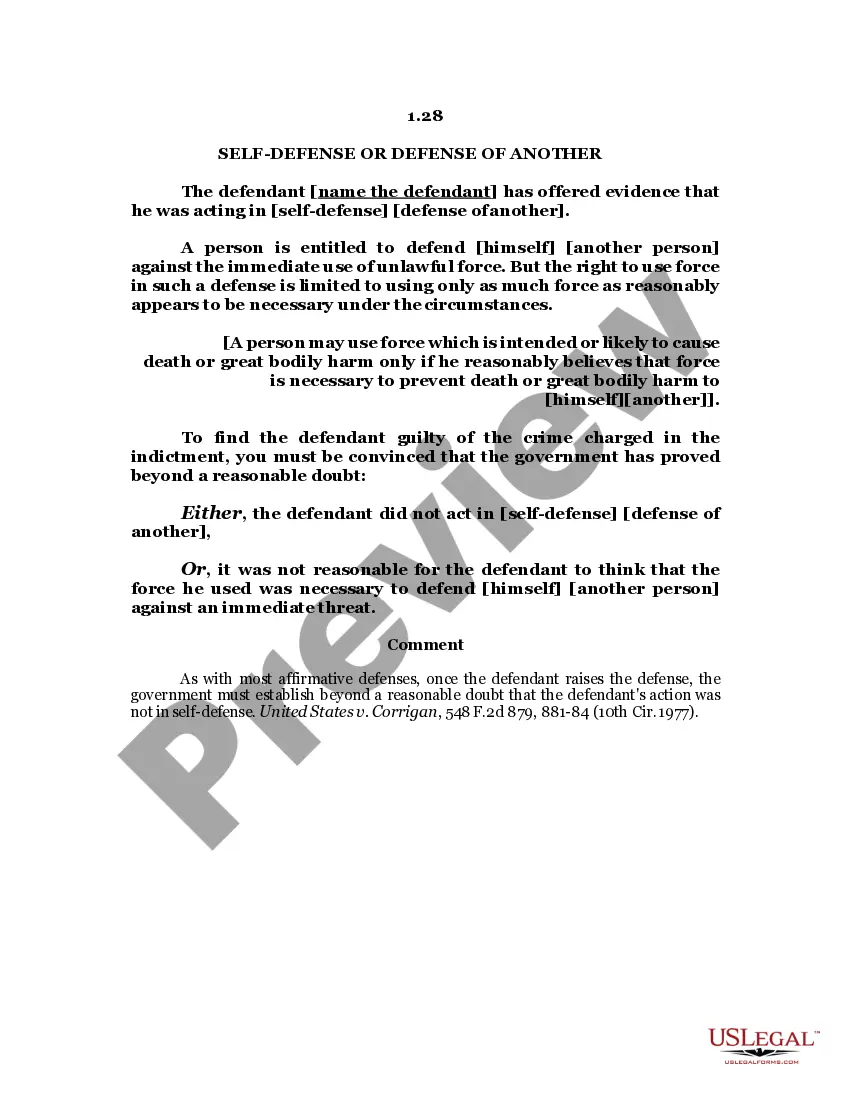
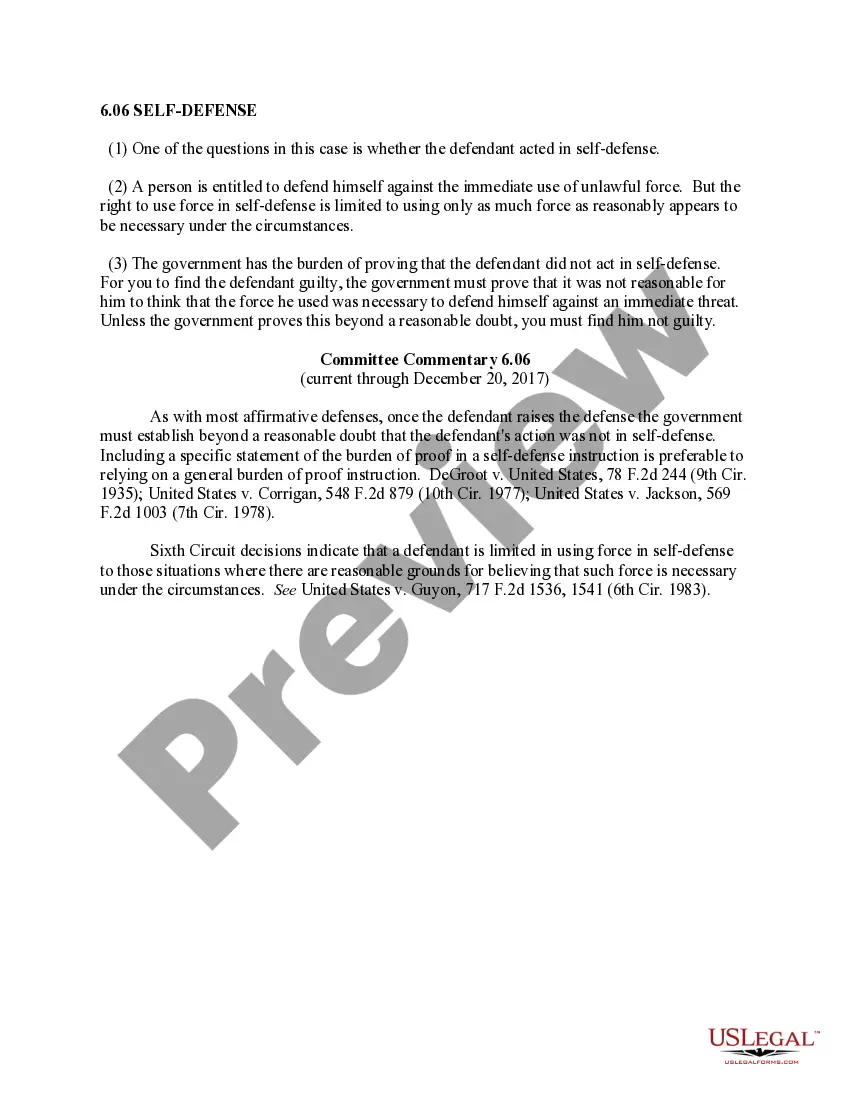
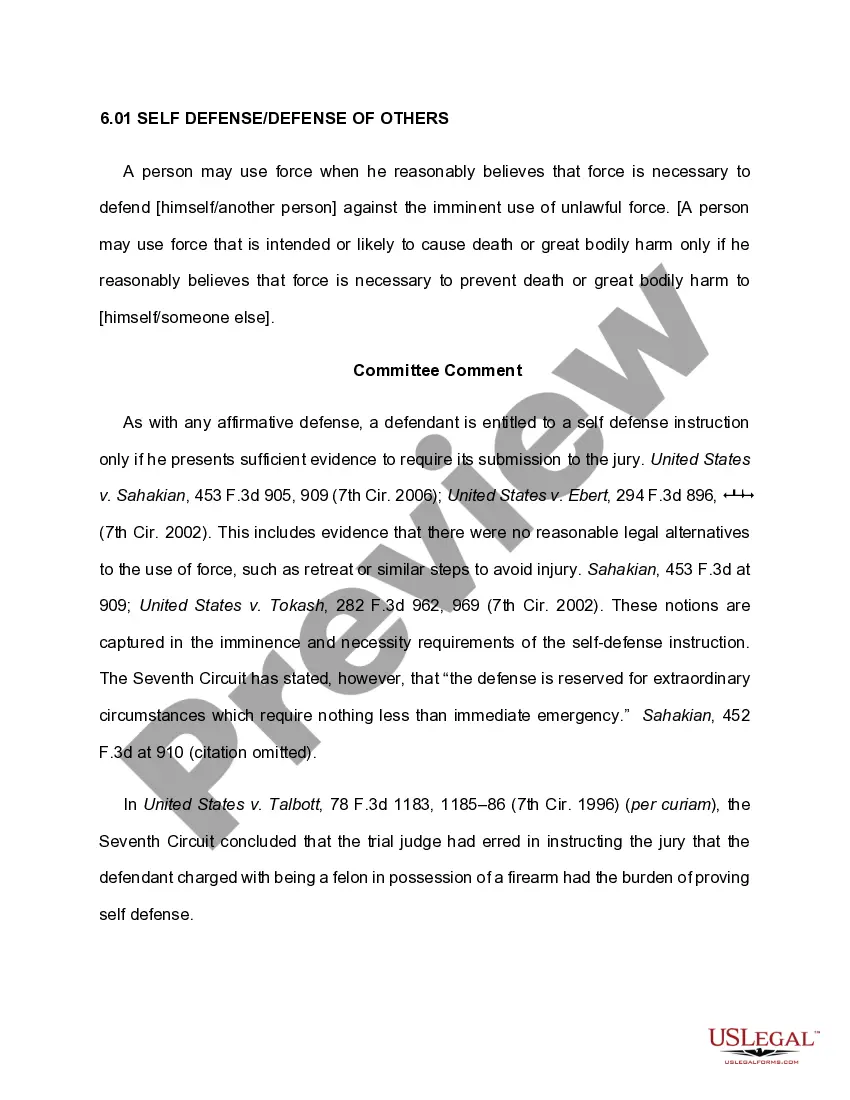
New Hampshire law, pursuant to RSA 6, permits an individual to use the amount of force reasonably necessary to stop what he or she believes to be the imminent use of unlawful force against the actor or a third person.
A person who responds to a threat which would be considered by a reasonable person as likely to cause serious bodily injury or death to the person or to another by displaying a firearm or other means of self-defense with the intent to warn away the person making the threat shall not have committed a criminal act.
Several states in the United States have adopted the castle doctrine, including California, Colorado, Illinois, Iowa, Oregon, Vermont, Virginia, Washington, and Wyoming.