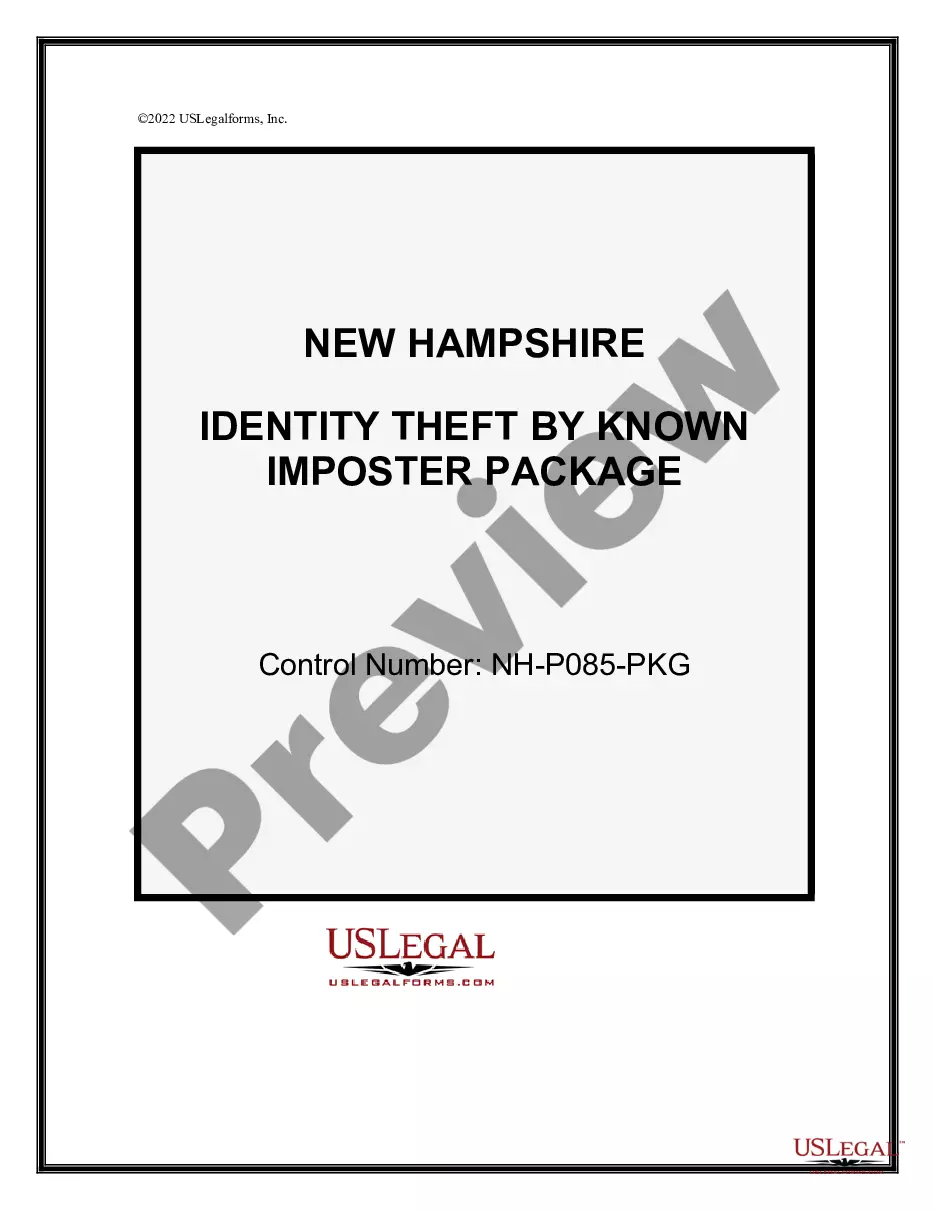
New Hampshire Identity Theft by Known Imposter Package
What is this form package?
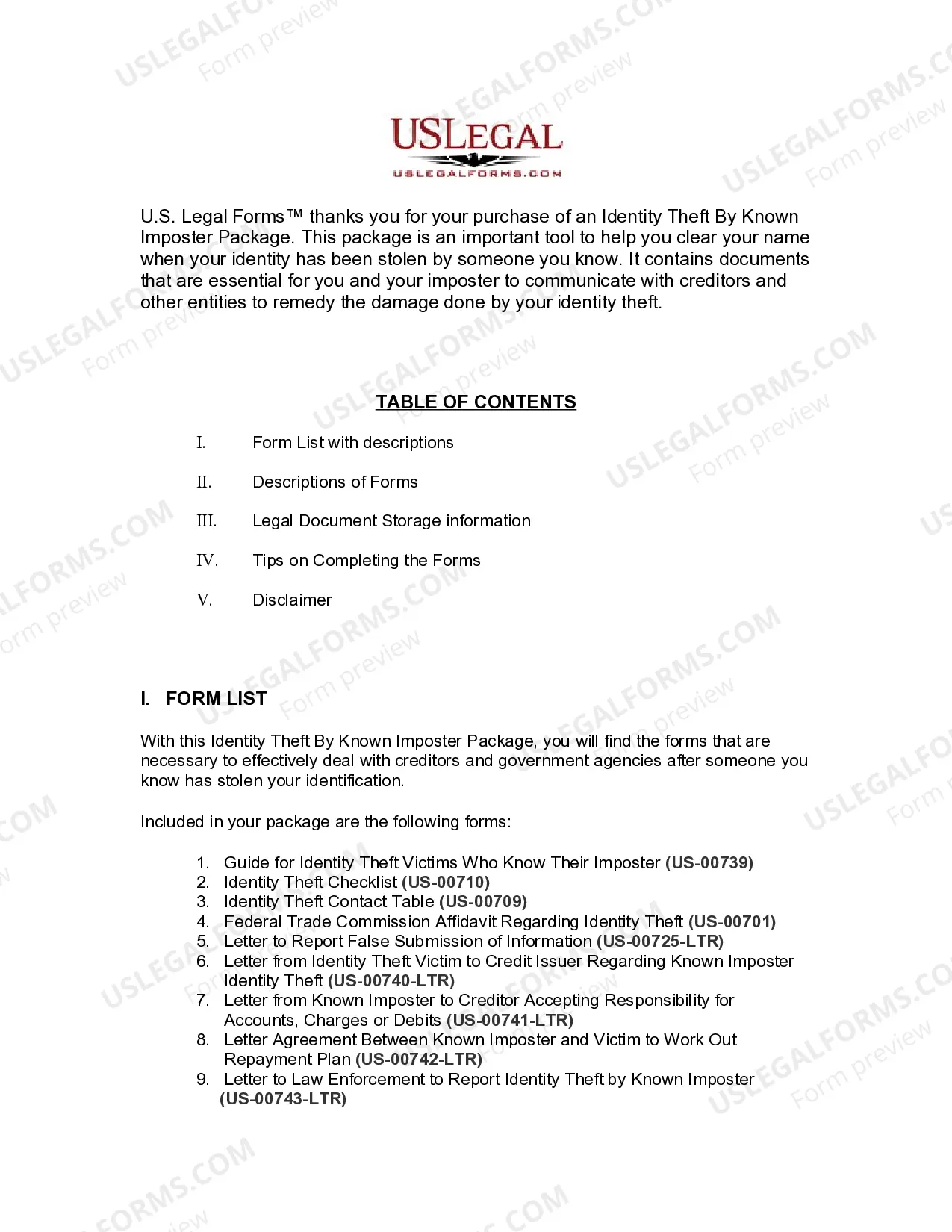
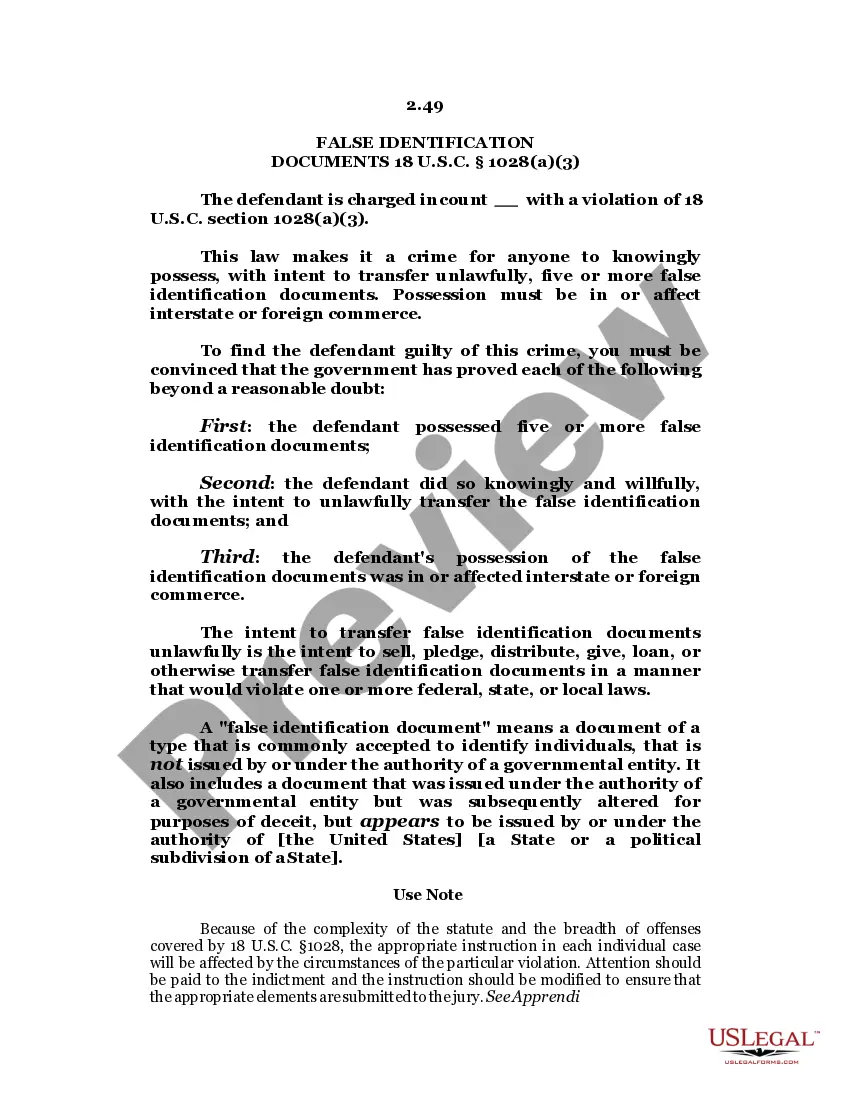
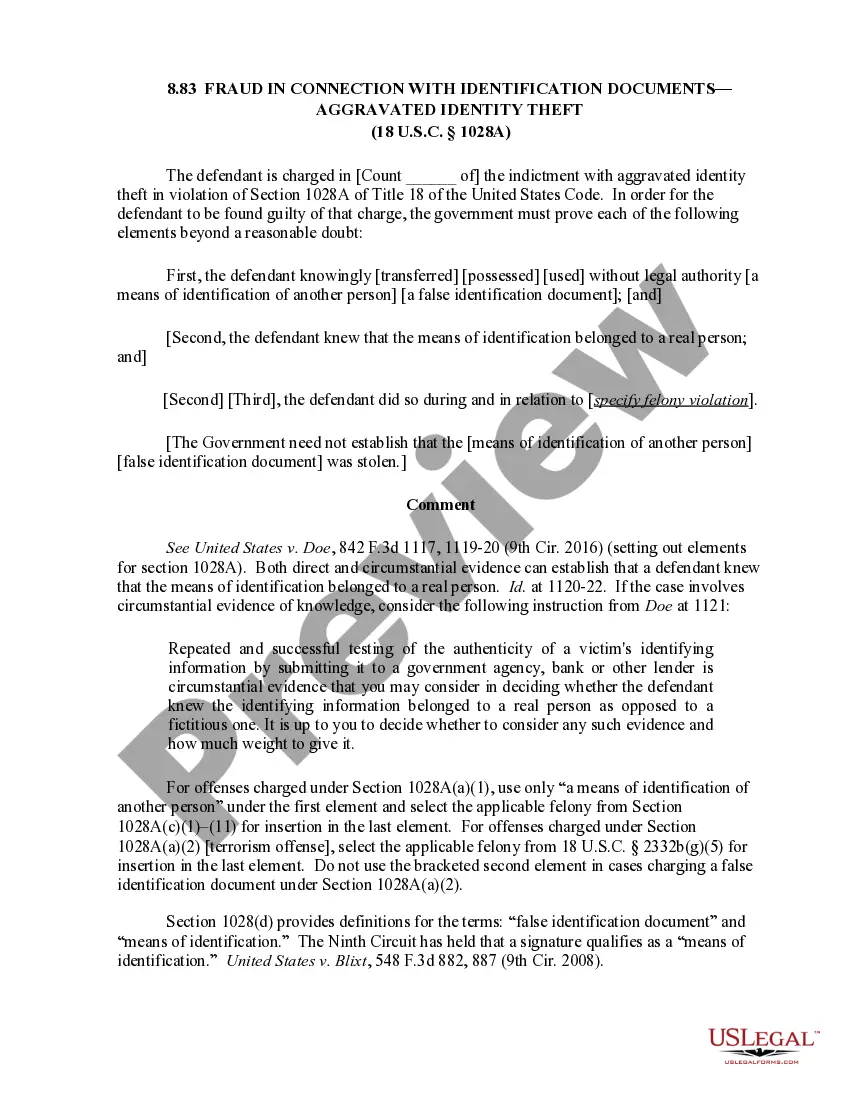
The New Hampshire Identity Theft by Known Imposter Package is designed to assist individuals whose identity has been stolen by someone they know. This comprehensive package includes essential forms that facilitate communication with creditors and governmental entities to help victims restore their reputation and resolve financial issues resulting from the identity theft. Unlike standard identity theft packages, this one is specifically tailored for cases involving known imposters, providing targeted support to navigate the complexities associated with personal relationships and identity theft.
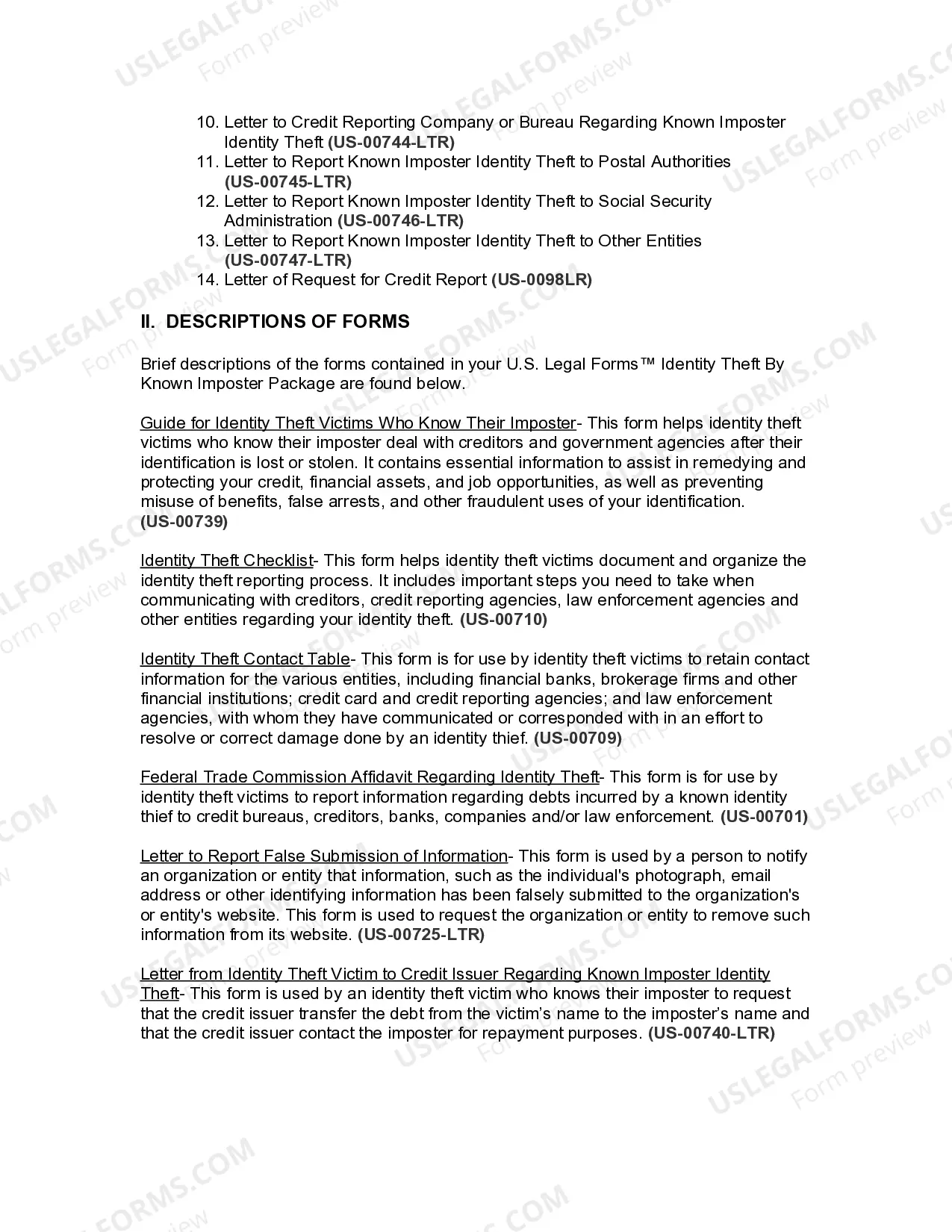
Forms included in this package
- Federal Trade Commission Affidavit regarding Identity Theft
- Identity Theft Contact Table
- Identity Theft Checklist
- Sample Letter to Report False Submission of Information
- Guide for Identity Theft Victims Who Know Their Imposter
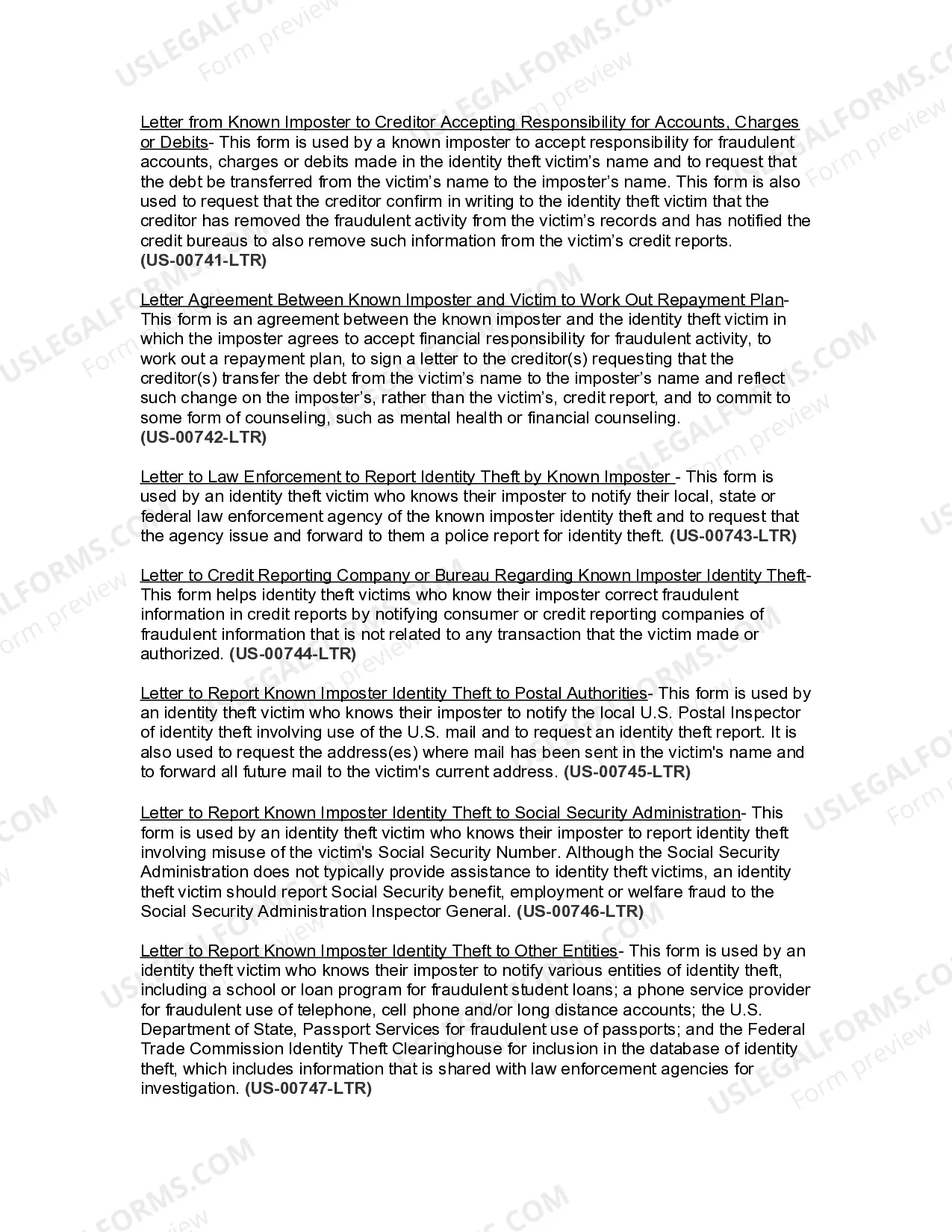
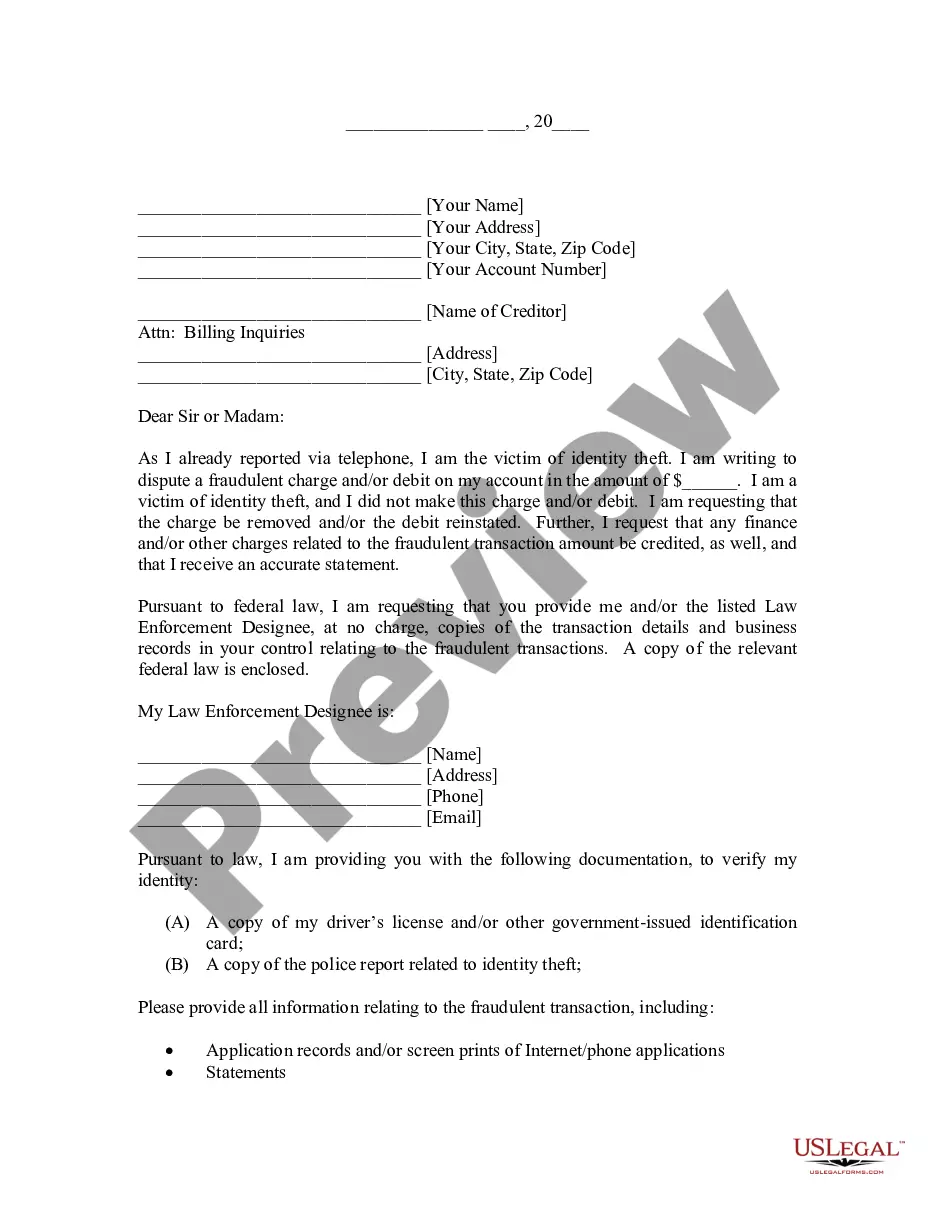
- Letter from Identity Theft Victim to Credit Issuer Regarding Known Imposter Identity Theft
- Letter from Known Imposter to Creditor Accepting Responsibility for Accounts, Charges or Debits
- Letter Agreement Between Known Imposter and Victim to Work Out Repayment Plan
- Letter to Law Enforcement to Report Identity Theft by Known Imposter
- Letter to Credit Reporting Company or Bureau Regarding Known Imposter Identity Theft
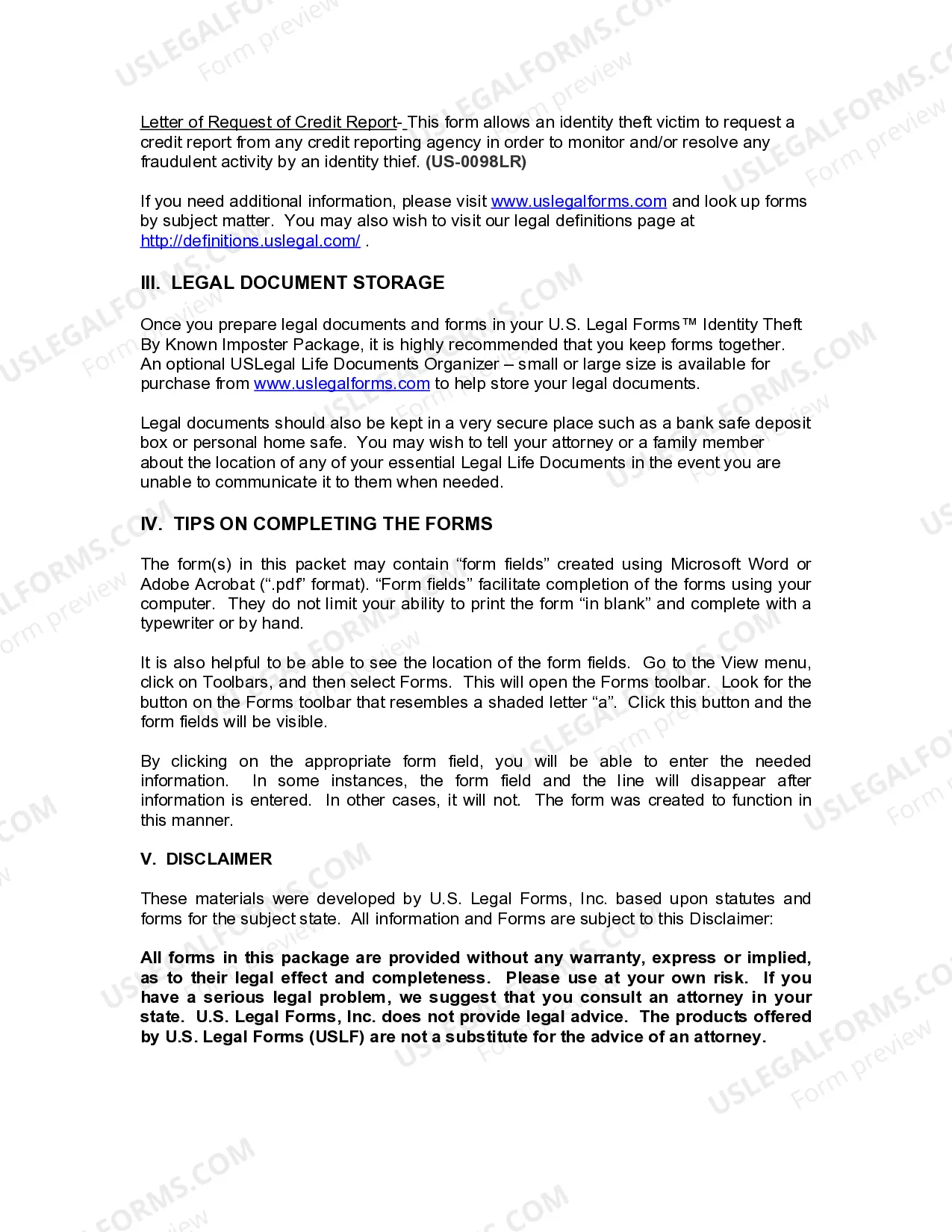
- Letter to Report Known Imposter Identity Theft to Postal Authorities
- Letter to Report Known Imposter Identity Theft to Social Security Administration
- Letter to Report Known Imposter Identity Theft to Other Entities
- Sample Letter for Request for Free Credit Report Allowed by Federal Law
When this form package is needed
This form package should be used in the following situations:
- When you discover that someone you know has misused your personal information.
- When creditors contact you regarding debts incurred by your imposter.
- If you need to report identity theft to law enforcement, credit bureaus, or other agencies.
- When you want to negotiate repayment plans or restitution with your imposter.
Who needs this form package
- Victims of identity theft by someone they know.
- Individuals seeking to clear their name from fraudulent charges.
- Anyone needing to communicate with creditors regarding debts incurred by an imposter.
- Individuals wanting to report identity theft to various organizations.
Instructions for completing these forms
- Review all included forms carefully to understand their purpose.
- Gather necessary personal information and documentation to fill out the forms.
- Follow the step-by-step guide for identity theft victims provided in the package.
- Complete each form, ensuring accuracy and clarity in your responses.
- Submit the completed forms to relevant creditors and agencies as instructed.
Notarization guidance for this package
Some forms in this package need notarization to be legally binding. Our online notarization service, powered by Notarize, lets you verify and sign documents remotely through an encrypted video session, available 24/7.
Get your form ready online
Our built-in tools help you complete, sign, share, and store your documents in one place.
Make edits, fill in missing information, and update formatting in US Legal Forms—just like you would in MS Word.
Download a copy, print it, send it by email, or mail it via USPS—whatever works best for your next step.
Sign and collect signatures with our SignNow integration. Send to multiple recipients, set reminders, and more. Go Premium to unlock E-Sign.
If this form requires notarization, complete it online through a secure video call—no need to meet a notary in person or wait for an appointment.
We protect your documents and personal data by following strict security and privacy standards.

Make edits, fill in missing information, and update formatting in US Legal Forms—just like you would in MS Word.

Download a copy, print it, send it by email, or mail it via USPS—whatever works best for your next step.

Sign and collect signatures with our SignNow integration. Send to multiple recipients, set reminders, and more. Go Premium to unlock E-Sign.

If this form requires notarization, complete it online through a secure video call—no need to meet a notary in person or wait for an appointment.

We protect your documents and personal data by following strict security and privacy standards.
Common mistakes to avoid
- Failing to document all communications with creditors and agencies.
- Not keeping copies of the completed forms for your records.
- Submitting forms without reviewing them for accuracy.
- Ignoring deadlines for reporting identity theft to organizations.
Advantages of online completion
- Convenient access to all necessary forms in one package.
- Editable forms that can be filled out easily on your computer.
- Reliable legal guidance from forms drafted by licensed attorneys.
- Cost savings of up to 40% compared to purchasing individual forms separately.
Legal use & context
- This form package supports victims in formally disputing fraudulent activities.
- It provides a structured approach to communicate with creditors and legal entities.
- Using these forms may help protect your legal rights regarding identity theft issues.
What to keep in mind
- The New Hampshire Identity Theft by Known Imposter Package is essential for victims to restore their identity.
- It includes forms that facilitate communication and legal reporting.
- Users should ensure all forms are completed accurately to avoid common mistakes.
Looking for another form?
Form popularity
FAQ
Financial Identity Theft. Driver's License Identity Theft. Criminal Identity Theft. Social Security Identity Theft. Medical Identity Theft. Insurance Identity Theft. Child Identity Theft. Synthetic Identity Theft.
Identity thieves can also use your identity when they commit other crimes, such as entering (or exiting) a country illegally, trafficking drugs, smuggling other substances, committing cyber crimes, laundering money and much more. In fact, they can use your identity to commit almost any crime imaginable in your name.
Financial Identity Theft. Financial identity theft is by far the most common type of identity theft. Medical Identity Theft. Criminal Identity Theft. Child Identity Theft. Identity Cloning & Concealment. Synthetic Identity Theft. Mitigate Your Risk.
The four types of identity theft include medical, criminal, financial and child identity theft.
Coming across suspicious activity on your credit reports, such as new accounts you don't recognize, is a quick way to identify potential fraud. You can get free copies of your credit reports from all three major credit bureaus through AnnualCreditReport.com.
Account Takeover Fraud. Debit Card Fraud or Credit Card Fraud. Driver's License Identity Theft. Mail Identity Theft. Online Shopping Fraud. Social Security Number Identity Theft. Senior Identity Theft and Scams. Child Identity Theft.
Financial identity theft. This is the most common form of identity theft -- when someone uses another person's information for financial gain. For instance, a fraudster may use your bank account or credit card numbers to steal money or make purchases, or use your Social Security number to open a new credit card.
Account Takeover Fraud. Debit Card Fraud or Credit Card Fraud. Driver's License Identity Theft. Mail Identity Theft. Online Shopping Fraud. Social Security Number Identity Theft. Senior Identity Theft and Scams. Child Identity Theft.
Financial identity theft. Tax identity theft. Medical identity theft. Employment identity theft. Child identity theft. Senior identity theft.