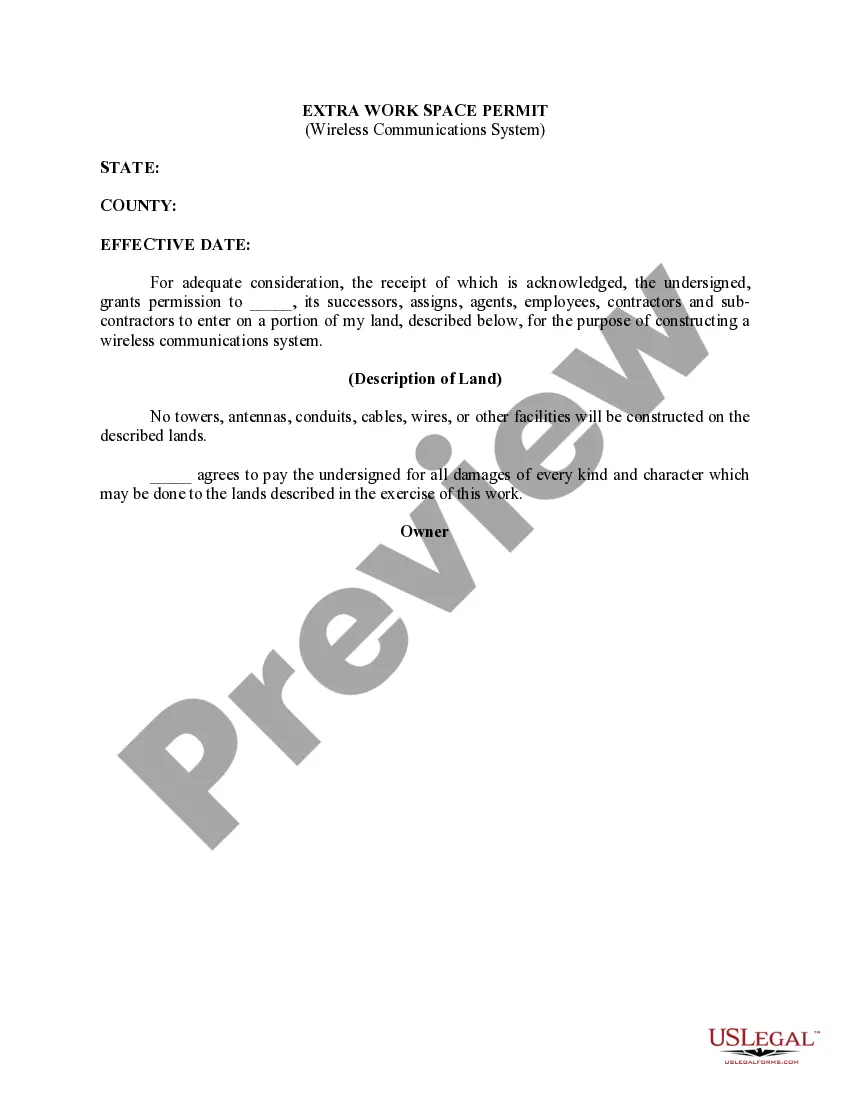
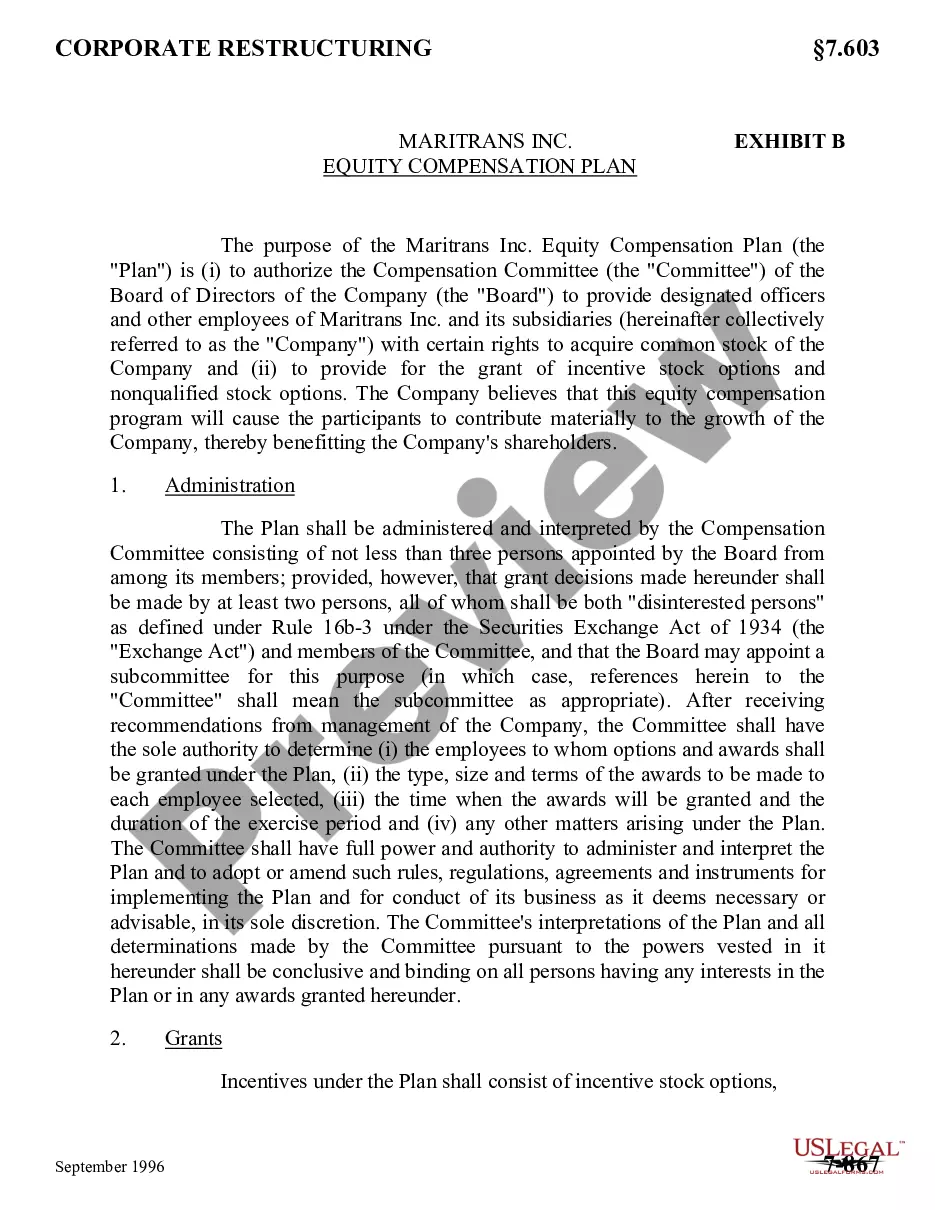
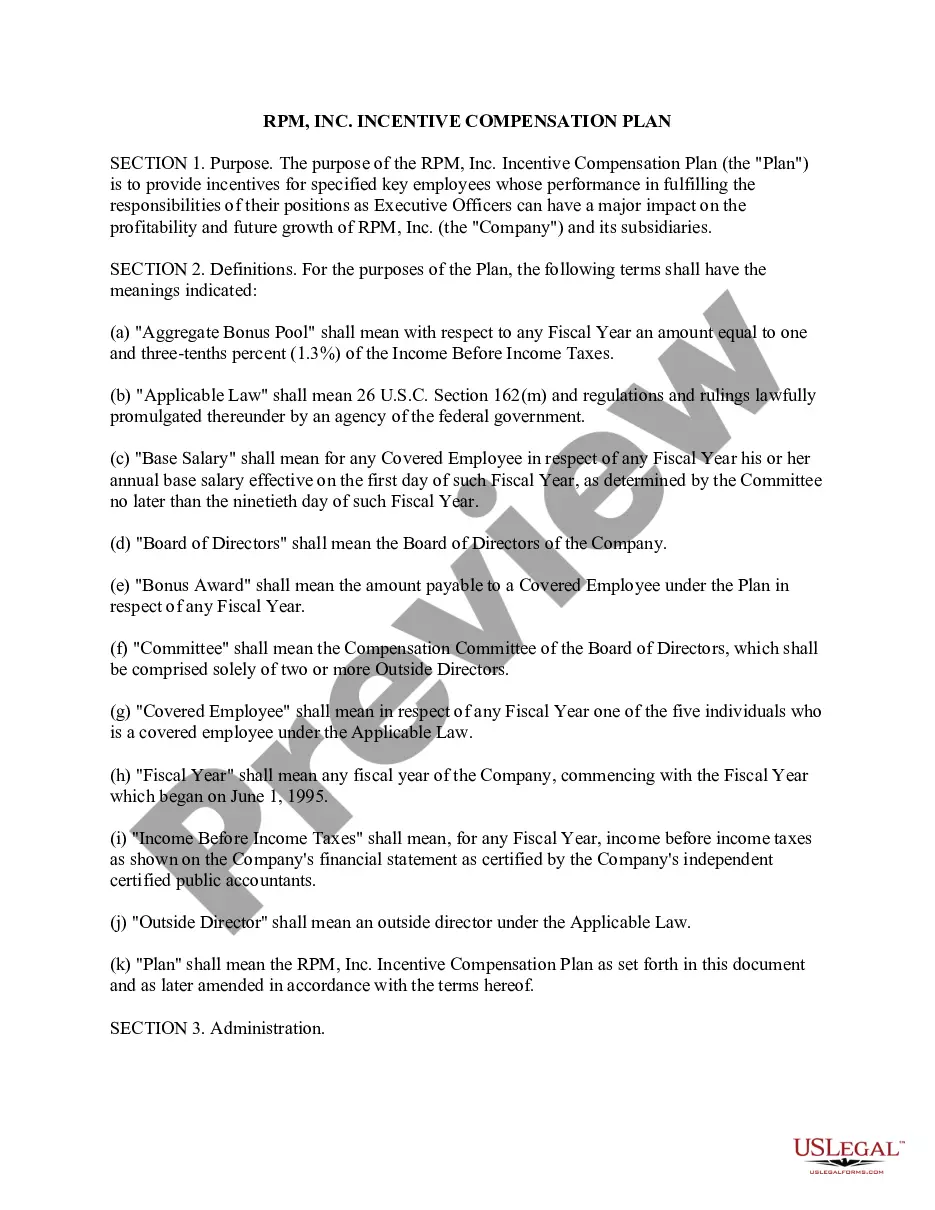
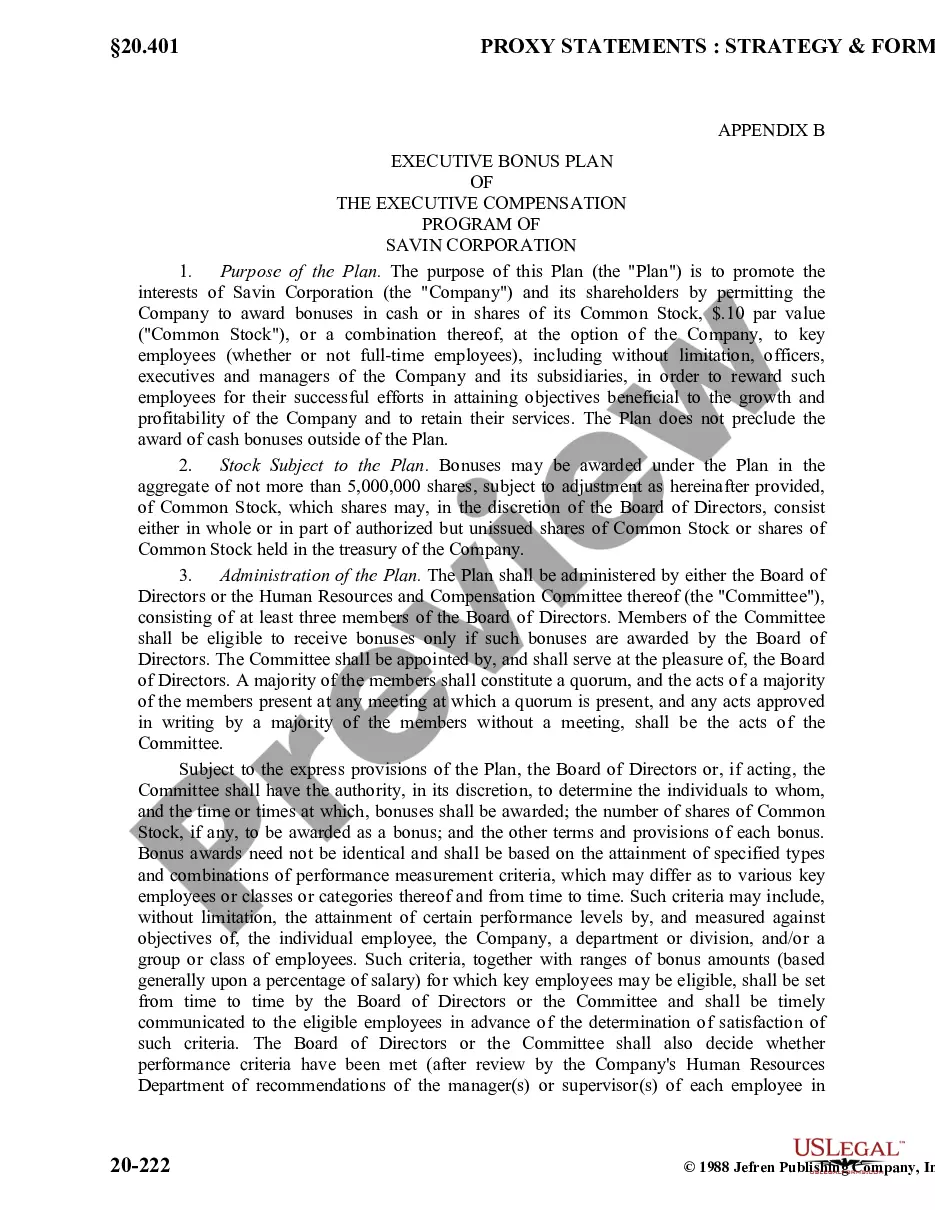
Nebraska Equity Compensation Plan
Description


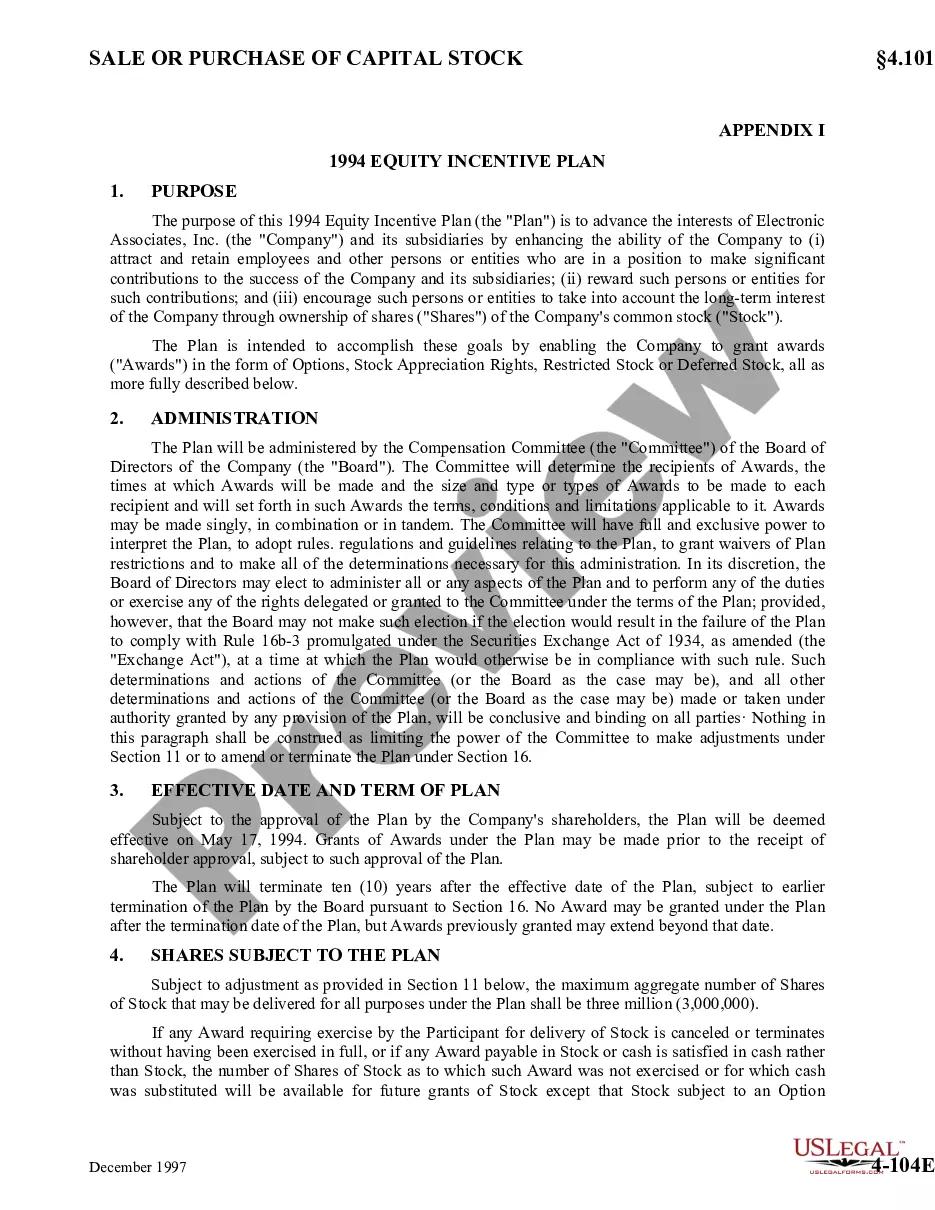
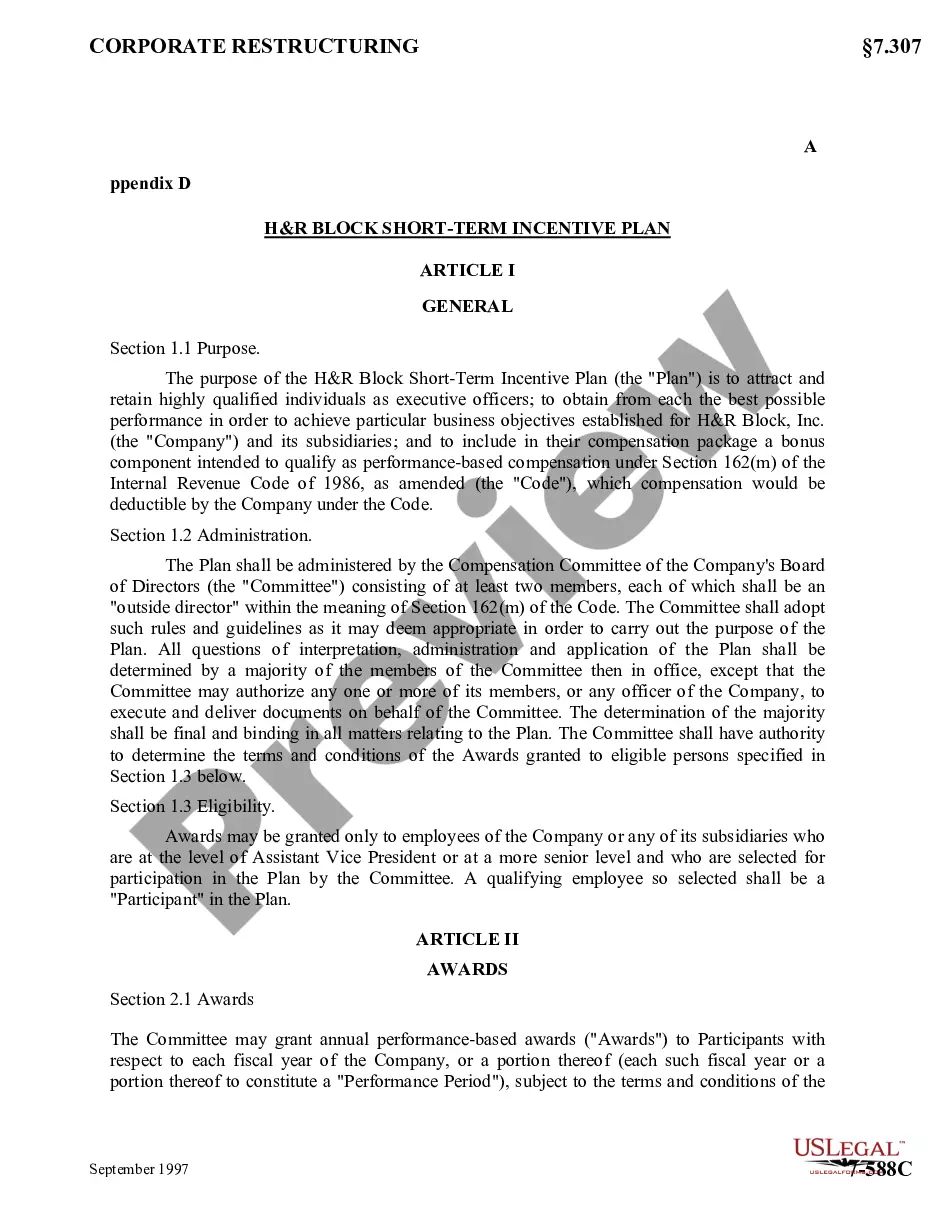
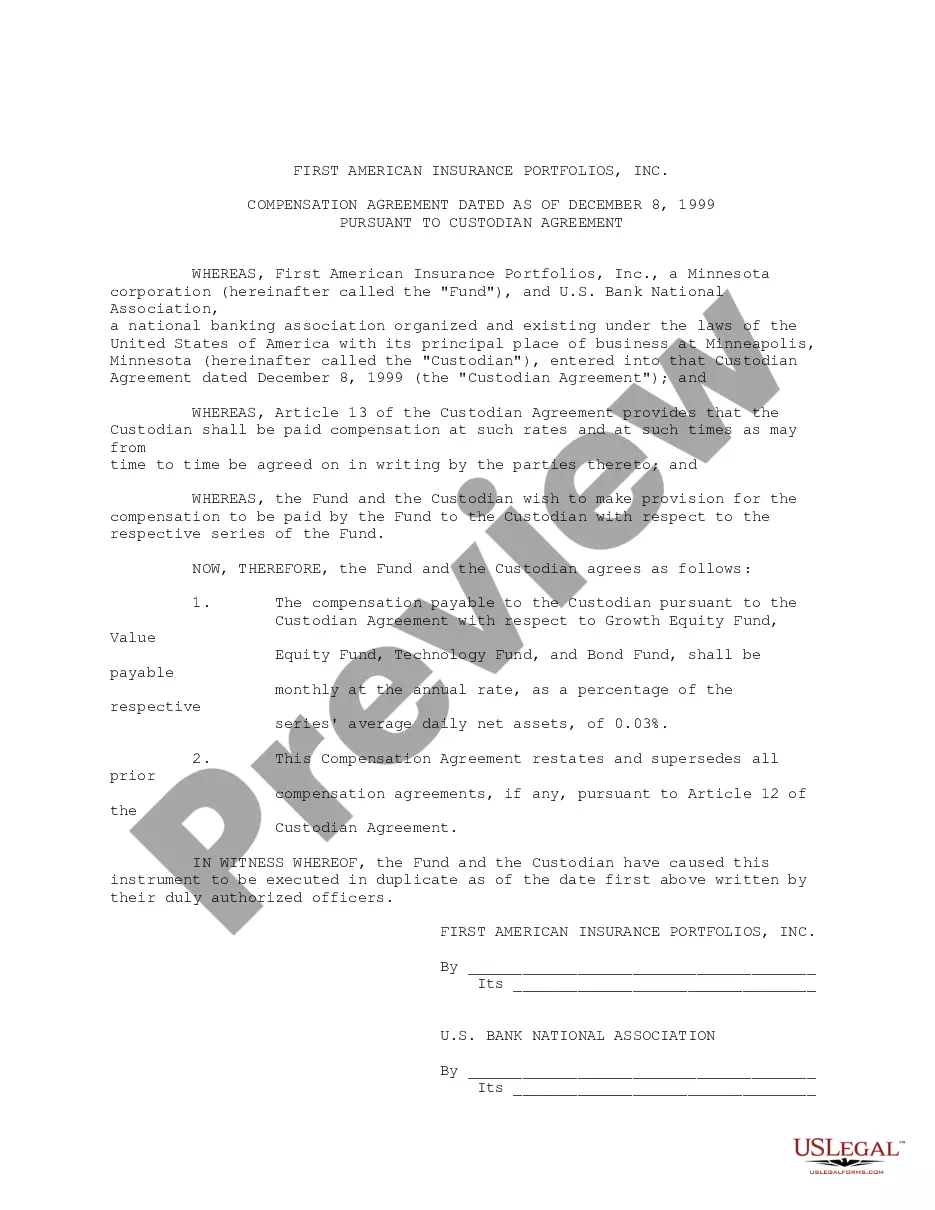
Get your form ready online
Our built-in tools help you complete, sign, share, and store your documents in one place.
Make edits, fill in missing information, and update formatting in US Legal Forms—just like you would in MS Word.
Download a copy, print it, send it by email, or mail it via USPS—whatever works best for your next step.
Sign and collect signatures with our SignNow integration. Send to multiple recipients, set reminders, and more. Go Premium to unlock E-Sign.
If this form requires notarization, complete it online through a secure video call—no need to meet a notary in person or wait for an appointment.
We protect your documents and personal data by following strict security and privacy standards.

Make edits, fill in missing information, and update formatting in US Legal Forms—just like you would in MS Word.

Download a copy, print it, send it by email, or mail it via USPS—whatever works best for your next step.

Sign and collect signatures with our SignNow integration. Send to multiple recipients, set reminders, and more. Go Premium to unlock E-Sign.

If this form requires notarization, complete it online through a secure video call—no need to meet a notary in person or wait for an appointment.

We protect your documents and personal data by following strict security and privacy standards.
Looking for another form?
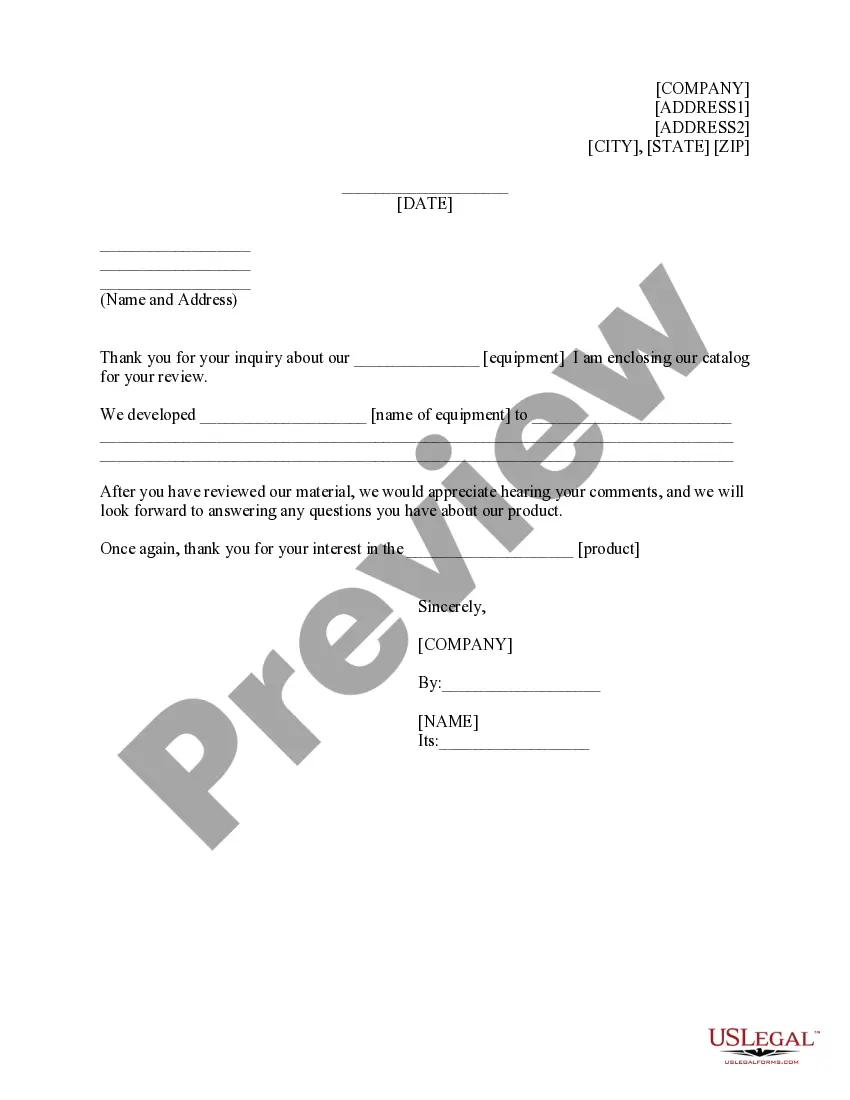




How to fill out Equity Compensation Plan?
Have you been in the position where you will need papers for sometimes enterprise or individual purposes just about every time? There are tons of legal document themes available on the net, but finding types you can rely is not simple. US Legal Forms gives a huge number of develop themes, much like the Nebraska Equity Compensation Plan, that happen to be published to satisfy federal and state specifications.
When you are currently acquainted with US Legal Forms site and get your account, basically log in. Next, you can acquire the Nebraska Equity Compensation Plan template.
If you do not offer an account and want to begin using US Legal Forms, follow these steps:
- Obtain the develop you require and ensure it is for the appropriate city/region.
- Use the Preview option to examine the form.
- Browse the information to ensure that you have selected the correct develop.
- In the event the develop is not what you`re searching for, take advantage of the Search area to find the develop that suits you and specifications.
- If you find the appropriate develop, simply click Purchase now.
- Choose the rates prepare you would like, submit the desired details to generate your bank account, and pay for the transaction with your PayPal or Visa or Mastercard.
- Choose a handy file file format and acquire your duplicate.
Get every one of the document themes you might have bought in the My Forms food list. You can obtain a extra duplicate of Nebraska Equity Compensation Plan any time, if possible. Just go through the required develop to acquire or produce the document template.
Use US Legal Forms, probably the most substantial selection of legal types, to save lots of time as well as steer clear of mistakes. The assistance gives professionally created legal document themes that you can use for a variety of purposes. Create your account on US Legal Forms and start generating your way of life easier.
Form popularity
FAQ
Plan Overview. In 1976, the board implemented the State of Nebraska Deferred Compensation Plan (DCP). DCP, as authorized by IRS Code §457, is a voluntary retirement savings plan which allows state employees the ability to defer and invest a portion of their compensation for retirement.
The two plans are also different in that 401(k) plans do not offer a three-year Pre-Retirement Catch-Up; and 457(b) plans do. Another difference is that a 401(k) distribution prior to age 59½ may be subject to a 10% early withdrawal penalty and 457(b) plans generally do not have the same early withdrawal penalty.
Plans eligible under 457(b) allow employees of sponsoring organizations to defer income taxation on retirement savings into future years.
Cash Balance Benefit The assets are held in a trust fund which is managed by the Nebraska Investment Council. Cash Balance Benefit participants are guaranteed an annual interest credit rate which is defined in statute as the greater of 5% or the federal mid-term rate plus 1.5%.
Cons of 457(b) plans: Fewer investing options than 401(k)s (Not as common today) Only available to certain employees employed by state or local governments or qualifying nonprofits. Employer contributions count toward the annual limit. Non-governmental 457(b) plans are riskier.
There are two main types of cash balance plan distribution options: a lump sum and an annuity.
A 457(b) plan is a tax-deferred retirement savings plan. Funds are withdrawn from an employee's income without being taxed and are only taxed upon withdrawal, which is typically at retirement, after the funds have had several years to grow.
Since most government employees already have a pension, a defined contribution plan such as a 457(b) is considered a supplemental savings plan, and so an employer match is uncommon.
Deferred compensation plans can be a powerful tool for early retirement goals. Deferring income to retirement might help avoid high state income taxes (ex: California, New York, etc) if you're planning to move to a low-tax state.
In a typical cash balance plan, a participant's account is credited each year with a "pay credit" (such as 5 percent of compensation from his or her employer) and an "interest credit" (either a fixed rate or a variable rate that is linked to an index such as the one-year treasury bill rate).