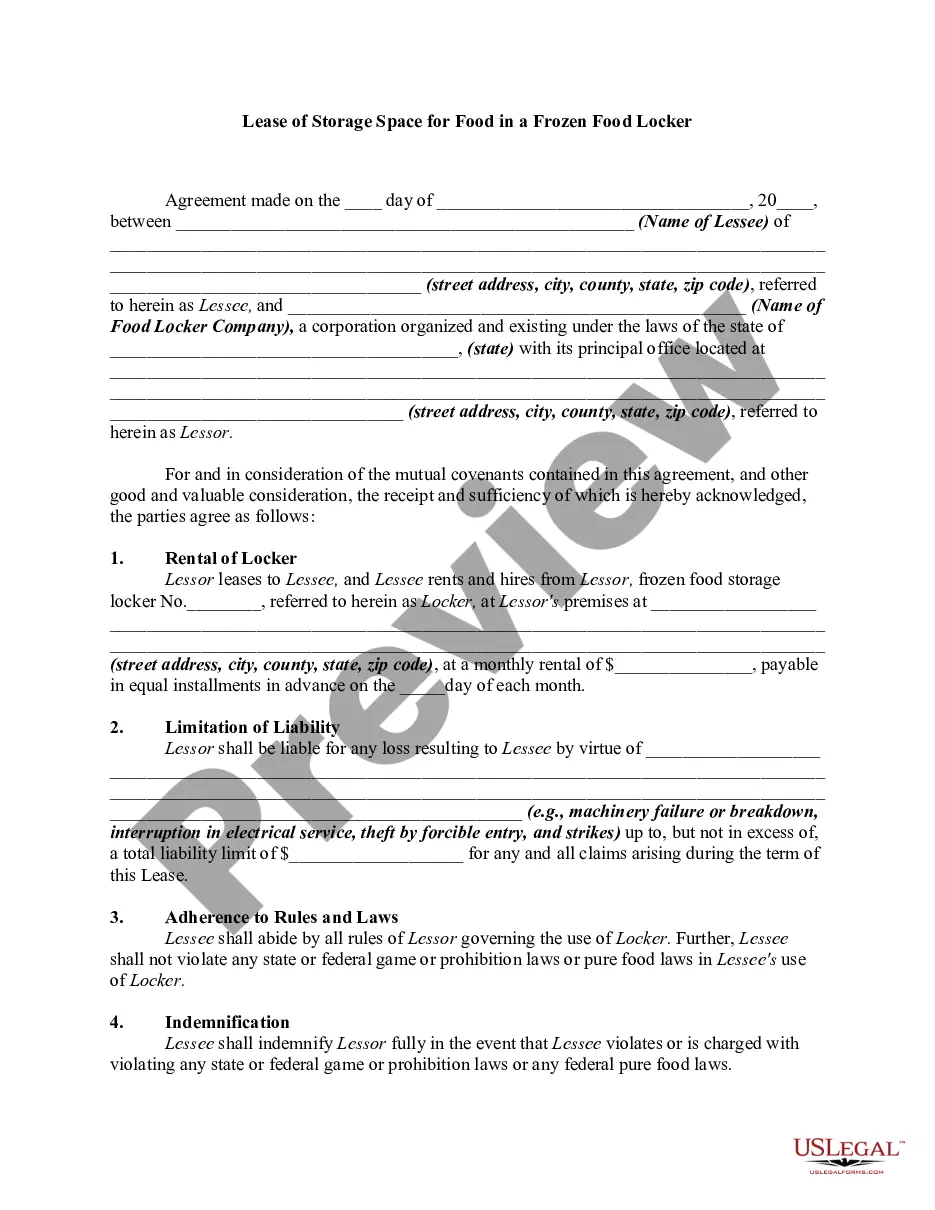
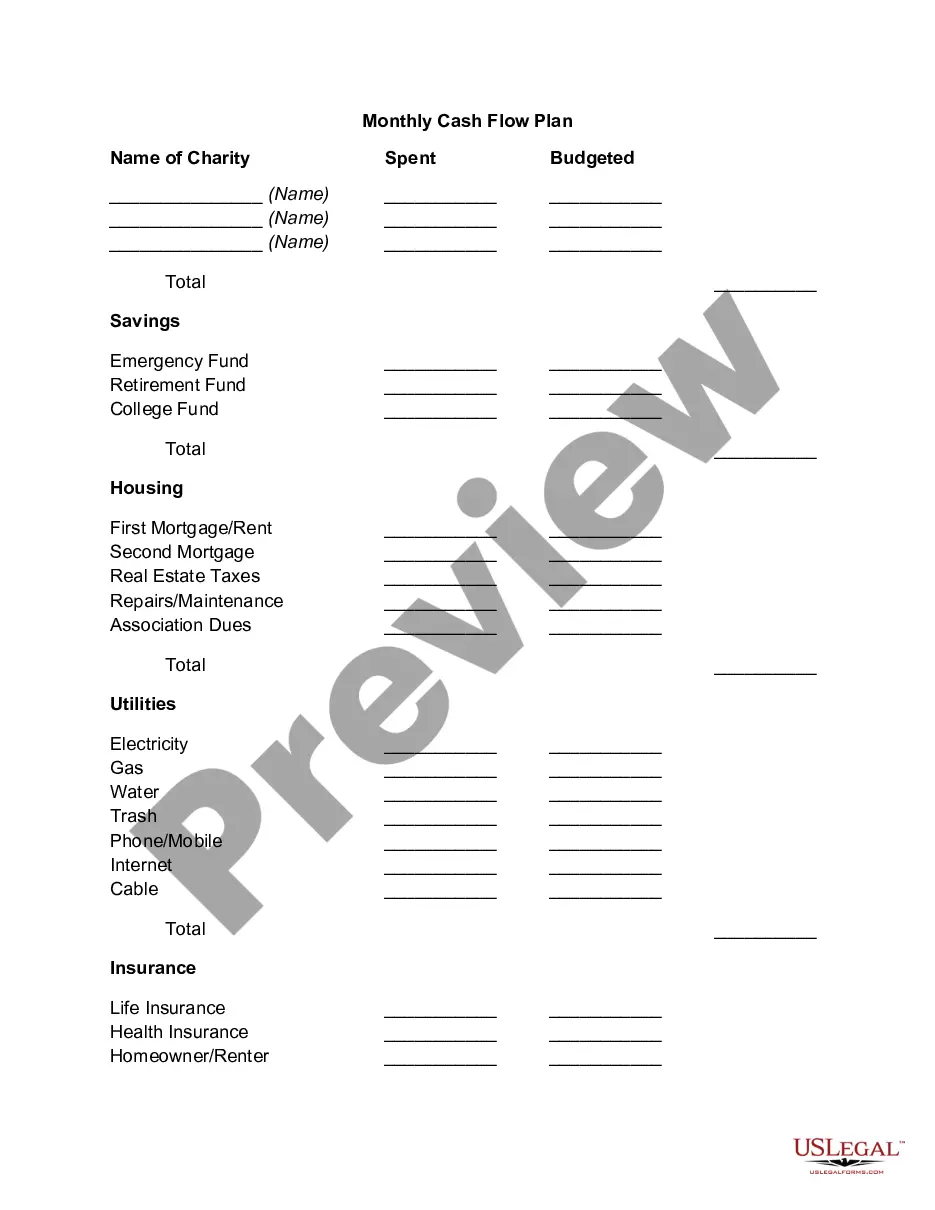
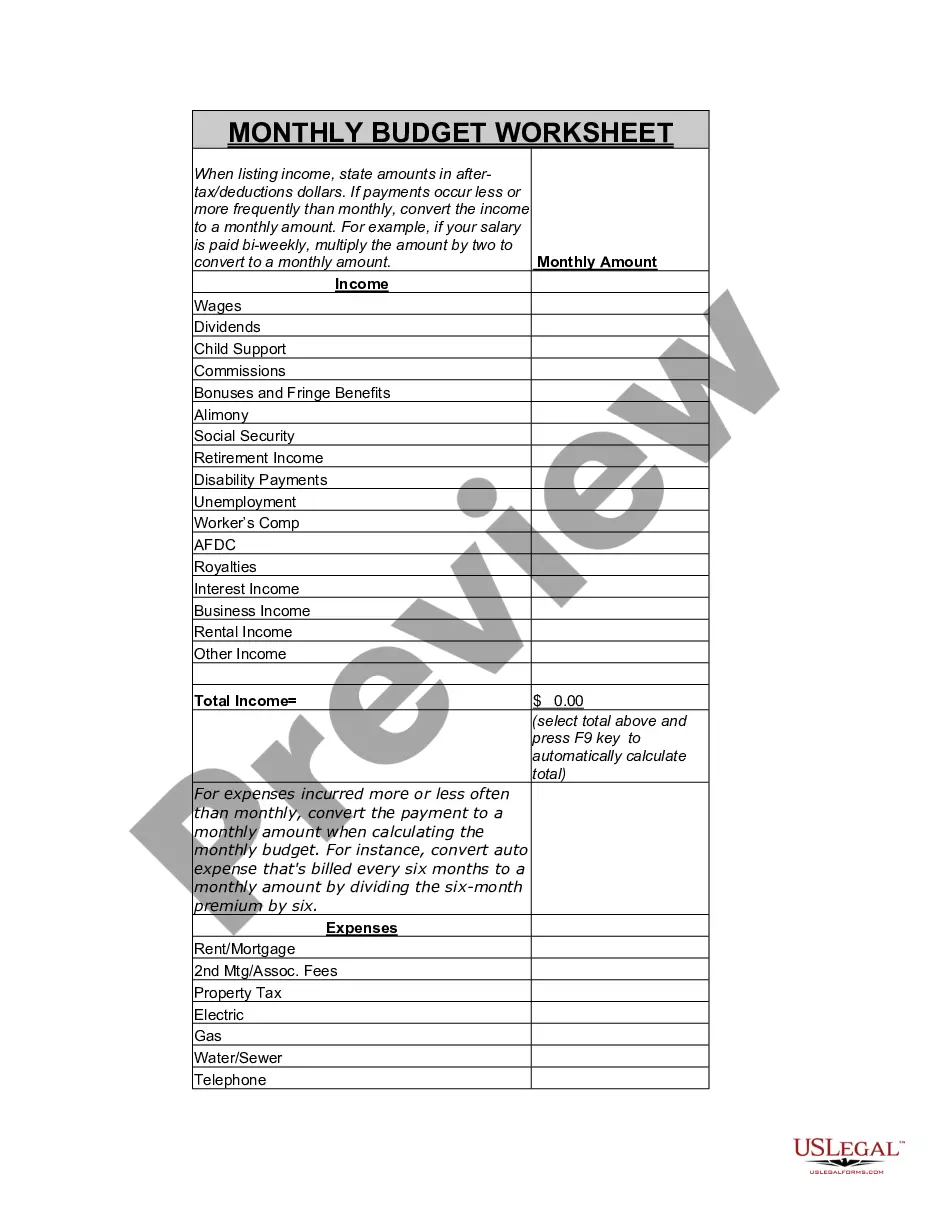
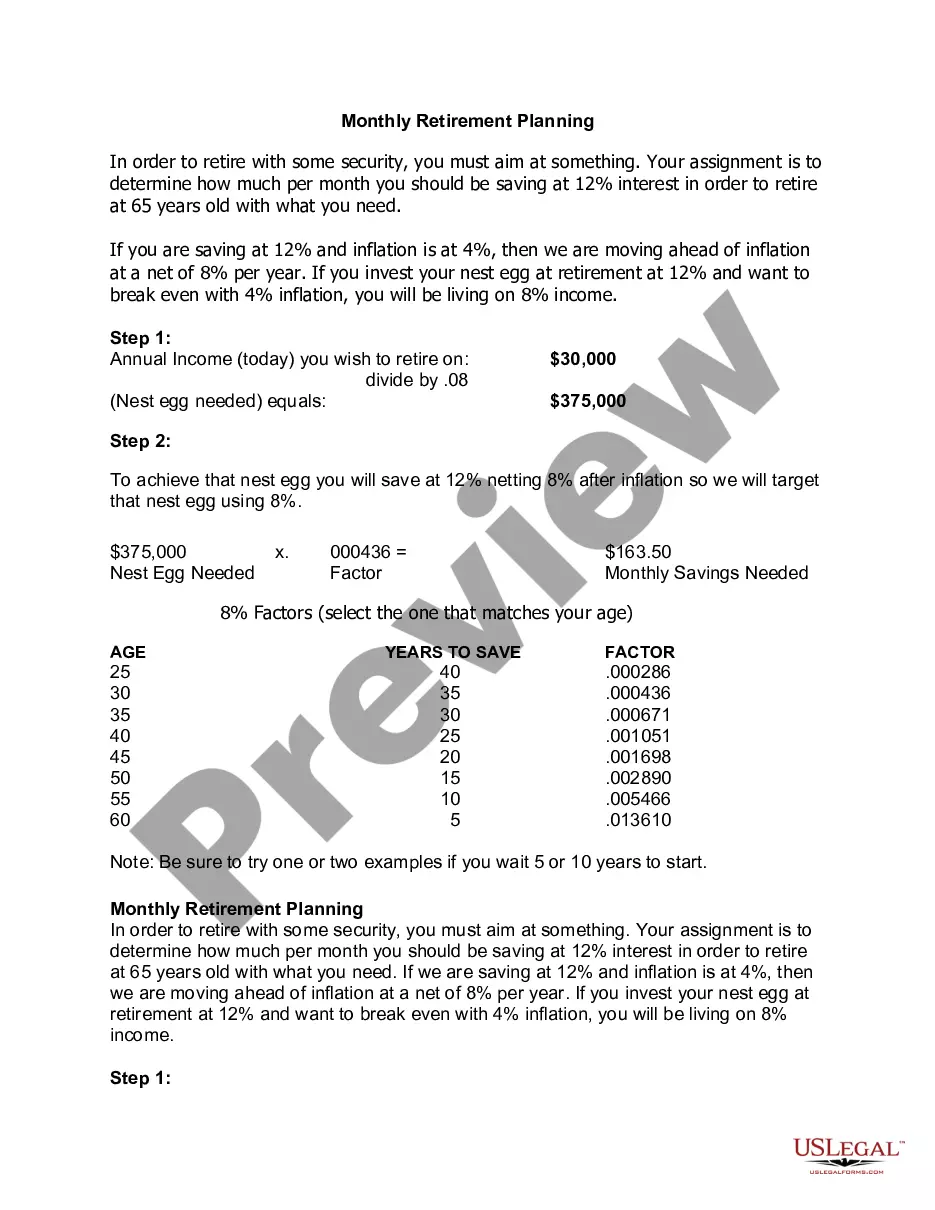
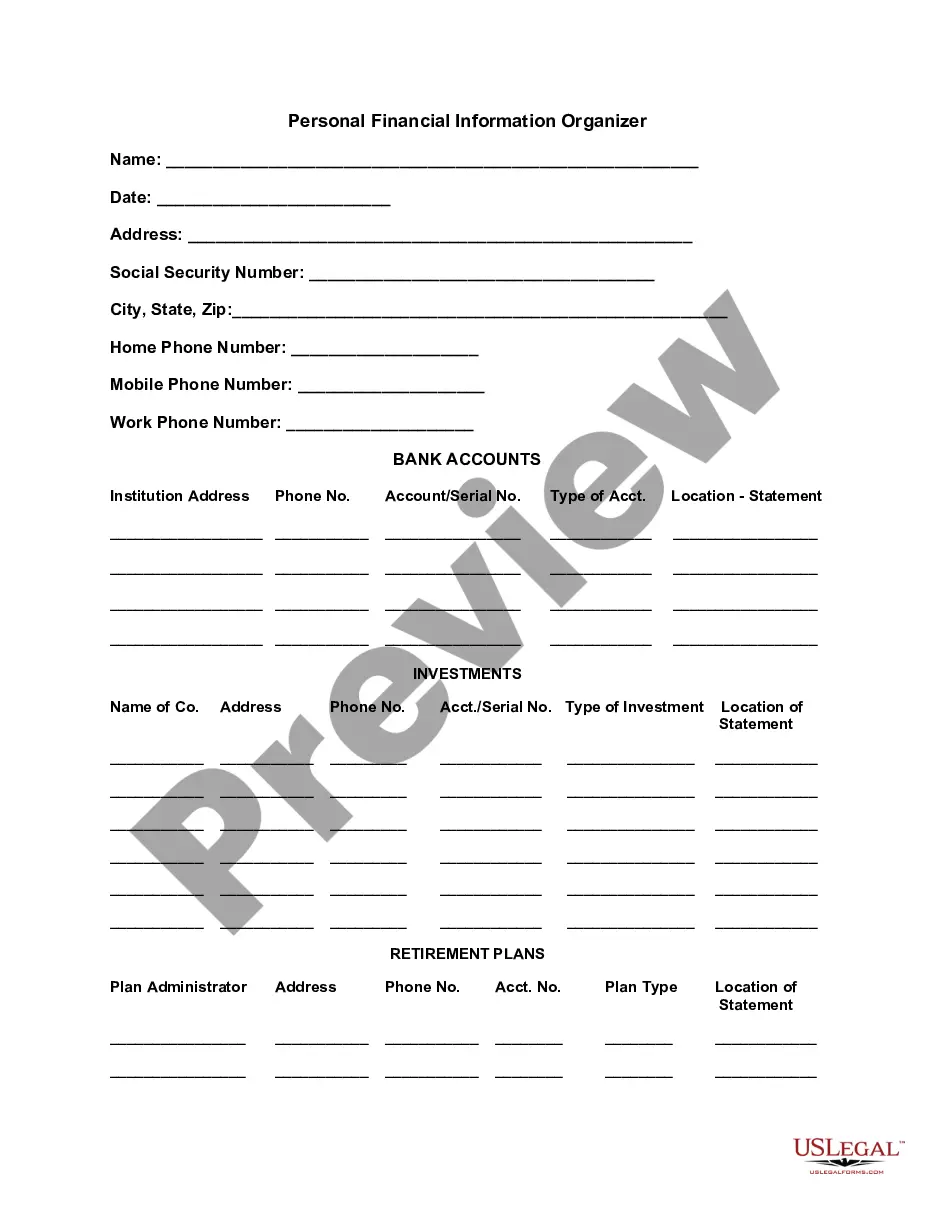
Nebraska Monthly Cash Flow Plan
Description


Get your form ready online
Our built-in tools help you complete, sign, share, and store your documents in one place.
Make edits, fill in missing information, and update formatting in US Legal Forms—just like you would in MS Word.
Download a copy, print it, send it by email, or mail it via USPS—whatever works best for your next step.
Sign and collect signatures with our SignNow integration. Send to multiple recipients, set reminders, and more. Go Premium to unlock E-Sign.
If this form requires notarization, complete it online through a secure video call—no need to meet a notary in person or wait for an appointment.
We protect your documents and personal data by following strict security and privacy standards.

Make edits, fill in missing information, and update formatting in US Legal Forms—just like you would in MS Word.

Download a copy, print it, send it by email, or mail it via USPS—whatever works best for your next step.

Sign and collect signatures with our SignNow integration. Send to multiple recipients, set reminders, and more. Go Premium to unlock E-Sign.

If this form requires notarization, complete it online through a secure video call—no need to meet a notary in person or wait for an appointment.

We protect your documents and personal data by following strict security and privacy standards.
Looking for another form?





How to fill out Monthly Cash Flow Plan?
US Legal Forms - one of the largest collections of legal documents in the USA - offers a wide range of legal template documents that you can download or print.
By using the website, you can discover thousands of forms for business and personal purposes, organized by categories, states, or keywords. You can find the latest versions of documents such as the Nebraska Monthly Cash Flow Plan in just a few minutes.
If you already possess a subscription, Log In and obtain the Nebraska Monthly Cash Flow Plan from your US Legal Forms library. The Download button will be visible on each document you view. You can access all previously acquired forms in the My documents section of your account.
Complete the transaction. Use your credit card or PayPal account to finalize the transaction.
Select the format and download the document to your device. Make edits. Fill out, adjust, and print and sign the downloaded Nebraska Monthly Cash Flow Plan. Every template you saved to your account does not expire and is yours permanently. Therefore, if you wish to download or print another copy, simply go to the My documents section and click on the form you want. Gain access to the Nebraska Monthly Cash Flow Plan with US Legal Forms, one of the most extensive repositories of legal document templates. Utilize thousands of professional and state-specific templates that fulfill your business or personal needs and requirements.
- If you want to use US Legal Forms for the first time, here are simple instructions to help you start.
- Make sure you have selected the right form for your area/state.
- Click the Preview button to review the form’s details.
- Check the form information to ensure you have chosen the correct document.
- If the form doesn't meet your needs, use the Search field at the top of the screen to find the one that does.
- Once you are satisfied with the form, confirm your selection by clicking on the Get now button.
- Then, choose the payment plan you prefer and provide your details to register for an account.
Form popularity
FAQ
Calculating Free Cash Flow in ExcelEnter "Total Cash Flow From Operating Activities" into cell A3, "Capital Expenditures" into cell A4, and "Free Cash Flow" into cell A5. Then, enter "=80670000000" into cell B3 and "=7310000000" into cell B4. To calculate Apple's FCF, enter the formula "=B3-B4" into cell B5.
A cash flow projection estimates the money you expect to flow in and out of your business, including all of your income and expenses. Typically, most businesses' cash flow projections cover a 12-month period. However, your business can create a weekly, monthly, or semi-annual cash flow projection.
Do one month at a time.Enter Your Beginning Balance. For the first month, start your projection with the actual amount of cash your business will have in your bank account.Estimate Cash Coming In. Fill in all amounts you expect to take in during the month.Estimate Cash Going Out.Subtract Outlays From Income.
Monthly Cash Flow reports are considered essential month-end financial statements and are often used by CFOs and Analysts to review the cash inflows and outflows of the business.
Prepare your cash flow analysis: Step by stepIdentify all sources of income. The first step to understanding how money flows through your business is to identify the income that regularly comes in.Identify all business expenses.Create your cash flow statement.Analyze your cash flow statement.
The primary aim of the monthly cash flow report is to present an overview of the financial activity experienced throughout the month. Organizations rely on monthly cash flow statements to closely monitor cash inflows and outflows. Typical users of the cash flow report are CFOs, controllers, and accountants.
The cash flow statement should be prepared on a monthly basis during the first year, on a quarterly basis for the second year, and annually for the third year.
You can download my Cash Flow Forecast Excel template to follow the examples used in the steps listed.Step 1: List the Business Drivers.Step 2: Create Excel Cash Flow Model.Step 3: Excel Formulas to Use.Step 4: Summarise Cash Flow Projections.Step 5: Include the Key Financial Metrics.Step 6: Test Your Excel Model.More items...?
Monthly Cash Flow reports are considered essential month-end financial statements and are often used by CFOs and Analysts to review the cash inflows and outflows of the business. Key functionality in this type of report is parameter driven so the figures are presented automatically when the user runs the report.
In a general sense, a cash flow plan allows a company to plan its incoming and outgoing cash to ensure it can meet expenses. Cash flow activities include operating activities, investing activities, and financing activities.