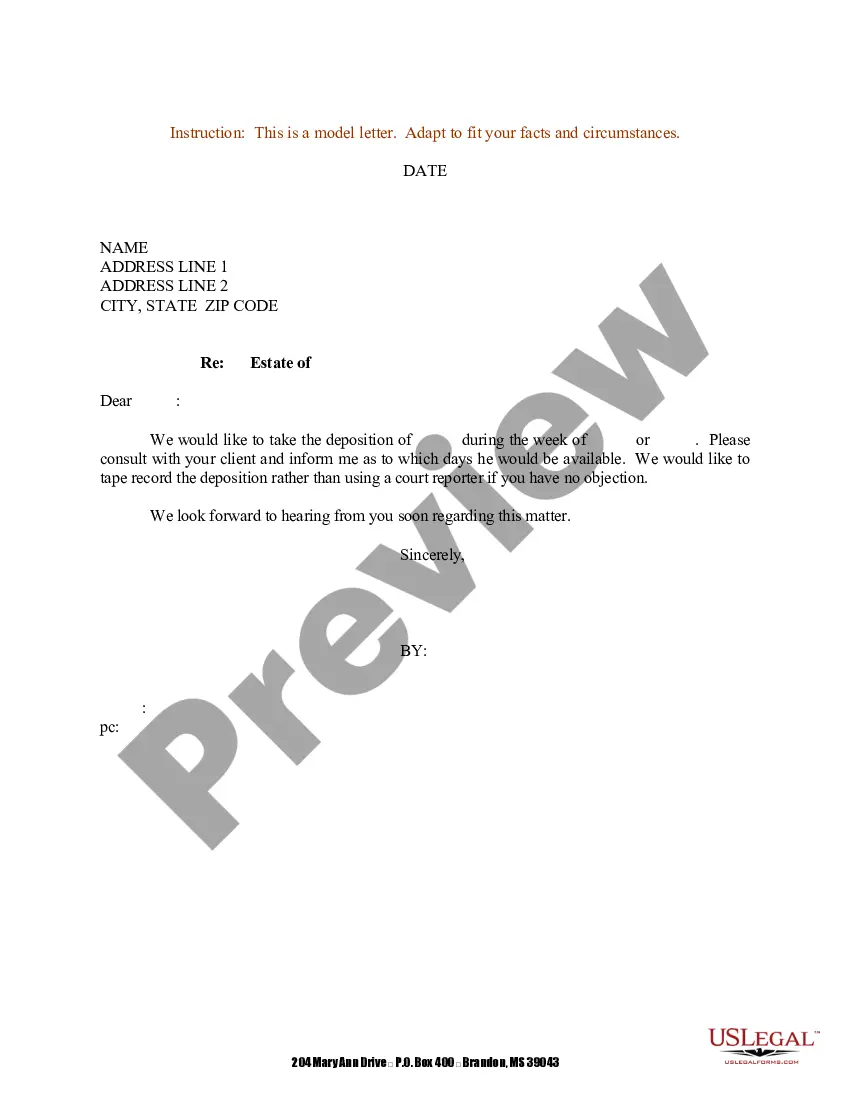
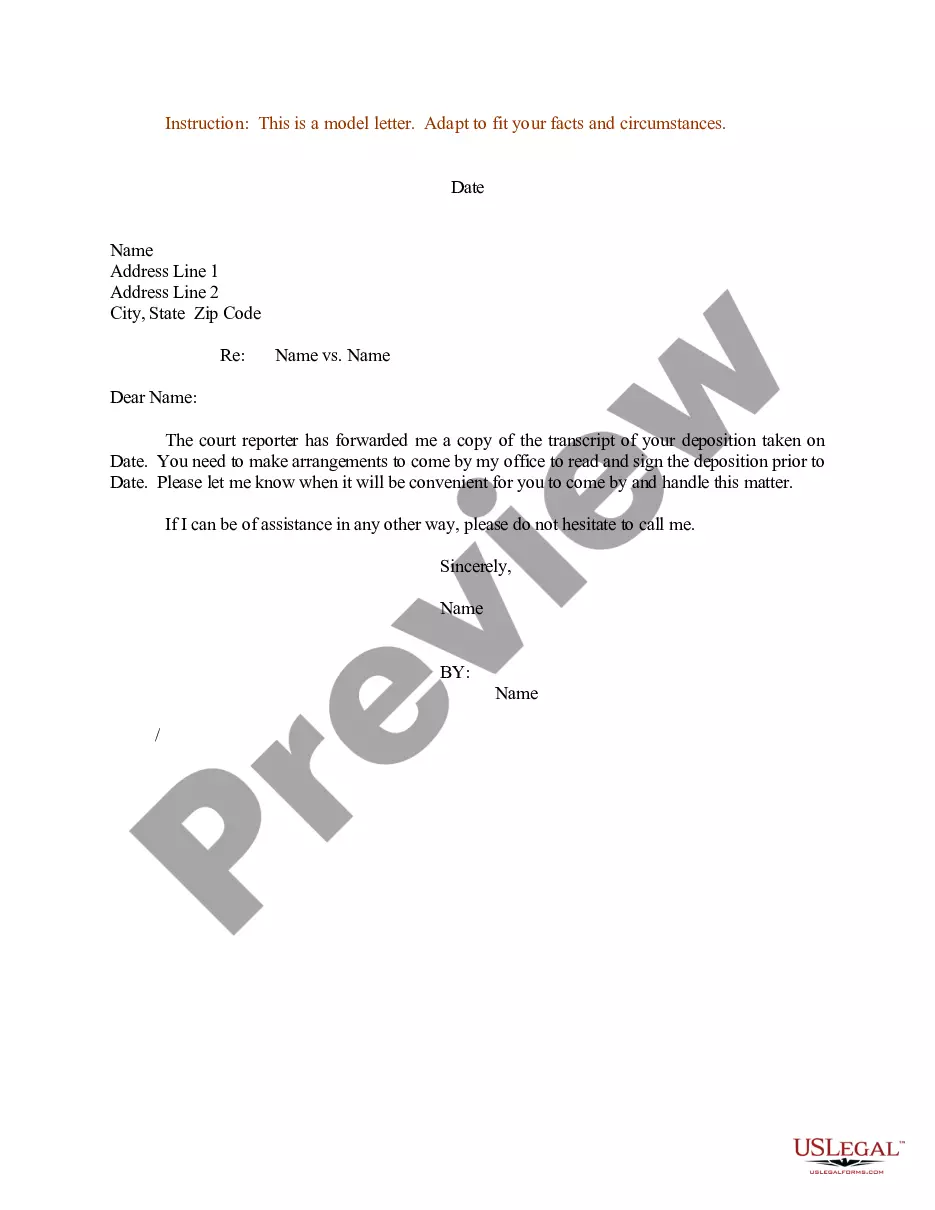
Nebraska Sample Letter for Request for Deposition - Discovery
Description

Get your form ready online
Our built-in tools help you complete, sign, share, and store your documents in one place.
Make edits, fill in missing information, and update formatting in US Legal Forms—just like you would in MS Word.
Download a copy, print it, send it by email, or mail it via USPS—whatever works best for your next step.
Sign and collect signatures with our SignNow integration. Send to multiple recipients, set reminders, and more. Go Premium to unlock E-Sign.
If this form requires notarization, complete it online through a secure video call—no need to meet a notary in person or wait for an appointment.
We protect your documents and personal data by following strict security and privacy standards.
Make edits, fill in missing information, and update formatting in US Legal Forms—just like you would in MS Word.
Download a copy, print it, send it by email, or mail it via USPS—whatever works best for your next step.
Sign and collect signatures with our SignNow integration. Send to multiple recipients, set reminders, and more. Go Premium to unlock E-Sign.
If this form requires notarization, complete it online through a secure video call—no need to meet a notary in person or wait for an appointment.
We protect your documents and personal data by following strict security and privacy standards.
Looking for another form?
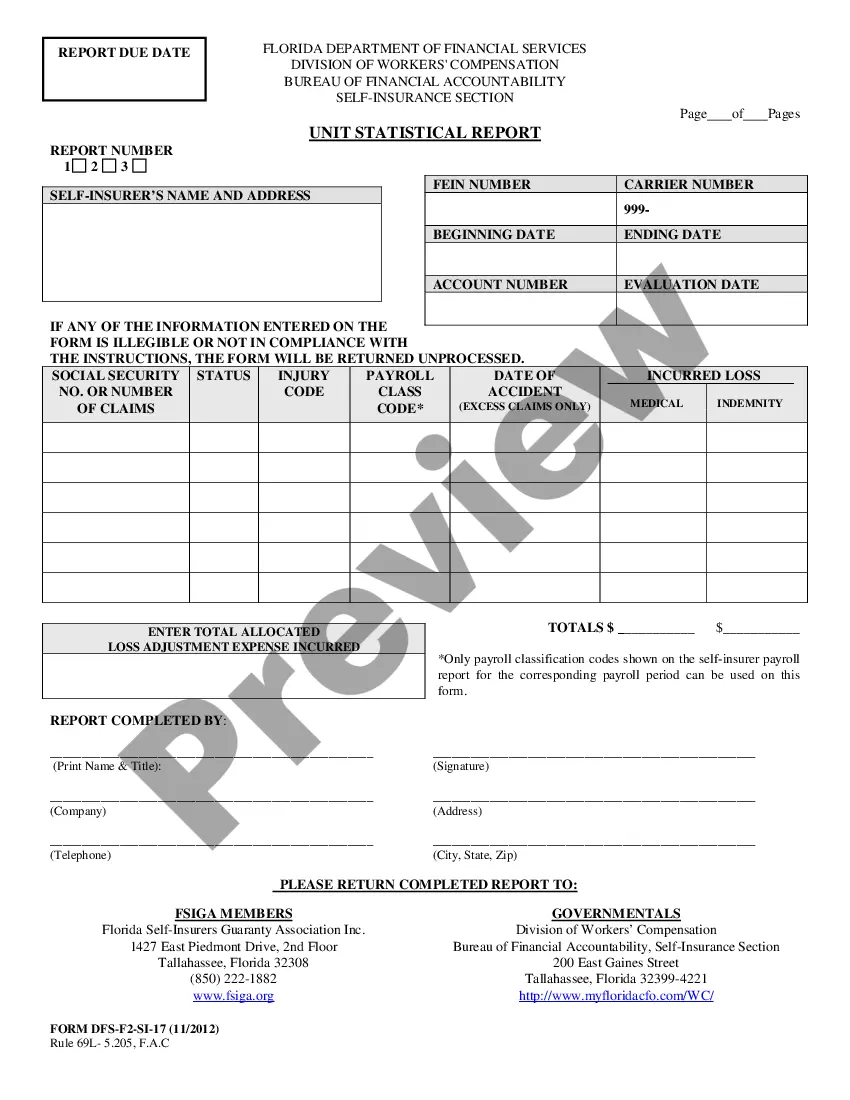
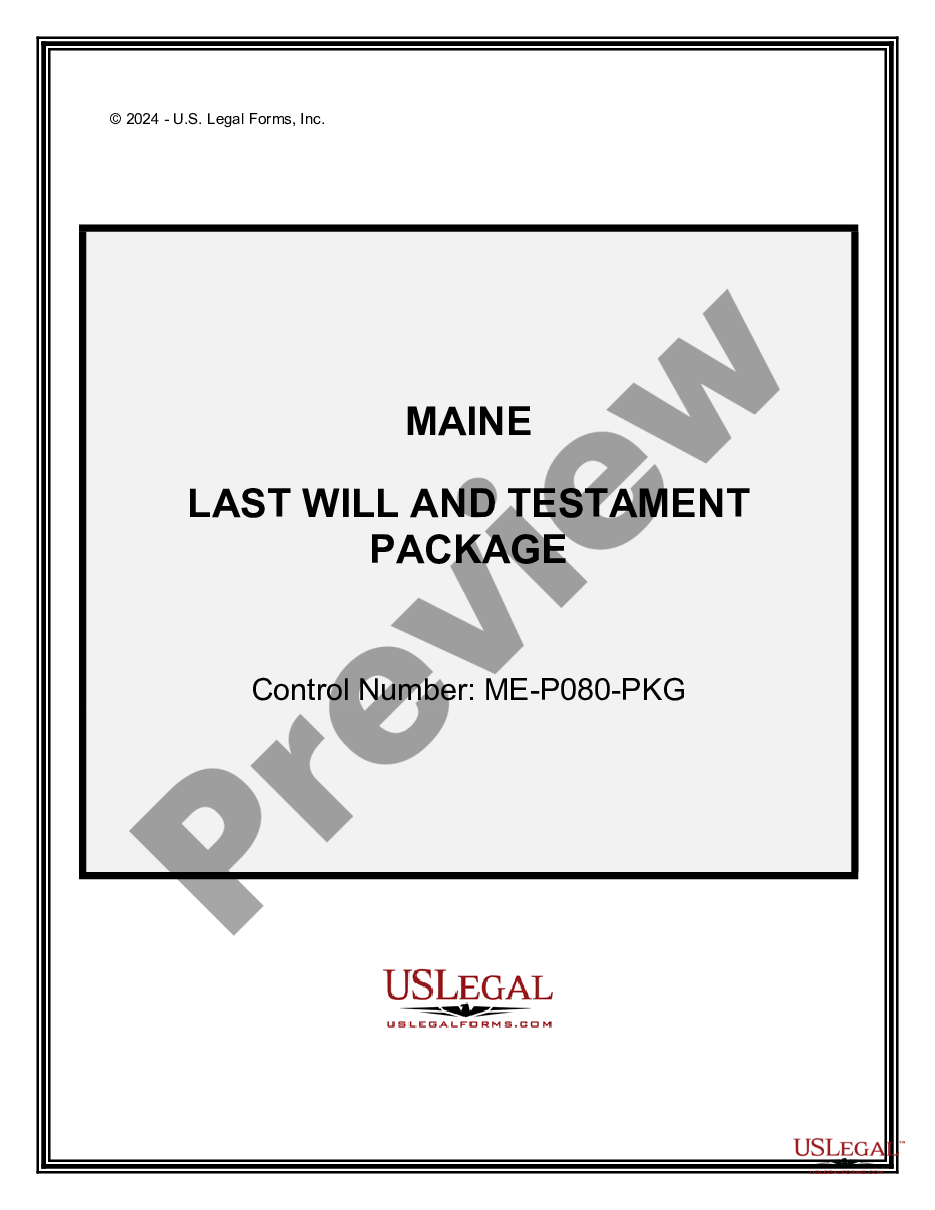

How to fill out Sample Letter For Request For Deposition - Discovery?
If you want to complete, obtain, or create sanctioned document templates, utilize US Legal Forms, the largest collection of legal forms available online.
Take advantage of the site's straightforward and user-friendly search feature to find the documents you need.
Numerous templates for business and personal purposes are organized by categories and states, or keywords.
Once you have found the form you need, click the Get now option. Choose the pricing plan you prefer and enter your information to register for an account.
Proceed with the payment. You can use your credit card or PayPal account to complete the transaction. Step 6. Select the format of the legal form and download it to your device. Step 7. Complete, edit, and print or sign the Nebraska Sample Letter for Request for Deposition - Discovery. Every legal document template you obtain is yours permanently. You have access to each form you saved in your account. Browse the My documents section and choose a form to print or download again.
- Utilize US Legal Forms to acquire the Nebraska Sample Letter for Request for Deposition - Discovery with just a few clicks.
- If you are already a US Legal Forms user, Log In to your account and click on the Download option to retrieve the Nebraska Sample Letter for Request for Deposition - Discovery.
- You can also access forms you have previously saved in the My documents tab of your account.
- If this is your first time using US Legal Forms, follow the instructions below.
- Ensure you have selected the form for the correct city/state.
- Use the Review option to examine the content of the form. Remember to read the details.
- If you are not satisfied with the form, use the Search area at the top of the screen to find alternative versions of the legal form template.
Form popularity
FAQ
(1) Examination and cross-examination of witnesses may proceed as permitted at the trial under the provisions of the Nebraska Evidence Rules. The officer before whom the deposition is to be taken shall put the witness under oath and, if an interpreter is used, also put the interpreter under oath.
Unless otherwise permitted by the court for good cause shown, no party shall serve upon any other party more than fifty interrogatories.
NUMBER AND SCOPE OF INTERROGATORIES. Rule 33(a), Federal Rules of Civil Procedure, restricts to 25 (including all discrete subparts) the number of interrogatories a party may serve on any other party.
The thirty interrogatories permitted as a matter of right are to be computed by counting each distinct question as one of the thirty, even if labeled a sub-part, subsection, threshold question, or the like.
Unless otherwise stipulated or ordered by the court, a party may serve on any other party no more than 40 written interrogatories, including all discrete subparts.
Parties may obtain discovery by one or more of the following methods: depositions upon oral examination or written questions; written interrogatories; production of documents or things or permission to enter upon land or other property for inspection and other purposes; physical and mental examinations; and requests ...