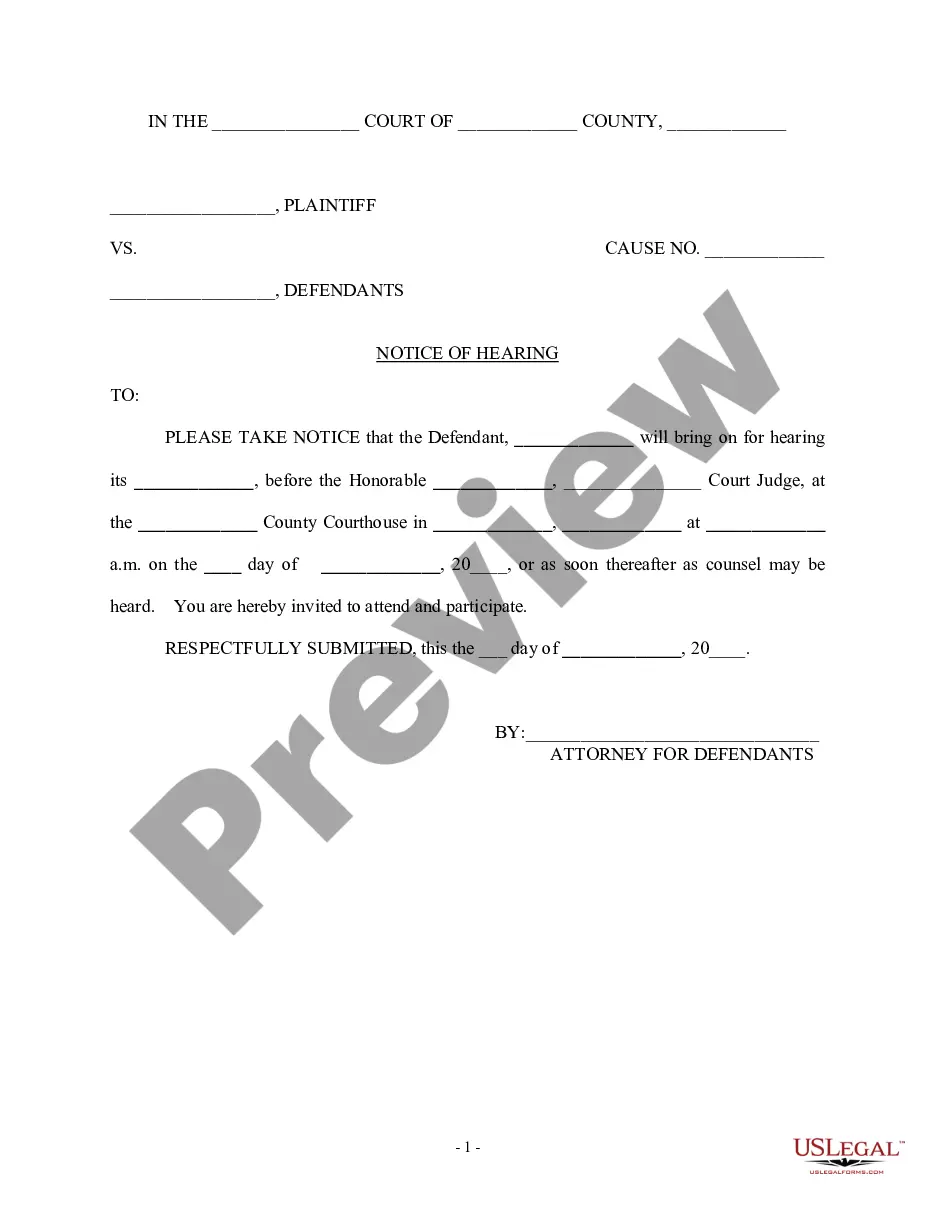
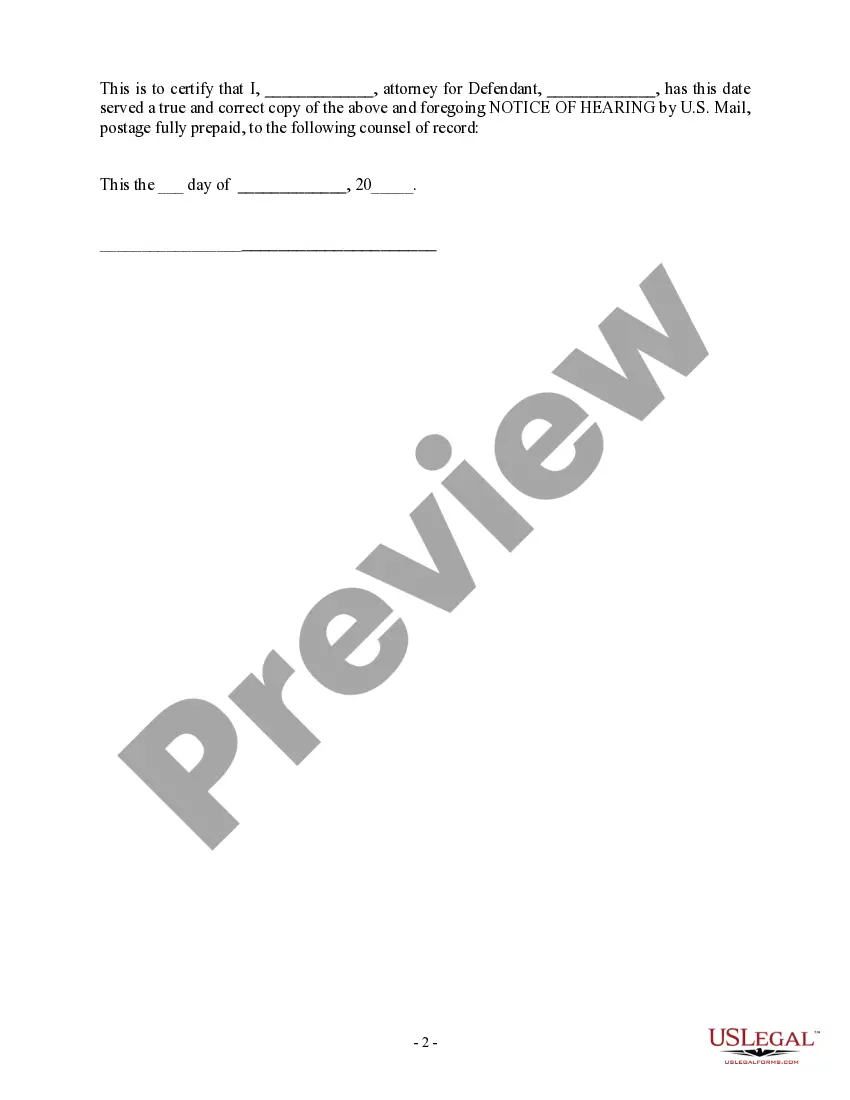
Nebraska Notice of Hearing
Description
Get your form ready online
Our built-in tools help you complete, sign, share, and store your documents in one place.
Make edits, fill in missing information, and update formatting in US Legal Forms—just like you would in MS Word.
Download a copy, print it, send it by email, or mail it via USPS—whatever works best for your next step.
Sign and collect signatures with our SignNow integration. Send to multiple recipients, set reminders, and more. Go Premium to unlock E-Sign.
If this form requires notarization, complete it online through a secure video call—no need to meet a notary in person or wait for an appointment.
We protect your documents and personal data by following strict security and privacy standards.

Make edits, fill in missing information, and update formatting in US Legal Forms—just like you would in MS Word.

Download a copy, print it, send it by email, or mail it via USPS—whatever works best for your next step.

Sign and collect signatures with our SignNow integration. Send to multiple recipients, set reminders, and more. Go Premium to unlock E-Sign.

If this form requires notarization, complete it online through a secure video call—no need to meet a notary in person or wait for an appointment.

We protect your documents and personal data by following strict security and privacy standards.
Looking for another form?

How to fill out Notice Of Hearing?
Have you ever found yourself in a situation where you require documents for potentially business or particular purposes almost every time.
There are numerous legal document templates accessible online, but finding reliable versions isn’t simple.
US Legal Forms offers a vast array of form templates, such as the Nebraska Notice of Hearing, which are designed to comply with state and federal regulations.
Utilize US Legal Forms, the largest collection of legal forms, to save time and avoid mistakes.
The service provides professionally crafted legal document templates that can be used for various purposes. Create an account on US Legal Forms and start simplifying your life.
- If you are already familiar with the US Legal Forms website and have an account, simply Log In.
- Then, you can download the Nebraska Notice of Hearing template.
- If you do not have an account and want to start using US Legal Forms, follow these instructions.
- Select the form you need and ensure it is for the correct city/region.
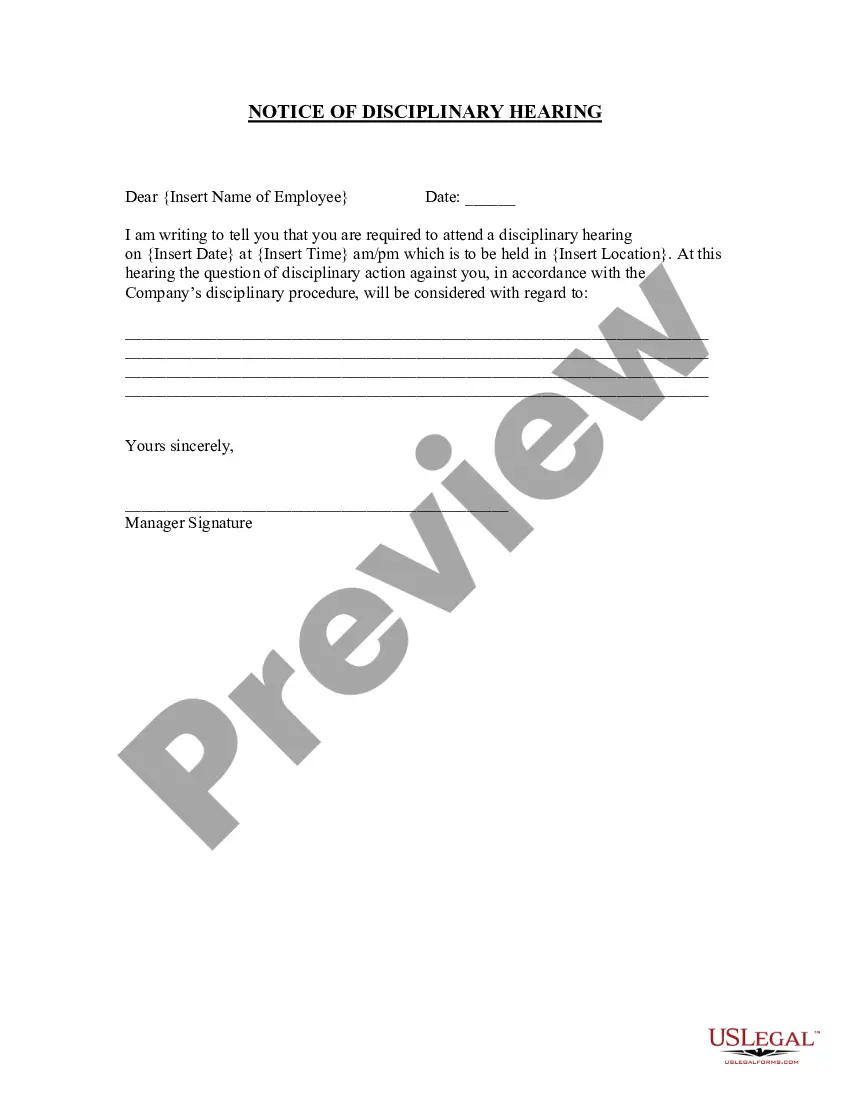
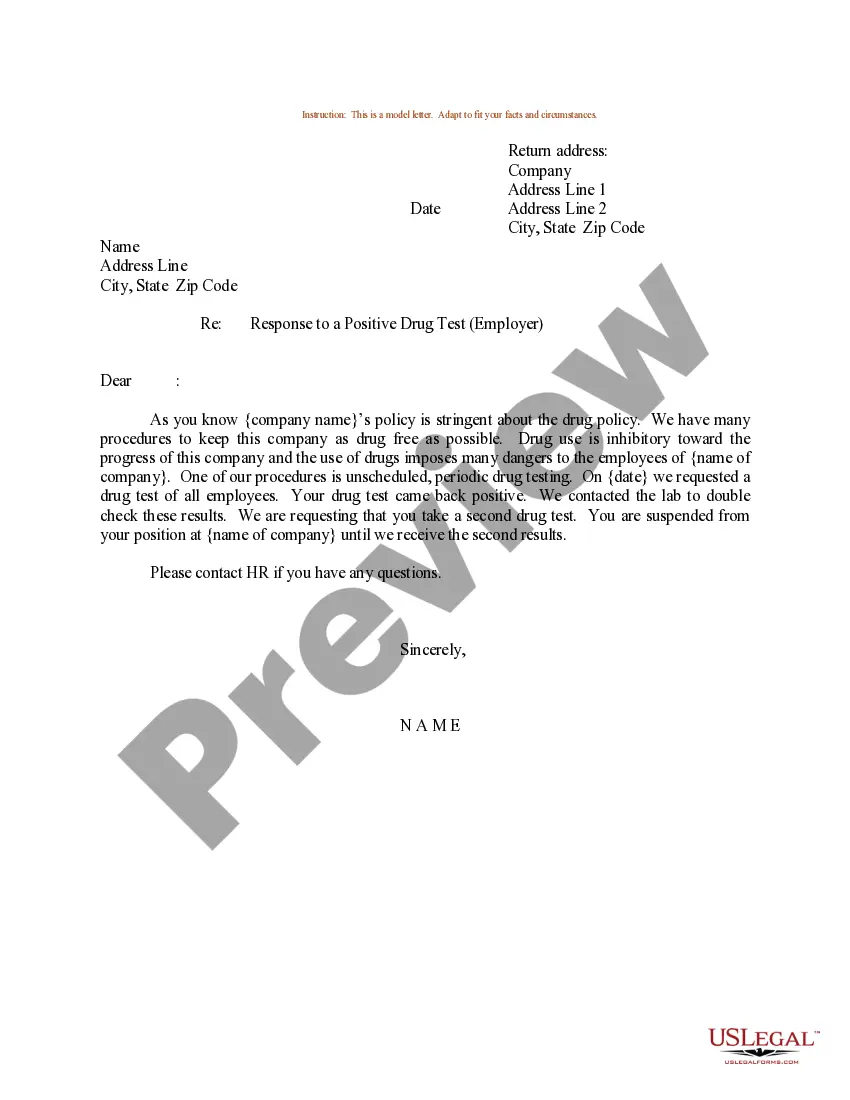
- Use the Preview button to review the form.
- Read the details to confirm you have selected the correct form.
- If the form isn’t what you’re looking for, utilize the Search area to find the form that meets your needs and specifications.
- Once you find the appropriate form, click Download now.
- Choose the pricing plan you want, fill in the required information to create your account, and pay for your order using your PayPal or credit card.
- Select a convenient file format and download your copy.
- Access all the document templates you have purchased in the My documents section. You can download another copy of the Nebraska Notice of Hearing anytime if needed. Click the desired form to download or print the document template.
Form popularity
FAQ
In felony cases only, a defendant has a right to a preliminary hearing in county court where the state presents evidence and a judge determines whether the evidence shows probable cause that the crime charged has been committed, and that the defendant committed the crime.
In general, a status hearing is simply a date for the judge to check in with the prosecutor, criminal defense attorney and the criminal defendant on how the case is going and whether it will be resolved without trial.
Failing to appear may have a number of negative consequences: You may be charged with the additional crime of failure to appear. Being found guilty of failing to appear may result in a jail sentence and/or a fine. Failing to appear may be considered by the judge in determining your sentence on the original charge.
In felony cases only, a defendant has a right to a preliminary hearing in county court where the state presents evidence and a judge determines whether the evidence shows probable cause that the crime charged has been committed, and that the defendant committed the crime.
The Pre-Trial Conference This is where the judge meets with attorneys, either in court or in chambers, to discuss an upcoming trial (when it will be ready for trial, what motions they anticipate filing before trial, how long a trial will last, etc.).
Arraignment. Generally, this is the first appearance in county court after a complaint is filed.
During the arraignment, the court will enter your not guilty plea and set the case for the next hearing. In simple misdemeanor cases, the next hearing may be a trial date. In other cases, the next date will be a status hearing where the parties will tell the judge whether or not the case is going to trial.
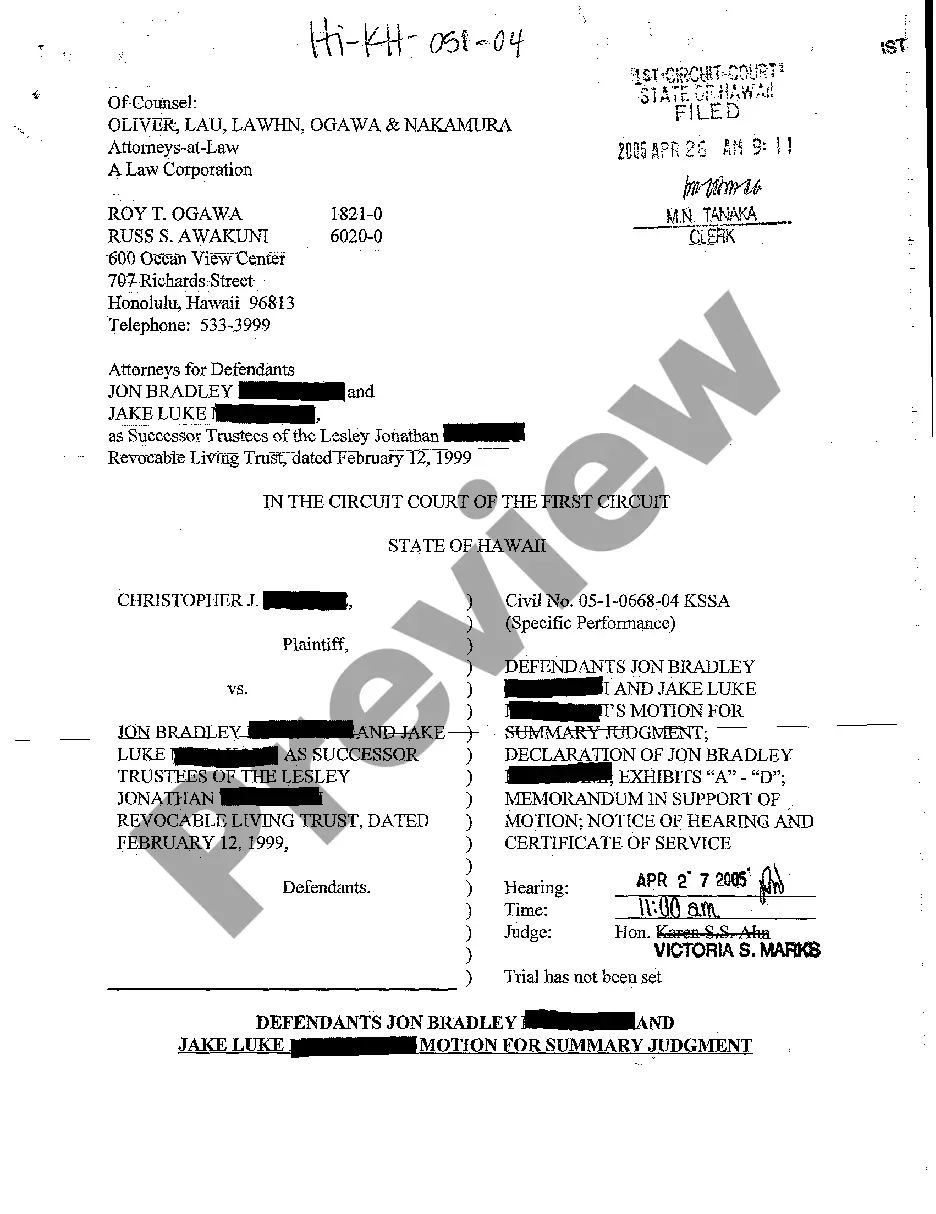
The court should sustain a motion for summary judgment if, upon hearing, the pleadings, depositions, admission on file, and affidavits show that there is no genuine issue as to any material fact and that the moving party is entitled to judgment as a matter of law.