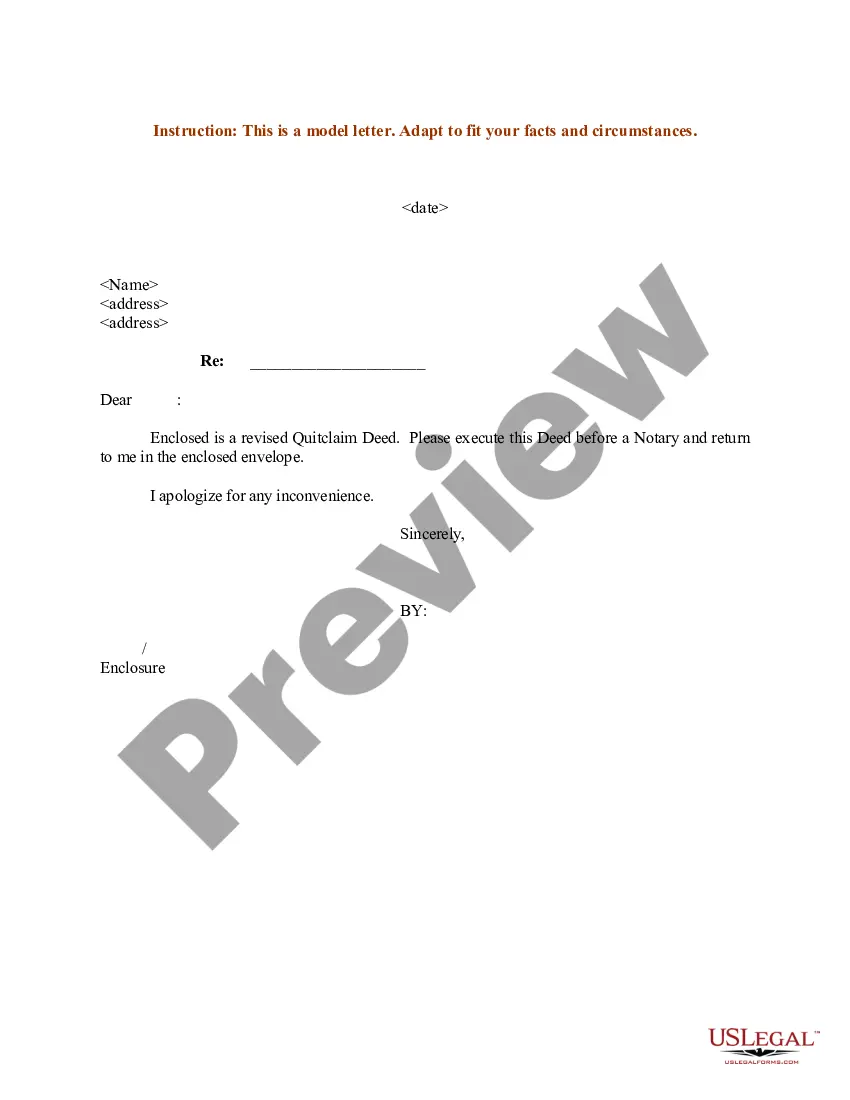
Nebraska Sample Letter to accompany Revised Quitclaim Deed
Description
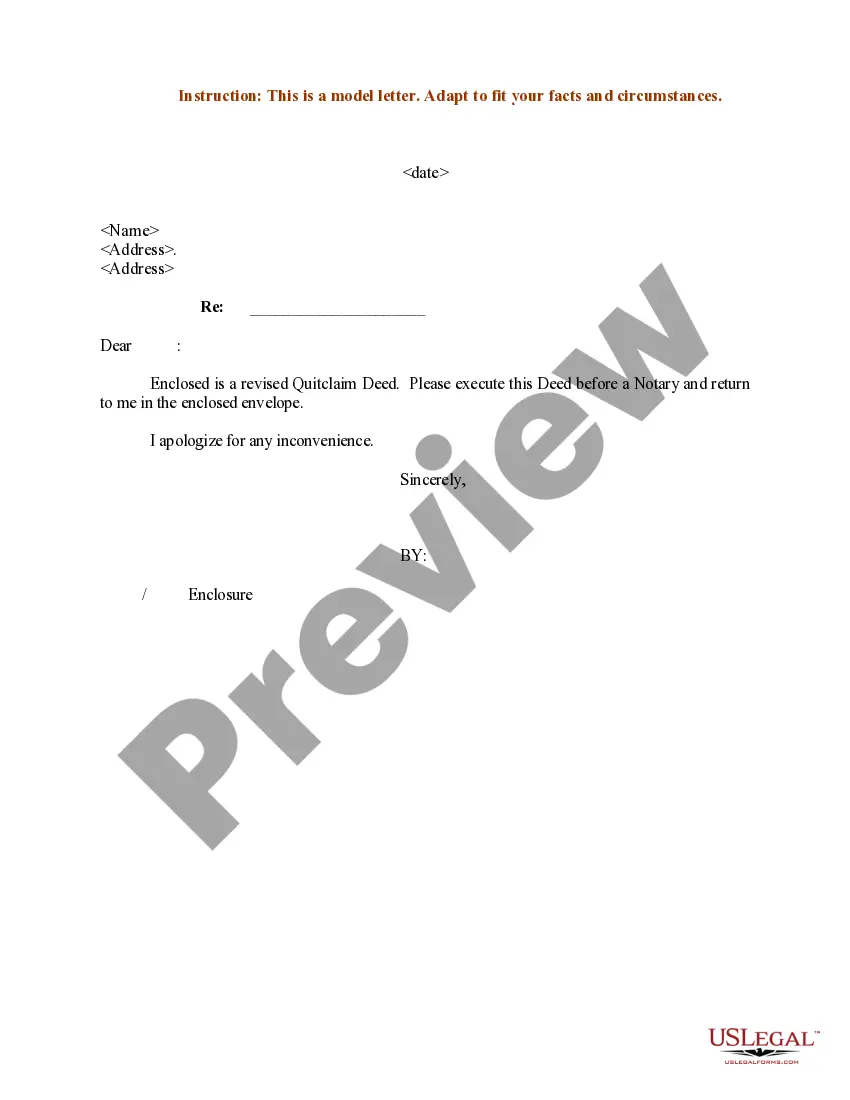
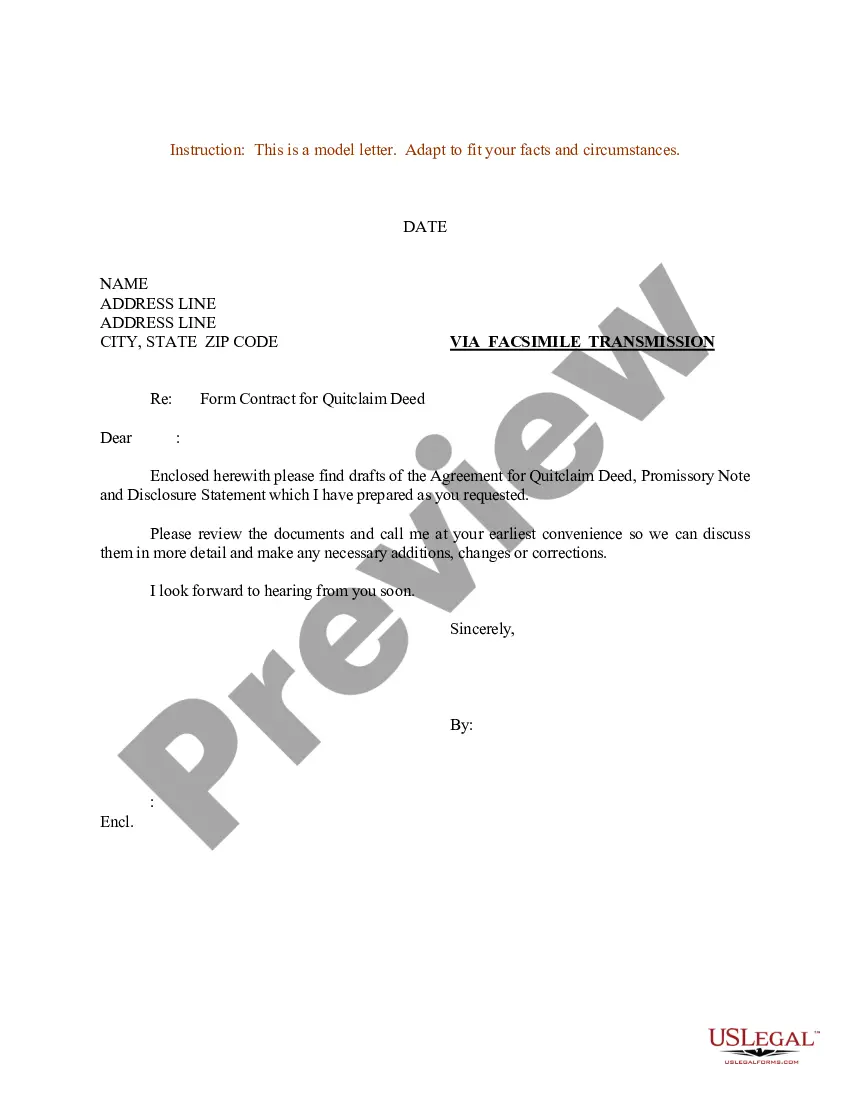
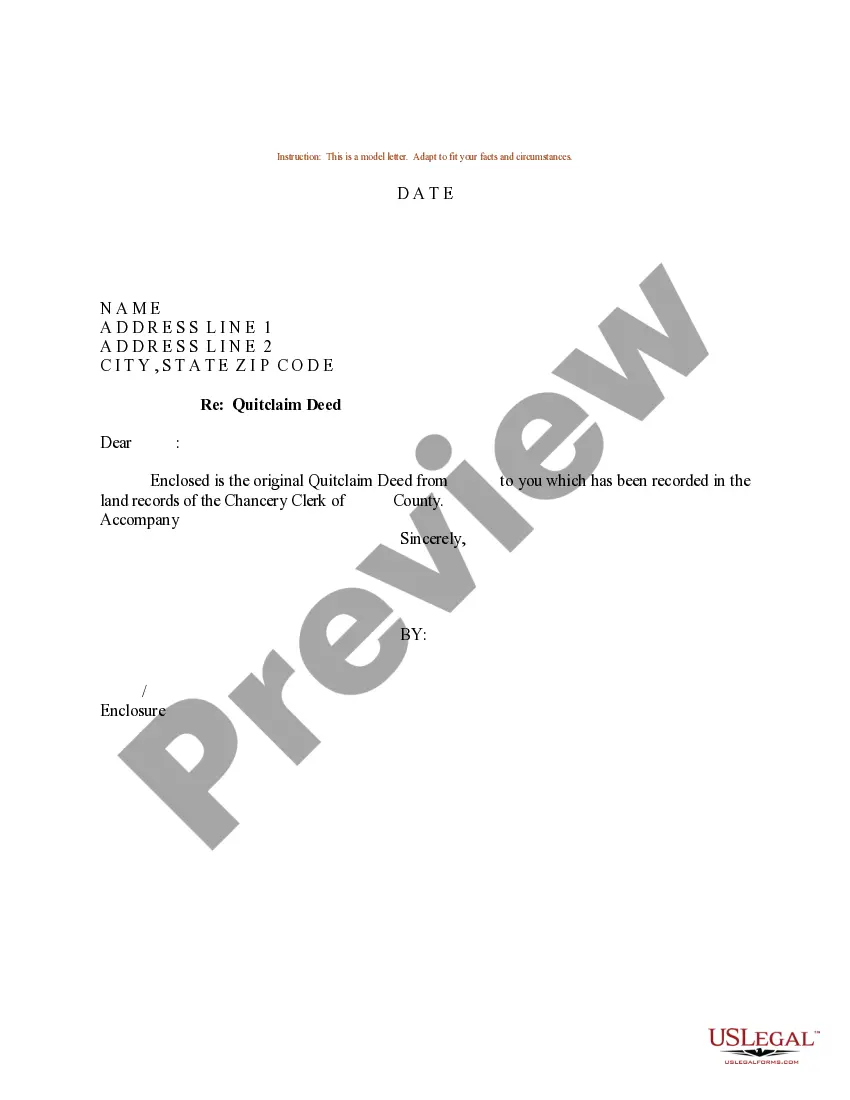

How to fill out Sample Letter To Accompany Revised Quitclaim Deed?
Selecting the appropriate legal document template can be quite a challenge.
Clearly, there are numerous templates available online, but how do you find the legal document you require.
Utilize the US Legal Forms website. This service provides a vast array of templates, such as the Nebraska Sample Letter to accompany Revised Quitclaim Deed, suitable for both business and personal purposes.
You can examine the document using the Review button and review the document details to confirm it is indeed suitable for you. If the document does not meet your requirements, utilize the Search field to find the correct form. Once you are confident the document is appropriate, click the Buy now button to acquire it. Select the pricing plan you prefer and provide the necessary information. Create your account and complete the purchase using your PayPal account or credit card. Choose the file format and download the legal document template to your device. Finally, complete, modify, print, and sign the acquired Nebraska Sample Letter to accompany Revised Quitclaim Deed. US Legal Forms is the largest repository of legal forms where you can find a multitude of document templates. Leverage the service to download professionally crafted documents that meet state requirements.
- All forms are reviewed by professionals and comply with federal and state regulations.
- If you are already registered, Log In to your account and click on the Download button to obtain the Nebraska Sample Letter to accompany Revised Quitclaim Deed.
- Use your account to view the legal documents you have previously acquired.
- Navigate to the My documents section of your account to retrieve another version of the document you require.
- If you are a new user of US Legal Forms, here are simple instructions you should follow.
- First, ensure you have chosen the correct document for your city/region.
Form popularity
FAQ
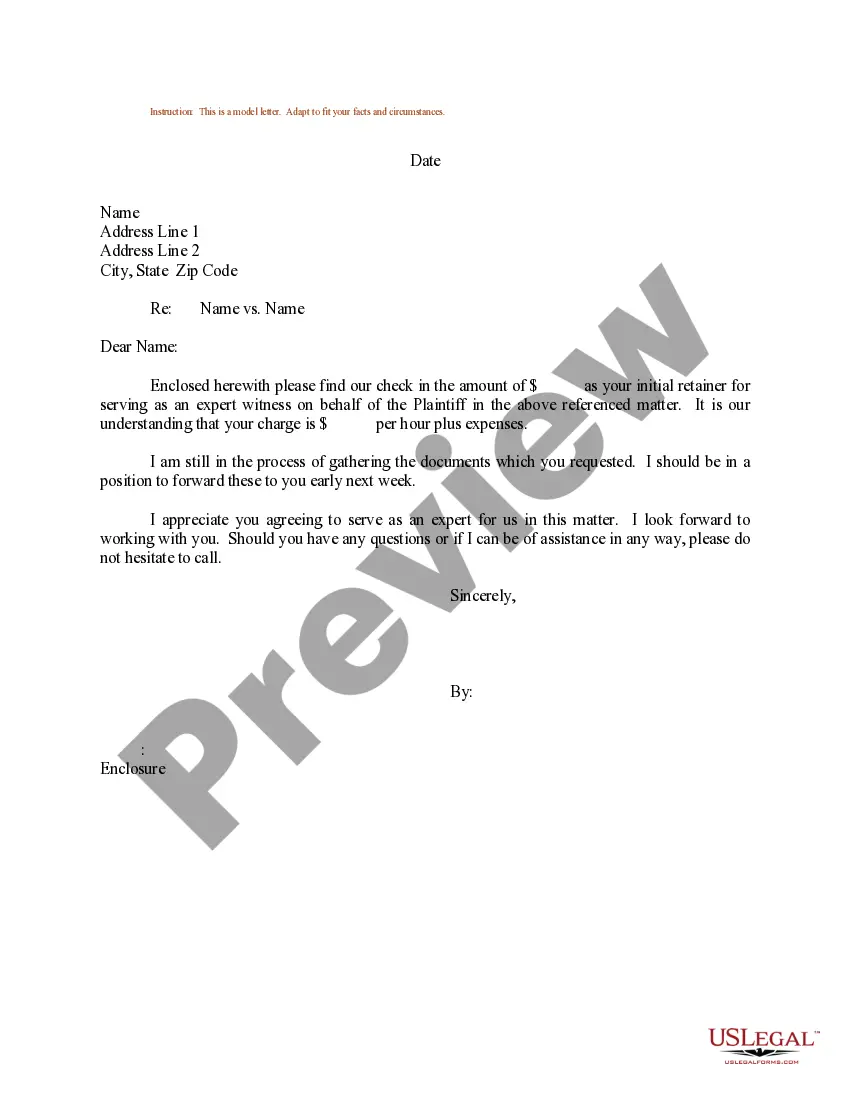
To remove someone from a quit claim deed, you need to prepare a new quit claim deed that specifies the change. This deed must be signed by the current owner and notarized. Along with this, it's essential to include a Nebraska Sample Letter to accompany Revised Quitclaim Deed, which outlines the reasons for the change and provides clarity for all parties involved. By using US Legal Forms, you can access templates and guidance to ensure all necessary documentation is accurate and compliant.
Filling out a quitclaim deed in Nebraska requires providing specific information, including the names of the grantor and grantee, a legal description of the property, and any applicable consideration. It is also essential to include a Nebraska Sample Letter to accompany Revised Quitclaim Deed to facilitate the transfer. For a seamless experience, consider using uslegalforms, which offers comprehensive resources and templates tailored to Nebraska's requirements.
Removing a name from a quitclaim deed typically involves preparing a new deed that transfers the ownership interest. This process may also include drafting a Nebraska Sample Letter to accompany Revised Quitclaim Deed to ensure proper documentation. Using a trusted service like uslegalforms can simplify this process, providing you with the necessary forms and instructions.
To invalidate a quitclaim deed, you must demonstrate that it was obtained through fraud, coercion, or undue influence. You may also need to file a legal action in the appropriate court, which requires gathering evidence and possibly obtaining a Nebraska Sample Letter to accompany Revised Quitclaim Deed as part of your documentation. Consulting with a legal expert can also provide clarity and support throughout this process.
When preparing a quitclaim deed, common mistakes include failing to accurately identify the property, neglecting to include all necessary parties, and overlooking the need for notarization. Additionally, not providing a Nebraska Sample Letter to accompany Revised Quitclaim Deed can lead to confusion and legal challenges. To avoid these pitfalls, it is beneficial to use a reliable platform like uslegalforms that offers guidance and templates.
Due to this, quitclaim deeds typically are not used in situations where the property involved has an outstanding mortgage. After all, it would be difficult for many grantors to pay off a mortgage without proceeds from the sale of the property.
A property owner signs a quitclaim deed to add the owner's spouse to the property's title. The deed creates a joint tenancy with right of survivorship, allowing the surviving spouse to have undivided ownership upon the other spouse's death.
Stat. §§ 76-3401-76-3423 (the ?Act?). The Act allows an individual to transfer property located in Nebraska to one or more beneficiaries effective at the transferor's death through the use of a special deed referred to as a ?Transfer on Death Deed.?
Revoking the deed. If you later change your mind about who you want to inherit the property, you are not locked in. You have two options: (1) sign and record a revocation or (2) record another TOD deed, leaving the property to someone else. You cannot use your will to revoke or override a TOD deed.
Include the grantors name, the grantees name and the address of the property that the grantor is transferring. The deed must state that the grantor is quitting any interest in the property and transferring that interest to the grantee. Both parties then need to sign the deed with a notary public.