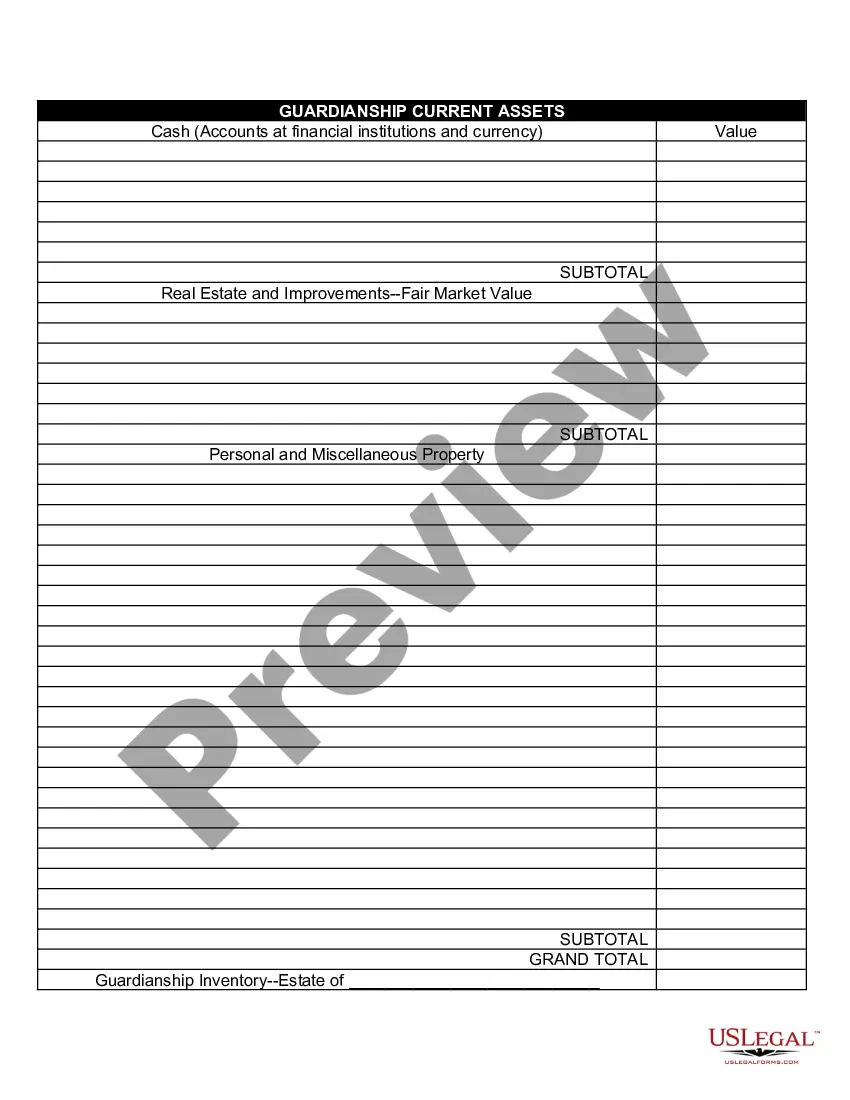
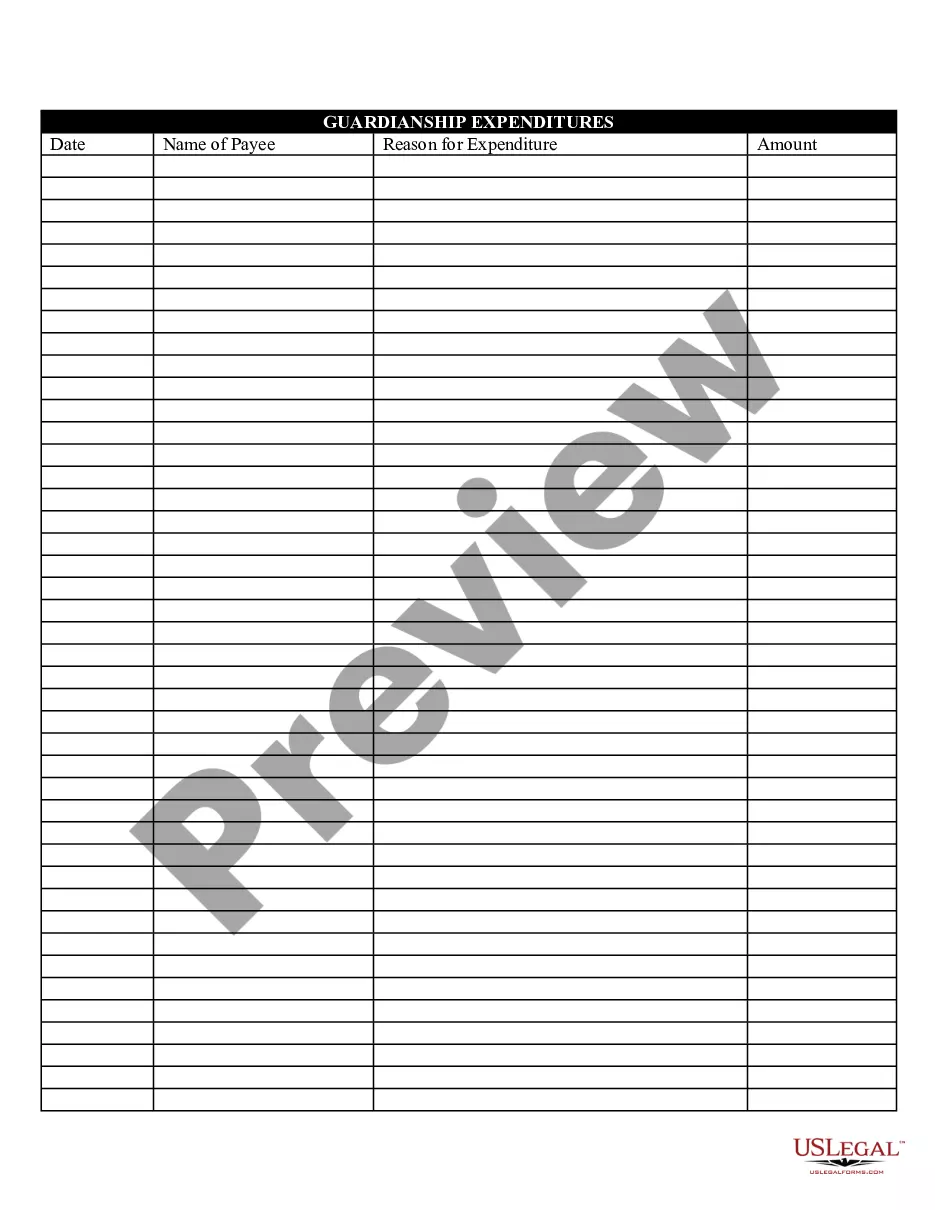
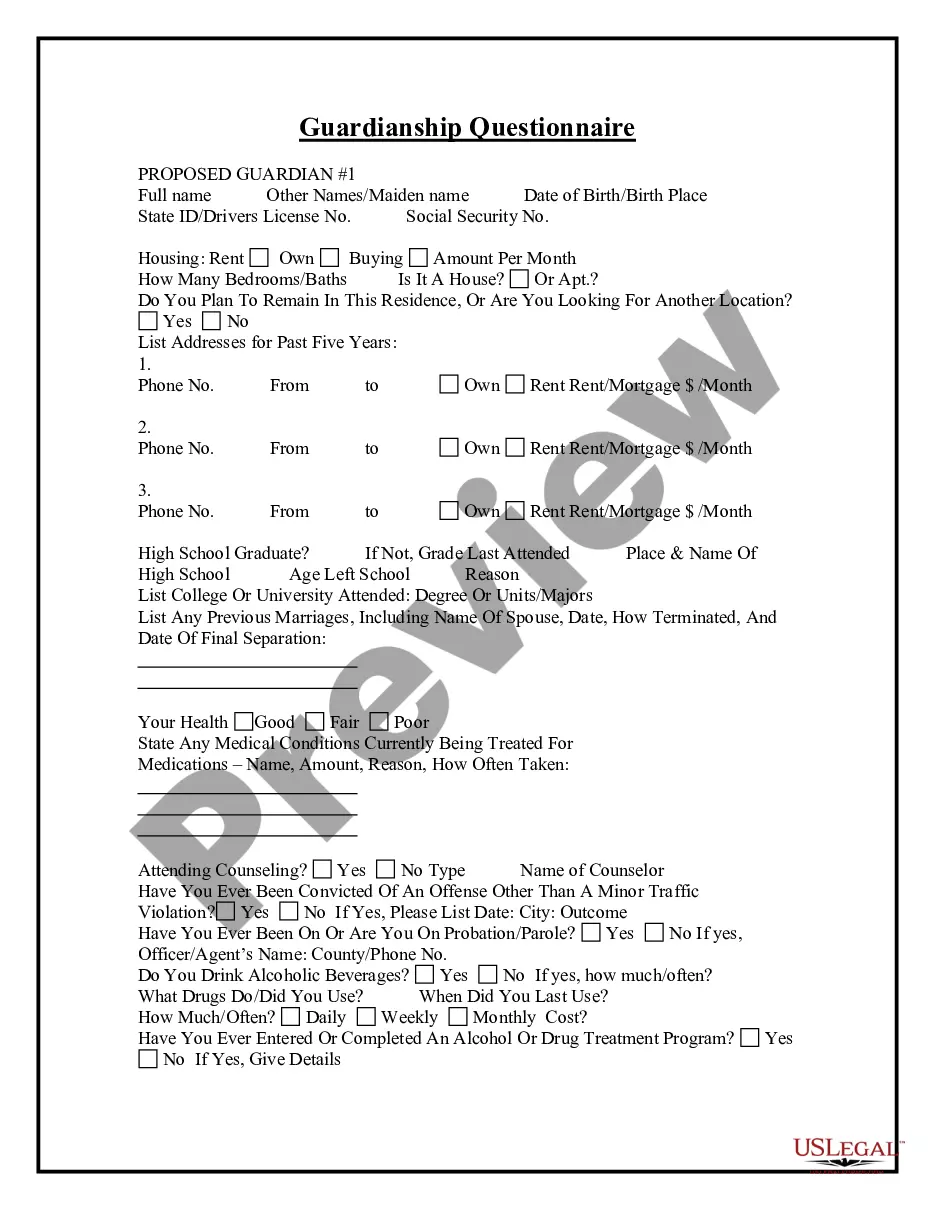
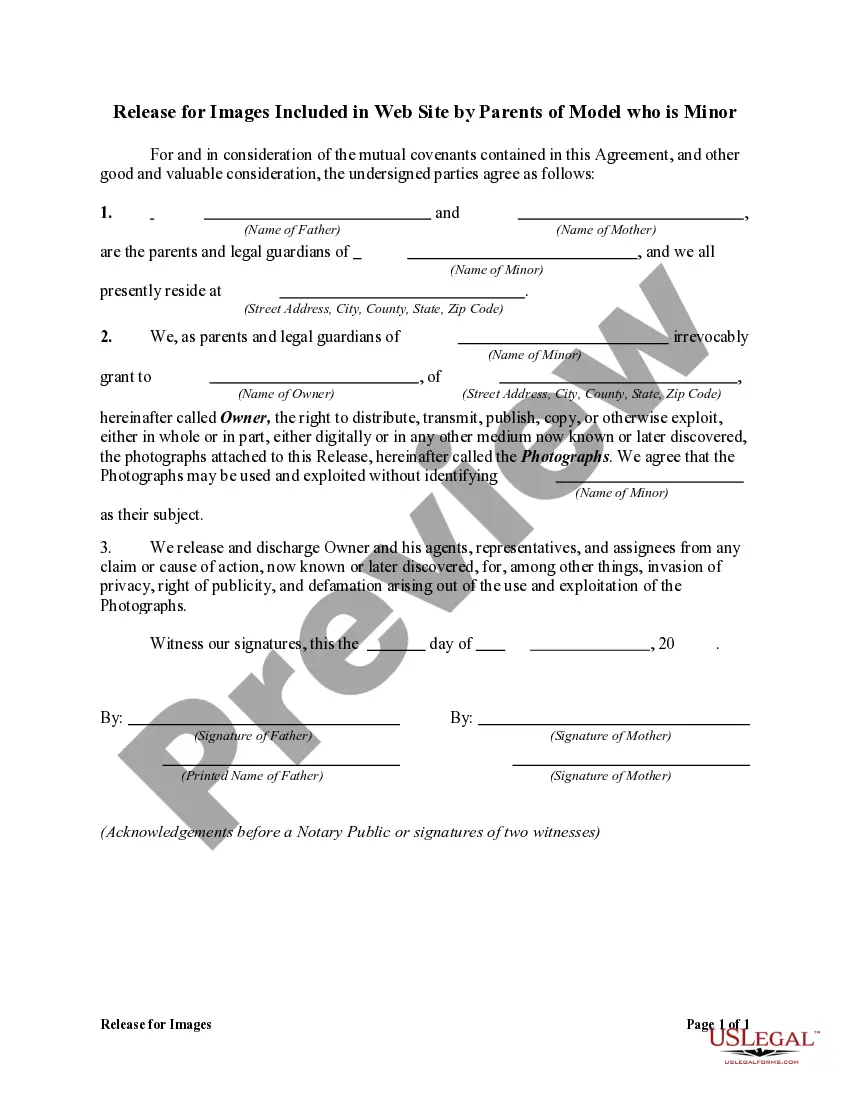
The Nebraska Legal Documents for the Guardian of a Minor Package provides essential forms needed to fulfill various guardianship duties. This package is specifically tailored for guardians of minors in Nebraska and includes documents for health care permissions, accounting, and liabilities. It allows guardians to legally manage the welfare and medical needs of the child, ensuring compliance with Nebraska regulations.
This package is necessary in situations such as:
Some forms in this package need notarization to be legally binding. Our online notarization service, powered by Notarize, lets you verify and sign documents remotely through an encrypted video session, available 24/7.
Our built-in tools help you complete, sign, share, and store your documents in one place.
Make edits, fill in missing information, and update formatting in US Legal Forms—just like you would in MS Word.
Download a copy, print it, send it by email, or mail it via USPS—whatever works best for your next step.
Sign and collect signatures with our SignNow integration. Send to multiple recipients, set reminders, and more. Go Premium to unlock E-Sign.
If this form requires notarization, complete it online through a secure video call—no need to meet a notary in person or wait for an appointment.
We protect your documents and personal data by following strict security and privacy standards.

Make edits, fill in missing information, and update formatting in US Legal Forms—just like you would in MS Word.

Download a copy, print it, send it by email, or mail it via USPS—whatever works best for your next step.

Sign and collect signatures with our SignNow integration. Send to multiple recipients, set reminders, and more. Go Premium to unlock E-Sign.

If this form requires notarization, complete it online through a secure video call—no need to meet a notary in person or wait for an appointment.

We protect your documents and personal data by following strict security and privacy standards.
If you disagree with the guardianship orders, you can appeal to the NCAT Appeal Panel or the Supreme Court of NSW. Appeals can only be lodged within a certain period of time from the date of the decision.
Guardians assume responsibility for the supply of food, clothing, and personal necessities. And for ensuring protected individuals are receiving the proper care, maintenance, and support. As a conservator of the person, they become the healthcare contact for the protected person.
These types of decisions may include giving consent to medical care or treatment; purchasing or arranging for purchase of such necessities as food, clothes, cars, household items, and other personal items; arranging for education; and managing finances and bank accounts, making investments, hiring professionals, etc.
The names of the forms are usually: Petition for Appointment of Guardian (or Petition for Appointment of Guardian of Minor) Petition for Conservatorship (when dealing with an incompetent adult) Order Appointing Guardian.
A guardian is also prohibited from making gifts from the ward's estate. Generally, a guardian cannot tie up the ward's money by purchasing real estate, but can lend the money to someone else buying real estate if the property is sufficient security for the loan.
A legal guardian is a person who has been appointed by a court or otherwise has the legal authority (and the corresponding duty) to care for the personal and property interests of another person, called a ward.A parent of a child is normally not considered a guardian, though the responsibilities may be similar.
When persons are unable to make responsible decisions about their finances, property, living situations or care because of their age, physical or mental condition, a petition can be filed with the county courts to appoint a Guardian or Conservator.
A Guardian usually signs legal documents on behalf of the Ward, chooses an appropriate living situation for the Ward, and grants, withholds, and withdraws consent to medical treatment. In most situations, it is necessary to disclose the Guardian/Ward relationship.
When persons are unable to make responsible decisions about their finances, property, living situations or care because of their age, physical or mental condition, a petition can be filed with the county courts to appoint a Guardian or Conservator.