Nebraska Letter to Lienholder to Notify of Trust
Understanding this form
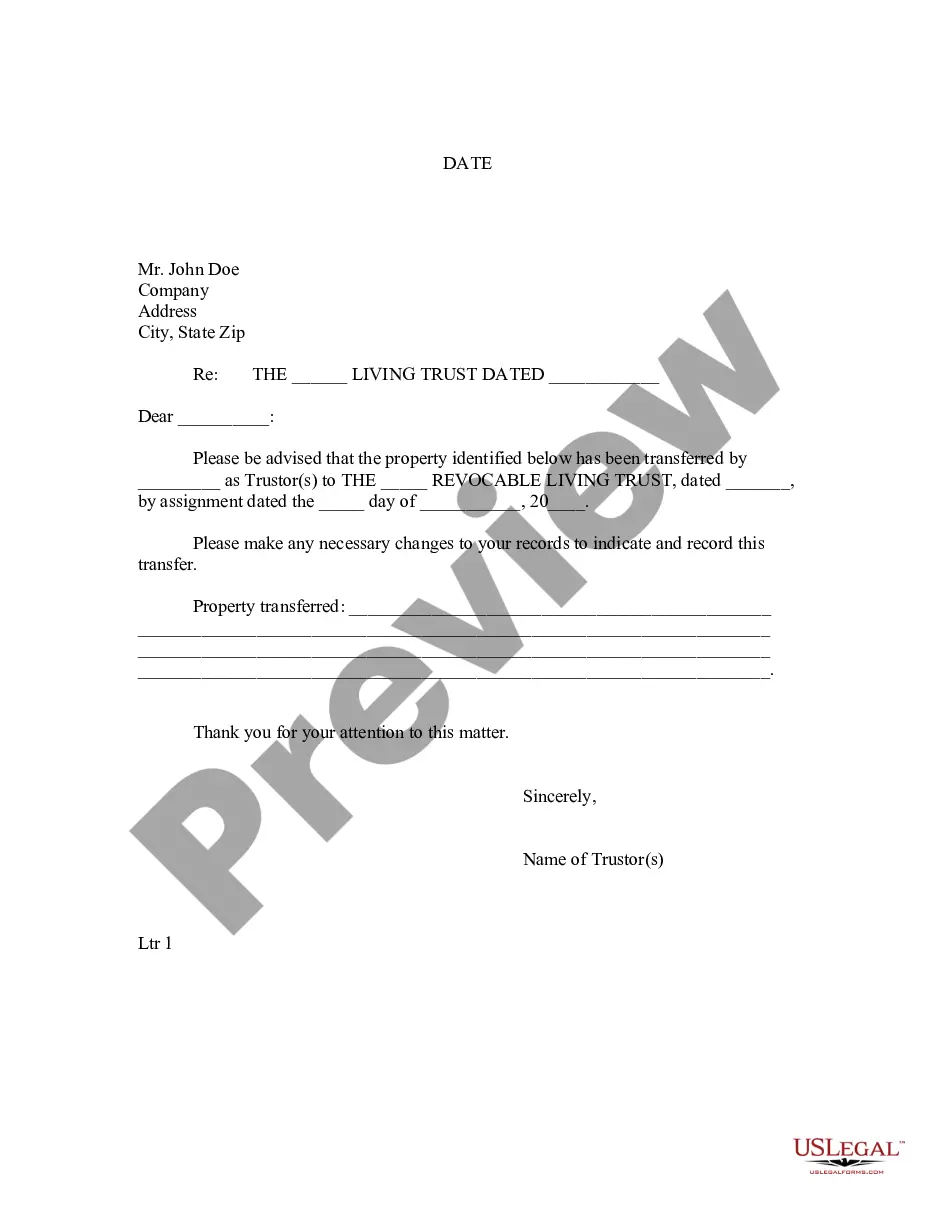
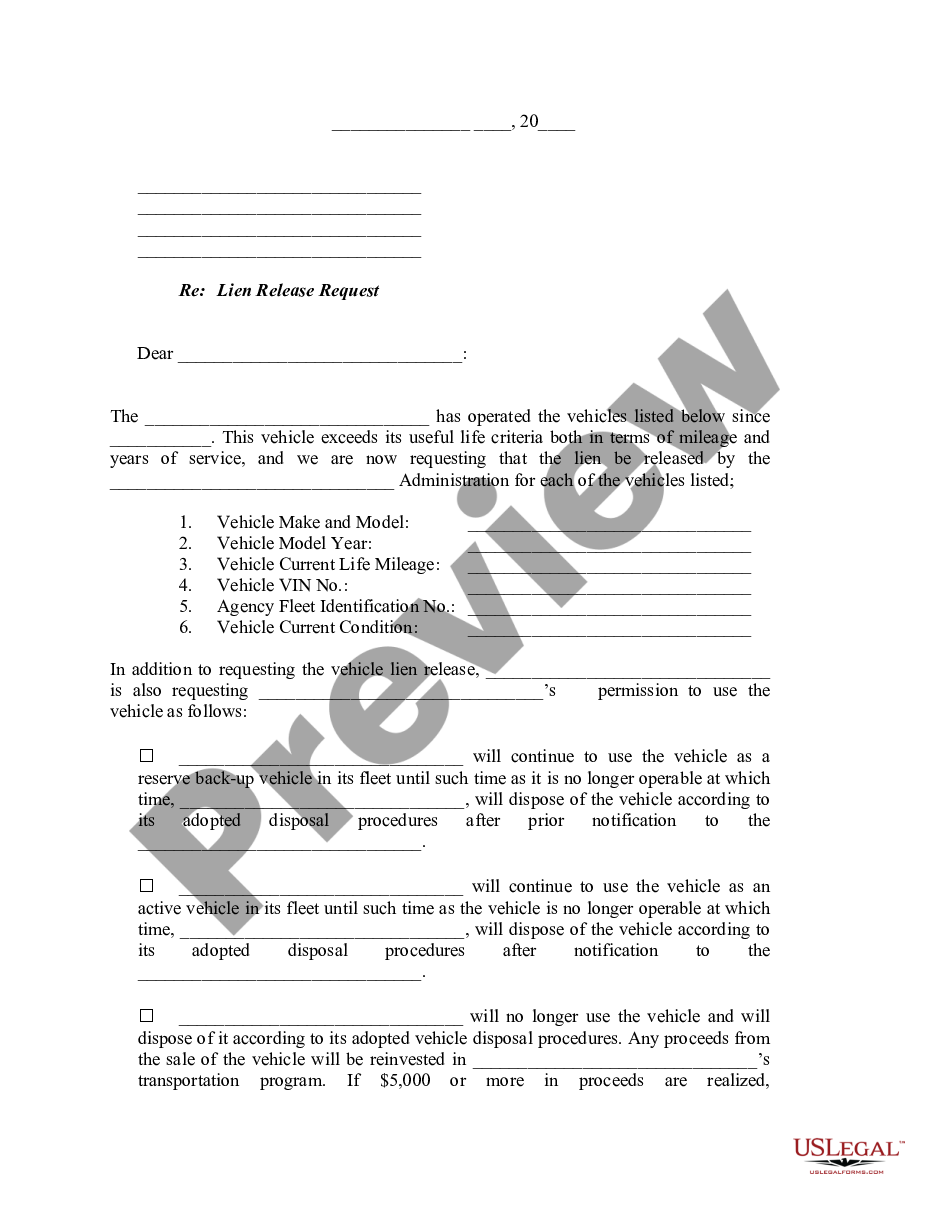
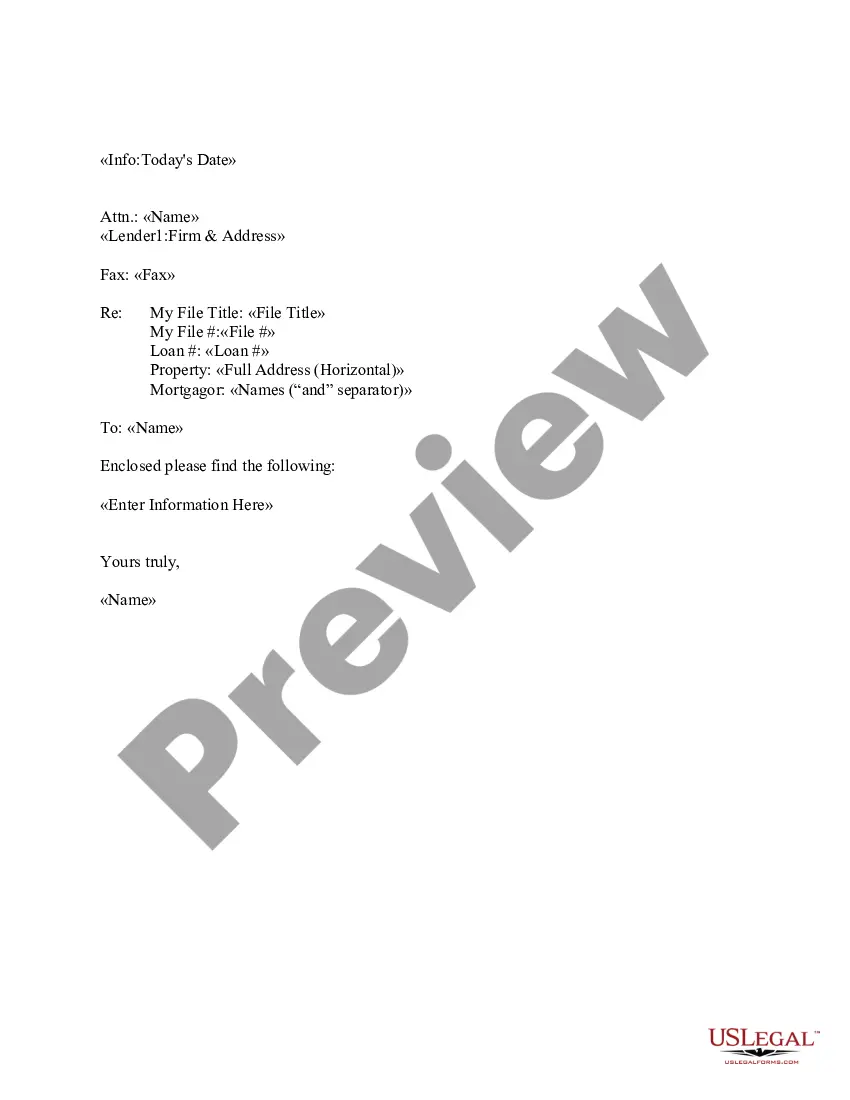
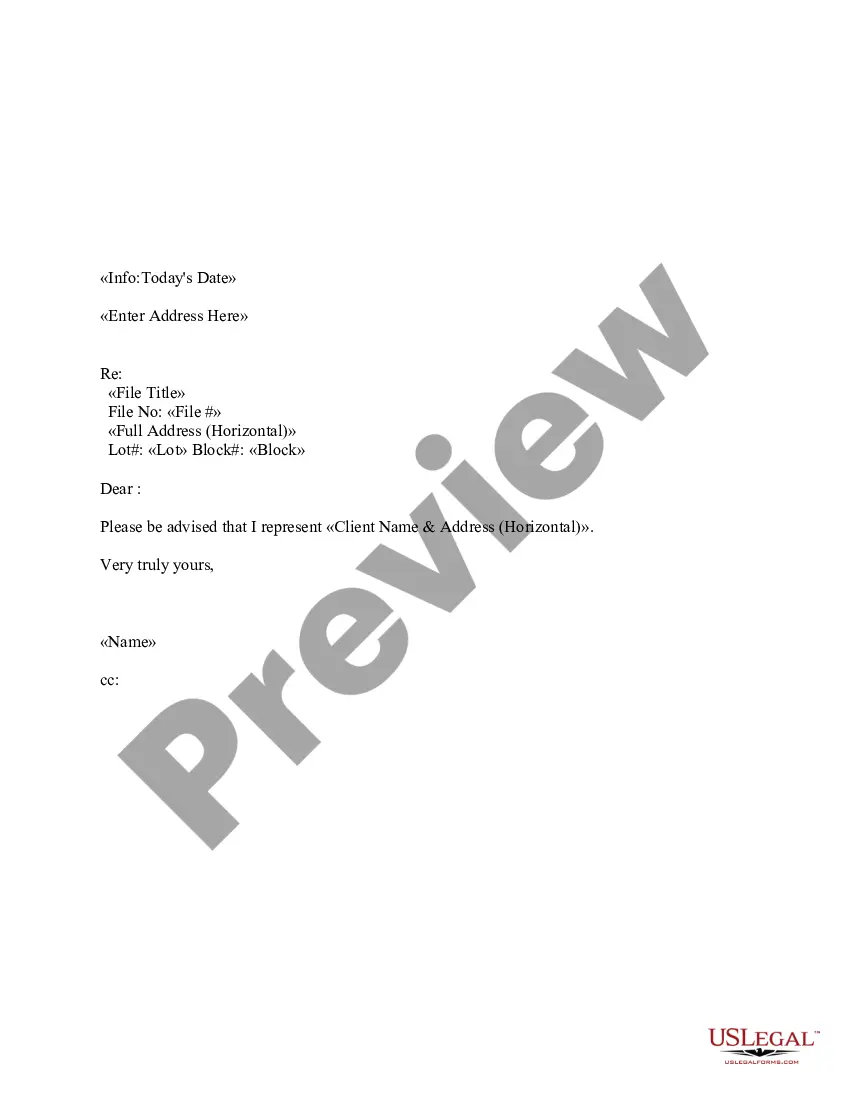
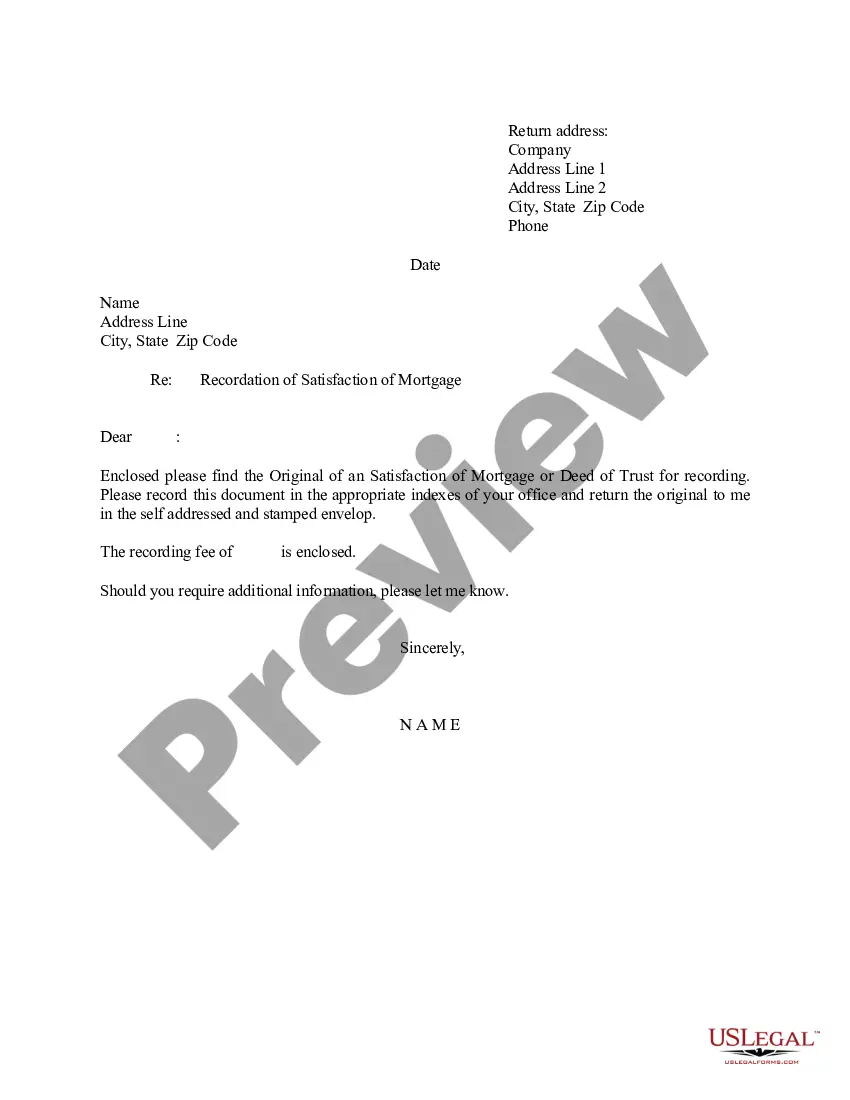
The Letter to Lienholder to Notify of Trust is a formal notice informing a lienholder that property has been transferred to a living trust. This letter serves a specific purpose in estate planning, differentiating it from other legal forms by clearly identifying the transfer of assets into a trust established during a person's lifetime.
What’s included in this form
- Date: The date when the letter is prepared.
- Recipient information: The name and address of the lienholder.
- Trust identification: The name of the living trust and the date it was established.
- Property details: A detailed description of the property being transferred.
- Signature: The signature of the trustor(s), verifying the authenticity of the letter.
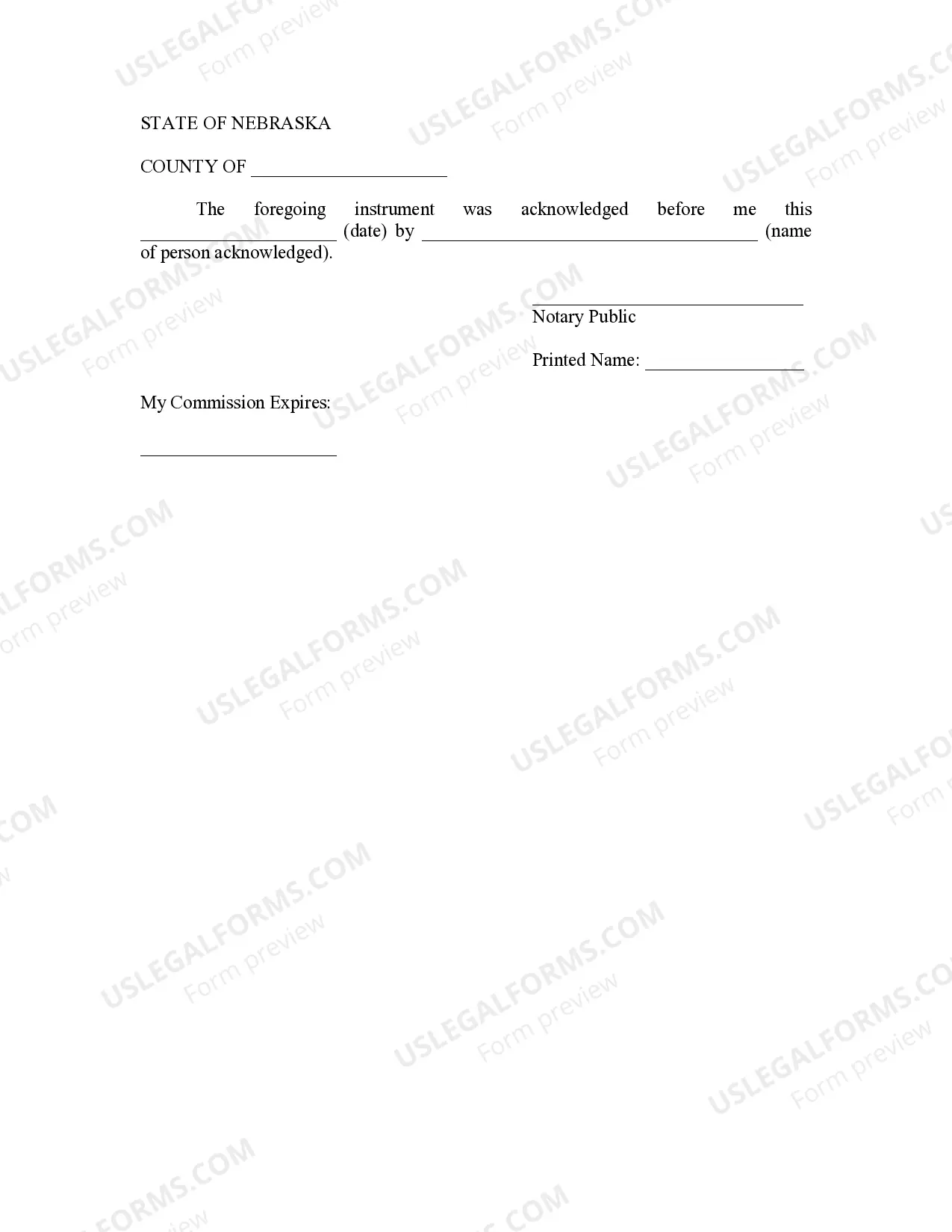
- Notary section: A space for notarization to validate the document.
When to use this document
This form is used when transferring ownership of property into a living trust and formally notifying the lienholder of this change. It is necessary in scenarios such as estate planning, when you want to ensure that your assets are managed according to your wishes during your lifetime and after your death. You should use this form whenever you add or change property held in a trust and have a lienholder to inform.
Who should use this form
- Individuals who have established a living trust.
- Trustors who are transferring property into the trust.
- Estate planners to ensure proper documentation of property transfers.
- Anyone with a lien on property being transferred to a trust.
Instructions for completing this form
- Enter the date at the top of the letter.
- Provide the lienholder's name and address.
- Specify the name of the living trust and the date it was established.
- Detail the property being transferred to the trust in the designated area.
- Sign the letter as the trustor(s) to confirm the transfer.
- If required, have the letter notarized by a public notary.
Notarization requirements for this form
Yes, this form must be notarized to be legally valid. Having it notarized verifies the identities of those signing the document and adds an extra layer of authenticity. US Legal Forms provides integrated online notarization services, allowing you to complete this process securely via video call at your convenience, without the need for travel.
Get your form ready online
Our built-in tools help you complete, sign, share, and store your documents in one place.
Make edits, fill in missing information, and update formatting in US Legal Forms—just like you would in MS Word.
Download a copy, print it, send it by email, or mail it via USPS—whatever works best for your next step.
Sign and collect signatures with our SignNow integration. Send to multiple recipients, set reminders, and more. Go Premium to unlock E-Sign.
If this form requires notarization, complete it online through a secure video call—no need to meet a notary in person or wait for an appointment.
We protect your documents and personal data by following strict security and privacy standards.

Make edits, fill in missing information, and update formatting in US Legal Forms—just like you would in MS Word.

Download a copy, print it, send it by email, or mail it via USPS—whatever works best for your next step.

Sign and collect signatures with our SignNow integration. Send to multiple recipients, set reminders, and more. Go Premium to unlock E-Sign.

If this form requires notarization, complete it online through a secure video call—no need to meet a notary in person or wait for an appointment.

We protect your documents and personal data by following strict security and privacy standards.
Typical mistakes to avoid
- Failing to provide complete property details which may lead to confusion.
- Not updating the lienholder's records after the transfer.
- Omitting signatures or not notarizing the document when necessary.
- Using an outdated version of the form which may not comply with current laws.
Advantages of online completion
- Convenience of downloading instantly from home.
- Editability allows for adjustments to be made easily.
- Access to templates drafted by licensed attorneys ensures legal accuracy.
- You can complete the form at your own pace without pressure.
Looking for another form?
Form popularity
FAQ
The car (vehicle) lien release form is a document that is used by a lending institution or entity after a borrower has paid the loan in full and the borrower would like to retrieve the title to their vehicle.
Write your name and return address in the top three lines of the letter. Insert the complete date (month, day, year). Enter the recipient's name, title, company name and address on the next five lines. Greet the reader by writing "Dear (recipient's name):" Skip two lines. State the subject in a subject line.
A Lien Release (also considered a Lien Cancellation or Release of Lien) is a legally binding document that is sent by the current lien holder, the individual who has leased the property or provided payment to secure the property, that informs any debt in relation to that property has been fulfilled and they relinquish
Nebraska is an Electronic Lien Titling State Certificate of Title or the Manufacturer's Statement of Origin, properly assigned to the new owner if the vehicle is a new purchase and a completed Application for Certificate of Title.
The car (vehicle) lien release form is a document that is used by a lending institution or entity after a borrower has paid the loan in full and the borrower would like to retrieve the title to their vehicle.
Your lienholder has the right to repossess the motor vehicle if you stop making your auto loan payments. Once you make your final payment, you have a right to obtain a lien release from the lienholder. When you get a lien released, you can receive a clear title from the DMV.
Lien Holder Authorization Letter A letter from the lien holder, giving permission for the vehicle to be relocated.
Release ownership by signing on line one on the front of the title. If the vehicle is, or was financed, the lienholder's name appears in the legal owner section and their release with counter signature is required on line two. For step-by-step instructions see the California DMV instructional video here.