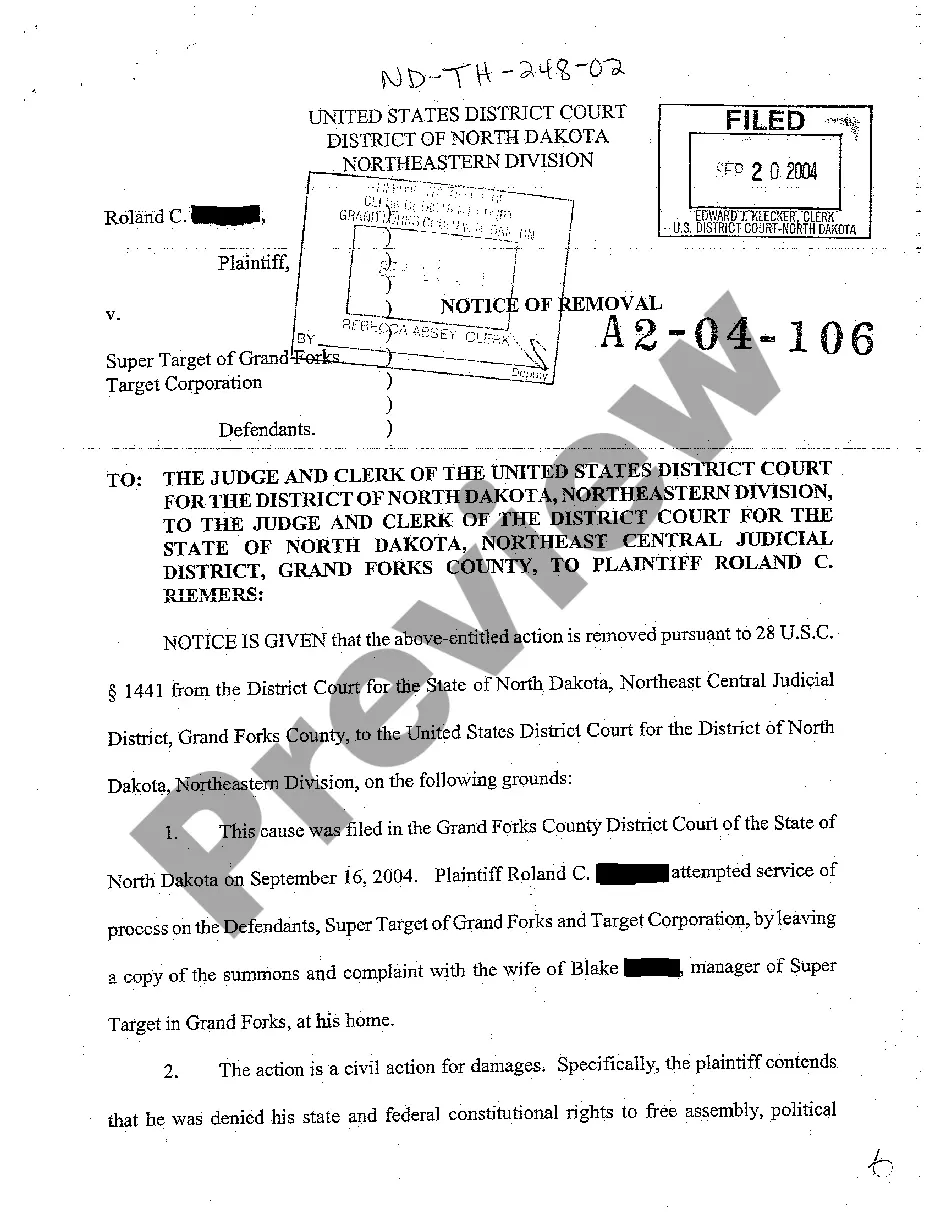
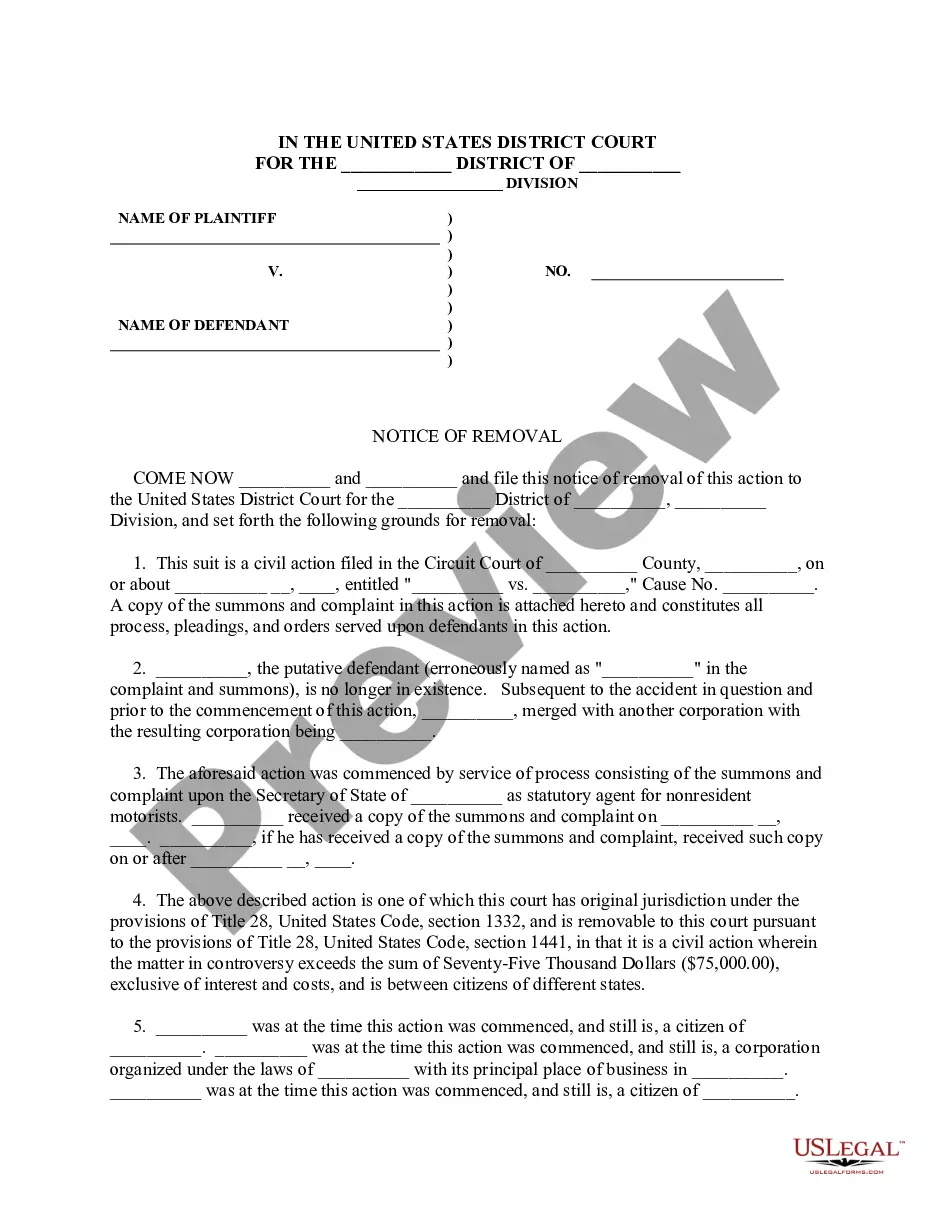
North Dakota Notice of Removal from State Court to United States District Court
Description
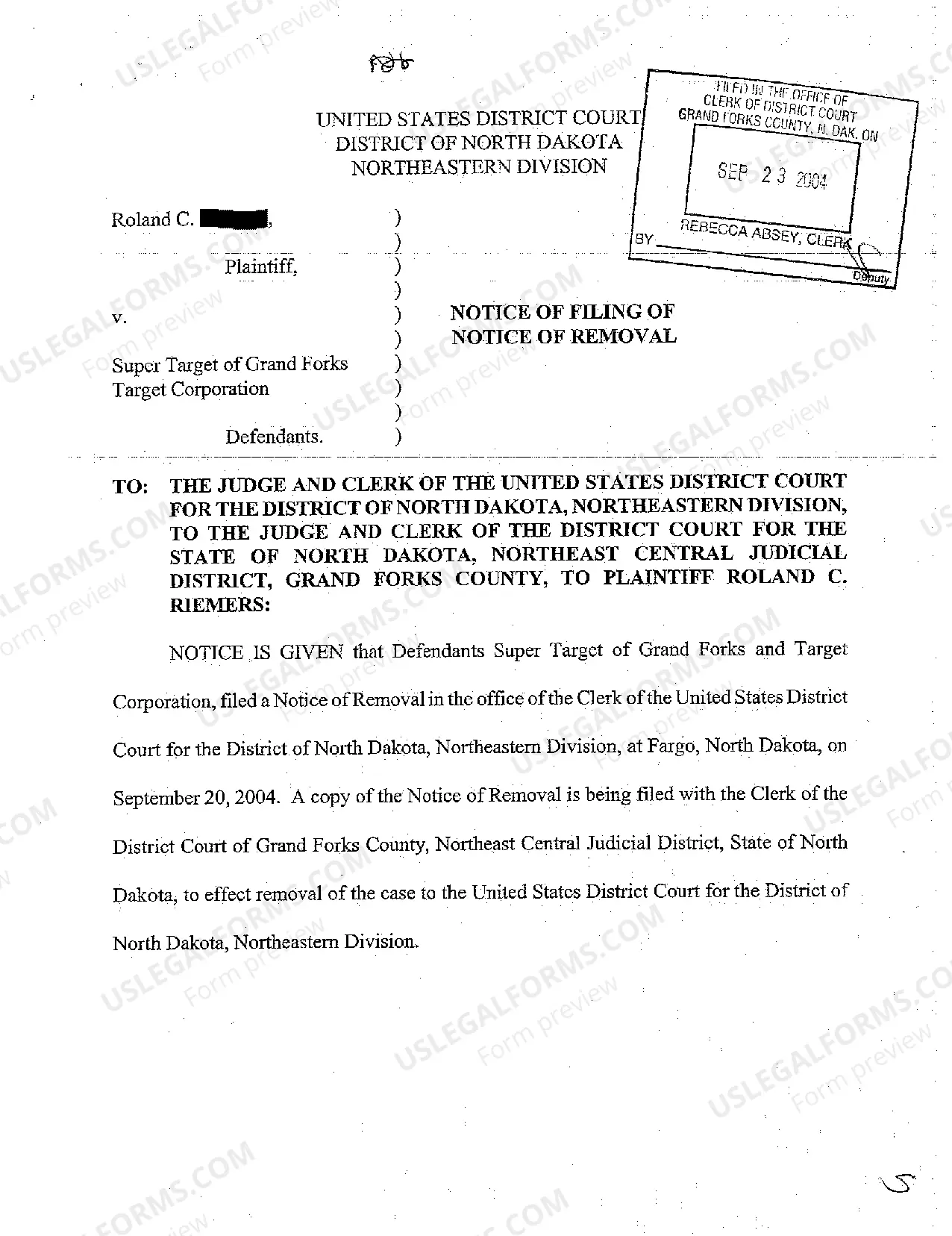
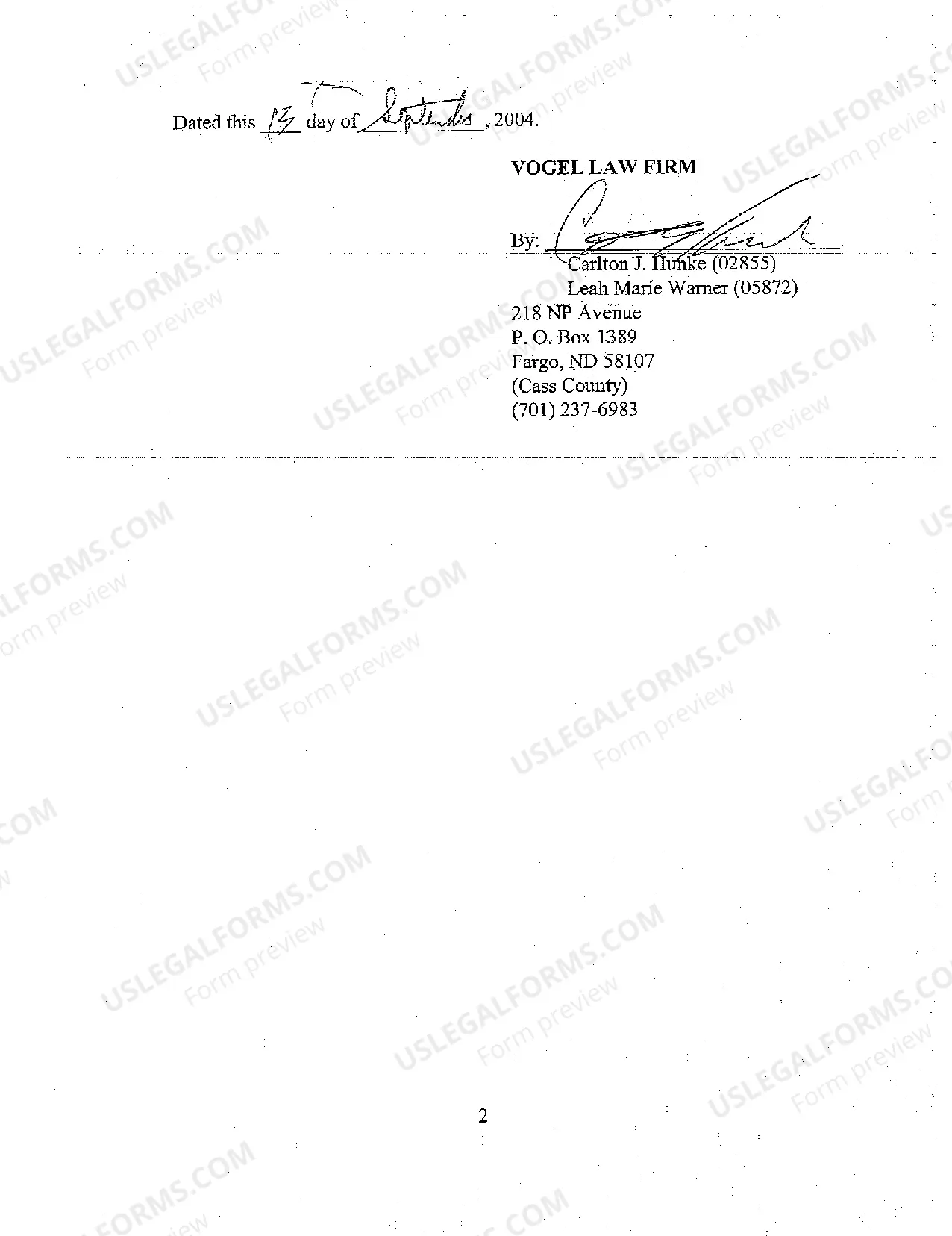
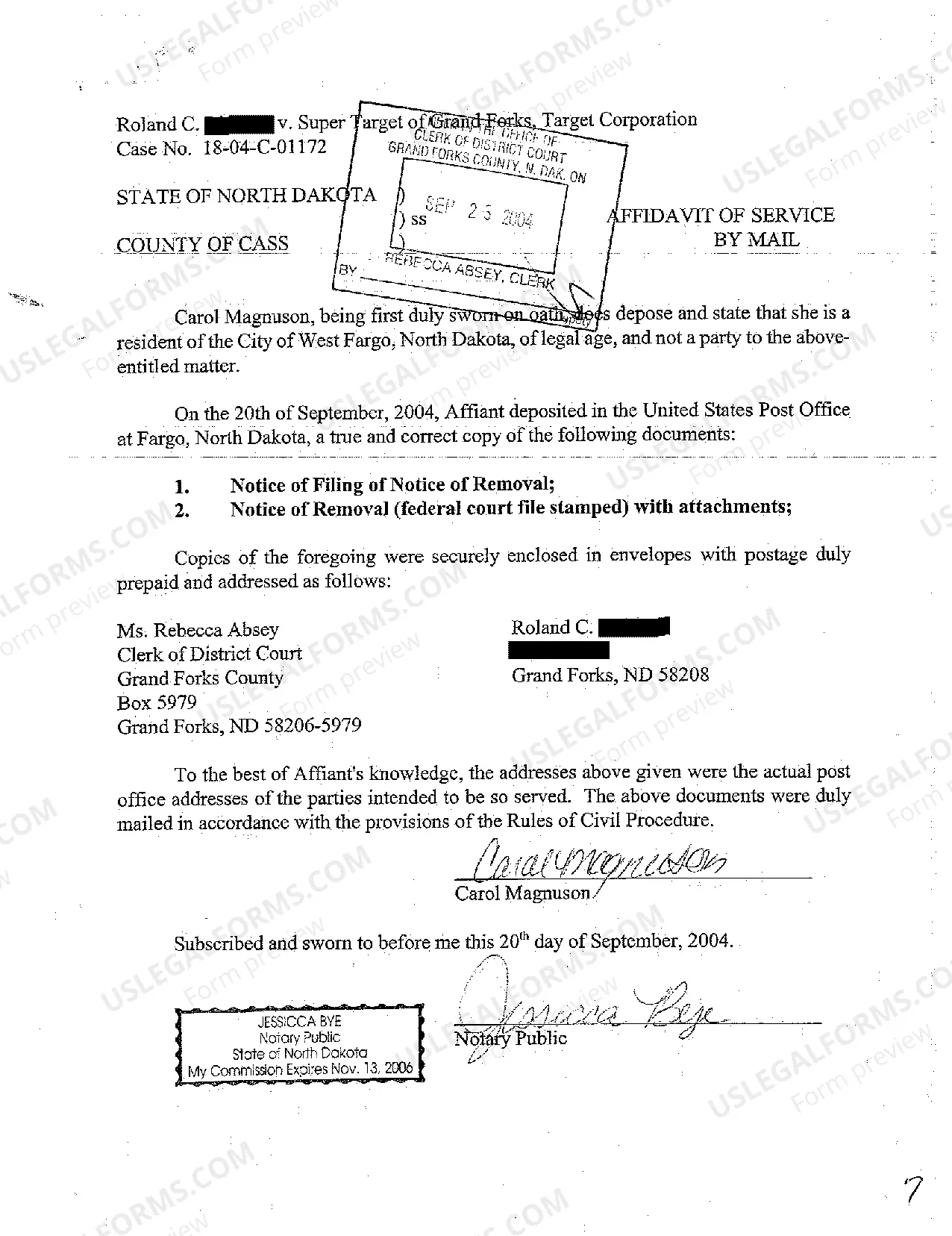
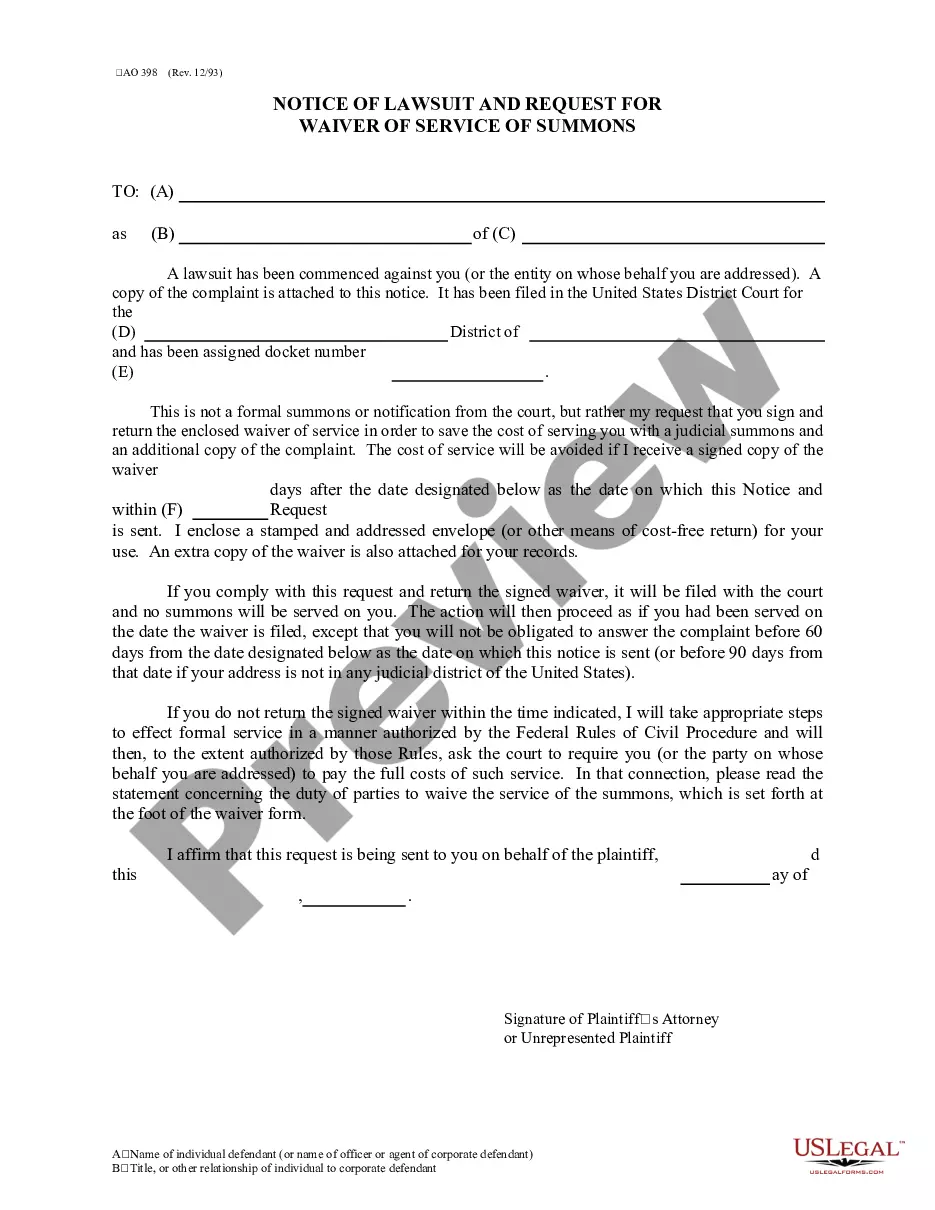
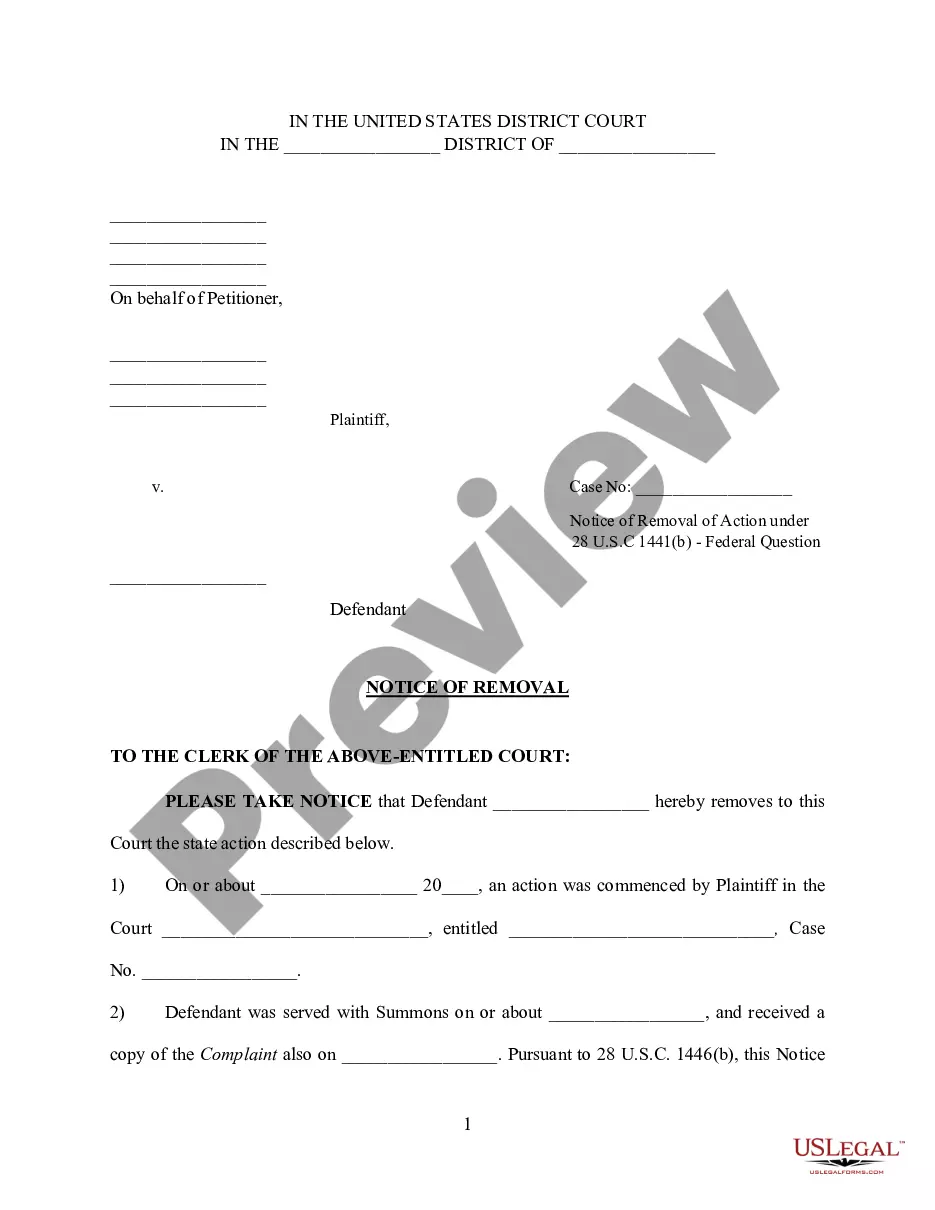


How to fill out North Dakota Notice Of Removal From State Court To United States District Court?
Among hundreds of paid and free examples that you’re able to find online, you can't be sure about their accuracy and reliability. For example, who made them or if they’re skilled enough to deal with what you require them to. Always keep relaxed and utilize US Legal Forms! Get North Dakota Notice of Removal from State Court to United States District Court templates made by professional lawyers and prevent the costly and time-consuming process of looking for an lawyer or attorney and after that having to pay them to draft a papers for you that you can easily find on your own.
If you already have a subscription, log in to your account and find the Download button near the file you are searching for. You'll also be able to access all your previously downloaded templates in the My Forms menu.
If you’re using our website for the first time, follow the instructions below to get your North Dakota Notice of Removal from State Court to United States District Court with ease:
- Make sure that the document you see is valid where you live.
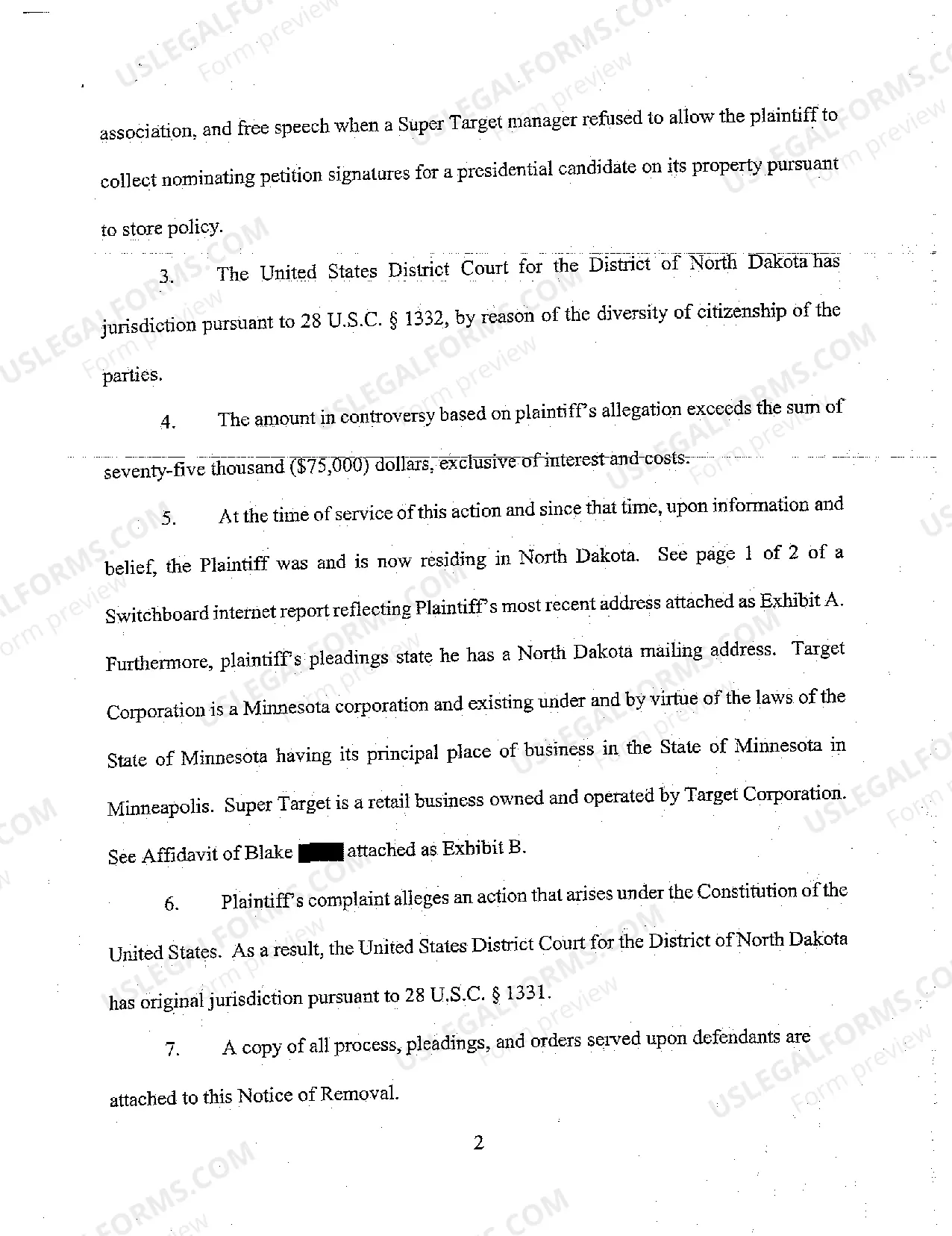
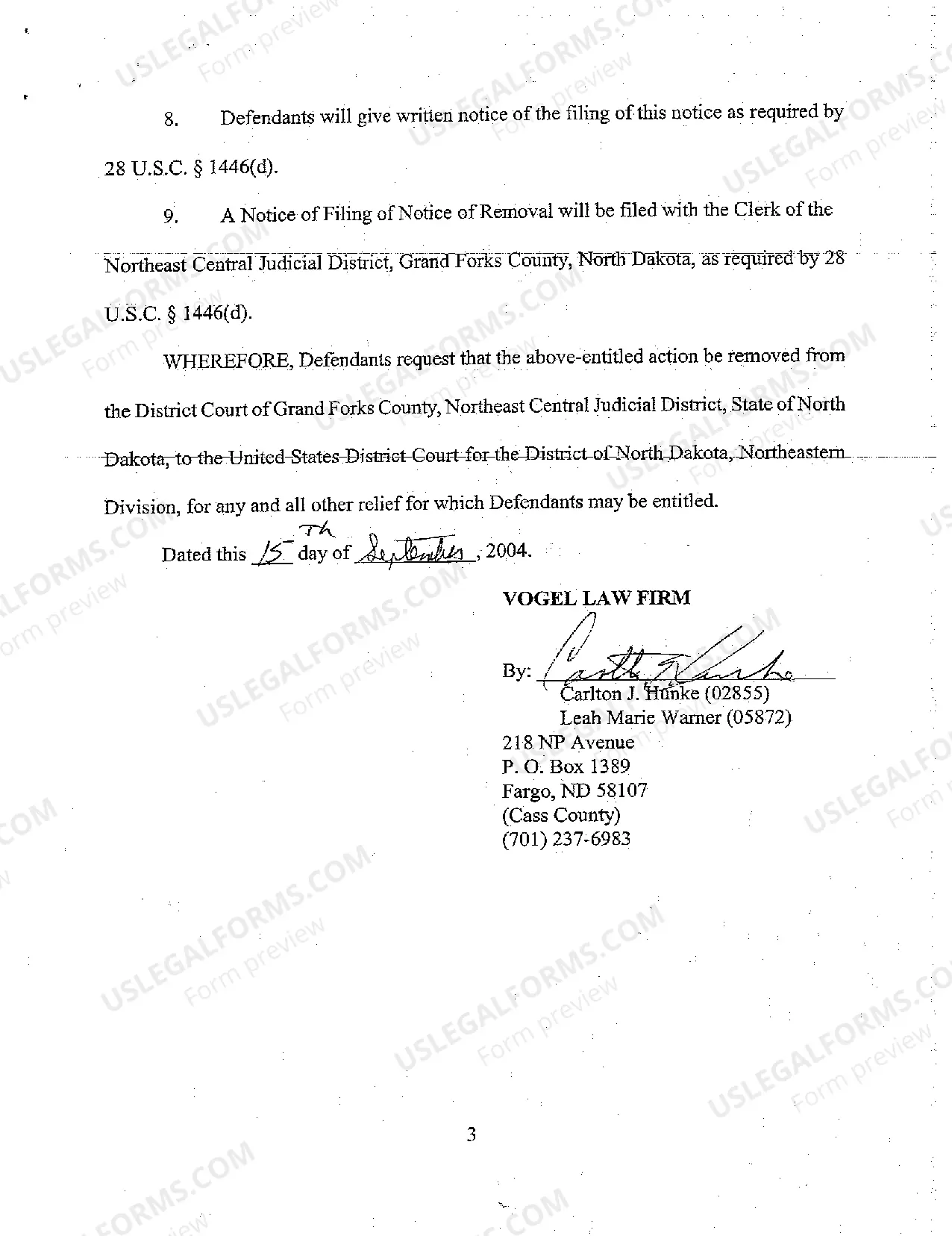
- Review the template by reading the information for using the Preview function.
- Click Buy Now to start the purchasing procedure or look for another sample using the Search field located in the header.
- Choose a pricing plan and create an account.
- Pay for the subscription using your credit/debit/debit/credit card or Paypal.
- Download the form in the required file format.
As soon as you have signed up and bought your subscription, you can use your North Dakota Notice of Removal from State Court to United States District Court as often as you need or for as long as it remains active where you live. Revise it with your favorite online or offline editor, fill it out, sign it, and create a hard copy of it. Do more for less with US Legal Forms!
Form popularity
FAQ
The notice of removal of a civil action or proceeding shall be filed within 30 days after the receipt by the defendant, through service or otherwise, of a copy of the initial pleading setting forth the claim for relief upon which such action or proceeding is based, or within 30 days after the service of summons upon
Generally speaking, a case can be removed to federal court if it could have been filed in federal court by the plaintiff. In many cases both state and federal courts may have subject matter jurisdiction over a particular matter, and the plaintiff has his or her choice of which court to present the claim to.
So why would a defendant want to remove the case to federal court? Well, removing a case may alleviate certain concerns about prejudice or bias against an out-of-state defendant. Removal also allows the parties to use federal procedural rules instead of state rules.
Federal courts may hear cases concerning state laws if the issue is whether the state law violates the federal Constitution.A person can go to federal or state court to bring a case under the federal law or both the federal and state laws. A state-law-only case can be brought only in state court.
A defendant can remove a case from state to federal court by filing a notice of removal in federal court and then notifying the state court and the other parties.After removal, the state court no longer has jurisdiction over the lawsuit.
Most state courts are courts of general jurisdiction, whereas federal courts have limited jurisdiction. That is, state courts are presumed to have power to hear virtually any claim arising under federal or state law, except those falling under the exclusive jurisdiction of the federal courts.
Removal is the process of transferring a case from state court to federal court. It is provided for by federal statute. 28 U.S.C.Once a case has been removed from state to federal court, the state court no longer has jurisdiction over the matter, though a federal court can remand a case to state court.
Once a case is removed to Federal court, the Federal Rules of Civil Procedure apply, and discovery may not begin until after a Rule 26(f) conference has been held."By its express terms, Rule 26(d) bars discovery until after the parties have conferred about a discovery plan as directed by Rule 26(f)." Id.
Removal is the process of transferring a lawsuit filed in state court to the United States District Court with jurisdiction over the same area. A defendant can remove a case from state to federal court by filing a notice of removal in federal court and then notifying the state court and the other parties.