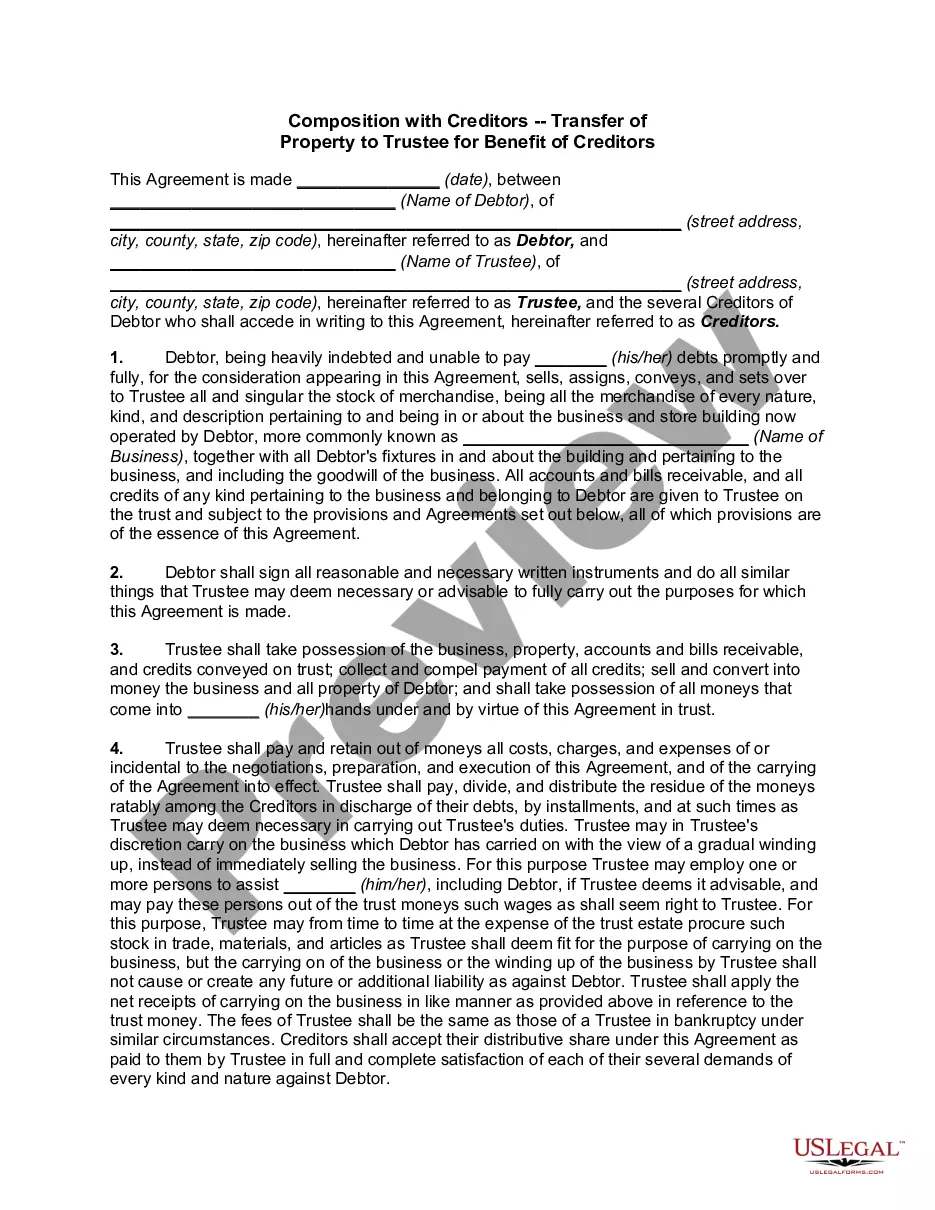
North Dakota Accounts Receivable - Contract to Sale
Description

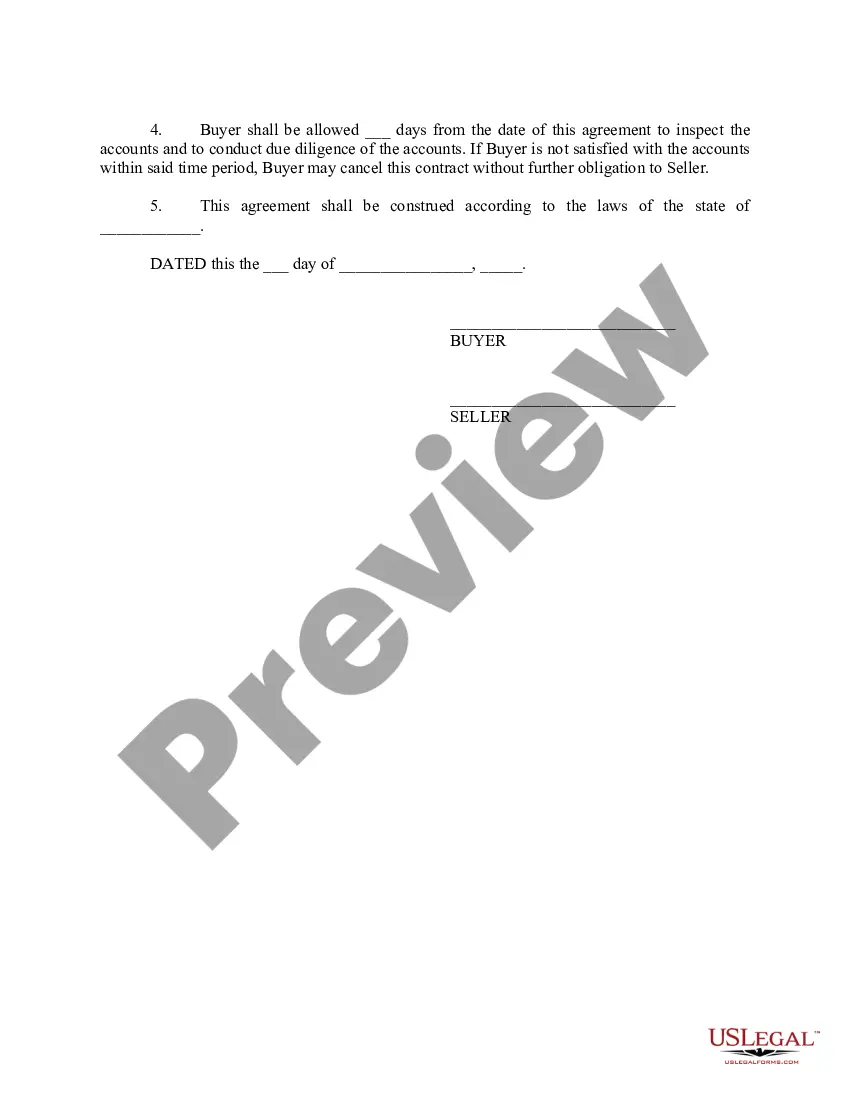
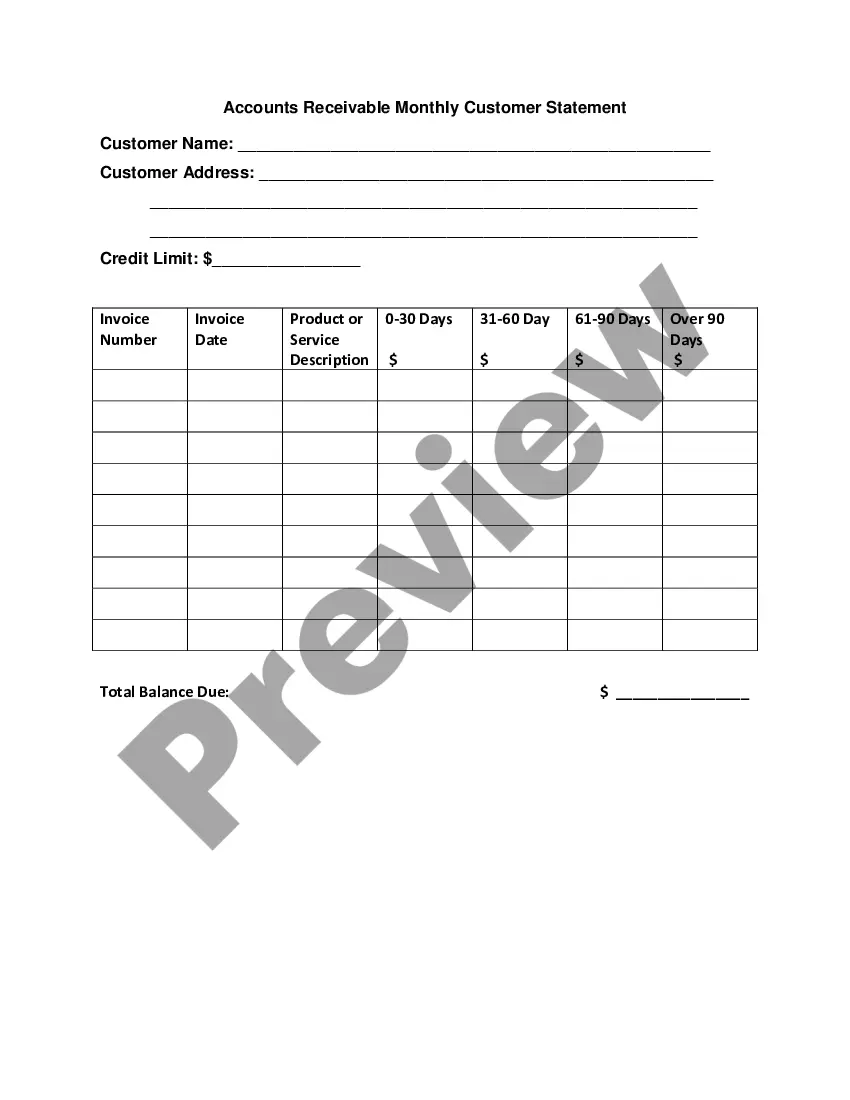

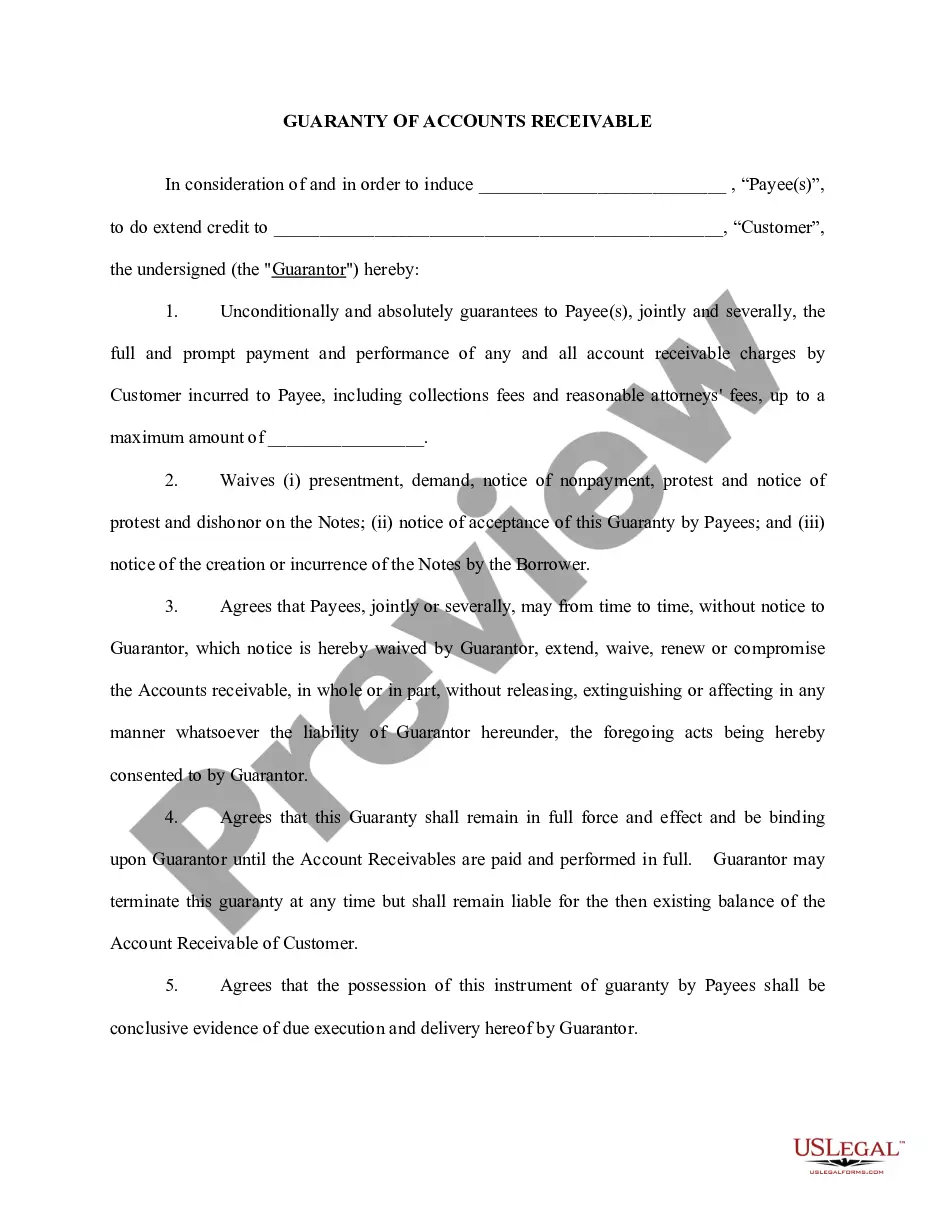
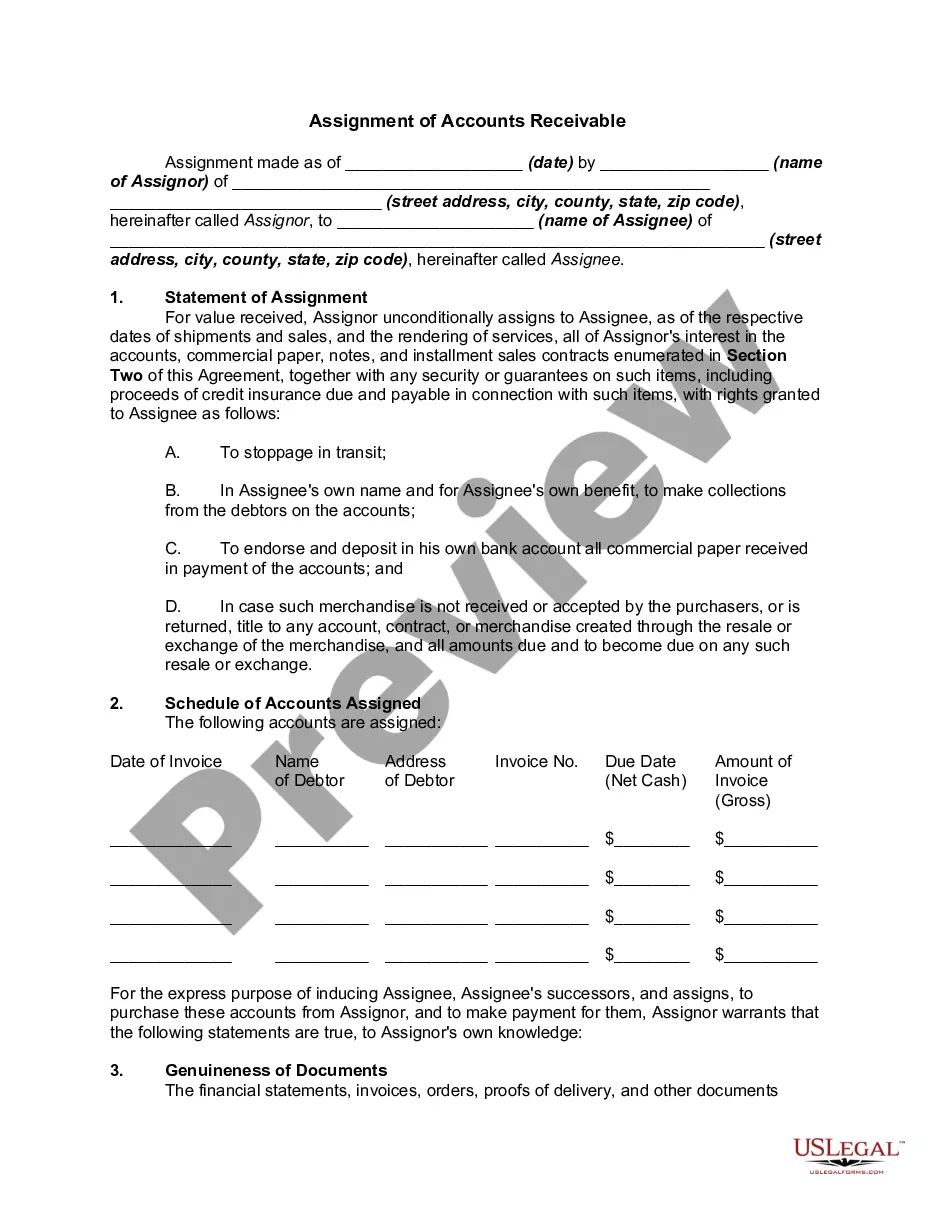
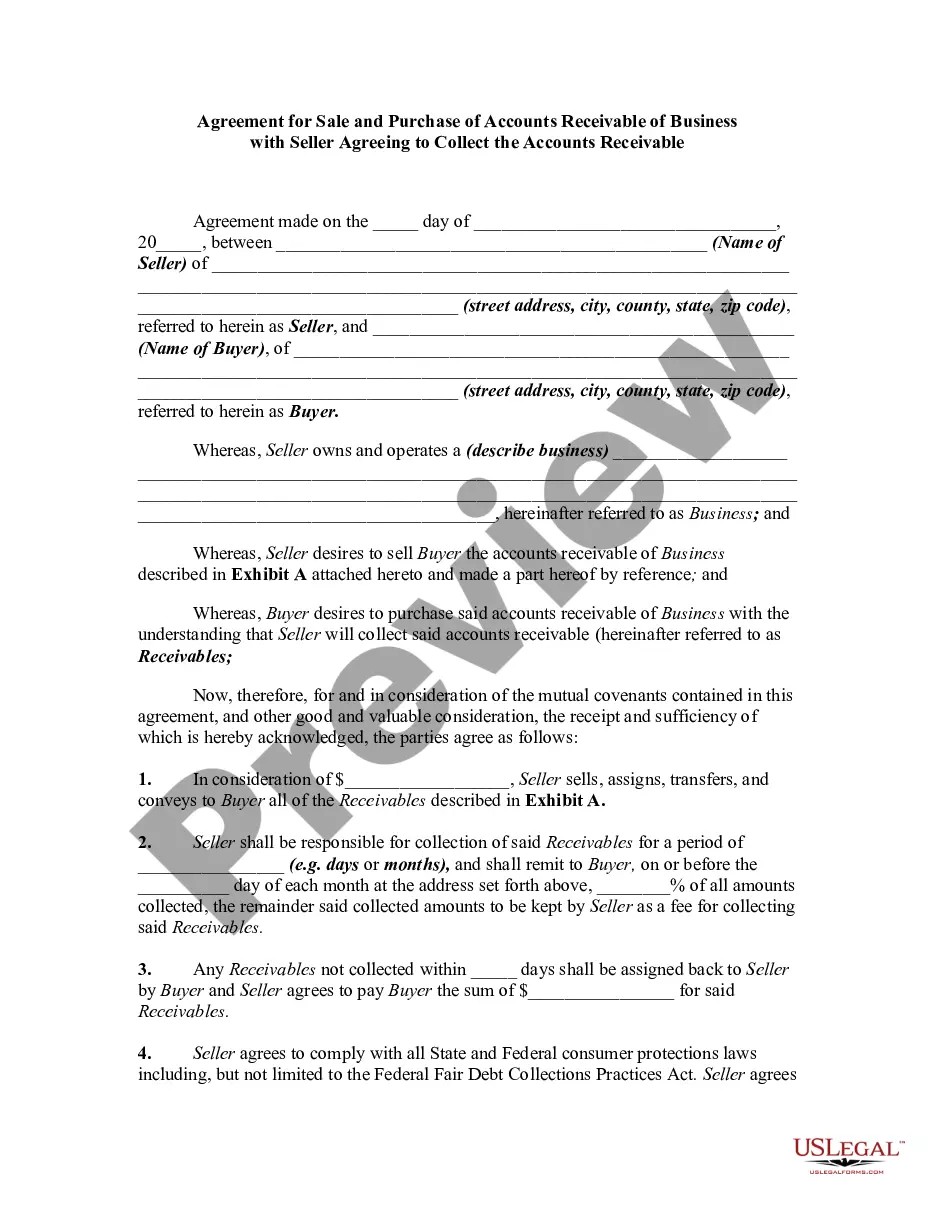
How to fill out Accounts Receivable - Contract To Sale?
Finding the right legitimate document format might be a battle. Of course, there are a lot of templates accessible on the Internet, but how will you discover the legitimate form you will need? Take advantage of the US Legal Forms internet site. The assistance delivers 1000s of templates, for example the North Dakota Accounts Receivable - Contract to Sale, that can be used for organization and private requirements. Every one of the forms are checked by professionals and meet state and federal demands.
Should you be already authorized, log in to your profile and click the Download option to obtain the North Dakota Accounts Receivable - Contract to Sale. Utilize your profile to check from the legitimate forms you possess ordered in the past. Go to the My Forms tab of your profile and obtain an additional backup from the document you will need.
Should you be a brand new user of US Legal Forms, allow me to share basic recommendations so that you can adhere to:
- First, be sure you have selected the proper form for your personal metropolis/region. You can look through the shape while using Preview option and read the shape explanation to guarantee it is the best for you.
- When the form is not going to meet your expectations, use the Seach field to get the right form.
- When you are certain the shape would work, click on the Buy now option to obtain the form.
- Opt for the costs prepare you need and enter the needed information and facts. Design your profile and pay money for your order utilizing your PayPal profile or bank card.
- Choose the data file formatting and download the legitimate document format to your product.
- Total, change and print out and indicator the acquired North Dakota Accounts Receivable - Contract to Sale.
US Legal Forms may be the most significant local library of legitimate forms for which you can discover different document templates. Take advantage of the service to download skillfully-made documents that adhere to state demands.
Form popularity
FAQ
Yes, you can create a contract without a lawyer; however, it is risky. Drafting a contract for deed requires careful attention to detail to ensure it complies with North Dakota laws. Using legal document services like US Legal Forms can simplify the process, providing you with the necessary templates and guidance for North Dakota Accounts Receivable - Contract to Sale.
To correctly execute a contract for deed, both parties should clearly outline the terms, including payment schedule, interest rate, and responsibilities for property maintenance. It is essential to document everything in writing to avoid misunderstandings later. Utilizing resources like US Legal Forms can provide templates tailored specifically for North Dakota Accounts Receivable - Contract to Sale, ensuring a smoother transaction.
One disadvantage of a contract for deed is that the seller retains the title until the buyer completes all payments. This can create uncertainty for the buyer regarding ownership rights. Additionally, if the buyer defaults, the seller can reclaim the property without going through the formal foreclosure process, which can be a risk for the buyer in North Dakota Accounts Receivable - Contract to Sale.
While it is not legally required to have a lawyer for a contract for deed in North Dakota, having legal guidance can be beneficial. A lawyer can help you understand the complexities of North Dakota Accounts Receivable - Contract to Sale and ensure that your interests are protected. They can also assist in drafting the contract and addressing any legal issues that may arise during the process.
A contract for deed can be a beneficial option, especially in North Dakota Accounts Receivable - Contract to Sale scenarios. It allows buyers to make payments directly to the seller, which can simplify the purchasing process. This method can also help buyers who may have difficulty securing traditional financing. However, it's crucial to fully understand the terms and seek guidance to ensure that it aligns with your financial goals.
Factoring is simply selling your accounts receivables at a discount. While not for every business, it is a short-term solution ? typically two years or less ? for companies with an equally brief need for cash flow.
Factoring is when a company sells its accounts receivable to another company in exchange for cash in advance of the accounts receivable payment due date. The company pledges its rights to collect its accounts receivable to the Factor in exchange for a cash advance.
An accounts receivable purchase agreement is a contract between a buyer and seller. The seller sells receivables and the buyer collects the receivables. An accounts receivable purchase agreement is a contract between a buyer and seller.
A receivable purchase agreement is a contract between a seller and a financial institution that allows the seller to sell unpaid invoices from buyers to the financial institution. This means that the seller can enable cash flow until payment is received from the buyer.
With contract receivables, a business sells to a third-party finance provider the rights to receive the future contracted cash flows for delivered assets and services due under a new or existing contract that it has with one of its customers.