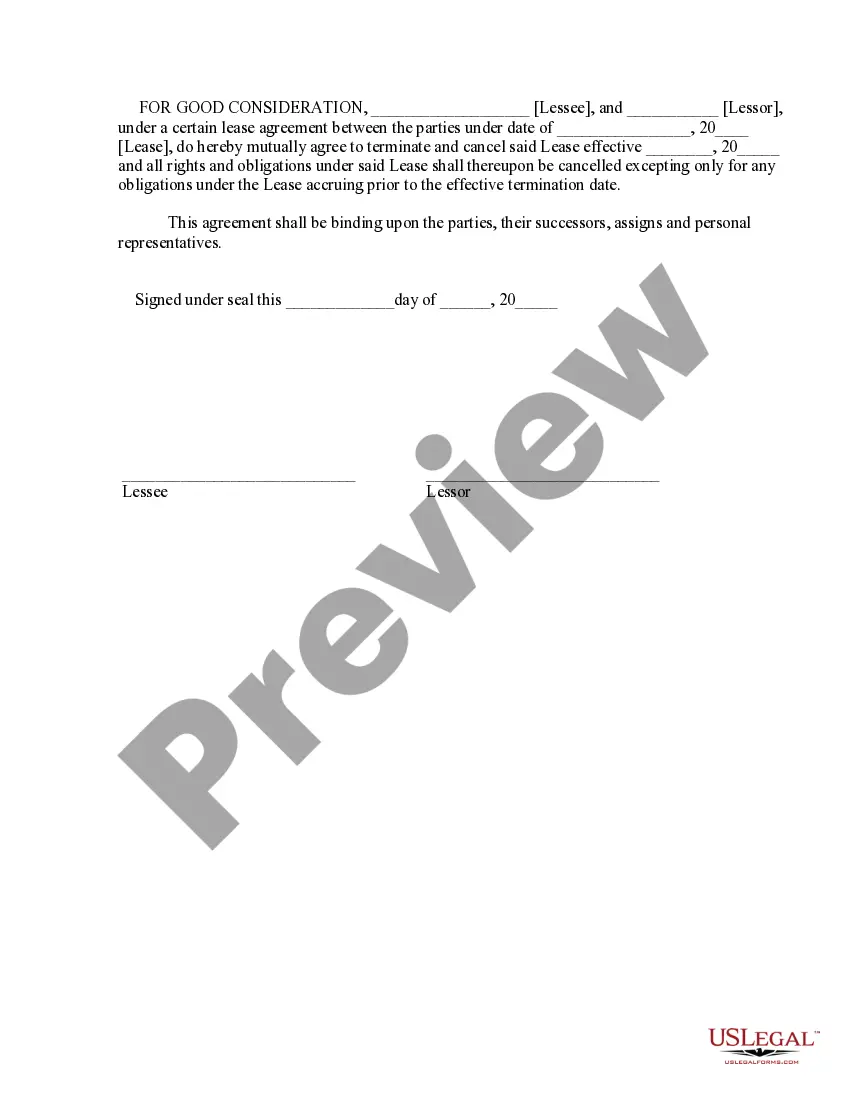
This form is a Verfied Complaint for Replevin. The plaintiff has filed this action against defendant in order to replevy certain property in the defendant's possession.
North Dakota Verified Complaint for Replevin or Repossession
Instant download
Description
Free preview








Get your form ready online
Our built-in tools help you complete, sign, share, and store your documents in one place.
Built-in online Word editor
Make edits, fill in missing information, and update formatting in US Legal Forms—just like you would in MS Word.
Export easily
Download a copy, print it, send it by email, or mail it via USPS—whatever works best for your next step.
E-sign your document
Sign and collect signatures with our SignNow integration. Send to multiple recipients, set reminders, and more. Go Premium to unlock E-Sign.
Notarize online 24/7
If this form requires notarization, complete it online through a secure video call—no need to meet a notary in person or wait for an appointment.
Store your document securely
We protect your documents and personal data by following strict security and privacy standards.

Make edits, fill in missing information, and update formatting in US Legal Forms—just like you would in MS Word.

Download a copy, print it, send it by email, or mail it via USPS—whatever works best for your next step.

Sign and collect signatures with our SignNow integration. Send to multiple recipients, set reminders, and more. Go Premium to unlock E-Sign.

If this form requires notarization, complete it online through a secure video call—no need to meet a notary in person or wait for an appointment.

We protect your documents and personal data by following strict security and privacy standards.
Looking for another form?

How to fill out Verified Complaint For Replevin Or Repossession?
It is feasible to spend hours online trying to locate the legal document template that meets the state and federal requirements you need.
US Legal Forms offers numerous legal templates that are reviewed by experts.
You can conveniently acquire or generate the North Dakota Verified Complaint for Replevin or Repossession from their services.
If available, utilize the Preview button to examine the document template as well.
- If you possess a US Legal Forms account, you can Log In and click the Download button.
- After that, you can complete, modify, create, or endorse the North Dakota Verified Complaint for Replevin or Repossession.
- Every legal document template you obtain is yours permanently.
- To access another copy of any acquired form, navigate to the My documents tab and click the relevant button.
- If you are using the US Legal Forms site for the first time, follow the simple instructions below.
- First, ensure you have selected the correct document template for the region/area you have chosen.
- Review the form description to confirm you have chosen the correct template.
Form popularity
FAQ
Yes, North Dakota has a statute of limitations that varies depending on the type of claim. For most contract actions, the statute of limitations is six years, while certain debts can have different time frames. If you are considering filing a North Dakota Verified Complaint for Replevin or Repossession, it is essential to be aware of these limitations to ensure you take action within the required timeframe. Consulting with a legal professional can provide clarity on how these regulations apply to your situation.
If you serve a defendant and they don't answer at all in 30 days, you can ask for a default judgment. To ask for a default you have to file these forms: Request to Enter Default (Form# CIV-100 ), and. Proof of Service of Summons (Form# POS-010 ), and.
Upon a filing party's request, an original pleading or document in any civil action, which by law is required to be filed in the clerk of court's office where the action is pending, may be removed from the files for the purpose of serving it either inside or outside the state but must be returned without delay.
An order to show cause issued pursuant to section 27-10-07 may be made in the action or proceeding in or respecting which the offense was committed, either before or after the final judgment or order therein, and is equivalent to a notice of motion.
An answer is a written response by a Defendant to a complaint. The answer must also state defenses to each of the claims in short, plain statements. Complete the top of the Answer exactly as it appears in the Plaintiff's complaint.
By not answering the summons and complaint, a person risks losing their opportunity to contest the claims of the plaintiff and also to make their own claims against the plaintiff. If a person does not answer the complaint and ignores it instead, the plaintiff can then seek a default judgment in court.
You Can Lose By Default: If you don't file a response 30 days after you were served, the Plaintiff can file a form called ?Request for Default?. The Plaintiff has to wait 30 days to file this. If the Plaintiff files this form, the Court can enter a judgment against you.
If the defendant fails to answer the plaintiff's claims or fails to appear at the hearing, the judge may, upon the plaintiff's request, hear and decide the case without hearing the defendant's side. This is called a default judgment.
Failure to Respond: If a defendant fails to answer the complaint or file a motion to dismiss within the time limit set forth in the summons, the defendant is in default. The plaintiff can ask the court clerk to make a note of that fact in the file, a procedure called entry of default.