North Dakota Amendment of Residential Lease
What this document covers
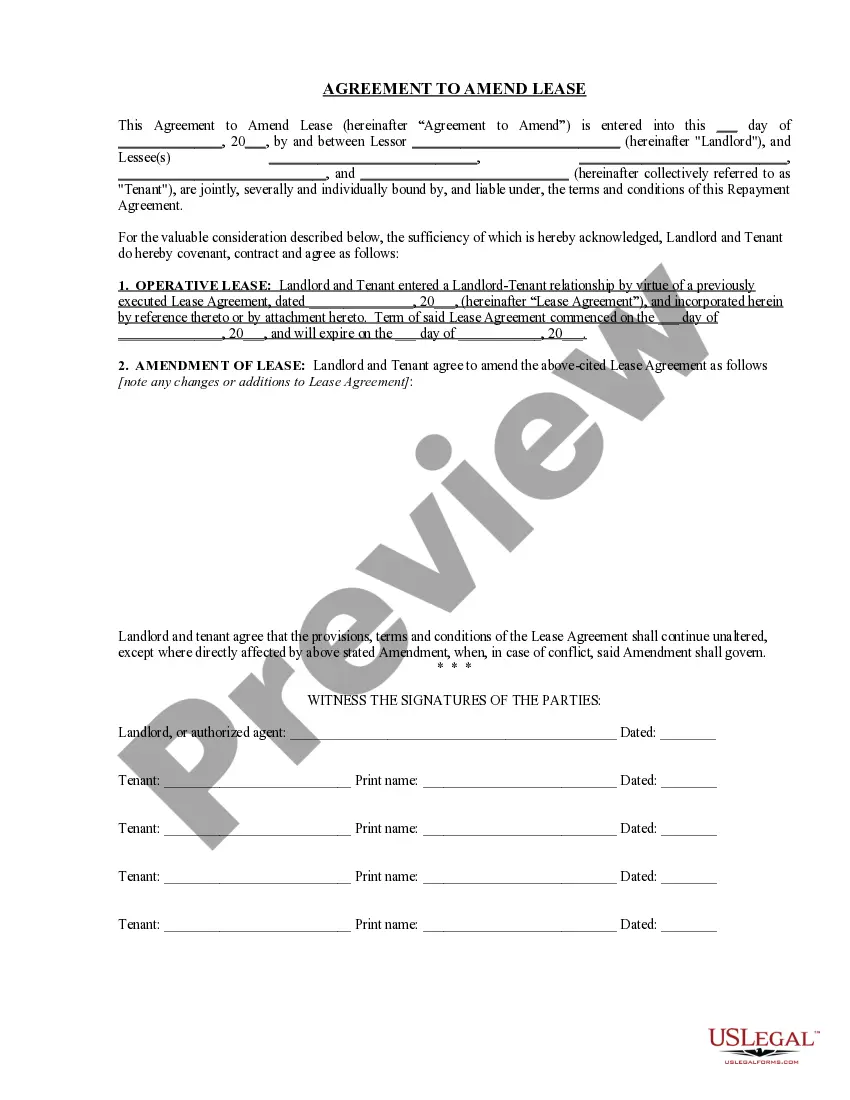
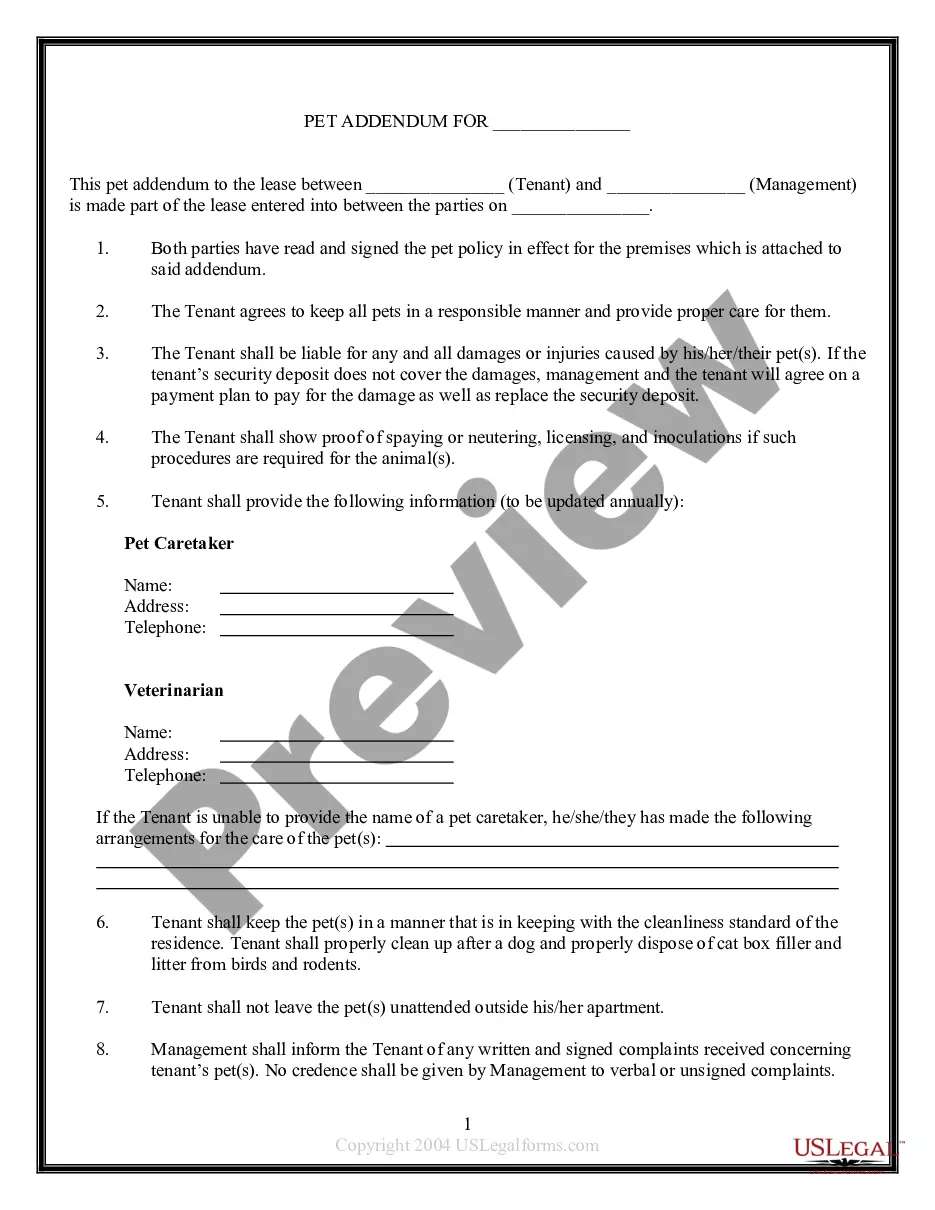
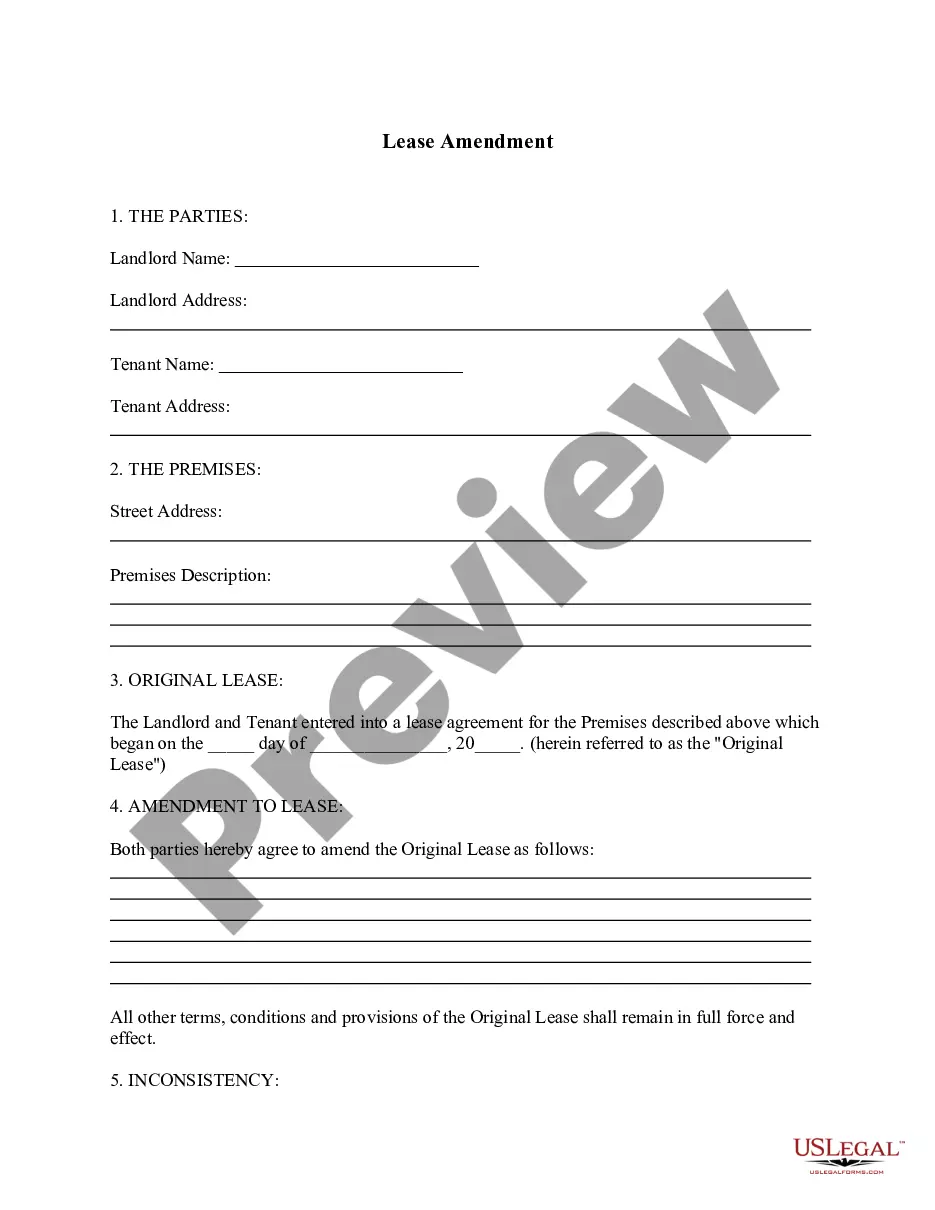
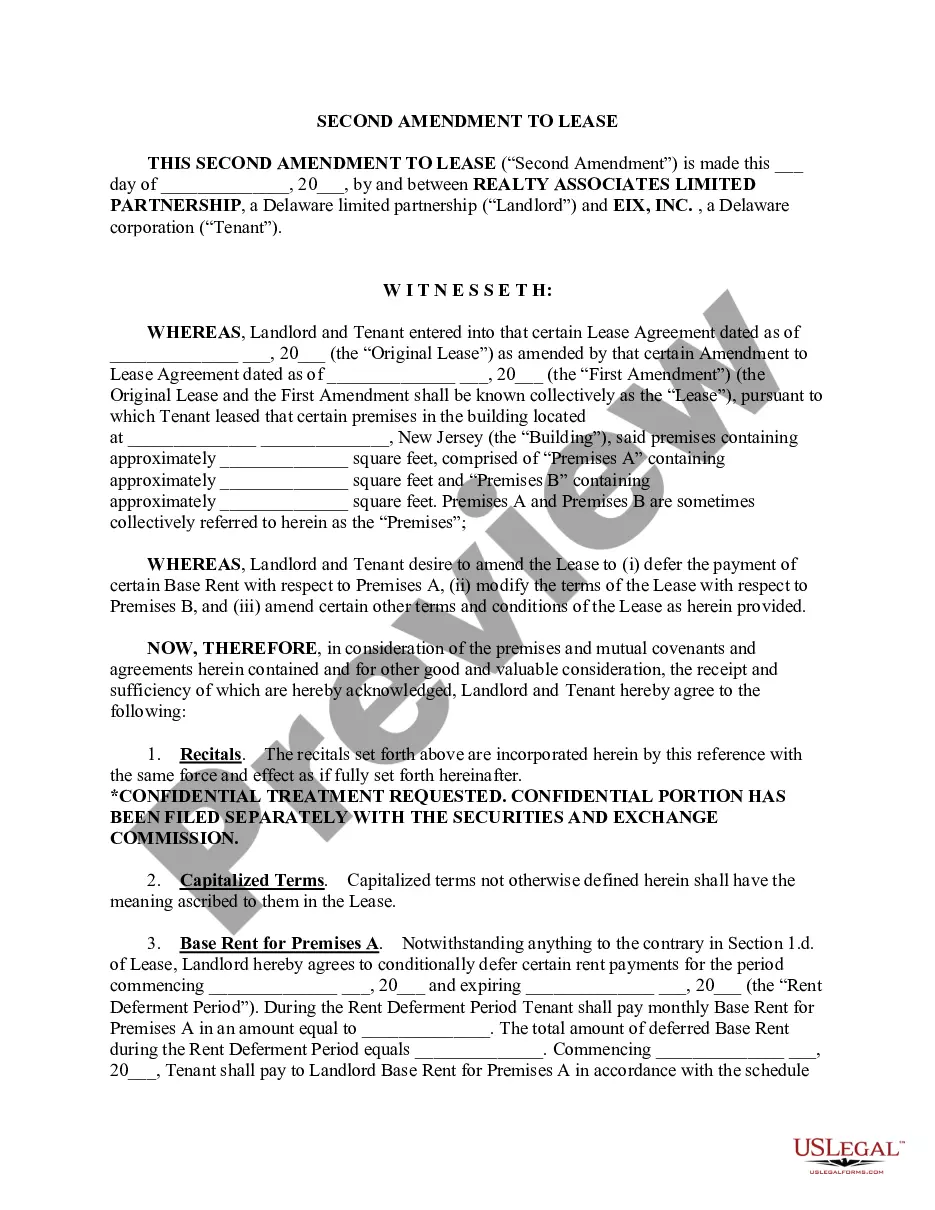
The Amendment of Residential Lease is a legal document used to make specific changes to an existing residential lease agreement. This form is essential for both landlords and tenants to formally document modifications such as adjustments to rent, lease terms, or tenant information. By using this amendment, the parties prevent potential disputes and ensure compliance with state laws regarding lease modifications.
Key parts of this document
- Identification of the parties involved: Clearly outline the names of the landlord and tenants.
- Reference to the original lease: Include details about the previously signed lease agreement.
- Specific amendments: Detail the exact changes being made, such as rent adjustments or lease duration extensions.
- Signatures of parties: All parties must sign the amendment for it to be valid.
When this form is needed
This amendment should be used whenever there is a need to change terms in an existing residential lease. Common scenarios include adding a new tenant, changing the lease duration, increasing rent, or updating maintenance responsibilities. Using this form allows all parties to agree on the new terms clearly and legally.
Who needs this form
This form is ideal for:
- Landlords looking to modify lease agreements with tenants.
- Tenants who need to request changes to the conditions of their lease.
- Property managers overseeing leasing arrangements.
Completing this form step by step
- Identify the parties: Enter the names of the landlord and all tenants.
- Reference the original lease: Provide details of the initial lease agreement, including its start and end dates.
- Specify the amendments: Clearly list the changes being made to the lease agreement.
- Obtain signatures: Ensure all parties sign and date the amendment for it to take effect.
Notarization guidance
In most cases, this form does not require notarization. However, some jurisdictions or signing circumstances might. US Legal Forms offers online notarization powered by Notarize, accessible 24/7 for a quick, remote process.
Get your form ready online
Our built-in tools help you complete, sign, share, and store your documents in one place.
Make edits, fill in missing information, and update formatting in US Legal Forms—just like you would in MS Word.
Download a copy, print it, send it by email, or mail it via USPS—whatever works best for your next step.
Sign and collect signatures with our SignNow integration. Send to multiple recipients, set reminders, and more. Go Premium to unlock E-Sign.
If this form requires notarization, complete it online through a secure video call—no need to meet a notary in person or wait for an appointment.
We protect your documents and personal data by following strict security and privacy standards.

Make edits, fill in missing information, and update formatting in US Legal Forms—just like you would in MS Word.

Download a copy, print it, send it by email, or mail it via USPS—whatever works best for your next step.

Sign and collect signatures with our SignNow integration. Send to multiple recipients, set reminders, and more. Go Premium to unlock E-Sign.

If this form requires notarization, complete it online through a secure video call—no need to meet a notary in person or wait for an appointment.

We protect your documents and personal data by following strict security and privacy standards.
Common mistakes to avoid
- Failing to include the original lease details, which can create confusion.
- Not having all parties sign the amendment, rendering it invalid.
- Overlooking state-specific requirements for lease modifications.
Why use this form online
- Convenience: Easily fill out and download the form from anywhere.
- Editability: Customize the amendment to reflect the specific changes required.
- Reliability: Forms are drafted by licensed attorneys, ensuring legality and compliance.
Looking for another form?
Form popularity
FAQ
During the lease period, no landlord old or new may terminate the lease, raise the rent or change any terms without the tenant's consent, unless otherwise specified in the lease. At the end of the lease term, however, the landlord may raise rent and change lease terms dependent upon state and local laws.
A lease addendum allows a landlord or tenant to make changes to a current residential or commercial lease agreement.Once both parties agree and sign, the addendum should be added to the original lease.
Changing the lease You can negotiate certain changes to the lease, sometimes known as 'varying the lease'. Speak to your landlord first. If you can't agree, you may be able to apply to a tribunal - contact Leasehold Advisory Service for advice.
When creating your Lease Amendment, you'll want to include information such as: the names of the landlord(s) and the tenant(s); the effective date of the original lease; the date of the lease amendment; the address and nature of the leased property; whether the original lease was recorded with the county; which
As a landlord, you have many rights that allow you to manage your rental property effectively and efficiently.Collecting rent deposits and payments, as well as any deposits or payments associated with pets, parking, and/or added amenities. Entering the tenant's unit with notice or due to an emergency. Evicting tenants.
Give the landlord/agent a written termination notice and vacate move out and return the keys according to your notice, and/or. apply to the NSW Civil & Administrative Tribunal (NCAT) for a termination order.
In some circumstances, a tenant can break a fixed-term agreement early without penalty. A tenant can give 14 days' written notice to end an agreement early without penalty if: they have accepted an offer of social housing (e.g. from DCJ Housing)
Ideally, you should never try to renegotiate the rental amount after your lease is signed.Your tenant might want you to decrease the rent amount, but they are also proposing to increase the length of their lease by one additional year.
When a landlord and tenant sign a lease agreement it forms a legally binding contract. The lease cannot be altered except through another written agreement signed by both parties unless the original lease specifically gives a party the power to change something on their own.