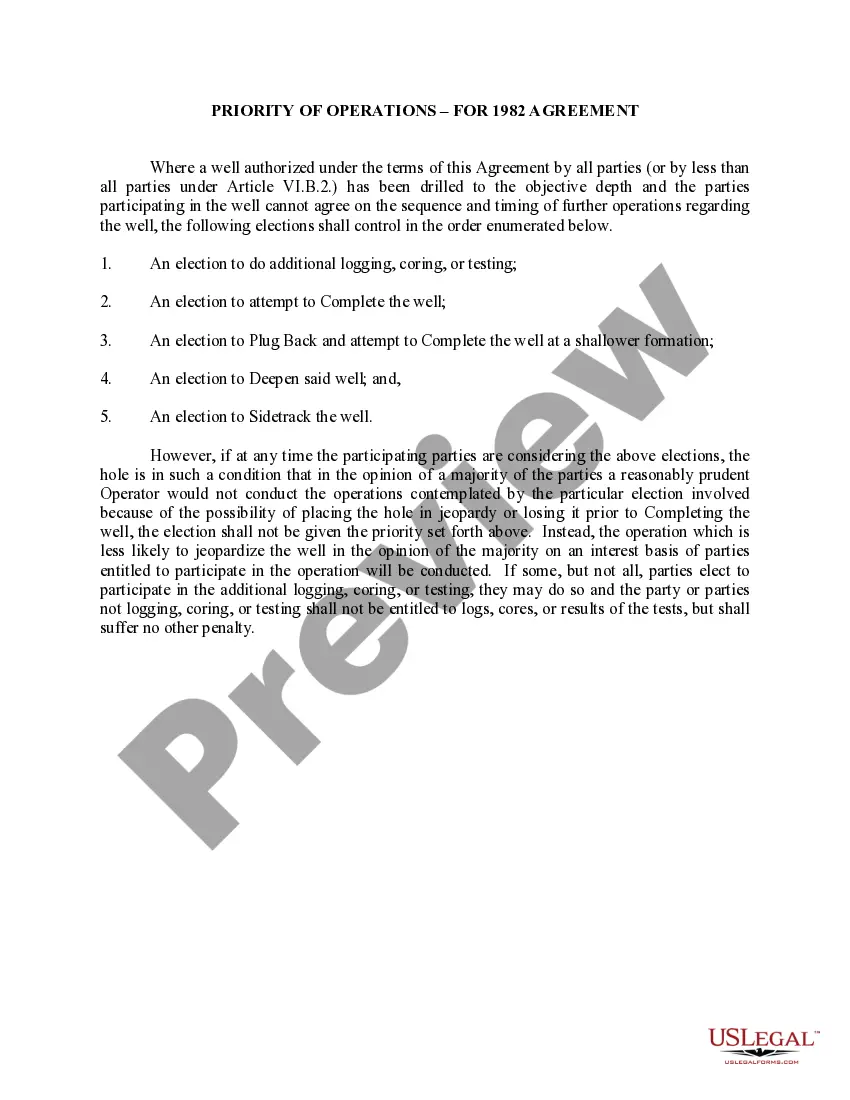
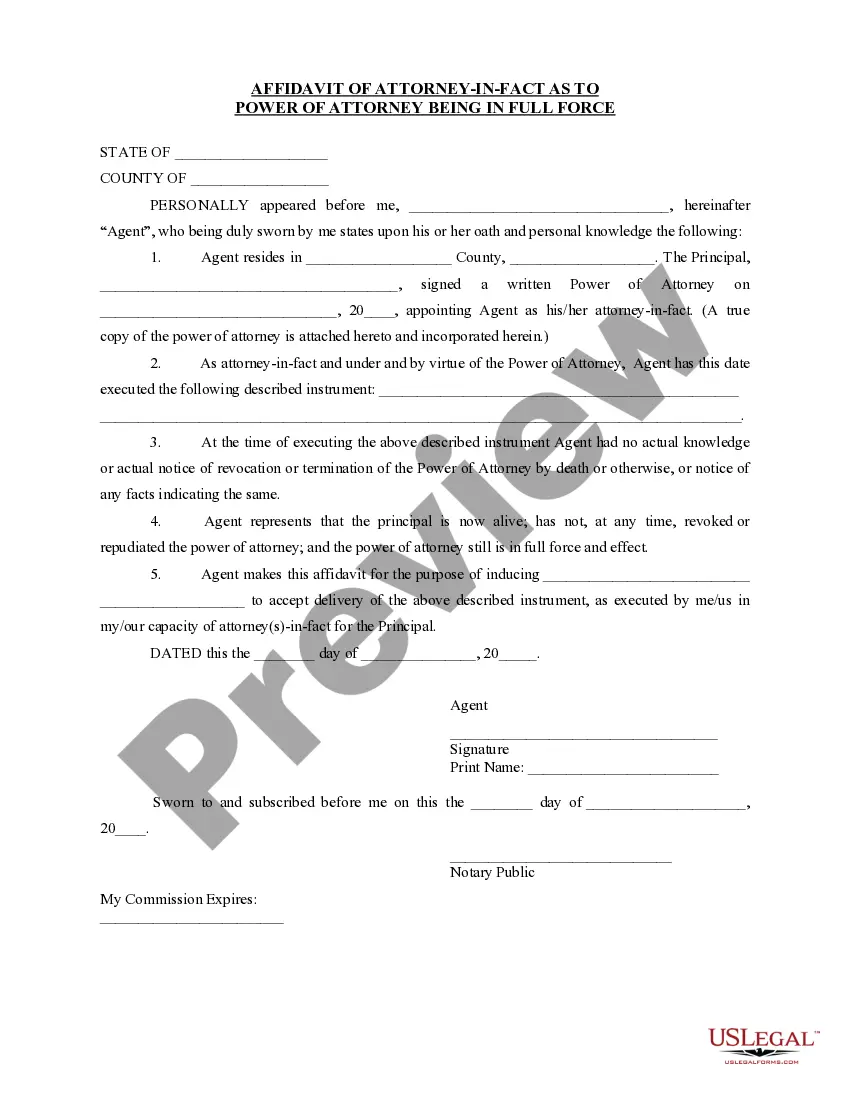
This affidavit is for an attorney-in-fact to certify that the power of attorney under which he or she is operating has not been revoked and remains in full force. For all States except Florida, Georgia, Michigan, Ohio, South Carolina or Vermont.
North Carolina Affidavit of Attorney-in-Fact that Power of Attorney in Full Force
Category:
State:
Multi-State
Control #:
US-P098
Format:
Word;
Rich Text
Instant download
Description
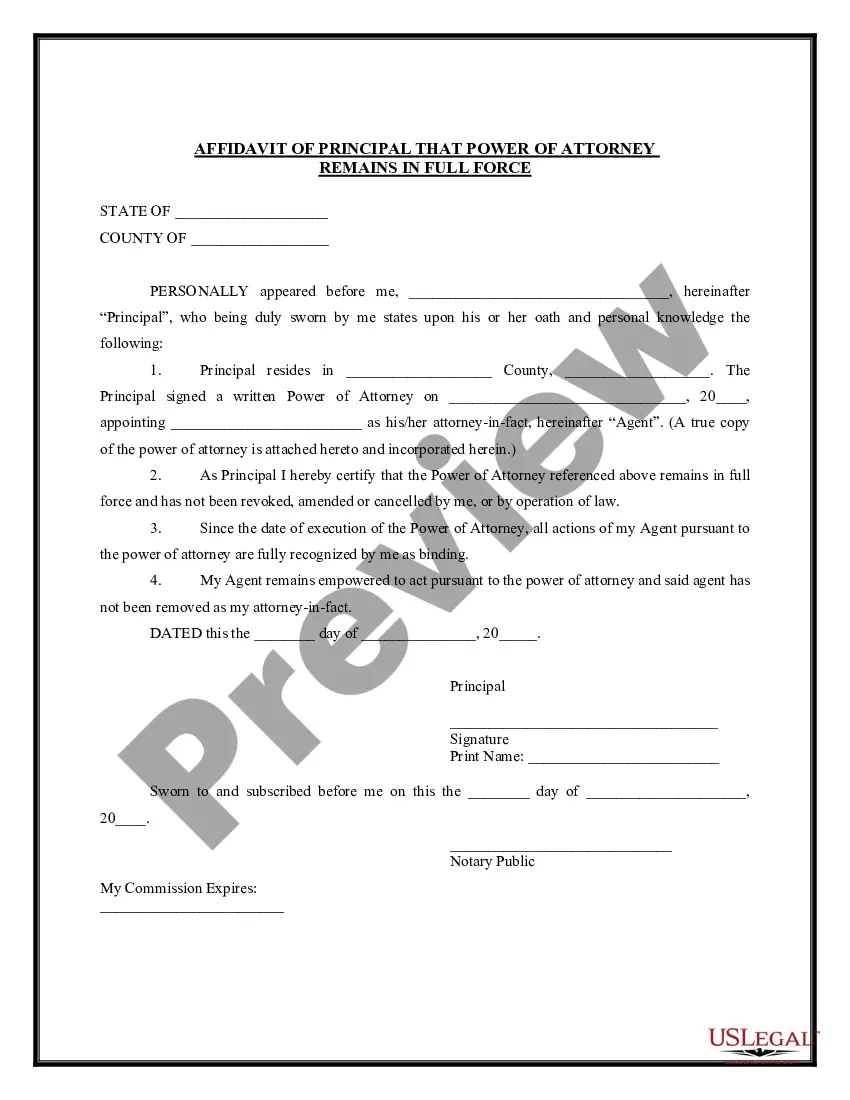
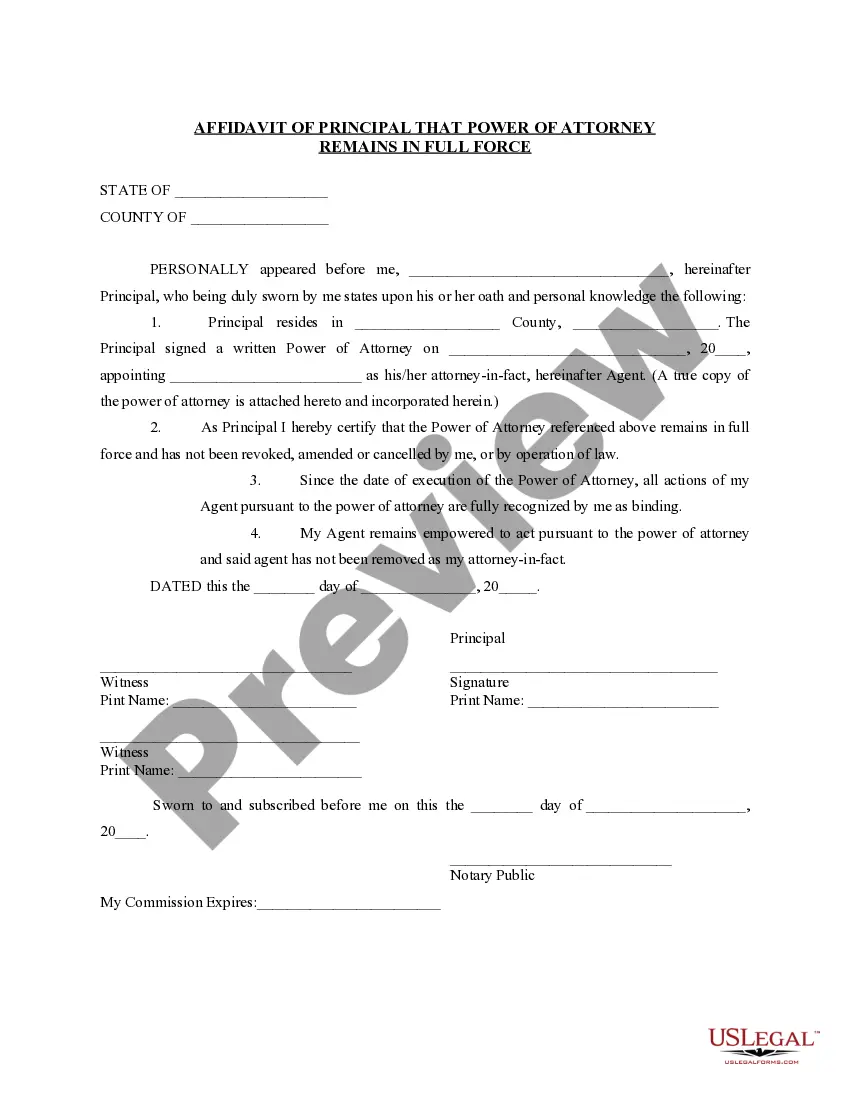
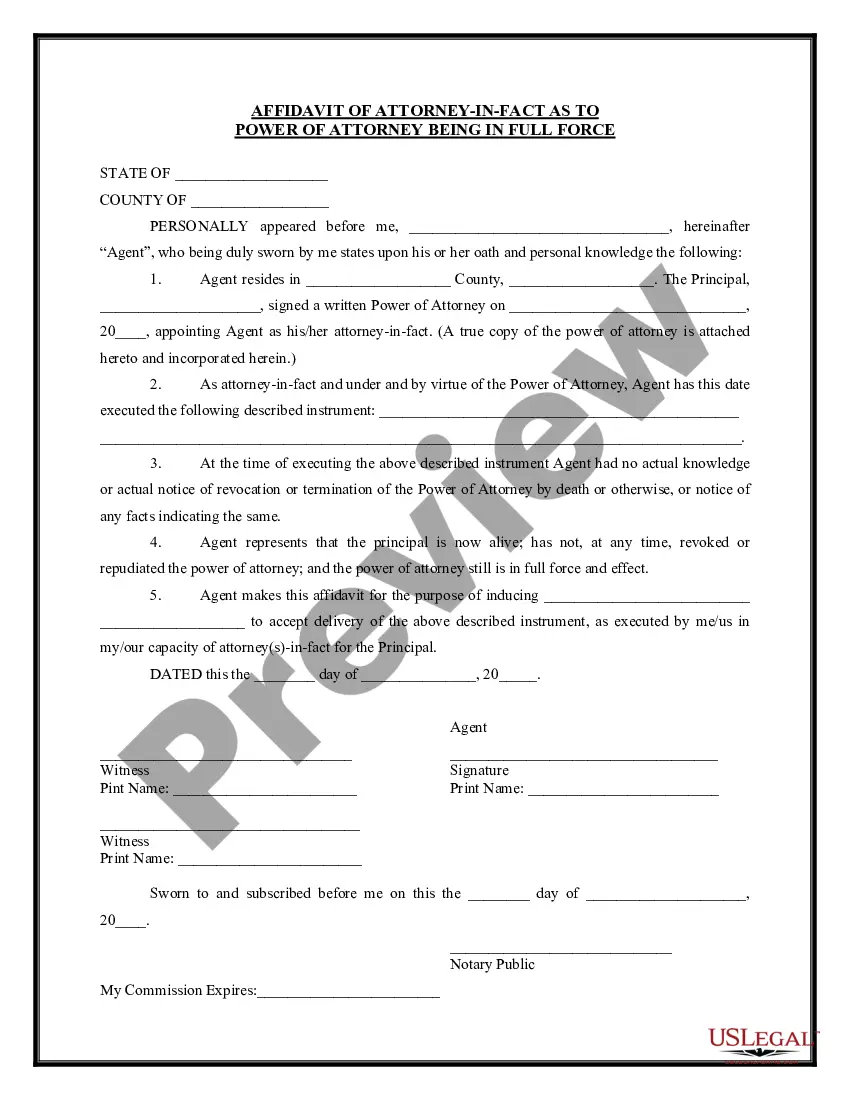
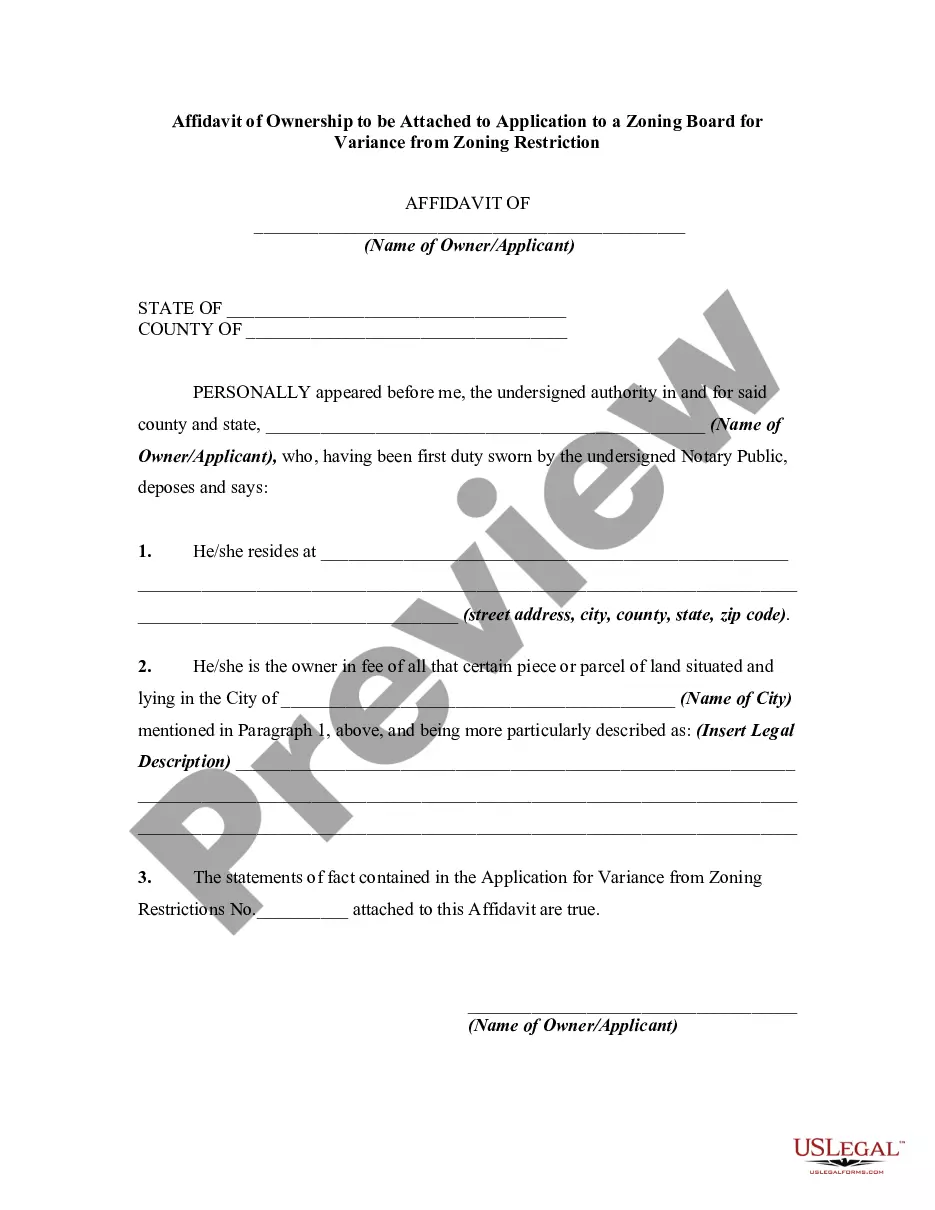
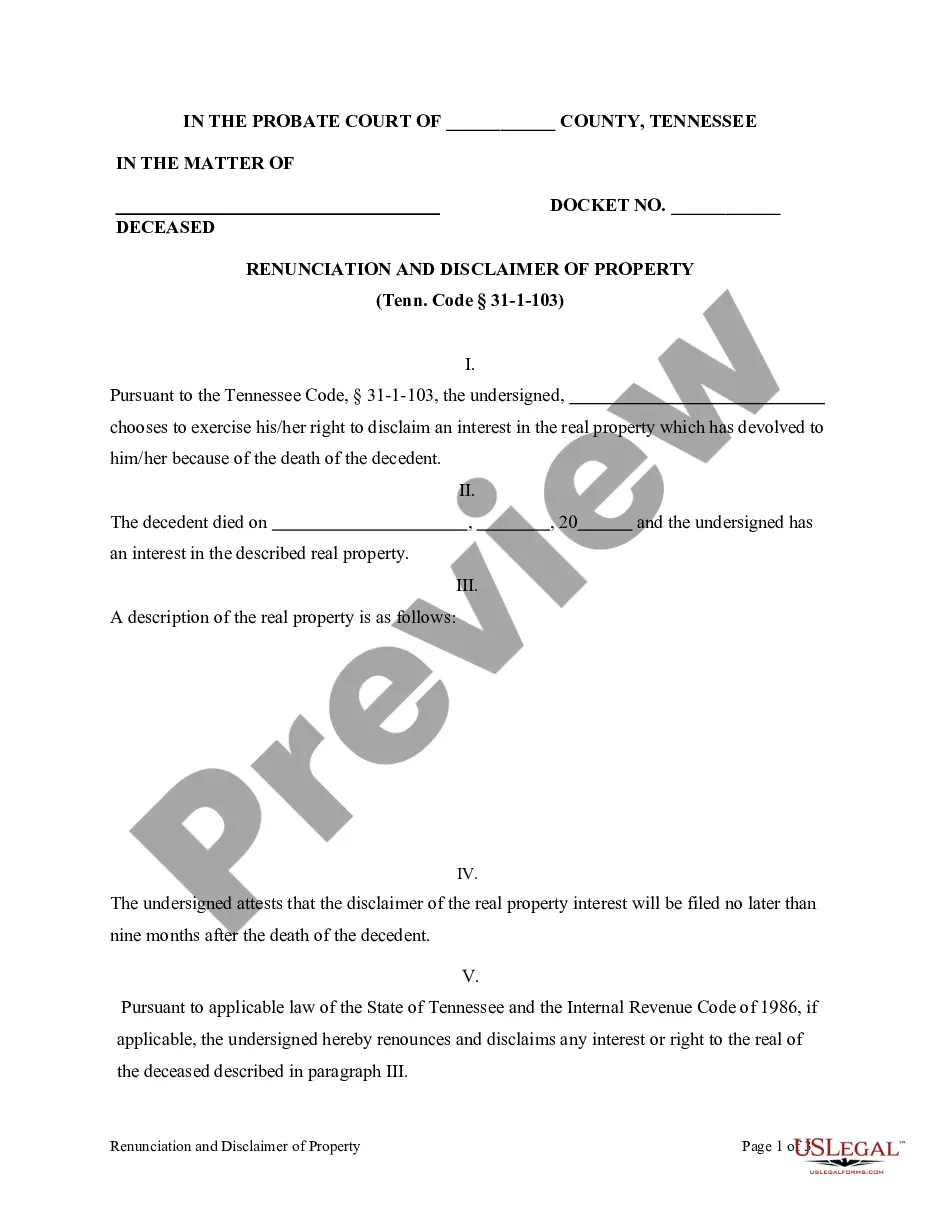
How to fill out Affidavit Of Attorney-in-Fact That Power Of Attorney In Full Force?
If you need to compile, acquire, or print authentic document templates, utilize US Legal Forms, the largest repository of legal forms available online.
Employ the site’s straightforward and convenient search feature to obtain the documents you require.
Numerous templates for business and personal purposes are organized by categories and states, or keywords.
Step 4. Once you have found the form you need, select the Purchase now button. Choose the pricing plan you prefer and enter your details to create an account.
Step 5. Process the transaction. You can use your credit card or PayPal account to finalize the purchase.
- Utilize US Legal Forms to acquire the North Carolina Affidavit of Attorney-in-Fact that Power of Attorney is in Full Effect with just a few clicks.
- If you are currently a US Legal Forms user, Log In to your account and click the Download button to obtain the North Carolina Affidavit of Attorney-in-Fact that Power of Attorney is in Full Effect.
- You can also access forms you previously downloaded in the My documents section of your account.
- If you are using US Legal Forms for the first time, refer to the instructions below.
- Step 1. Ensure you have selected the form for the correct city/state.
- Step 2. Use the Review option to examine the form’s content. Don’t forget to read the description.
- Step 3. If you are unsatisfied with the form, use the Search area at the top of the screen to find other types within the legal form template.
Form popularity
FAQ
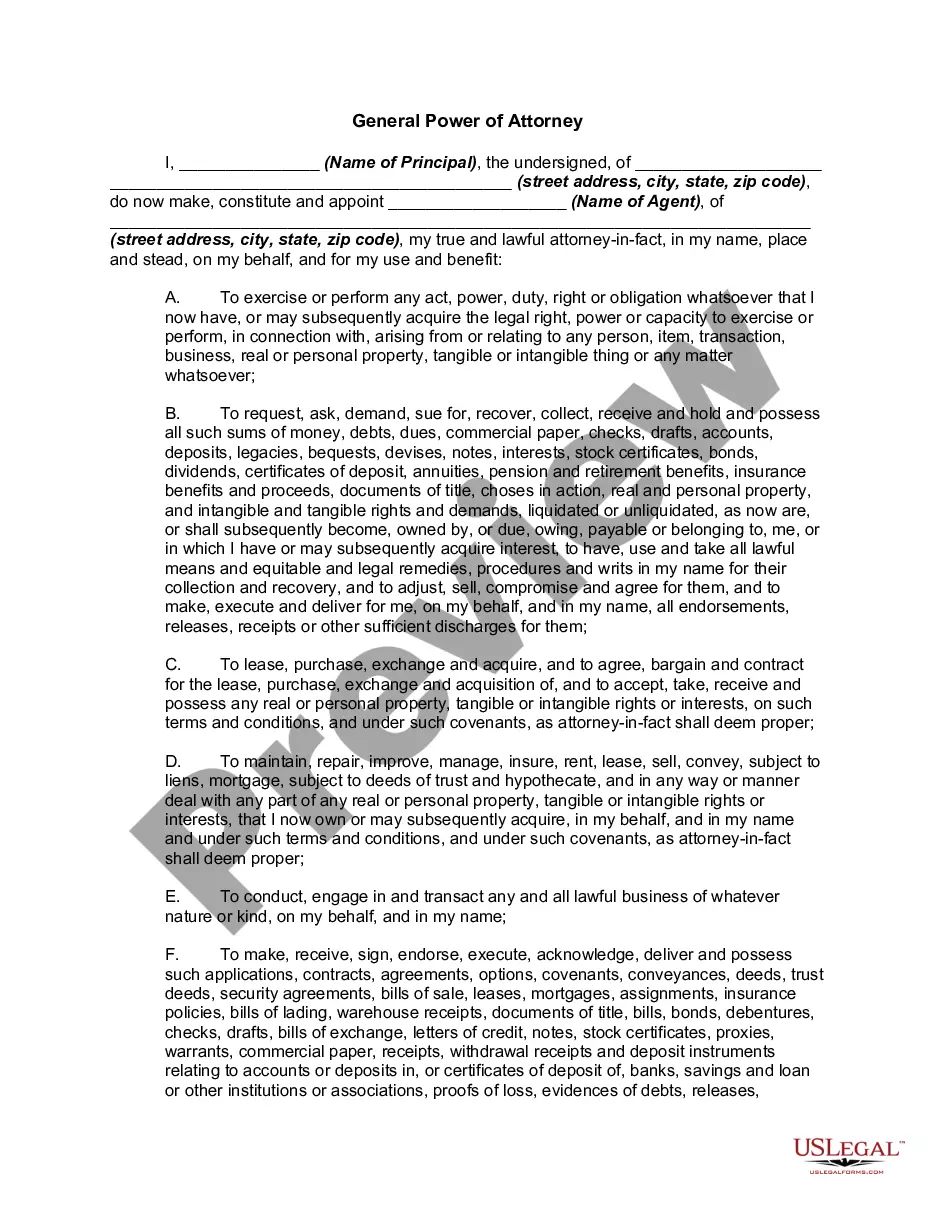
To properly fill out a power of attorney form, include the names of the principal and the attorney-in-fact, along with specific powers granted. Clearly outline any limitations, if applicable, and ensure you date and sign the form. Using a reliable platform like uslegalforms can help guide you through the process and provide the necessary templates.
To fill out an affidavit, begin by clearly stating your name and the purpose of the affidavit. Include the necessary details and facts relevant to the statement. Be sure to sign the affidavit in front of a notary public to authenticate it, making it legally binding.
In North Carolina, a power of attorney does not need to be filed with the court to be valid. However, certain transactions may require the document to be recorded, especially if real estate is involved. It is wise to consult legal resources or professionals to understand the specific requirements for your situation.
An affidavit of Attorney-in-Fact is a sworn statement that verifies the authority of an individual designated as an attorney-in-fact under a power of attorney. This document serves as evidence that the attorney-in-fact can make decisions or act on behalf of the principal. It is essential for ensuring that actions taken are recognized legally.
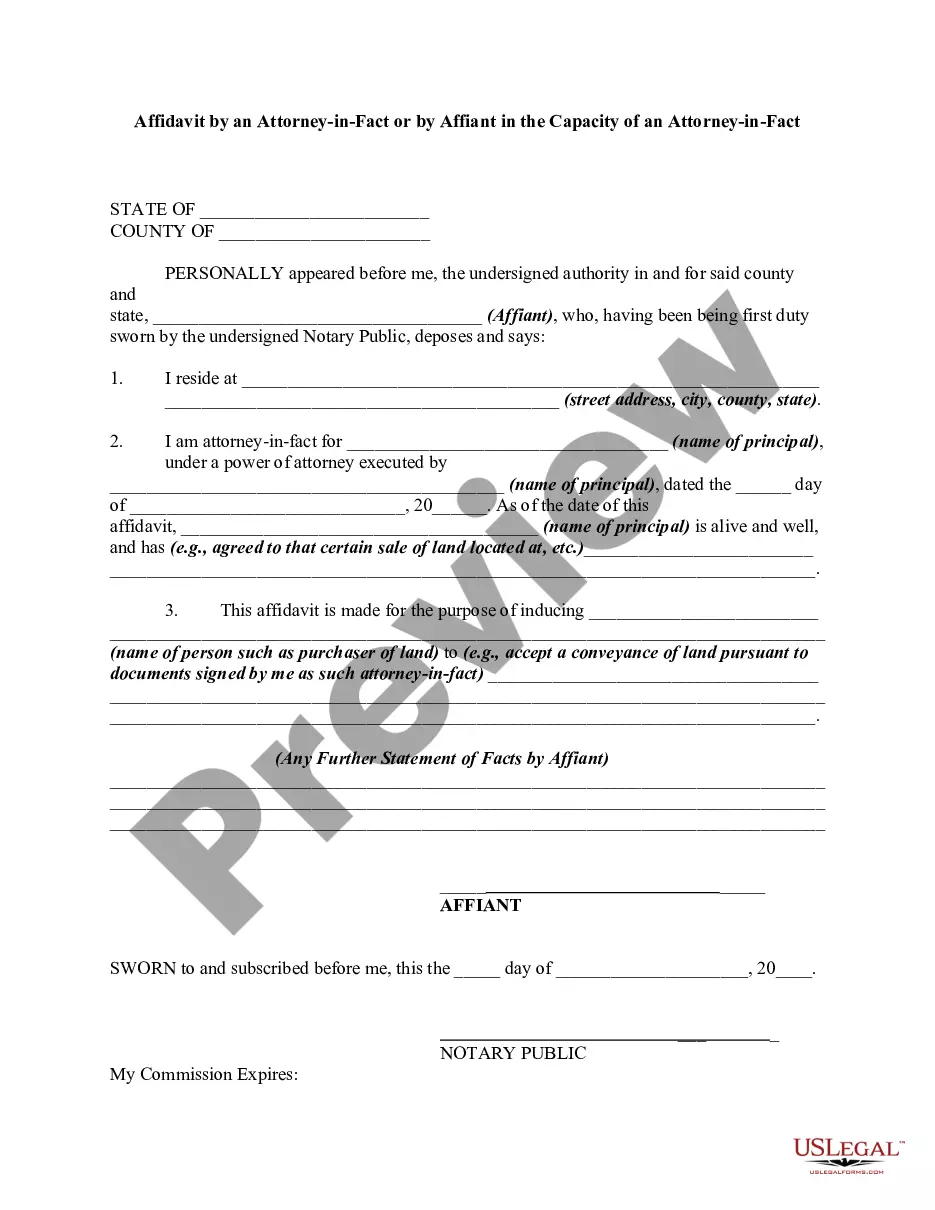
To fill out an affidavit as to power of attorney being in full force, start by clearly stating the names of the principal and the attorney-in-fact. Include specific details about the power of attorney, such as the date it was executed and any limitations on authority. Finally, sign the affidavit in the presence of a notary public to ensure its validity.
An affidavit as power of attorney being in full force is a legal document that confirms the authority of an attorney-in-fact to act on behalf of a principal. This affidavit asserts that the power of attorney remains valid and has not been revoked. It provides a formal statement that is often needed for transactions requiring proof of authority.
An affidavit for power of attorney is a formal document that verifies the existence and validity of a power of attorney. This affidavit acts as a sworn statement, affirming that the designated agent has the authority to act on behalf of the principal. When you use the North Carolina Affidavit of Attorney-in-Fact that Power of Attorney in Full Force, you ensure that your agent's authority is documented and recognized, simplifying interactions with banks and other institutions.
An affidavit of full force and effect is a declaration that confirms a legal document, such as a power of attorney, remains valid and enforceable. This type of affidavit is essential when ensuring that your agent's authority is recognized by third parties. Utilizing the North Carolina Affidavit of Attorney-in-Fact that Power of Attorney in Full Force can provide the necessary assurance that your agent can act on your behalf without complications.
Yes, there is a key difference between a standard power of attorney and a durable power of attorney. A standard POA typically becomes invalid if the principal becomes incapacitated, while a durable POA remains effective even in such circumstances. When you consider the North Carolina Affidavit of Attorney-in-Fact that Power of Attorney in Full Force, it often pertains to durable POAs, ensuring that your agent retains authority to act for you regardless of your mental state.
The main purpose of an affidavit is to provide a sworn statement that serves as legal evidence. It allows individuals to declare facts to a court or other authority, often in support of legal proceedings. For those using the North Carolina Affidavit of Attorney-in-Fact that Power of Attorney in Full Force, it ensures that the appointed agent's powers are recognized and upheld.