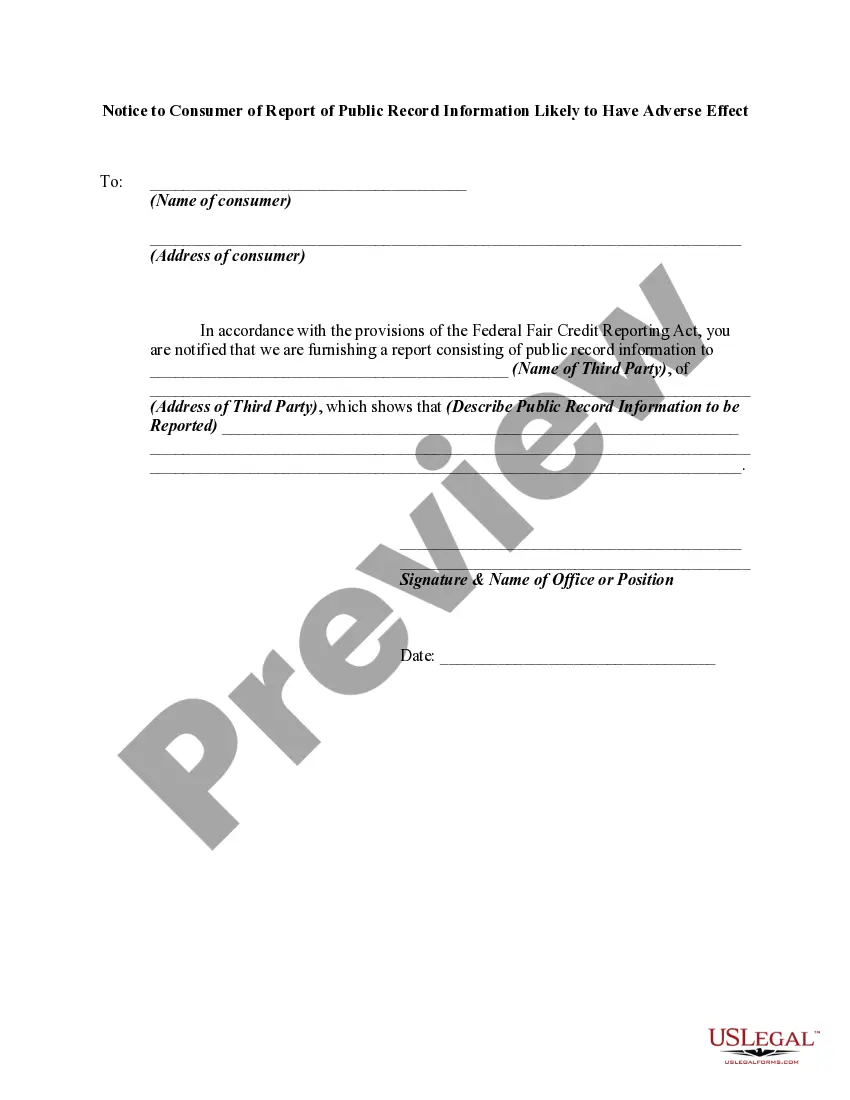
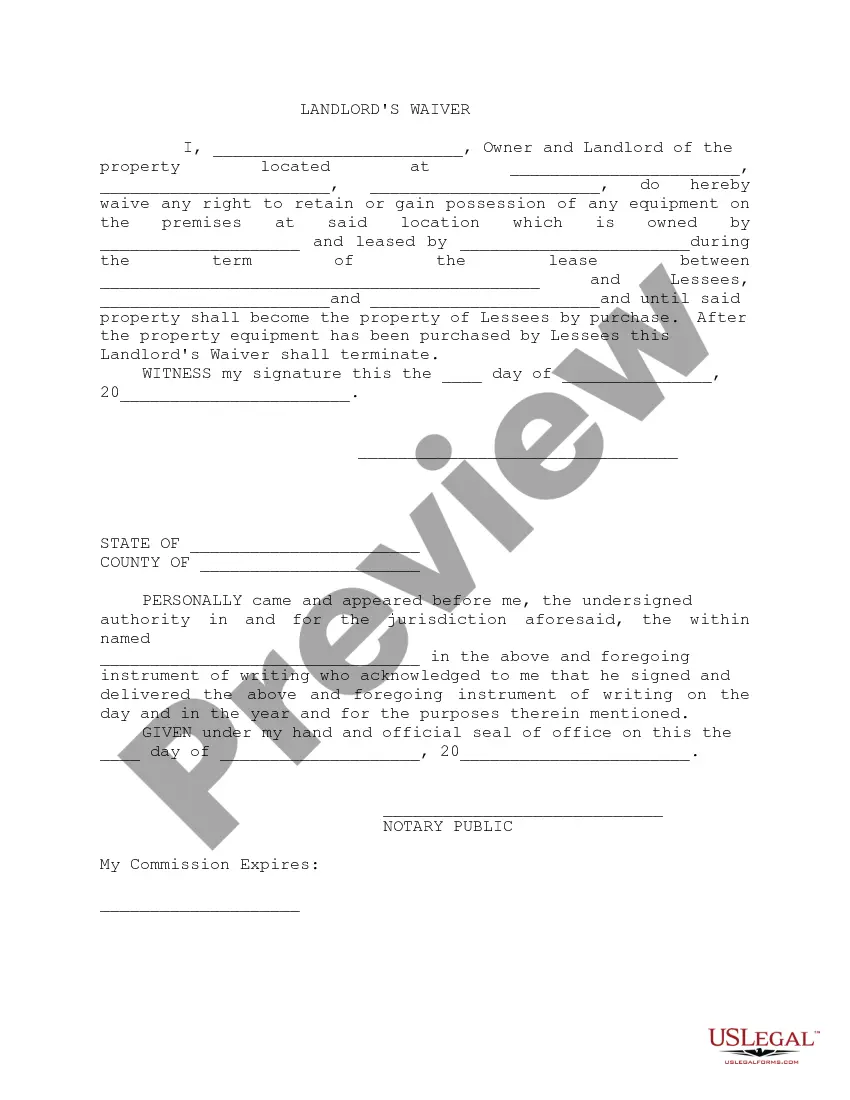
North Carolina Landlord's Waiver of Right to Retain Equipment
Description
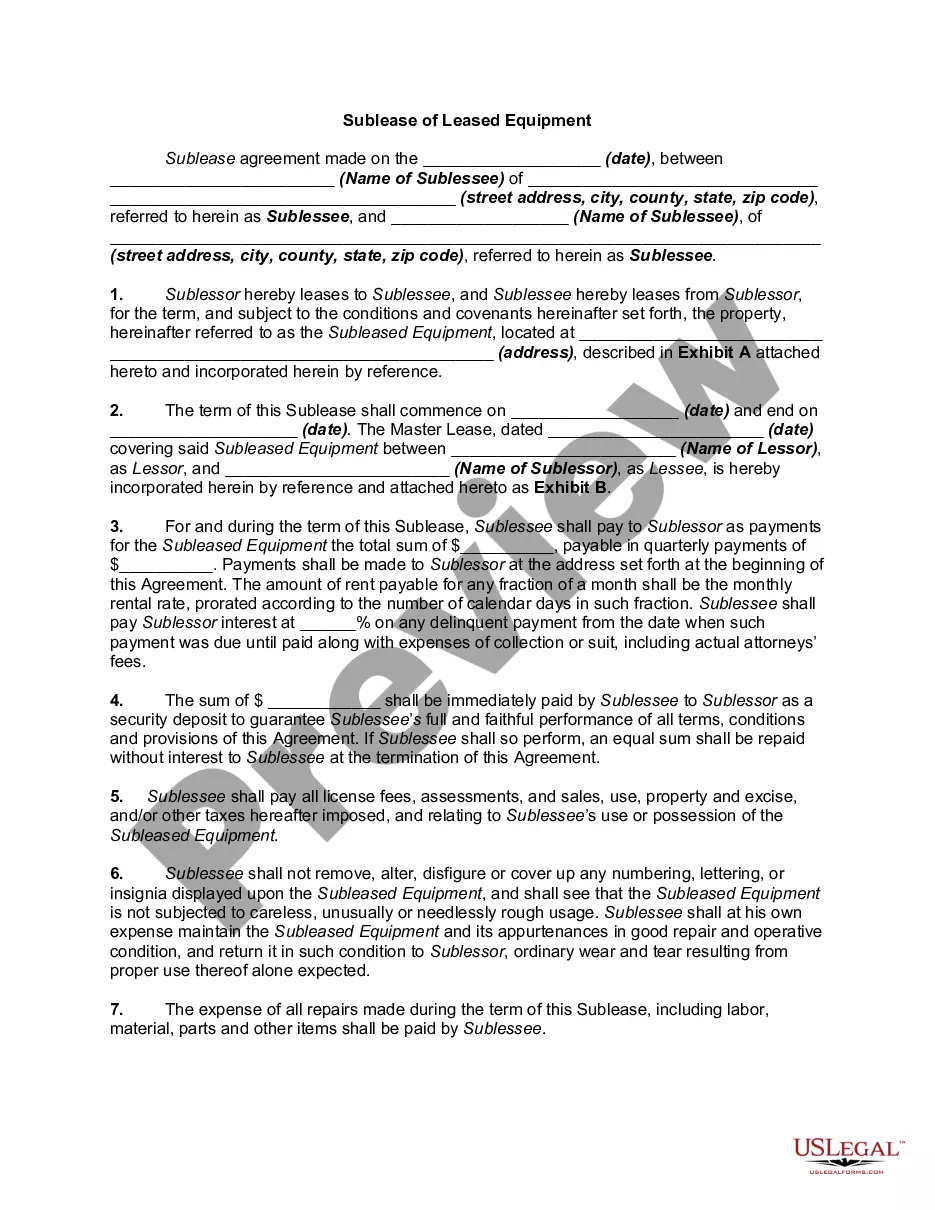
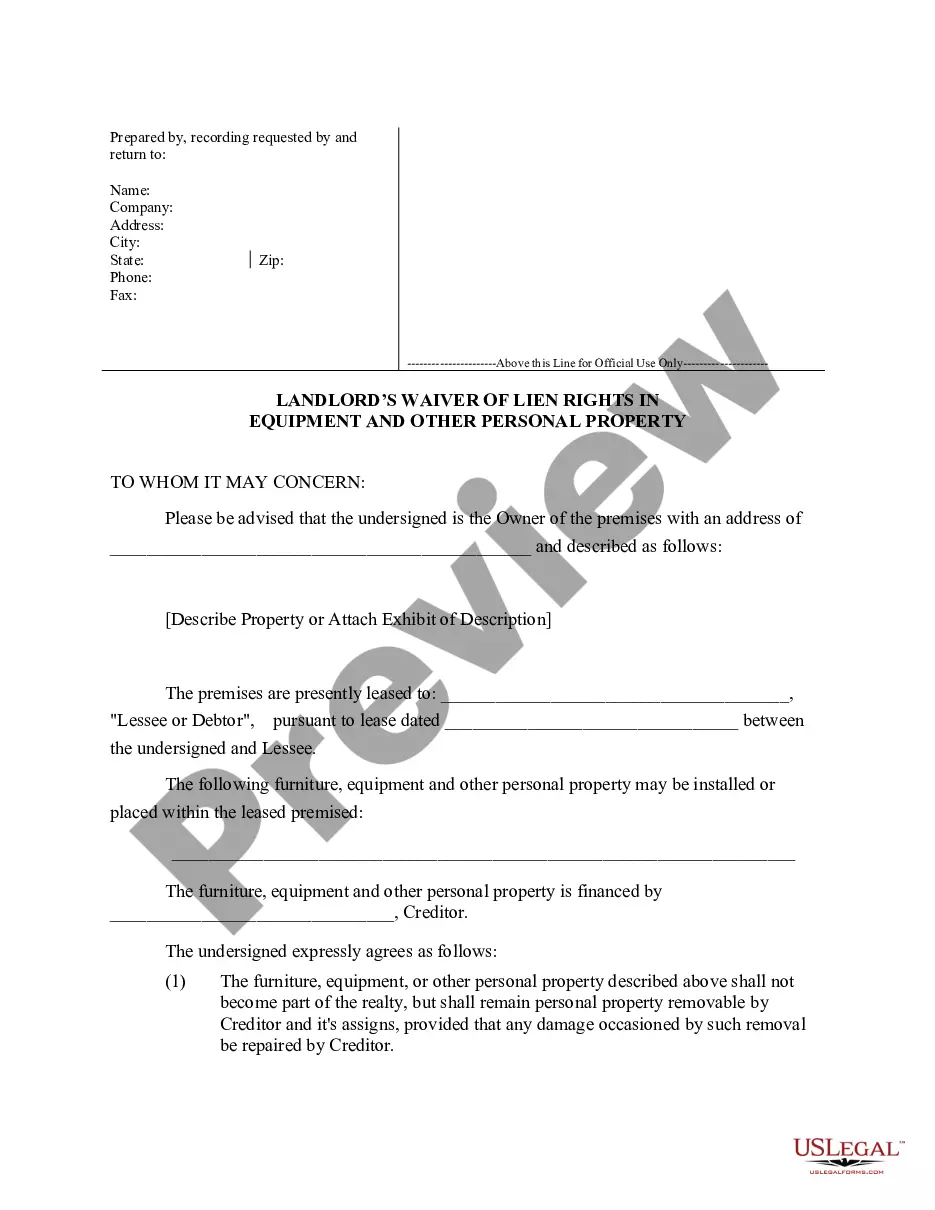
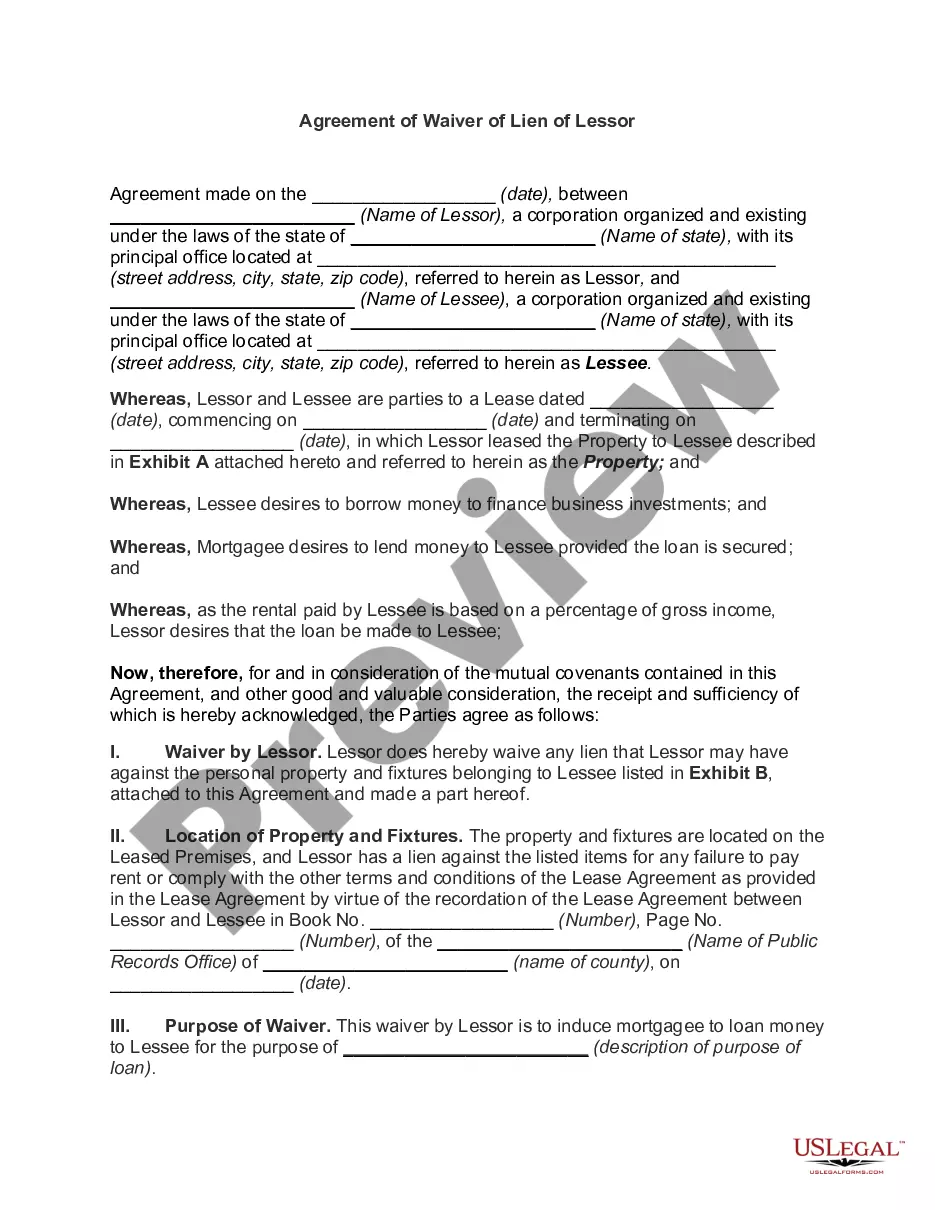
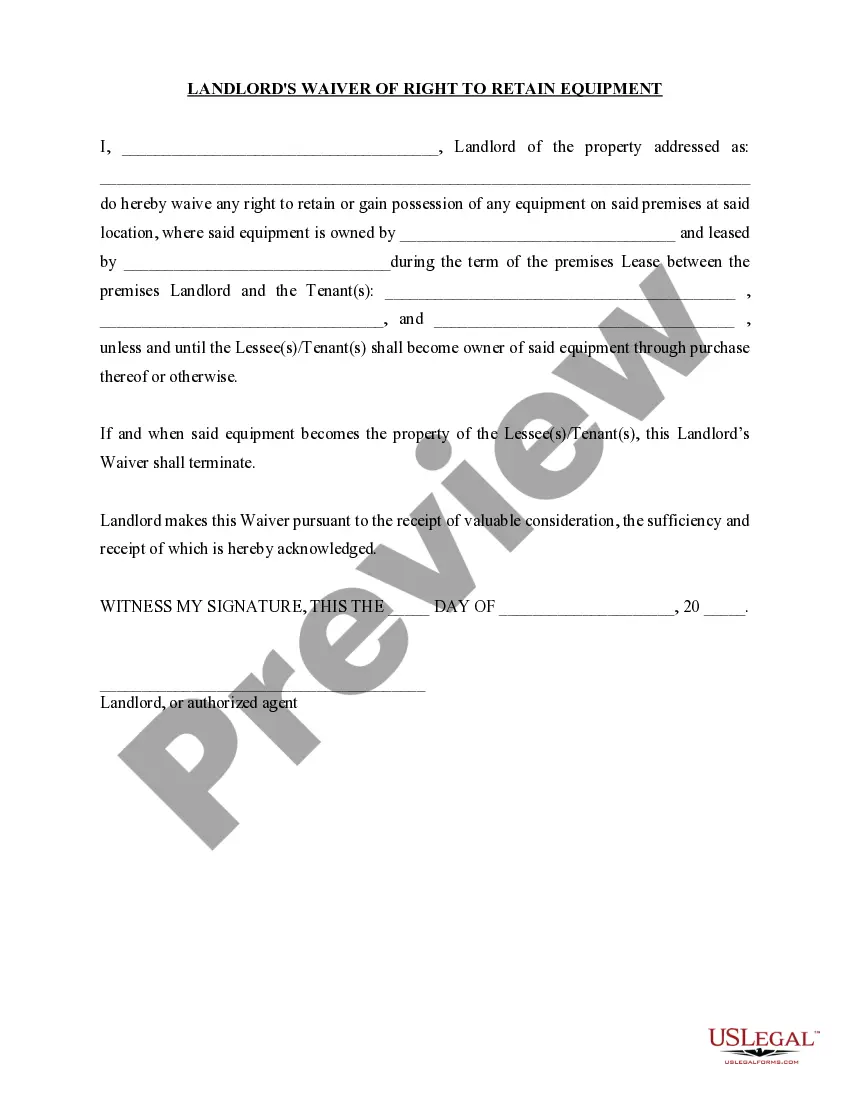
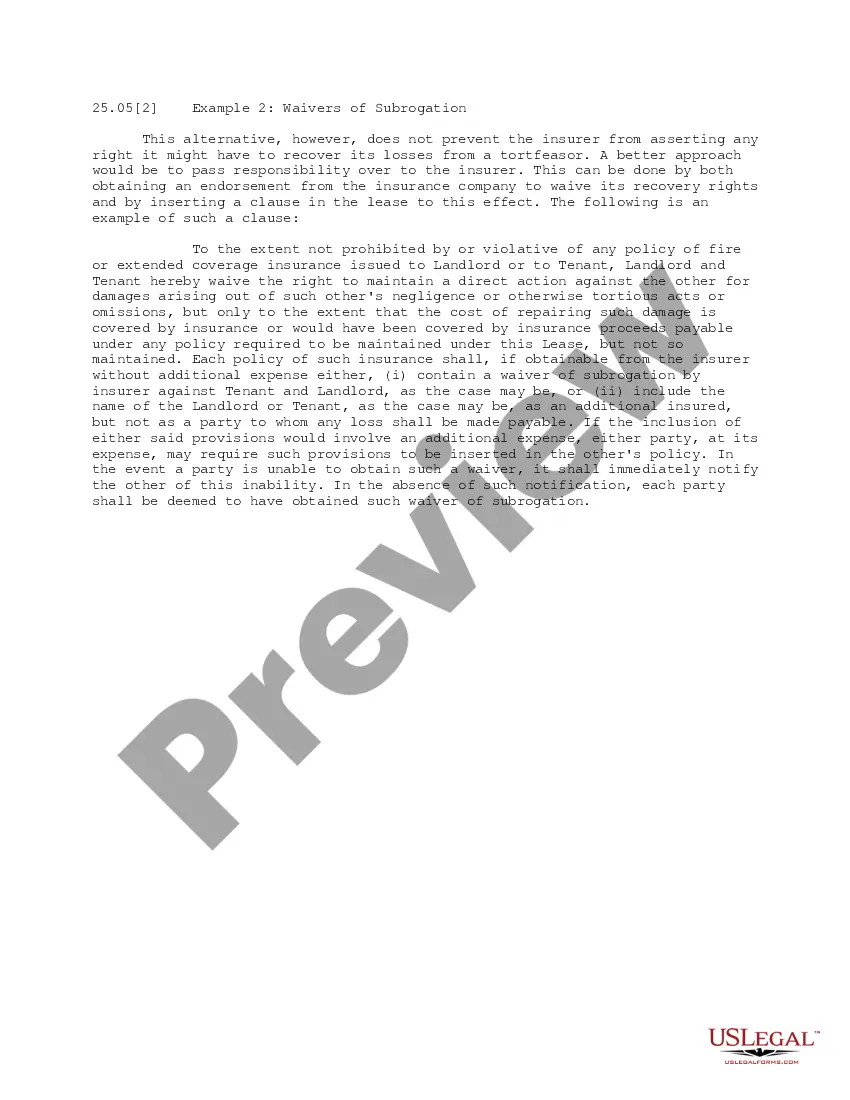
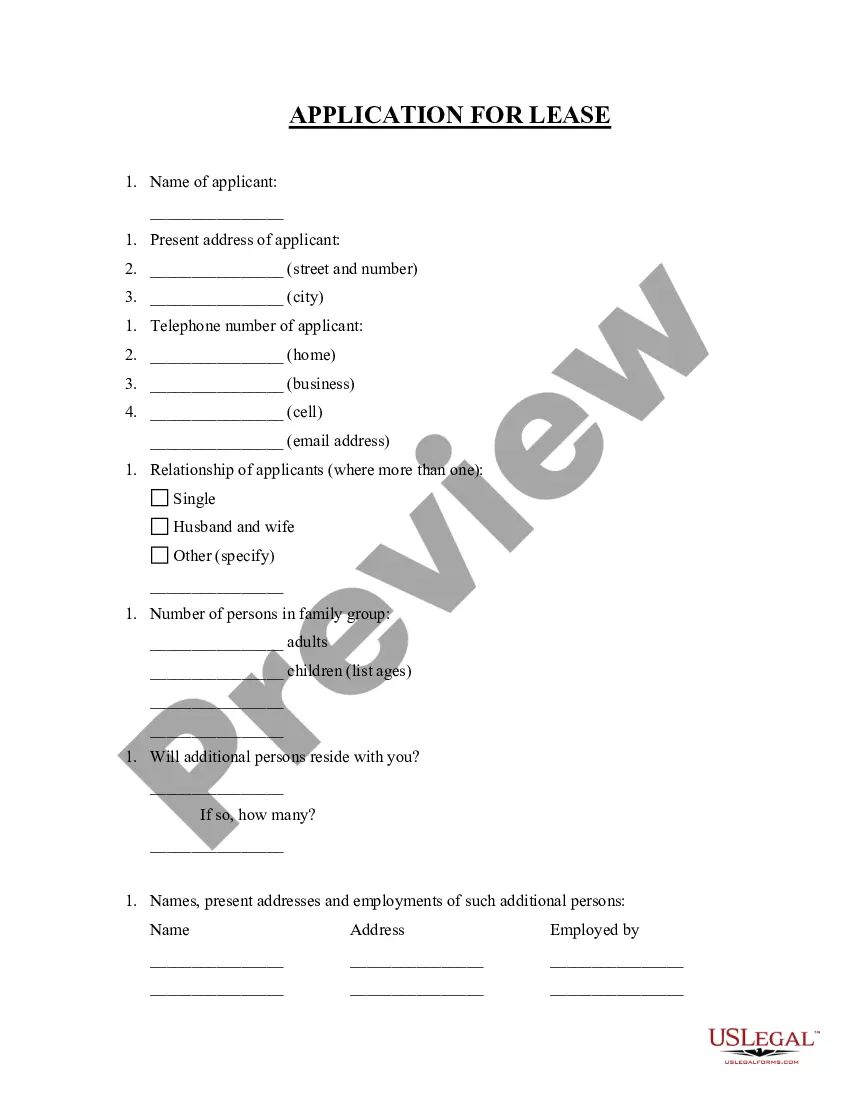
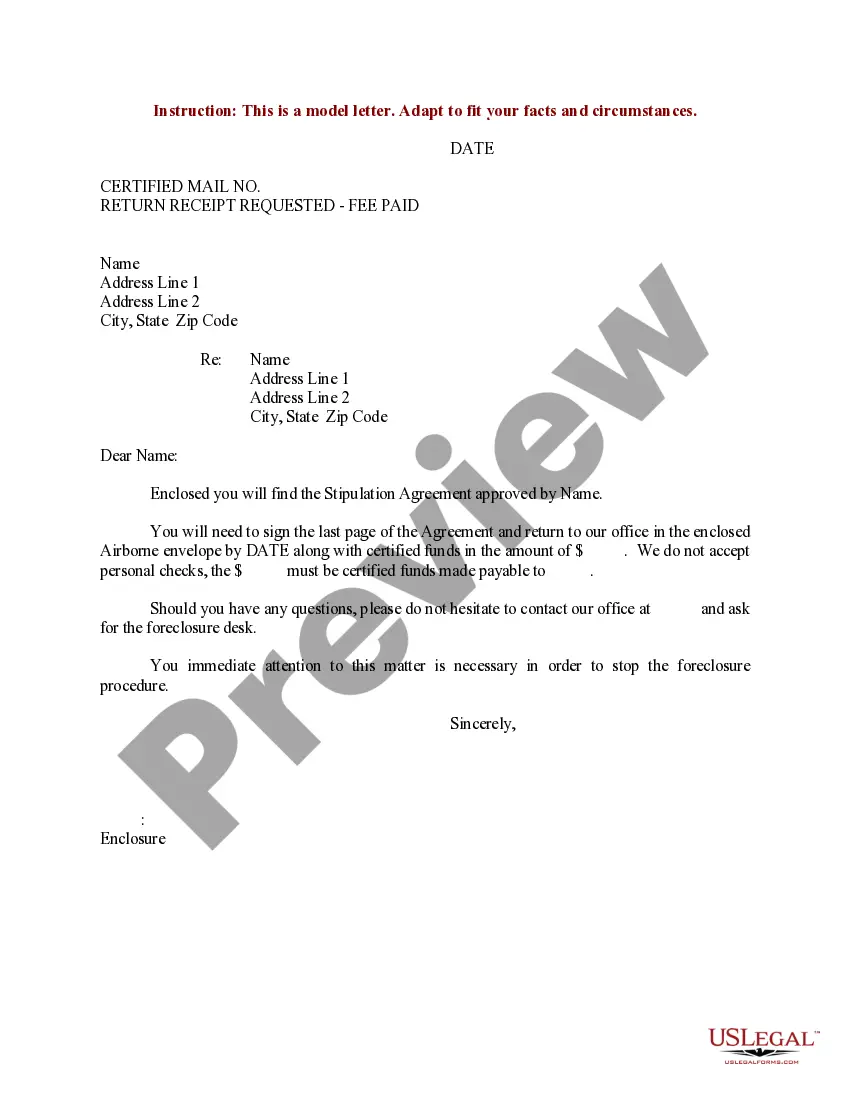
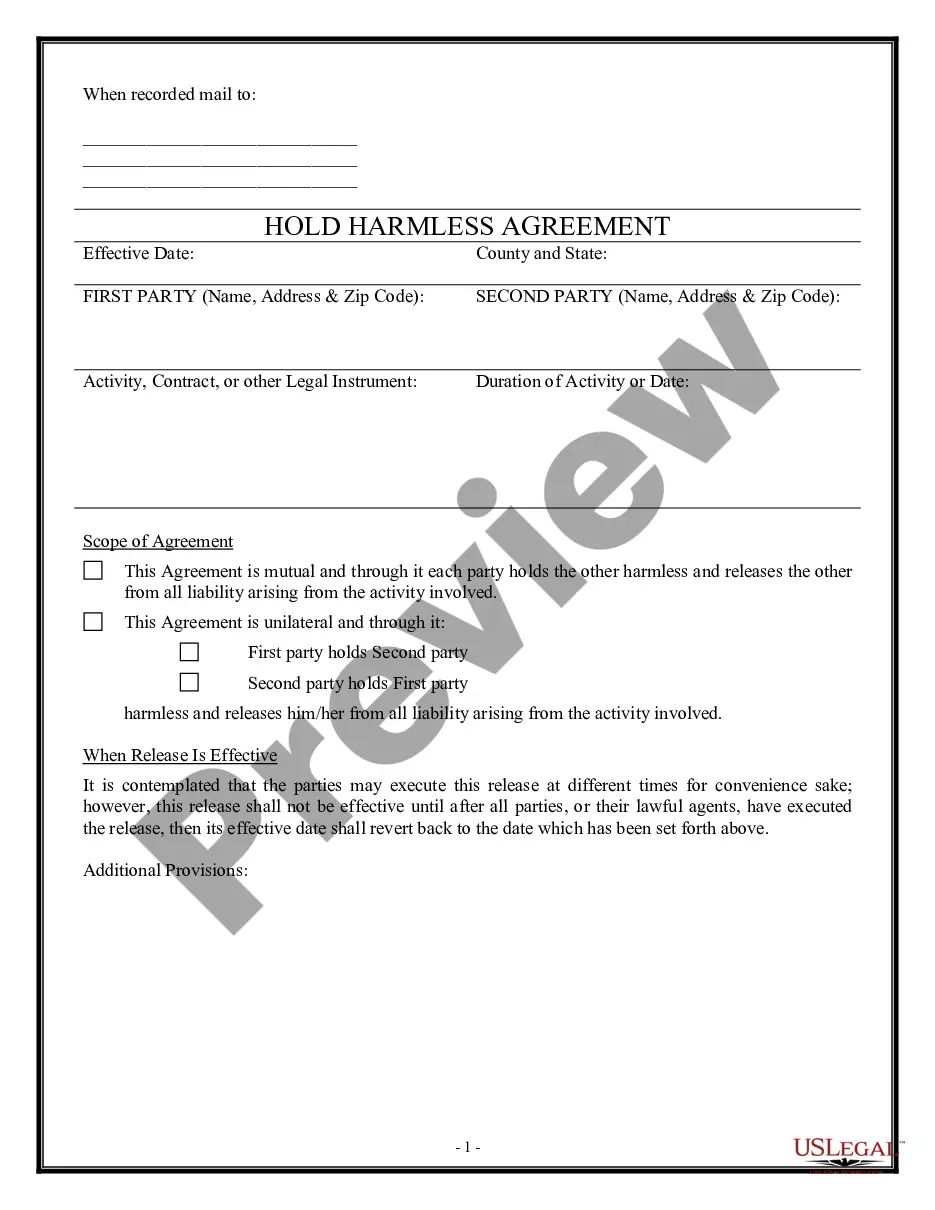
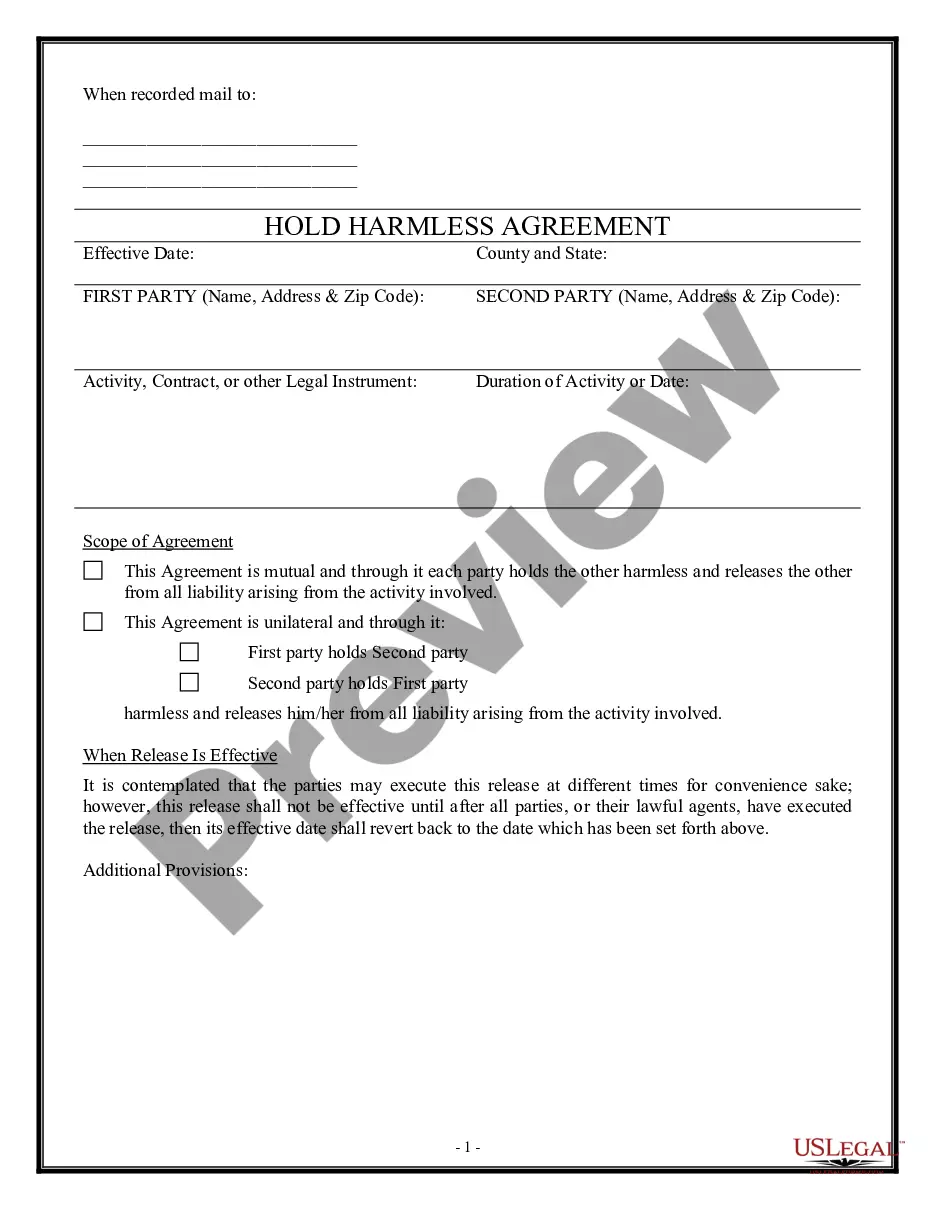
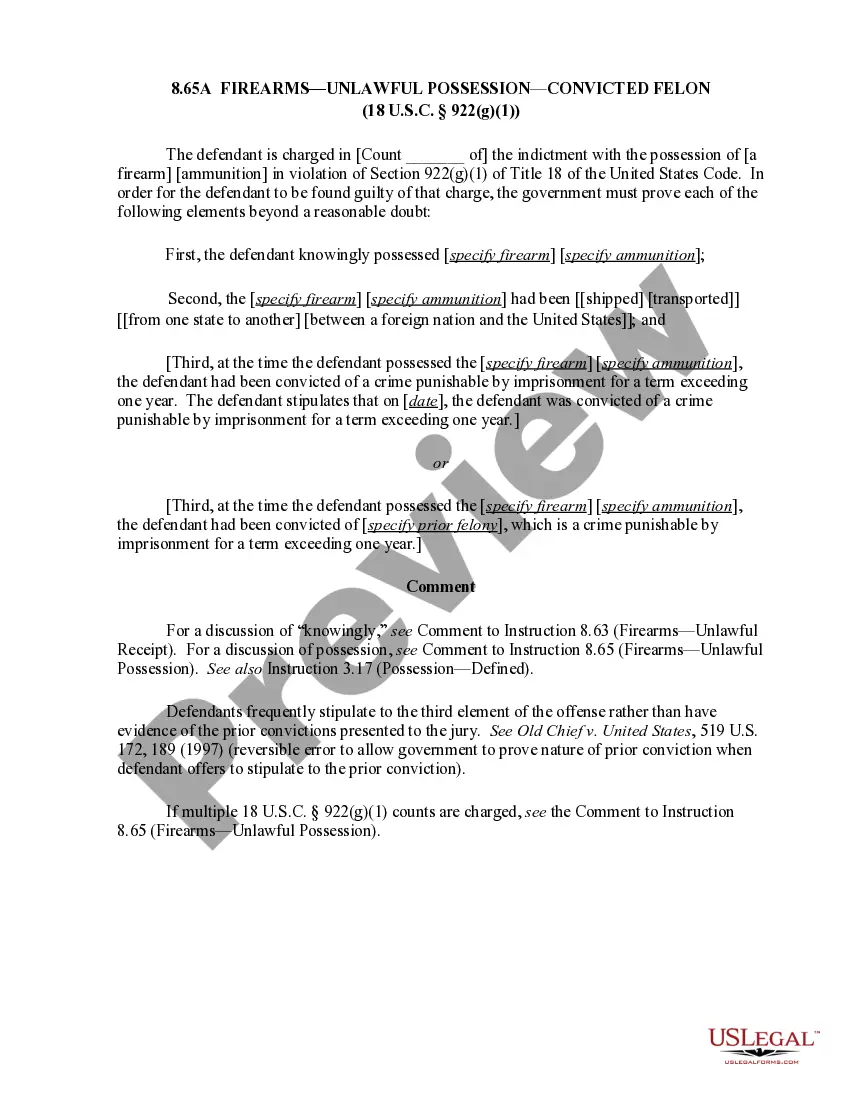
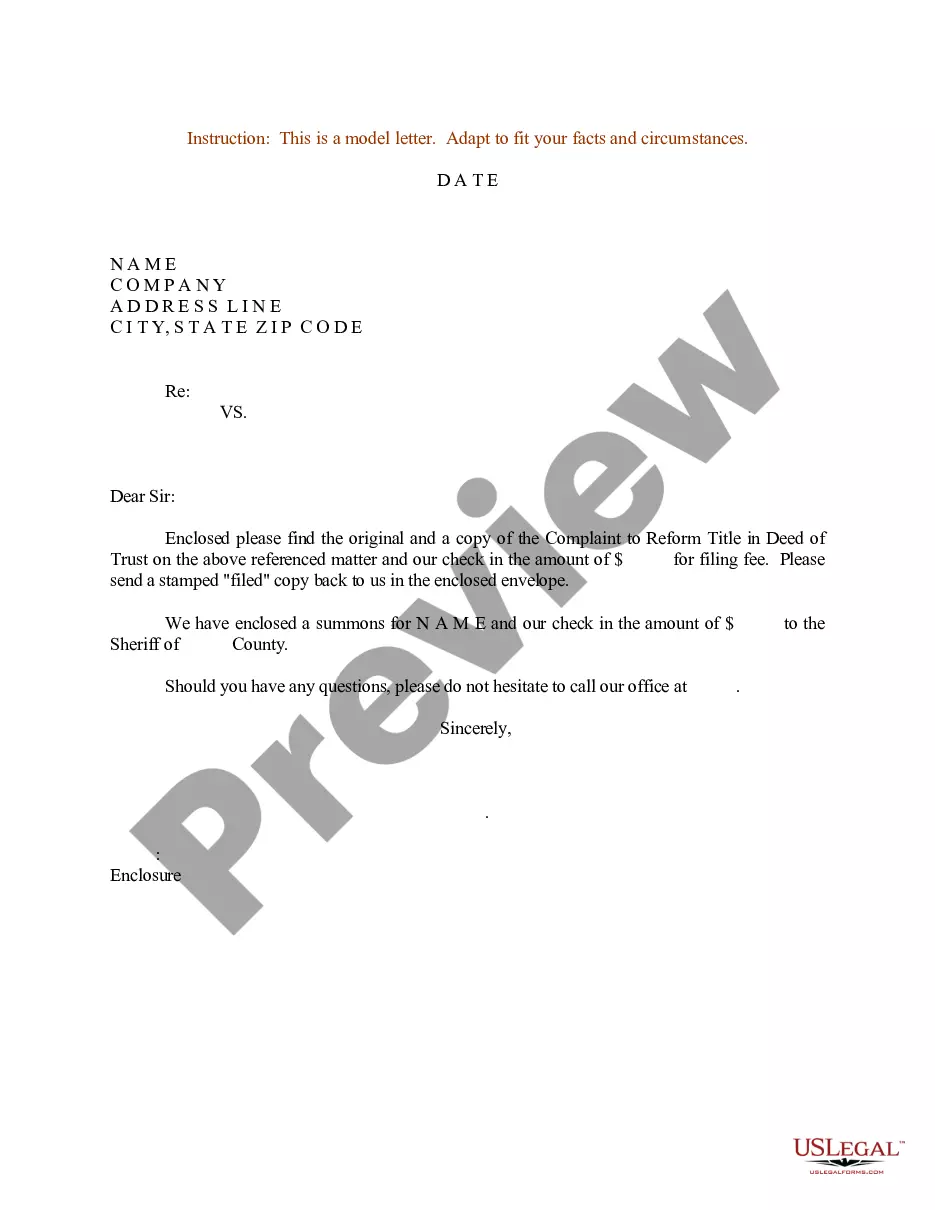
How to fill out Landlord's Waiver Of Right To Retain Equipment?
You can dedicate hours online trying to locate the legal form template that meets the state and federal requirements you need.
US Legal Forms offers thousands of legal documents that have been assessed by experts.
You can download or print the North Carolina Landlord's Waiver of Right to Retain Equipment from the platform.
If available, utilize the Review option to view the form template as well.
- If you already possess a US Legal Forms account, you can sign in and select the Acquire option.
- Afterward, you can complete, modify, print, or sign the North Carolina Landlord's Waiver of Right to Retain Equipment.
- Every legal document template you purchase is yours indefinitely.
- To obtain another copy of a purchased form, visit the My documents tab and click on the relevant option.
- If you are using the US Legal Forms website for the first time, follow the simple instructions below.
- First, ensure that you have selected the correct form template for the area/region that you choose.
- Read the form details to confirm you have chosen the appropriate form.
Form popularity
FAQ
A Writ of Possession in North Carolina gives the county sheriff the authority to remove the tenant out of your rental property. After the Writ of Possession is issued by the court, the sheriff would be required to carry out the eviction seven days after it's issued.
North Carolina law says that your landlord must keep your housing fit and safe. It also says that you, the tenant, must pay your rent, keep your home clean, and not damage your home. To make the law work, both the tenant and the landlord must do their part.
Get legal advice before you pay any money to the landlord after the small claims hearing. There are only three things that can stop an eviction: A court order, a landlord's statement to a deputy on the padlocking date, or a dismissal that is filed with the clerk of court. An appeal does not end an eviction case.
Landlords are not obliged to supply appliances. It's entirely your decision. However, if you do elect to supply white goods, safety is paramount here.
North Carolina law requires landlords to provide tenants with fit and safe housing by making repairs and maintaining rental property in compliance with codes. Your landlord is also required to maintain and repair appliances that the landlord has provided.
By law, landlords must supply a hob and oven, so tenants are able to prepare hot food. Landlords could also provide a dishwasher, although tenants often already own smaller items like microwaves.
Even if the landlord has obtained a possession order by the court, you will have a chance to fight it. If the landlord used a discretionary reason, new evidence might surface to challenge the initial decision of the judge.
A Writ of Possession in North Carolina gives the county sheriff the authority to remove the tenant out of your rental property. After the Writ of Possession is issued by the court, the sheriff would be required to carry out the eviction seven days after it's issued.
Move out process North Carolina laws dictate that a tenant must vacate the property within 5 days once the Writ of Possession is posted or delivered to the sheriff's office. This, along with the 10 days before the Writ is issued allows the tenant a maximum of 15 days to appeal the ruling and vacate the property.
In the past, a landlord may have waived their right to forfeiture if a tenant breached a covenant because that tenant was a 'good payer'. Now this tenant may be not meeting their rent obligations and continuing to breach covenants.