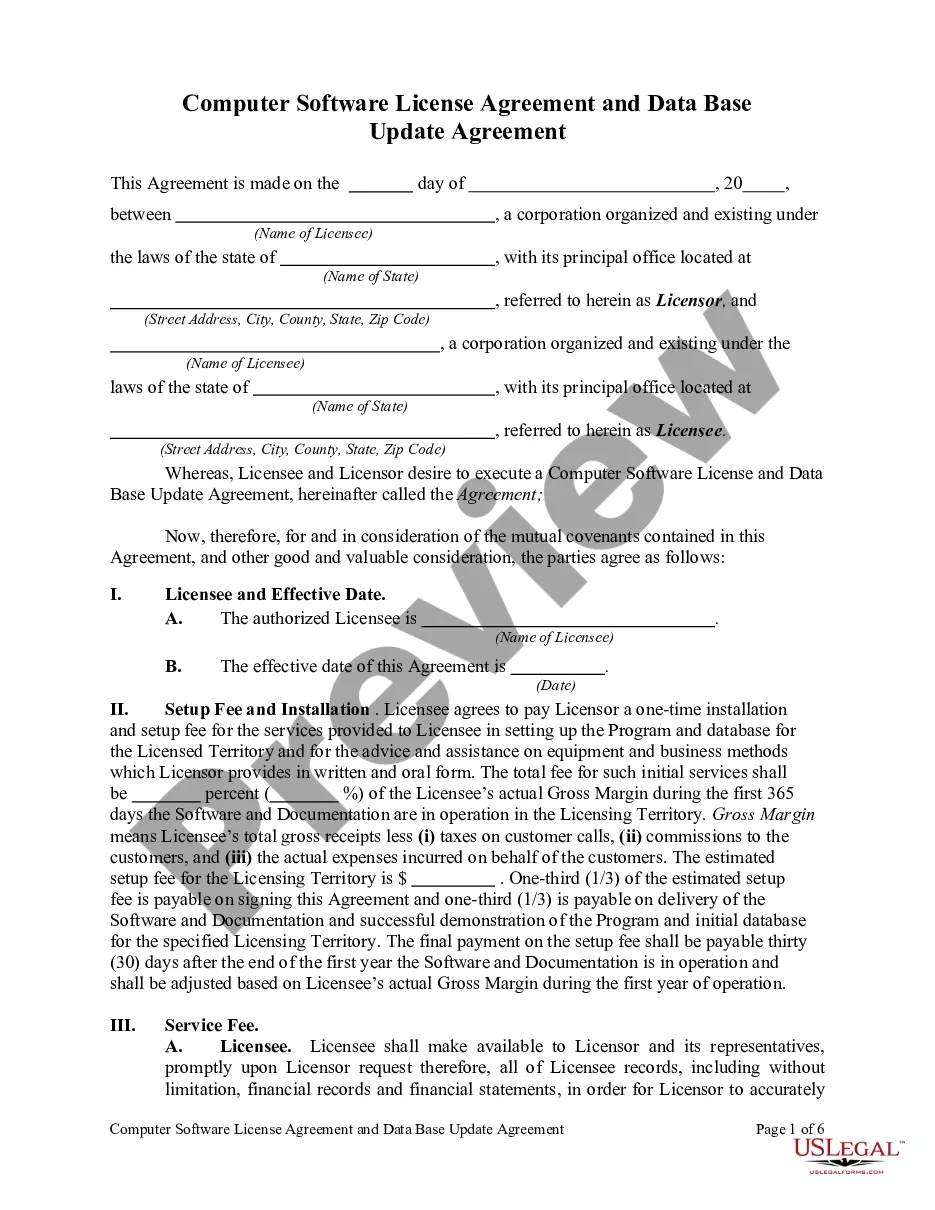
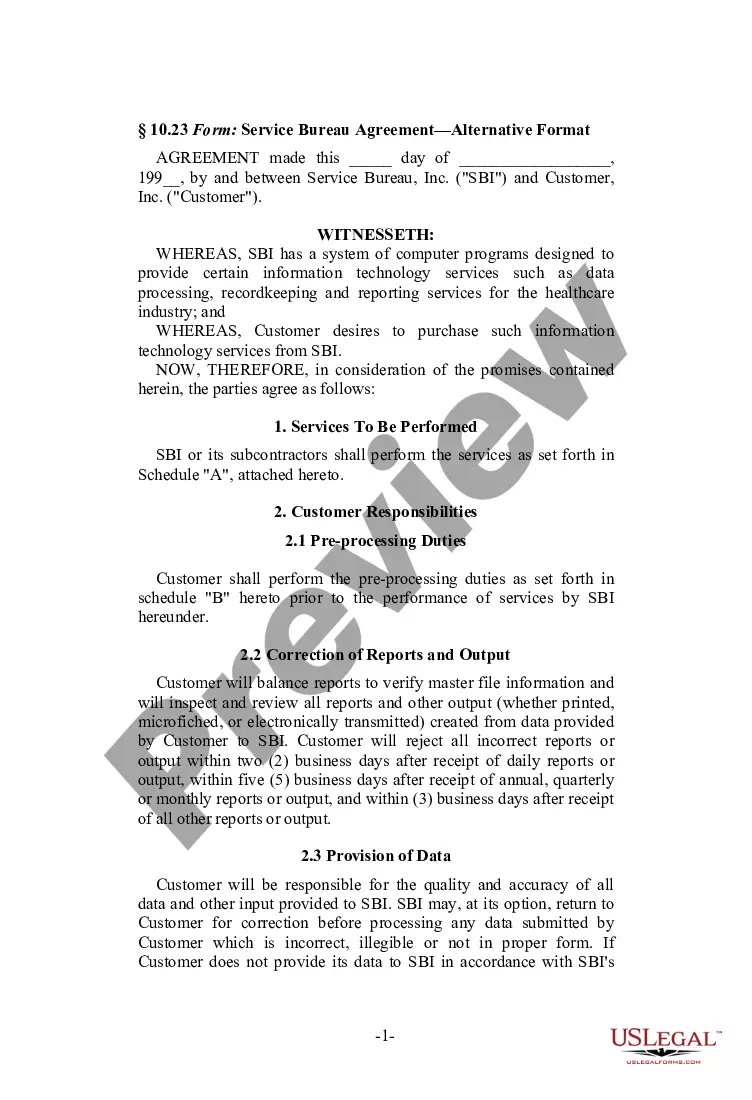
North Carolina Services Bureau Agreement
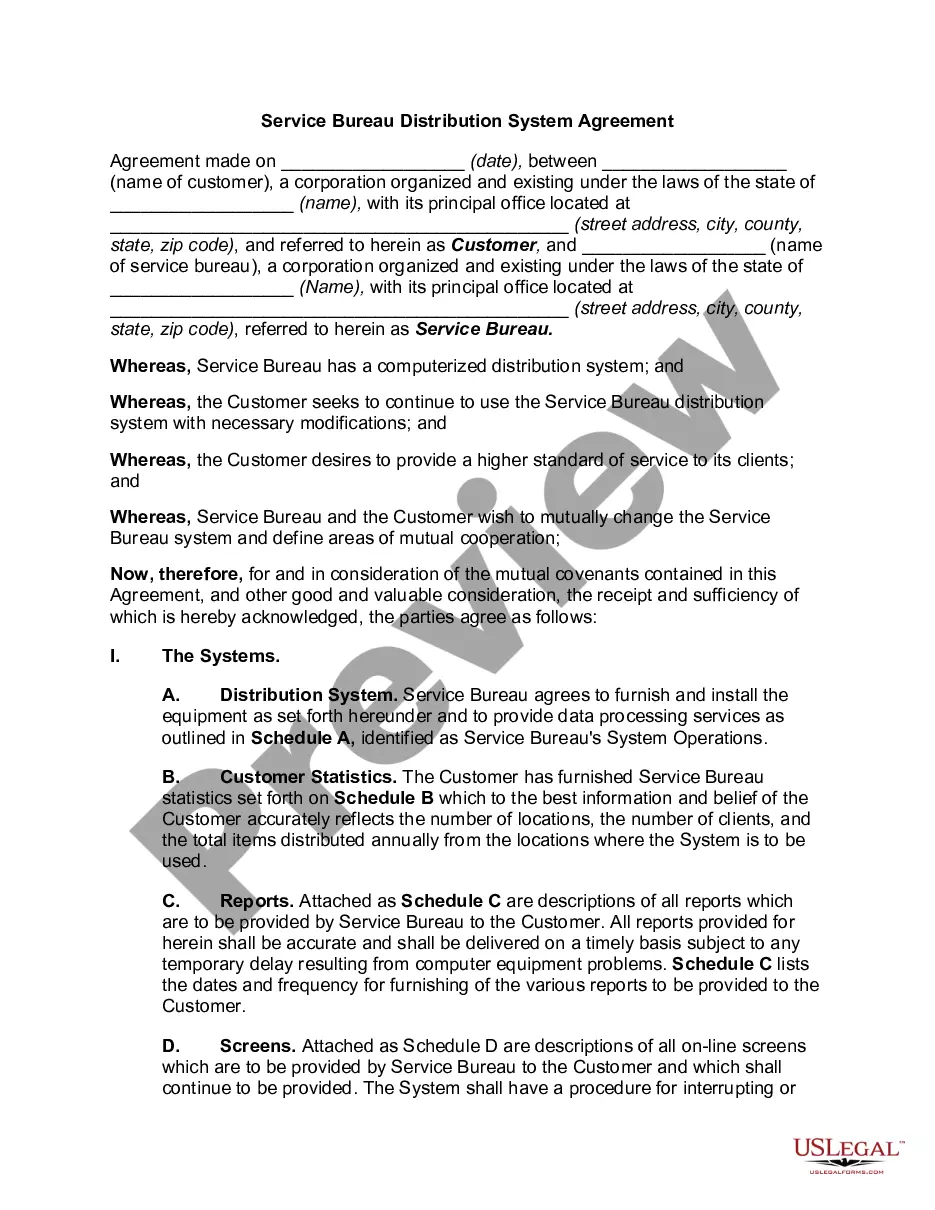
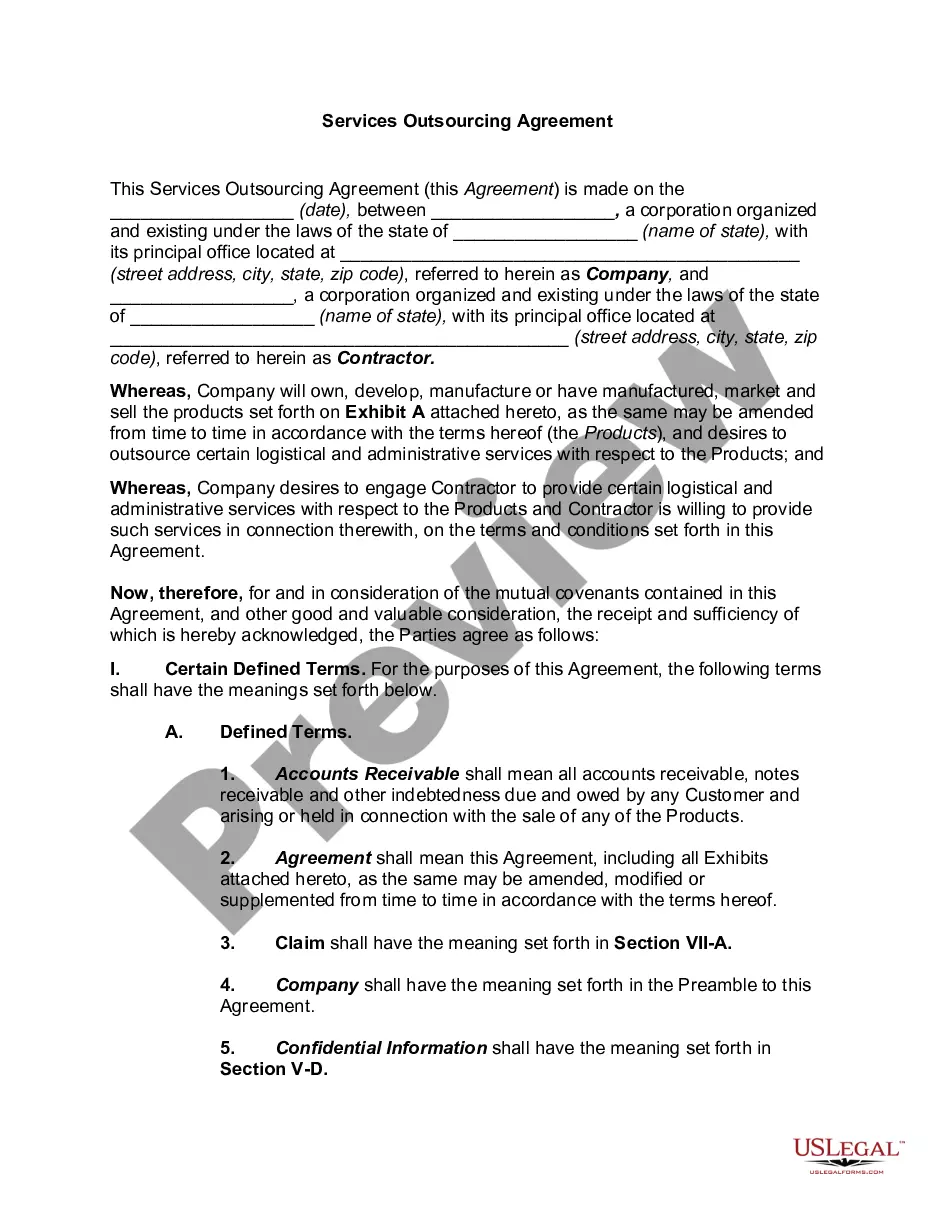
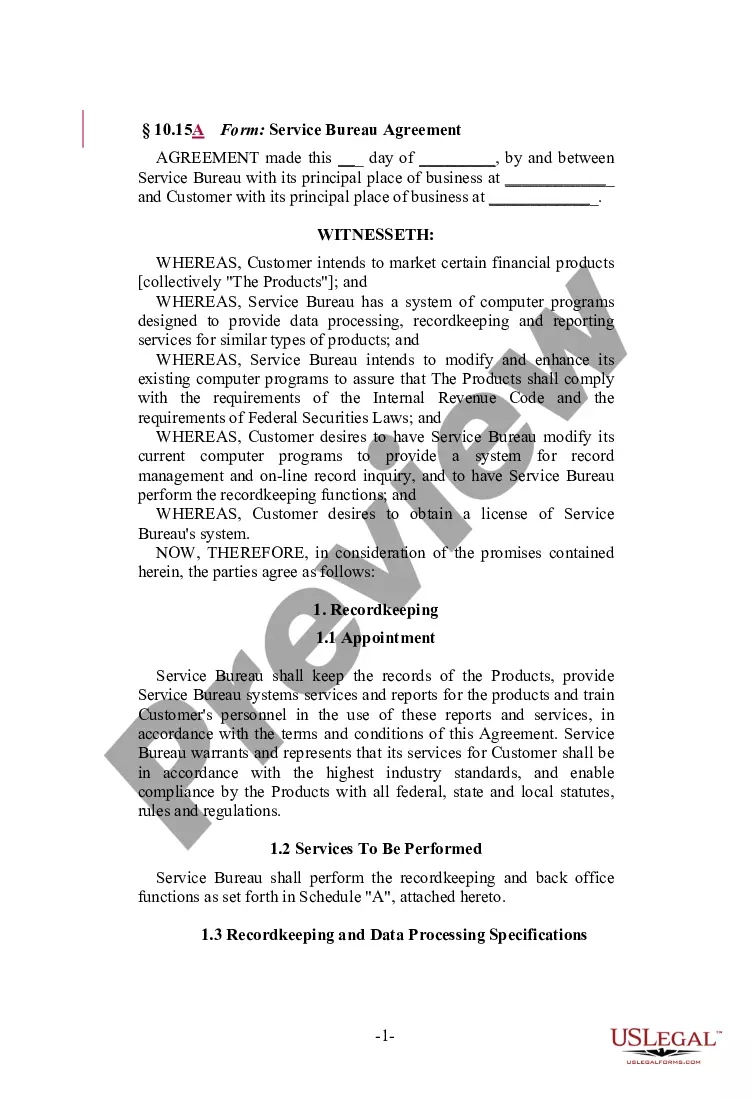
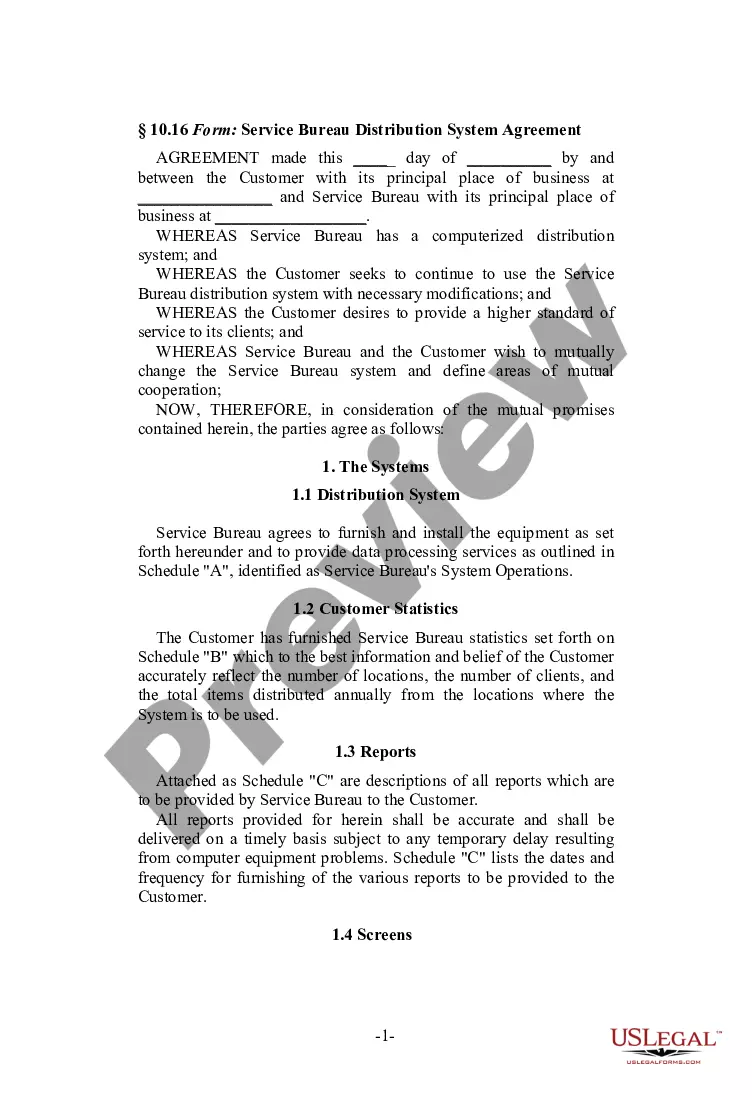
Description




Get your form ready online
Our built-in tools help you complete, sign, share, and store your documents in one place.
Make edits, fill in missing information, and update formatting in US Legal Forms—just like you would in MS Word.
Download a copy, print it, send it by email, or mail it via USPS—whatever works best for your next step.
Sign and collect signatures with our SignNow integration. Send to multiple recipients, set reminders, and more. Go Premium to unlock E-Sign.
If this form requires notarization, complete it online through a secure video call—no need to meet a notary in person or wait for an appointment.
We protect your documents and personal data by following strict security and privacy standards.

Make edits, fill in missing information, and update formatting in US Legal Forms—just like you would in MS Word.

Download a copy, print it, send it by email, or mail it via USPS—whatever works best for your next step.

Sign and collect signatures with our SignNow integration. Send to multiple recipients, set reminders, and more. Go Premium to unlock E-Sign.

If this form requires notarization, complete it online through a secure video call—no need to meet a notary in person or wait for an appointment.

We protect your documents and personal data by following strict security and privacy standards.
Looking for another form?

How to fill out Services Bureau Agreement?
Selecting the finest legal document website template may prove to be challenging.
Certainly, there is an array of designs available online, but how do you obtain the legal form that suits your needs.
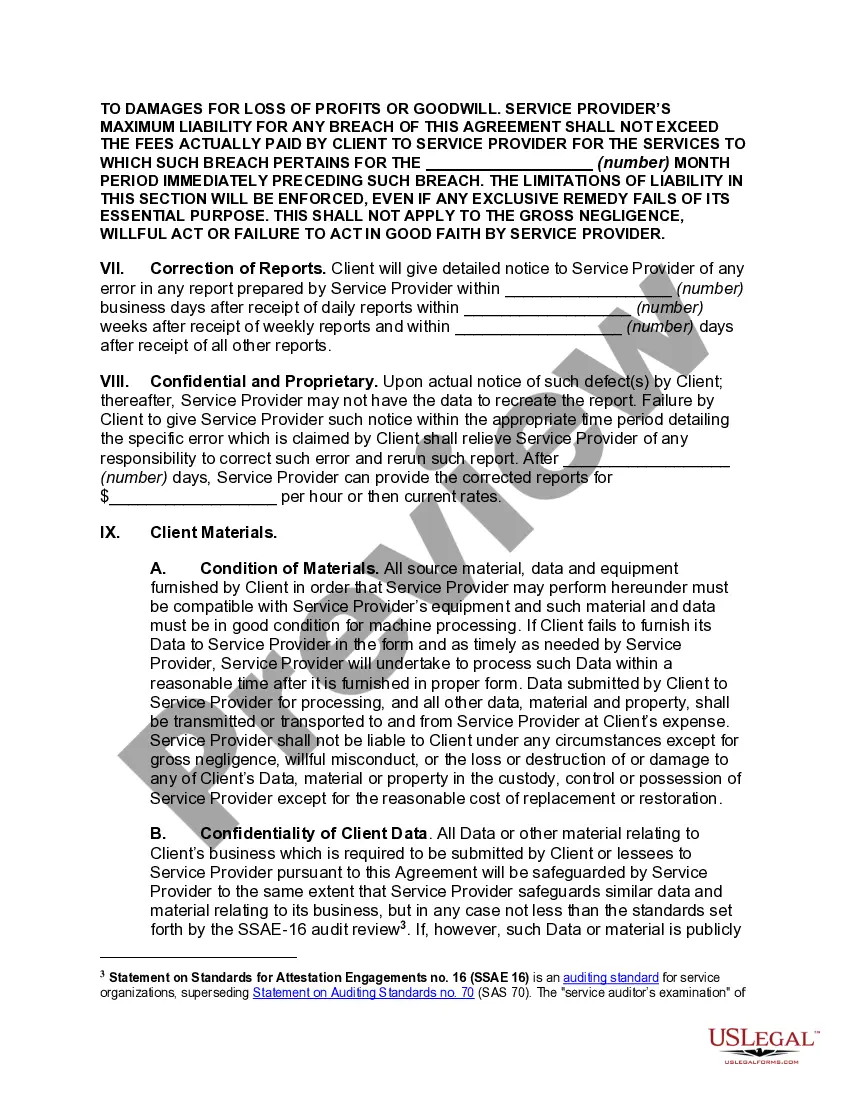
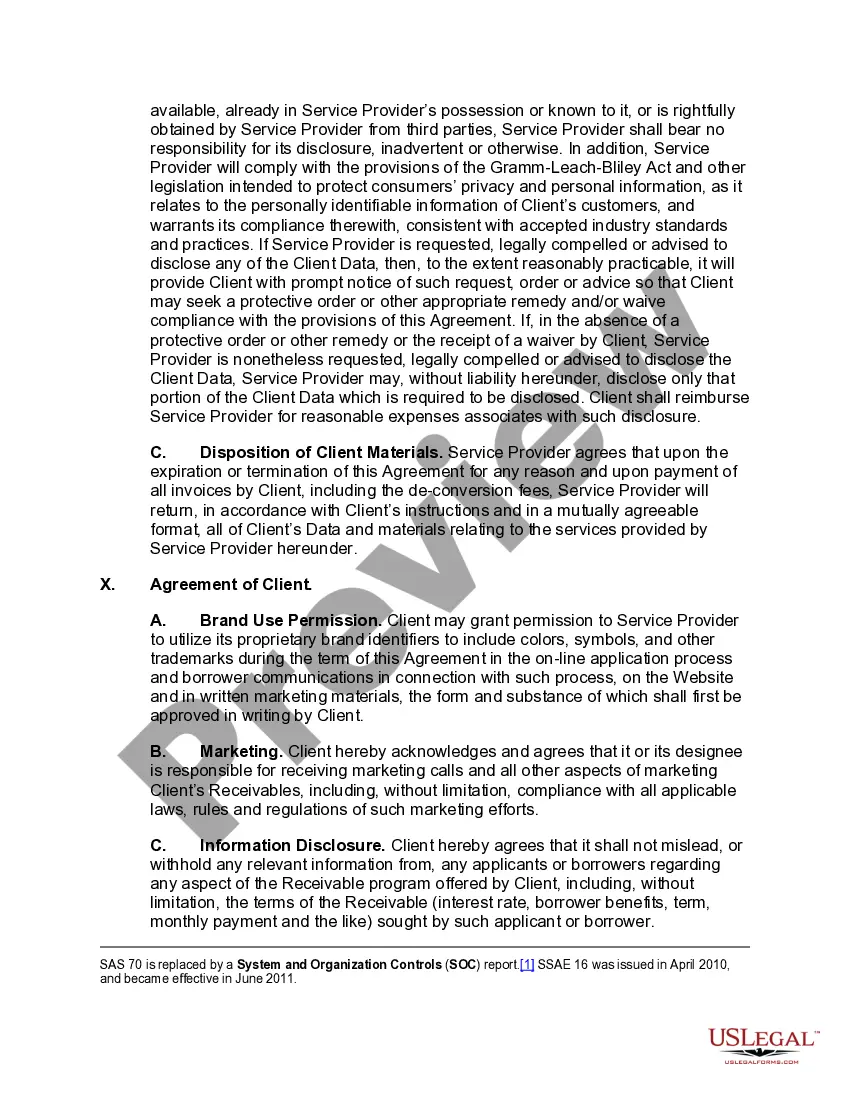
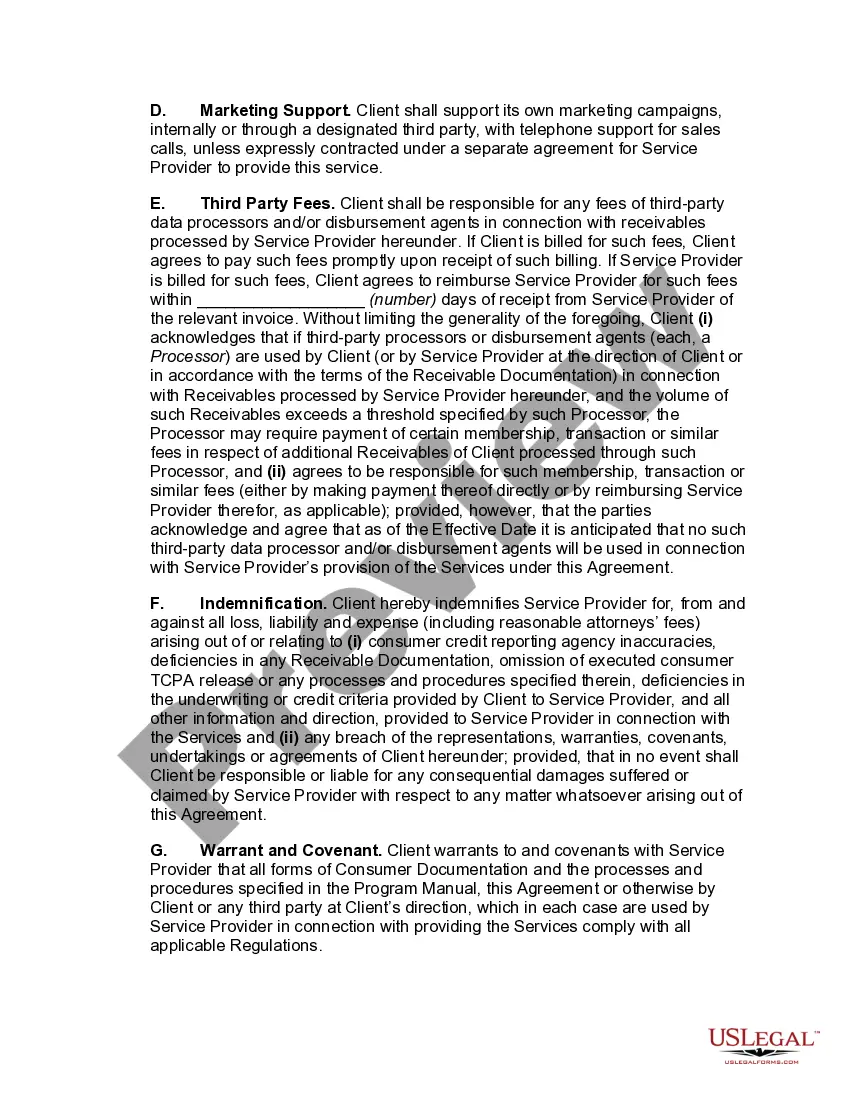
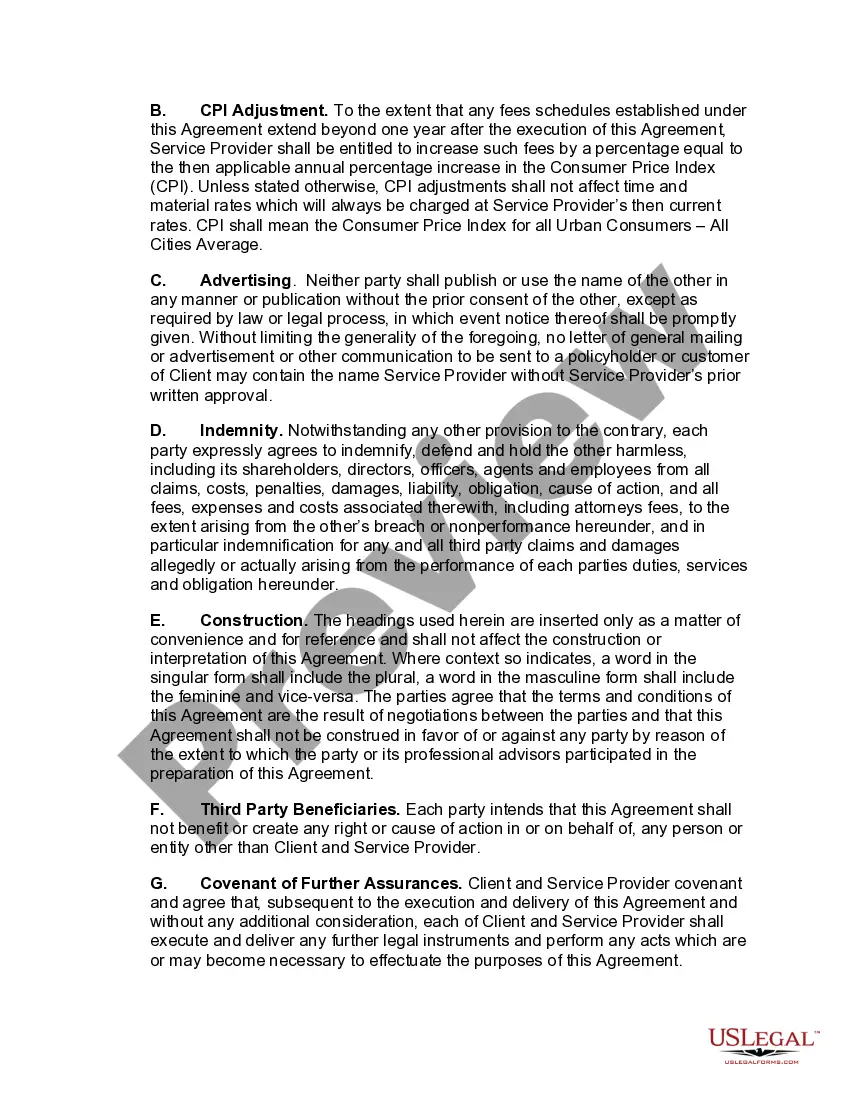
Utilize the US Legal Forms website. This platform offers thousands of templates, including the North Carolina Services Bureau Agreement, which can be utilized for both business and personal purposes.
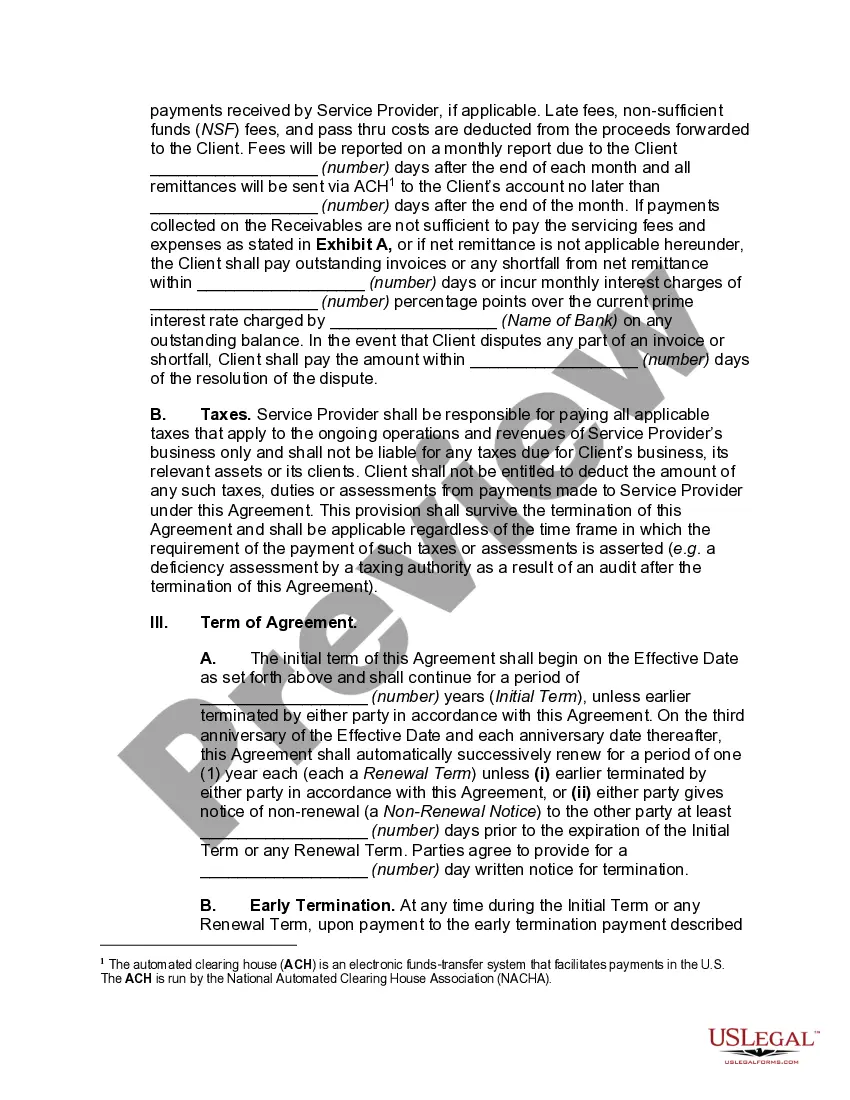
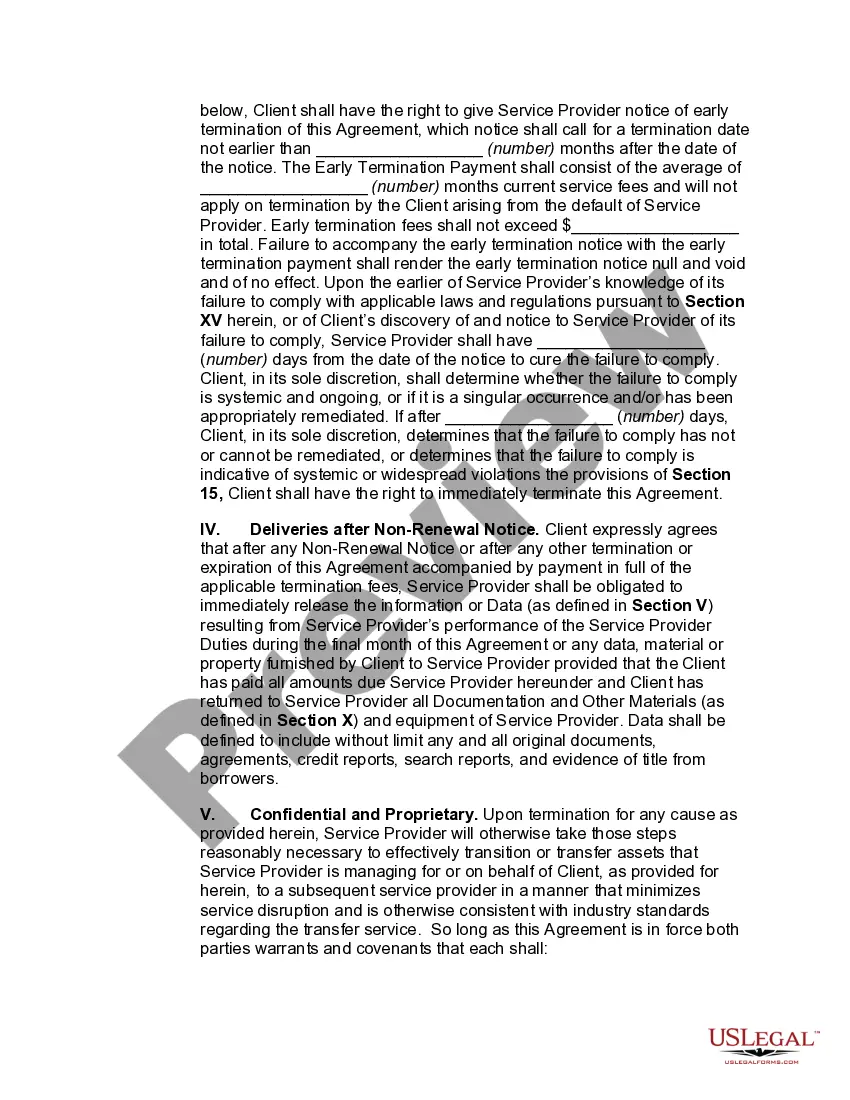
You can view the document using the Preview button and review the document details to confirm it is suitable for your needs.
- All the forms are reviewed by professionals and comply with federal and state regulations.
- If you are already registered, Log In to your account and click on the Download button to access the North Carolina Services Bureau Agreement.
- Use your account to browse the legal forms you have previously procured.
- Go to the My documents section of your account to obtain another copy of the document you require.
- If you are a new user of US Legal Forms, here are some simple steps to follow.
- First, ensure that you have selected the appropriate form for your jurisdiction/state.
Form popularity
FAQ
In every valid contract, offer, acceptance and consideration are vital aspects.
In North Carolina a contract is assignable unless there is a restriction and the standard NC residential real estate contract provides that restriction it restricts the assignment unless all parties agree (paragraph 22).
Definition. An agreement between private parties creating mutual obligations enforceable by law. The basic elements required for the agreement to be a legally enforceable contract are: mutual assent, expressed by a valid offer and acceptance; adequate consideration; capacity; and legality.
North Carolina Contract Law However, under certain circumstances that fall within the statute of frauds, a contract must be in writing to be enforceable. Such circumstances include: A contract for the sale of goods for $500 or more, A promise that cannot be performed within one year from the date of the agreement, or.
The department oversees government operations such as building construction, purchasing and contracting for goods and services, maintaining facilities and grounds, managing state vehicles, acquiring and disposing of real property, and operating services such as courier mail delivery and the sale of surplus property.
In order to have a valid contract in North Carolina, there must be an offer, an acceptance, along with consideration. The parties must also have the capacity to enter into the contract.
By statute, North Carolina allows one party to delegate- or assign- its obligations to perform some service under a contract to another party unless the contract prohibits assignment, or unless the non-assigning party has some substantial interest in having the originally obligated party perform the work themselves.
An assignment of contract occurs when one party to an existing contract (the "assignor") hands off the contract's obligations and benefits to another party (the "assignee"). Ideally, the assignor wants the assignee to step into his shoes and assume all of his contractual obligations and rights.
Generally, to be legally valid, most contracts must contain two elements: All parties must agree about an offer made by one party and accepted by the other. Something of value must be exchanged for something else of value. This can include goods, cash, services, or a pledge to exchange these items.
Contracts can usually be "assigned" to another party, so long as that party agrees to uphold your end of the bargain. However, some contracts prohibit assignment. When you draft a contract, consider whether you would like the right to assign it to someone else.