North Carolina Sale of Unit by Co-operative Housing Corporation
Description
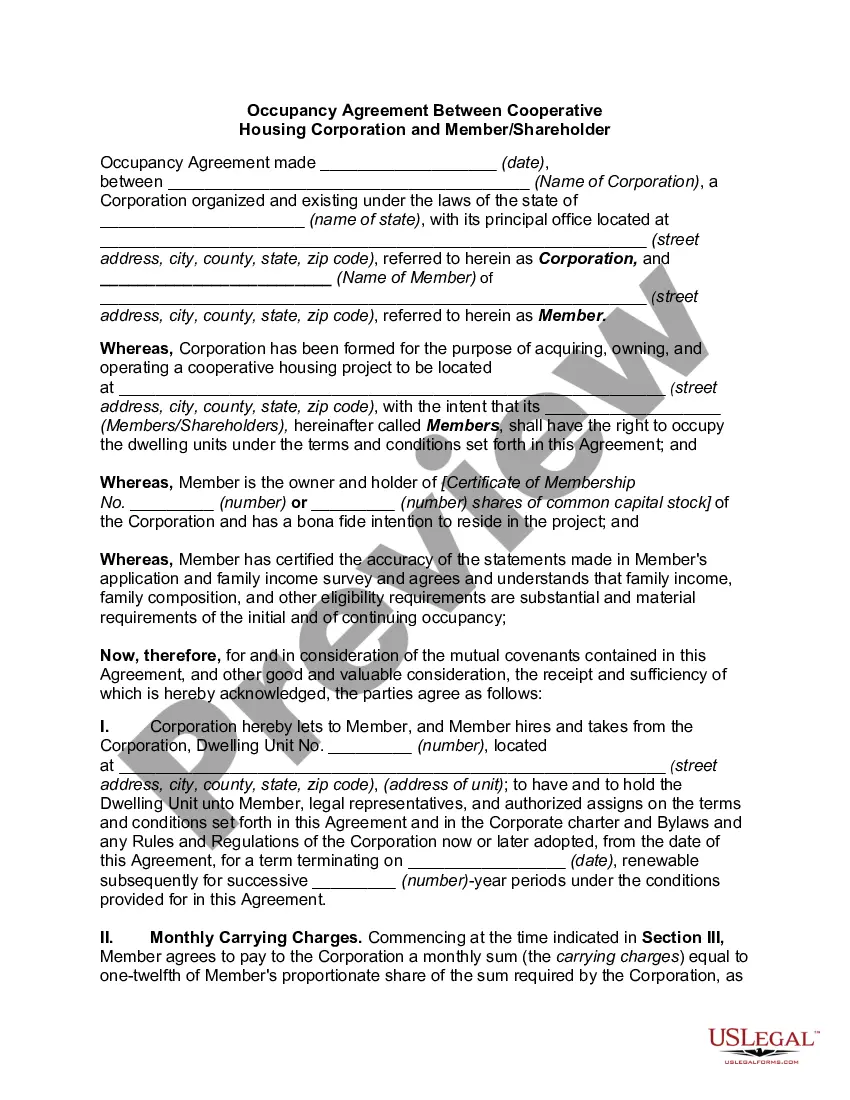
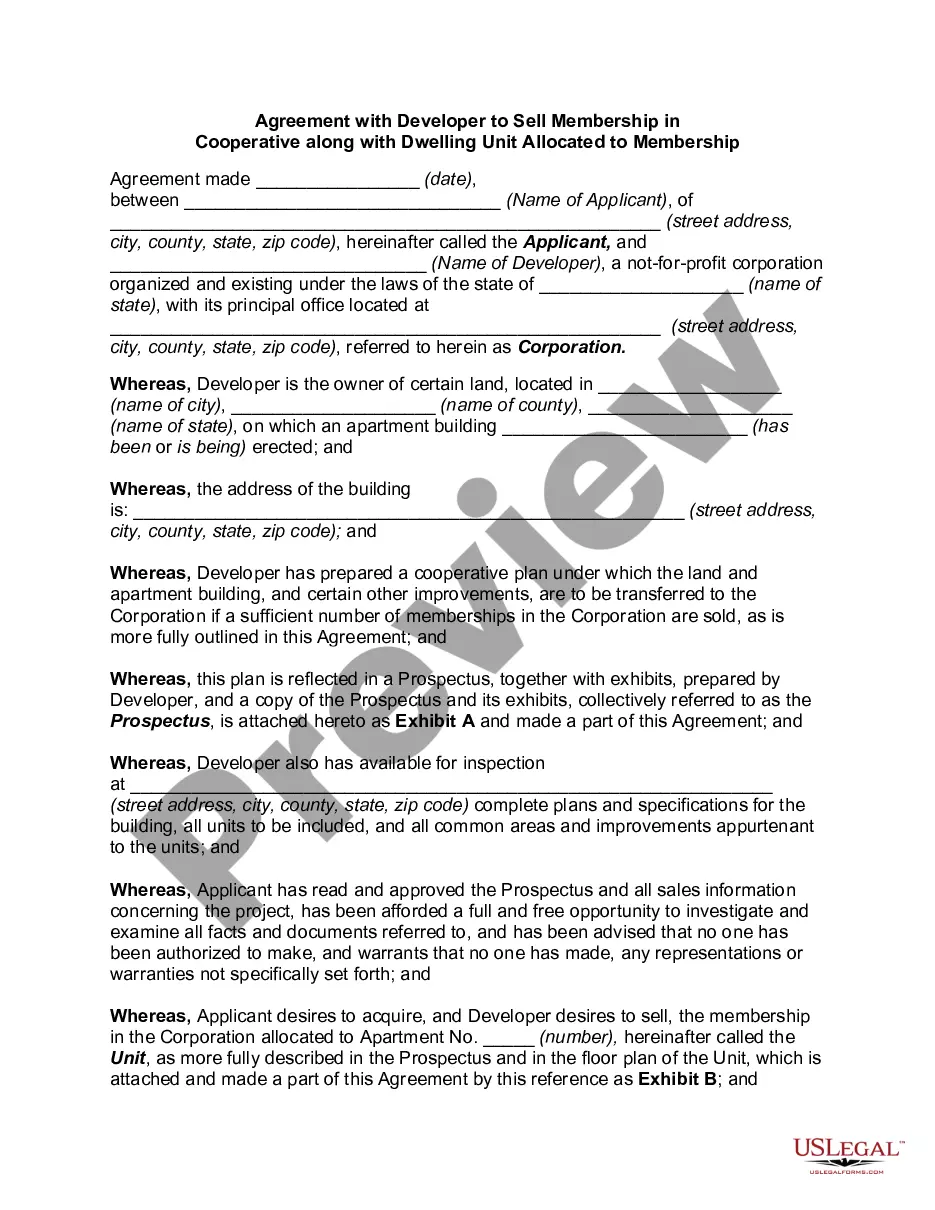

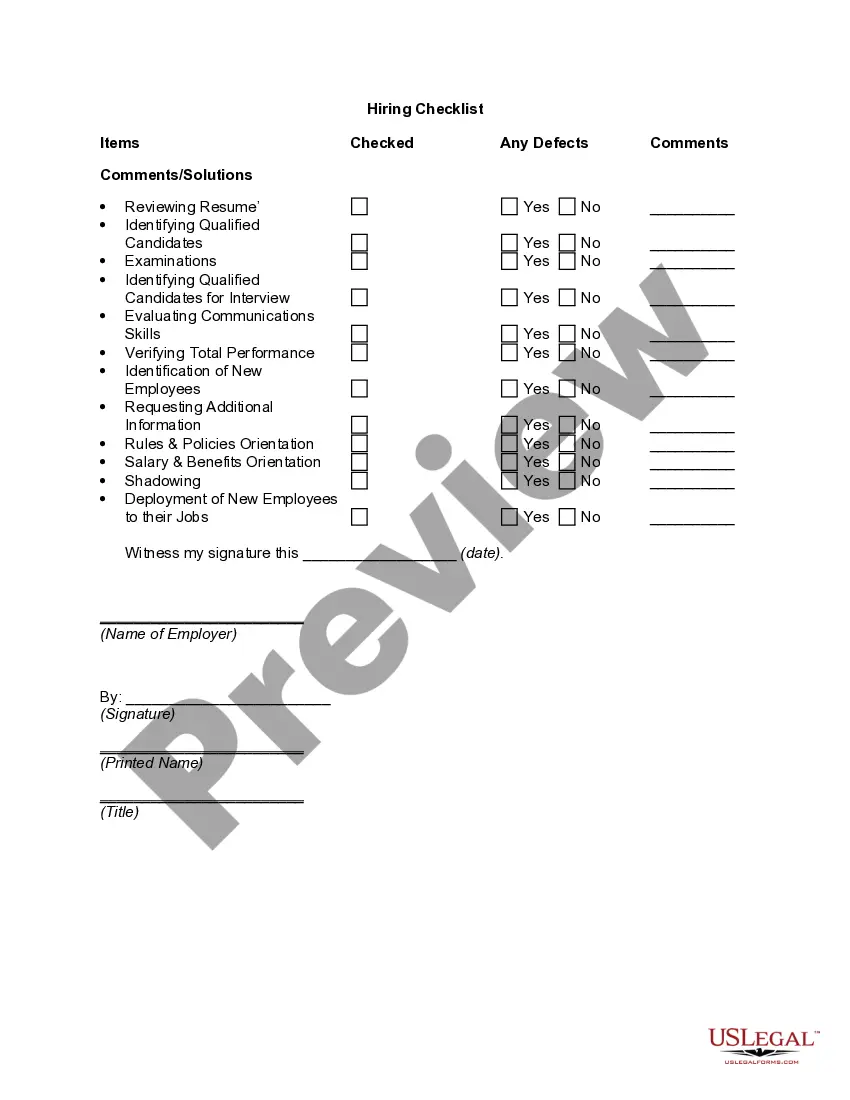

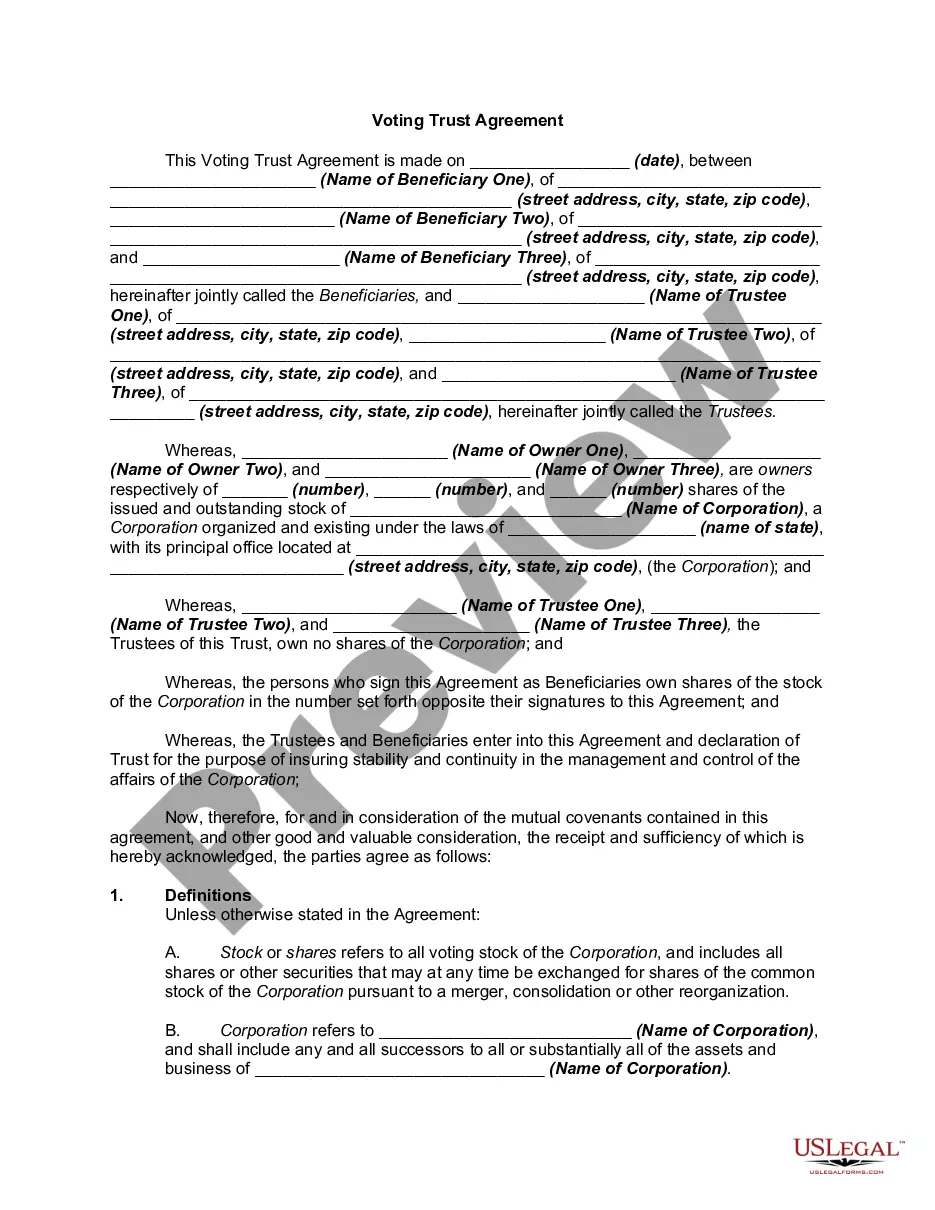
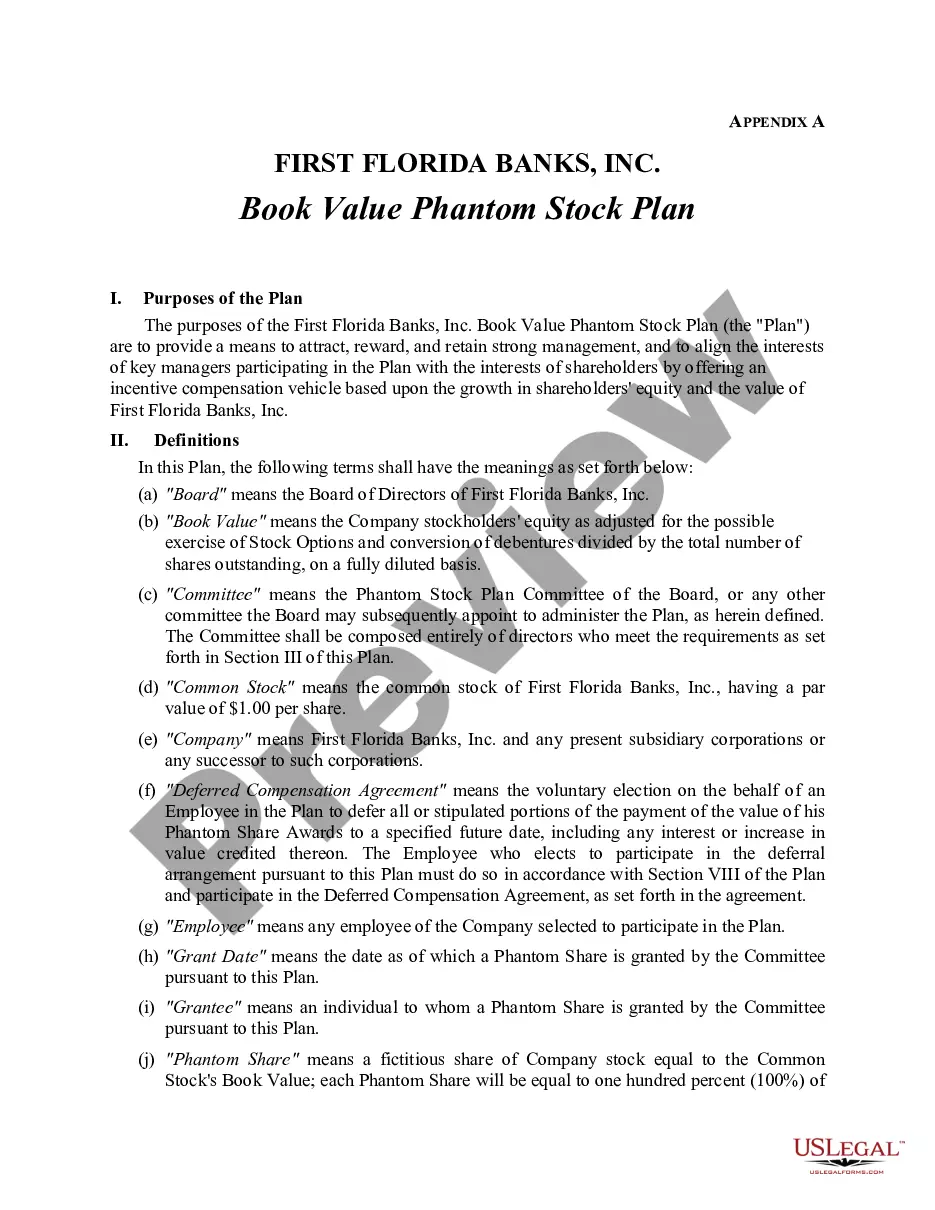
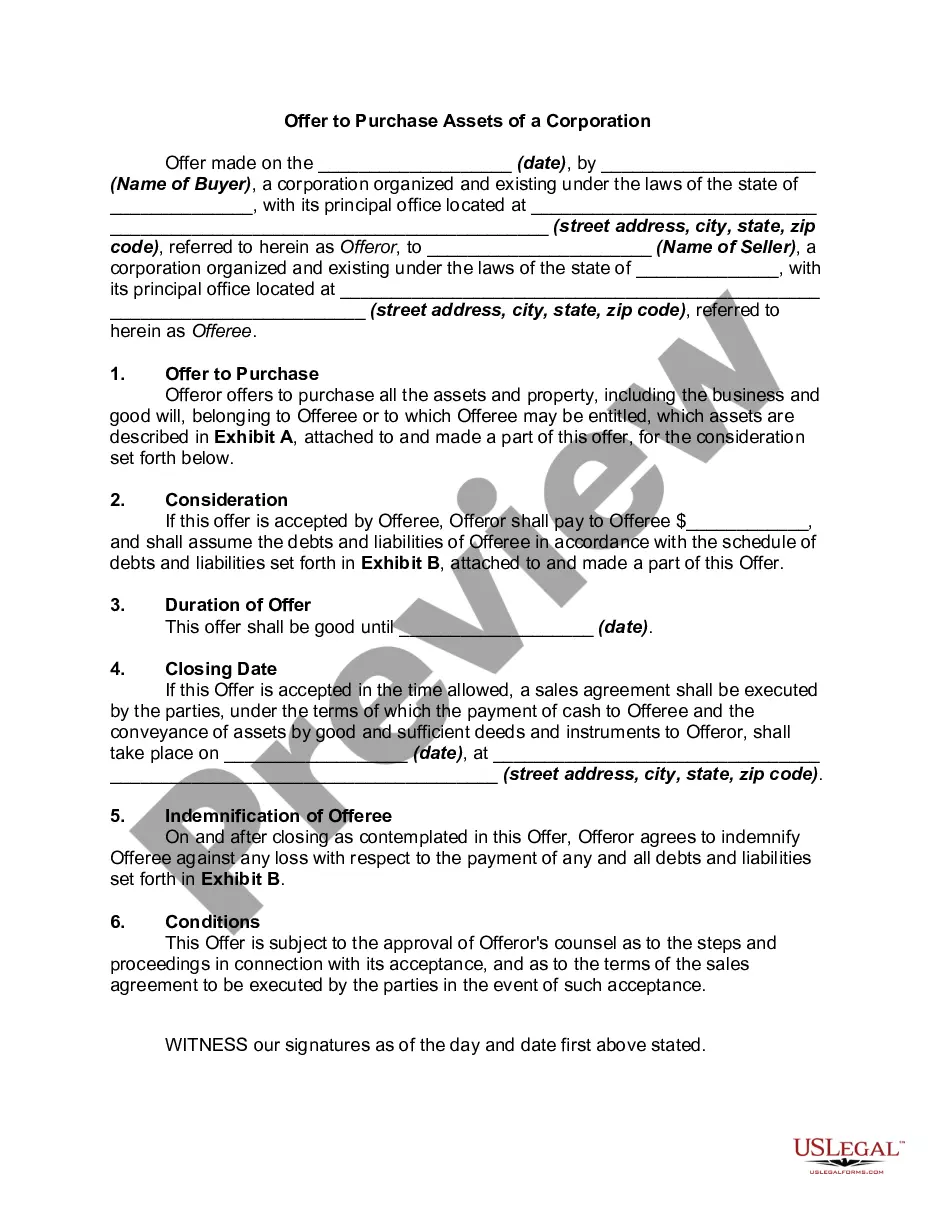
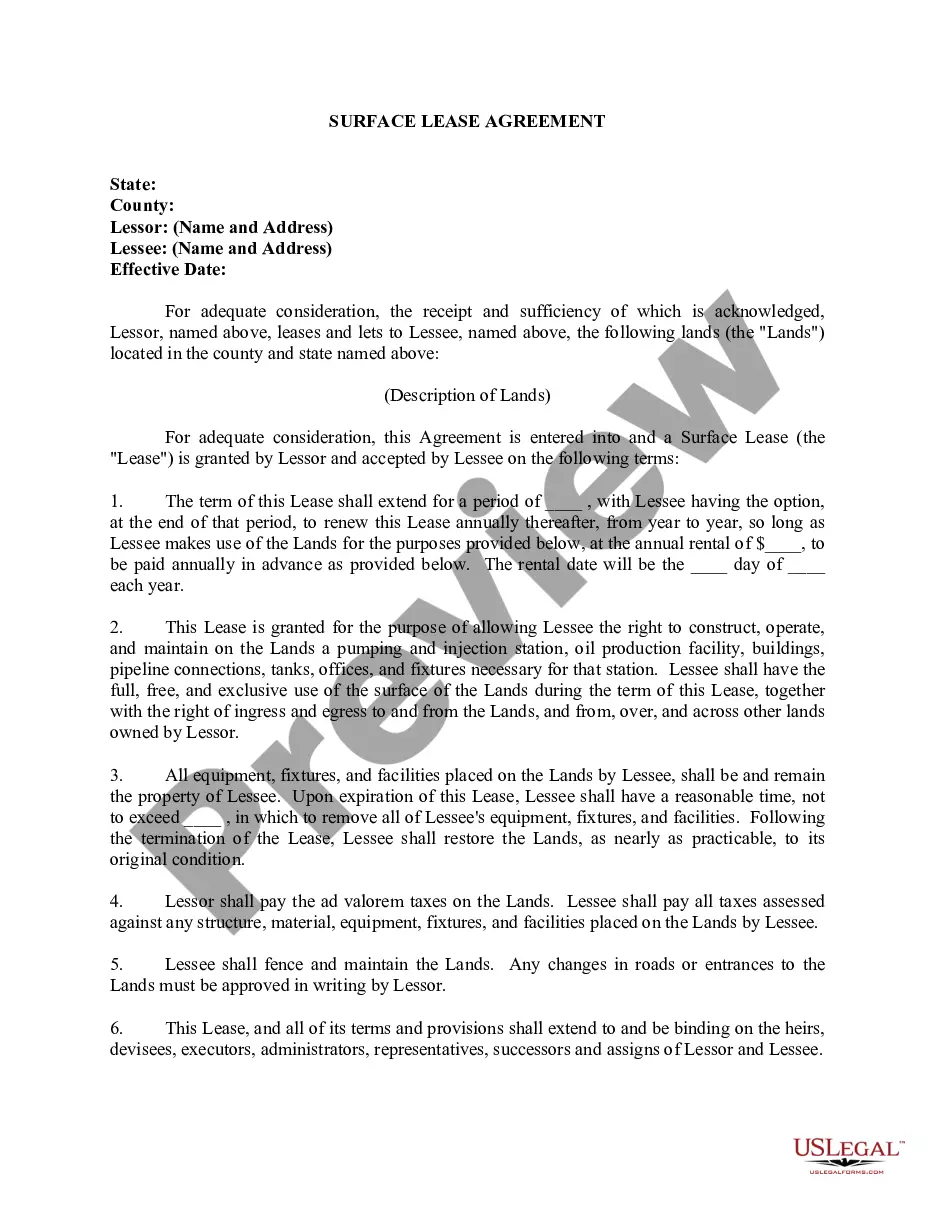
How to fill out Sale Of Unit By Co-operative Housing Corporation?
Are you in a circumstance where you need documents for potential business or personal use nearly every day.
There are numerous legal document templates available online, but locating reliable versions can be challenging.
US Legal Forms offers thousands of template forms, including the North Carolina Sale of Unit by Co-operative Housing Corporation, designed to comply with state and federal regulations.
When you locate the correct form, click on Purchase now.
Choose the pricing plan you want, enter the necessary information to create your account, and pay for the order using your PayPal or credit card.
- If you are already familiar with the US Legal Forms website and have an account, simply Log In.
- Then, you can download the North Carolina Sale of Unit by Co-operative Housing Corporation template.
- If you don’t have an account and would like to start using US Legal Forms, follow these steps.
- Find the form you need and ensure it corresponds to the correct state/county.
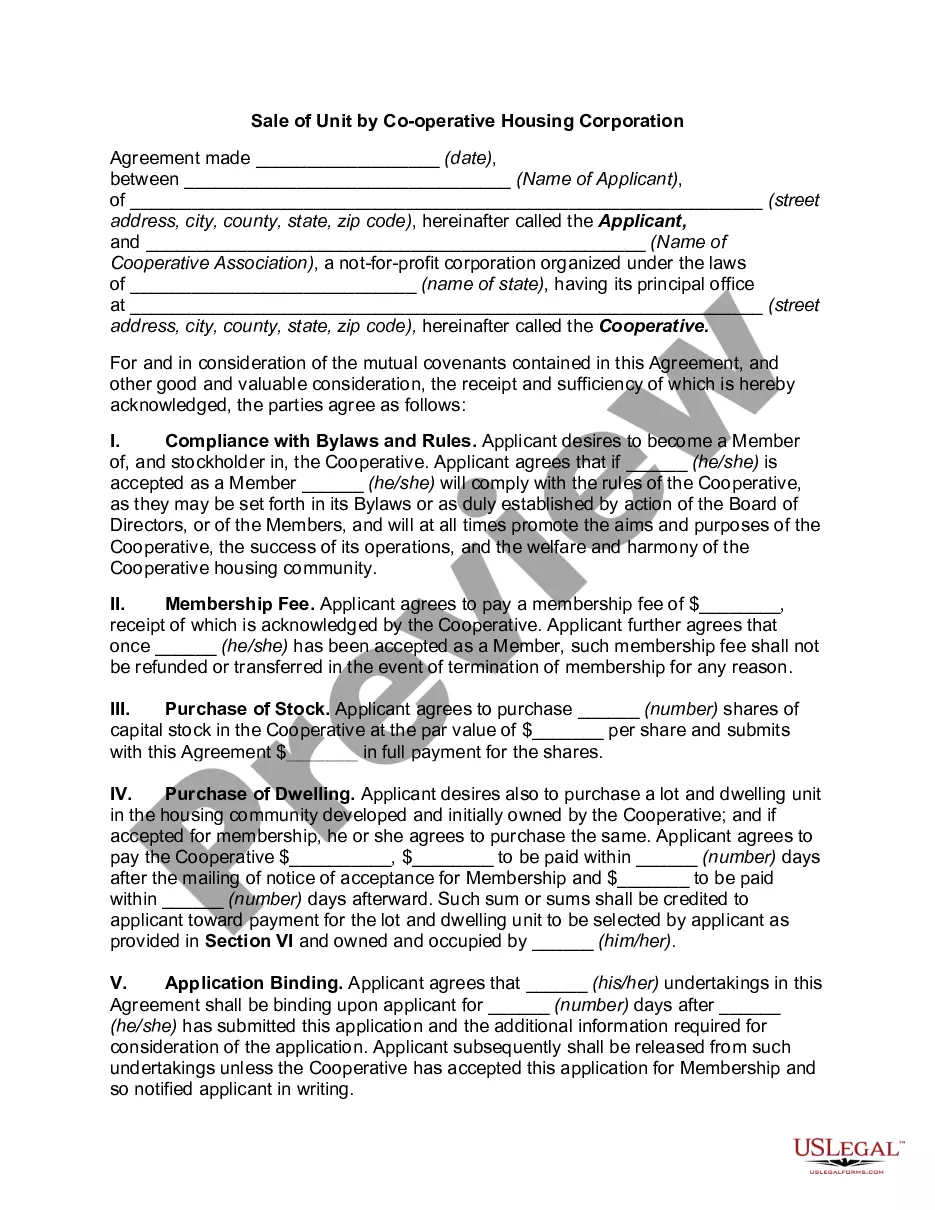
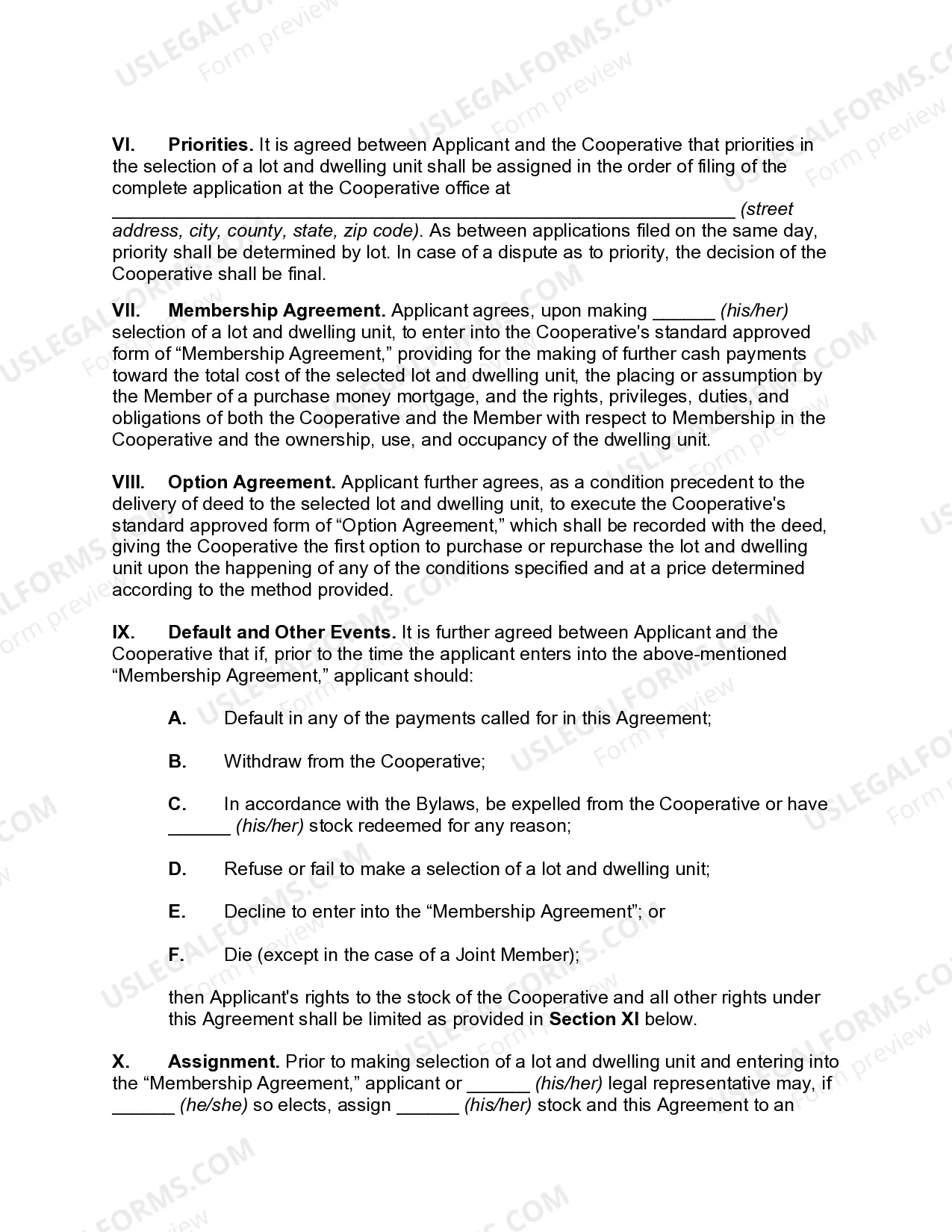
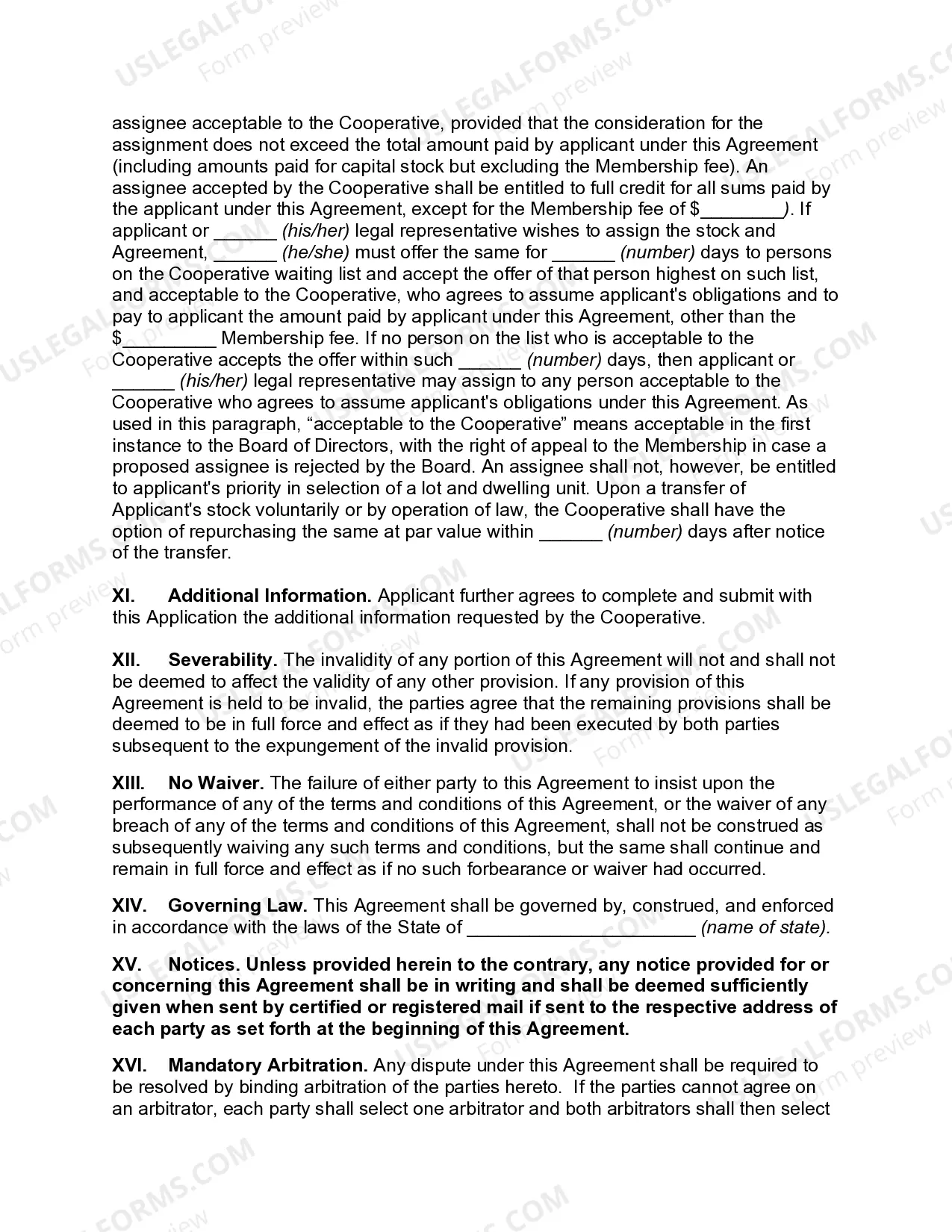
- Utilize the Preview button to review the document.
- Examine the details to confirm you have selected the right form.
- If the form isn’t what you’re looking for, use the Search field to find a form that meets your requirements.
Form popularity
FAQ
Cooperatives are autonomous businesses owned and democratically controlled by their membersthe people who buy their goods or use their servicesnot by investors. Unlike investor-owned businesses, cooperatives are organized solely to meet the needs of the member-owners, not to accumulate capital for investors.
With double digit annual property value gains like that, it comes to no surprise that coops have made an excellent investment for those that have bought into them and continue to be a great opportunity for those looking to enter the market. For more Manhattan real estate market insights, read the Elliman Report.
What is Cooperative Ownership? Cooperatives are jointly owned, democratically controlled enterprises that advance the economic, social, and cultural interests of their members.
Since the cooperative corporation does not own any real estate, the cooperative does not build up any equity (just as a renter doesn't build equity).
op owner has an interest or share in the entire building and a contract or lease that allows the owner to occupy a unit. While a condo owner owns a unit, a coop owner does not own the unit. Coops are collectively owned and managed by their residents, who own shares in a nonprofit corporation.
A cooperative corporation (or simply, a cooperative) is a special form of corporation that places ownership and/or control of the corporation in the hands of the employees or patrons of the corporation.
Co-ops must abide by the laws that govern fair housing, but they can be more restrictive than other housing options when it comes to ownership requirements. Because there is no landlord, and there are no tenants, the rules for purchasing shares in the partnership are set by the partners.
When you pay off the cooperative loan, the bank will return the original stock and lease to you and will also forward a UCC-3 Termination Statement that must be filed in order to terminate the bank's security interest in your cooperative shares.
ConsMost co-ops require a 10 to 20 percent down payment.The rules for renting your co-op are often quite restrictive.Because there are a limited amount of lenders who do co-op loans, your loan options are restricted.Typically it is harder to rent your co-op with the restrictions that most co-ops have.
Appreciation. Market rate co-ops tend to not rise in value as rapidly as condos. Low-income co-ops (which have lower purchase prices and income restrictions) also appreciate at a limited rate.