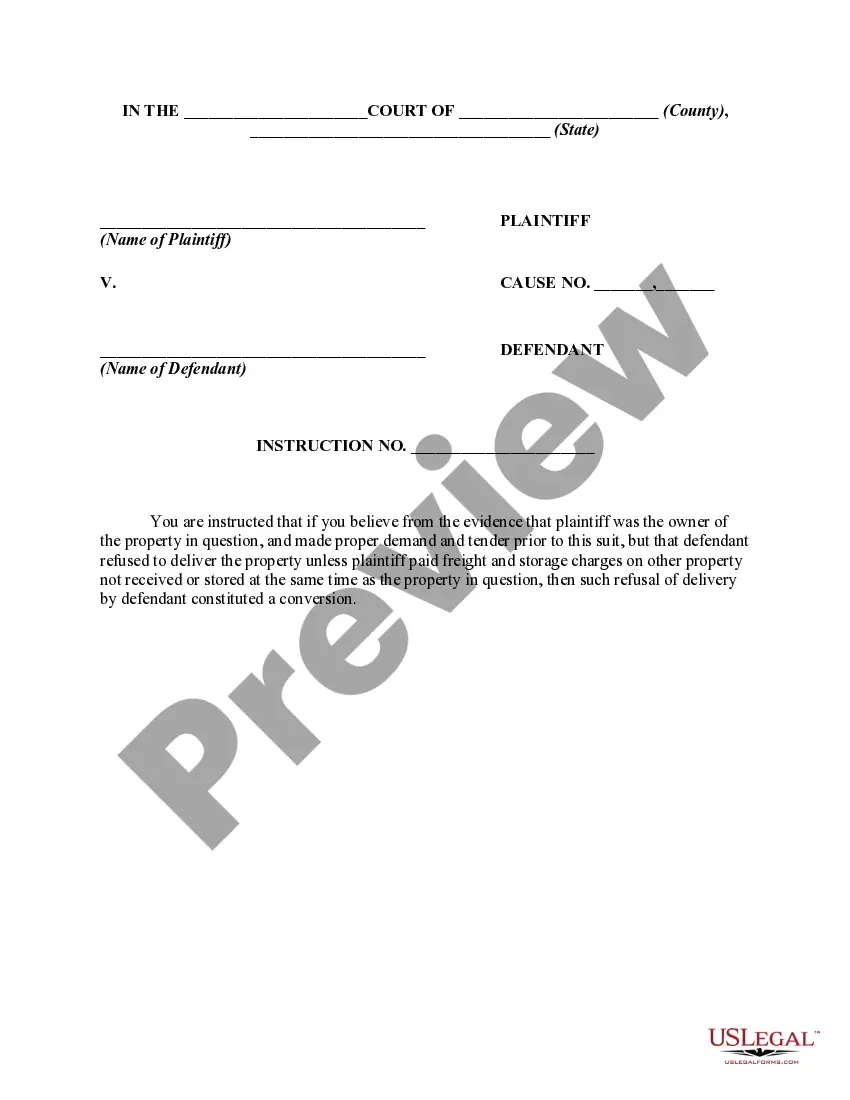
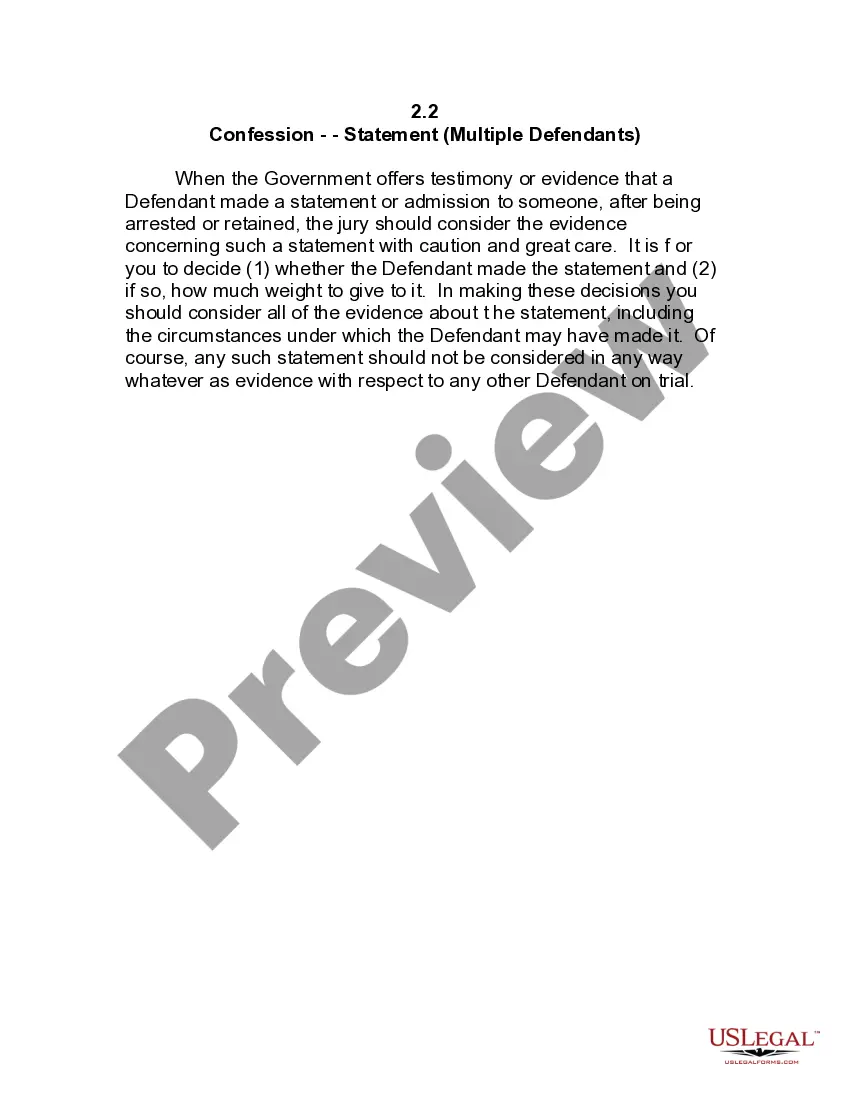
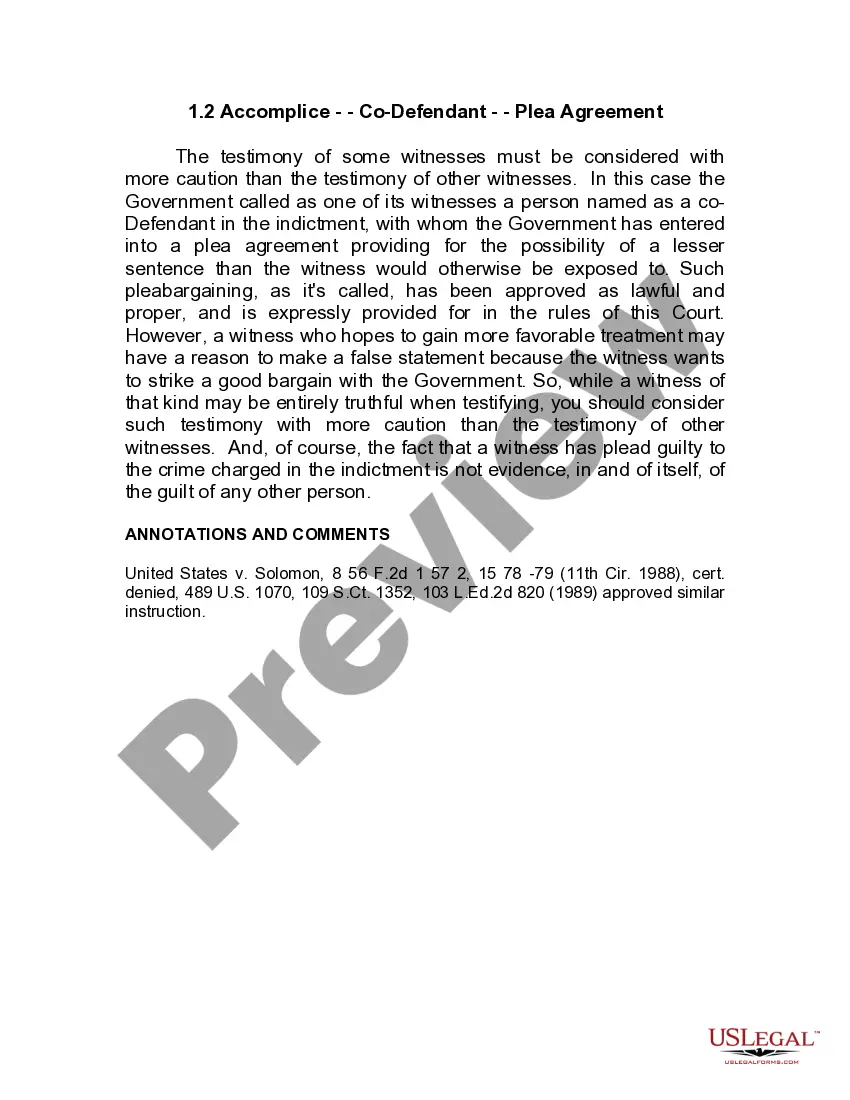
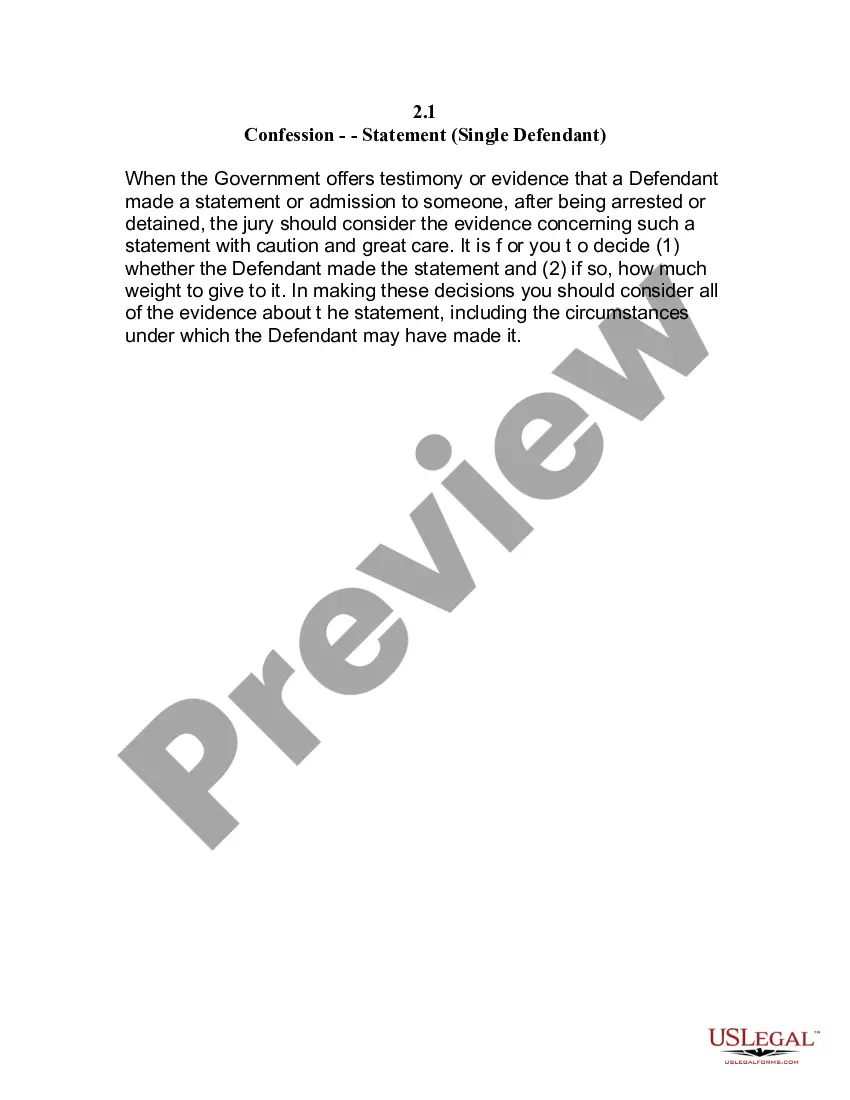
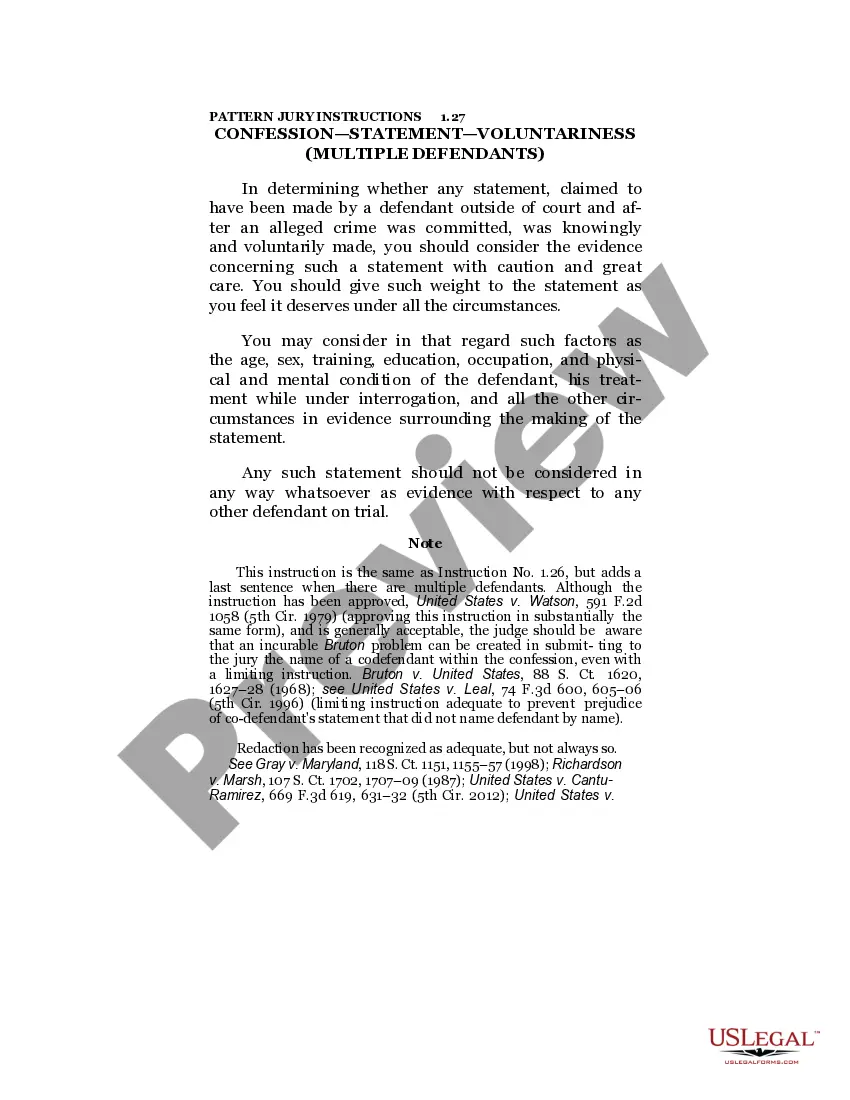
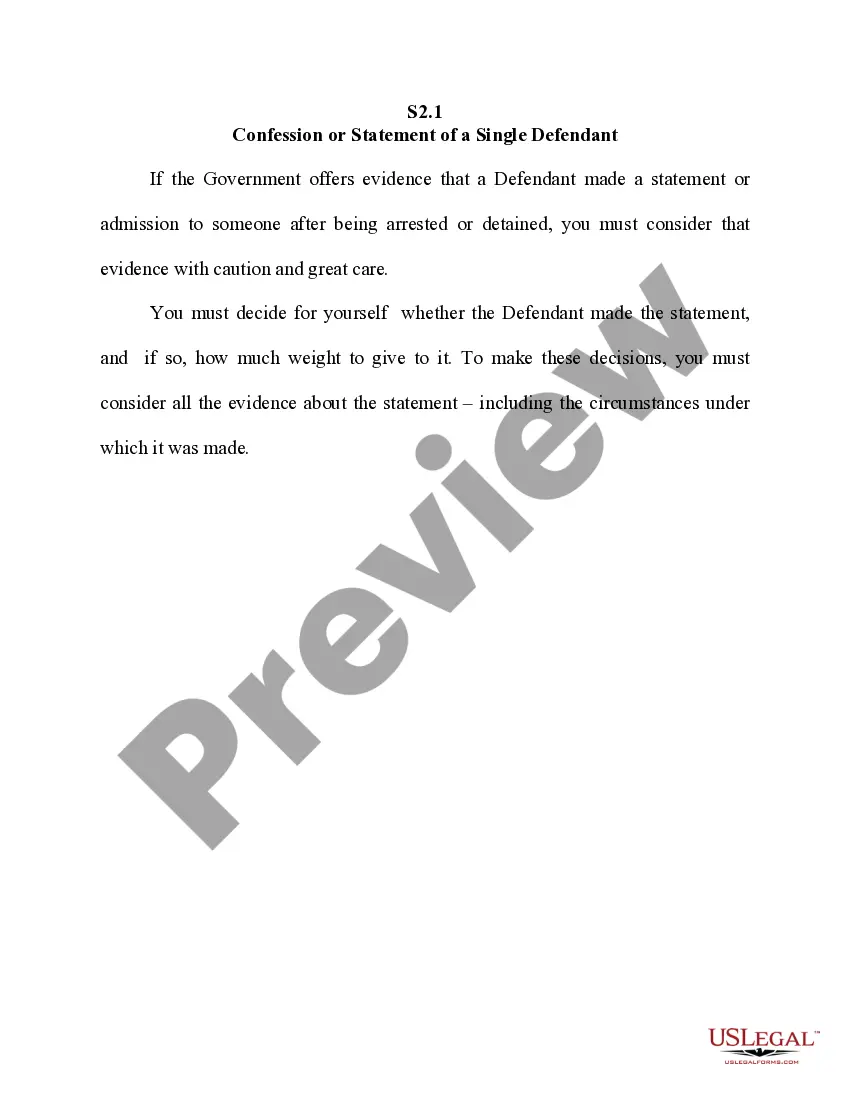
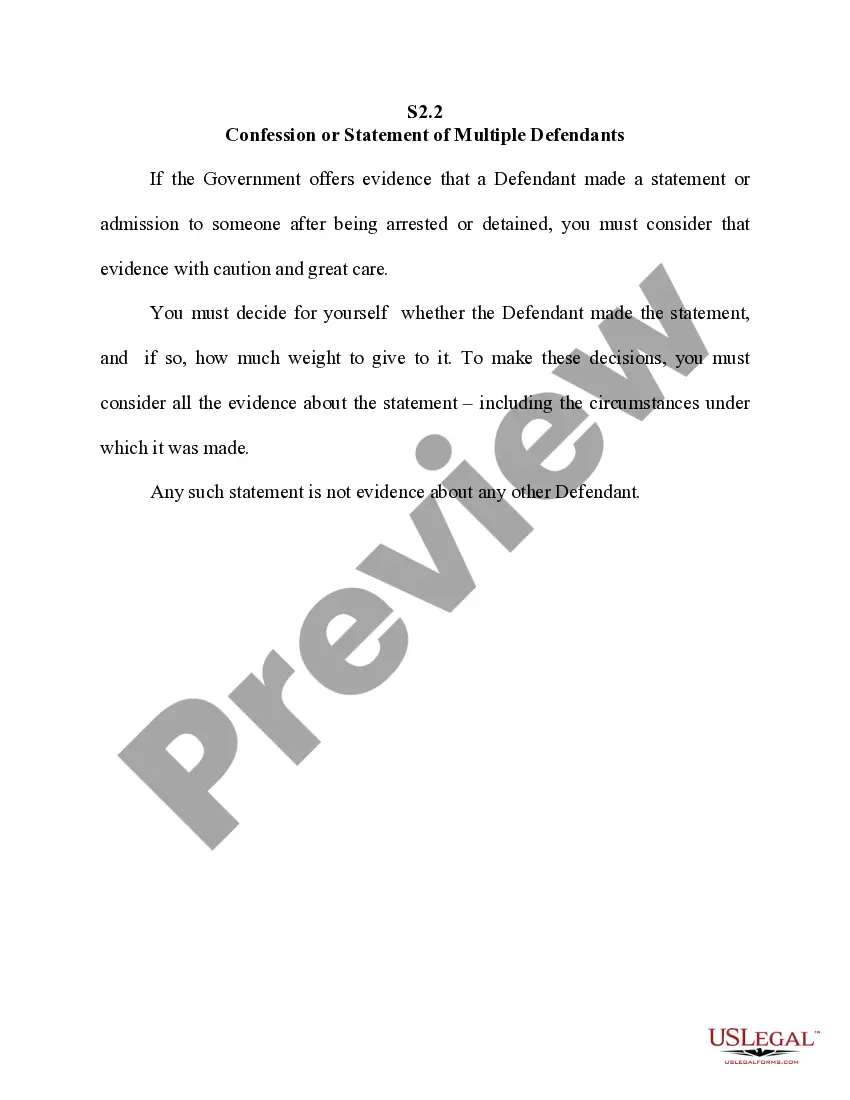
North Carolina Jury Instruction - Confession - Statement - Multiple Defendants
Description
Get your form ready online
Our built-in tools help you complete, sign, share, and store your documents in one place.
Make edits, fill in missing information, and update formatting in US Legal Forms—just like you would in MS Word.
Download a copy, print it, send it by email, or mail it via USPS—whatever works best for your next step.
Sign and collect signatures with our SignNow integration. Send to multiple recipients, set reminders, and more. Go Premium to unlock E-Sign.
If this form requires notarization, complete it online through a secure video call—no need to meet a notary in person or wait for an appointment.
We protect your documents and personal data by following strict security and privacy standards.

Make edits, fill in missing information, and update formatting in US Legal Forms—just like you would in MS Word.

Download a copy, print it, send it by email, or mail it via USPS—whatever works best for your next step.

Sign and collect signatures with our SignNow integration. Send to multiple recipients, set reminders, and more. Go Premium to unlock E-Sign.

If this form requires notarization, complete it online through a secure video call—no need to meet a notary in person or wait for an appointment.

We protect your documents and personal data by following strict security and privacy standards.
Looking for another form?



How to fill out Jury Instruction - Confession - Statement - Multiple Defendants?
You are able to spend several hours on the Internet trying to find the authorized document format that fits the state and federal requirements you need. US Legal Forms gives thousands of authorized types that are reviewed by pros. It is possible to down load or print out the North Carolina Jury Instruction - Confession - Statement - Multiple Defendants from my assistance.
If you already possess a US Legal Forms profile, you may log in and click the Down load key. Afterward, you may comprehensive, revise, print out, or signal the North Carolina Jury Instruction - Confession - Statement - Multiple Defendants. Each and every authorized document format you get is your own property permanently. To have another copy of the acquired develop, visit the My Forms tab and click the related key.
Should you use the US Legal Forms web site initially, follow the straightforward instructions under:
- Initially, ensure that you have chosen the proper document format to the area/metropolis of your liking. Browse the develop explanation to make sure you have chosen the appropriate develop. If readily available, use the Preview key to look from the document format at the same time.
- In order to find another edition from the develop, use the Look for area to obtain the format that suits you and requirements.
- Once you have identified the format you would like, click Buy now to continue.
- Select the pricing strategy you would like, type in your credentials, and register for a merchant account on US Legal Forms.
- Complete the deal. You should use your credit card or PayPal profile to fund the authorized develop.
- Select the formatting from the document and down load it for your device.
- Make adjustments for your document if required. You are able to comprehensive, revise and signal and print out North Carolina Jury Instruction - Confession - Statement - Multiple Defendants.
Down load and print out thousands of document layouts utilizing the US Legal Forms website, which provides the greatest collection of authorized types. Use specialist and express-particular layouts to take on your organization or specific demands.
Form popularity
FAQ
The Bruton rule stems from the case; United States v. Bruton, 391 U.S. 123 (1968). The basis of the rule is that criminal defendants have the constitutional right to confrontation ? that is the right to cross-examine witnesses against them.
Both might be charged with the same offense or different offenses. For instance, prosecutors might charge one co-defendant (the alleged robber) with armed robbery and the other co-defendant (the alleged getaway driver) with conspiracy and aiding and abetting. Multiple people can also be co-defendants.
The Bruton court held the Sixth Amendment right of the non-confessing defendant to confront and cross-examine witnesses was violated when the statement of the confessing defendant implicating the non-confessing defendant was admitted at their joint trial ? even though the jury was instructed they could only not use and ...
The Bruton rule stems from the case; United States v. Bruton, 391 U.S. 123 (1968). The basis of the rule is that criminal defendants have the constitutional right to confrontation ? that is the right to cross-examine witnesses against them.
The Bruton rule stems from the case; United States v. Bruton, 391 U.S. 123 (1968). The basis of the rule is that criminal defendants have the constitutional right to confrontation ? that is the right to cross-examine witnesses against them.
Court held that a defendant's confrontation clause rights are violated when a non- testifying codefendant's confession naming the defendant as a participant in the crime is introduced at their joint trial, even if the jury is instructed to consider the confession only against the defendant.
Combining trials (also known as joinder) is only acceptable if it does not violate a defendant's right to a fair trial. Sometimes one or more co-defendants will argue that a joint trial needs to be severed.
United States, 391 U.S. 123 (1968), is a 1968 United States Supreme Court ruling in which the Court held that a defendant was deprived of his rights under the Confrontation Clause if a confession by his codefendant was introduced in their joint trial, regardless of whether the jury received instructions only to ...
Under the so-called Aranda/Bruton doctrine, a trial court may generally not allow a jury in a joint criminal trial of a defendant and codefendant to hear the unredacted confession of the codefendant that also directly implicates the defendant?even if the jury is instructed not to consider the confession as evidence ...