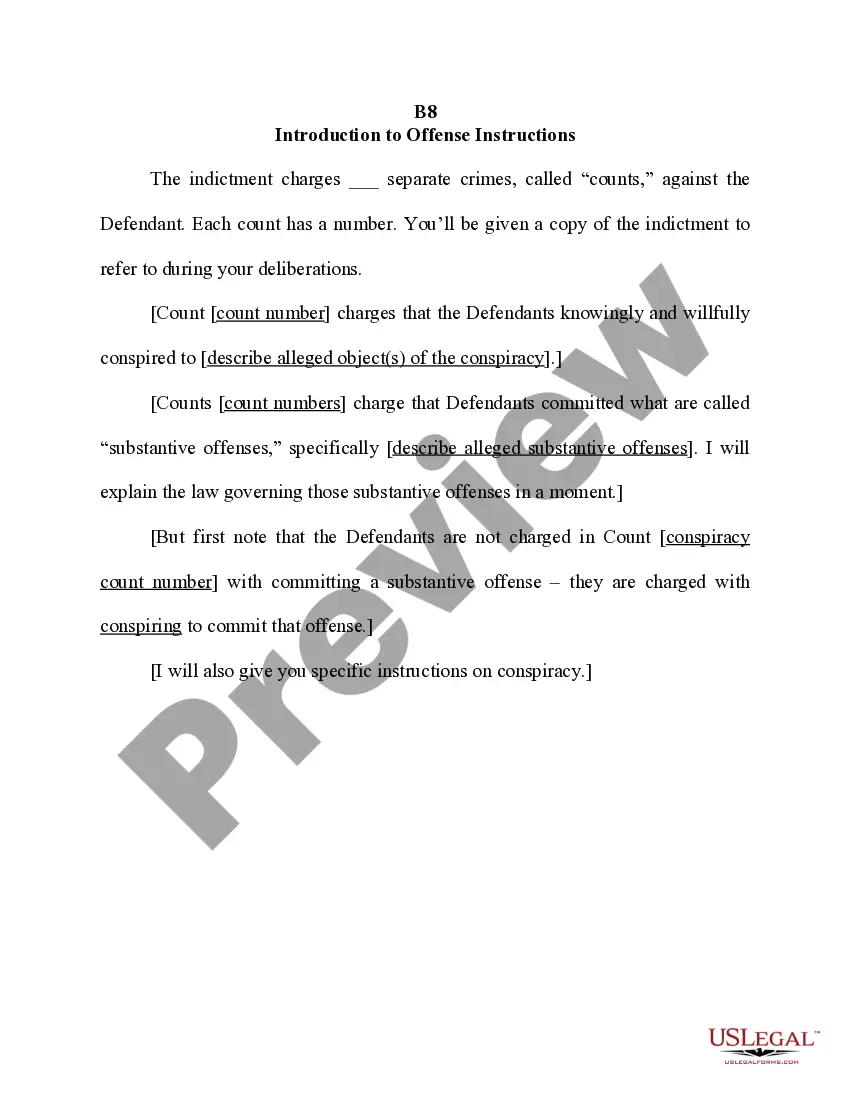
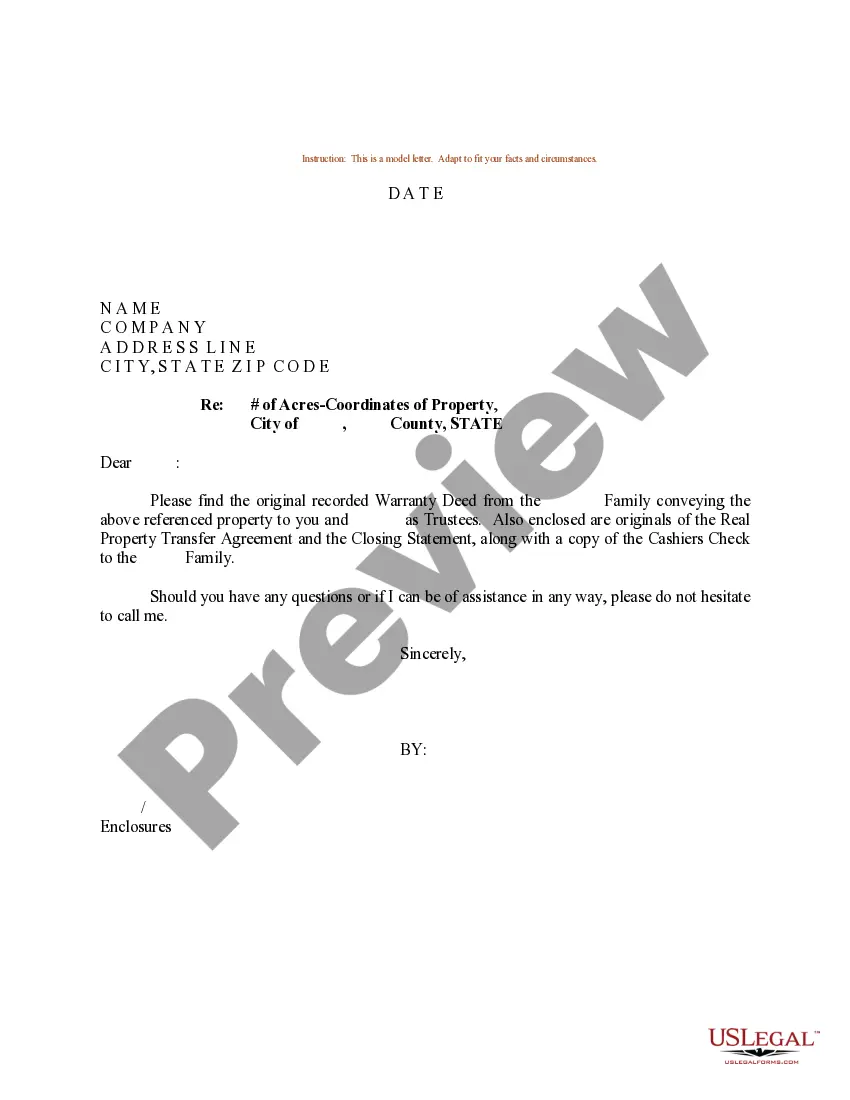
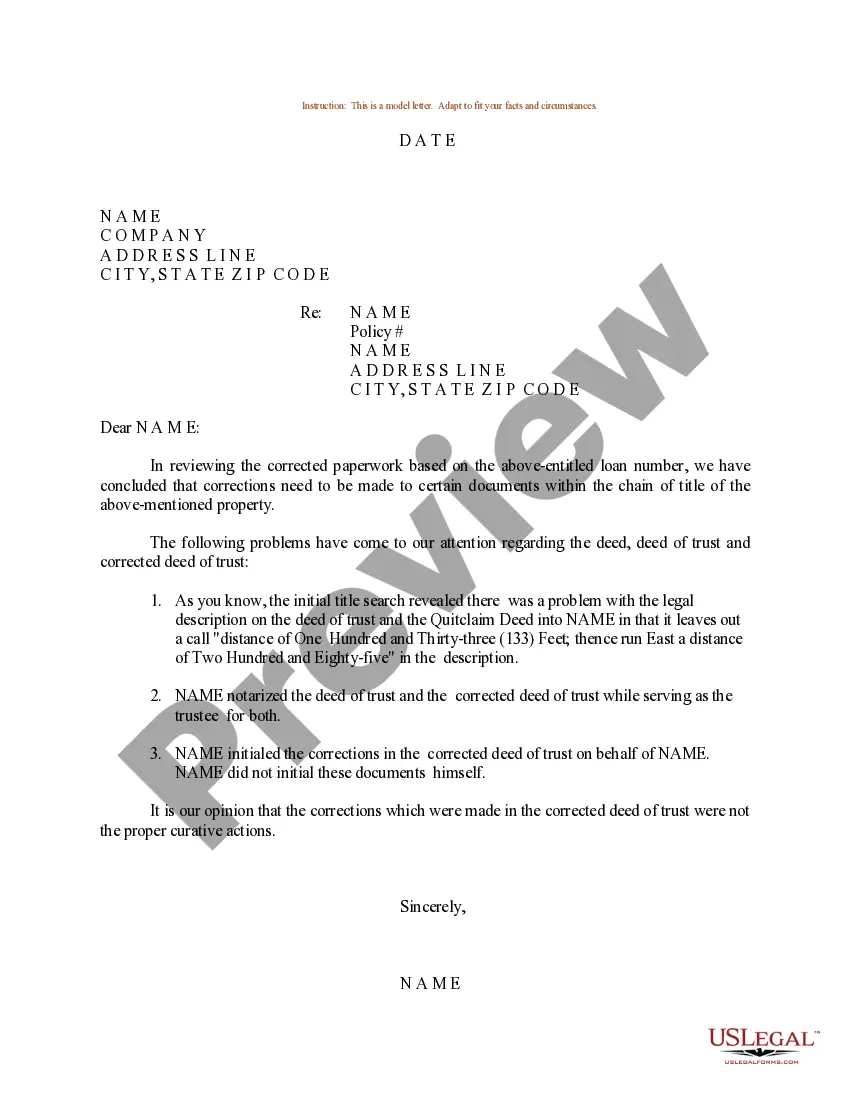
North Carolina Sample Letter with Corrected Warranty Deed
Description
Get your form ready online
Our built-in tools help you complete, sign, share, and store your documents in one place.
Make edits, fill in missing information, and update formatting in US Legal Forms—just like you would in MS Word.
Download a copy, print it, send it by email, or mail it via USPS—whatever works best for your next step.
Sign and collect signatures with our SignNow integration. Send to multiple recipients, set reminders, and more. Go Premium to unlock E-Sign.
If this form requires notarization, complete it online through a secure video call—no need to meet a notary in person or wait for an appointment.
We protect your documents and personal data by following strict security and privacy standards.

Make edits, fill in missing information, and update formatting in US Legal Forms—just like you would in MS Word.

Download a copy, print it, send it by email, or mail it via USPS—whatever works best for your next step.

Sign and collect signatures with our SignNow integration. Send to multiple recipients, set reminders, and more. Go Premium to unlock E-Sign.

If this form requires notarization, complete it online through a secure video call—no need to meet a notary in person or wait for an appointment.

We protect your documents and personal data by following strict security and privacy standards.
Looking for another form?

How to fill out Sample Letter With Corrected Warranty Deed?
You might spend numerous hours online attempting to locate the appropriate legal document format that meets the federal and state requirements you desire.
US Legal Forms offers an extensive array of legal templates that have been reviewed by experts.
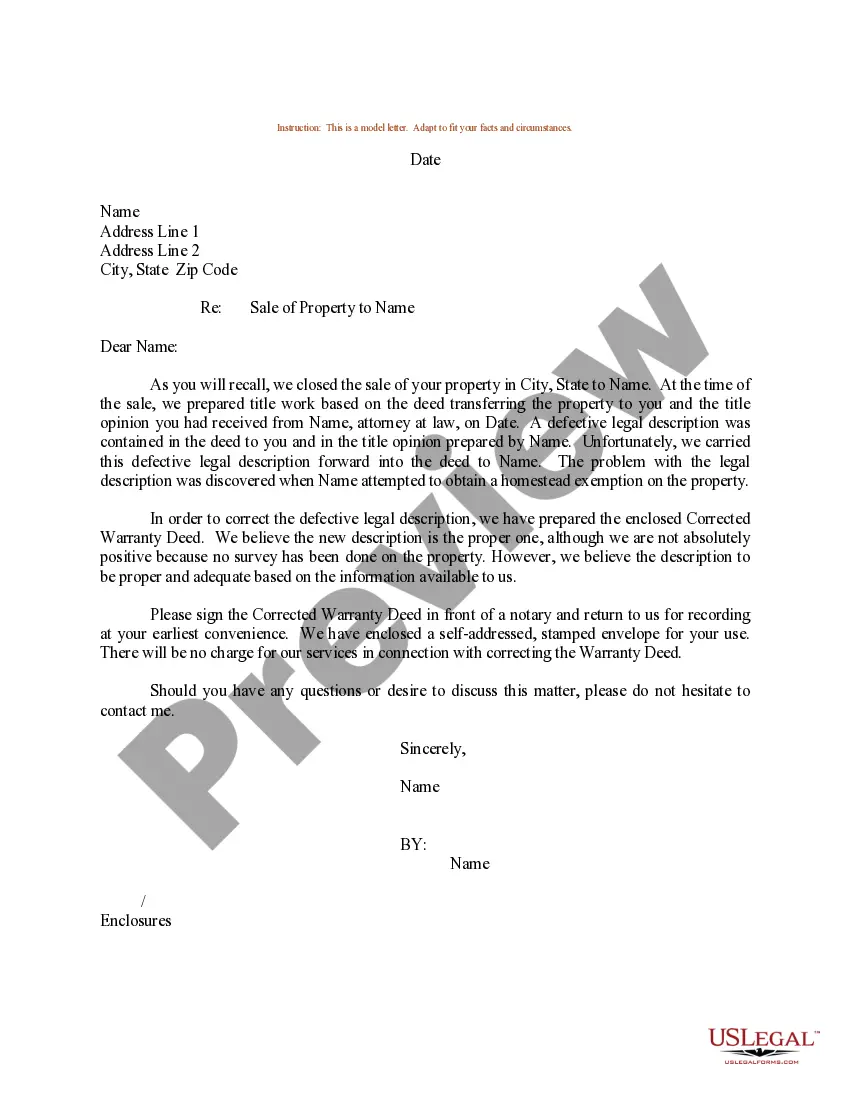
You can obtain or print the North Carolina Sample Letter with Corrected Warranty Deed from my service.
If available, utilize the Preview button to review the document format as well. If you wish to find another variation of the form, use the Search field to locate the format that suits your needs and requirements. Once you have found the format you want, click on Get now to proceed. Select the pricing plan you prefer, enter your details, and register for an account on US Legal Forms. Complete the purchase. You can use your Visa or Mastercard or PayPal account to pay for the legal form. Retrieve the format of the document and download it to your system. Make modifications to your document as needed. You can complete, alter, sign, and print the North Carolina Sample Letter with Corrected Warranty Deed. Download and print thousands of document templates using the US Legal Forms site, which provides the largest selection of legal forms. Utilize professional and state-specific templates to address your business or personal needs.
- If you already possess a US Legal Forms account, you can sign in and click on the Download button.
- After that, you can complete, modify, print, or sign the North Carolina Sample Letter with Corrected Warranty Deed.
- Every legal document template you purchase is yours permanently.
- To retrieve another copy of a purchased form, go to the My documents section and click on the relevant button.
- If you are using the US Legal Forms site for the first time, follow the straightforward instructions below.
- First, ensure you have selected the correct document format for your region/area of interest.
- Review the form description to confirm you have chosen the right form.
Form popularity
FAQ
A general warranty deed must include the following to be valid: The name and address of the seller (called the grantor) The name and address of the buyer (called the grantee) A legal description of the property (found on the previous deed) A statement that the grantor is transferring the property to the grantee.
North Carolina charges an excise tax for transfers of North Carolina real estate. The excise tax?which is like transfer taxes in other states?is assessed on deeds and other instruments that transfer interests in real estate. The excise tax rate is $1.00 for each $500.00 of the consideration for the transfer.
Can I prepare my own deed and have it recorded? North Carolina law allows you to prepare a Deed of Conveyance for any real property to which you have legal title. However, the conveyance of real property is a legal matter that should be given under and with the advise of legal counsel.
Before you can transfer property ownership to someone else, you'll need to complete the following. Identify the donee or recipient. Discuss terms and conditions with that person. Complete a change of ownership form. Change the title on the deed. Hire a real estate attorney to prepare the deed. Notarize and file the deed.
All alterations to the deed must be authenticated by the signatures of all the parties against each amendment made. If a plan to the original deed is amended, then all the parties should re-sign the plan. If a new plan is substituted for an existing plan in the original deed , all the parties should sign the new plan.
A correction deed, also known as a confirmatory or corrective deed, is a legal document used to fix errors on a property title that is recorded. Property owners can use this special type of deed to amend common errors such as misspellings, incomplete names, and other missing information.
In North Carolina, property owners generally have three options for correcting errors within property deeds. These include using an affidavit of correction, also known as a scrivener's affidavit; re-recording the original deed; or using a newly-drafted correction deed.
Deed name changes require the submittal of a new deed to the Register of Deeds office. We suggest that you consult an attorney unless you are familiar with creating legal documents. Click to look up recording fees. You may also have to pay excise tax at the rate of $2 per thousand dollars of the purchase price.