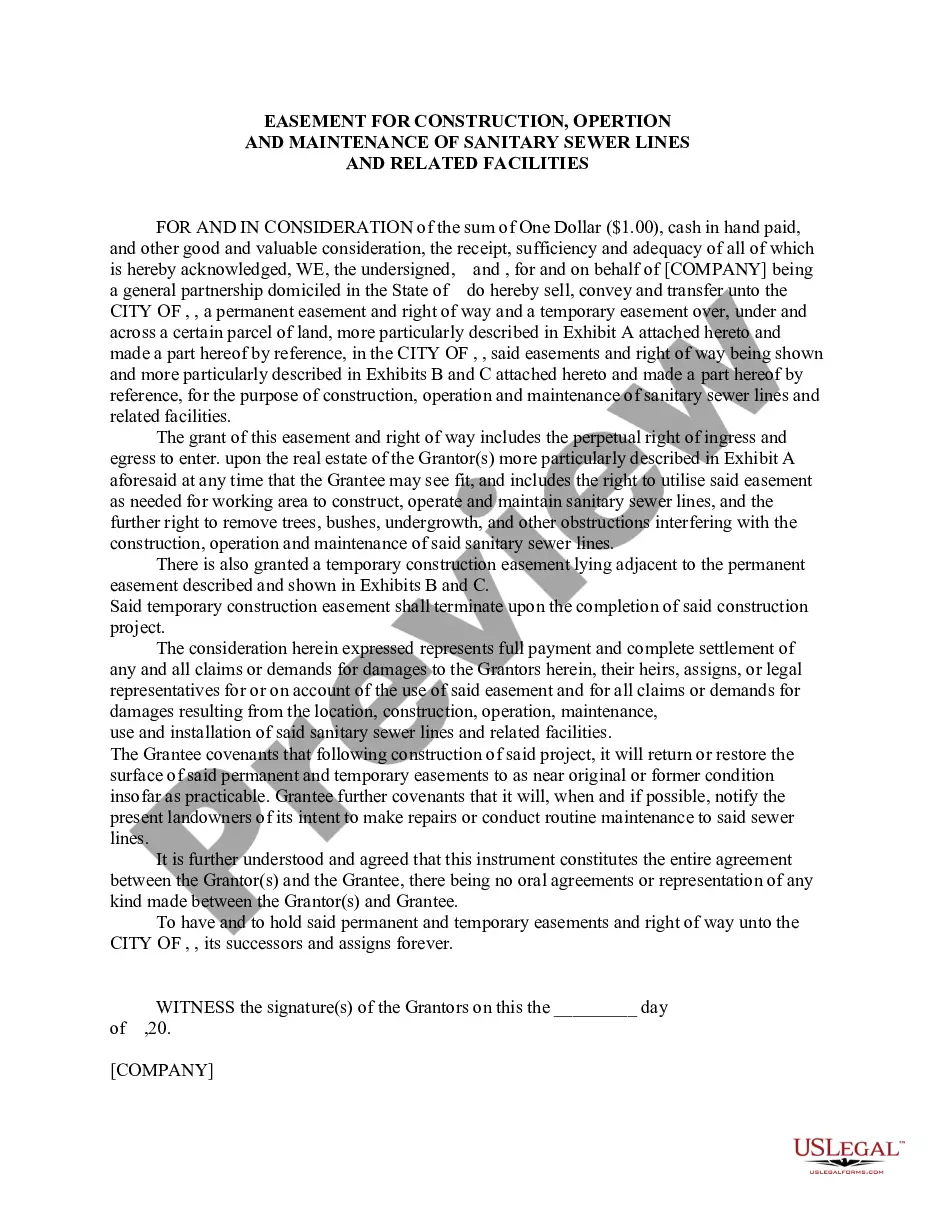
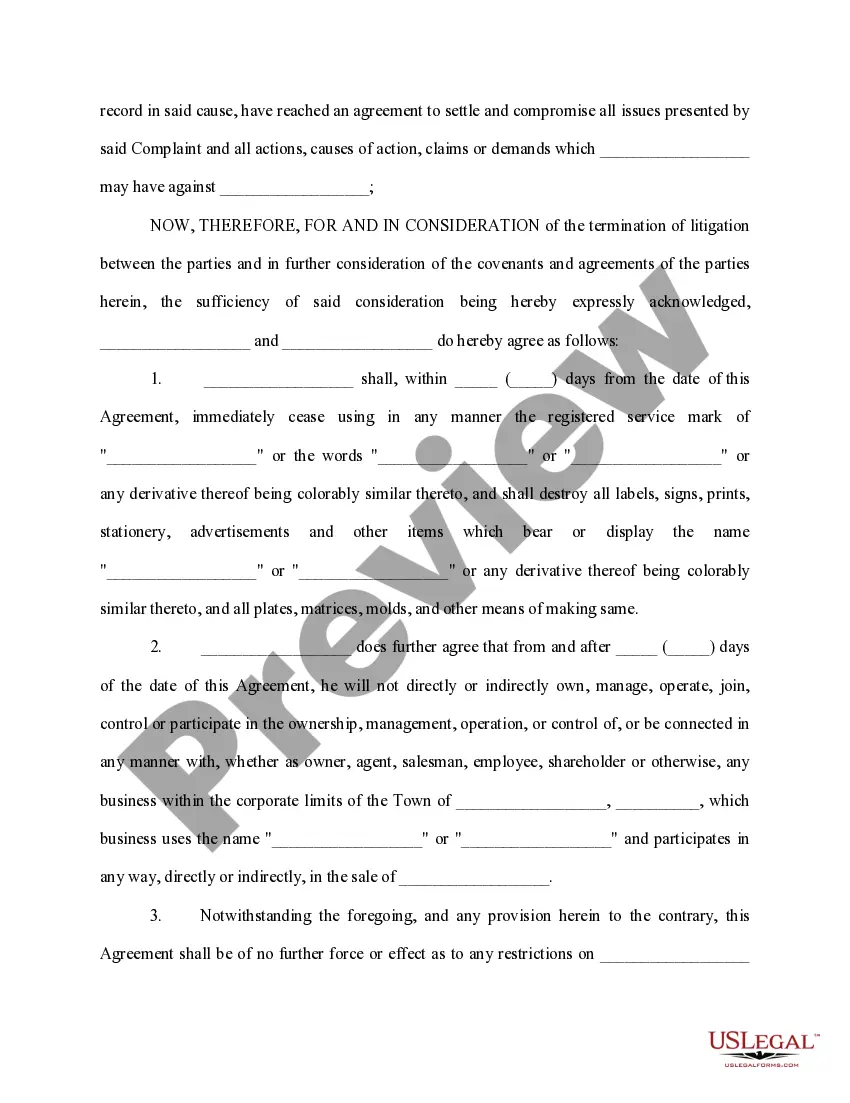
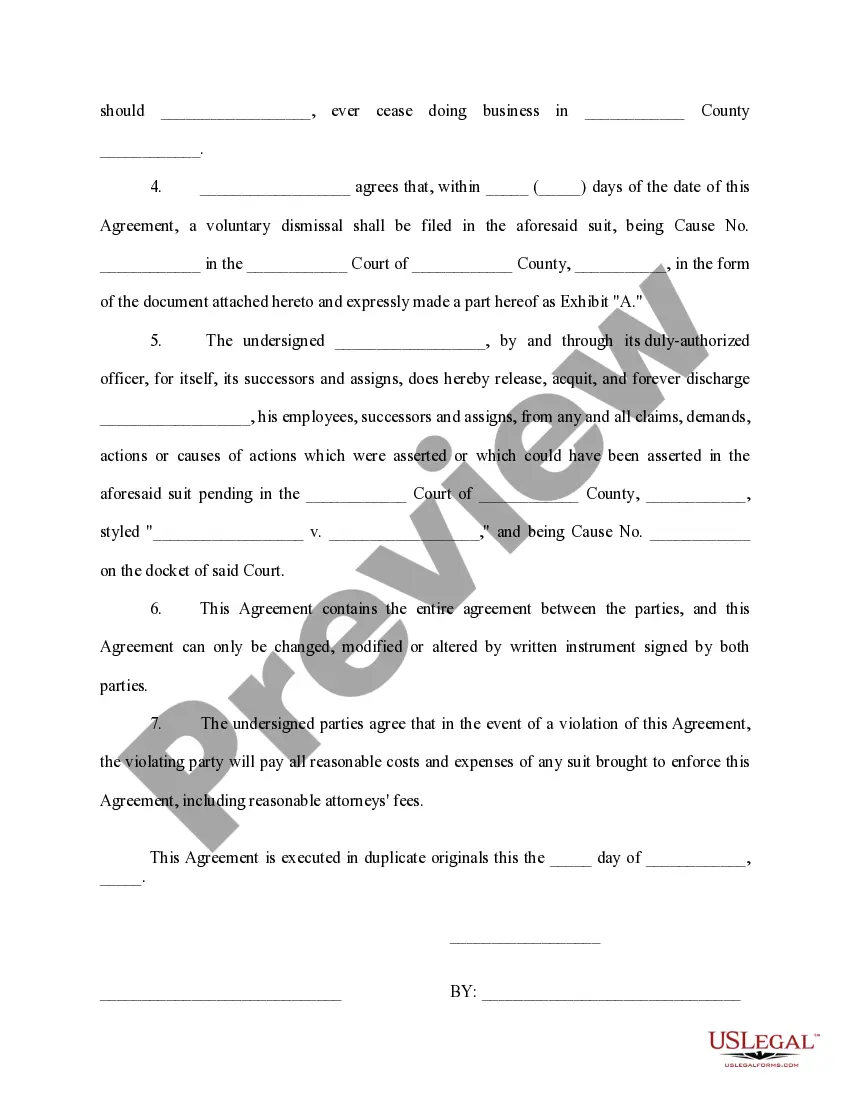
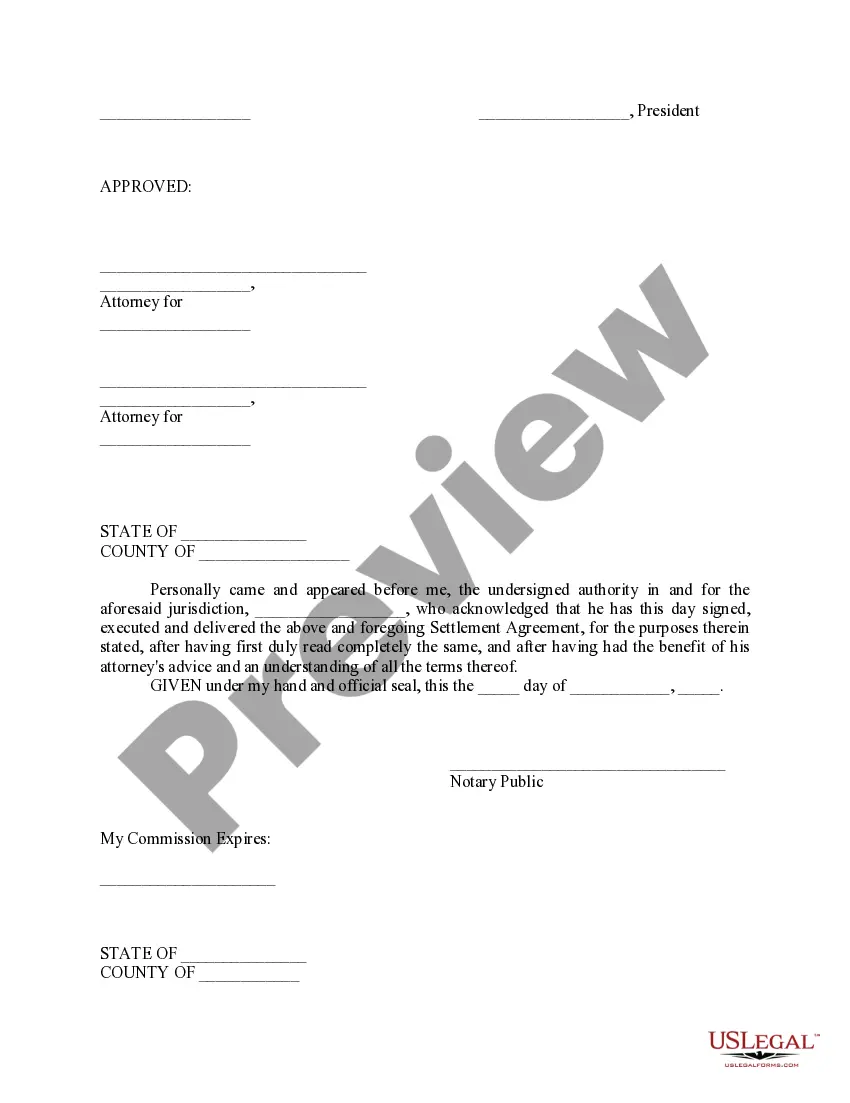
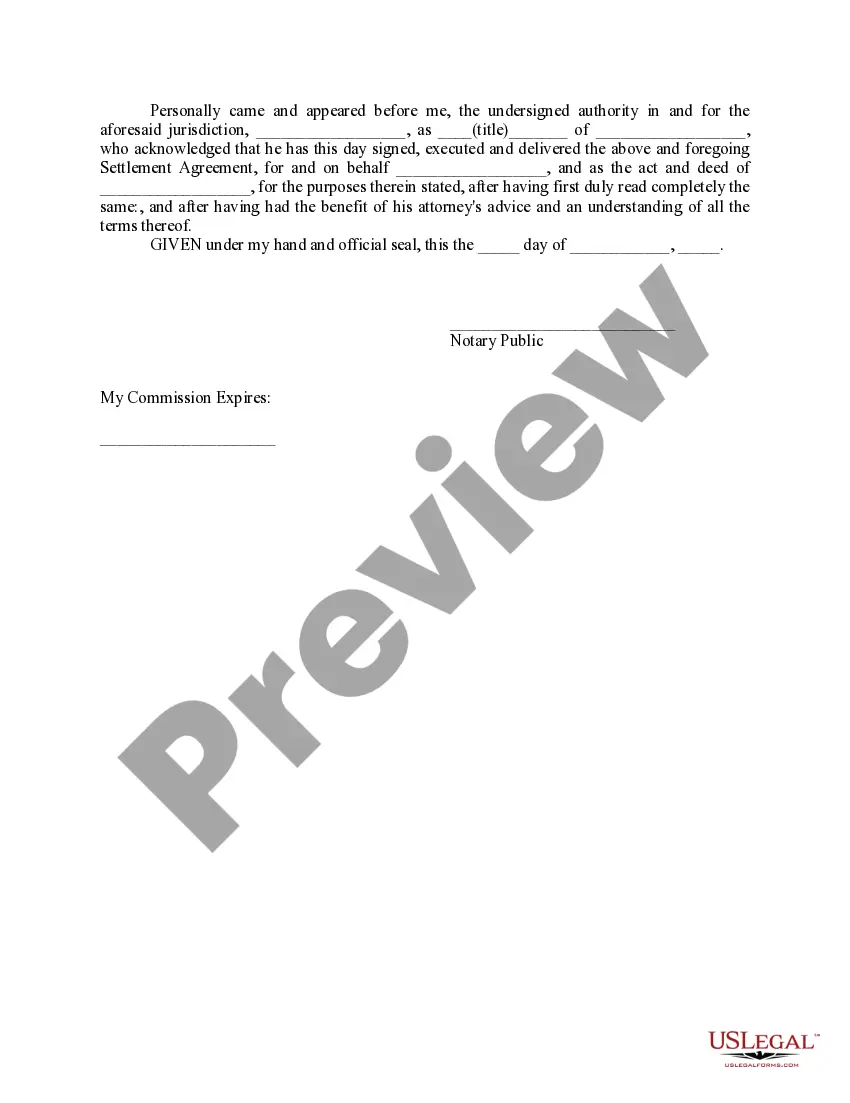
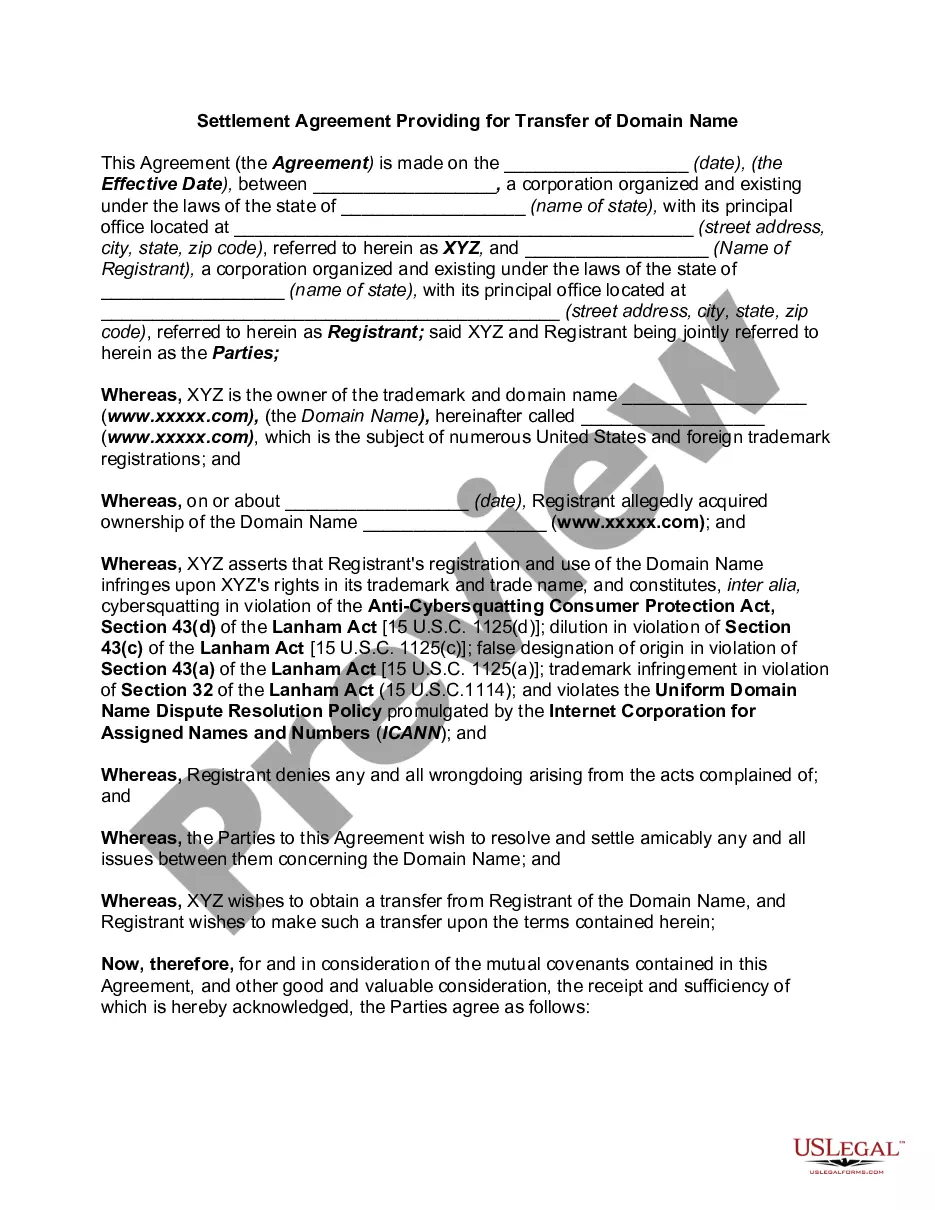
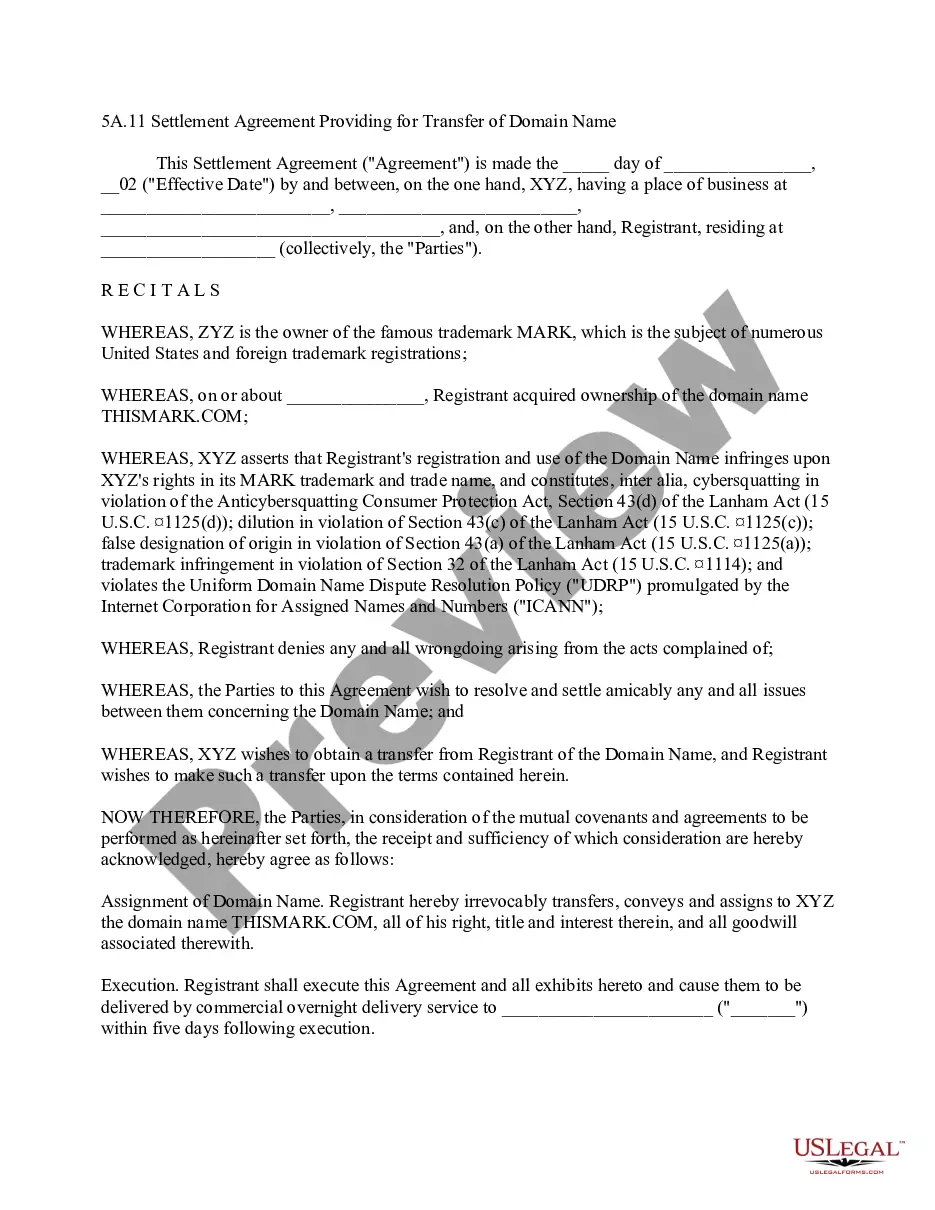
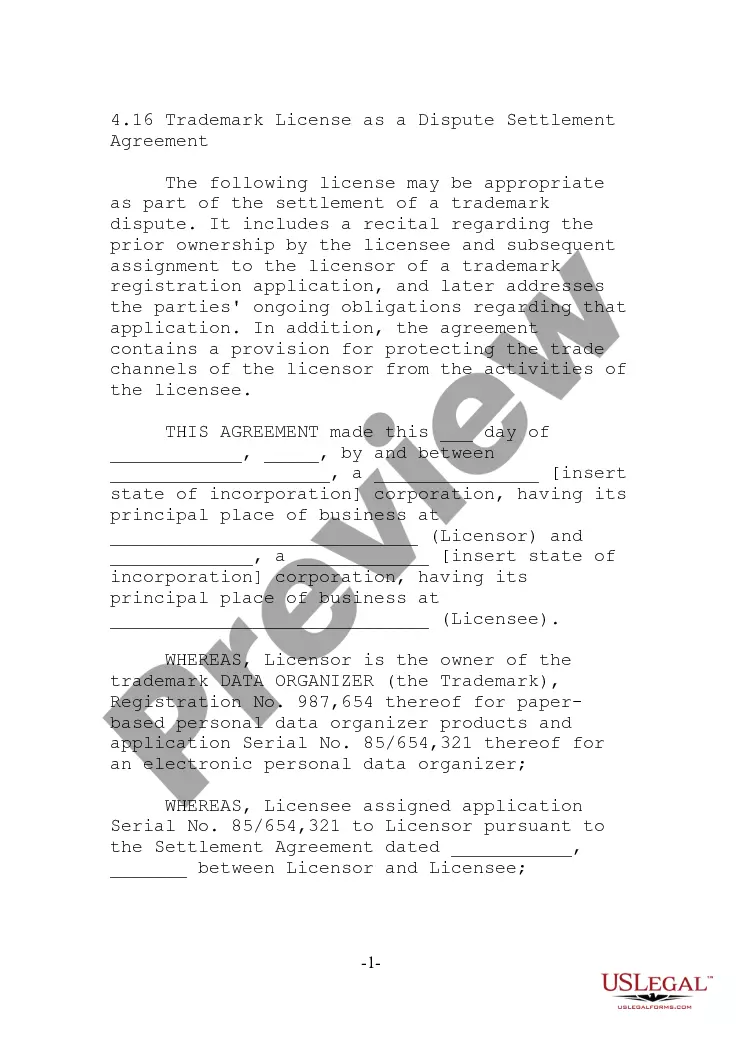
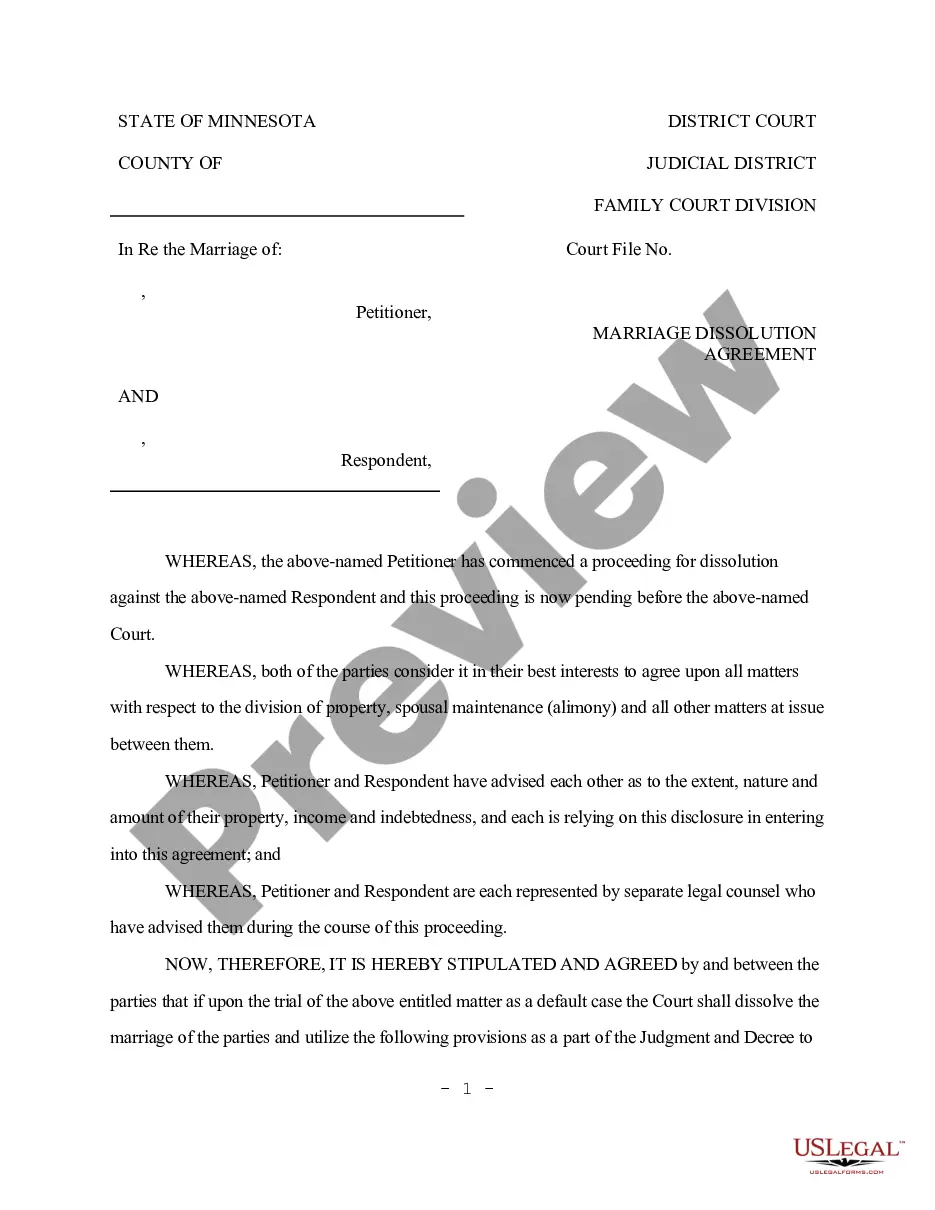
North Carolina Settlement Agreement Tradename
Description
Get your form ready online
Our built-in tools help you complete, sign, share, and store your documents in one place.
Make edits, fill in missing information, and update formatting in US Legal Forms—just like you would in MS Word.
Download a copy, print it, send it by email, or mail it via USPS—whatever works best for your next step.
Sign and collect signatures with our SignNow integration. Send to multiple recipients, set reminders, and more. Go Premium to unlock E-Sign.
If this form requires notarization, complete it online through a secure video call—no need to meet a notary in person or wait for an appointment.
We protect your documents and personal data by following strict security and privacy standards.

Make edits, fill in missing information, and update formatting in US Legal Forms—just like you would in MS Word.

Download a copy, print it, send it by email, or mail it via USPS—whatever works best for your next step.

Sign and collect signatures with our SignNow integration. Send to multiple recipients, set reminders, and more. Go Premium to unlock E-Sign.

If this form requires notarization, complete it online through a secure video call—no need to meet a notary in person or wait for an appointment.

We protect your documents and personal data by following strict security and privacy standards.
Looking for another form?




How to fill out Settlement Agreement Tradename?
Selecting the appropriate legal document template can be a challenge. Of course, there are numerous templates accessible online, but how do you find the legal document you require? Utilize the US Legal Forms website. This service provides a vast array of templates, including the North Carolina Settlement Agreement Tradename, which can be utilized for both business and personal purposes. All templates are reviewed by experts and adhere to federal and state regulations.
If you are already registered, Log In to your account and click the Download button to obtain the North Carolina Settlement Agreement Tradename. Use your account to browse the legal documents you have previously ordered. Navigate to the My documents section of your account to retrieve an additional copy of the document you require.
If you are a new user of US Legal Forms, here are simple instructions for you to follow: First, ensure you have chosen the correct document for your city/state. You can preview the document using the Preview button and review the document description to confirm it is suitable for your needs. If the document does not meet your requirements, use the Search field to find the appropriate document. Once you are certain the document is suitable, click the Buy now button to acquire the document. Choose the pricing plan you prefer and input the necessary information. Create your account and complete your purchase using your PayPal account or credit card. Select the file format and download the legal document template to your device. Complete, modify, print, and sign the acquired North Carolina Settlement Agreement Tradename.
- US Legal Forms is the largest collection of legal documents available for you to explore various document templates.
- Utilize this service to download professionally crafted documents that comply with state specifications.
- Access a wide range of templates tailored to meet diverse legal needs.
- Easily navigate through the website to find the necessary legal forms.
- Take advantage of user-friendly features for a seamless experience.
- Receive expert-reviewed documents to ensure compliance with legal standards.
Form popularity
FAQ
In trademark litigation, the three main claims are trademark infringement, unfair competition and trademark dilution.
A trademark owner who believes its mark is being infringed may file a civil action (i.e., lawsuit) in either state court or federal court for trademark infringement, depending on the circumstances.
How to Stop a Trademark Infringer Step 1: Send a cease-and-desist letter. Sending a cease and desist letter is often the first step in notifying the infringer of the situation and letting them know you are aware of your rights in your trademark. ... Step 2: Report the infringement to the USPTO. ... Step 3: Filing a lawsuit.
However, in most cases, the trademark owner, as plaintiff, will choose federal court. Even when a plaintiff chooses state court, it may be possible for the defendant to have the case "removed" to federal court.
With regard to federal declaratory judgment suits pertaining to the infringement of a trademark, venue is proper in ?a judicial district in which a substantial part of the events or omissions giving rise to the claim occurred . . . .? 28 U.S.C. 1391(b); Spiegelberg v.
Federal courts have original jurisdiction over federal trademark disputes. However, state courts also have jurisdiction over federal trademark disputes. Trademark disputes alleging violations of state law can be heard in state court in every instance and in federal courts in only some instances.