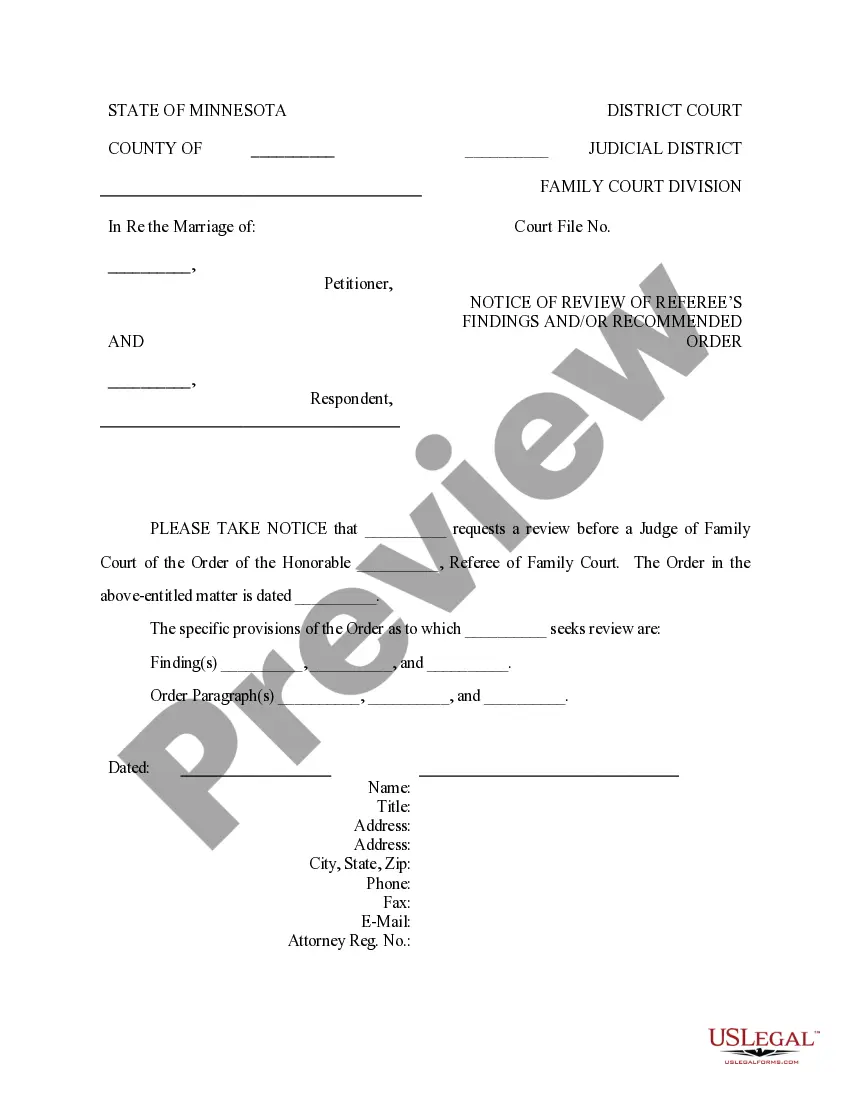
North Carolina Agent Certification as to Validity of Power of Attorney
Description

Key Concepts & Definitions
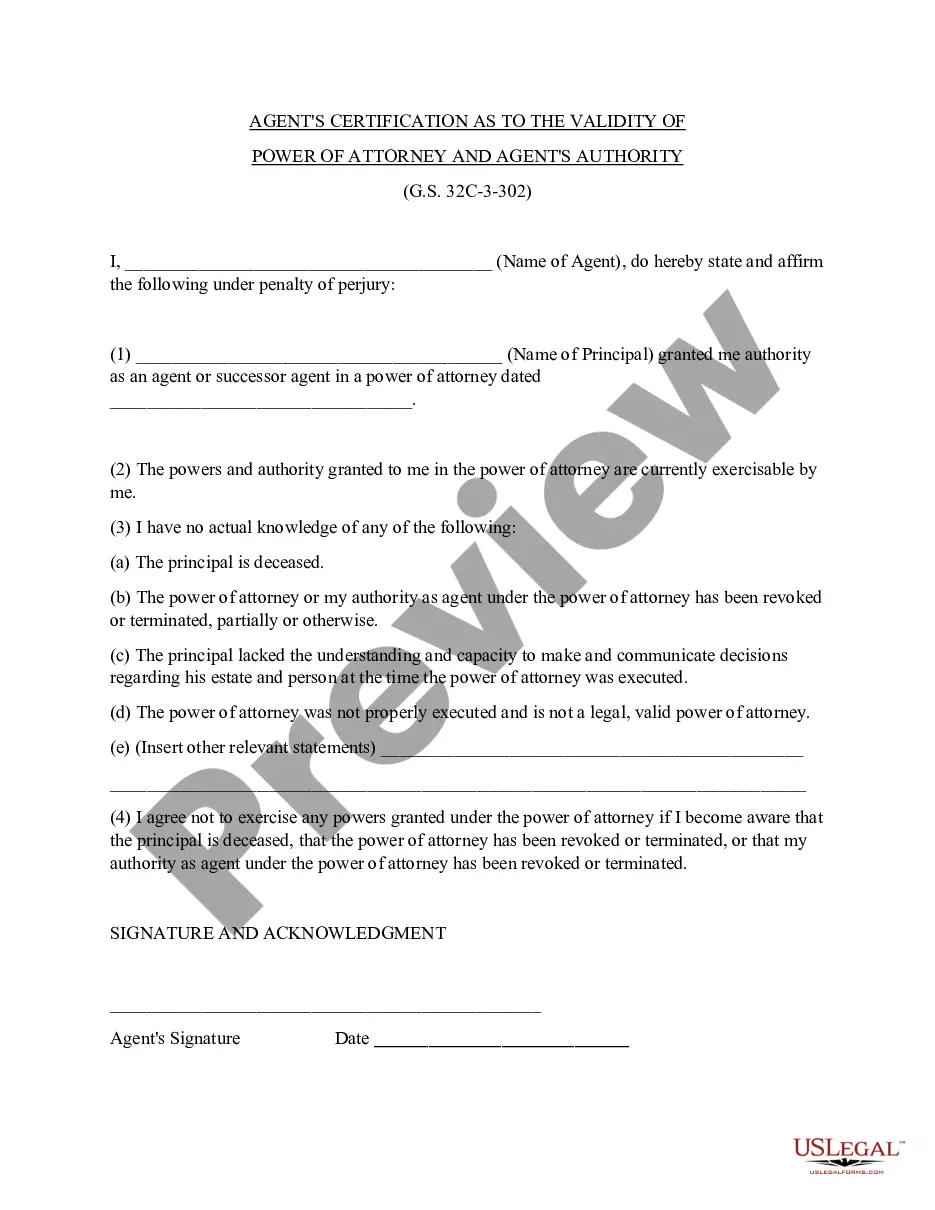
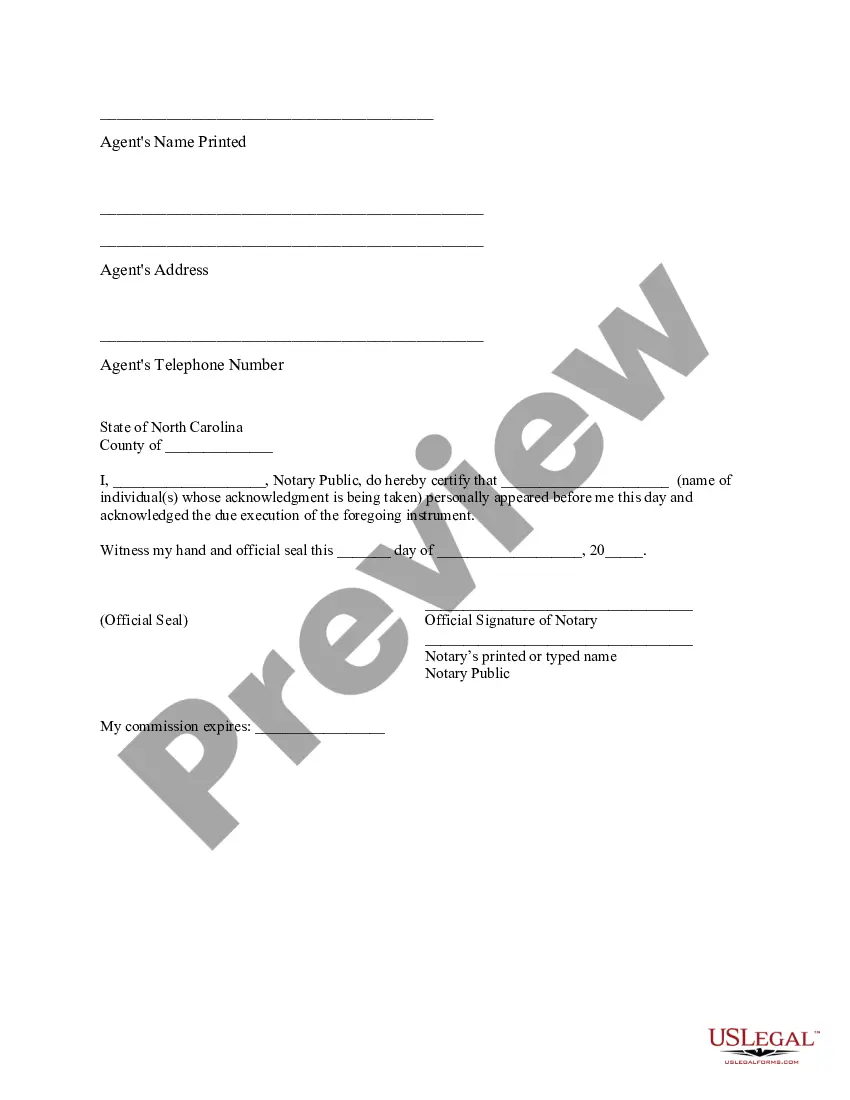
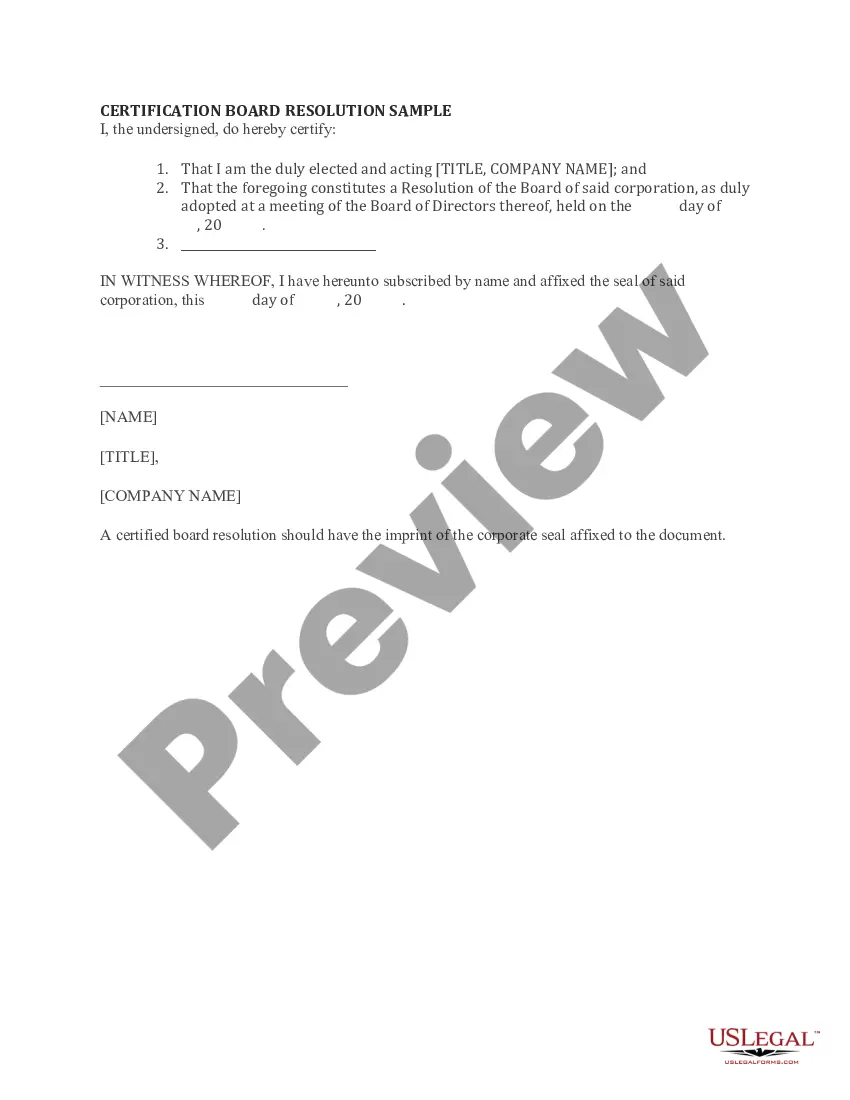
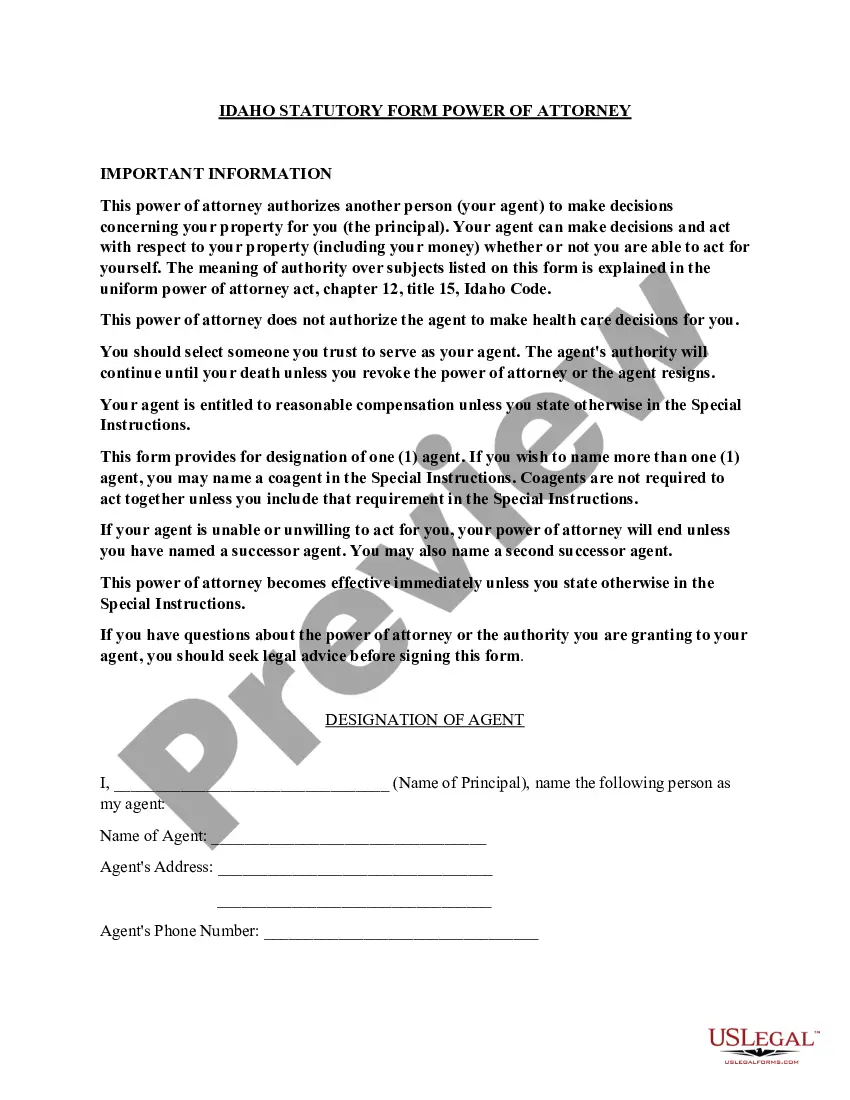
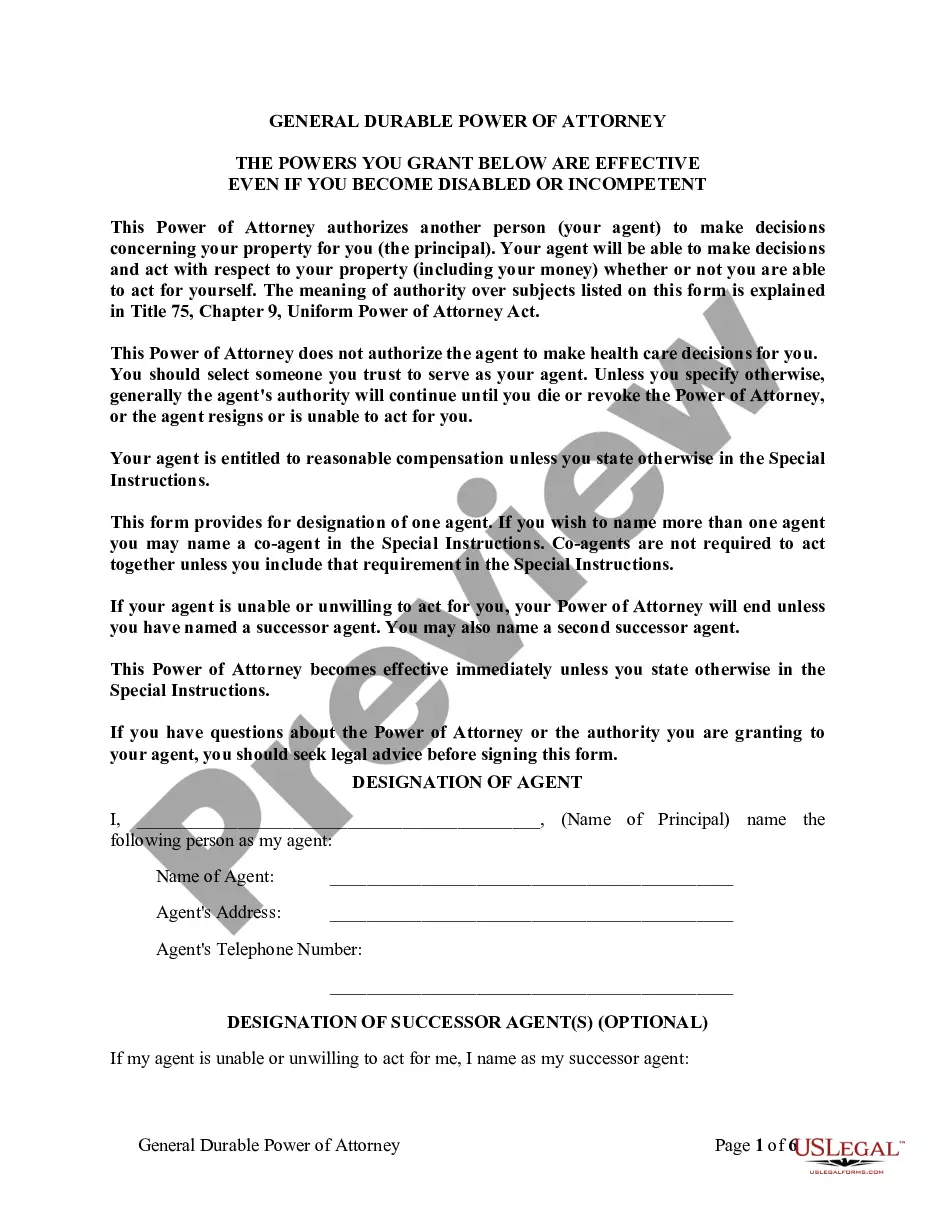
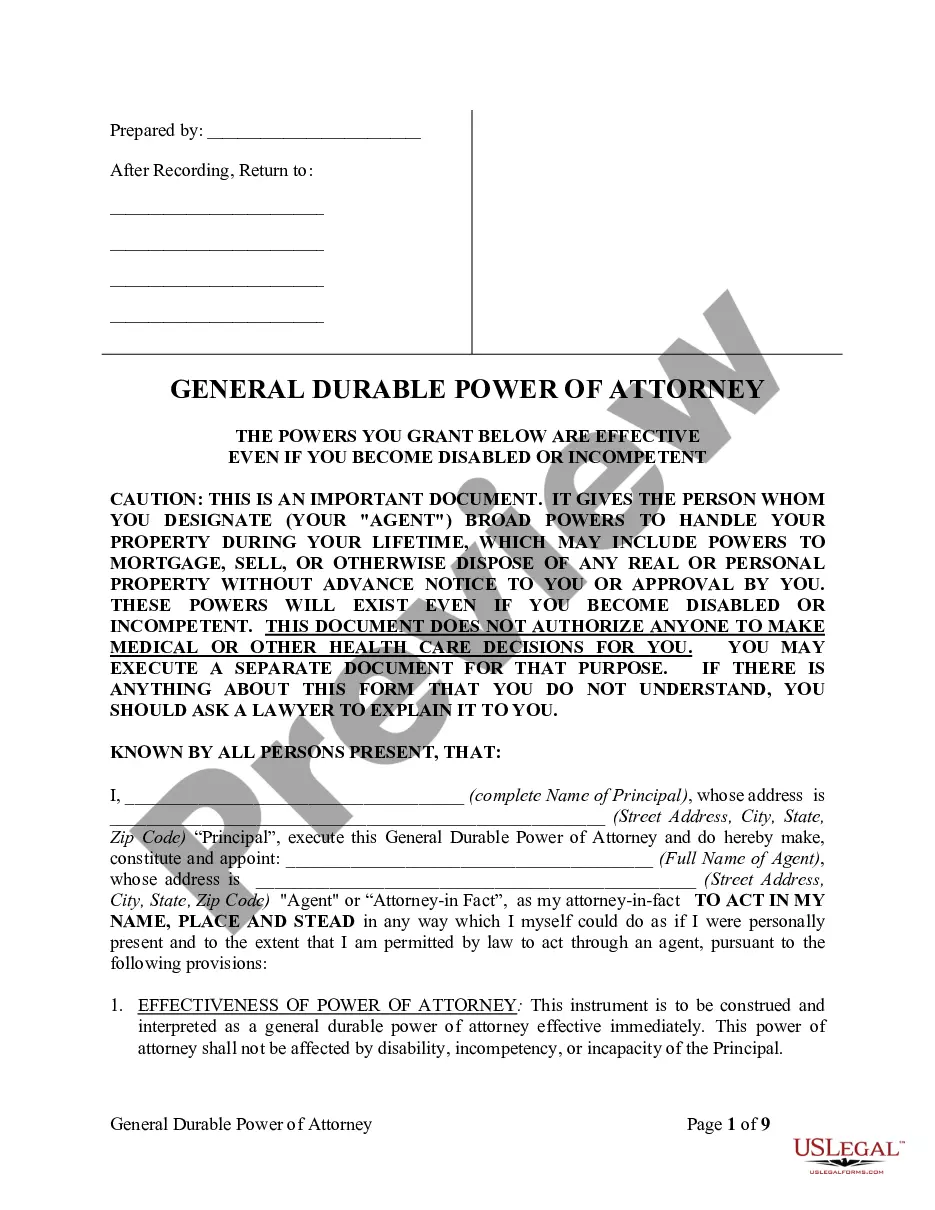
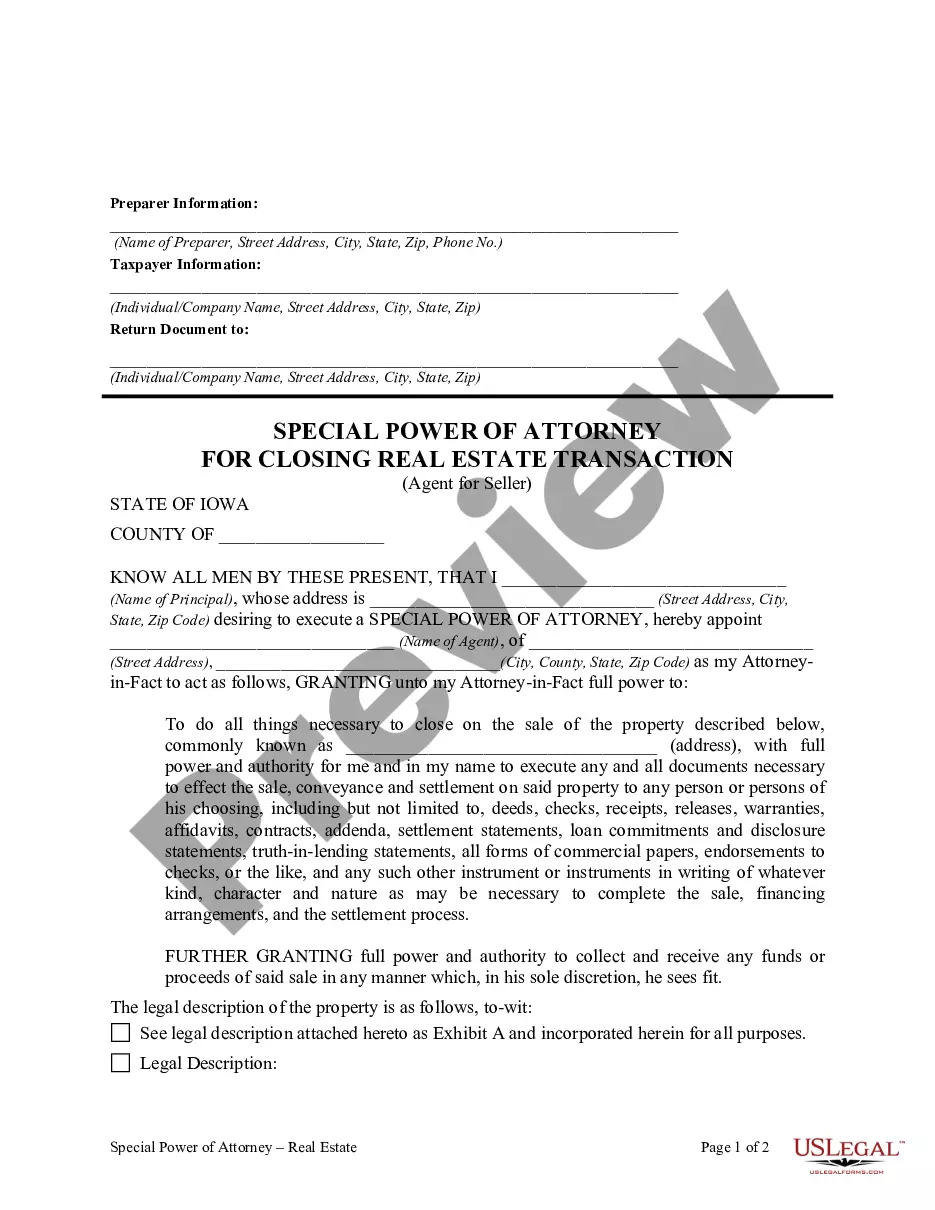
Agent Certification as to Validity of Power of Attorney involves a formal declaration by an agent that a Power of Attorney (POA) document is legally valid and accurately reflects the principal's intentions. This certification is often required by financial institutions or other entities to confirm that the agent has the legitimate authority to act on behalf of the principal under the terms specified in the POA.
Step-by-Step Guide
- Verify the Power of Attorney Document: Ensure that the POA is complete and includes all necessary elements such as the principal's name, the agent's name, and the scope of authority granted.
- Check State Laws: Review the legal requirements for a POA in the state where it will be used, as these can vary significantly.
- Prepare Certification Statement: Draft a statement declaring the validity of the POA. This statement should include your name as the agent, the date, and a declaration that you believe the POA is genuine and in effect.
- Sign the Certification: Sign the certification in the presence of a notary public to validate your identity and the declaration.
- Keep Records: Retain a copy of the certification and any correspondence related to its creation and submission for future reference.
Risk Analysis
- Legal Disputes: Incorrect or fraudulent certification can lead to legal disputes or challenges to the agent's authority.
- Rejection by Institutions: If the certification does not meet specific criteria required by an institution, it may be rejected, delaying important transactions.
- Financial Risks: Acting on an invalid POA can lead to financial losses or penalties if the document is subsequently invalidated.
Best Practices
- Consult a Lawyer: Seek professional legal advice to ensure the POA and the certification meet all legal requirements.
- Regular Updates: Regularly review and, if necessary, recertify the validity of the POA to account for any changes in the law or personal circumstances.
- Clear Communication: Maintain open lines of communication with the principal (if possible) and any institutions with which you will be interacting as an agent.
Common Mistakes & How to Avoid Them
- Neglecting State Law Variations: Failing to comply with state-specific laws can invalidate a POA. Always verify state laws before proceeding.
- Incomplete Documentation: Ensure all necessary documentation is complete and available when certifying a POA to avoid delays or legal issues.
How to fill out North Carolina Agent Certification As To Validity Of Power Of Attorney?
Steer clear of costly attorneys and locate the North Carolina Agent Certification regarding the Validity of Power of Attorney you desire at an economical price on the US Legal Forms site.
Utilize our straightforward grouping feature to search for and obtain legal and tax documents. Examine their descriptions and preview them thoroughly prior to downloading.
Opt to download the form in PDF or DOCX format. Click on Download and locate your template in the My documents section. You can save the form to your device or print it out. After downloading, you can fill out the North Carolina Agent Certification regarding the Validity of Power of Attorney by hand or using editing software. Print it out and reuse the template multiple times. Achieve more for less with US Legal Forms!
- Moreover, US Legal Forms provides users with detailed instructions on how to download and complete each template.
- US Legal Forms members simply need to sign in and download the specific form they require to their My documents section.
- Those who have not yet subscribed should adhere to the guidelines outlined below.
- Ensure the North Carolina Agent Certification regarding the Validity of Power of Attorney is permissible for use in your state.
- If accessible, browse the description and utilize the Preview feature before downloading the templates.
- If you are confident that the template fulfills your requirements, click Buy Now.
- Should the template be incorrect, utilize the search box to locate the appropriate one.
- Next, set up your account and select a subscription plan.
- Complete the payment using a credit card or PayPal.
Form popularity
FAQ
It further clarified that in view of Section 202 of the Indian Contract Act 1872, a power of attorney having the ingredients as required under section 202, is irrevocable and is valid even upon death of the donor (unless declared invalid/terminated by a court), and that in such an event a declaration does not need to
Most states do not require a POA to be in writing in order to be effective, except in specific cases established by statute.As a result, most POAs can be executed electronically with or without authorization under the eCommerce laws, since there is no writing or signature requirement to begin with.
Signing as a Power of Attorney You can sign the person's name first, then follow it with "by your name under POA." Or, you can sign your own name first, then identify yourself as "attorney-in-fact for the person's name for whom you are attorney-in-fact.
Another important thing to note here is that a PoA remains valid only till the life of the principal. Within their lifetime also, one can revoke the PoA. An SPA gets revokes on its own as soon as the specific transaction for which it was executed is completed.
The person named in a power of attorney to act on your behalf is commonly referred to as your "agent" or "attorney-in-fact." With a valid power of attorney, your agent can take any action permitted in the document. Often your agent must present the actual document to invoke the power.
The ordinary process for other documents such as letters, forms or general legal documents is that you write 'p. p' before your signature, to demonstrate that you are signing for someone else. This will show the reader that you've signed with the authority of the intended signee.
Springing Power of Attorney. A standard power of attorney gives the agent the authority to act on behalf of the principal in everyday legal and financial matters. The standard power of attorney expires when the principal dies, becomes incapacitated, or revokes the power of attorney in writing.
After the principal's name, write by and then sign your own name. Under or after the signature line, indicate your status as POA by including any of the following identifiers: as POA, as Agent, as Attorney in Fact or as Power of Attorney.
After the principal's name, write by and then sign your own name. Under or after the signature line, indicate your status as POA by including any of the following identifiers: as POA, as Agent, as Attorney in Fact or as Power of Attorney.