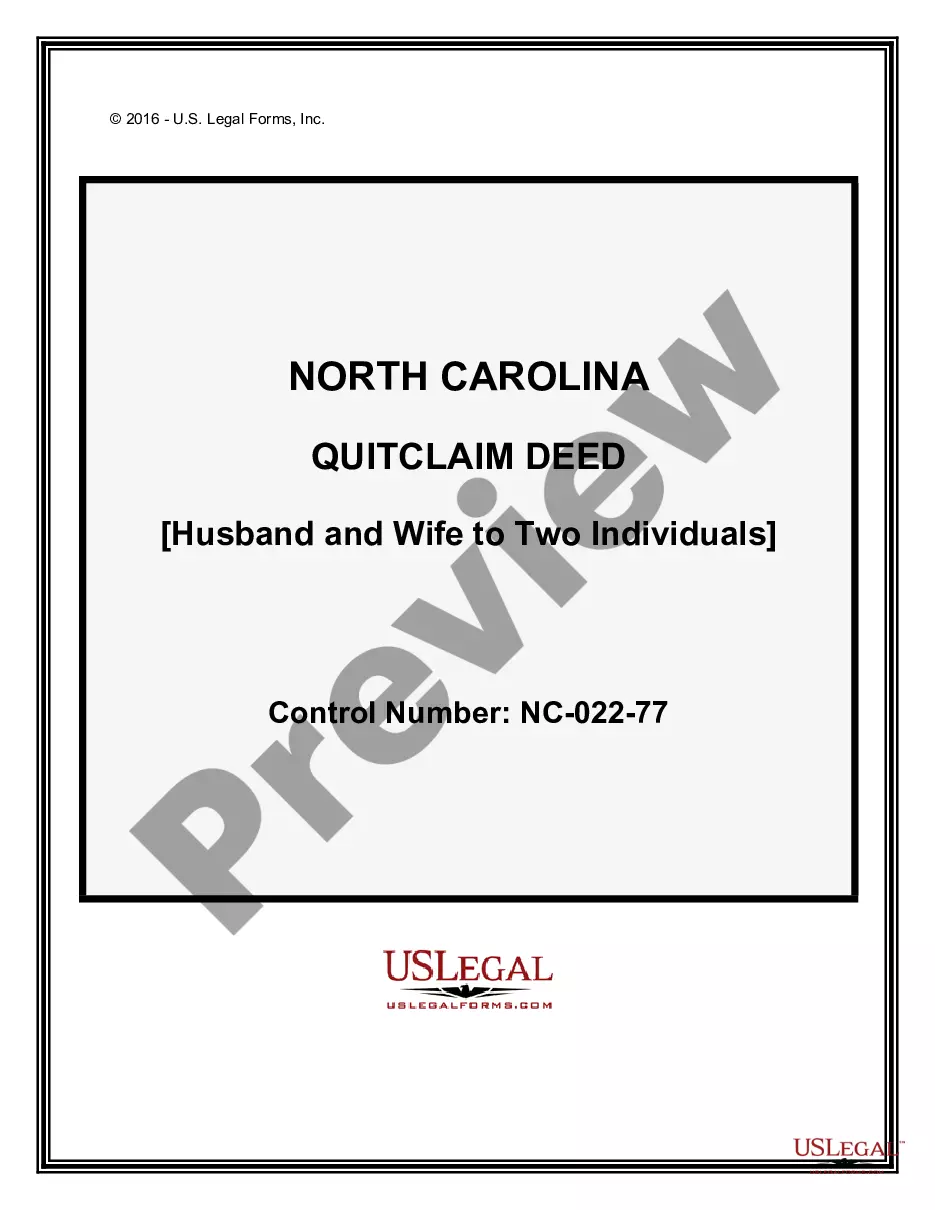
North Carolina Quitclaim Deed - Husband and Wife to Two Individuals
What this document covers
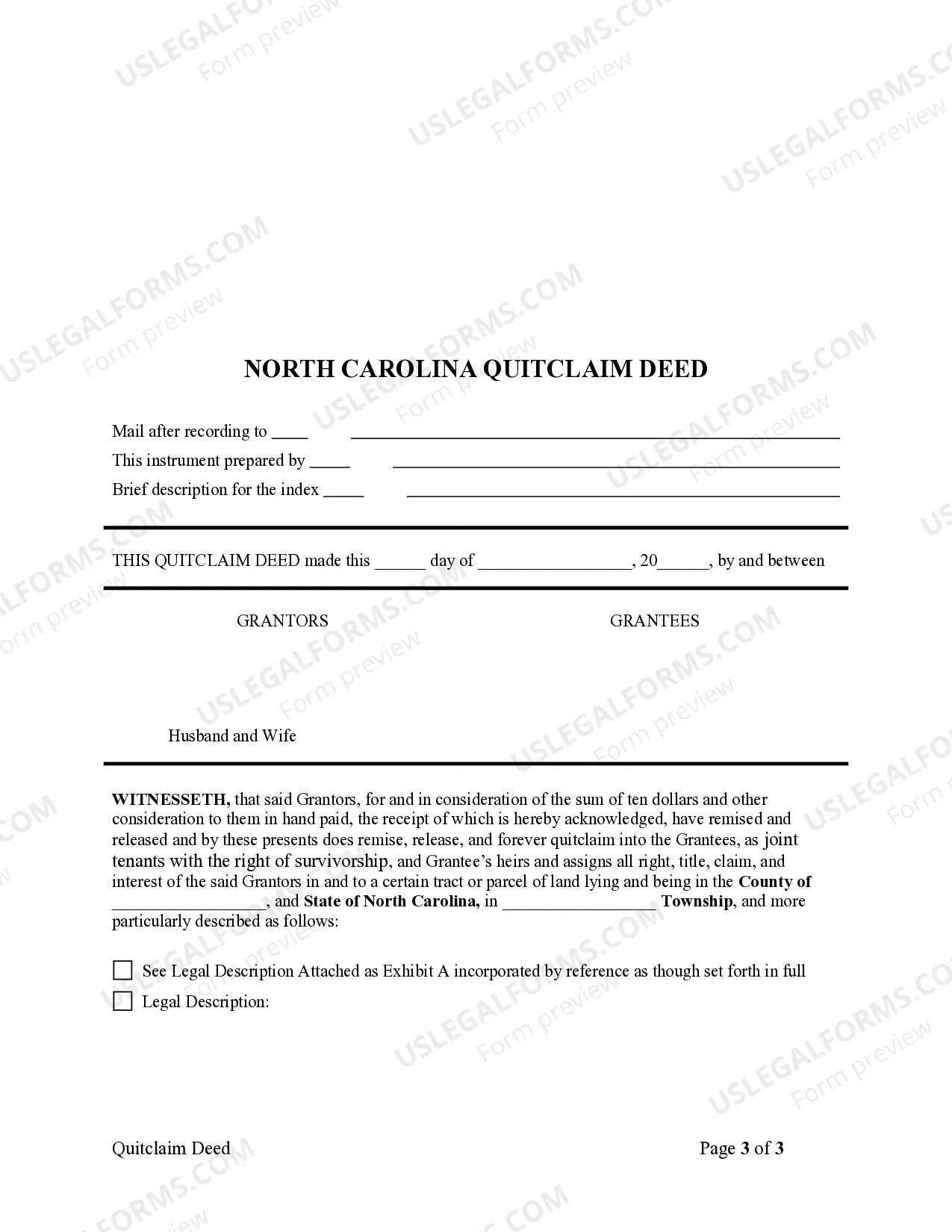
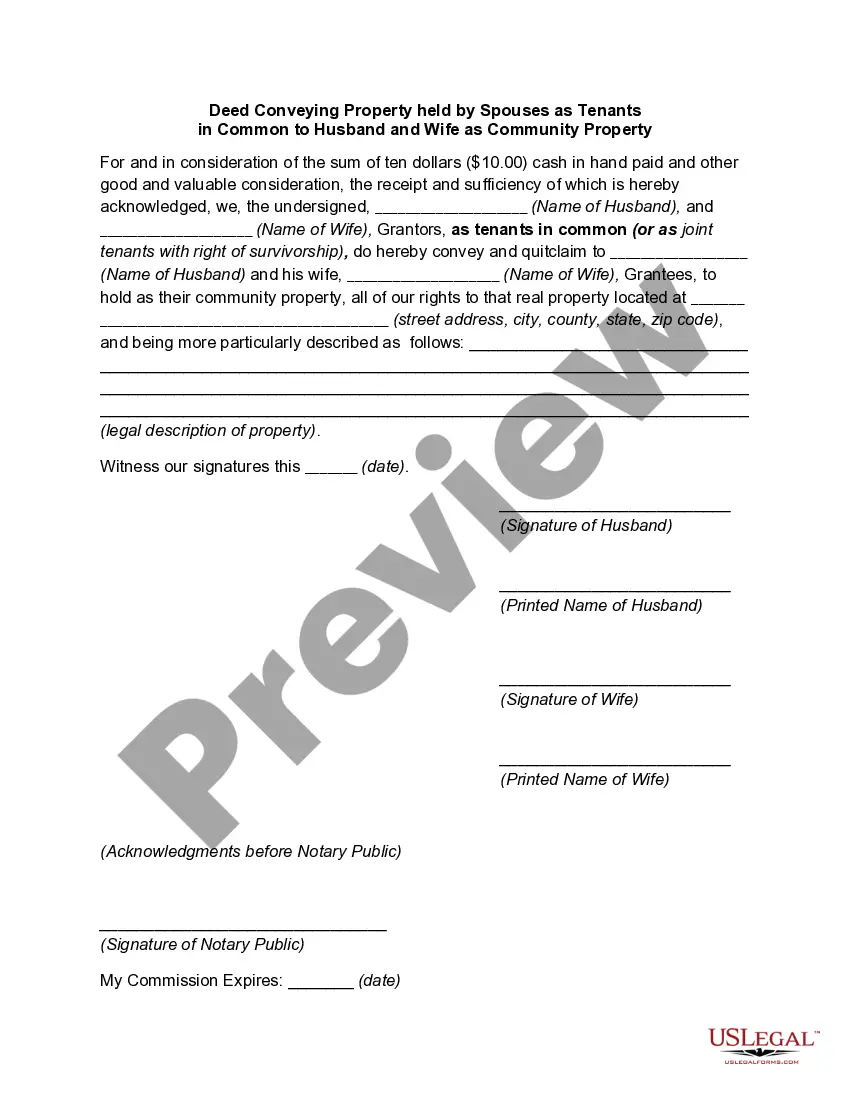
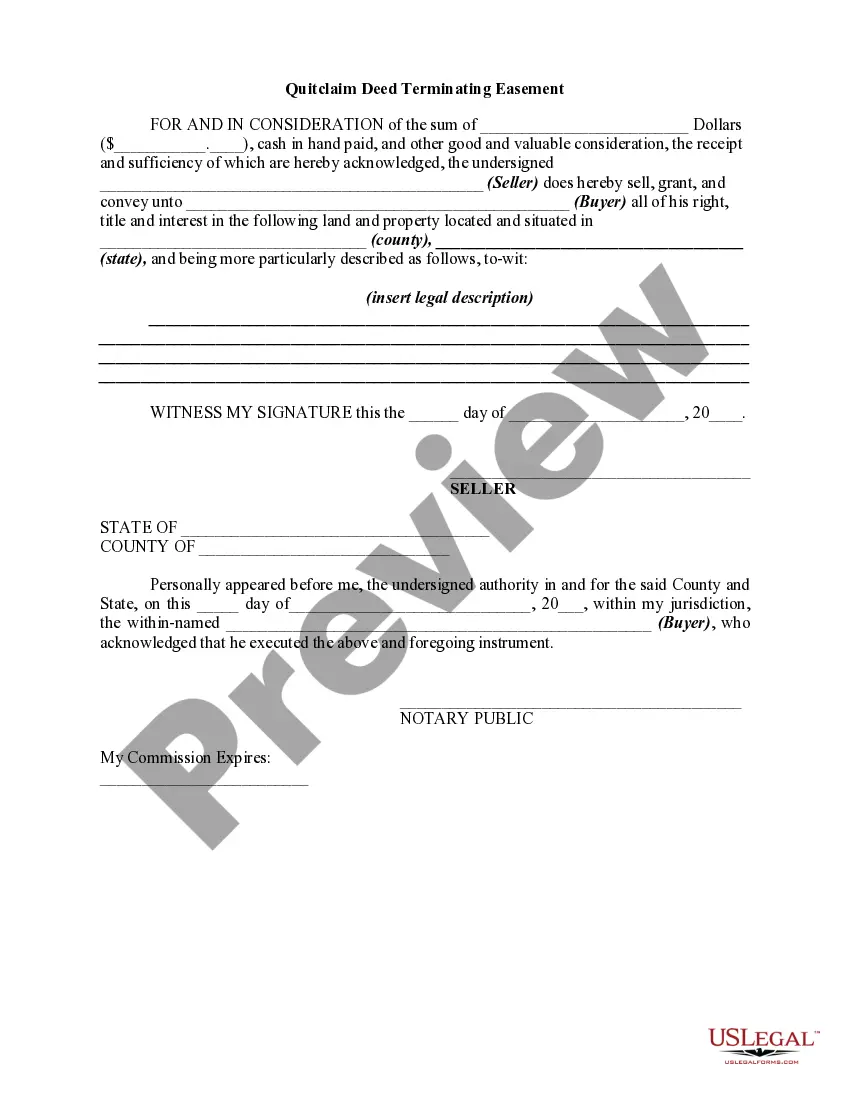
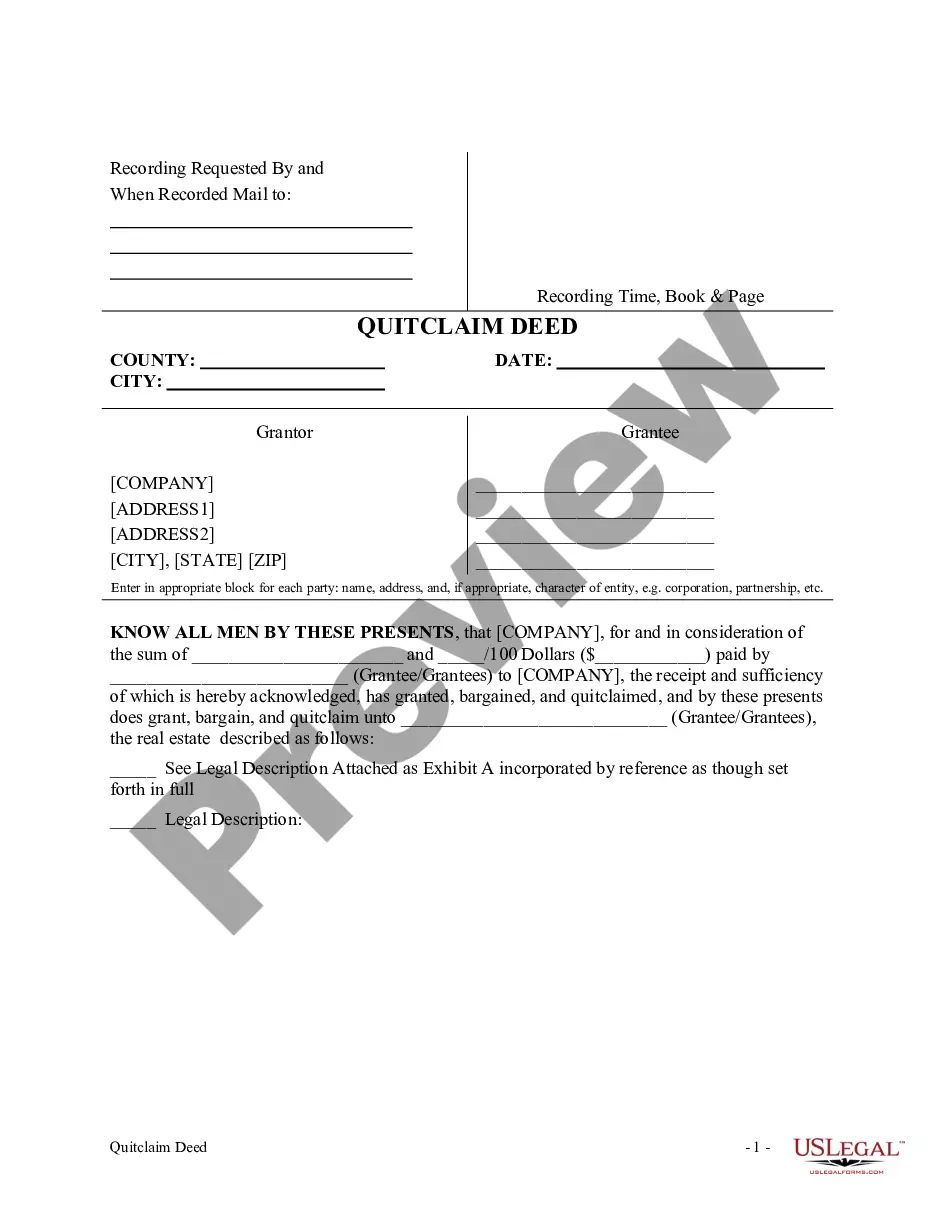
The Quitclaim Deed - Husband and Wife to Two Individuals is a legal document used to transfer property ownership from a married couple to two individuals. This form allows the grantors (husband and wife) to convey their interest in the property, granting it to the grantees as tenants in common or joint tenants with the right of survivorship. Unlike a warranty deed, a quitclaim deed does not guarantee that the grantors hold clear title, making it essential to understand the implications before use.
What’s included in this form
- Identification of grantors and grantees
- Description of the property being transferred
- Statement of ownership and rights
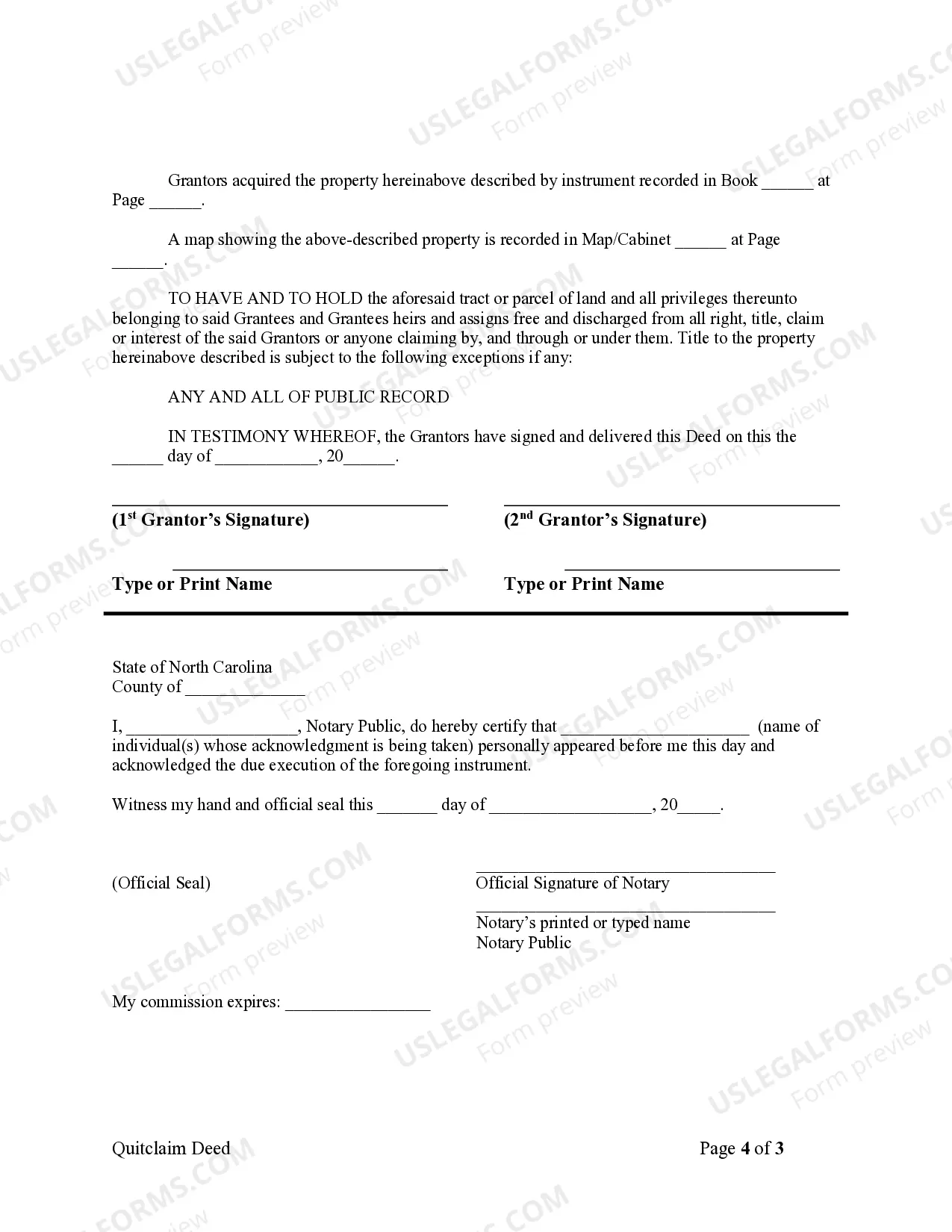
- Signatures of grantors to validate the deed
- Details regarding any exceptions or claims against the property


Situations where this form applies
This form is typically used when a husband and wife wish to transfer property to two other individuals, such as family members or friends. Situations may include transferring ownership for estate planning purposes, gifting property, or simplifying property management among co-owners. It is an efficient tool for simplifying changes in ownership without the complexities of a formal sale.
Who this form is for
- Married couples transferring property to two individuals.
- Individuals who understand the implications of using a quitclaim deed.
- Users who are not looking for a warranty deed and are transferring property without guarantees.
- Those seeking a simple and quick method of property transfer.
Instructions for completing this form
- Identify the parties involved: Enter the names of the husband and wife as grantors, and the names of the two individuals as grantees.
- Specify the property: Clearly describe the property being transferred, including any map or cabinet details.
- Enter the date: Fill in the date when the deed is signed and delivered.
- Obtain signatures: Have both grantors sign the deed to validate the transfer.
- Review for accuracy: Ensure all information is correct before finalizing the document.
Does this document require notarization?
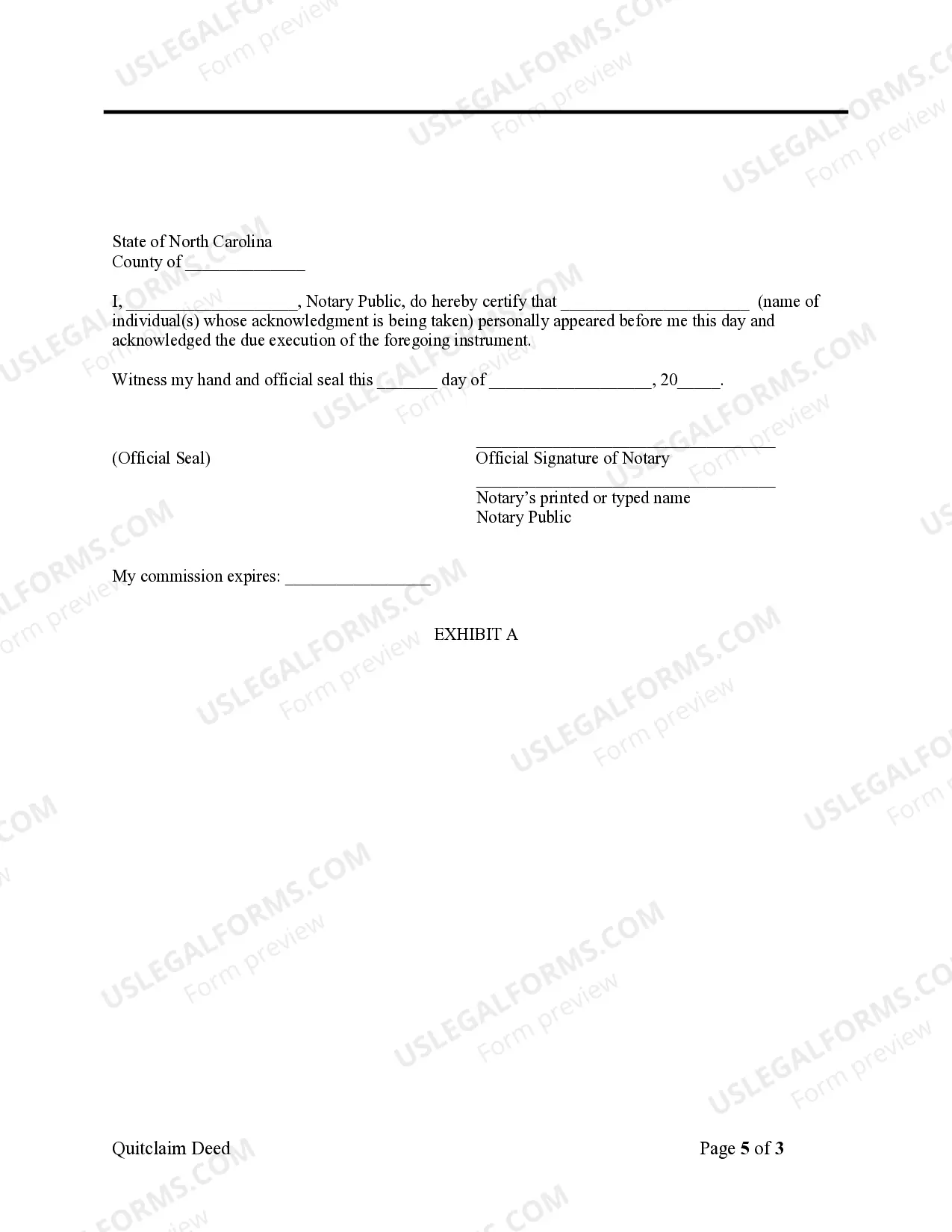
This document requires notarization to meet legal standards. US Legal Forms provides secure online notarization powered by Notarize, allowing you to complete the process through a verified video call, available 24/7.
Get your form ready online
Our built-in tools help you complete, sign, share, and store your documents in one place.
Make edits, fill in missing information, and update formatting in US Legal Forms—just like you would in MS Word.
Download a copy, print it, send it by email, or mail it via USPS—whatever works best for your next step.
Sign and collect signatures with our SignNow integration. Send to multiple recipients, set reminders, and more. Go Premium to unlock E-Sign.
If this form requires notarization, complete it online through a secure video call—no need to meet a notary in person or wait for an appointment.
We protect your documents and personal data by following strict security and privacy standards.

Make edits, fill in missing information, and update formatting in US Legal Forms—just like you would in MS Word.

Download a copy, print it, send it by email, or mail it via USPS—whatever works best for your next step.

Sign and collect signatures with our SignNow integration. Send to multiple recipients, set reminders, and more. Go Premium to unlock E-Sign.

If this form requires notarization, complete it online through a secure video call—no need to meet a notary in person or wait for an appointment.

We protect your documents and personal data by following strict security and privacy standards.
Common mistakes
- Failing to accurately describe the property can lead to legal complications.
- Not having all grantors sign the form can invalidate the deed.
- Assuming that a quitclaim deed provides warranties about property title, which it does not.
- Neglecting to update public records after the form is completed.
Advantages of online completion
- Convenience of completing the form from anywhere, anytime.
- Editability allows users to customize the deed as needed.
- Access to reliable templates created by licensed attorneys ensures legal compliance.
- Instant download allows immediate use without waiting for physical copies.
Legal use & context
- Quitclaim deeds can effectively transfer property ownership without warranties, making them useful in non-transactional situations, such as familial transfers.
- The risks involved should be carefully considered, as the grantees receive the property with any existing claims or liens.
- This form is enforceable upon correct completion and submission to the appropriate county office.
Looking for another form?
Form popularity
FAQ
California married couples generally have three options to take title to their community (vs separate) property real estate: community property, joint tenancy or Community Property with Right of Survivorship. The latter coming into play in California July of 2001.
The names on the mortgage show who's responsible for paying back the loan, while the title shows who owns the property. You can put your spouse on the title without putting them on the mortgage; this would mean that they share ownership of the home but aren't legally responsible for making mortgage payments.
Discuss property ownership interests. Access a copy of your title deed. Complete, review and sign the quitclaim or warranty form. Submit the quitclaim or warranty form. Request a certified copy of your quitclaim or warranty deed.
It's often easier to qualify for a joint mortgage, because both spouses can contribute income and assets to the application. However, if one spouse can qualify for a mortgage based on his own income and credit, the mortgage does not need to be in both spouses' names unless you live in a community property state.
The only way to forcibly change the ownership status is through a legal action and the resultant court order. However, if an owner chooses to be removed from the deed, it is simply a matter of preparing a new deed transferring that owner's interest in the property.
In California, all property bought during the marriage with income that was earned during the marriage is deemed "community property." The law implies that both spouses own this property equally, regardless of which name is on the title deed.
Before adding your spouse to the deed, speak with your attorney. The easiest way to grant your spouse title to your home is via a quitclaim deed (Californians generally use an interspousal grant deed). With a quitclaim deed, you can name your spouse as the property's joint owner.
In cases where a couple shares a home but only one spouse's name is on it, the home will not automatically pass to the surviving pass, if his or her name is not on the title.
Two of the most common ways to transfer property in a divorce are through an interspousal transfer deed or quitclaim deed. When spouses own property together, but then one spouse executes an interspousal transfer or a quitclaim deed, this is known as transmutation.