Montana Cease and Desist for Debt Collectors
Description
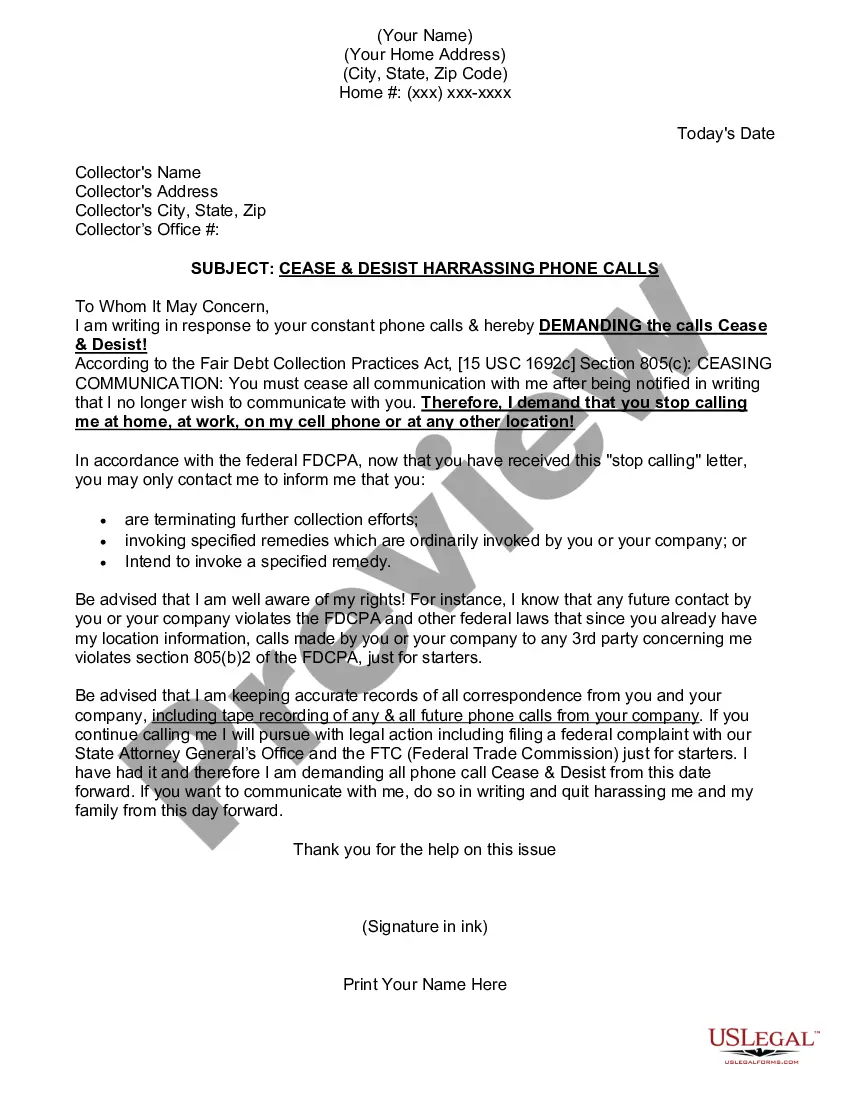
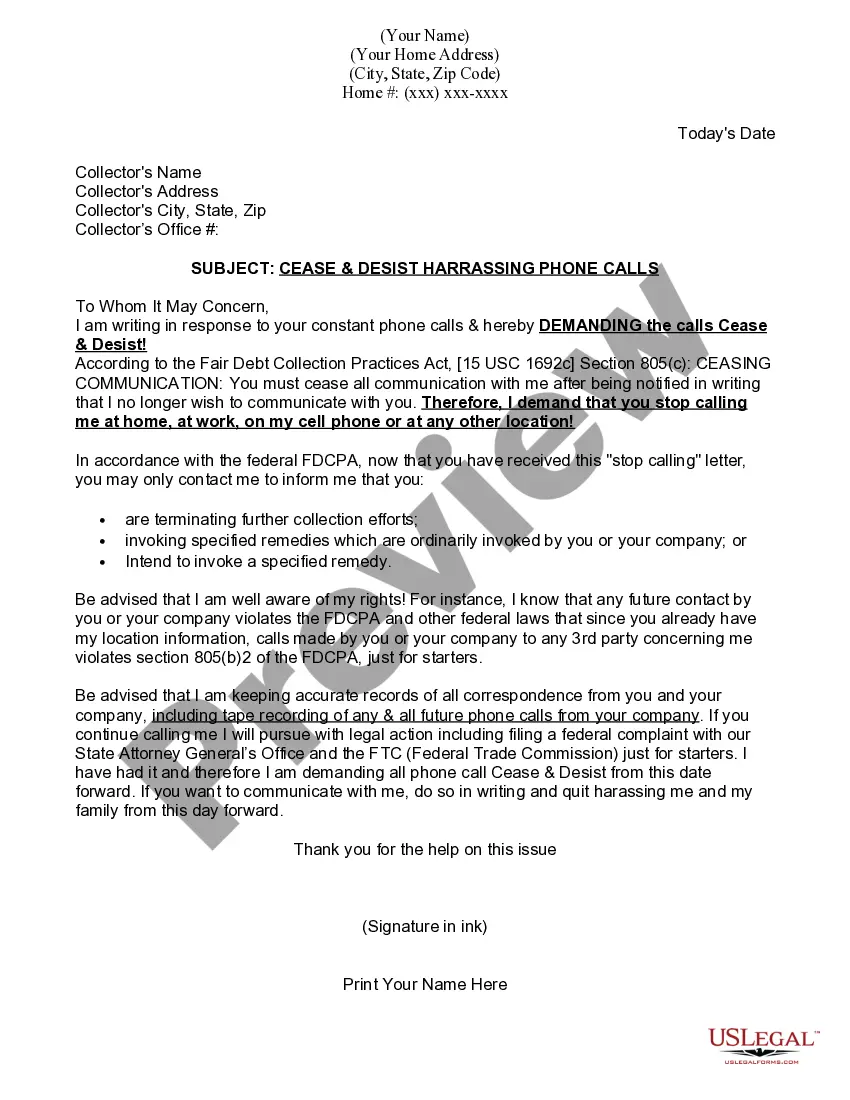


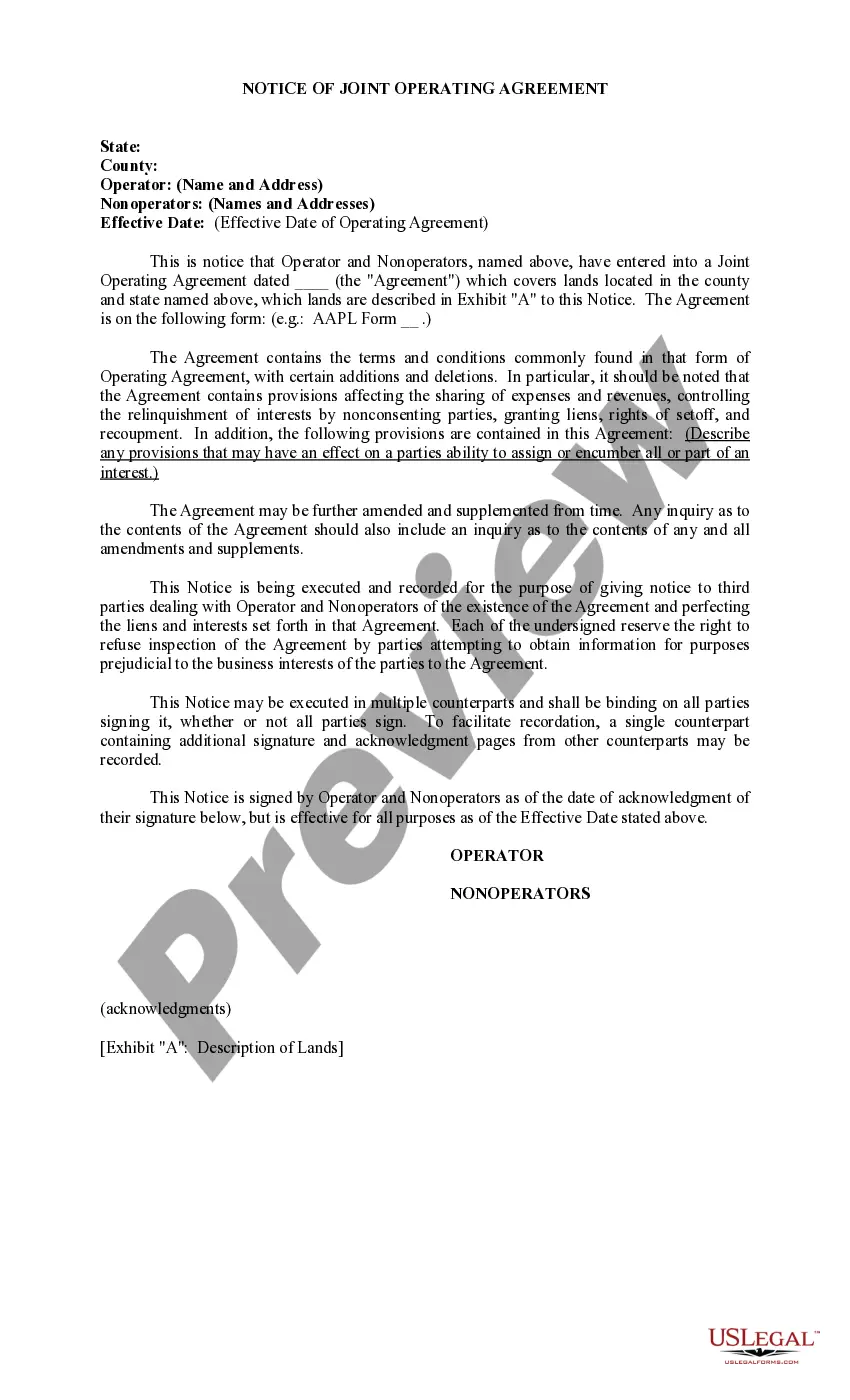
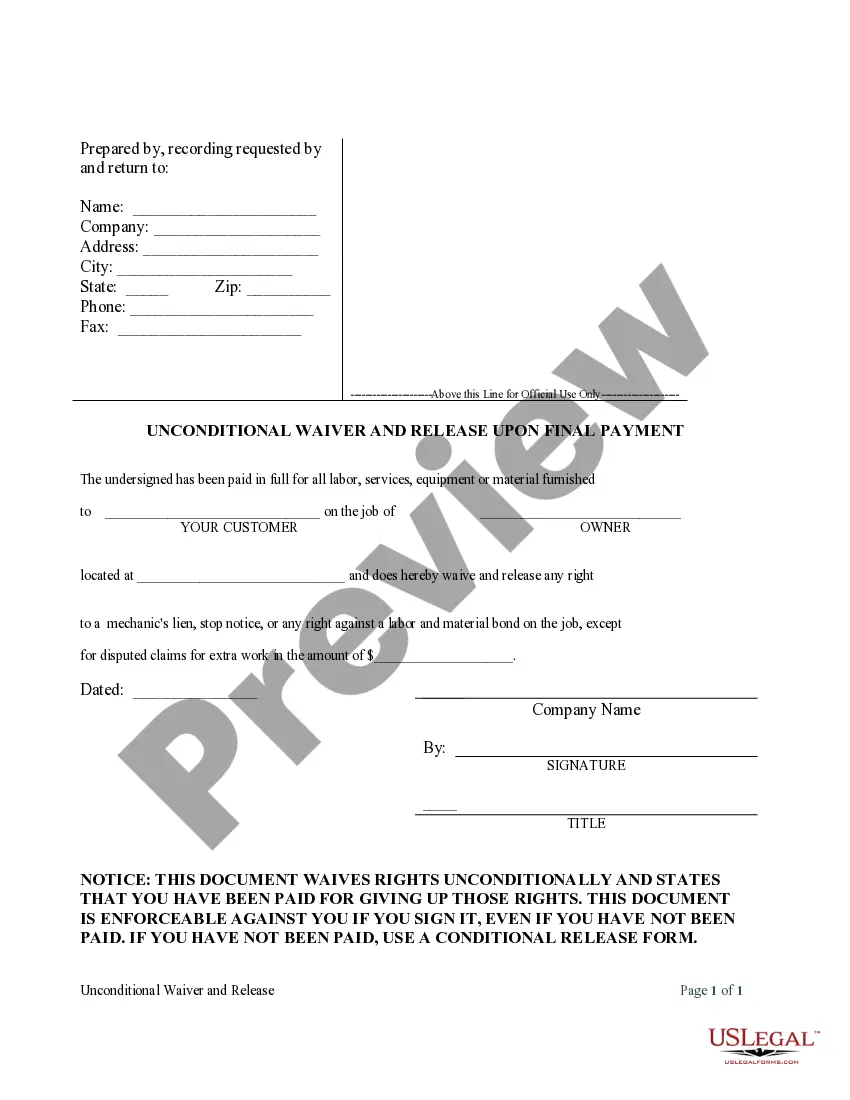
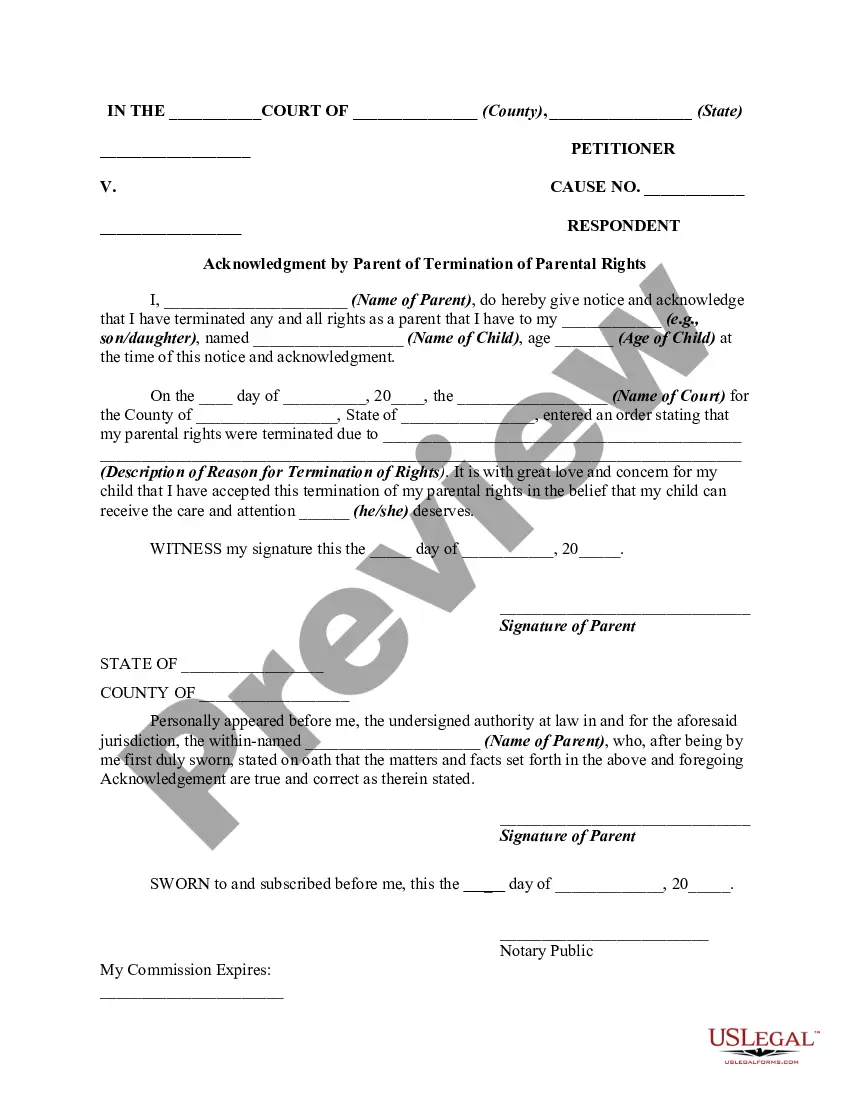
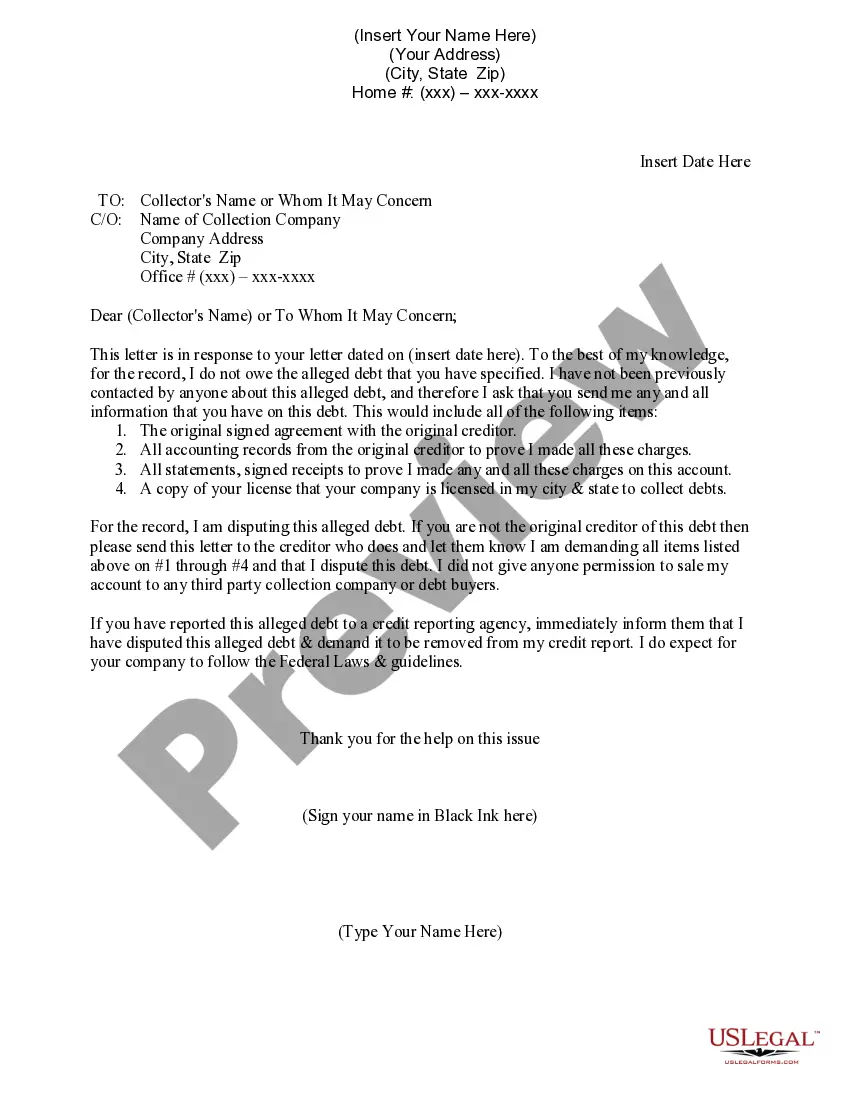
How to fill out Cease And Desist For Debt Collectors?
You can spend hours online attempting to locate the legal document format that meets the state and federal requirements you need.
US Legal Forms offers a vast array of legal templates that can be reviewed by professionals.
You can easily obtain or print the Montana Cease and Desist for Debt Collectors from my service.
- If you already possess a US Legal Forms account, you may Log In and click the Acquire button.
- Then, you can fill out, edit, print, or sign the Montana Cease and Desist for Debt Collectors.
- Every legal document template you purchase is yours forever.
- To obtain another copy of any purchased form, visit the My documents section and click the respective button.
- If you are using the US Legal Forms site for the first time, follow the straightforward instructions below.
- First, ensure that you have selected the correct document format for the area/city of your choice.
- Check the form details to confirm that you have chosen the correct template.
- If available, utilize the Preview button to review the document format as well.
- If you wish to find another version of the form, use the Search field to discover the template that fulfills your needs and requirements.
- Once you have located the template you desire, click Purchase now to proceed.
- Select the pricing plan you prefer, enter your credentials, and register for an account on US Legal Forms.
- Complete the transaction. You can use your credit card or PayPal account to pay for the legal form.
- Find the format of the document and download it to your device.
- Make alterations to your document if necessary.
- You can fill out, edit, sign, and print the Montana Cease and Desist for Debt Collectors.
- Obtain and print a vast number of document templates using the US Legal Forms website, which offers the largest collection of legal forms.
- Utilize professional and state-specific templates to address your business or personal needs.
Form popularity
FAQ
The 777 rule refers to a guideline that debt collectors must follow, which limits their ability to contact you after a cease and desist letter has been issued. Specifically, if you send a cease and desist under the Montana Cease and Desist for Debt Collectors law, they cannot contact you again regarding that debt. Understanding this rule is vital, as it empowers you to manage your interactions with debt collectors effectively. For further assistance, consider using USLegalForms to help navigate these regulations.
Yes, cease and desist letters can be effective for dealing with debt collectors. When you formally request the cessation of communication, it often leads to the collector respecting your wishes. However, it's crucial to ensure that your letter adheres to the legal standards set by the Montana Cease and Desist for Debt Collectors statute. Using services like USLegalForms can help ensure your letter is properly formatted and legally sound.
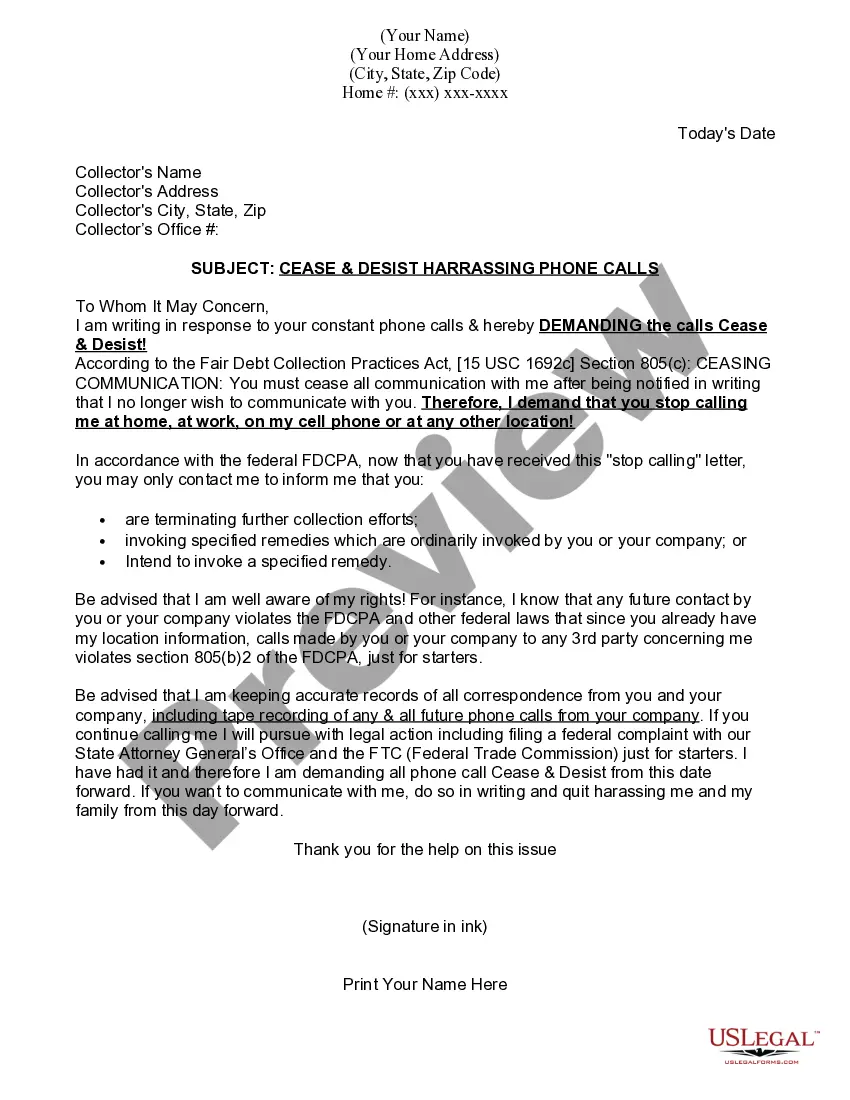
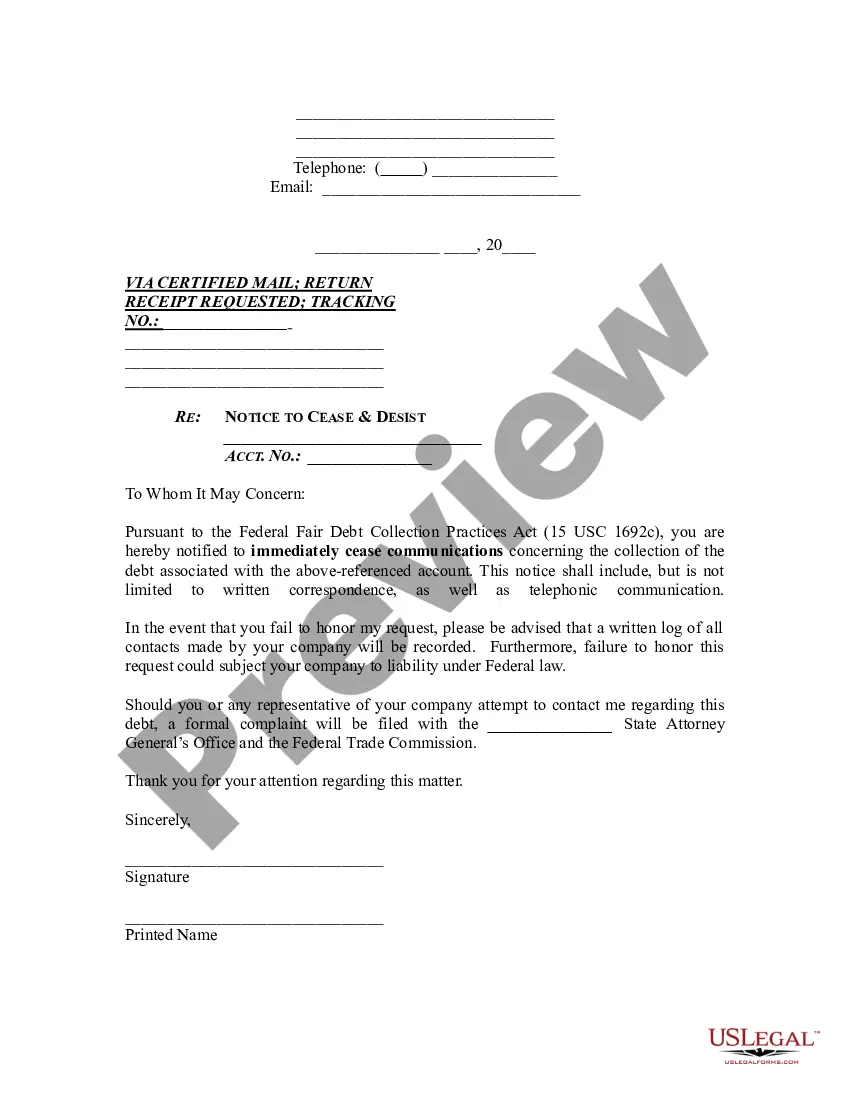
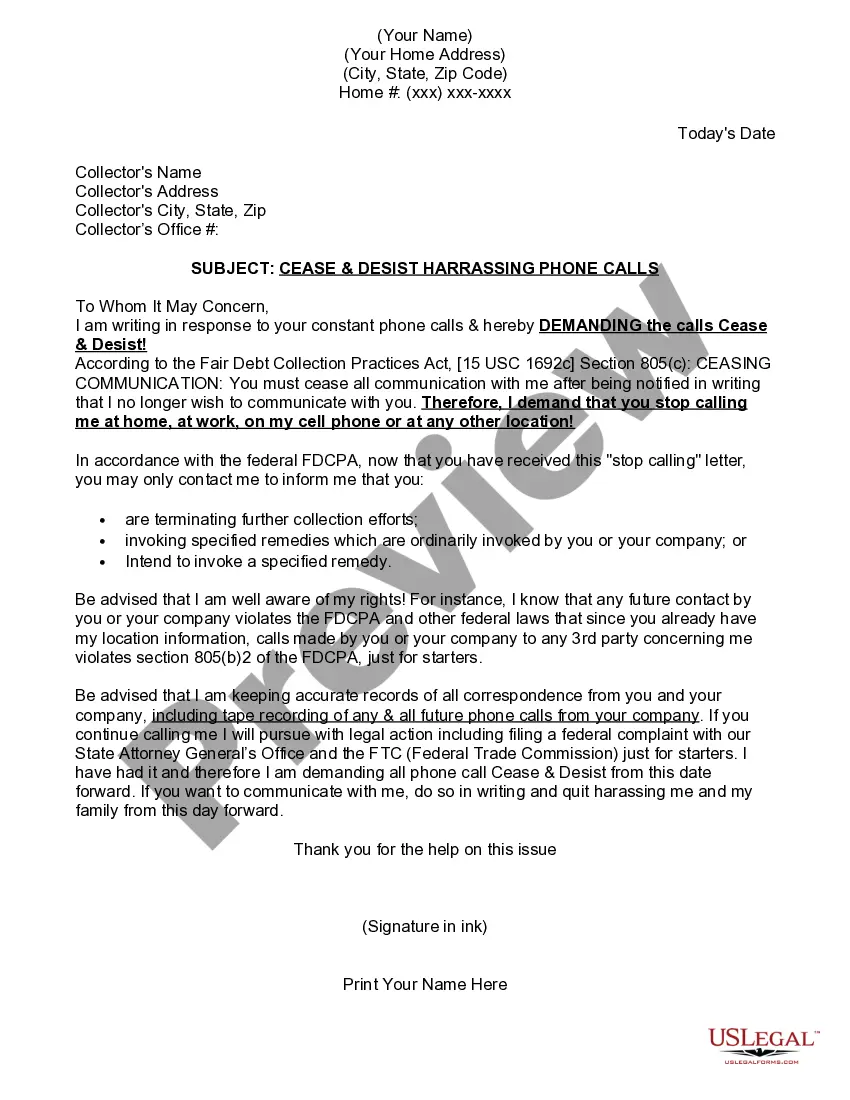
To write a cease and desist letter to a debt collector, start by clearly stating your intent to stop all communication. Include your name, address, and the collector's name and address. Specify that you are invoking your rights under the Montana Cease and Desist for Debt Collectors law. Finally, consider utilizing platforms like USLegalForms to access templates that can guide you in crafting a professional letter.
Yes, you can tell a debt collector to cease and desist. This action is your right under the Fair Debt Collection Practices Act. Sending a Montana Cease and Desist for Debt Collectors can help you regain control over your situation. If you need guidance, consider using resources like US Legal Forms to ensure your letter is properly formatted and legally sound.
Yes, you can write a cease and desist letter to a debt collector. This letter informs the collector that you do not wish to be contacted further regarding the debt. Using a Montana Cease and Desist for Debt Collectors is an effective way to formally communicate your wishes. If you need assistance, platforms like US Legal Forms can provide templates to help you craft a clear and professional letter.
To effectively issue a cease and desist letter, you generally need to provide proof of the original debt and any communication you have had with the debt collector. Documenting your interactions helps establish your case. When utilizing a Montana Cease and Desist for Debt Collectors, ensure you include any relevant evidence that supports your request. This documentation can strengthen your position and protect your rights.
A 609 letter is a request you send to a debt collector, asking them to verify the debt they claim you owe. This letter references Section 609 of the Fair Credit Reporting Act, which allows you to obtain details about the account. When you use a Montana Cease and Desist for Debt Collectors, you can also include this request to ensure accuracy in their claims. Remember, verifying the debt is an important step in addressing any collections against you.
You absolutely can send a cease and desist letter to a debt collector. This letter serves as a formal request to stop communication regarding a debt. Utilizing a Montana Cease and Desist for Debt Collectors letter can bring peace of mind and help you regain control over your financial situation. Platforms like UsLegalForms provide templates to guide you in crafting an effective letter.
Yes, you can instruct a debt collector to cease and desist communication. This request can help protect you from harassment and unwanted contact. When you send a Montana Cease and Desist for Debt Collectors letter, it formally notifies the collector to stop all communications. Once they receive it, they must comply with your request.
In Montana, the statute of limitations for collecting most debts is generally five years. This means that after five years, creditors cannot legally enforce the debt in court. However, certain types of debts, like judgments, may have different timeframes. Understanding these limits is crucial when considering a Montana Cease and Desist for Debt Collectors strategy.