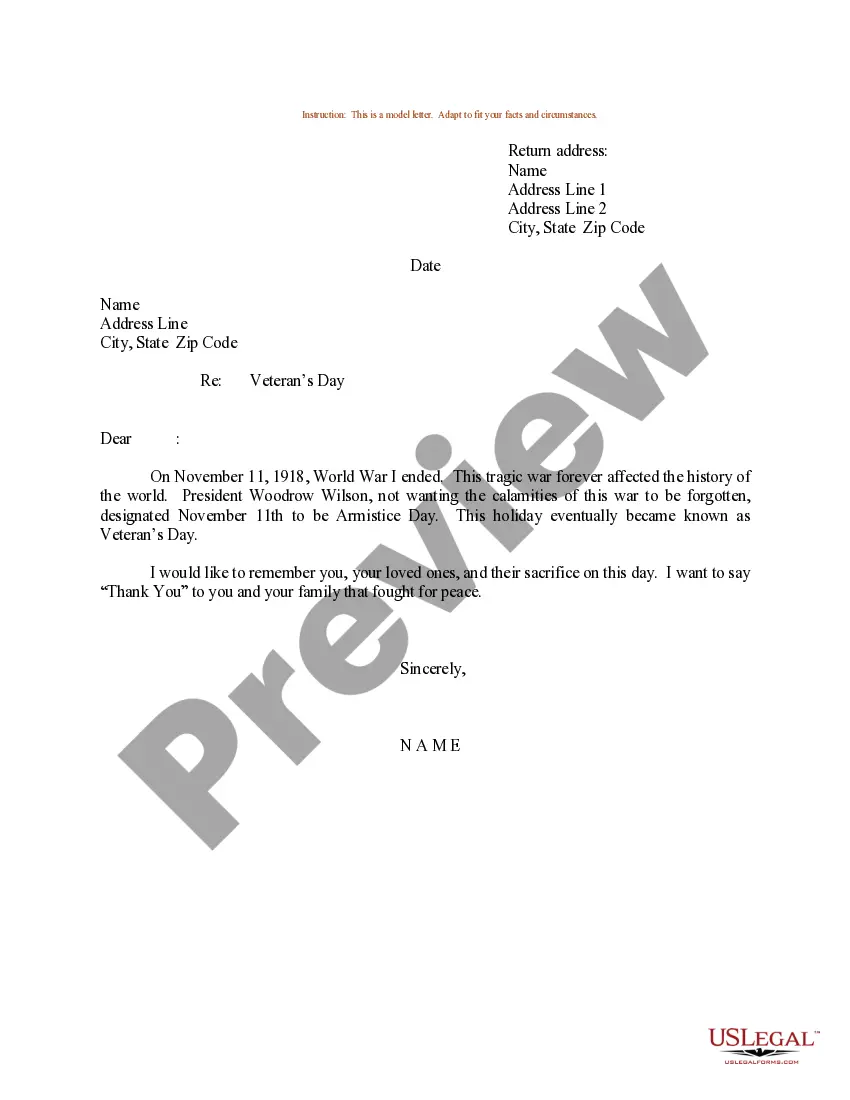
Montana Licensing Agreement to Merchandise Images
Description
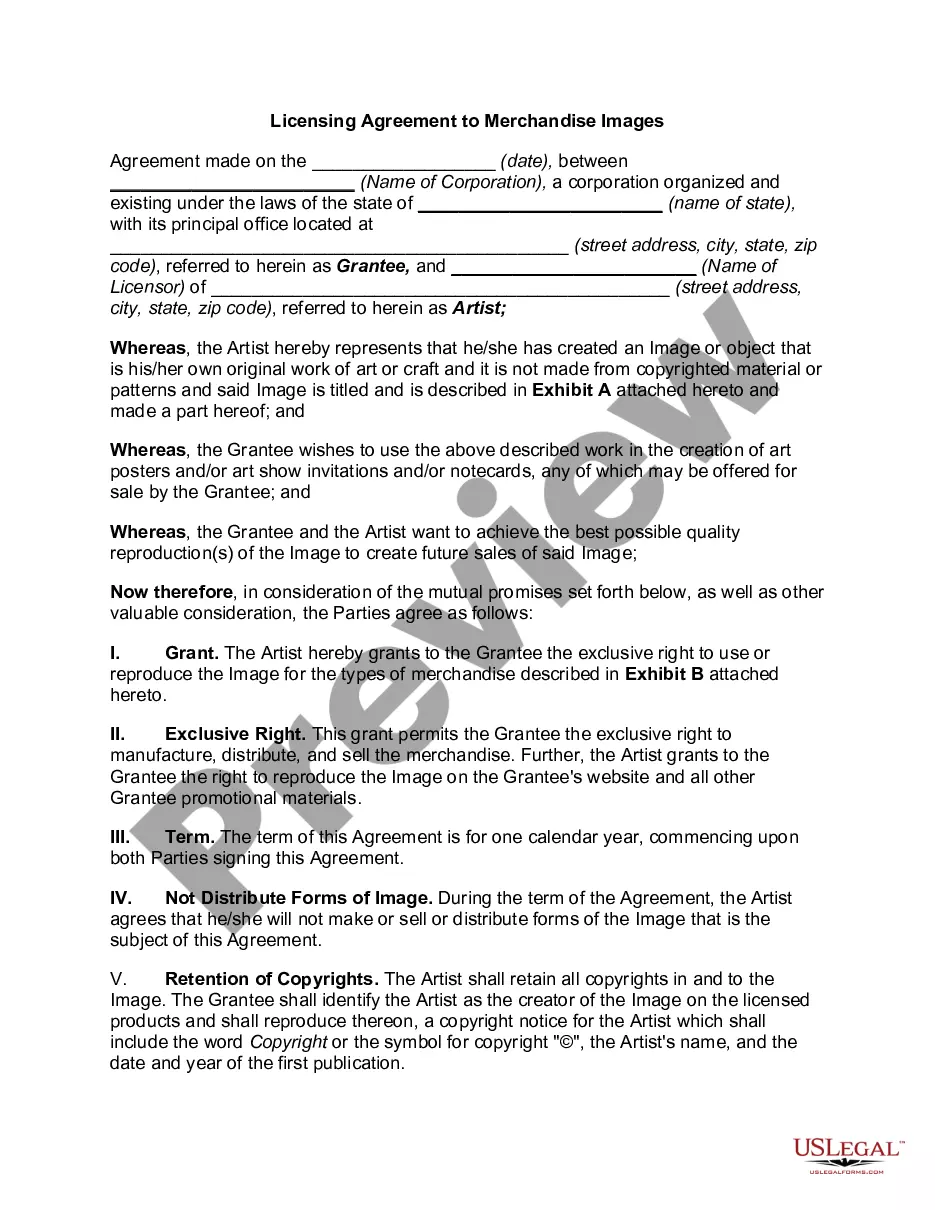
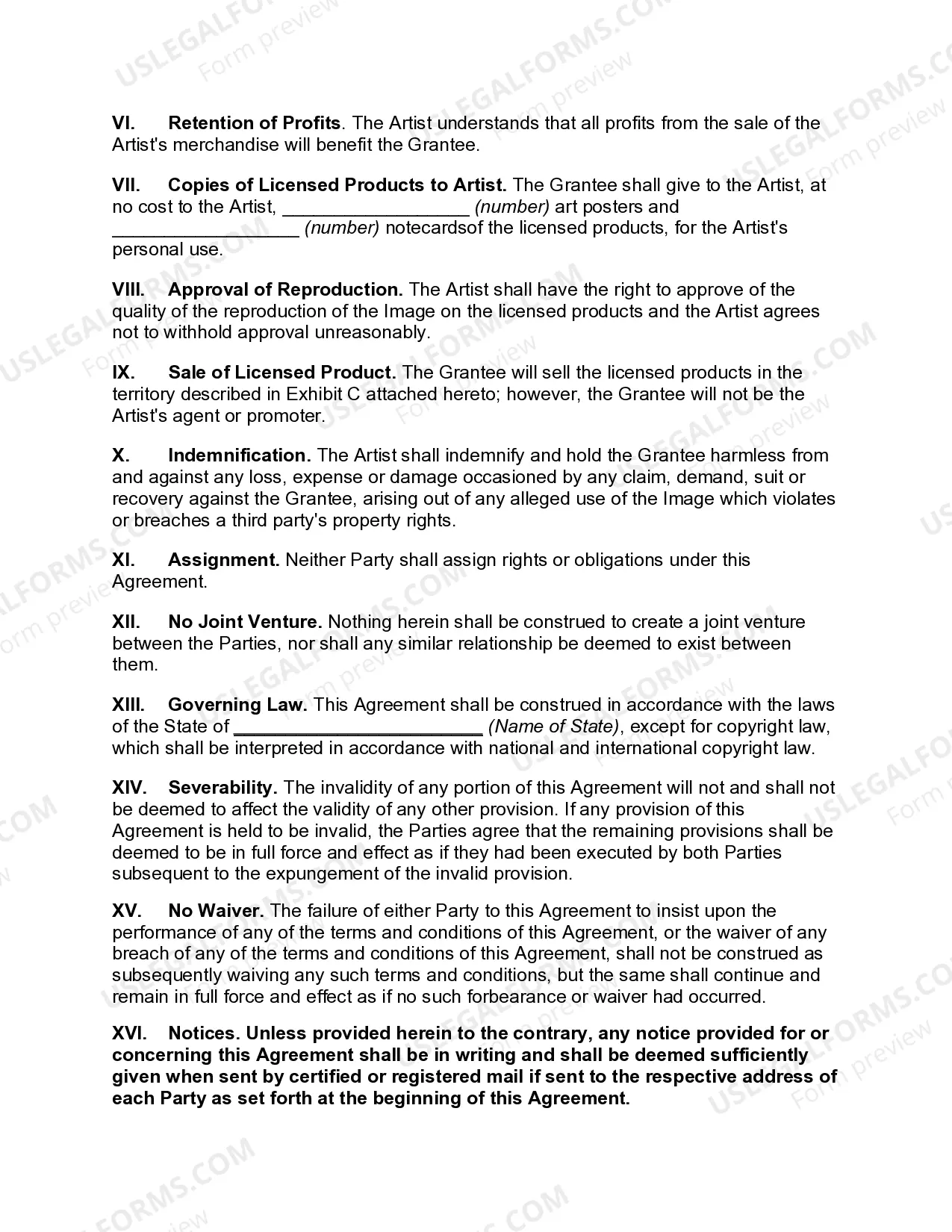
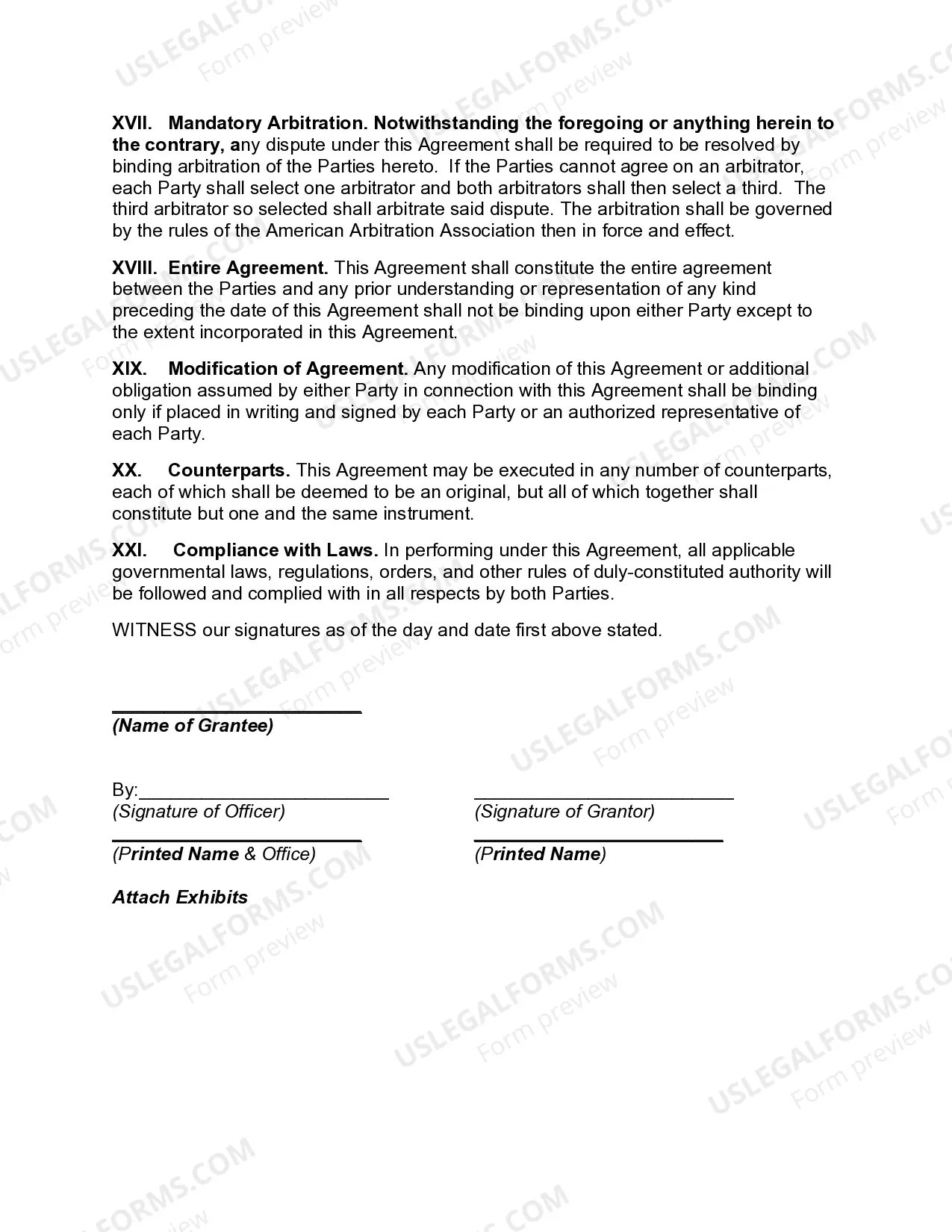
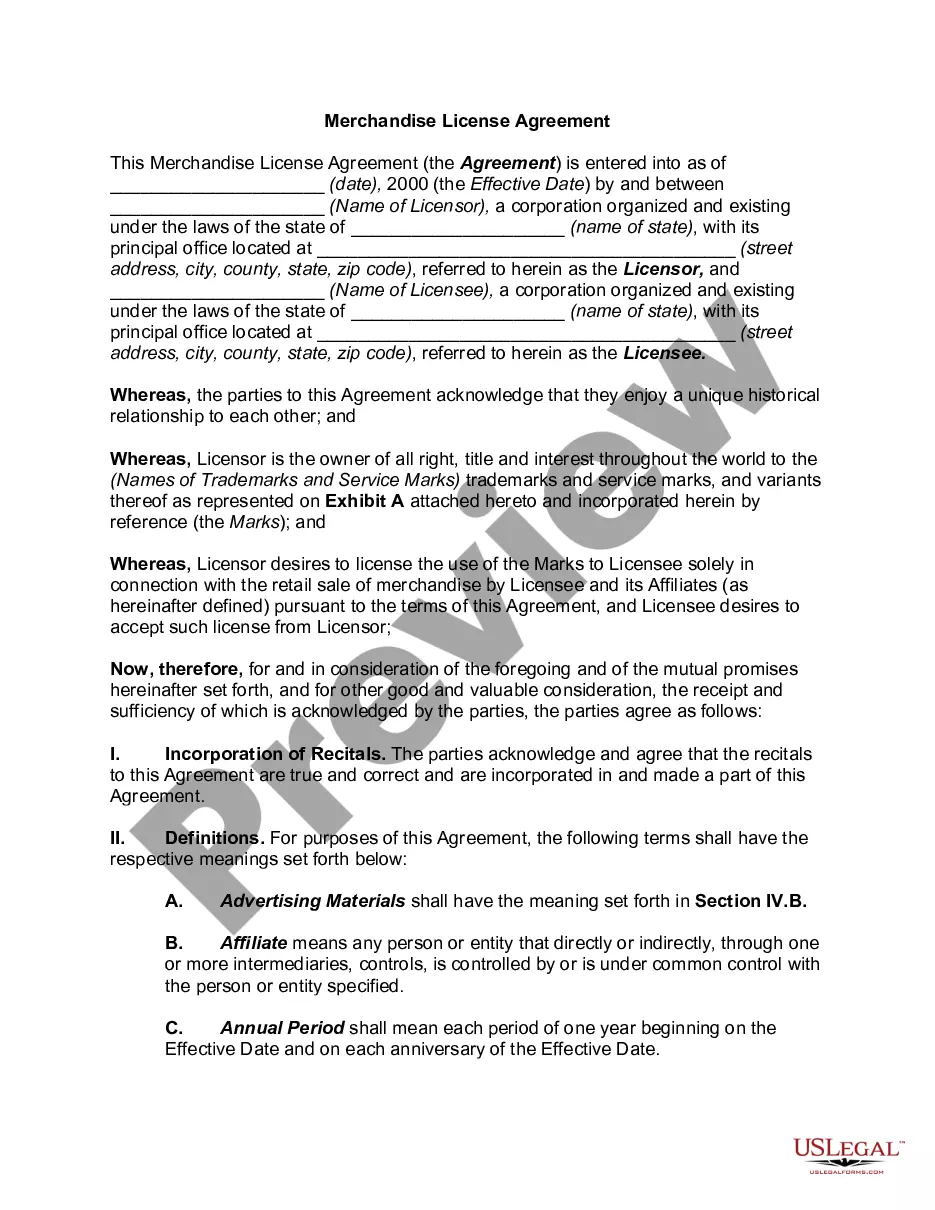
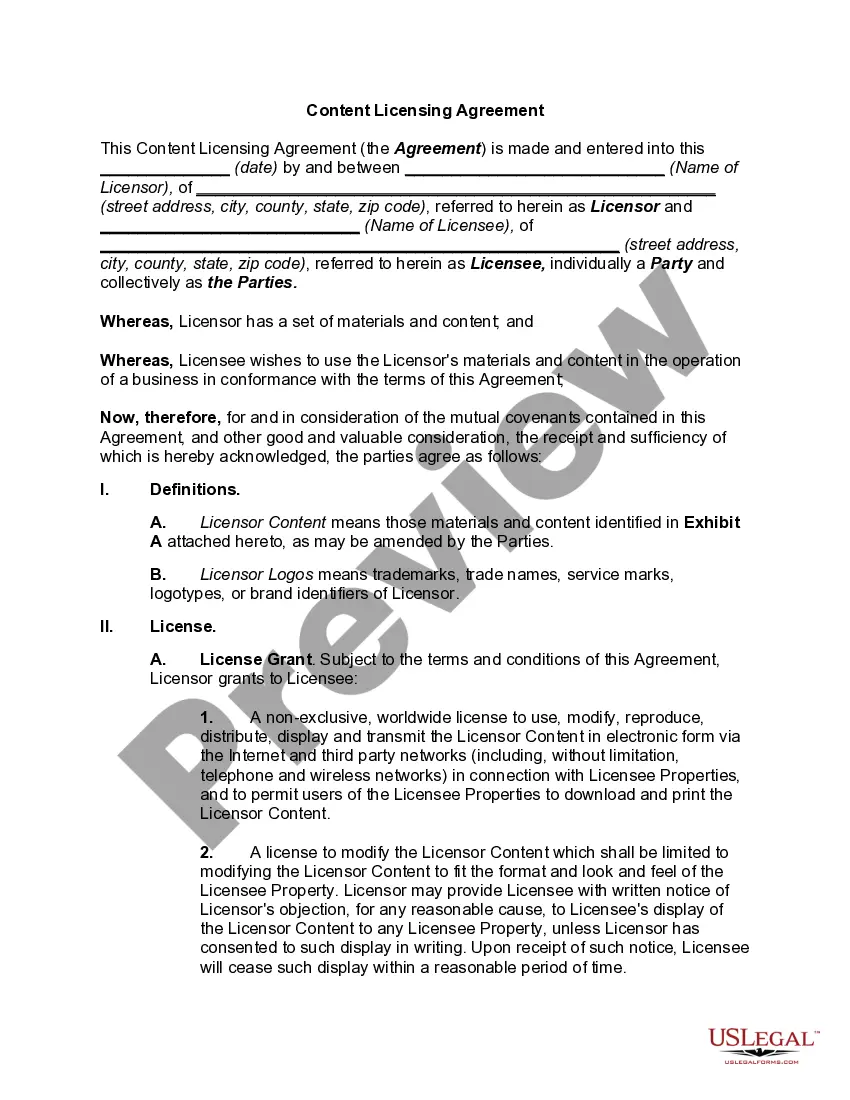
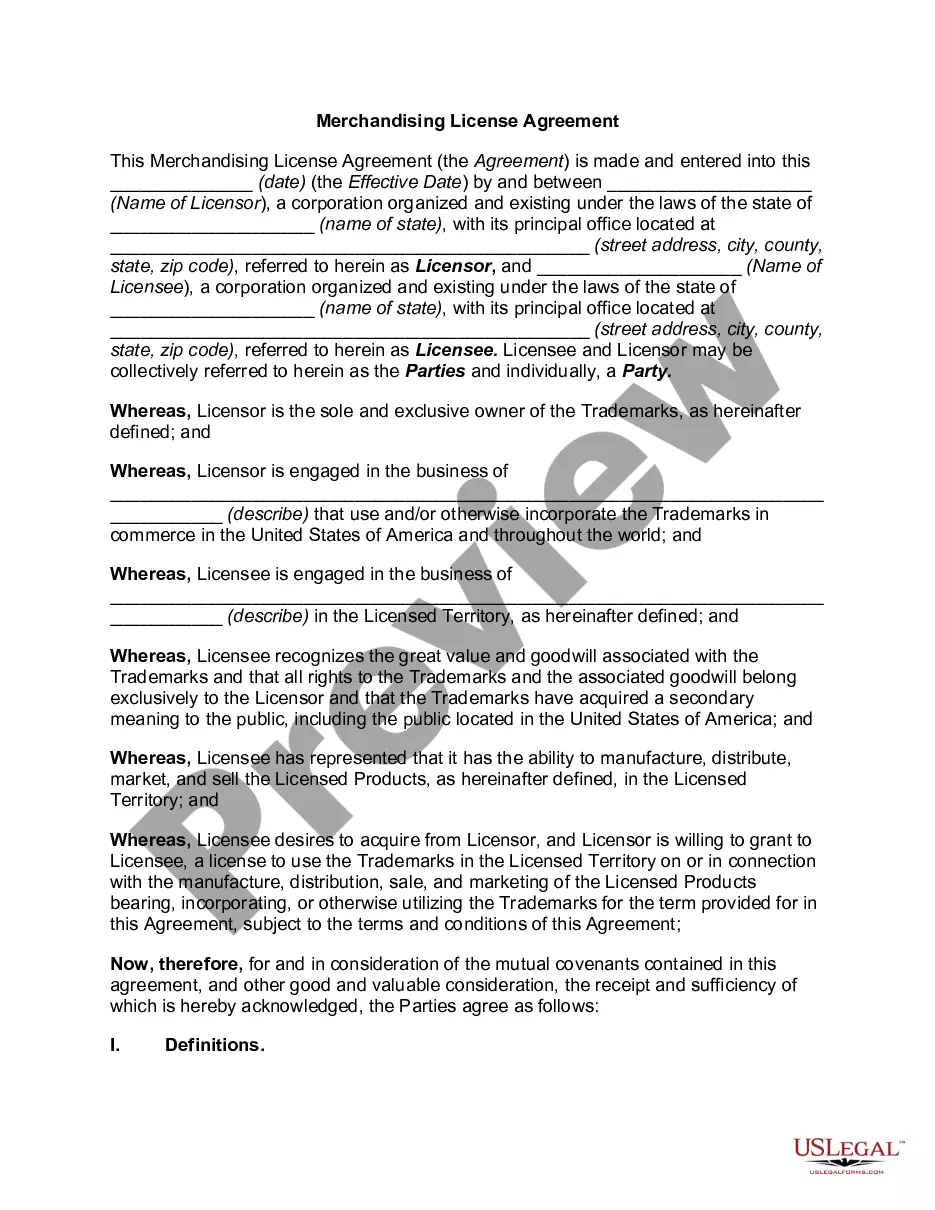
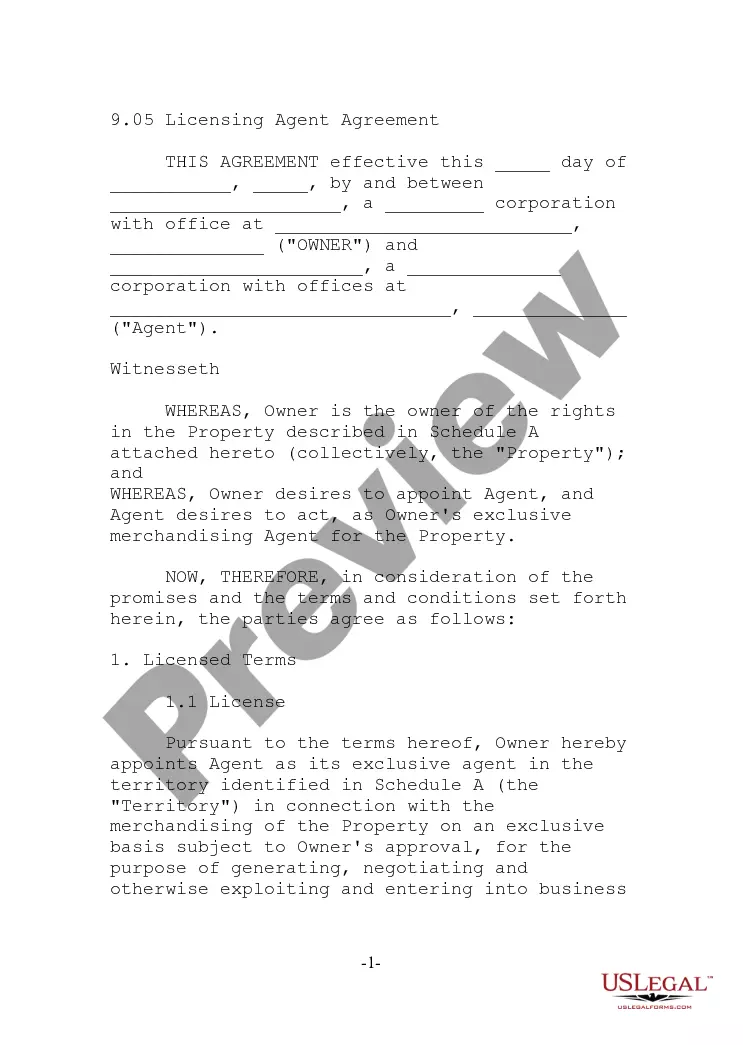
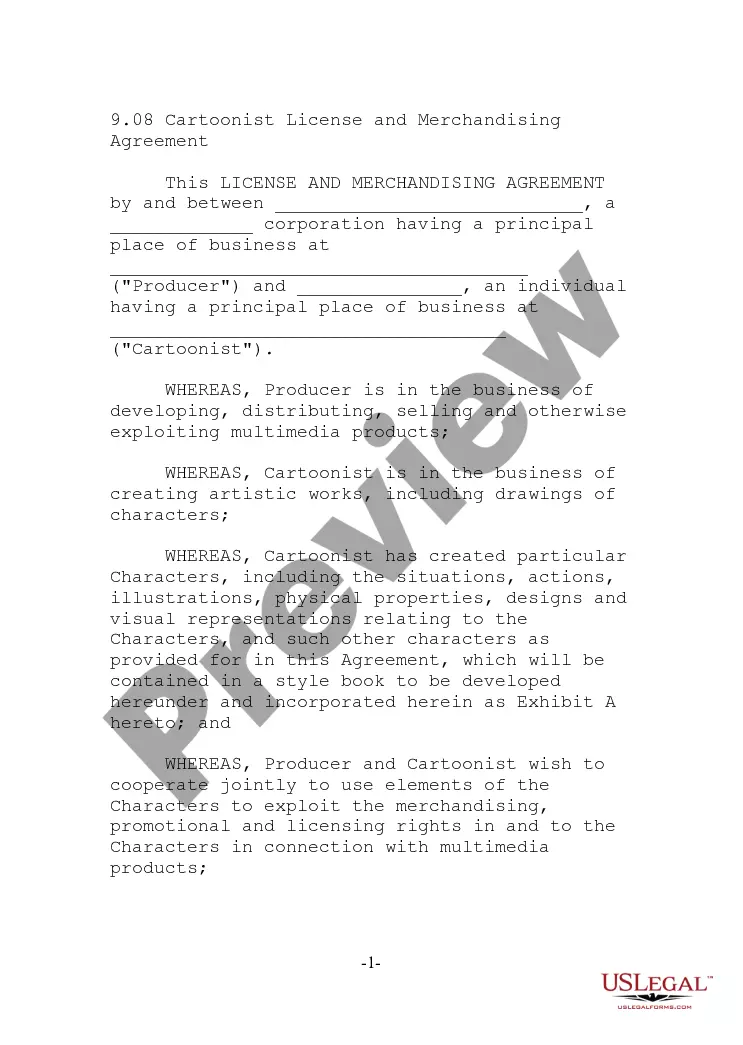

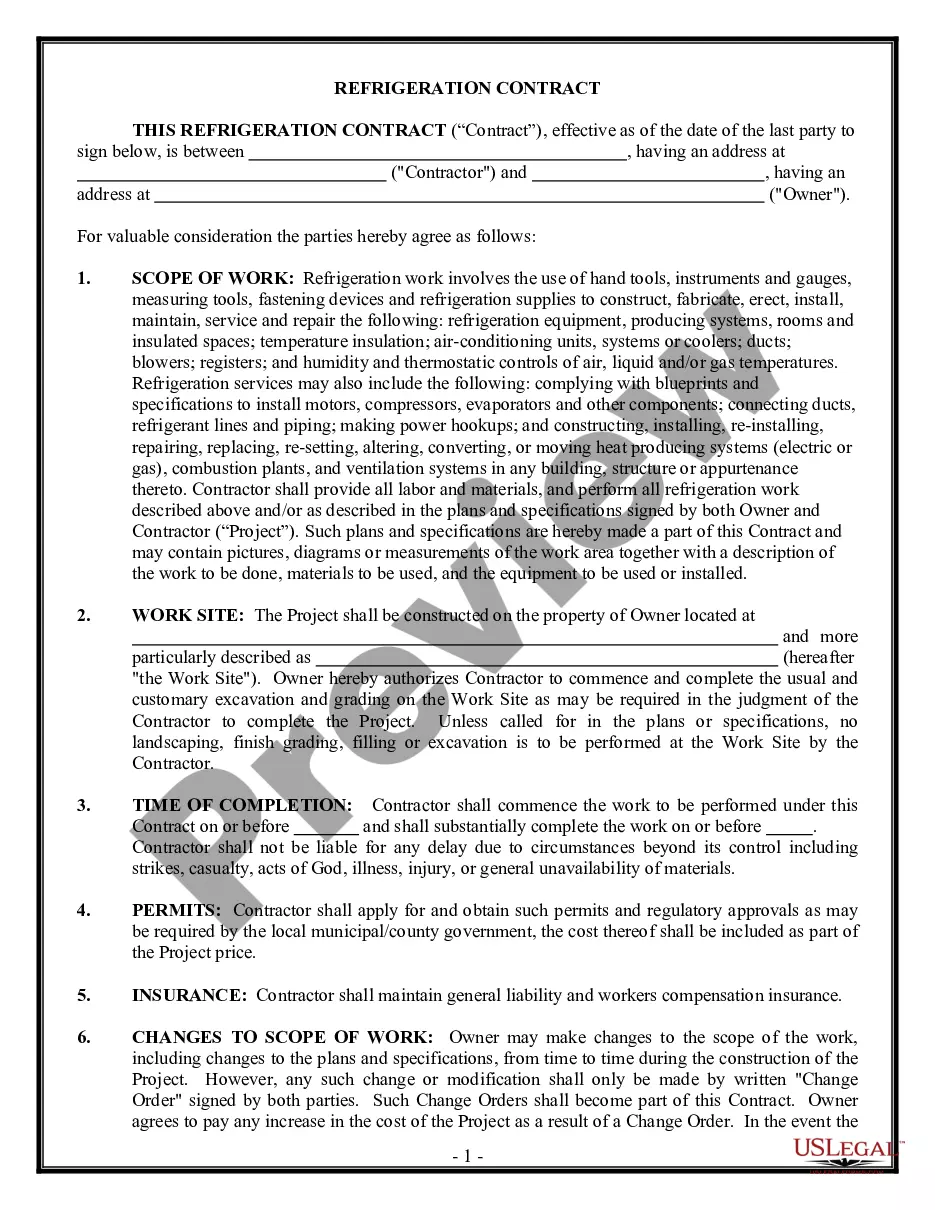
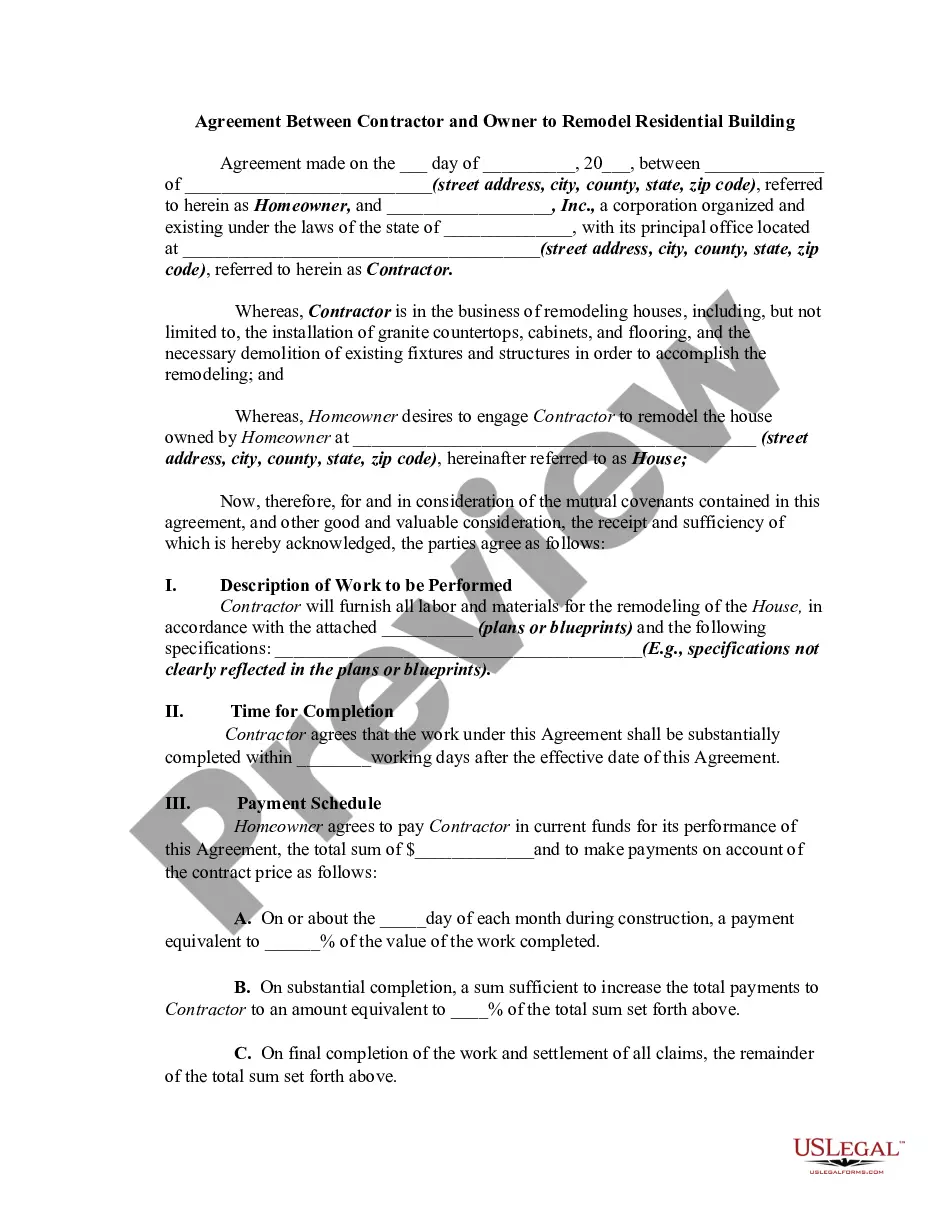
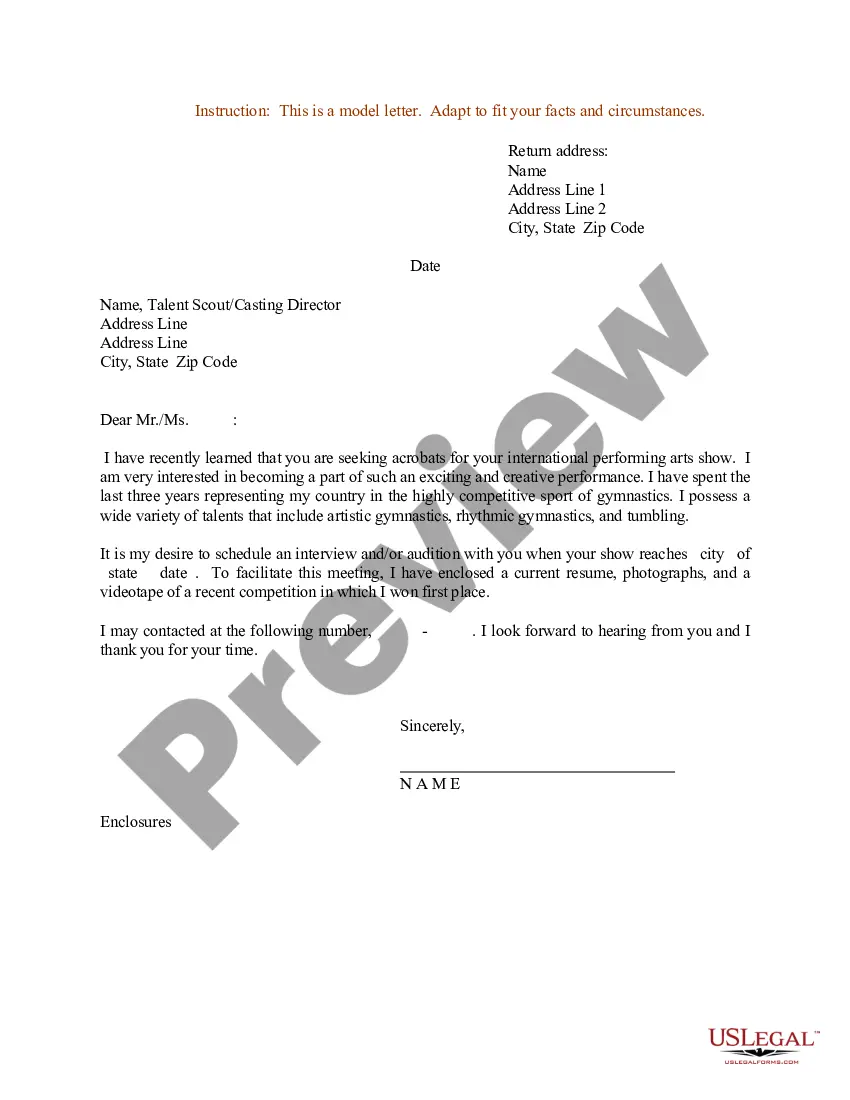
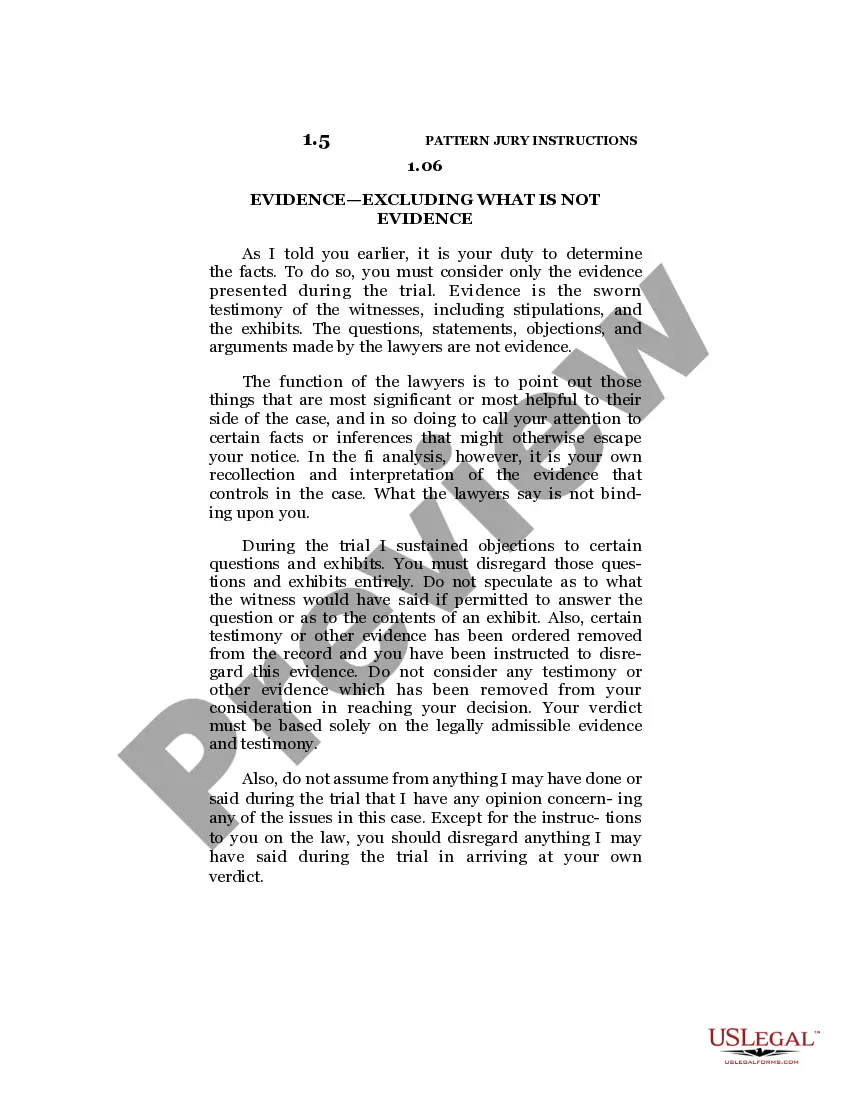
How to fill out Licensing Agreement To Merchandise Images?
If you wish to accumulate, acquire, or produce sanctioned documents templates, utilize US Legal Forms, the largest repository of legal forms available online.
Take advantage of the site's user-friendly and accessible search feature to secure the materials you need.
A range of templates for business and personal purposes are categorized by region and keywords.
Step 5. Process the payment. You may use your credit card or PayPal account to finalize the transaction.
Step 6. Select the format of the legal form and download it onto your device.
- Utilize US Legal Forms to secure the Montana Licensing Agreement to Merchandise Images with just a few clicks.
- If you are already a US Legal Forms customer, Log Into your account and hit the Download button to retrieve the Montana Licensing Agreement to Merchandise Images.
- You can also find forms you previously purchased in the My documents section of your account.
- Should this be your first time using US Legal Forms, follow the steps outlined below.
- Step 1. Ensure you have selected the form for the appropriate city/state.
- Step 2. Use the Preview option to view the form's contents. Don’t forget to check the overview.
- Step 3. If you are dissatisfied with the form, use the Search bar at the top of the screen to find alternative templates in the legal form category.
- Step 4. Once you have located the form you need, click the Buy now button. Choose your pricing plan and enter your details to register for the account.
Form popularity
FAQ
What is a photo licensing agreement? A photo licensing agreement is a contract between two parties, the licensor (the photographer who owns the copyright and is licensing the rights to use the image) and the licensee (the person or company wanting to and gaining the right to use the image).
The licensing agreement should explain what the licensee can do with the license. It should say whether the license is exclusive or not. It should also discuss whether the licensor gets to use the license or cedes all rights to the licensee.
A licensing agreement is a legal contract between two parties, known as the licensor and the licensee. In a typical licensing agreement, the licensor grants the licensee the right to produce and sell goods, apply a brand name or trademark, or use patented technology owned by the licensor.
A licensing agreement allows one party (the licensee) to use and/or earn revenue from the property of the owner (the licensor). Licensing agreements generate revenues, called royalties, earned by a company for allowing its copyrighted or patented material to be used by another company.
In order to license images and grant photo usage rights, you need to be either the author of the images, or otherwise authorized to license the images. For example, agencies are also authorized to license images if the author has contractually allowed them to be granted.
An example of a licensing agreement is a contract between the copyright holders of software and another company, allowing the latter to use the computer software for their daily business operations.
Practitioners and licensing executives often refer to three basic types of voluntary licenses: non-exclusive, sole, and exclusive. A non-exclusive licence allows the licensor to retain the right to use the licensed property and the right to grant additional licenses to third parties.