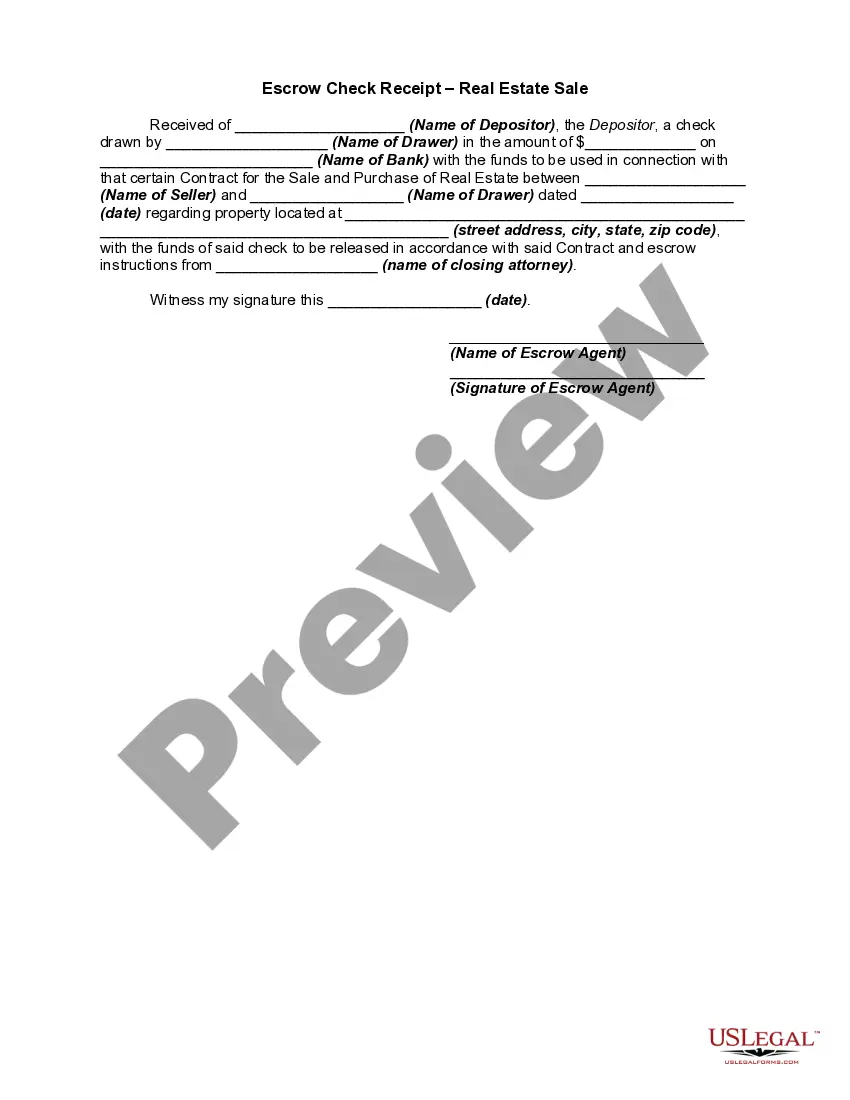
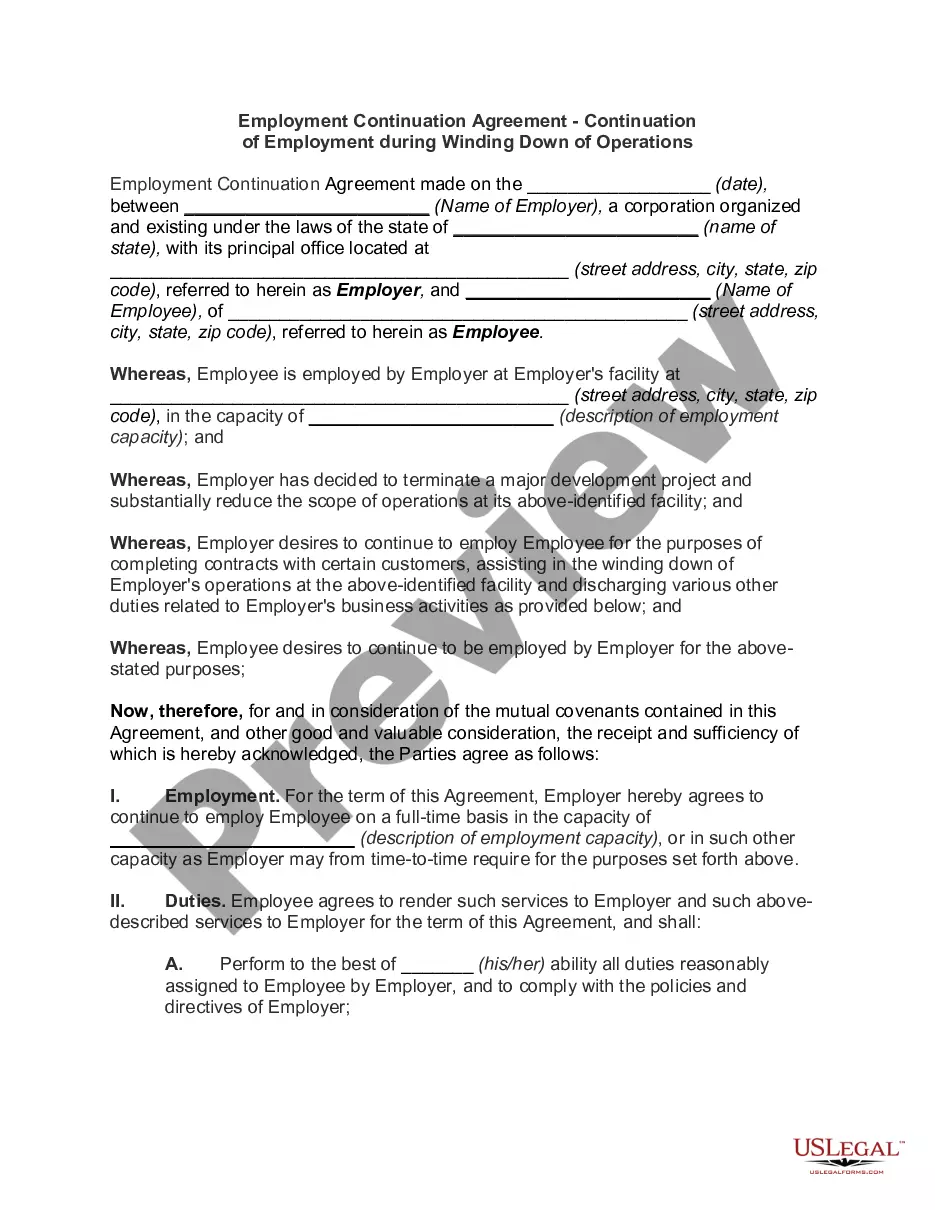
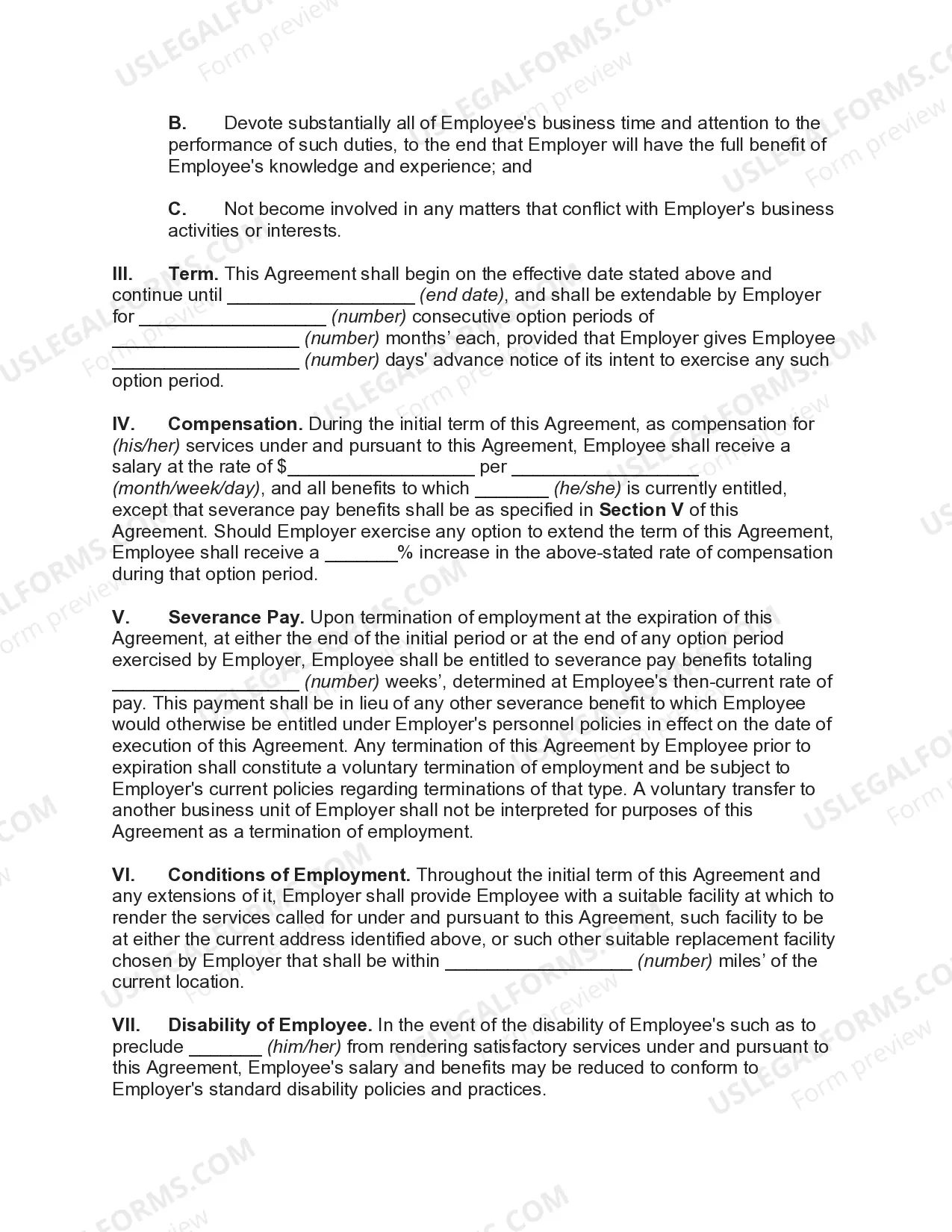
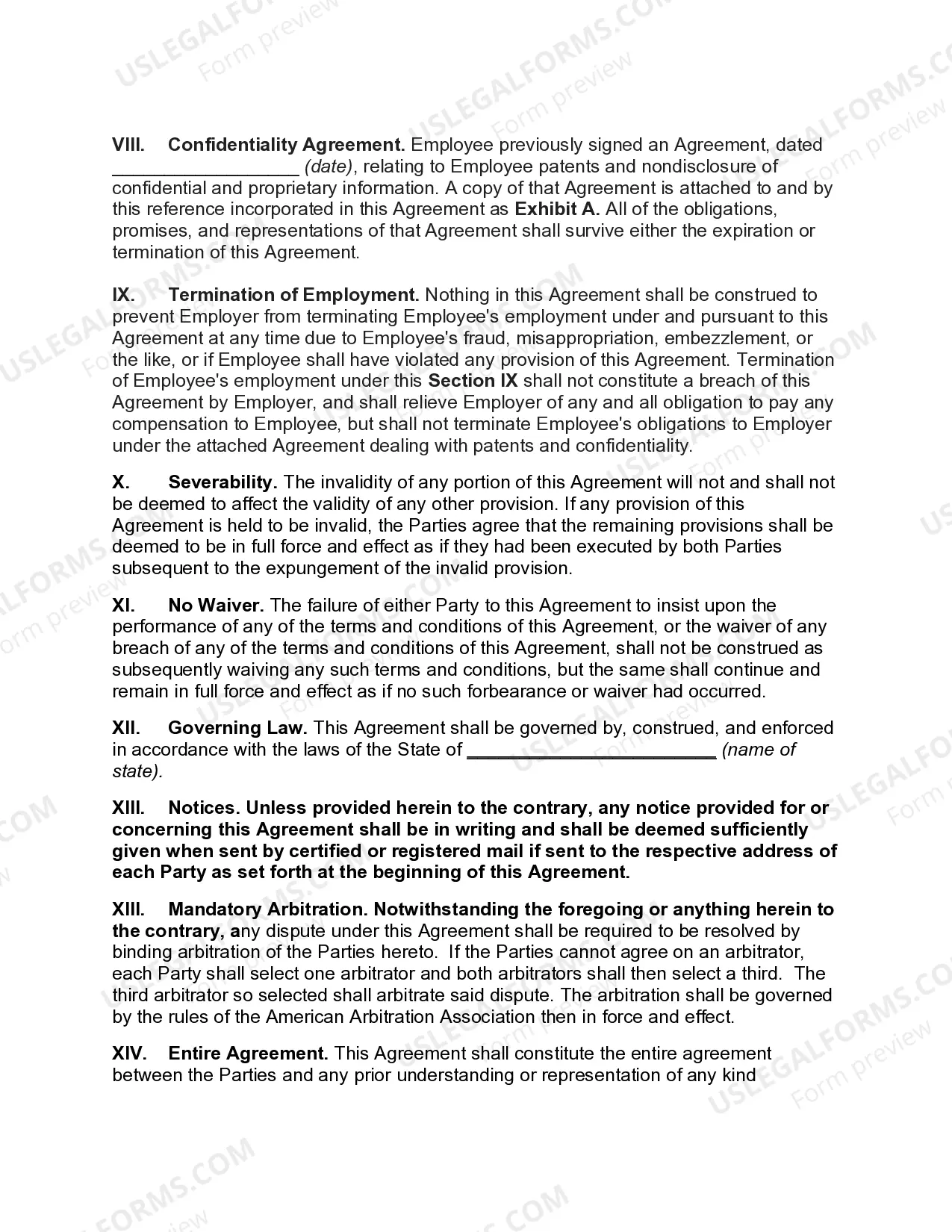
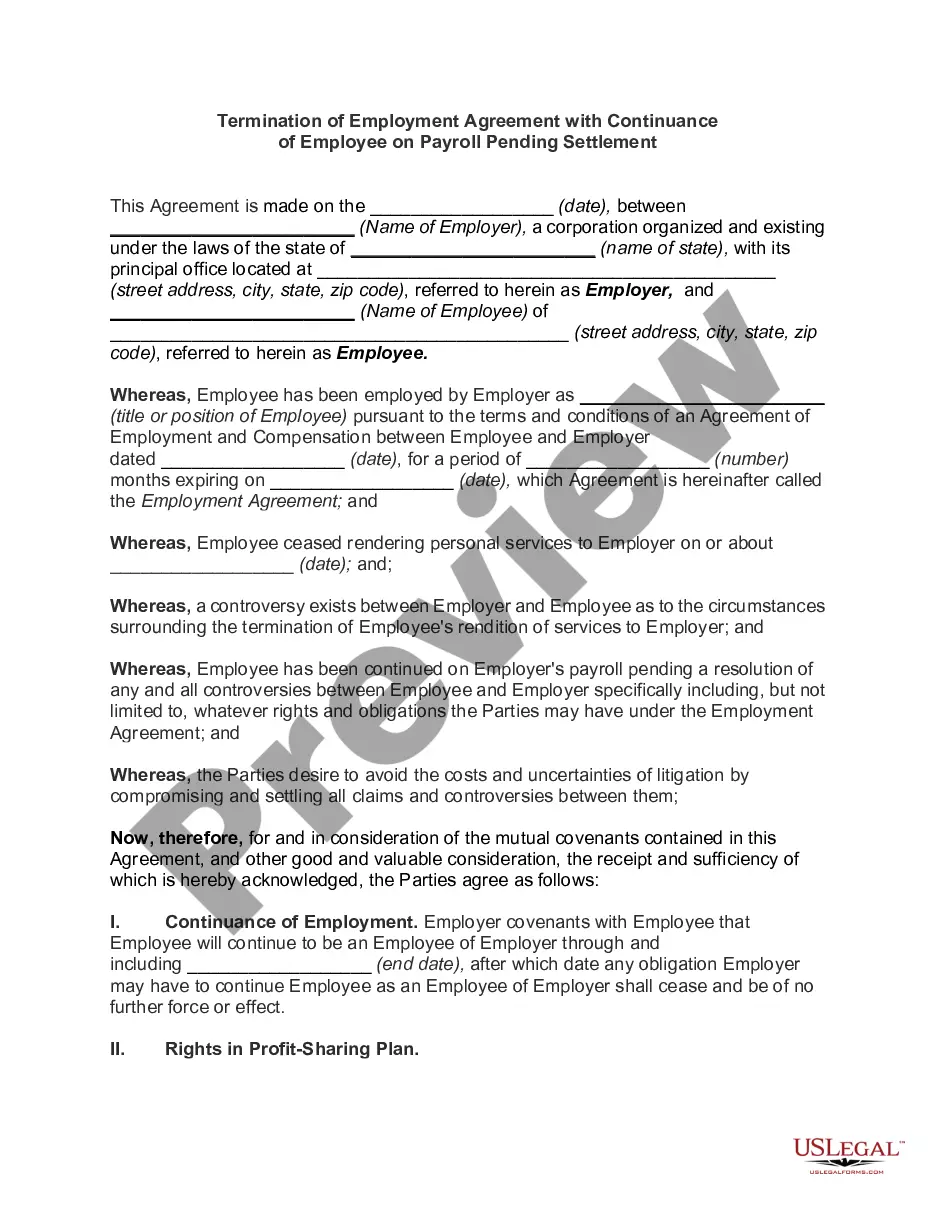
Montana Employment Continuation Agreement - Continuation of Employment during Winding Down of Operations
Description
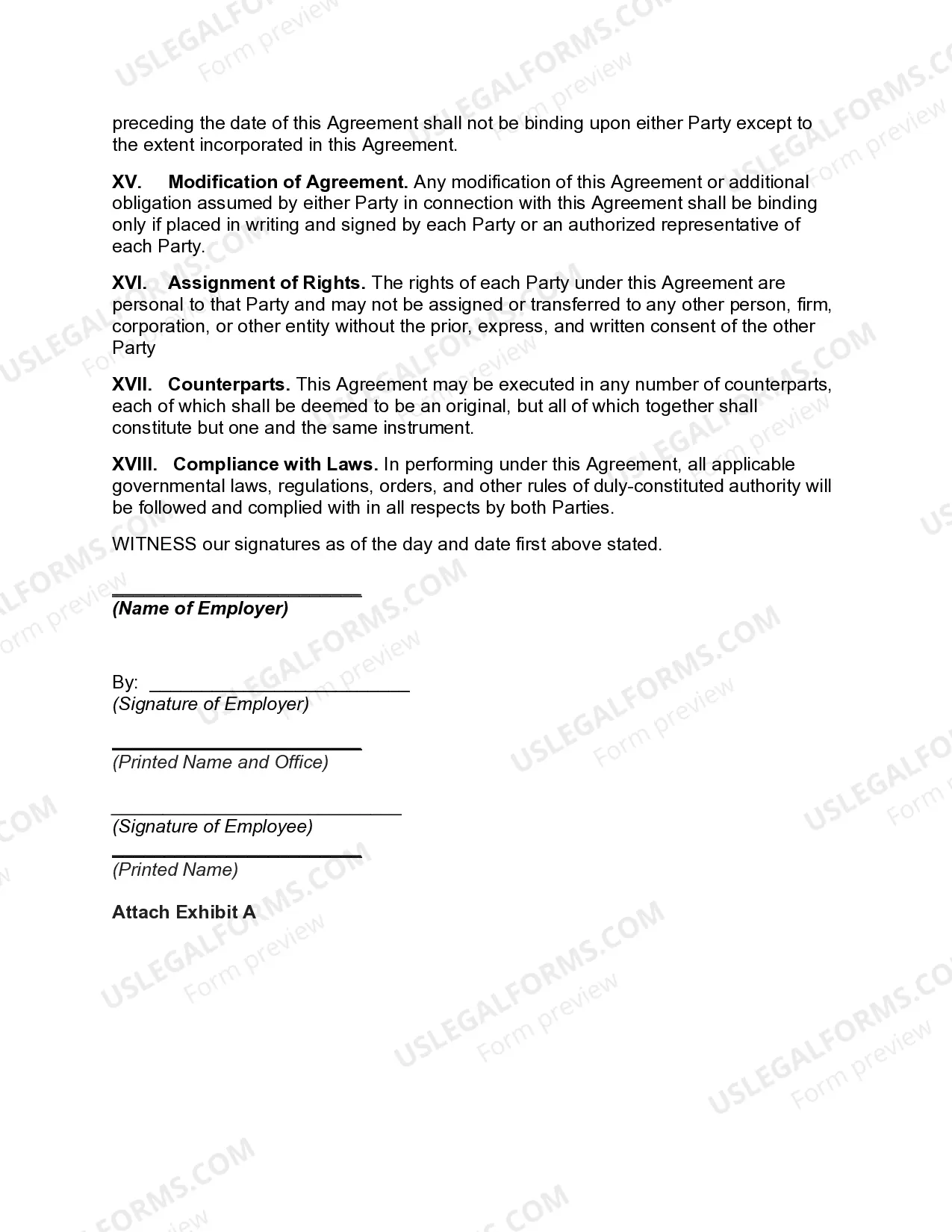
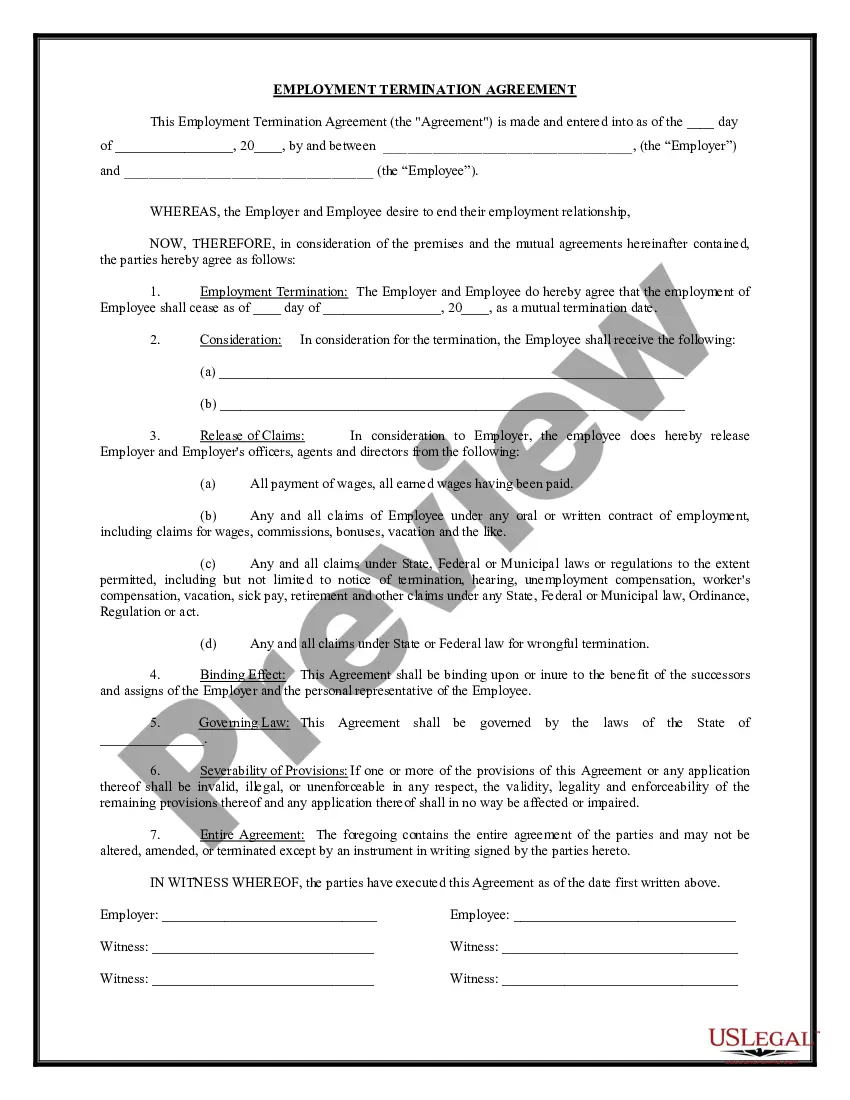
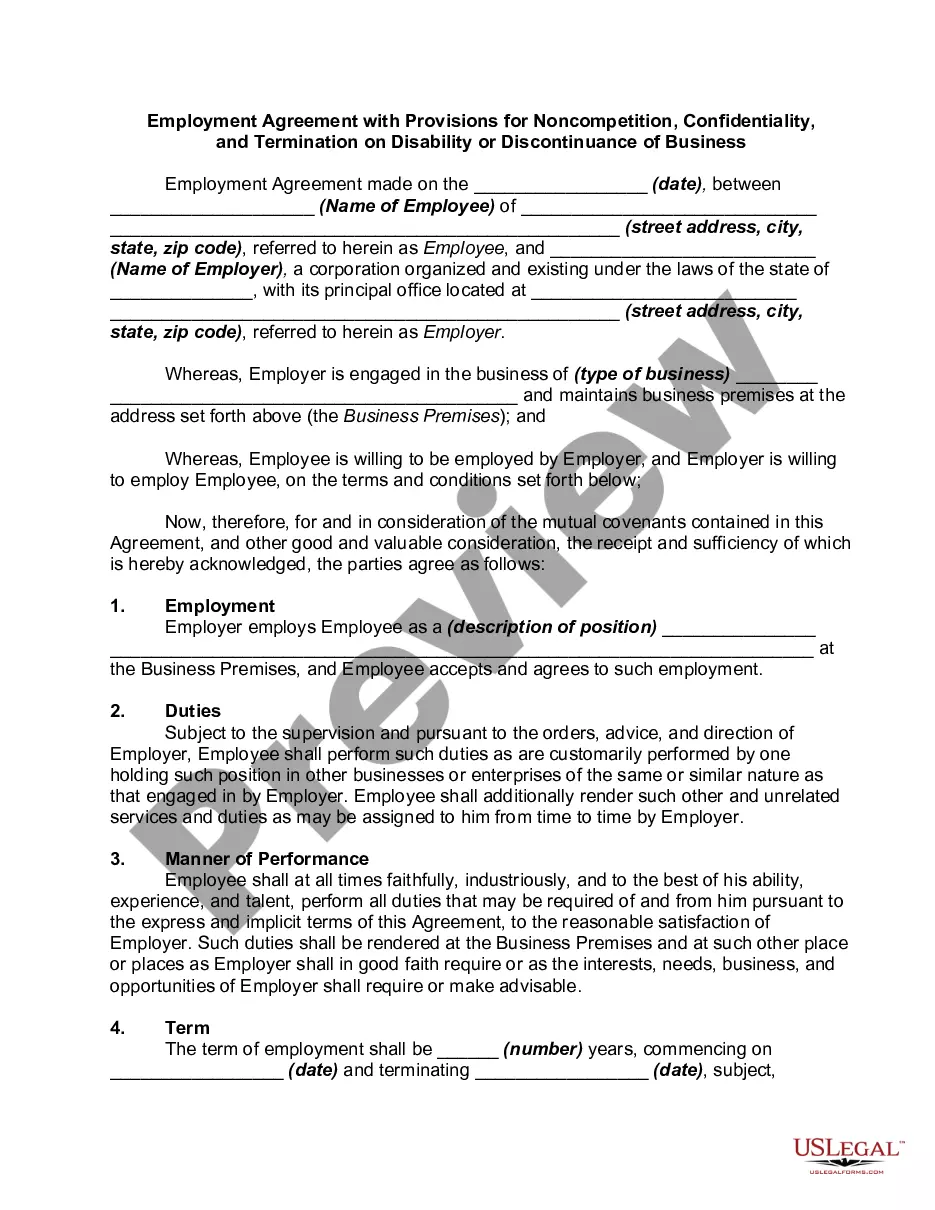
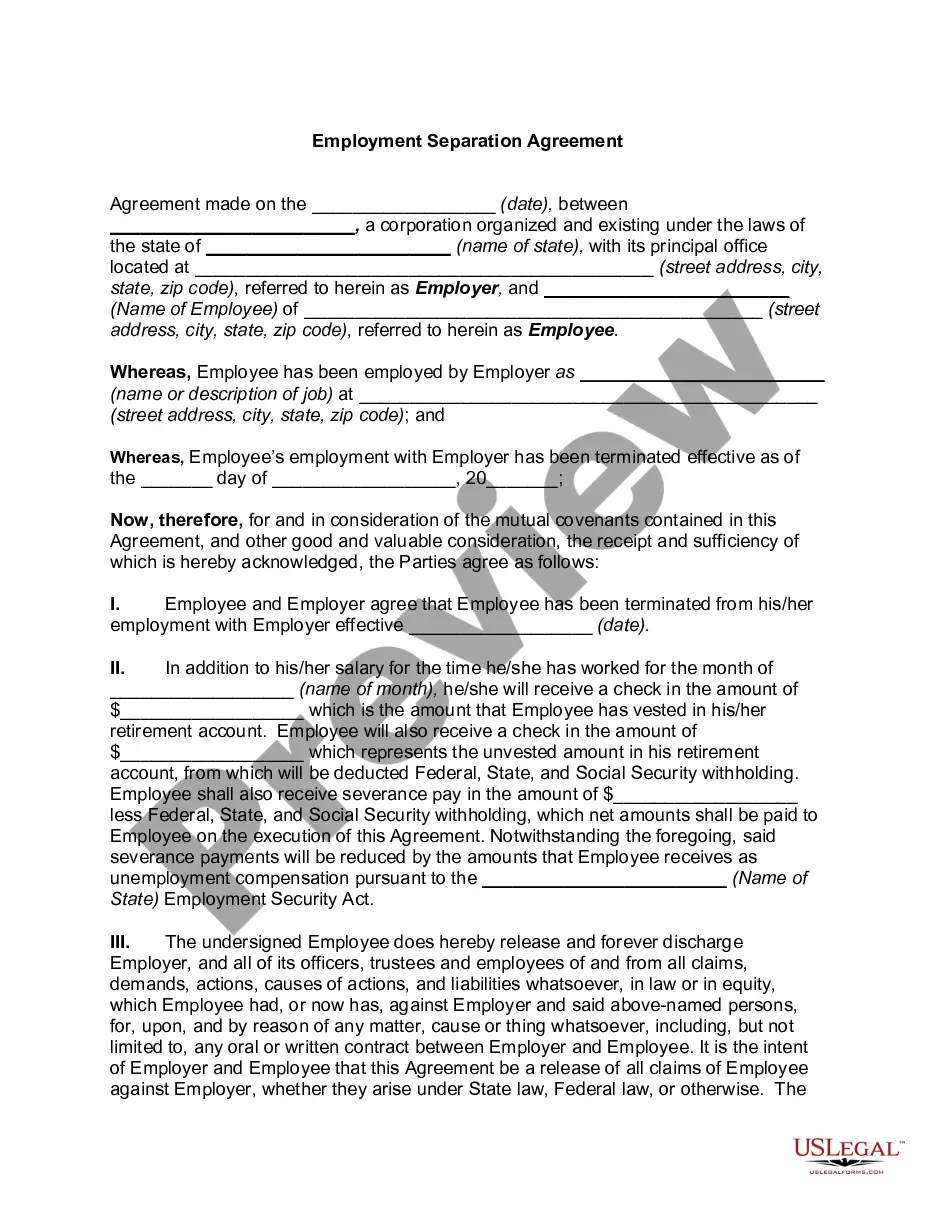
Get your form ready online
Our built-in tools help you complete, sign, share, and store your documents in one place.
Make edits, fill in missing information, and update formatting in US Legal Forms—just like you would in MS Word.
Download a copy, print it, send it by email, or mail it via USPS—whatever works best for your next step.
Sign and collect signatures with our SignNow integration. Send to multiple recipients, set reminders, and more. Go Premium to unlock E-Sign.
If this form requires notarization, complete it online through a secure video call—no need to meet a notary in person or wait for an appointment.
We protect your documents and personal data by following strict security and privacy standards.

Make edits, fill in missing information, and update formatting in US Legal Forms—just like you would in MS Word.

Download a copy, print it, send it by email, or mail it via USPS—whatever works best for your next step.

Sign and collect signatures with our SignNow integration. Send to multiple recipients, set reminders, and more. Go Premium to unlock E-Sign.

If this form requires notarization, complete it online through a secure video call—no need to meet a notary in person or wait for an appointment.

We protect your documents and personal data by following strict security and privacy standards.
Looking for another form?

How to fill out Employment Continuation Agreement - Continuation Of Employment During Winding Down Of Operations?
Are you currently in a situation where you frequently require documents for either business or personal purposes.
There are numerous reliable document templates available online, but locating ones you can rely on isn't easy.
US Legal Forms offers a vast array of template forms, including the Montana Employment Continuation Agreement - Continuation of Employment during Winding Down of Operations, which are designed to comply with federal and state regulations.
Choose a suitable document format and download your version.
Access all the document templates you have purchased from the My documents section. You can obtain an additional copy of the Montana Employment Continuation Agreement - Continuation of Employment during Winding Down of Operations at any time if needed. Click on the required form to download or print the document template.
- If you are already familiar with the US Legal Forms website and have an account, just Log In.
- Then, you can download the Montana Employment Continuation Agreement - Continuation of Employment during Winding Down of Operations template.
- If you do not have an account and wish to use US Legal Forms, follow these steps.
- Select the form you need and ensure it corresponds to the correct city/state.
- Utilize the Preview button to review the form.
- Check the details to confirm that you have chosen the proper form.
- If the form is not what you are looking for, use the Search field to find the form that fits your needs and specifications.
- When you find the appropriate form, simply click Get now.
- Select the pricing plan you prefer, fill in the necessary information for your payment, and complete the transaction using your PayPal or credit card.
Form popularity
FAQ
Continuous employment is when an employee has worked for one employer without a break. The length of continuous employment gives certain rights to employees, including: maternity pay. flexible working requests.
Continuous employment usually means working for the same employer without a break.
In some cases the contract will roll over on a month by month or yearly basis. On others, the contract will effectively renew for the same duration of the initial term of the contract. In these instances you could risk being tied into unattractive agreements of 3-5 years or longer.
Continuous employment is when an employee has worked for one employer without a break. The length of continuous employment gives certain rights to employees, including: maternity pay. flexible working requests.
The amount of redundancy pay the employee gets is based on their continuous service with their employer. Continuous service is the length of time they're employed by the business and doesn't include periods of unpaid leave.
A contract that continues until someone decides to end it, rather than one that continues until a particular date: You may be asked to consider whether you prefer a rolling contract, i.e. one which continues until the required period of notice is given.
In a termination for an authorized cause, due process means a written notice of dismissal to the employee specifying the grounds at least 30 days before the date of termination.
The latest guidance on consumer protection indicates that, for consumers, automatically rolling over contracts may be unfair, unless the contracts contain protections.
It is important to note that the resignation or dismissal of an employee will break the period of continuous service. For example, if an employee resigns and then re-joins the company a year later, the employee has broken the period of ongoing service.
No. Montana is not an at will state. In some instances, the Wrongful Discharge From Employment Act does not apply, but generally, once an employee has completed the established probationary period, the employer needs to have good cause for termination.