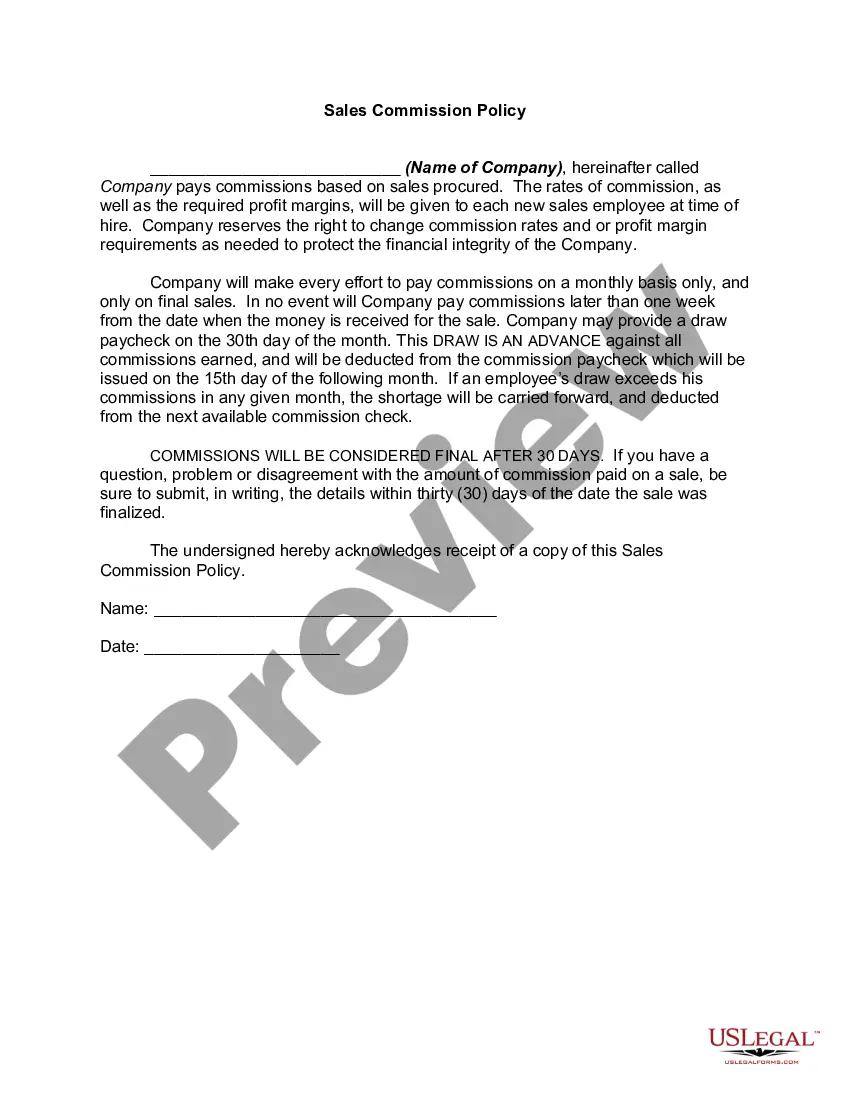
Montana Sales Commission Policy
Description
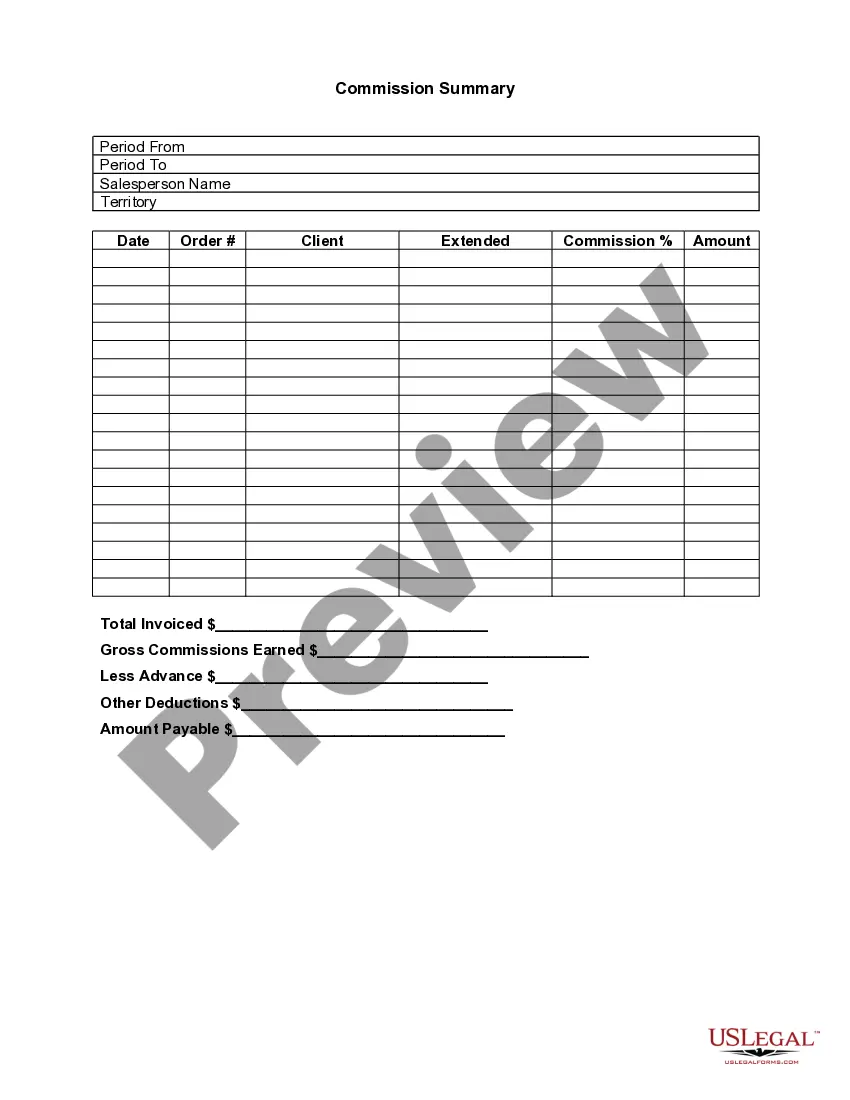
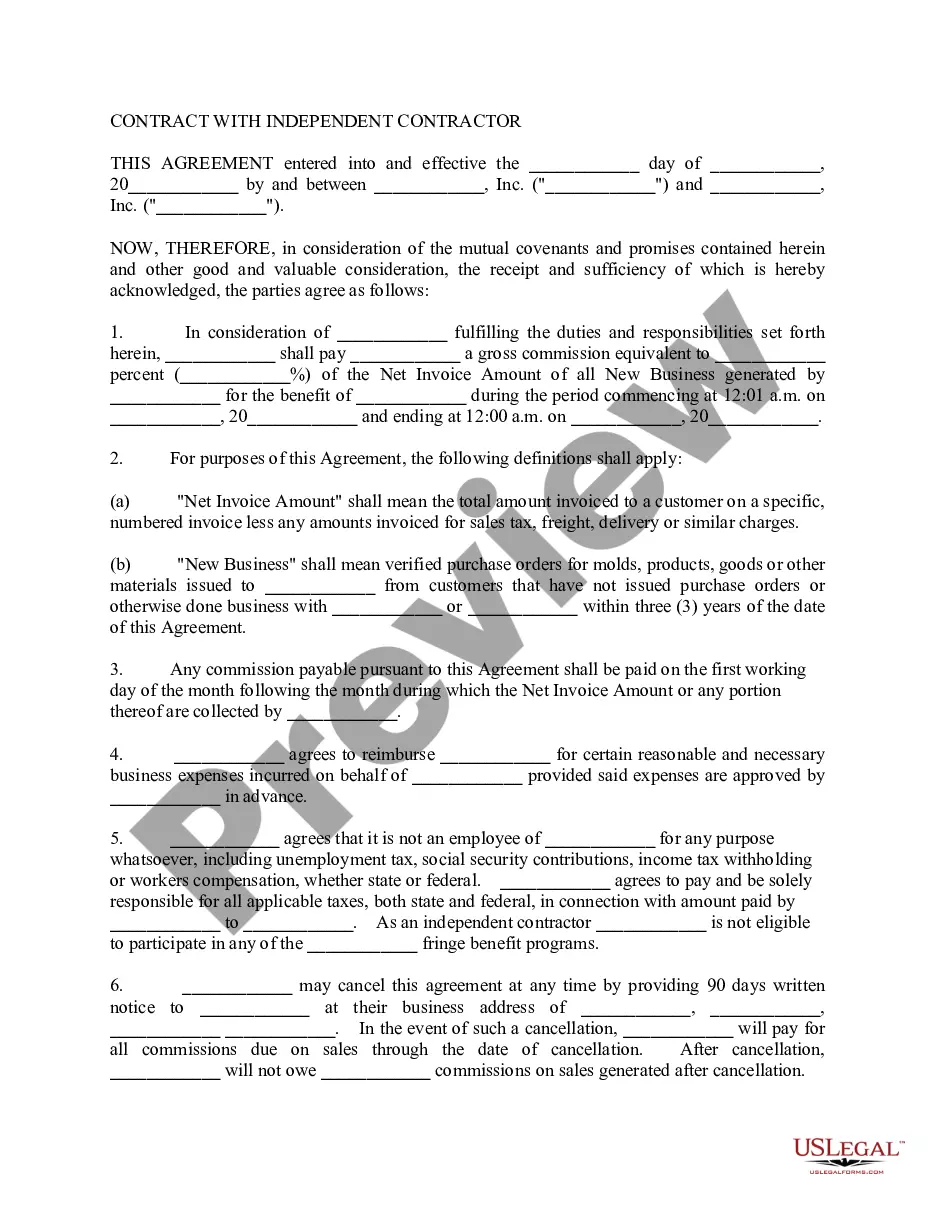
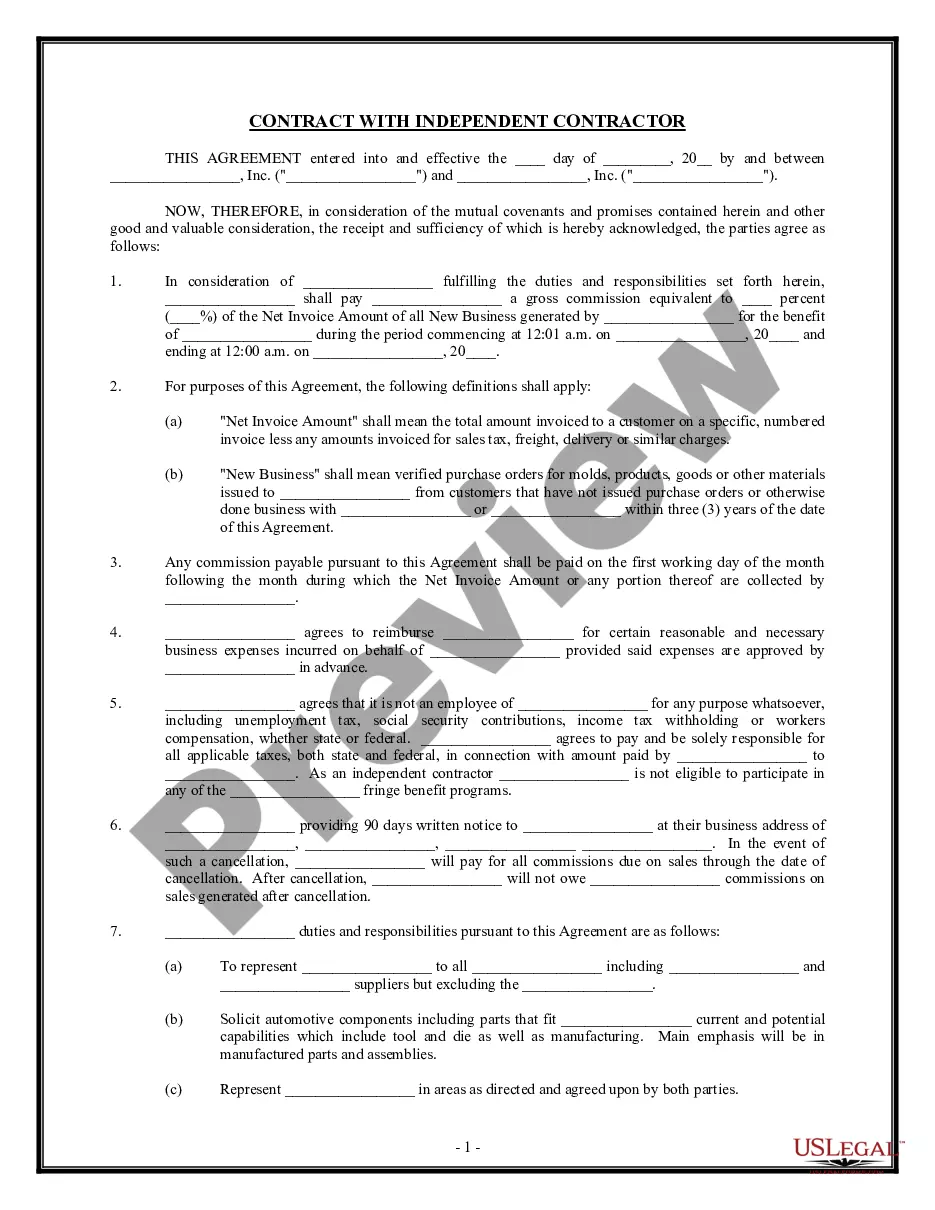
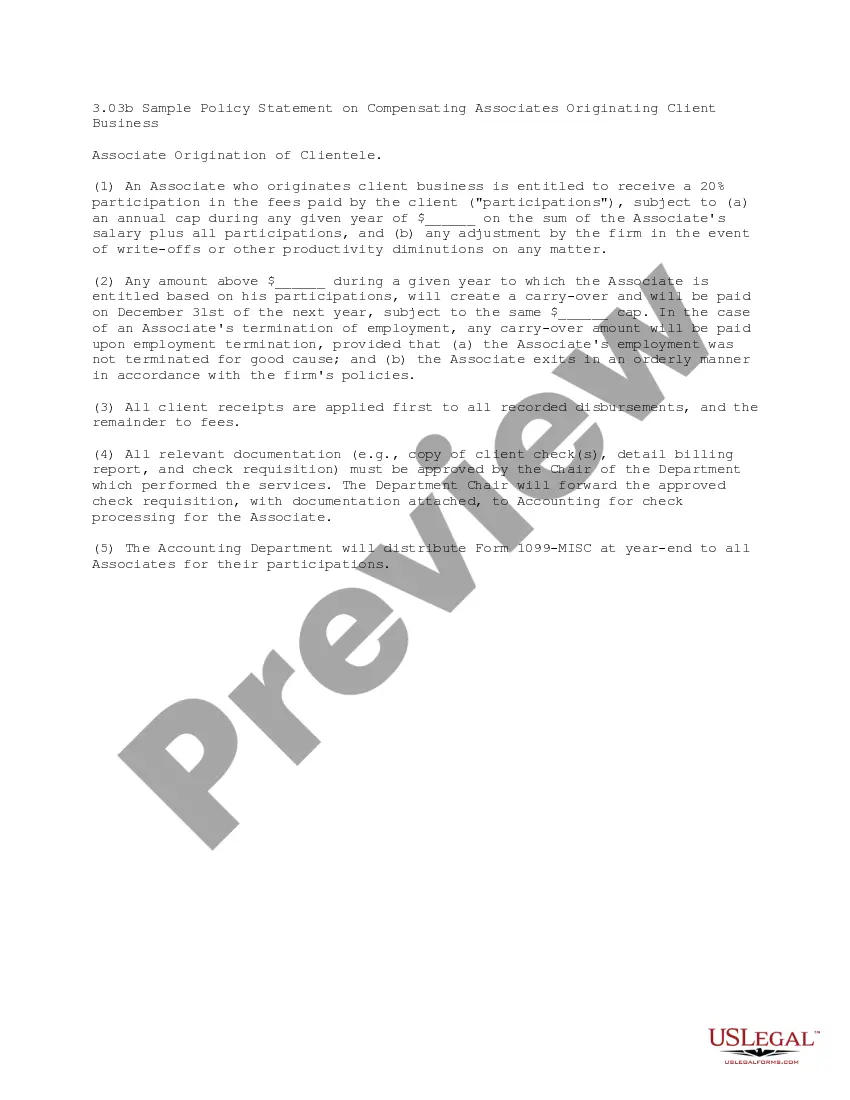
Get your form ready online
Our built-in tools help you complete, sign, share, and store your documents in one place.
Make edits, fill in missing information, and update formatting in US Legal Forms—just like you would in MS Word.
Download a copy, print it, send it by email, or mail it via USPS—whatever works best for your next step.
Sign and collect signatures with our SignNow integration. Send to multiple recipients, set reminders, and more. Go Premium to unlock E-Sign.
If this form requires notarization, complete it online through a secure video call—no need to meet a notary in person or wait for an appointment.
We protect your documents and personal data by following strict security and privacy standards.

Make edits, fill in missing information, and update formatting in US Legal Forms—just like you would in MS Word.

Download a copy, print it, send it by email, or mail it via USPS—whatever works best for your next step.

Sign and collect signatures with our SignNow integration. Send to multiple recipients, set reminders, and more. Go Premium to unlock E-Sign.

If this form requires notarization, complete it online through a secure video call—no need to meet a notary in person or wait for an appointment.

We protect your documents and personal data by following strict security and privacy standards.
Looking for another form?






How to fill out Sales Commission Policy?
US Legal Forms - one of the foremost collections of legal documents in the United States - offers a diverse selection of legal paper templates that you can download or print.
Through the website, you can access thousands of forms for business and personal use, organized by categories, states, or keywords. You can find the latest versions of forms like the Montana Sales Commission Policy in moments.
If you already have an account, Log In and download the Montana Sales Commission Policy from the US Legal Forms library. The Download button will appear on each form you view. You can access all previously acquired forms from the My documents section of your profile.
Complete the transaction. Use your Visa, Mastercard, or PayPal account to finalize the payment.
Select the format and download the form to your device. Edit as needed. Fill out, modify, print, and sign the downloaded Montana Sales Commission Policy. Every template you add to your account does not expire and is yours indefinitely. Therefore, if you wish to download or print another copy, simply navigate to the My documents section and click on the form you need. Access the Montana Sales Commission Policy with US Legal Forms, the most extensive collection of legal document templates. Utilize a multitude of professional and state-specific templates that cater to your business or personal needs and requirements.
- Ensure you have selected the correct form for your city/state.
- Click the Review button to examine the form's content.
- Check the form description to confirm that you have chosen the right one.
- If the form does not meet your needs, use the Search field at the top of the screen to find the one that does.
- If you are satisfied with the form, confirm your choice by clicking the Buy now button.
- Then, choose the pricing plan you want and provide your details to register for an account.
Form popularity
FAQ
Montana Code 39-3-206 pertains to sales commission policies and outlines specific provisions regarding employees’ rights to commissions owed. This legislation ensures that employees receive fair compensation based on their work. Understanding this code is vital for both employers and employees to navigate the Montana Sales Commission Policy effectively.
Yes, Montana is a right to record state, meaning individuals can record conversations if they are part of that conversation, as long as they have consent. This law ensures personal privacy while still allowing for recording in workplaces, which can be beneficial for clarifying disputes. It is important for companies to understand how this impacts their operations, especially under the scope of the Montana Sales Commission Policy.
Montana does not enforce a use it or lose it rule for PTO accrual. Instead, it allows for various employer-defined policies regarding how PTO is managed. Organizations should clearly communicate their policies, which aligns with the considerate structure provided by the Montana Sales Commission Policy, ensuring a transparent and fair work environment.
Several states have implemented use it or lose it policies regarding PTO, including California, Pennsylvania, and New York. These regulations can vary significantly from state to state, so it's essential for businesses to familiarize themselves with local laws and policies. Understanding of these distinctions supports the broader framework outlined in the Montana Sales Commission Policy.
In Montana, a good cause for termination usually involves issues like employee misconduct, failure to meet performance standards, or breach of company policy. This aligns with the Montana Sales Commission Policy that provides clarity on the terms under which employment may be ended. Proper documentation and adherence to the policy are crucial for both employers and employees to understand their rights and responsibilities.
Montana is unique as it does not impose a state sales tax, which can greatly benefit businesses operating under the Montana Sales Commission Policy. This absence of sales tax simplifies the purchasing process for consumers and can enhance overall sales for businesses. However, local governments may impose their tax structures, so it's important for businesses to stay informed. Legal guidance can clarify any confusion surrounding local tax regulations.
In Montana, it is generally illegal to fire an employee without warning unless there is just cause. The Montana Sales Commission Policy emphasizes that employees should receive a fair chance to rectify their behavior before termination. Employers must follow a structured process to justify any dismissal. Therefore, employees can feel a sense of security, knowing their rights are protected.
Being a non-at-will state means that employers in Montana must provide just cause for terminating employment. This aligns with the principles set forth in the Montana Sales Commission Policy. Employees have the right to challenge wrongful termination in court. This legal structure promotes a fairer workplace environment, as it protects employees from being fired without reasonable justification.
Only a handful of states, such as Montana, have laws that limit at-will employment. In these states, employees cannot be fired without just cause, as highlighted in the Montana Sales Commission Policy. Situations leading to termination must generally involve misconduct or violation of company policies. This legal framework offers workers more job security and protection against arbitrary dismissal.
When someone dies without a will in Montana, the state laws determine the distribution of their assets. Generally, the estate goes to the closest relatives, such as a spouse or children, following guidelines outlined in the Montana Sales Commission Policy. If no relatives exist, the state may take ownership of the estate. It's wise to consult a legal expert to navigate this process effectively.