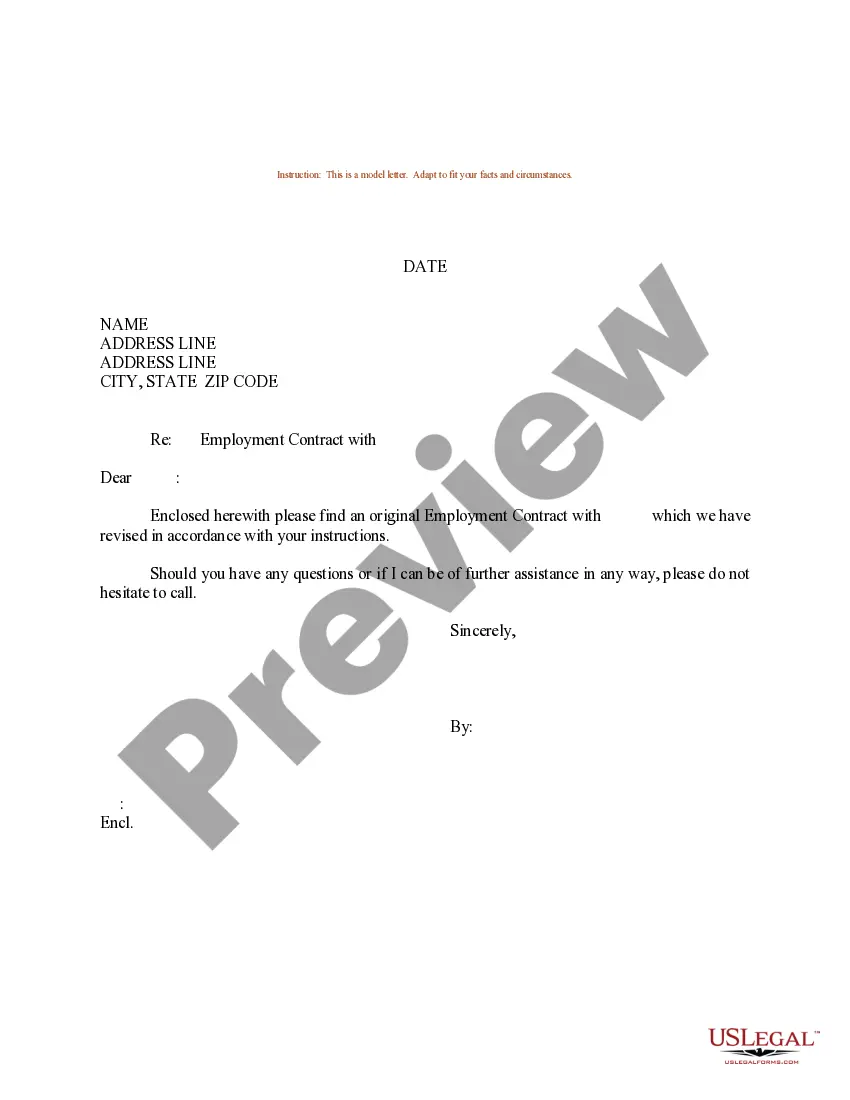
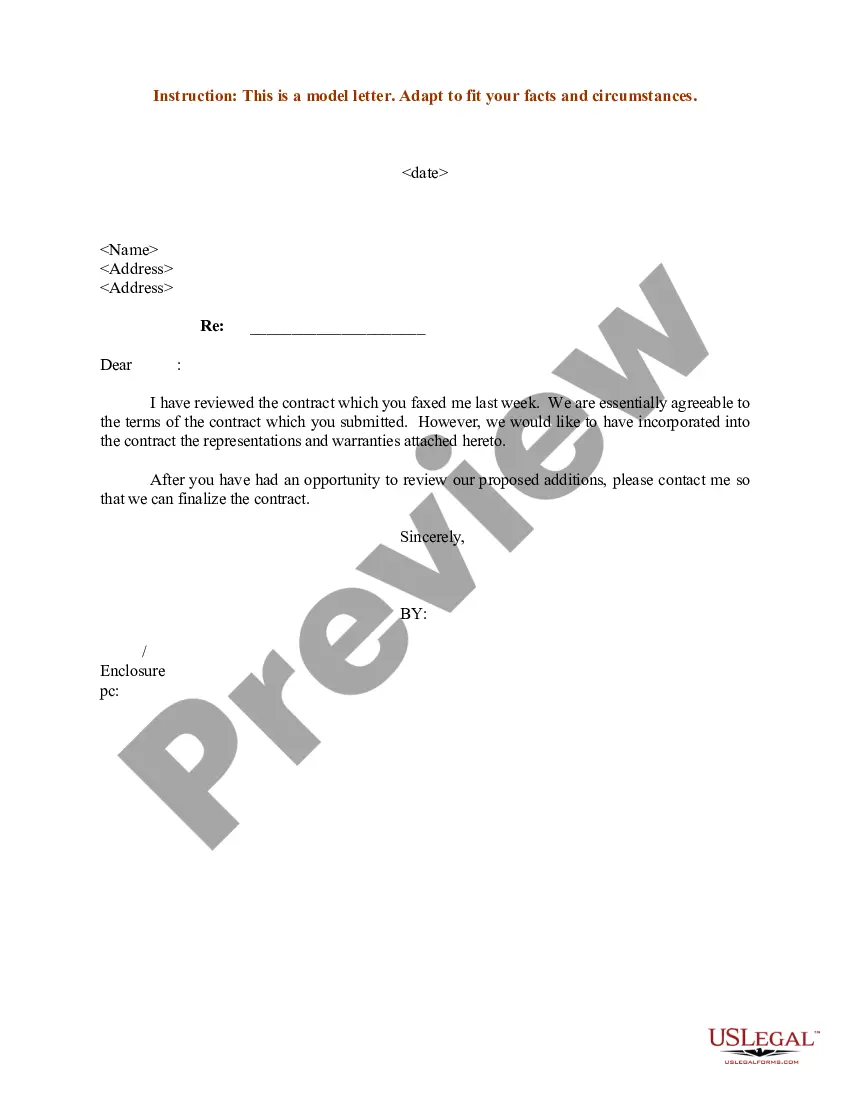
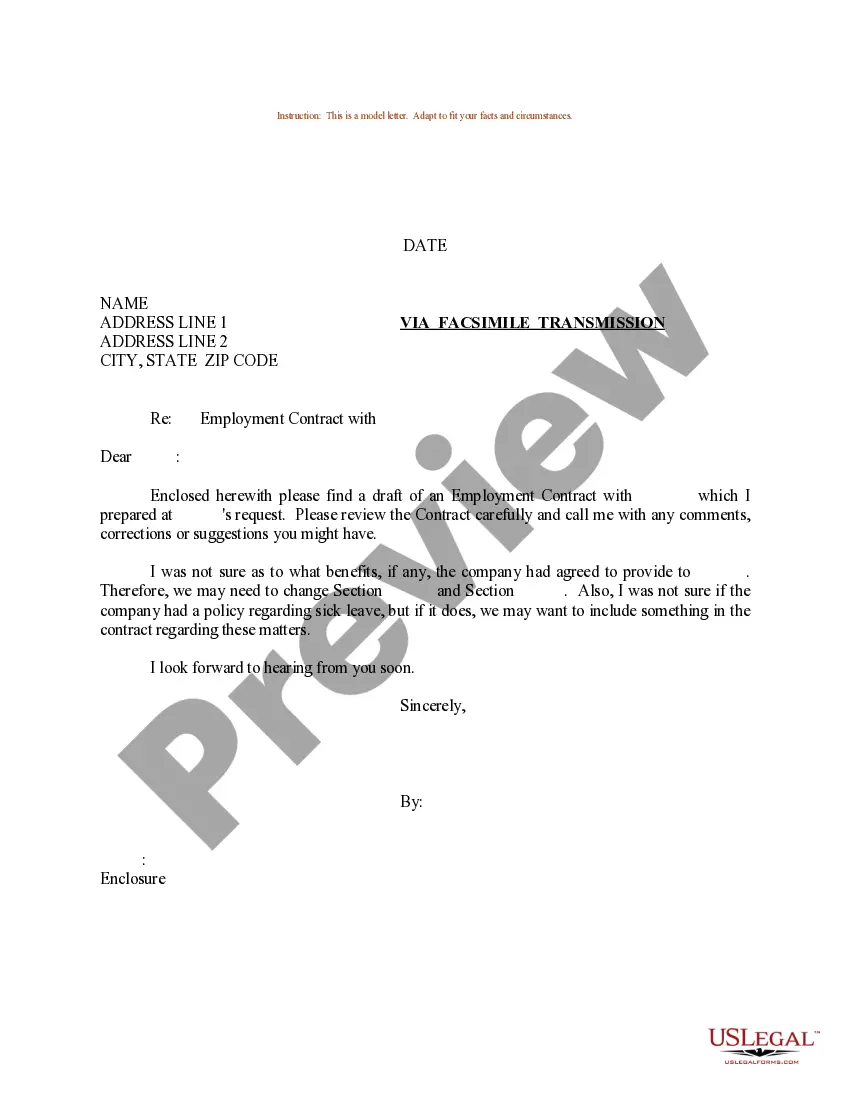
Montana Sample Letter per Employment Contract
Description
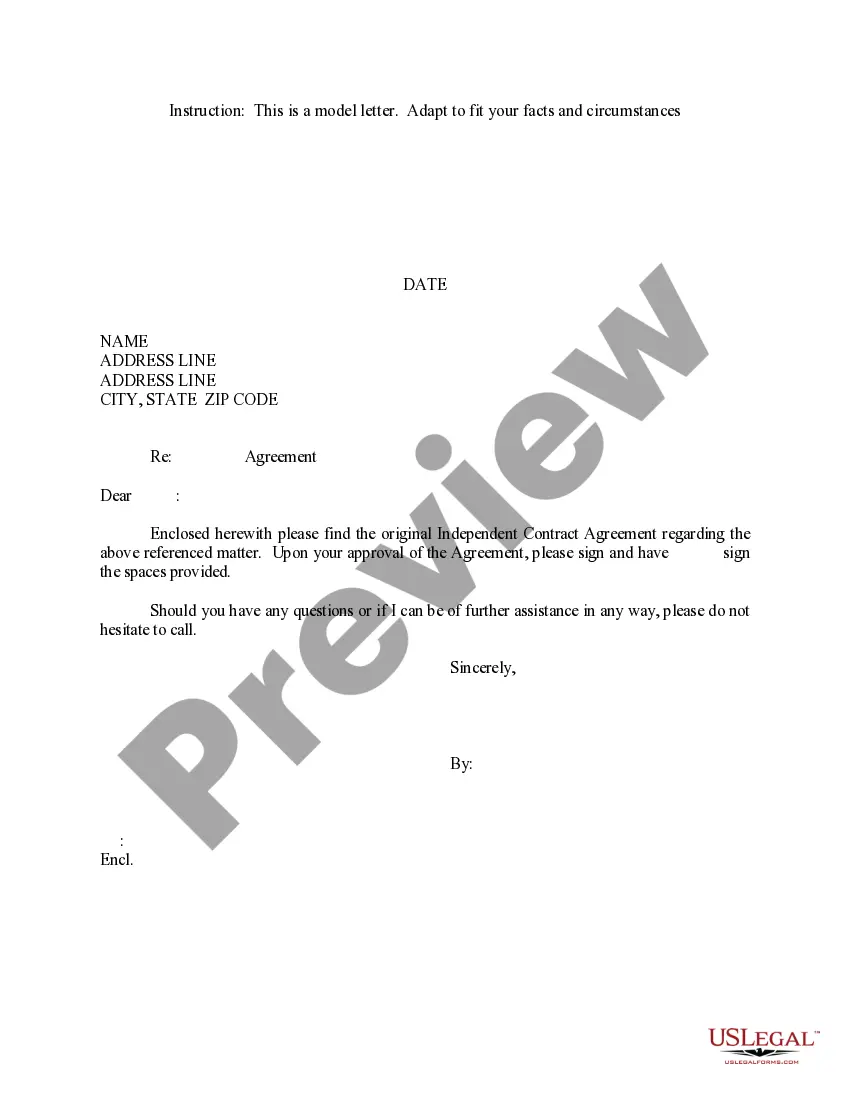
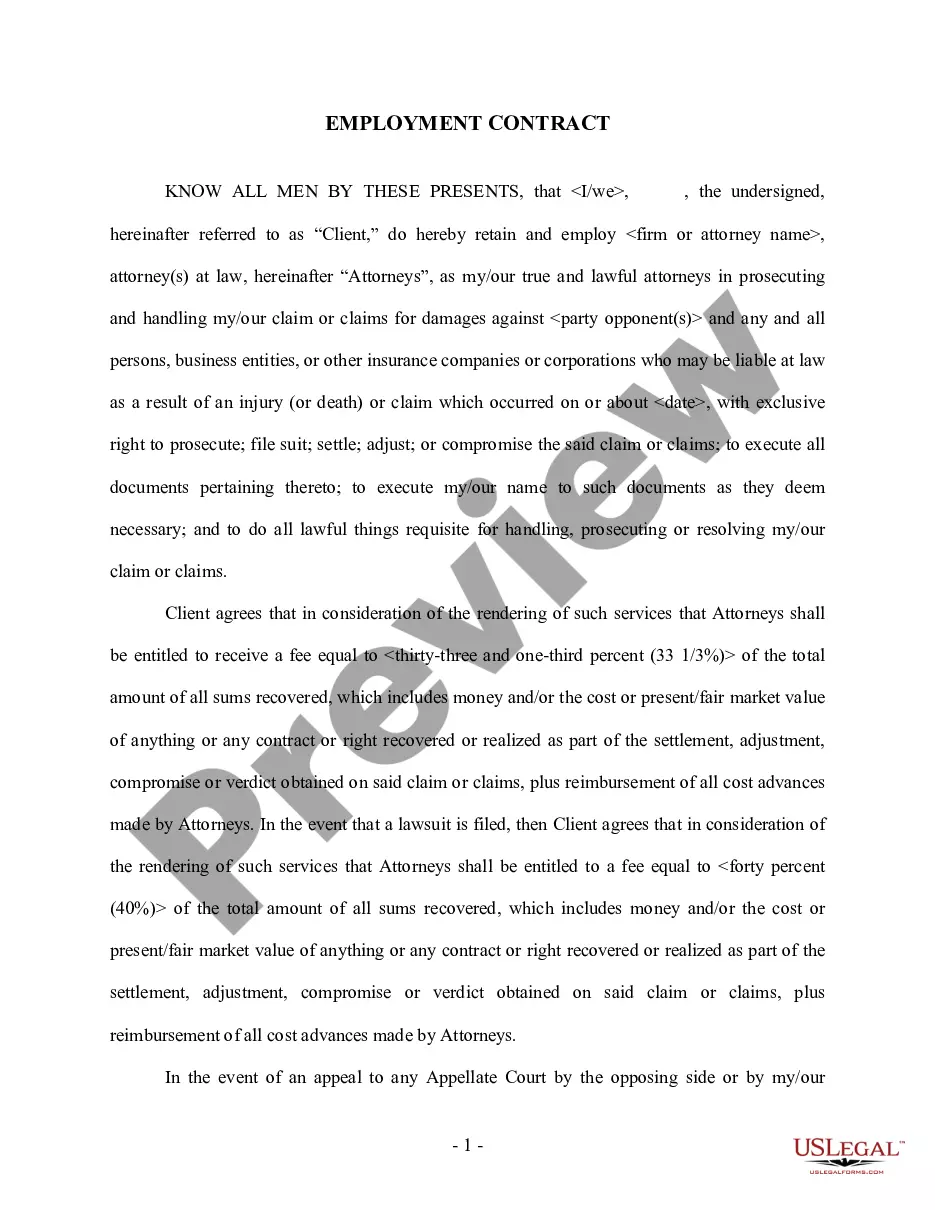
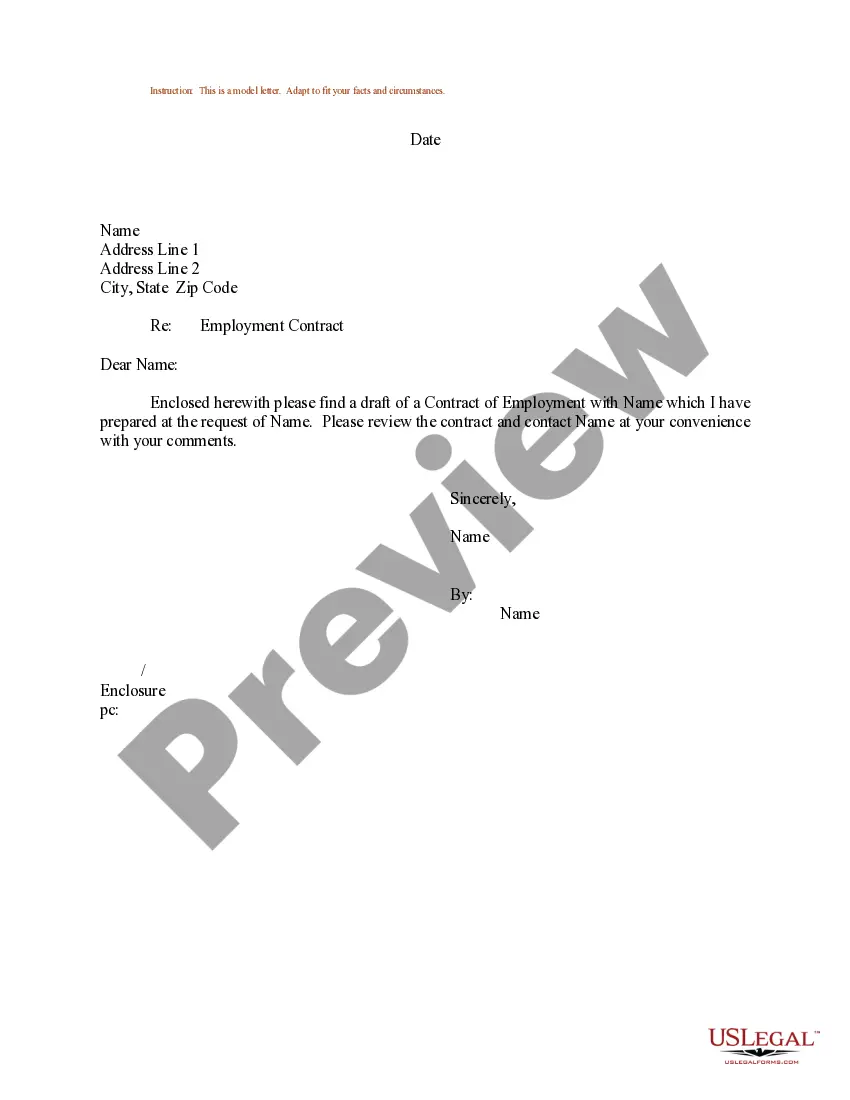
Get your form ready online
Our built-in tools help you complete, sign, share, and store your documents in one place.
Make edits, fill in missing information, and update formatting in US Legal Forms—just like you would in MS Word.
Download a copy, print it, send it by email, or mail it via USPS—whatever works best for your next step.
Sign and collect signatures with our SignNow integration. Send to multiple recipients, set reminders, and more. Go Premium to unlock E-Sign.
If this form requires notarization, complete it online through a secure video call—no need to meet a notary in person or wait for an appointment.
We protect your documents and personal data by following strict security and privacy standards.

Make edits, fill in missing information, and update formatting in US Legal Forms—just like you would in MS Word.

Download a copy, print it, send it by email, or mail it via USPS—whatever works best for your next step.

Sign and collect signatures with our SignNow integration. Send to multiple recipients, set reminders, and more. Go Premium to unlock E-Sign.

If this form requires notarization, complete it online through a secure video call—no need to meet a notary in person or wait for an appointment.

We protect your documents and personal data by following strict security and privacy standards.
Looking for another form?
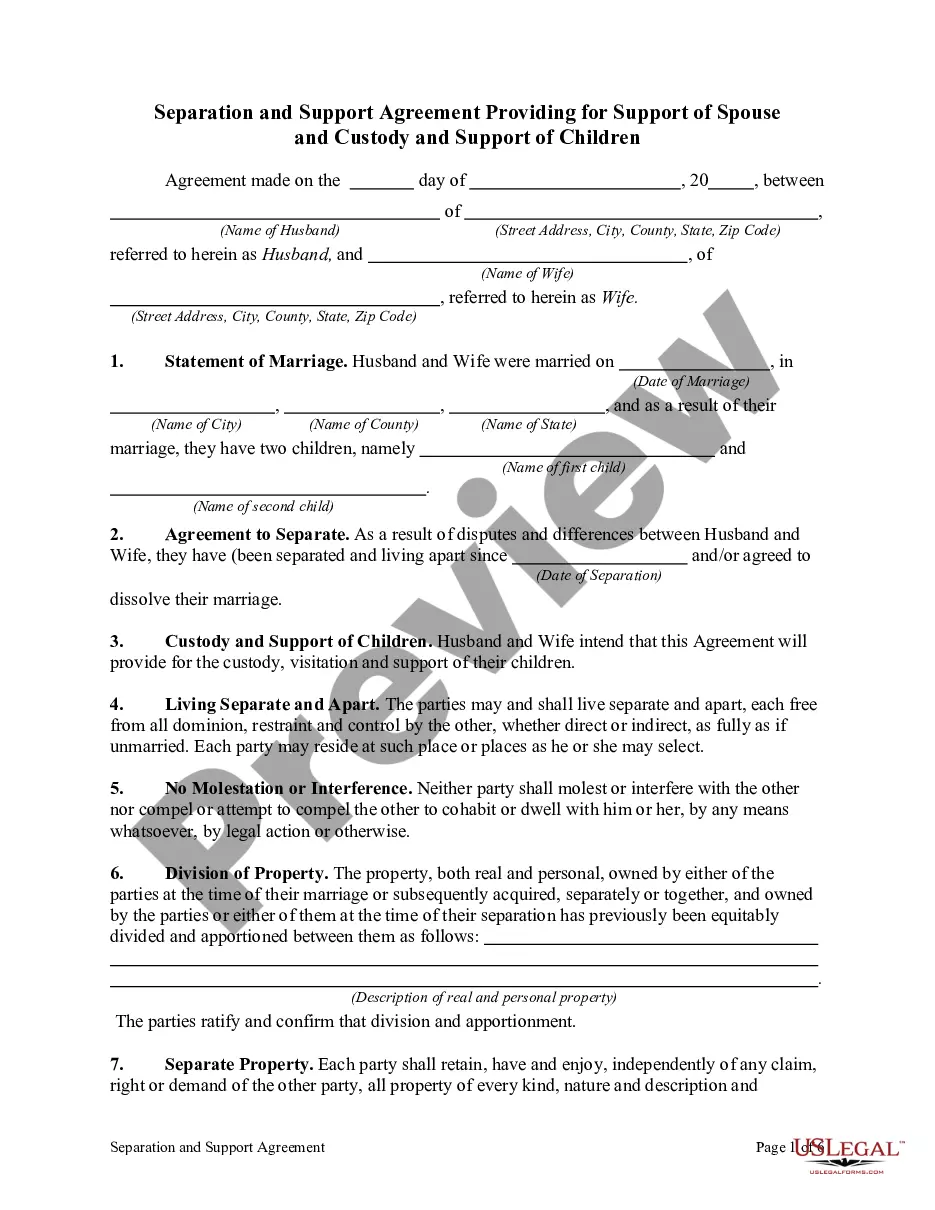

How to fill out Sample Letter Per Employment Contract?
Have you ever found yourself in a scenario where you require documentation for potential business or personal purposes nearly every time.
There are numerous legitimate form templates accessible online, but finding ones you can rely on isn't straightforward.
US Legal Forms offers thousands of form templates, such as the Montana Sample Letter for Employment Contract, which can be tailored to comply with federal and state regulations.
Once you find the appropriate form, click Purchase now.
Select the payment plan you want, enter the required information to create your account, and complete your purchase using PayPal or credit card.
- If you are already acquainted with the US Legal Forms website and have an account, simply Log In.
- After that, you can download the Montana Sample Letter for Employment Contract template.
- If you don't have an account and want to start using US Legal Forms, follow these steps.
- Find the form you need and ensure it is for the correct city/state.
- Use the Review button to evaluate the form.
- Check the summary to confirm that you have selected the correct form.
- If the form isn't what you are looking for, utilize the Search area to locate the form that meets your needs.
Form popularity
FAQ
How to write a letter of agreement Title the document. Add the title at the top of the document. ... List your personal information. ... Include the date. ... Add the recipient's personal information. ... Address the recipient. ... Write an introduction paragraph. ... Write your body. ... Conclude the letter.
How to draft a contract between two parties: A step-by-step checklist Check out the parties. ... Come to an agreement on the terms. ... Specify the length of the contract. ... Spell out the consequences. ... Determine how you would resolve any disputes. ... Think about confidentiality. ... Check the contract's legality. ... Open it up to negotiation.
How to write a contract letter Create an introduction. ... Detail position information. ... Discuss compensation and benefits. ... Describe terms of employment. ... Add training or probationary information. ... Highlight additional agreements. ... Inform about agreement decision. ... Add signature information.
There are several basic elements that are should be included in every employment agreement. These include: The title of the position, the term of employment, exclusivity (if necessary) compensation and benefits, confidentiality, termination, severance pay, and arbitration requirements if applicable.
Tips on How to Write a Contract Letter Make the Candidate Feel Valued. ... Cover the Specifics. ... Stipulate Important Conditions. ... Spell Out the At-will Employment Relationship. ... Don't Forget the Nice-to-Knows. ... Remember the Signature. ... Ask a Legal Team to Review.
An employment contract doesn't always have to be in writing to be enforceable. While that may be the case, written agreements are certainly easier to enforce and not subject to certain limitations that oral agreements are.
An employment contract typically includes the following elements: Duration of employment, if applicable. Salary or wages. General job responsibilities. Work schedule. Benefits. Confidentiality. Non-compete agreement. Severance pay, if applicable.
Whereas an offer letter is unofficial (avoiding statements that promise future wages or employment), an employment contract is exactly the opposite, setting wages and length of employment in legally binding stone.