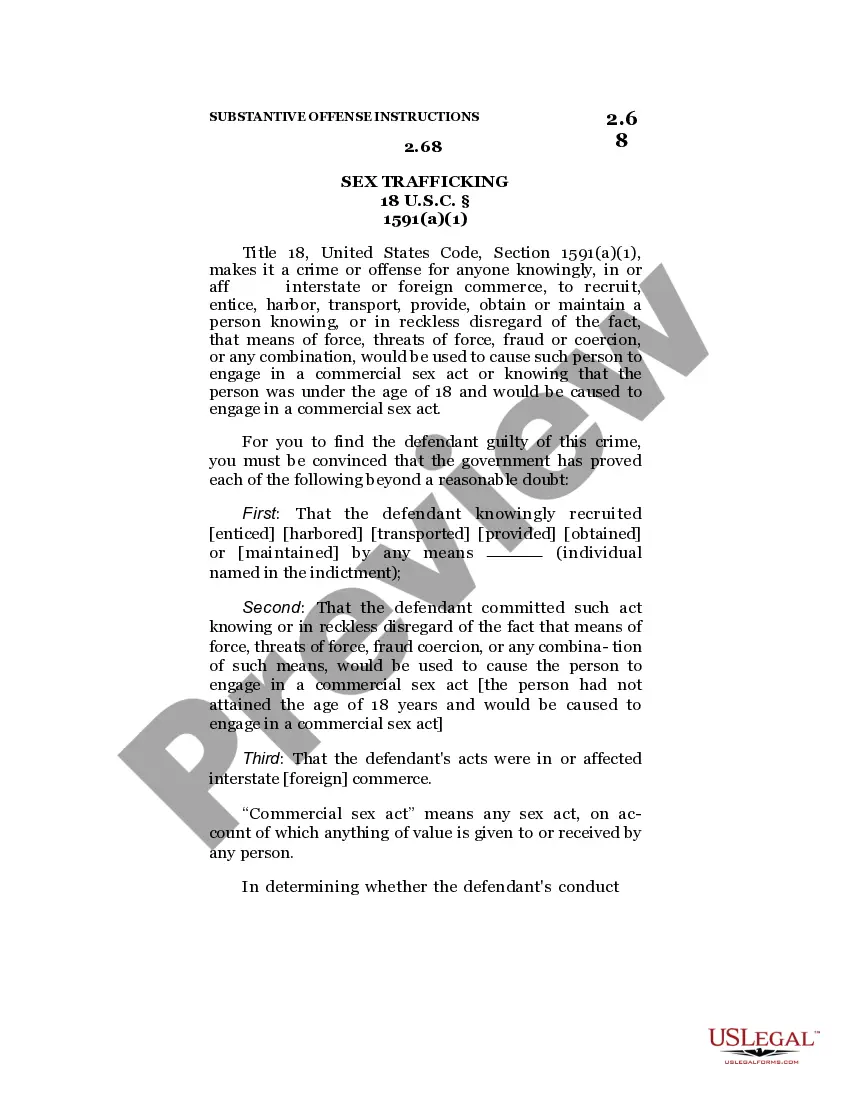
Montana Letter to Other Entities Notifying Them of Identity Theft of Minor
Description
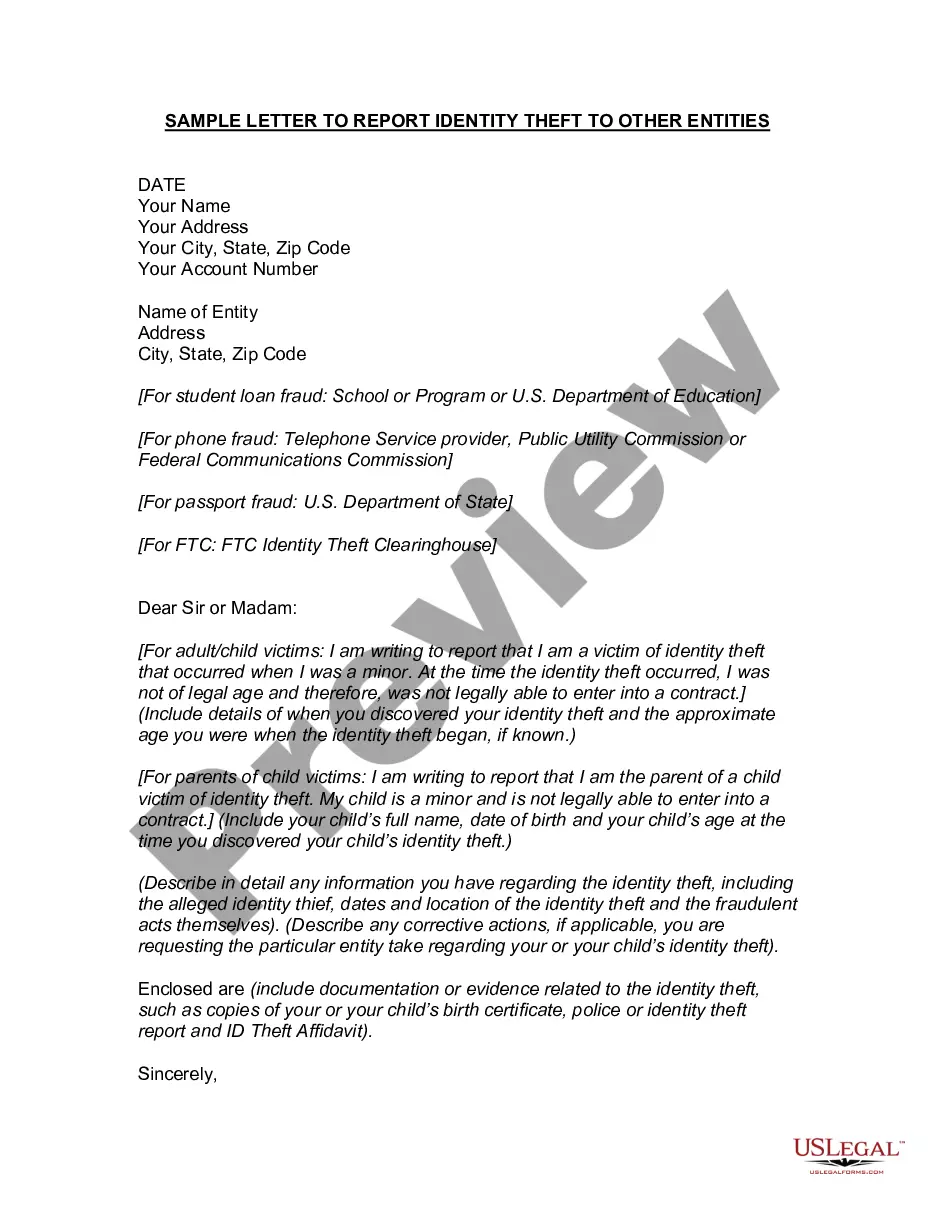

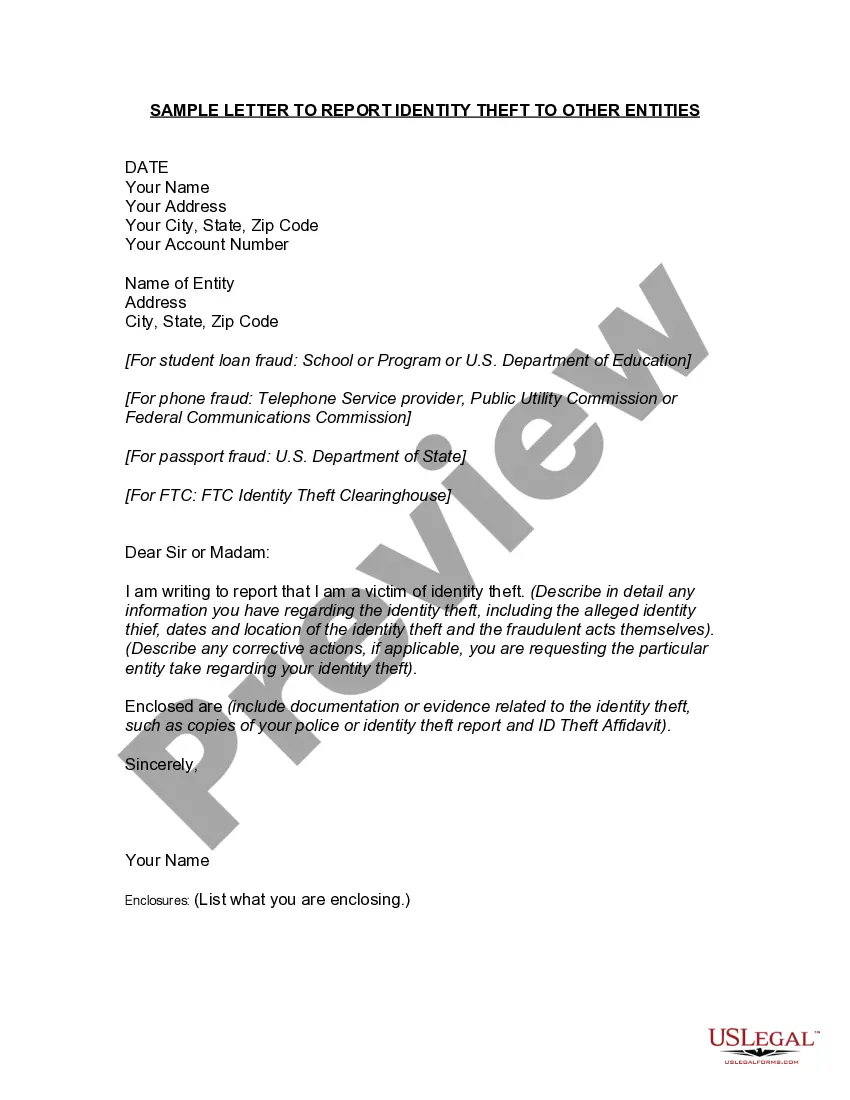
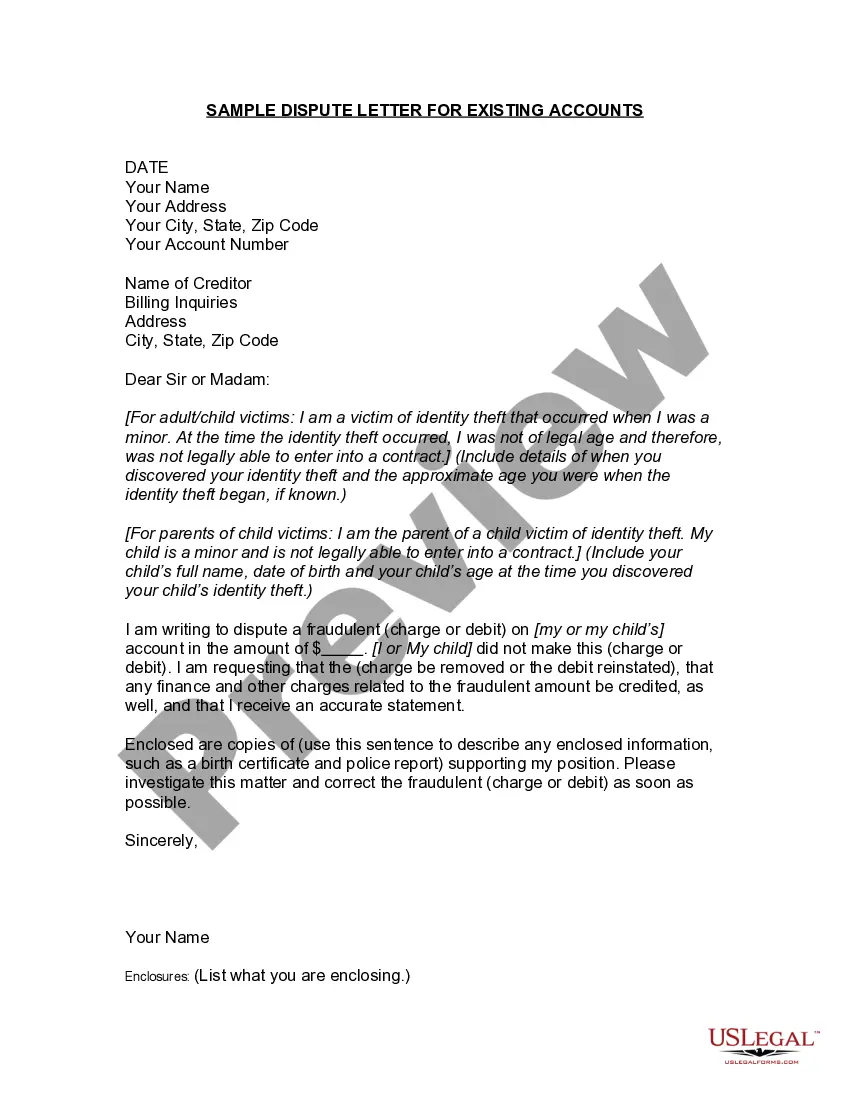
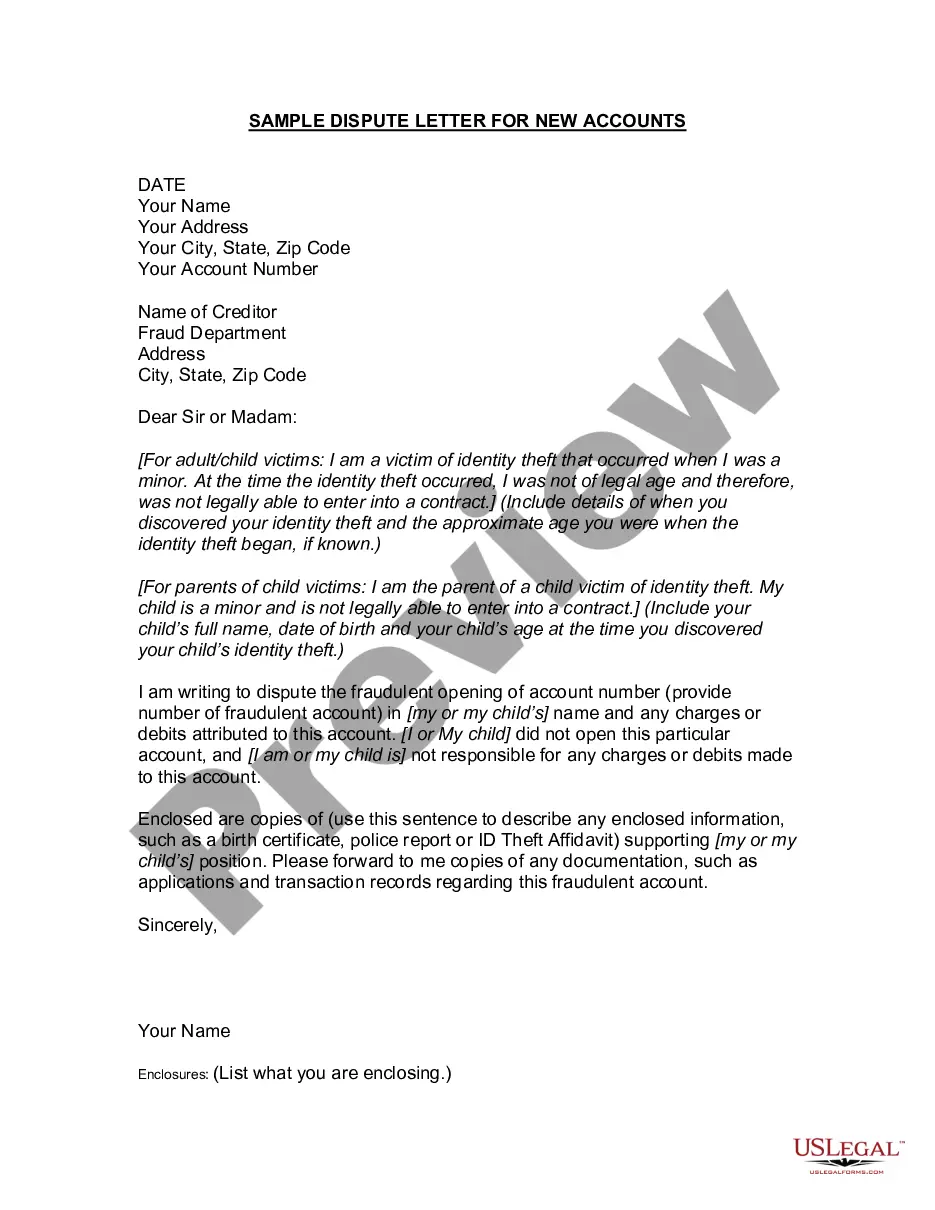
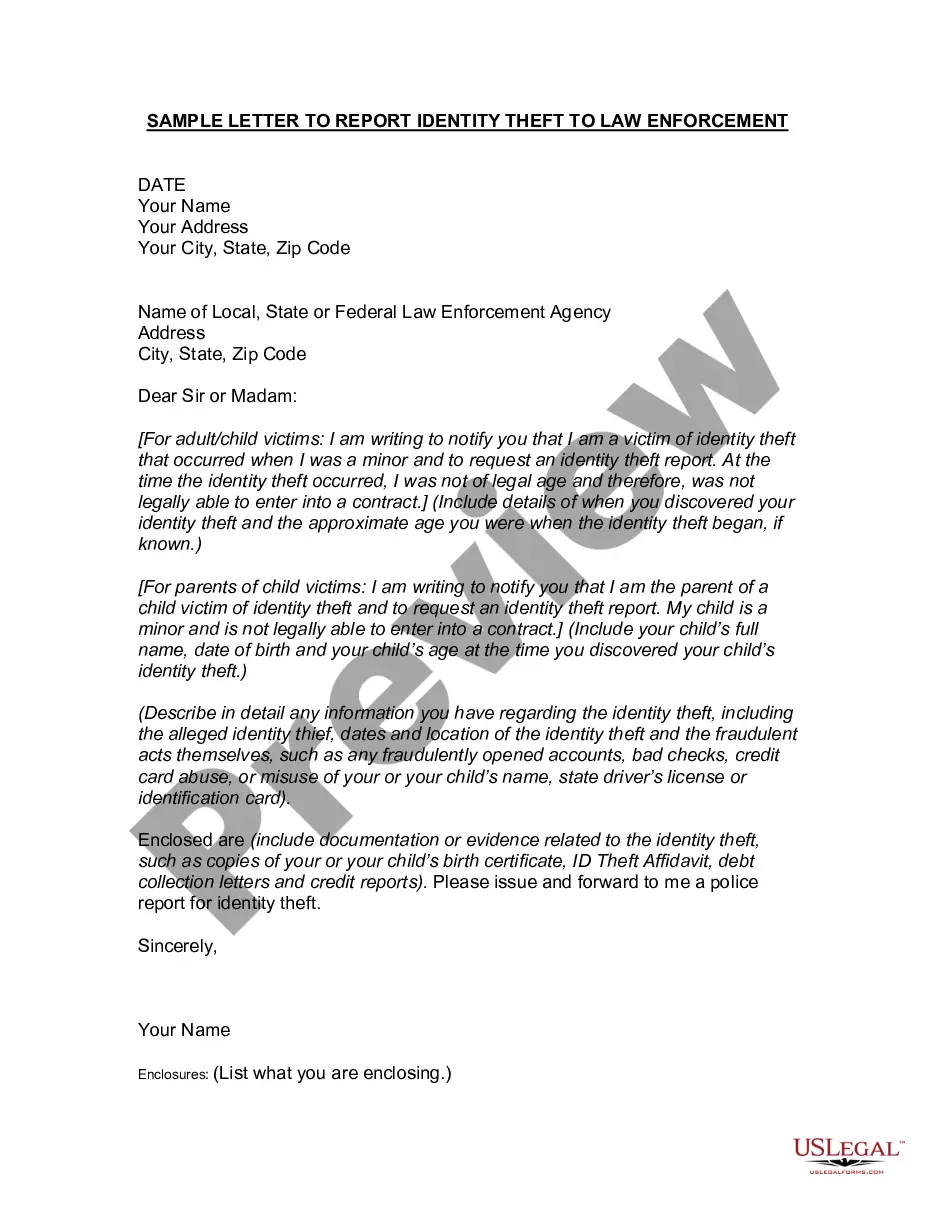
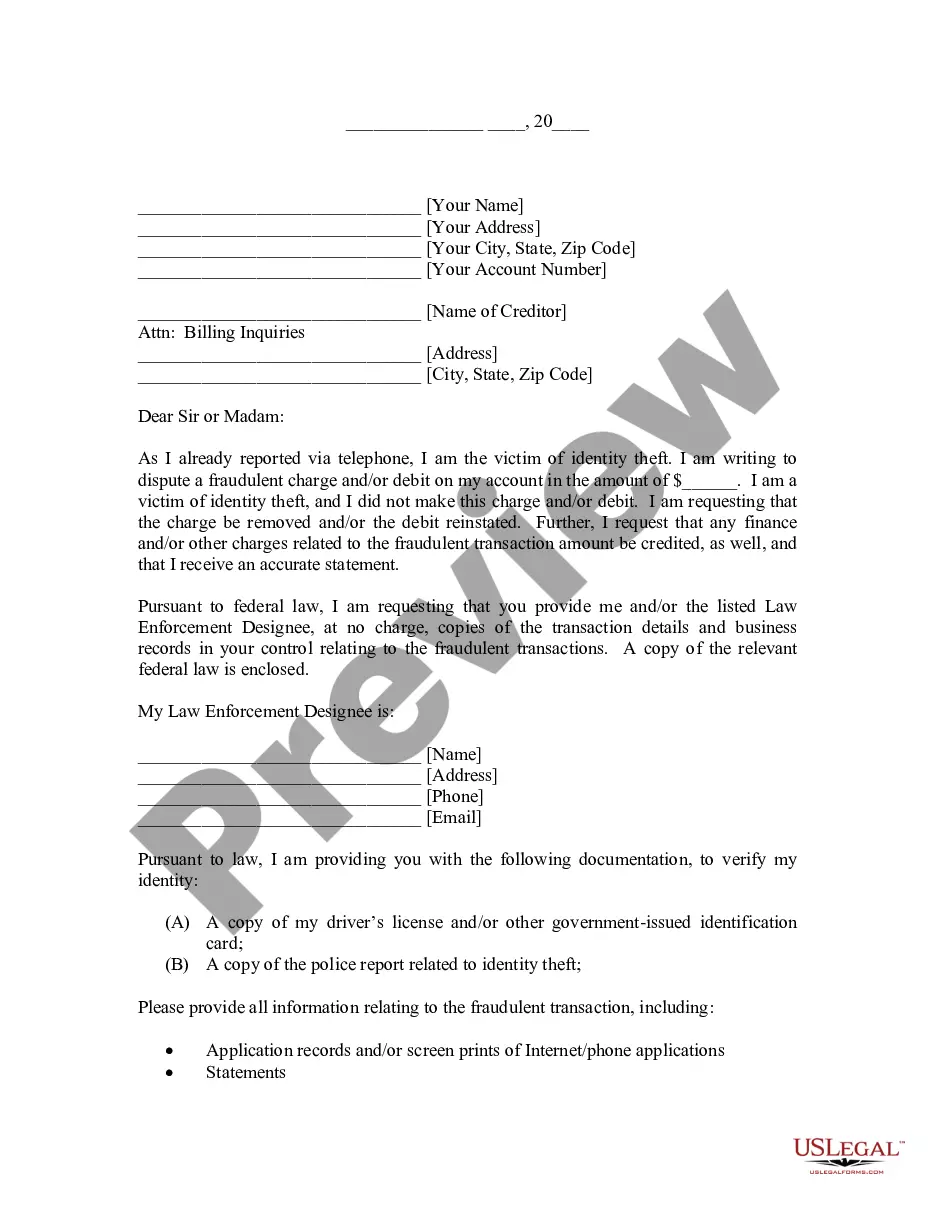

How to fill out Letter To Other Entities Notifying Them Of Identity Theft Of Minor?
You can spend hours online trying to find the legal document template that meets the federal and state requirements you need. US Legal Forms provides thousands of legal forms that are reviewed by experts.
You can easily download or print the Montana Letter to Other Entities Notifying Them of Identity Theft of Minor from our service.
If you already have a US Legal Forms account, you can Log In and click on the Obtain button. After that, you can complete, modify, print, or sign the Montana Letter to Other Entities Notifying Them of Identity Theft of Minor. Each legal document template you acquire is yours permanently. To get another copy of any purchased form, visit the My documents tab and click on the relevant button.
Choose the format of the document and download it to your device. Make modifications to your document if necessary. You can complete, edit, and sign and print the Montana Letter to Other Entities Notifying Them of Identity Theft of Minor. Access and print thousands of document templates using the US Legal Forms website, which offers the widest selection of legal forms. Utilize professional and state-specific templates to address your business or personal needs.
- If you are using the US Legal Forms website for the first time, follow the simple instructions below.
- First, ensure that you have selected the correct document template for the county/town of your choice. Review the form details to confirm you have chosen the right form.
- If available, use the Preview button to review the document template as well.
- If you wish to obtain another version of the form, use the Search box to find the template that meets your needs and specifications.
- Once you have located the template you want, click Buy now to proceed.
- Select the pricing plan you want, enter your information, and create an account on US Legal Forms.
- Complete the transaction. You can use your credit card or PayPal account to pay for the legal form.
Form popularity
FAQ
How To Know if Someone Stole Your Identity Track what bills you owe and when they're due. If you stop getting a bill, that could be a sign that someone changed your billing address. Review your bills. ... Check your bank account statement. ... Get and review your credit reports.
Criminal identity theft occurs when someone cited or arrested for a crime uses another person's name and identifying information, resulting in a criminal record being created in that person's name.
Use this checklist to protect yourself from identity theft. Keep your mail safe. ... Read your account statements. ... Check your credit reports. ... Shred! ... Store personal documents at home. ... Be wary of unknown phone calls and emails. ... Create difficult logins and passwords. ... Use one credit card for online shopping.
Warning signs of identity theft Bills for items you did not buy. Debt collection calls for accounts you did not open. Information on your credit report for accounts you did not open. Denials of loan applications. Mail stops coming to, or is missing from, your mailbox.
Changes in your credit score can indicate identity theft. For example, if someone takes out utility bills in your name and doesn't pay them, your credit score may dip. Checking your credit report from each of the three major credit bureaus Equifax, Experian, and TransUnion can help pinpoint the problem.
Check credit reports. Similarly, monitor your credit reports from all three credit-reporting bureaus for any unknown accounts or inaccurate information. Your credit score isn't enough information to check for identity theft; rather, you'll need the complete credit files.