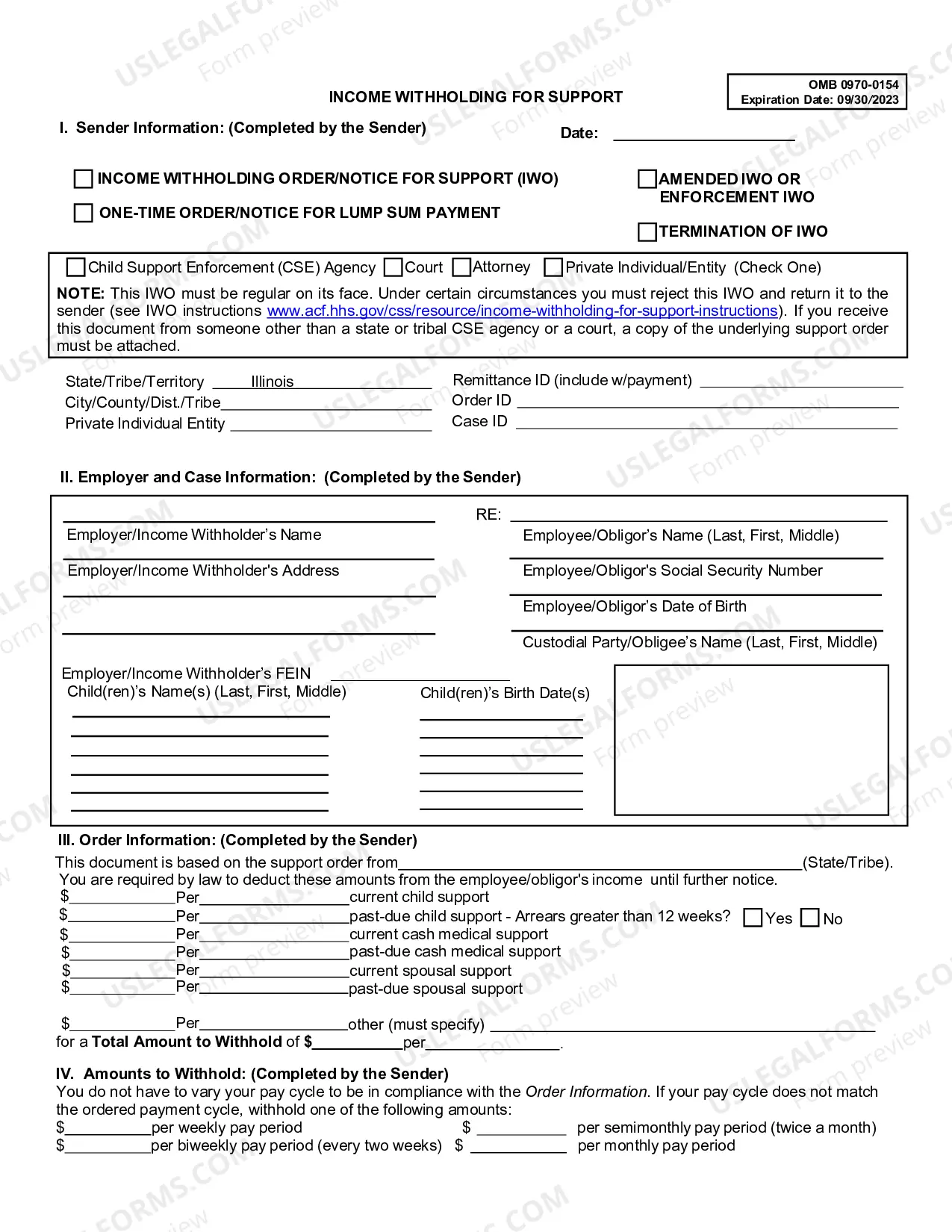
Montana Motion to Consolidate
Description
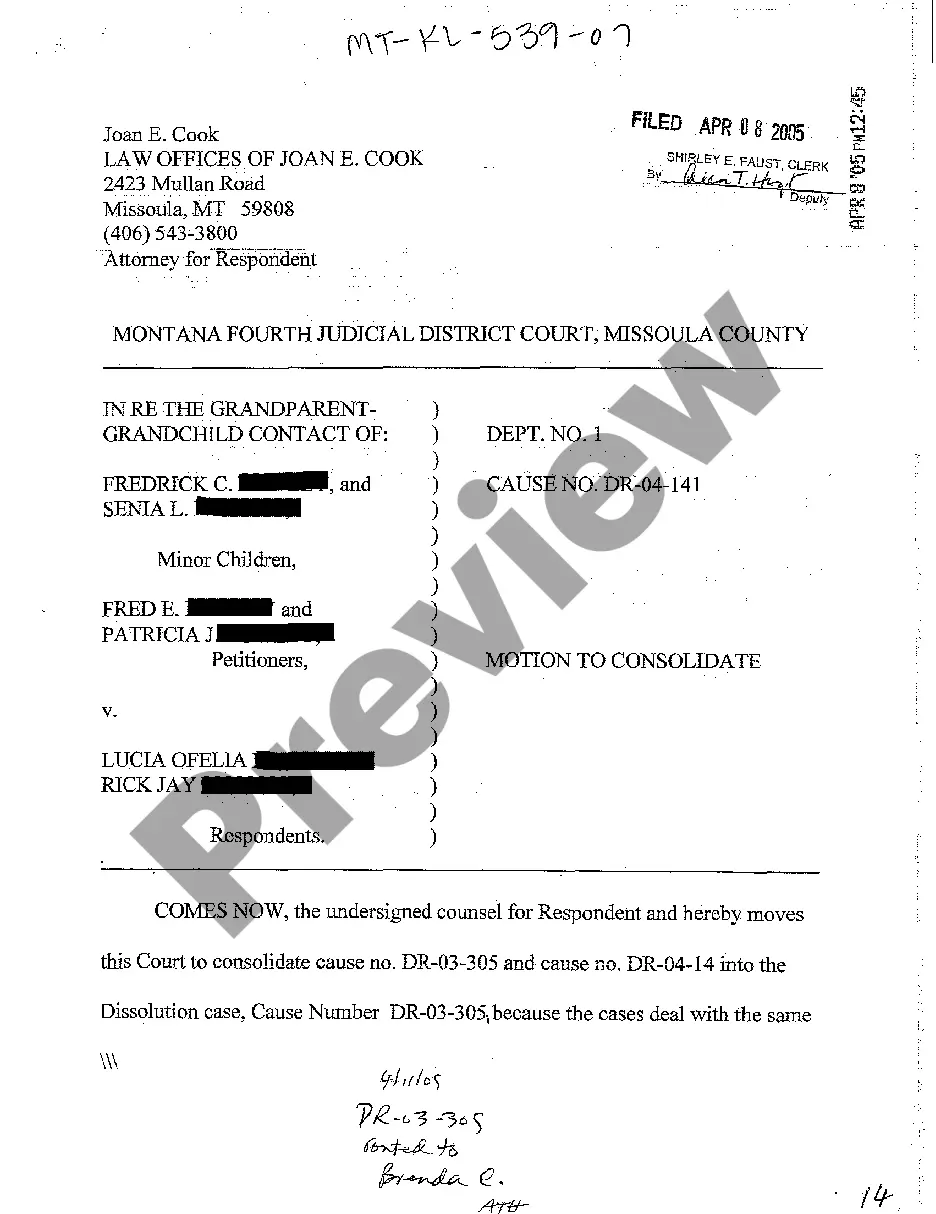
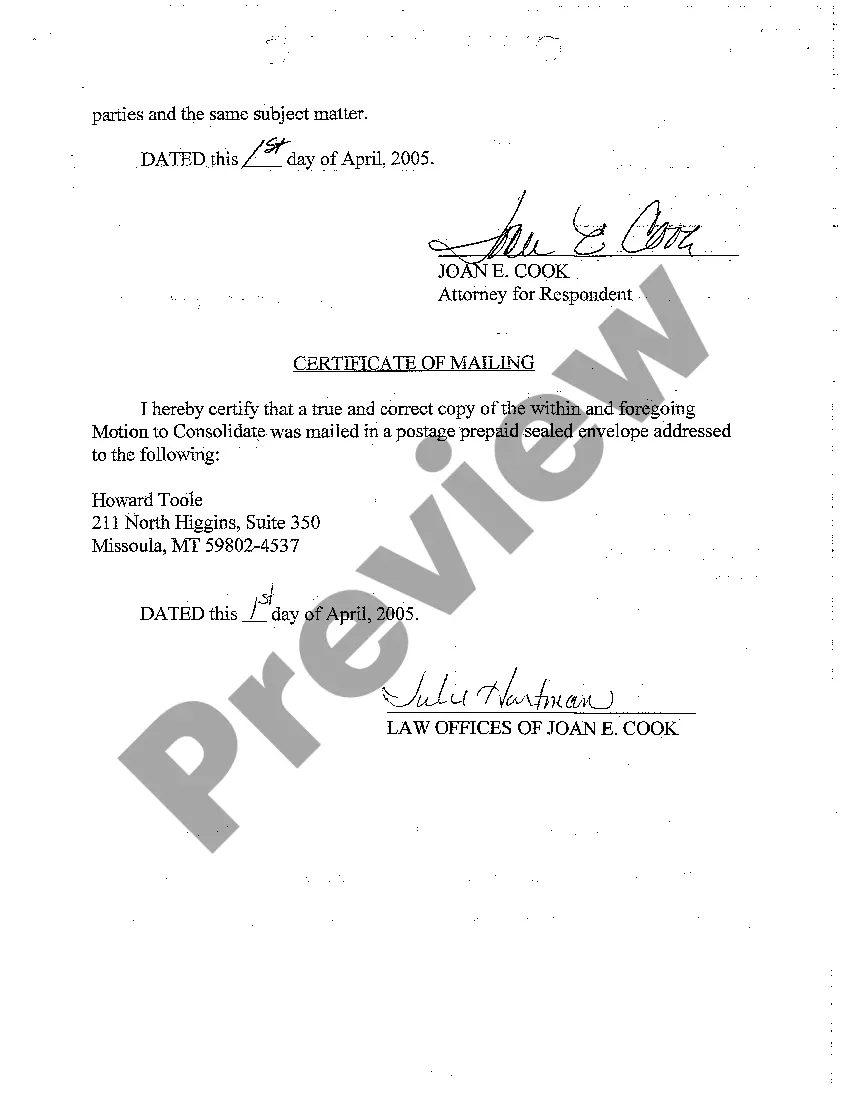
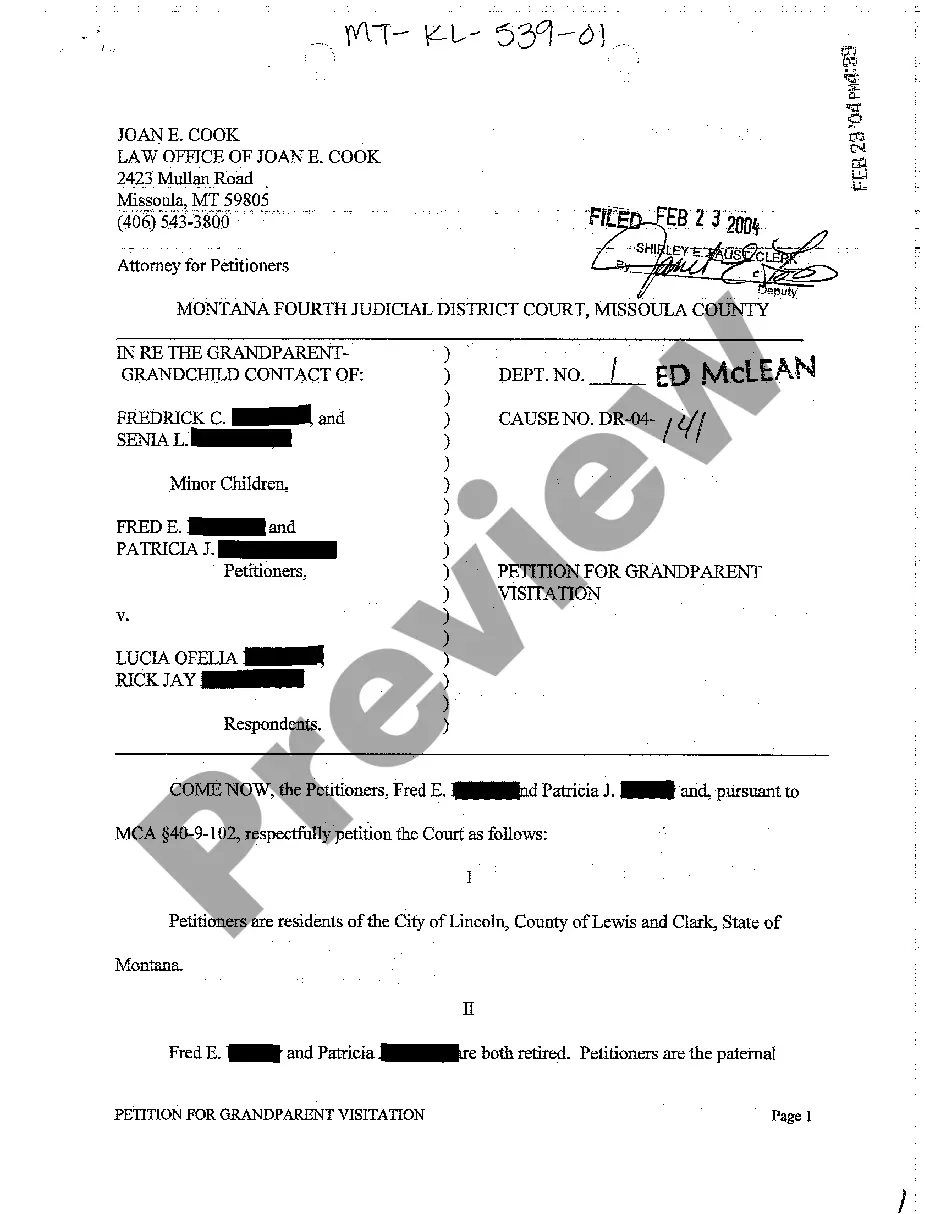
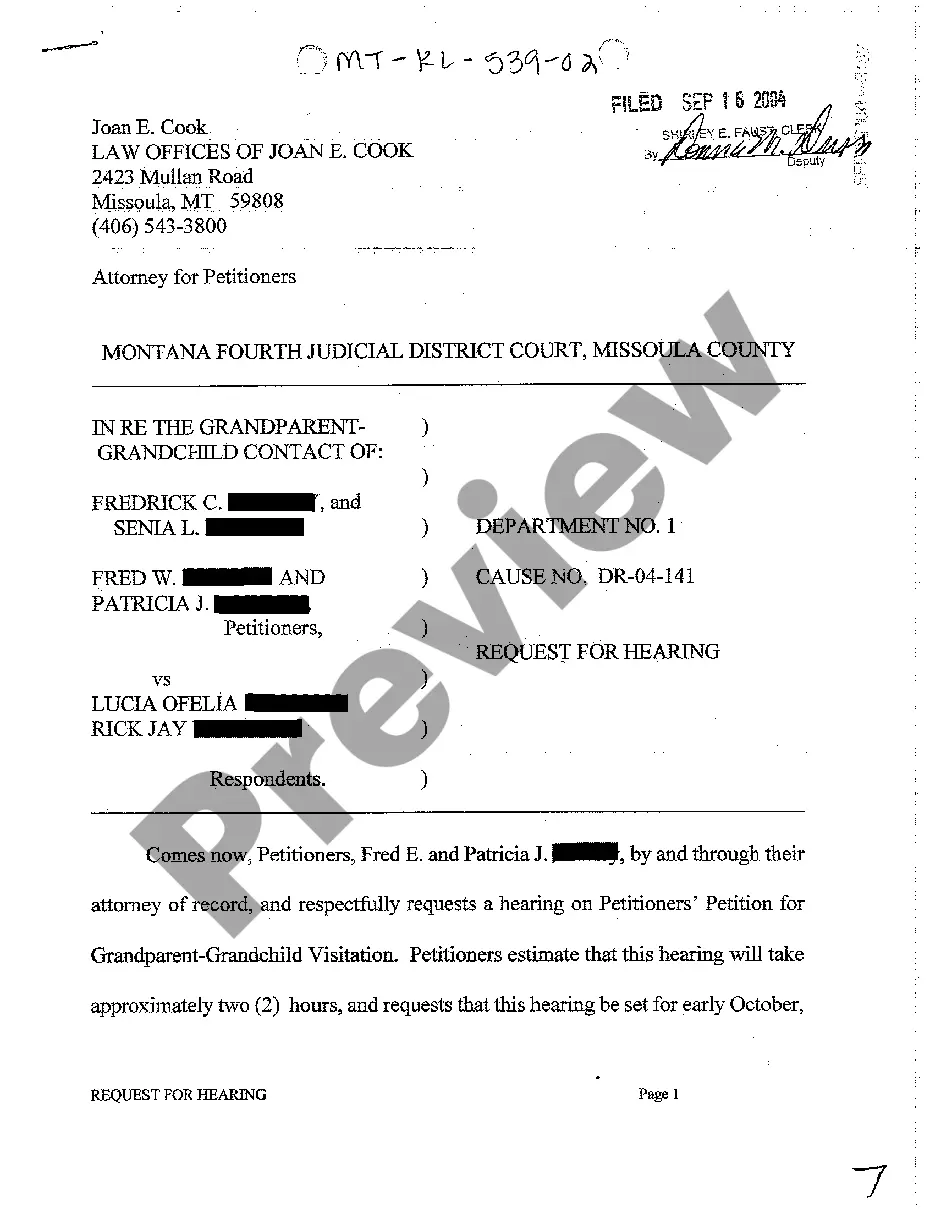
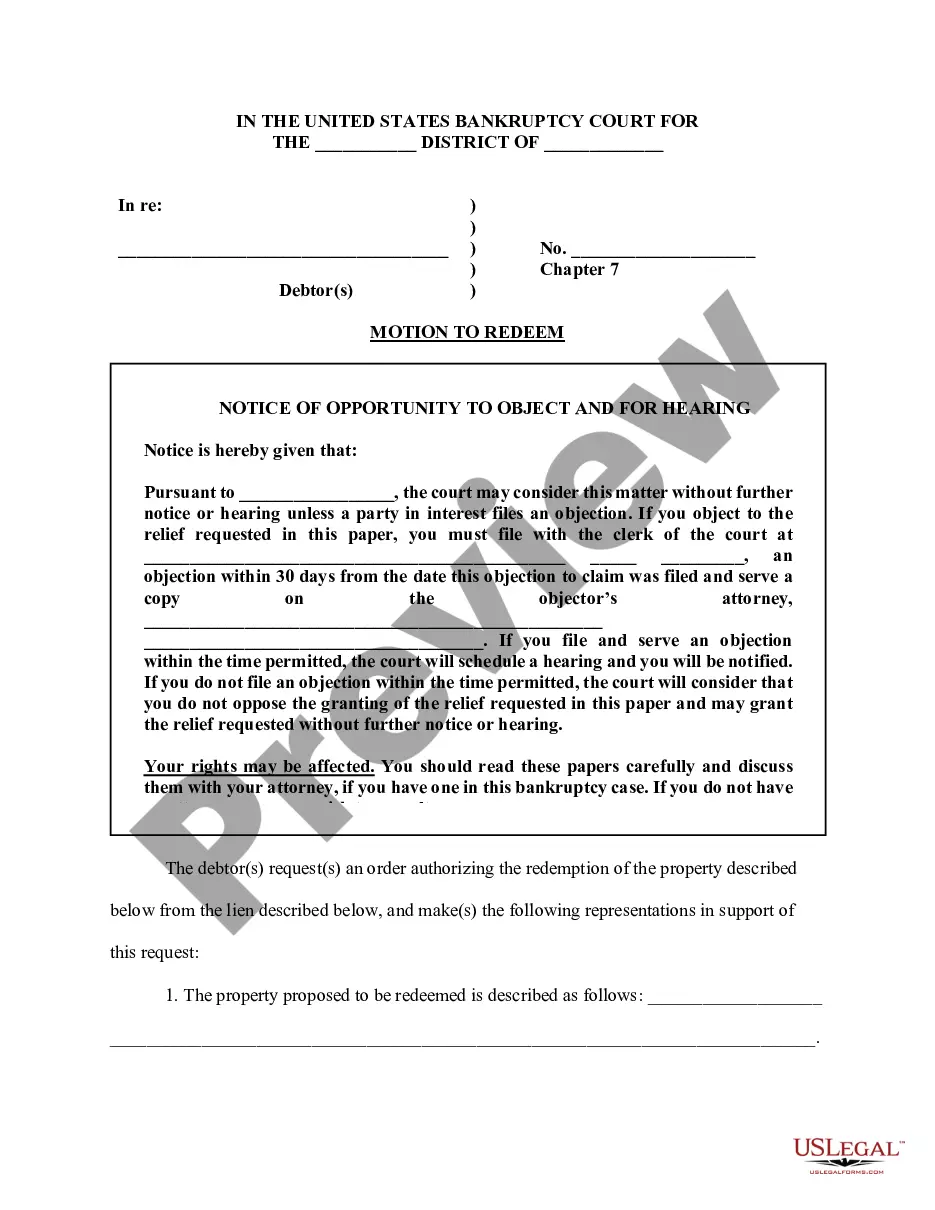
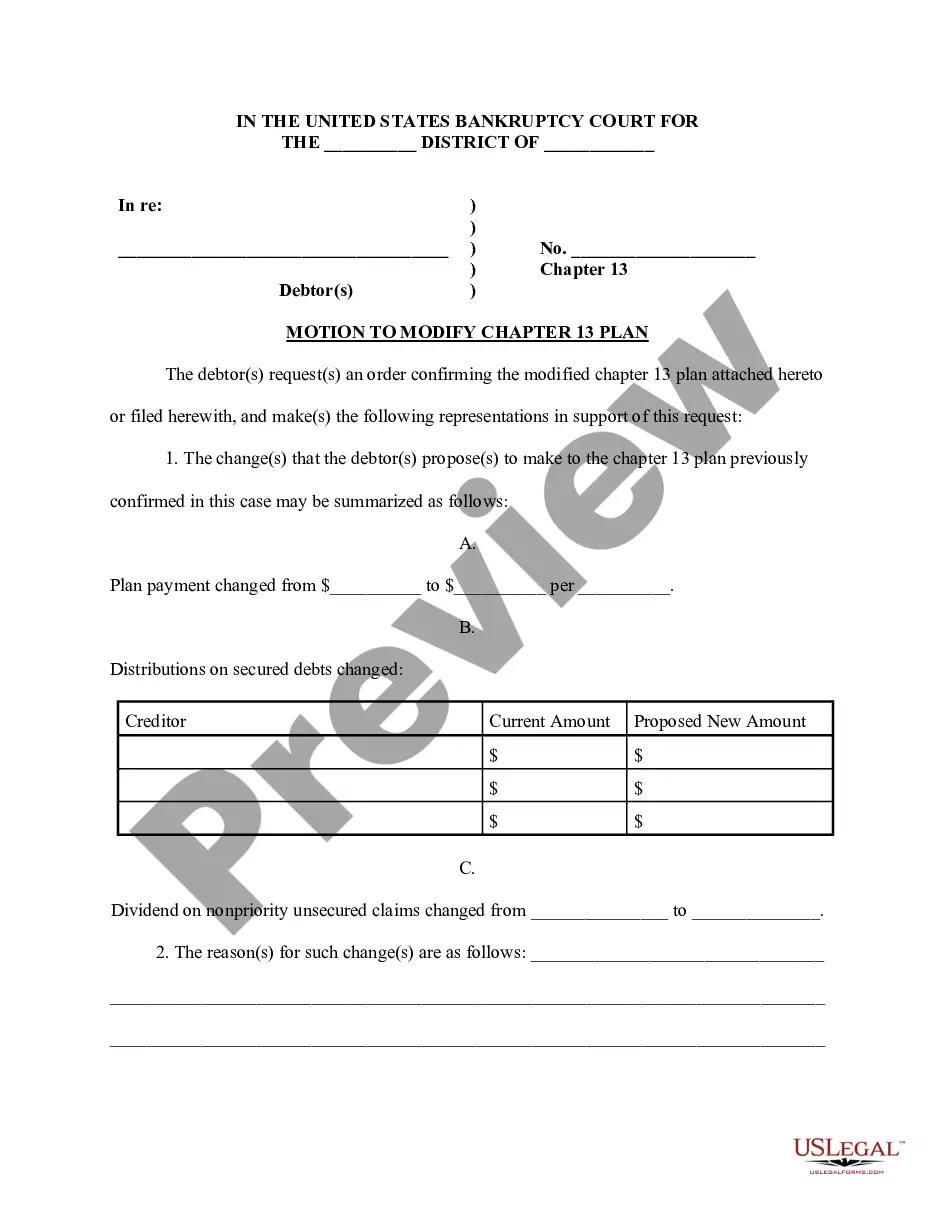
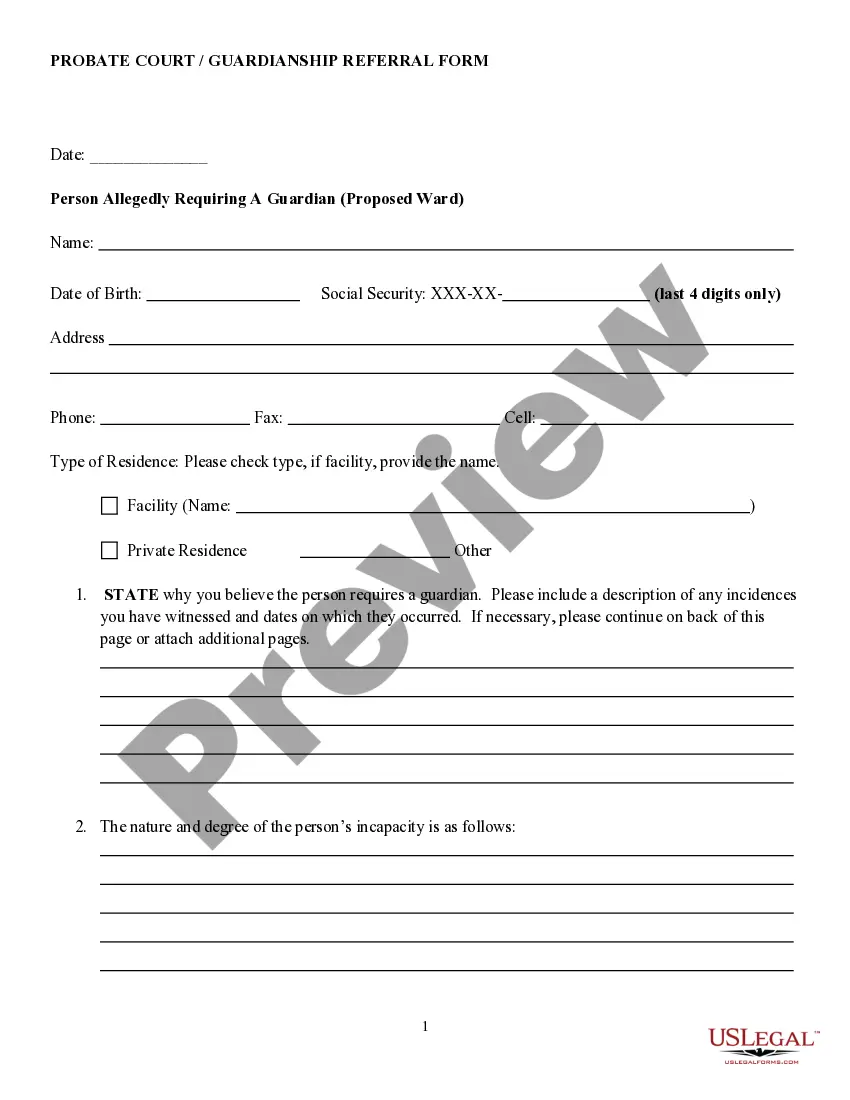



How to fill out Montana Motion To Consolidate?
Acquire a printable Montana Motion to Consolidate in just a few clicks from the most comprehensive collection of legal e-files.
Locate, download, and print professionally crafted and certified templates on the US Legal Forms site. US Legal Forms has been the top supplier of budget-friendly legal and tax documents for US citizens and residents online since 1997.
After downloading your Montana Motion to Consolidate, you can complete it in any online editor or print it out to fill it in manually. Utilize US Legal Forms to access 85,000 professionally drafted, state-specific documents.
- Individuals with an active subscription must Log In directly to their US Legal Forms account, download the Montana Motion to Consolidate, and find it saved in the My documents section.
- Those without a subscription should follow these steps.
- Ensure your form complies with your state’s regulations.
- If possible, review the form’s description for additional details.
- If accessible, view a preview of the form to see more information.
- Once you are certain the form meets your needs, click Buy Now.
- Create a personal account.
- Choose a subscription plan.
- Complete payment via PayPal or credit card.
- Download the form in Word or PDF format.
Form popularity
FAQ
A motion to consolidate is a motion to join two or more cases together into one action, where the issues are basically the same. Code of Civil Procedure Section 1048 states: "When actions involving a common question of law or fact are...
The definition of consolidation means the act of combining or merging people or things. An example of a consolidation is when two companies merge together.
Courts have the power to consolidate cases that raise common questions of fact or issues of law for many purposes, including to hold a single trial. The conflict began as a dispute between a brother and sister over the handling of their mother's real estate.
Courts have the power to consolidate cases that raise common questions of fact or issues of law for many purposes, including to hold a single trial. But consolidating cases, no matter the purpose, does not destroy the independent cases for appeal, according to a decision by the U.S. Supreme Court.
In Civil law, it refers to combining of two or more actions involving the same parties or issues into a single action through court order. When the cases involve similar or related questions to be decided, the court may consolidate the cases in order to promote the efficient use of judicial resources.
Consolidate means to combine or unify into one mass or body. In Civil law, it refers to combining of two or more actions involving the same parties or issues into a single action through court order.
More Definitions of Consolidated ComplaintConsolidated Complaint means the complaint filed by the Executive Committee of Plaintiffs' Counsel cases under MDL Docket No. 1005.Consolidated Complaint means Plaintiffs' Consolidated Amended Class Action Complaint filed on February 27, 2019, ECF No. 74 in Case No.
To consolidate (consolidation) is to combine assets, liabilities, and other financial items of two or more entities into one.Consolidation also refers to the union of smaller companies into larger companies through mergers and acquisitions (M&A).
Consolidation Order means an order by a Tribunal that a Primary Dispute and a Linked Dispute be consolidated and heard as one dispute in the same arbitral proceedings.Consolidation Order means an order by a Tribunal that a Primary Dispute and a Linked Dispute be resolved in the same arbitral proceedings.