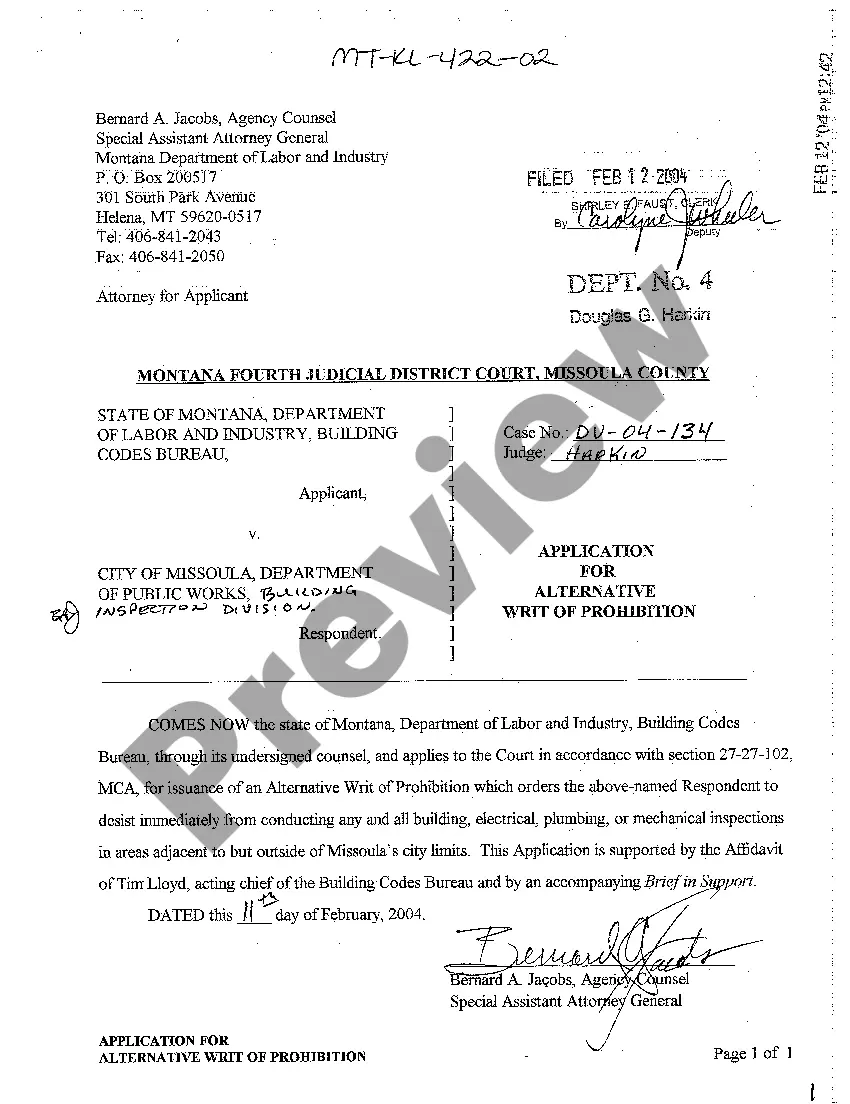
Montana Application for Alternative Writ of Prohibition to Inspections of Buildings
Description
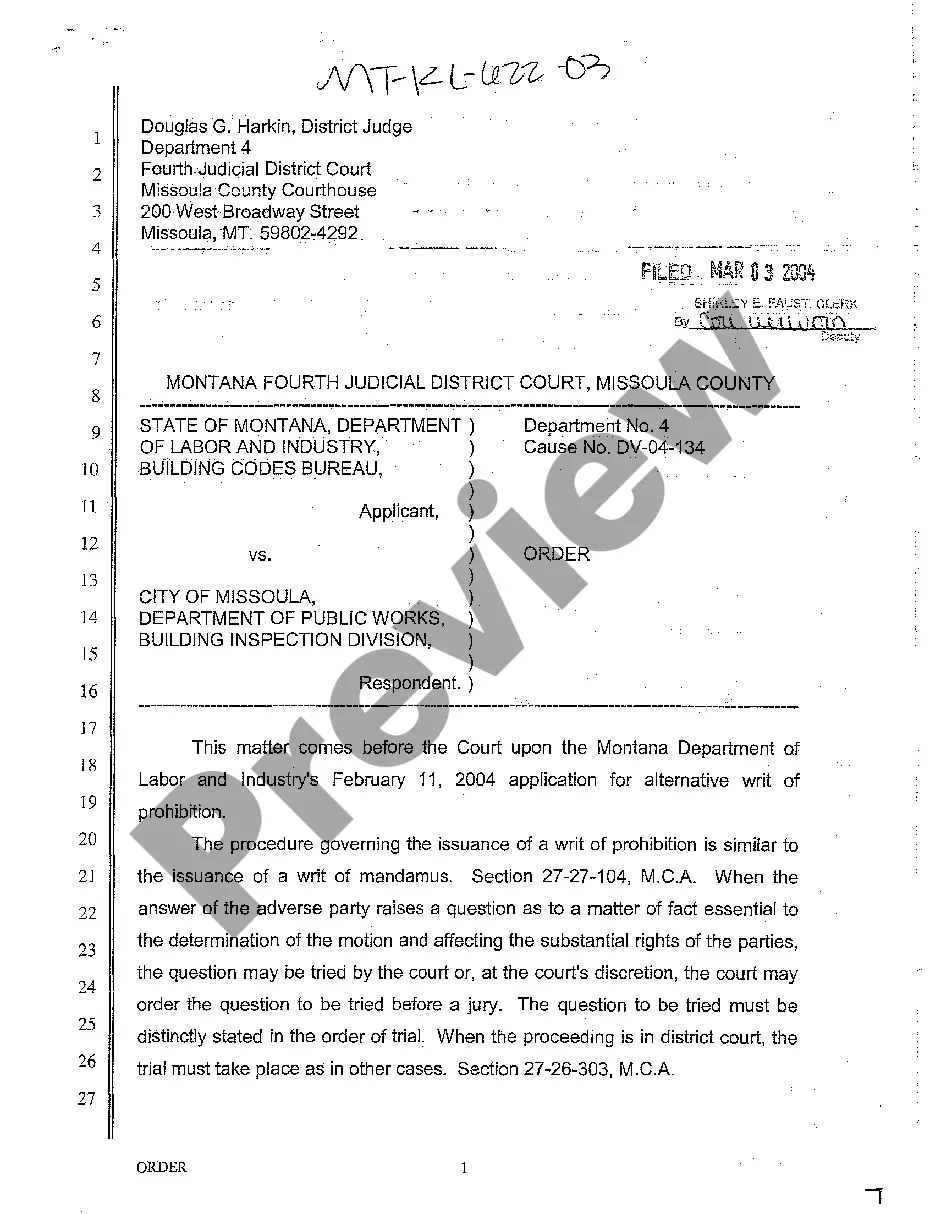
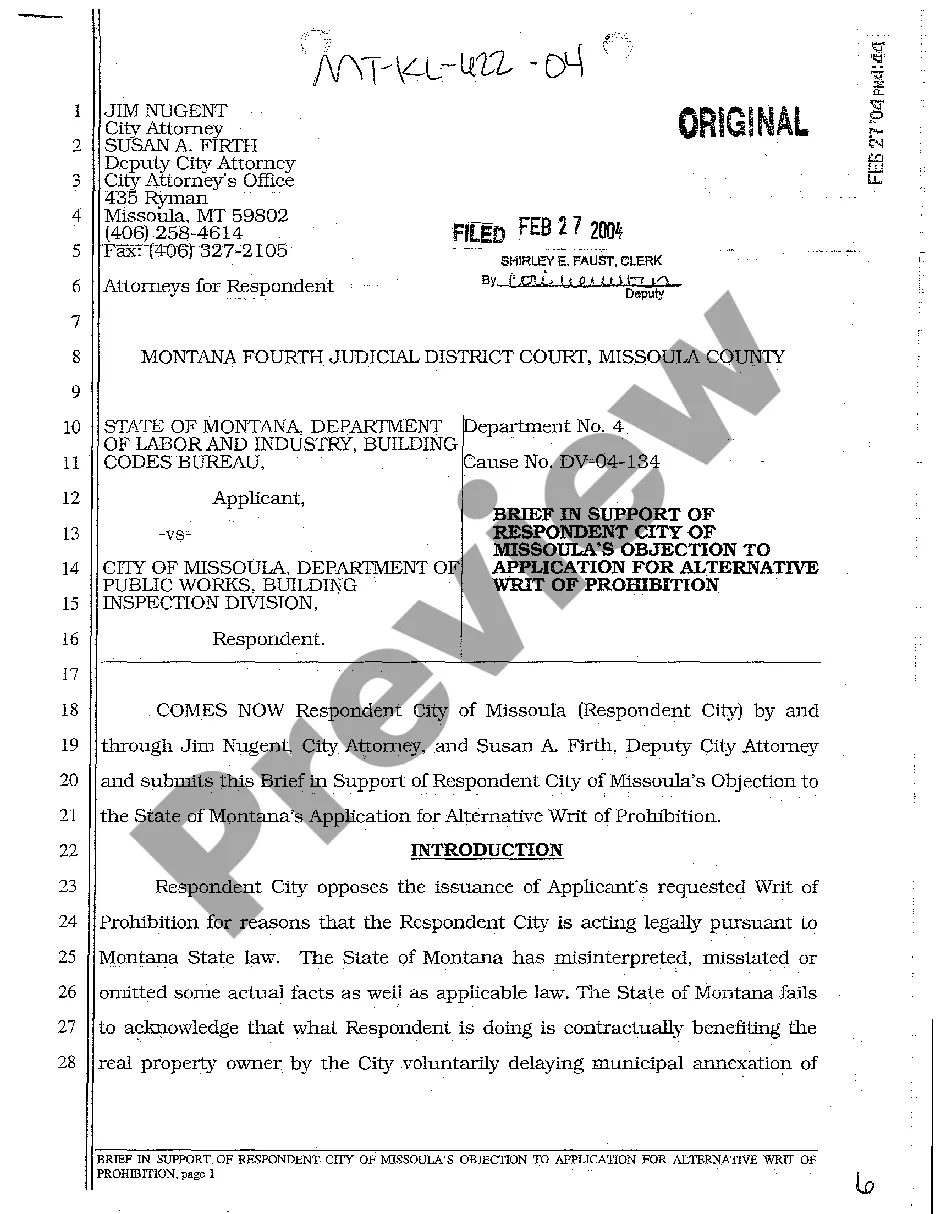
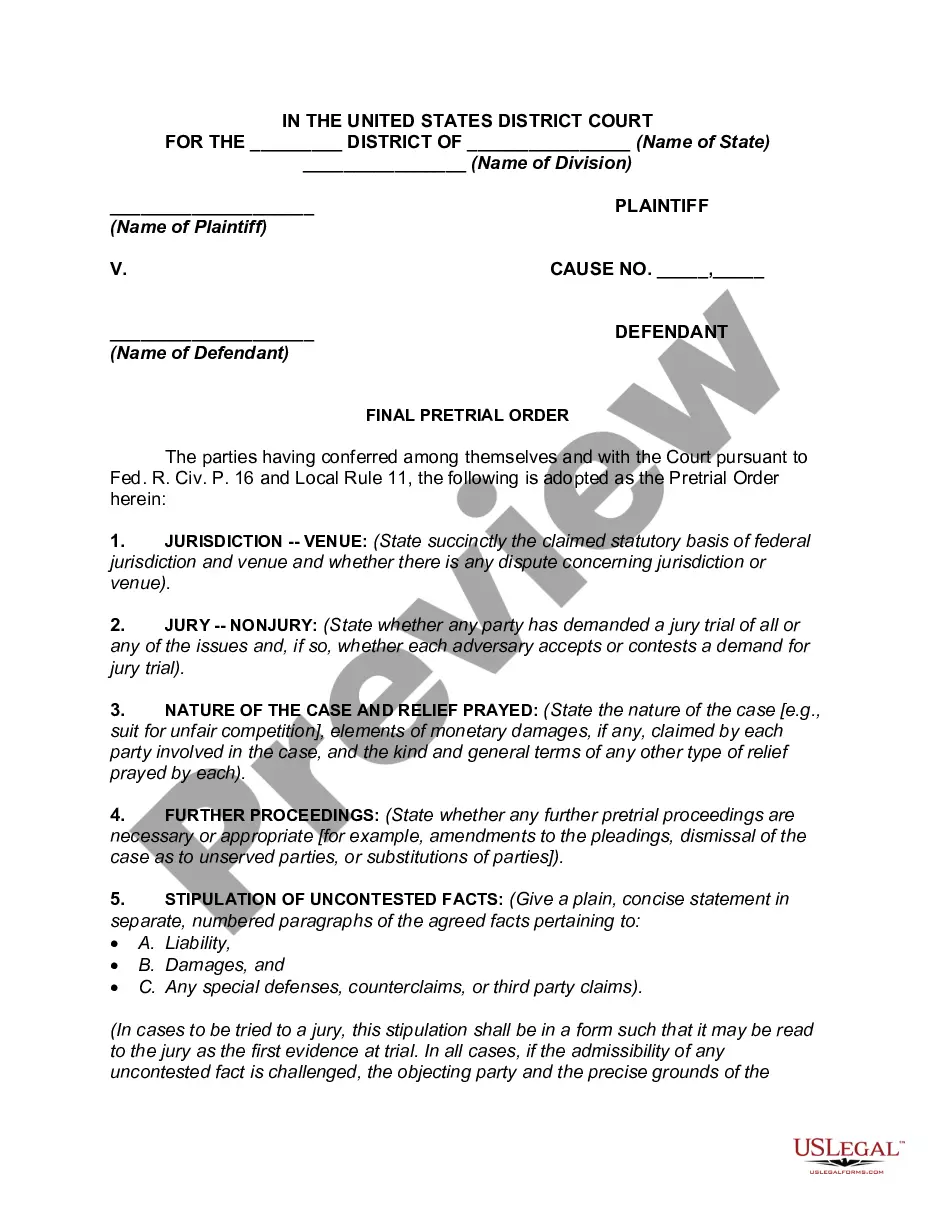
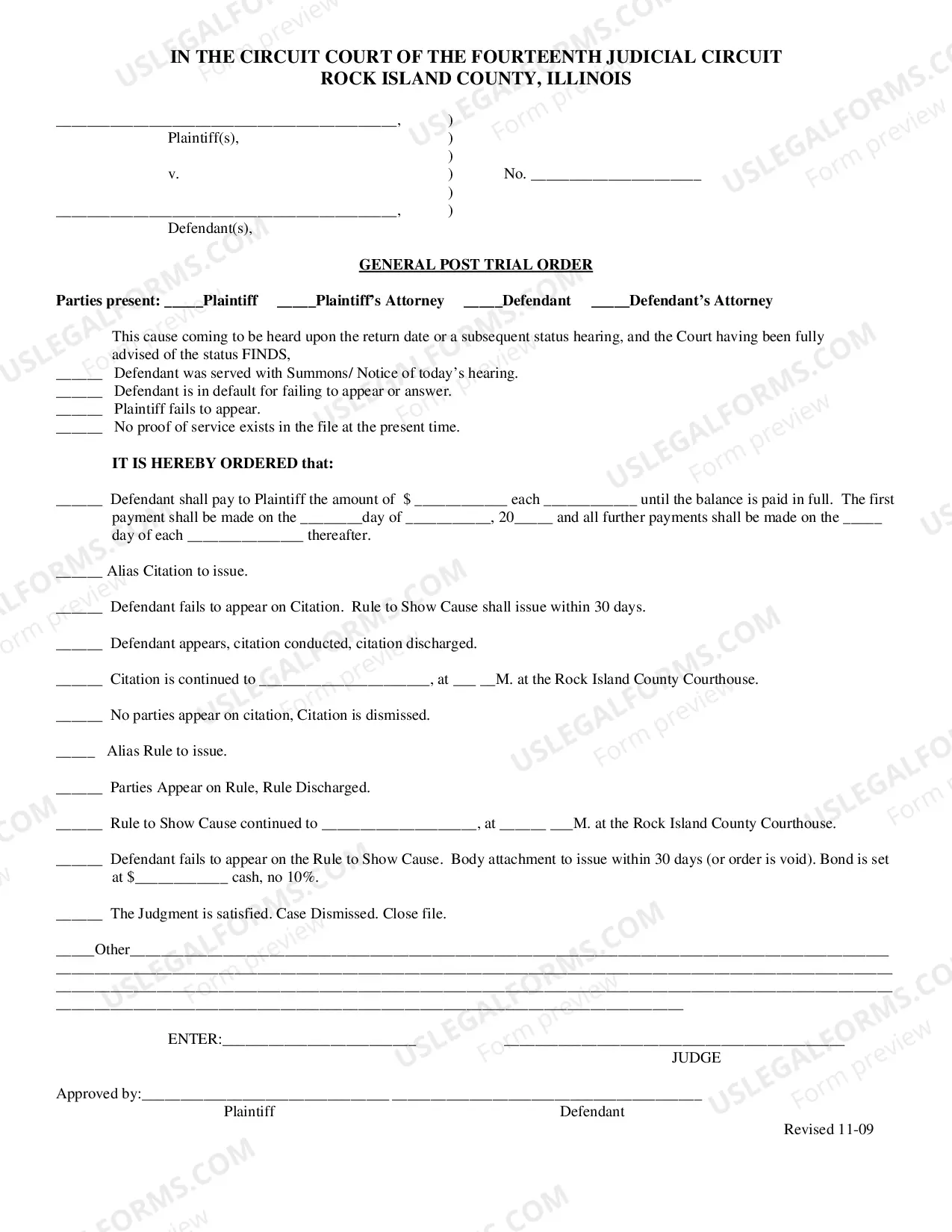
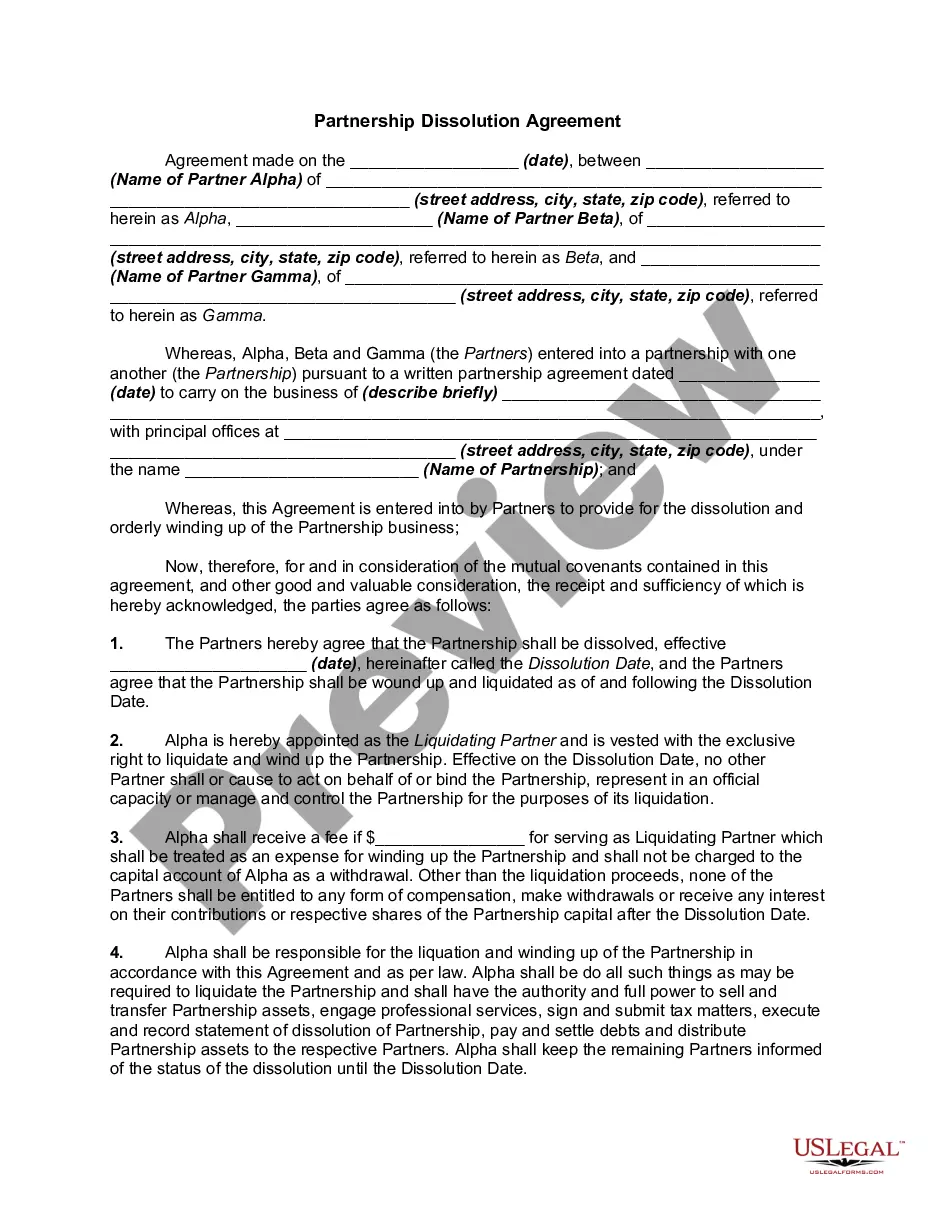

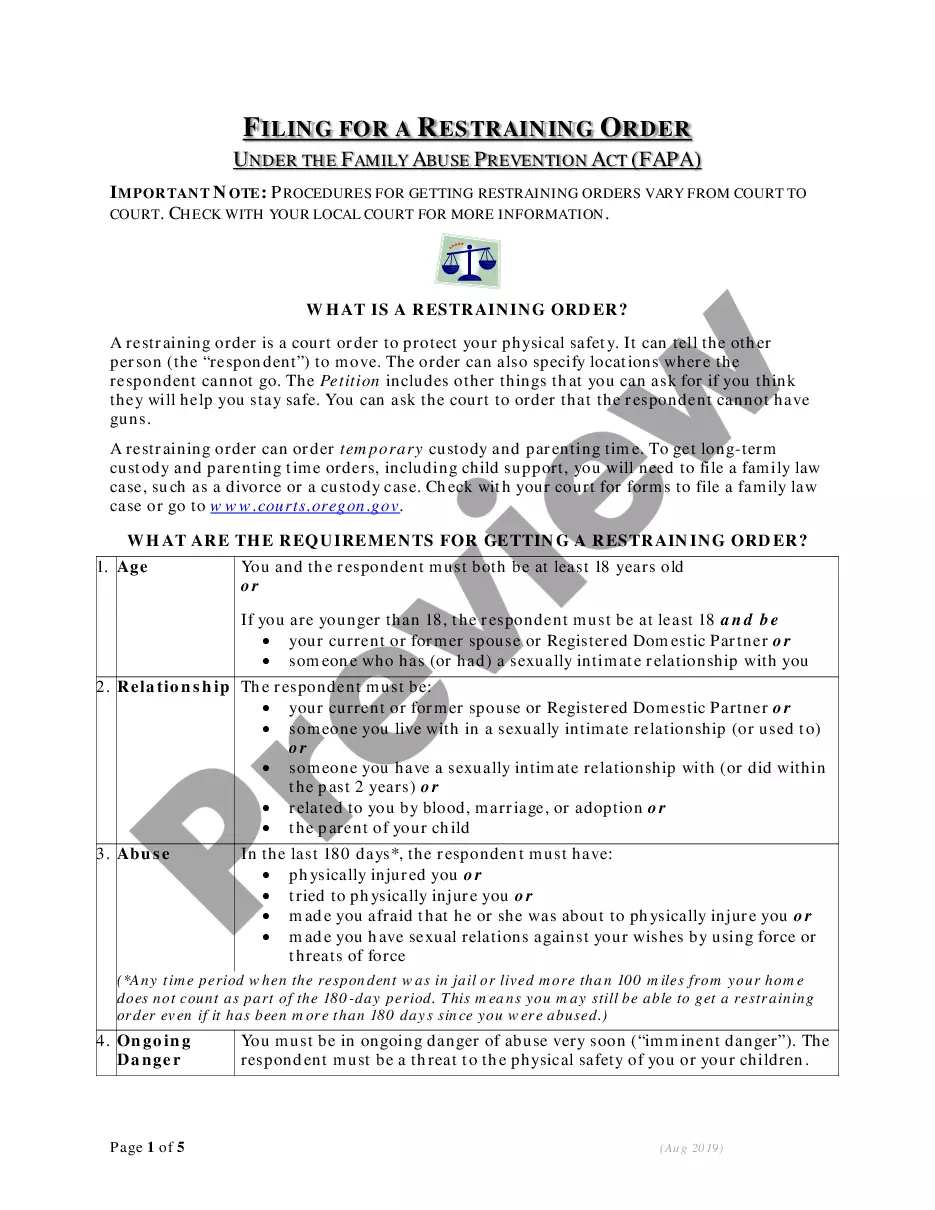
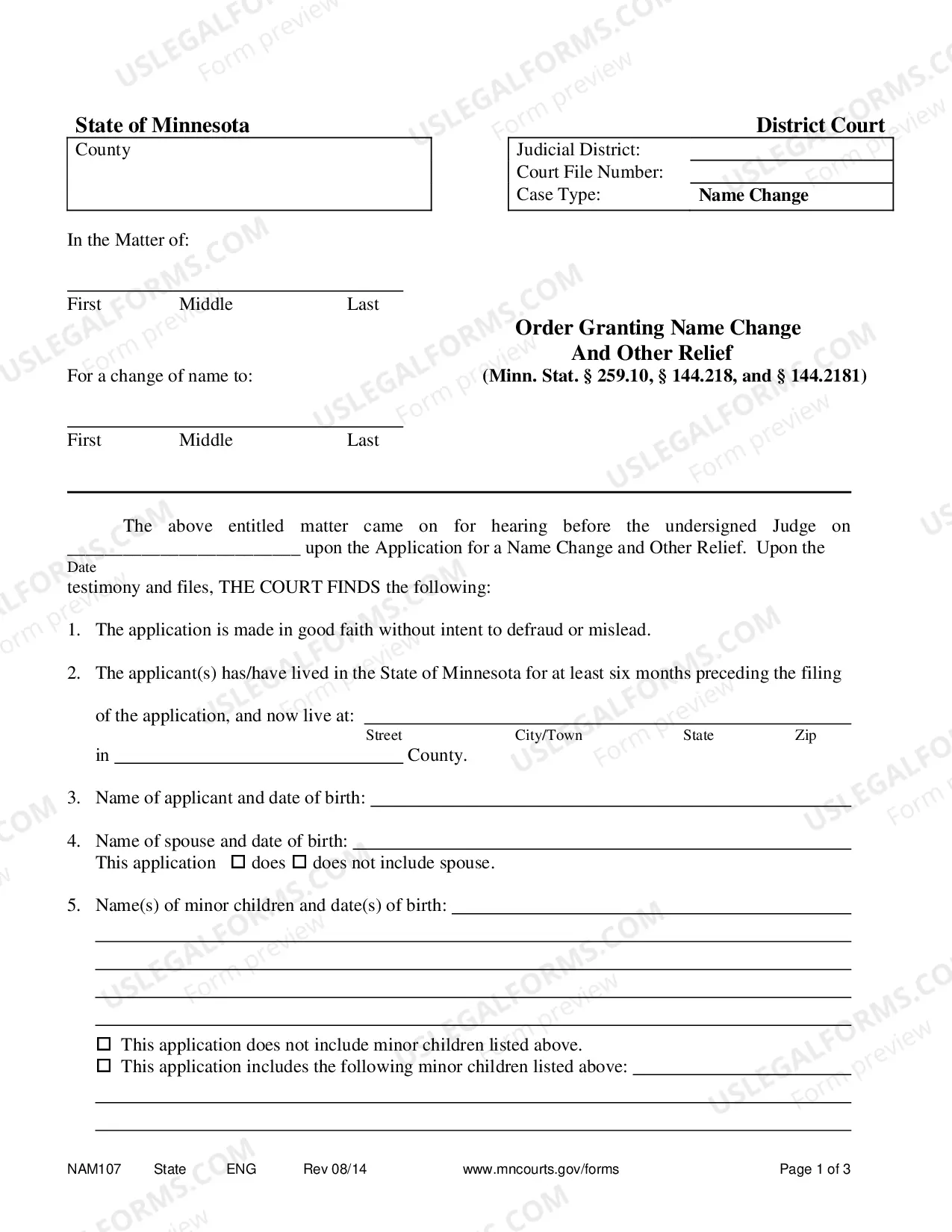
How to fill out Montana Application For Alternative Writ Of Prohibition To Inspections Of Buildings?
Acquire a printable Montana Application for Alternative Writ of Prohibition to Inspections of Buildings with just a few clicks in the most extensive collection of legal electronic files.
Discover, download, and print professionally prepared and validated samples on the US Legal Forms website. US Legal Forms has been the leading provider of affordable legal and tax documents for US citizens and residents online since 1997.
After you have downloaded your Montana Application for Alternative Writ of Prohibition to Inspections of Buildings, you can fill it out in any online editor or print it and complete it by hand. Utilize US Legal Forms to access 85,000 professionally drafted, state-specific documents.
- Users who already possess a subscription must Log In directly to their US Legal Forms account, download the Montana Application for Alternative Writ of Prohibition to Inspections of Buildings, and locate it saved in the My documents section.
- Clients without a subscription need to adhere to the following instructions.
- Confirm that your template complies with your state's regulations.
- If available, review the form's description for additional information.
- If provided, preview the form to examine more content.
- Once you are assured that the form meets your requirements, click Buy Now.
- Establish a personal account.
- Select a plan.
- Pay through PayPal or credit card.
Form popularity
FAQ
A writ of mandamus (also called a writ of mandate) is a court order issued by a judge at a petitioner's request compelling any government, corporation, or public authority to execute a duty that they are legally obligated to complete.A writ of mandamus is acquired through a petition to the court.
A writ of mandamus or mandamus (which means "we command" in Latin), or sometimes mandate, is the name of one of the prerogative writs in the common law, and is "issued by a superior court to compel a lower court or a government officer to perform mandatory or purely ministerial duties correctly".
An appellate court's written order to prohibit a lower court from acting because it does not have jurisdiction to do so.
Mandamus means 'we command.A writ of mandamus can be issued by a judge at a petitioner's request when the authority of a higher court is needed to compel an action by an individual person, a government agency, or a lower court to do something they are legally required to do.
A lower court or a body receives a writ of prohibition, also known as a 'stay order', to stop acting beyond its powers. The court issues a writ of mandamus for any illegal activity. Whereas, it issues the writ of prohibition against the lower courts to condemn their inactivity in the concerned matter.
Mandamus is an order from the Supreme Court or High Court to a lower court or tribunal or public authority to perform a public or statutory duty. This writ of command is issued by the Supreme Court or High court when any government, court, corporation or any public authority has to do a public duty but fails to do so.
The Writ of Certiorari can be issued by the Supreme Court or any High Court for quashing the order already passed by an inferior court. In other words, while the prohibition is available at the earlier stage, Certiorari is available on similar grounds at a later stage.
''we command'') is a judicial remedy in the form of an order from a court to any government, subordinate court, corporation, or public authority, to do (or forbear from doing) some specific act which that body is obliged under law to do (or refrain from doing), and which is in the nature of public duty, and in certain
The Writ of Mandamus, where the court like the High Court, directs the performance of an activity to a lower court. Whereas in the Writ of Prohibition, the higher court like the Supreme Court orders to stop doing something which is in excess of their jurisdiction.