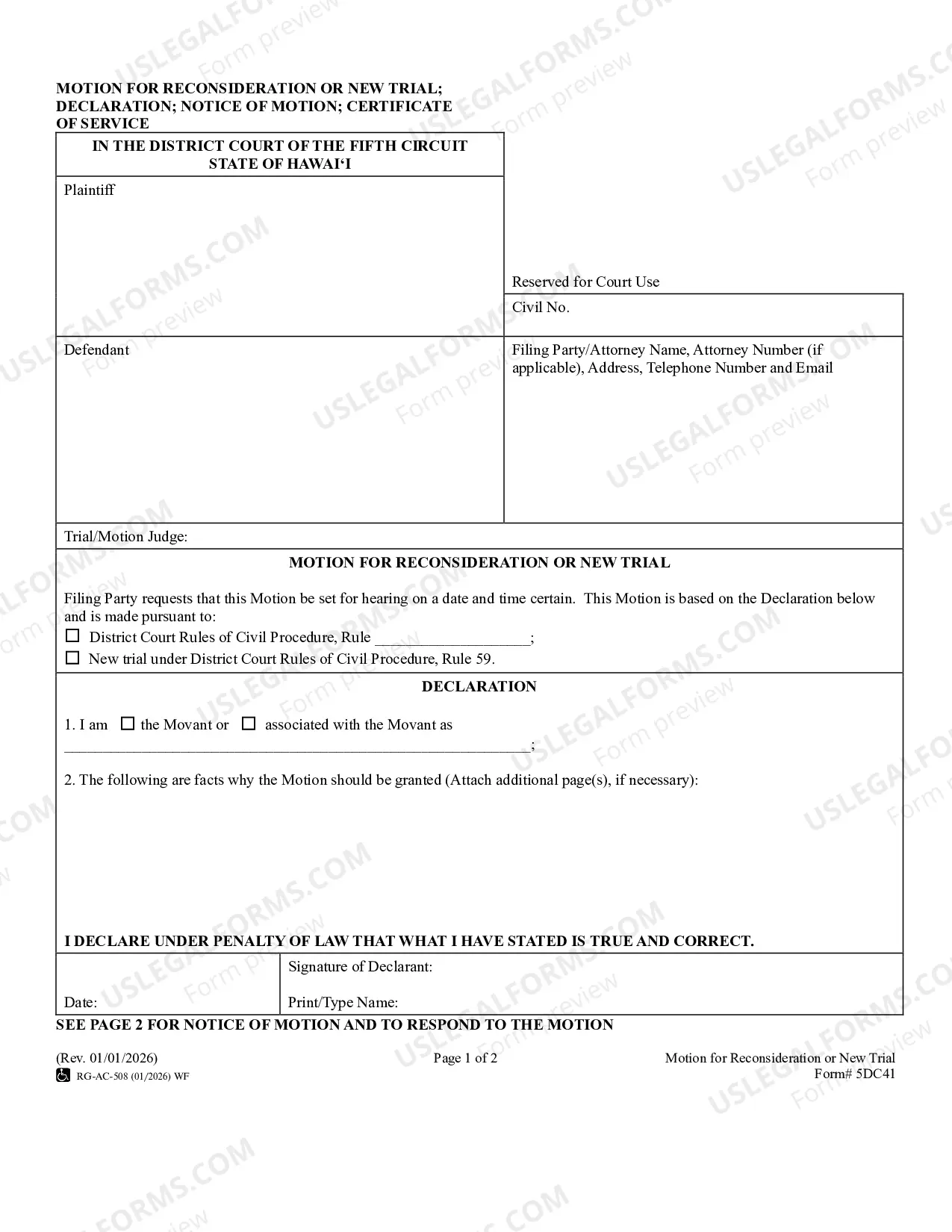
Revocation of Transfer on Death Deed or TOD - Beneficiary Deed - Mississippi
What is this form?
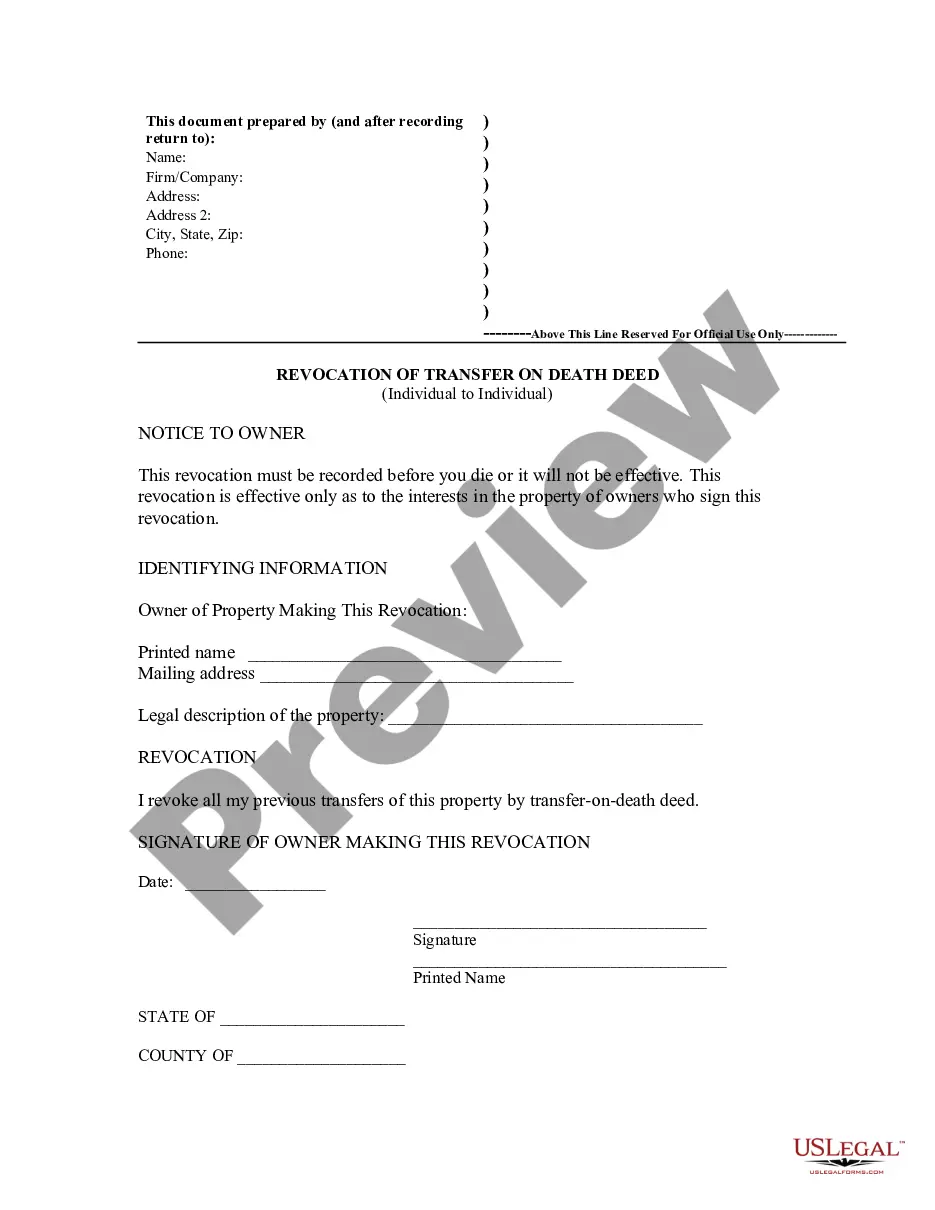
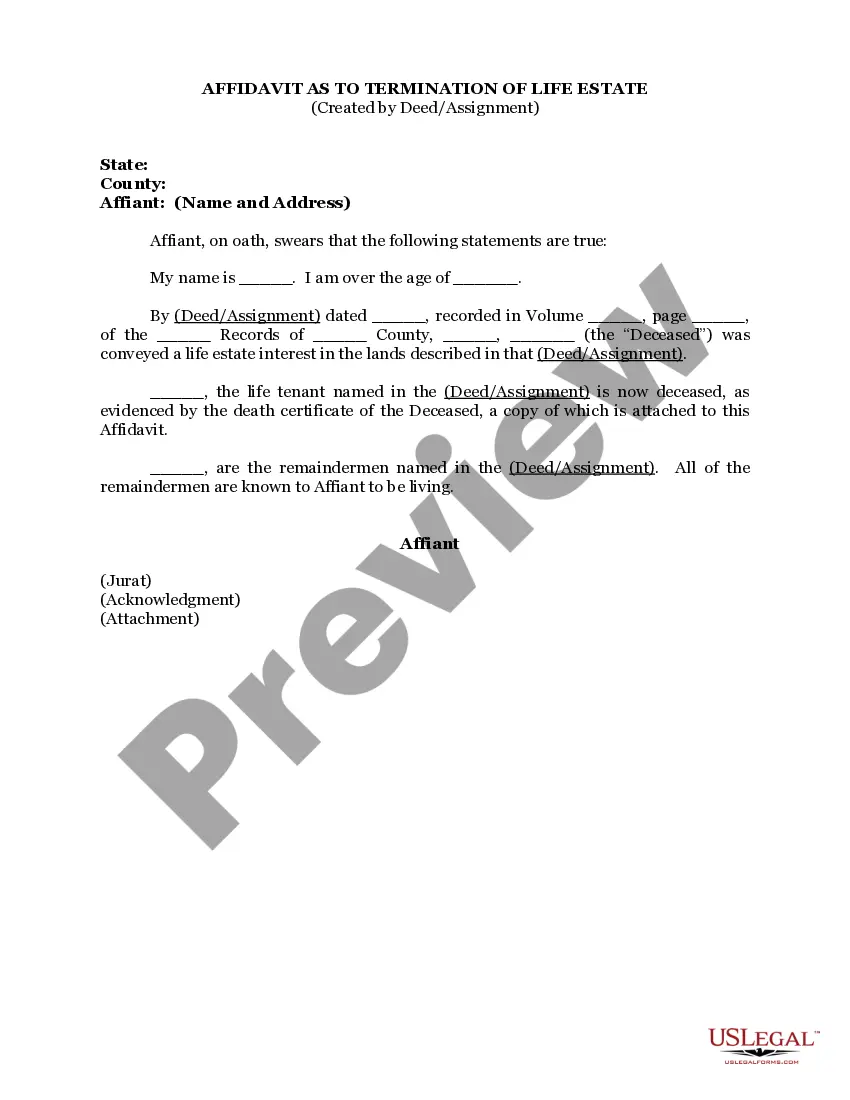
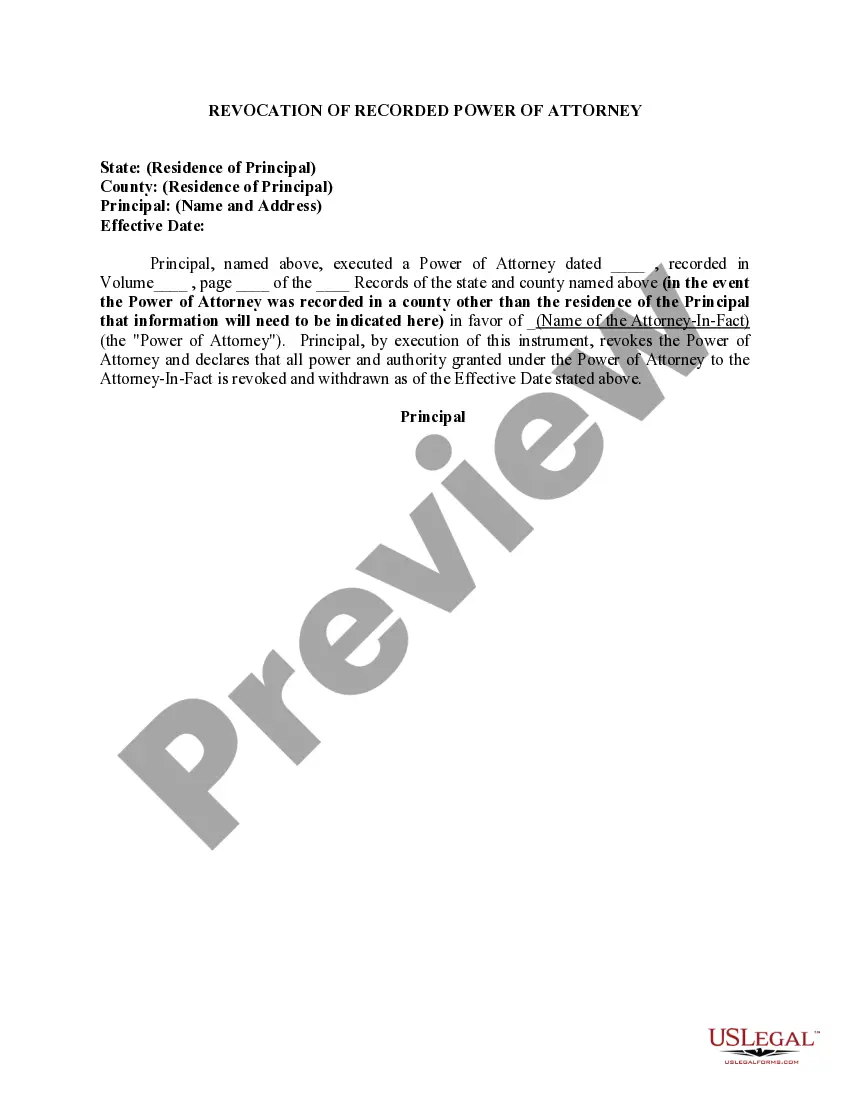
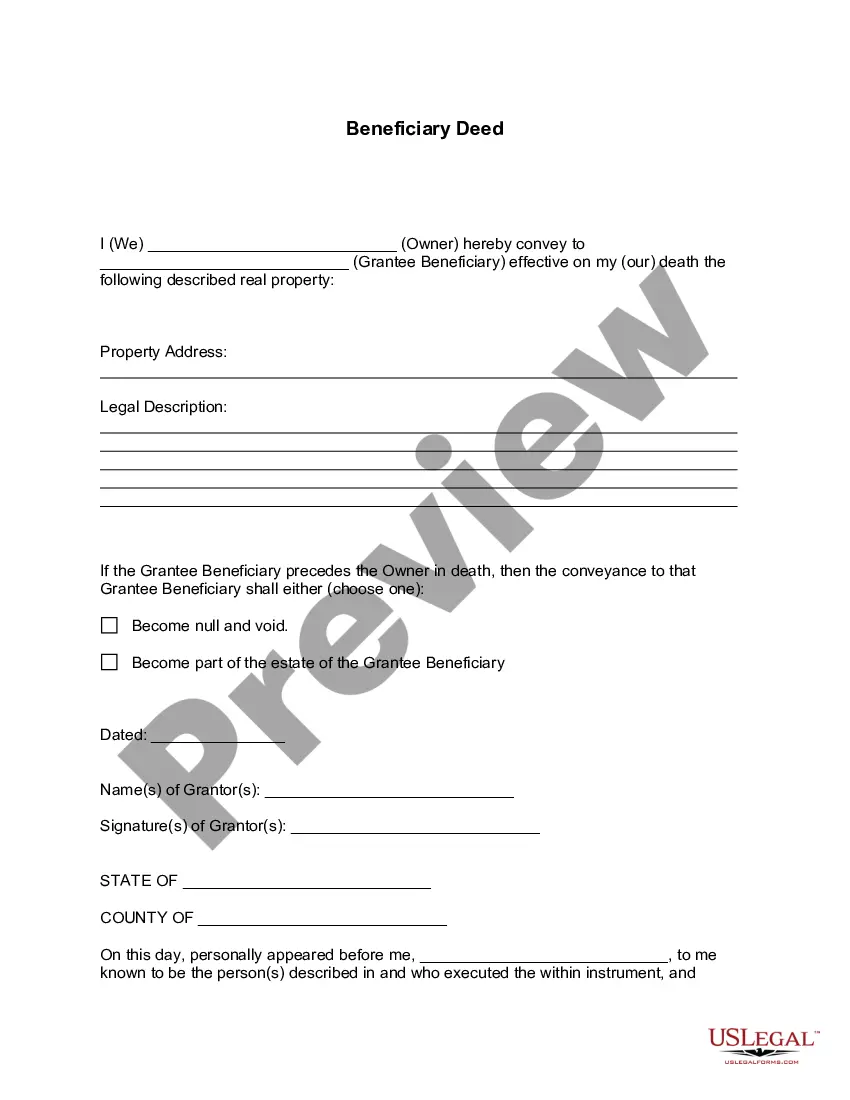
The Revocation of Transfer on Death Deed, also known as a TOD or Beneficiary Deed, is a legal document used to cancel a previously executed transfer on death deed. This form is essential for property owners in Mississippi who wish to change their property transfer arrangements before their death. Unlike a will, which can be altered after the ownerâs death, this revocation must be completed during the owner's lifetime and recorded to be effective.
Main sections of this form
- Identifying information section for the property owner.
- Legal description of the property being revoked.
- Formal revocation statement cancelling previous transfers.
- Signature and printed name of the owner making the revocation.
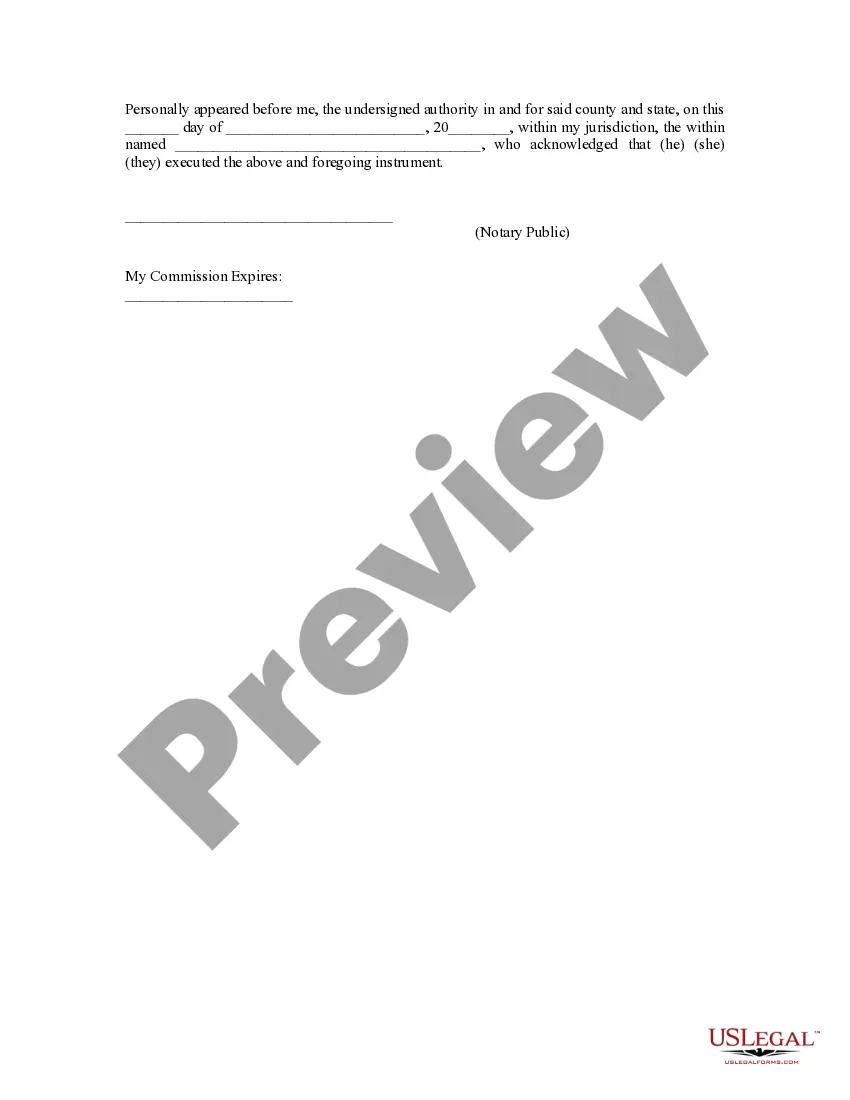
- Notary acknowledgment to validate the revocation.
When to use this document
This form should be utilized when a property owner wishes to revoke an existing transfer on death deed. This scenario may arise if the owner decides to change their beneficiary, sell the property, or simply no longer wishes to transfer the property upon their death. It is critical to complete and record this revocation before the owner's death to ensure it is legally binding.
Who needs this form
Eligibility for this form includes:
- Individuals who are the current property owners and have executed a transfer on death deed.
- Property owners in Mississippi who want to update or revoke beneficiary deeds.
- Anyone wishing to ensure their property is managed according to their most recent wishes after their death.
Steps to complete this form
- Identify the property owner by providing their printed name and mailing address.
- Include a legal description of the property being revoked.
- Clearly state the revocation of any previous transfers of the property.
- Sign and date the form in the designated area.
- Arrange for a notary public to witness and sign the form for validation.
- Record the completed revocation in the appropriate county office before the owner's death.
Is notarization required?
Yes, this form must be notarized to be legally valid. The notarization process confirms the identity of the signatory and ensures the document's authenticity. US Legal Forms offers integrated online notarization, available 24/7, providing a secure video call option that meets legal standards without requiring in-person travel.
Get your form ready online
Our built-in tools help you complete, sign, share, and store your documents in one place.
Make edits, fill in missing information, and update formatting in US Legal Forms—just like you would in MS Word.
Download a copy, print it, send it by email, or mail it via USPS—whatever works best for your next step.
Sign and collect signatures with our SignNow integration. Send to multiple recipients, set reminders, and more. Go Premium to unlock E-Sign.
If this form requires notarization, complete it online through a secure video call—no need to meet a notary in person or wait for an appointment.
We protect your documents and personal data by following strict security and privacy standards.

Make edits, fill in missing information, and update formatting in US Legal Forms—just like you would in MS Word.

Download a copy, print it, send it by email, or mail it via USPS—whatever works best for your next step.

Sign and collect signatures with our SignNow integration. Send to multiple recipients, set reminders, and more. Go Premium to unlock E-Sign.

If this form requires notarization, complete it online through a secure video call—no need to meet a notary in person or wait for an appointment.

We protect your documents and personal data by following strict security and privacy standards.
Mistakes to watch out for
- Failing to record the revocation before the owner's death.
- Not providing a complete legal description of the property.
- Not obtaining a notary signature for validation.
- Overlooking the need to revoke all prior transfer deeds in the statement.
Benefits of using this form online
- Convenience: Download and complete the form from home at any time.
- Editability: Easily fill in the required information before printing.
- Reliability: Forms are drafted by licensed attorneys to ensure legal compliance.
Looking for another form?
Form popularity
FAQ
When a person dies, beneficiaries might learn that the decedent made a deed that conflicts with the specific wording in his will. Generally, a deed will override the will. However, which legal document prevails also depends on state property laws and whether the state has adopted the Uniform Probate Code.
A beneficiary deed is generally used for avoidance of probate, although it may be used to remove a particular property from a probate estate.
A transfer on death deed allows you to retain full ownership during your lifetime and conveys your full interest to the Grantee upon your death.Ultimately, the decision between a life estate and transfer on death deed is dependent on why you want to transfer the property.
A TOD designation supersedes a will. For bank accounts, you can set up a similar account known as payable-on-death, sometimes referred to as a Totten trust. Your beneficiaries can't touch the account while you're alive, and you're free to change beneficiaries or close the accounts at any time.
A revocable TOD deed does not avoid the owner's creditors. Creditors may seek collection against the designated beneficiaries as to secured and unsecured obligations of the original owner.
If you'd like to avoid having your property going through the probate process, it's a good idea to look into a transfer on death deed. A transfer on death deed allows you to select a beneficiary who will receive your property, but only when you've passed away.
No a will does not override a deed. A will only acts on death. The deed must be signed during the life of the owner. The only assets that pass through the will are assets that are in the name of the decedent only.
Receiving an inheritance can be an unexpected windfall. In fact, transfer on death accounts are exposed to all the same income and capital gains taxes when the account owner is alive, as well as estate and inheritance taxes upon the owner's death.