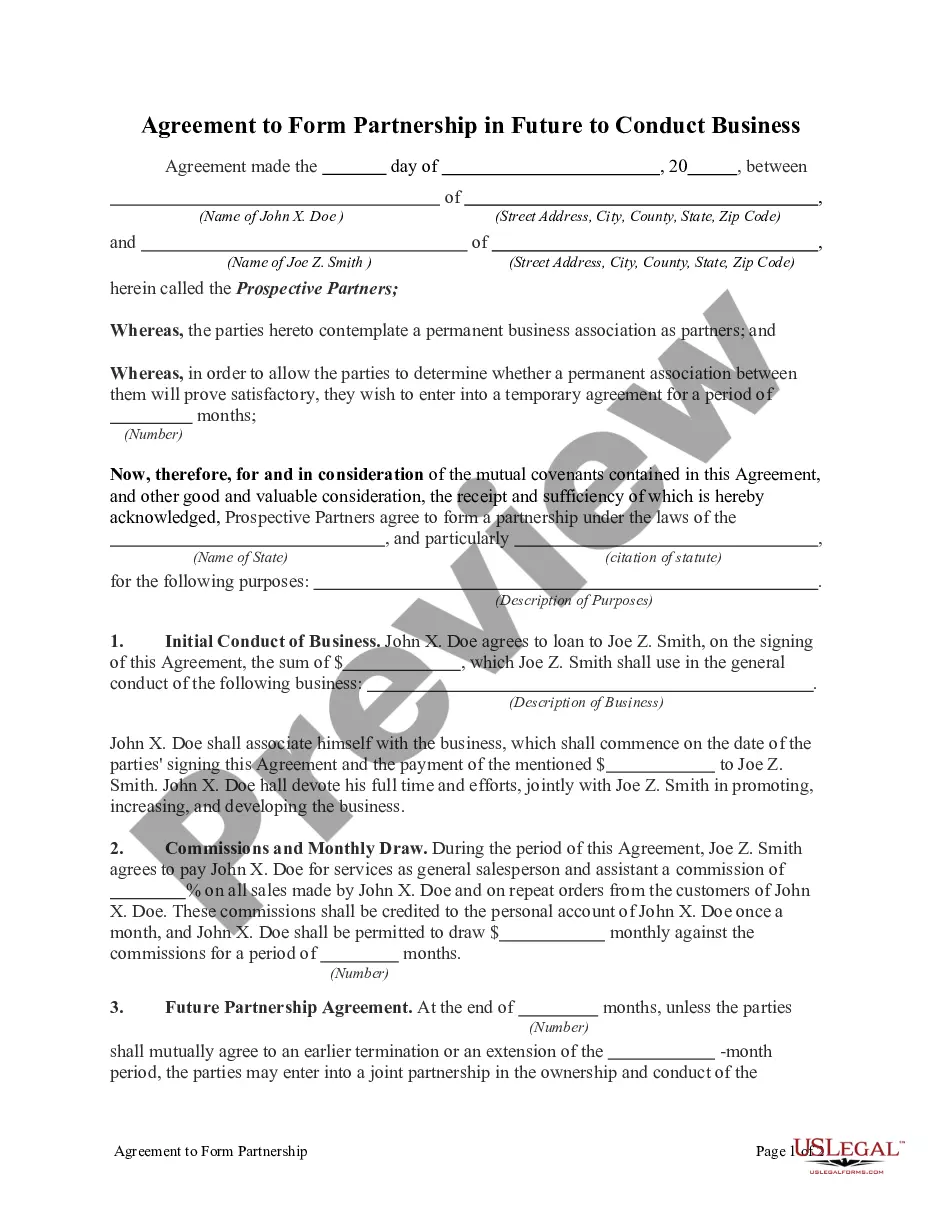
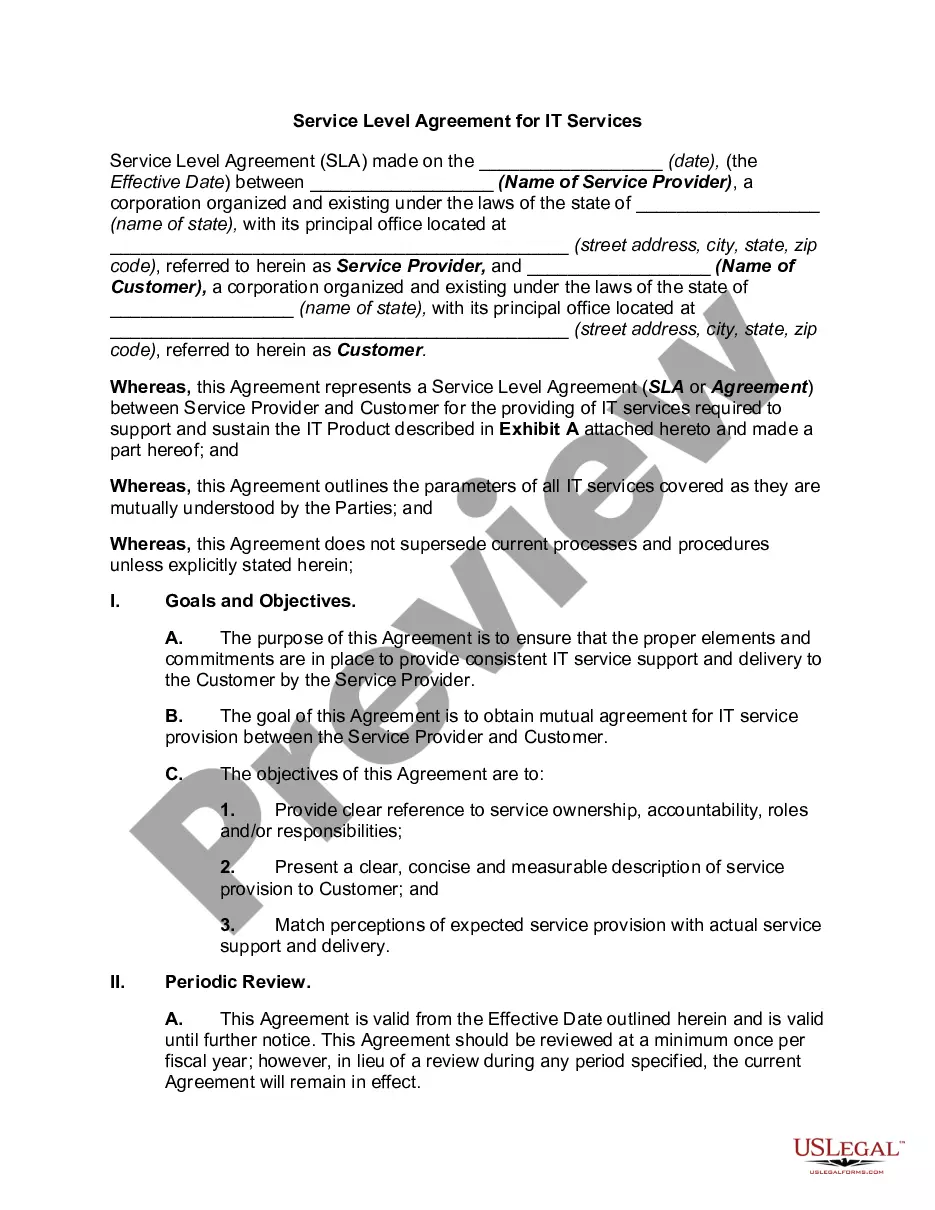
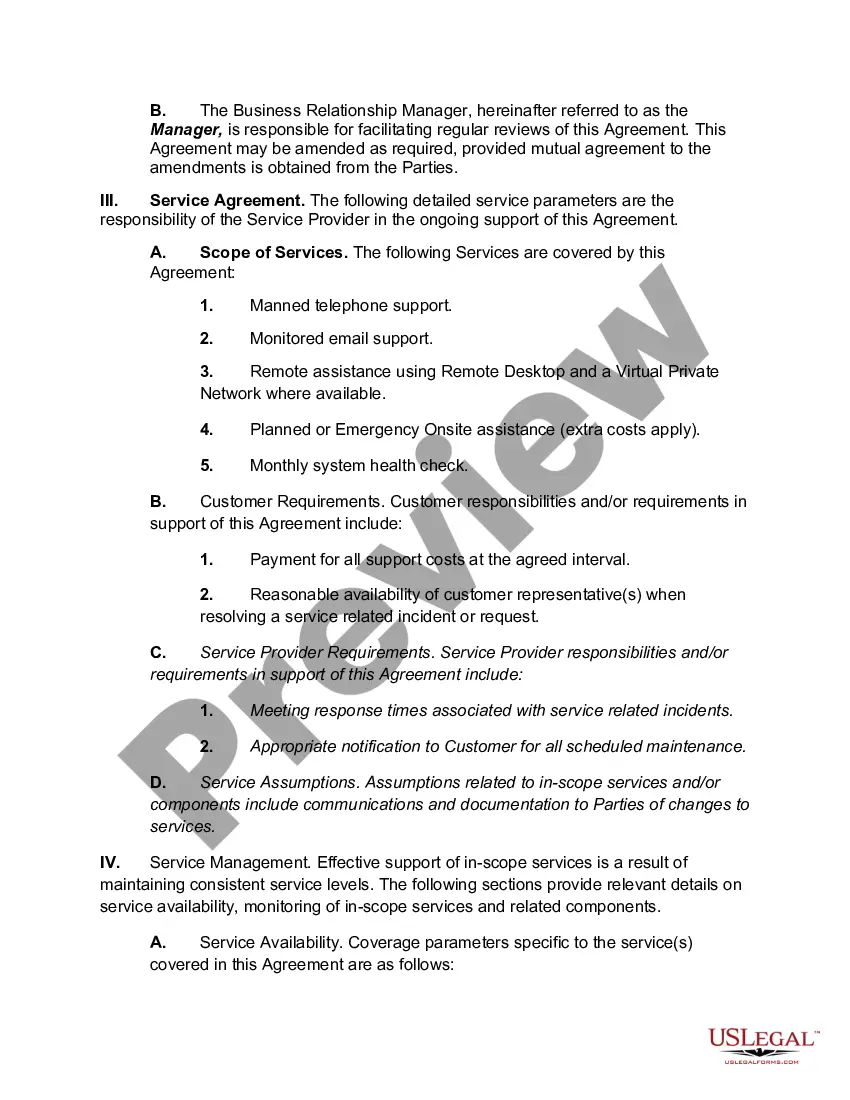
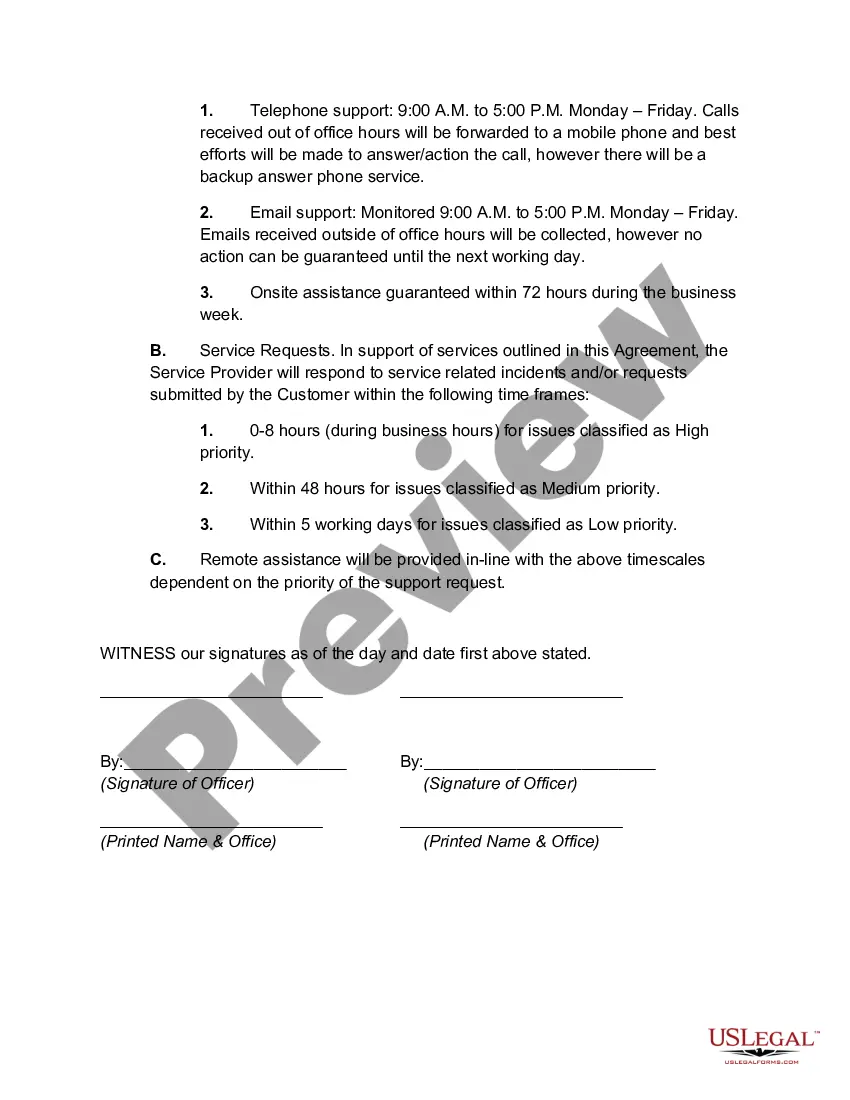
Mississippi Service Level Agreement for IT Services
Description
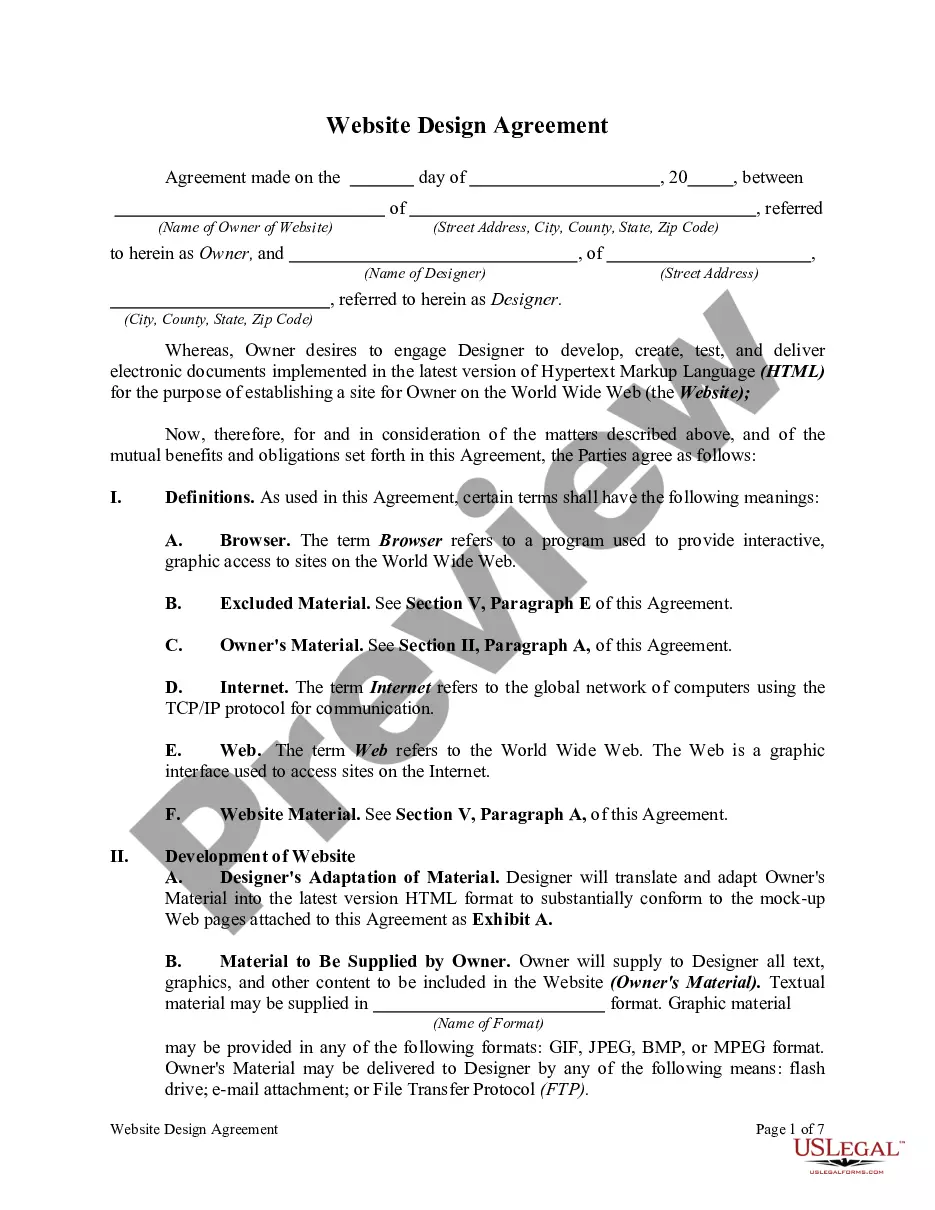
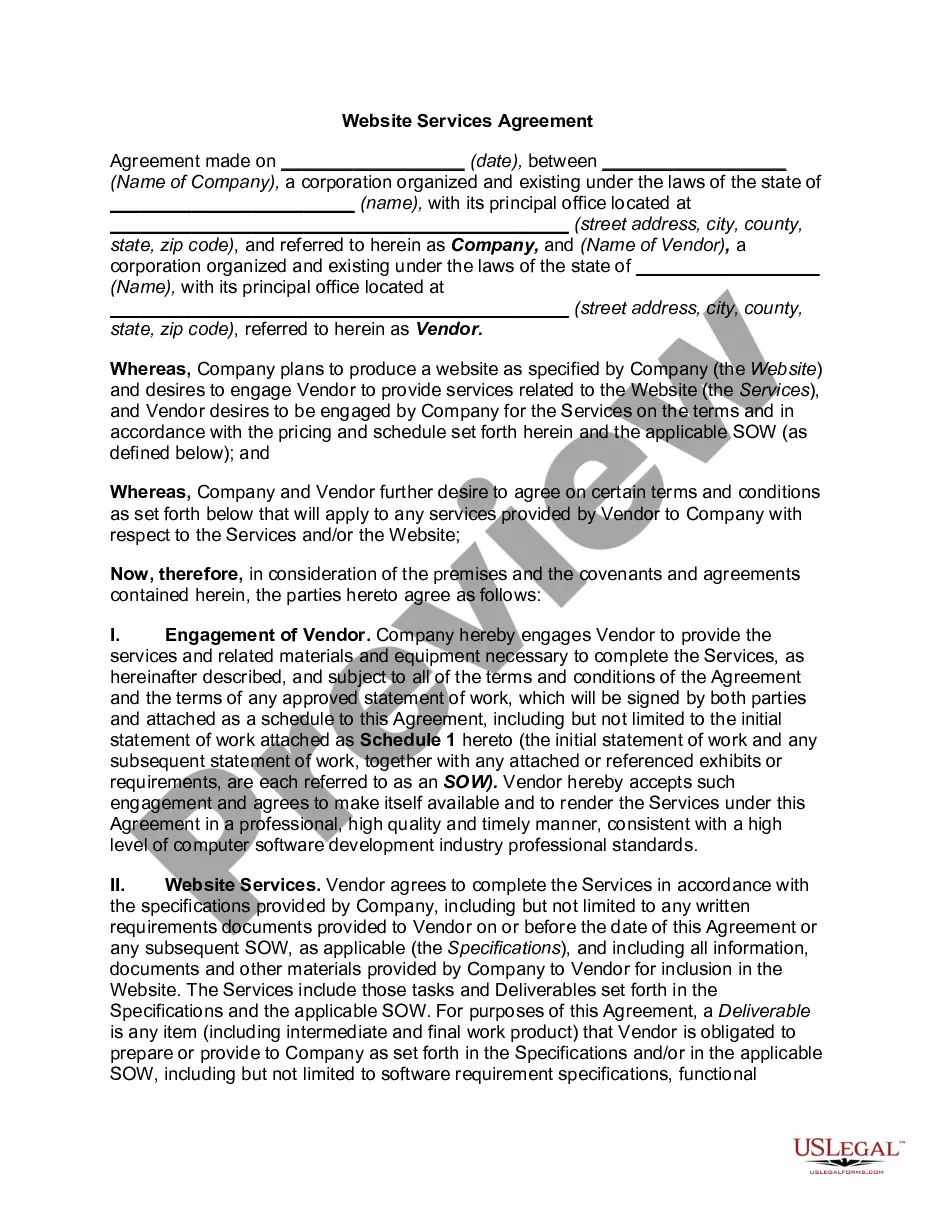
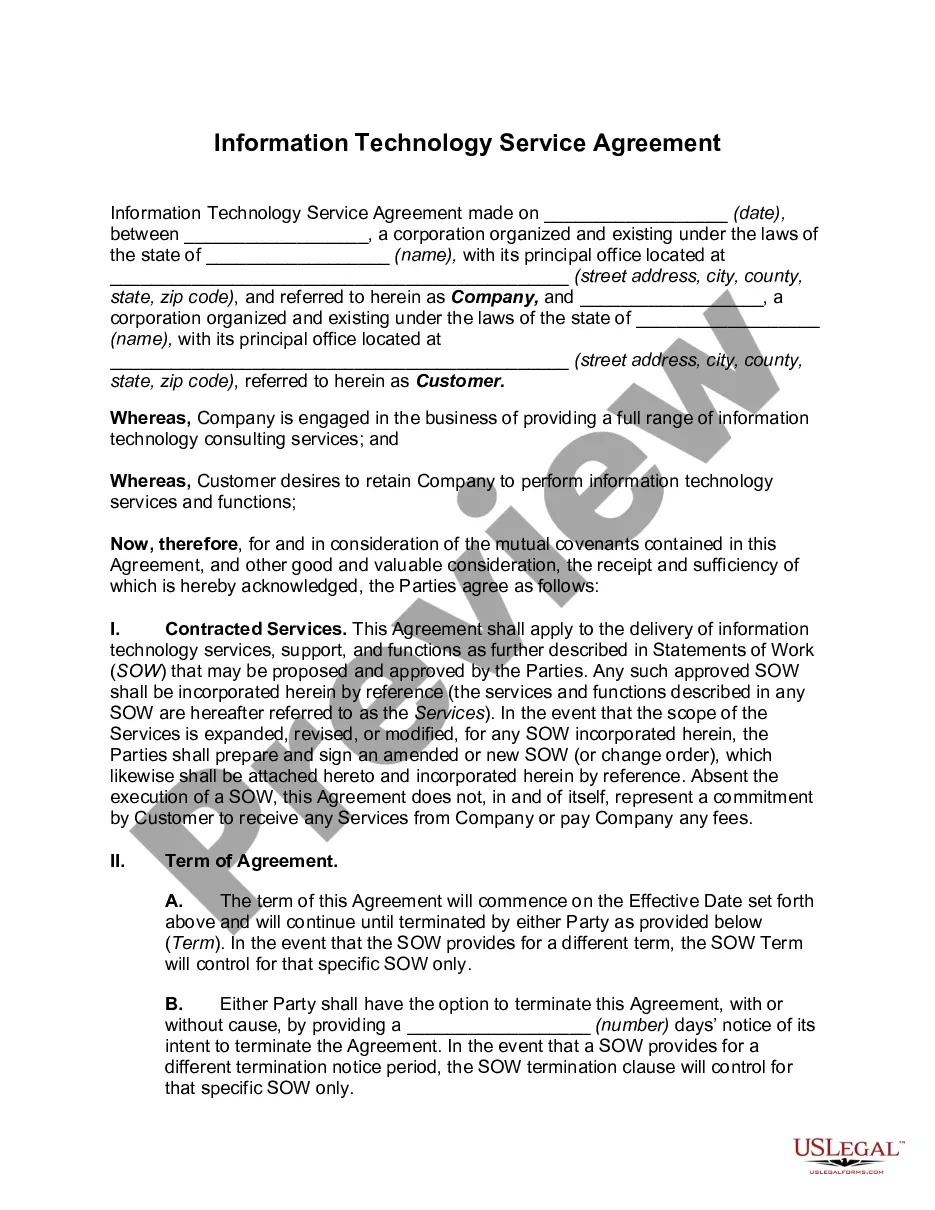
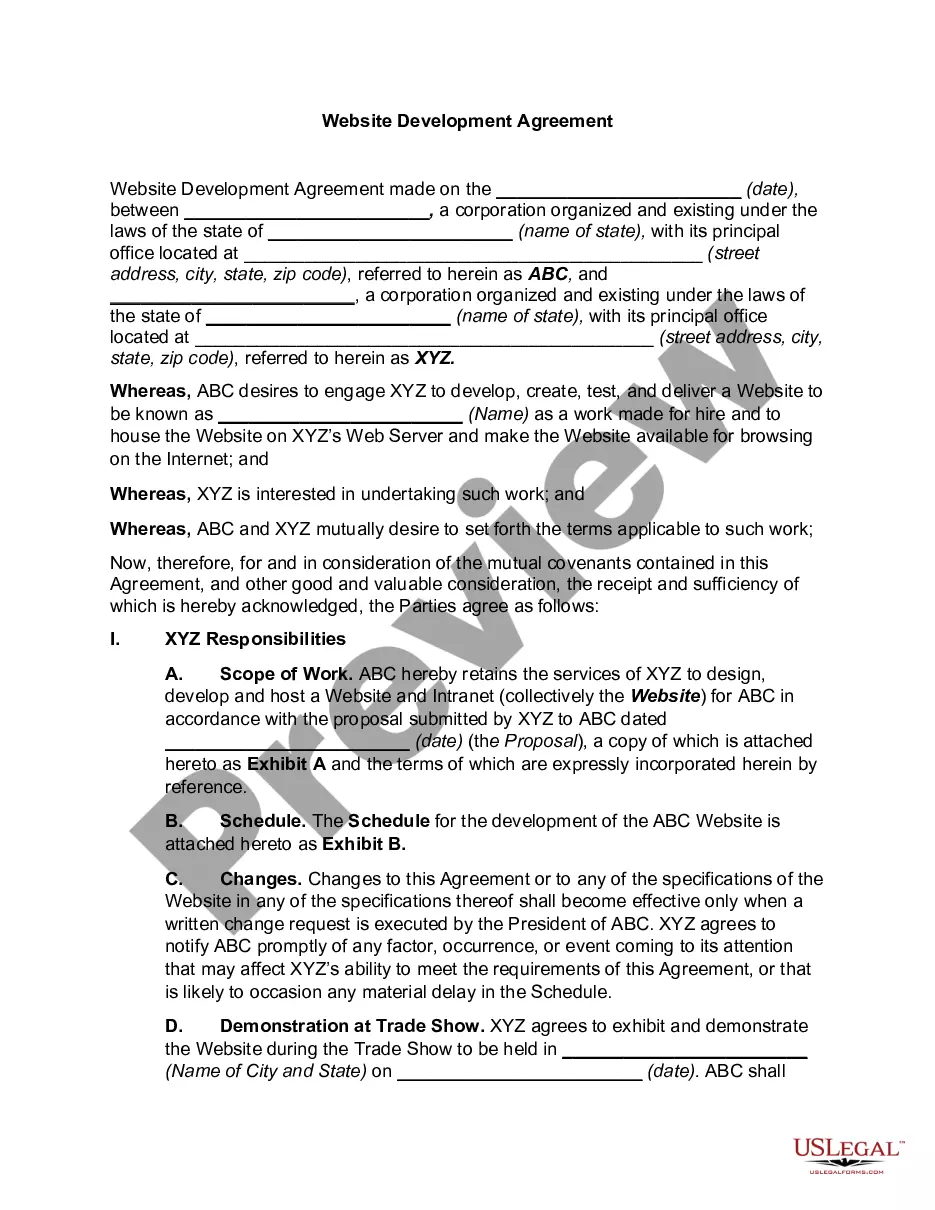
Get your form ready online
Our built-in tools help you complete, sign, share, and store your documents in one place.
Make edits, fill in missing information, and update formatting in US Legal Forms—just like you would in MS Word.
Download a copy, print it, send it by email, or mail it via USPS—whatever works best for your next step.
Sign and collect signatures with our SignNow integration. Send to multiple recipients, set reminders, and more. Go Premium to unlock E-Sign.
If this form requires notarization, complete it online through a secure video call—no need to meet a notary in person or wait for an appointment.
We protect your documents and personal data by following strict security and privacy standards.
Make edits, fill in missing information, and update formatting in US Legal Forms—just like you would in MS Word.
Download a copy, print it, send it by email, or mail it via USPS—whatever works best for your next step.
Sign and collect signatures with our SignNow integration. Send to multiple recipients, set reminders, and more. Go Premium to unlock E-Sign.
If this form requires notarization, complete it online through a secure video call—no need to meet a notary in person or wait for an appointment.
We protect your documents and personal data by following strict security and privacy standards.
Looking for another form?
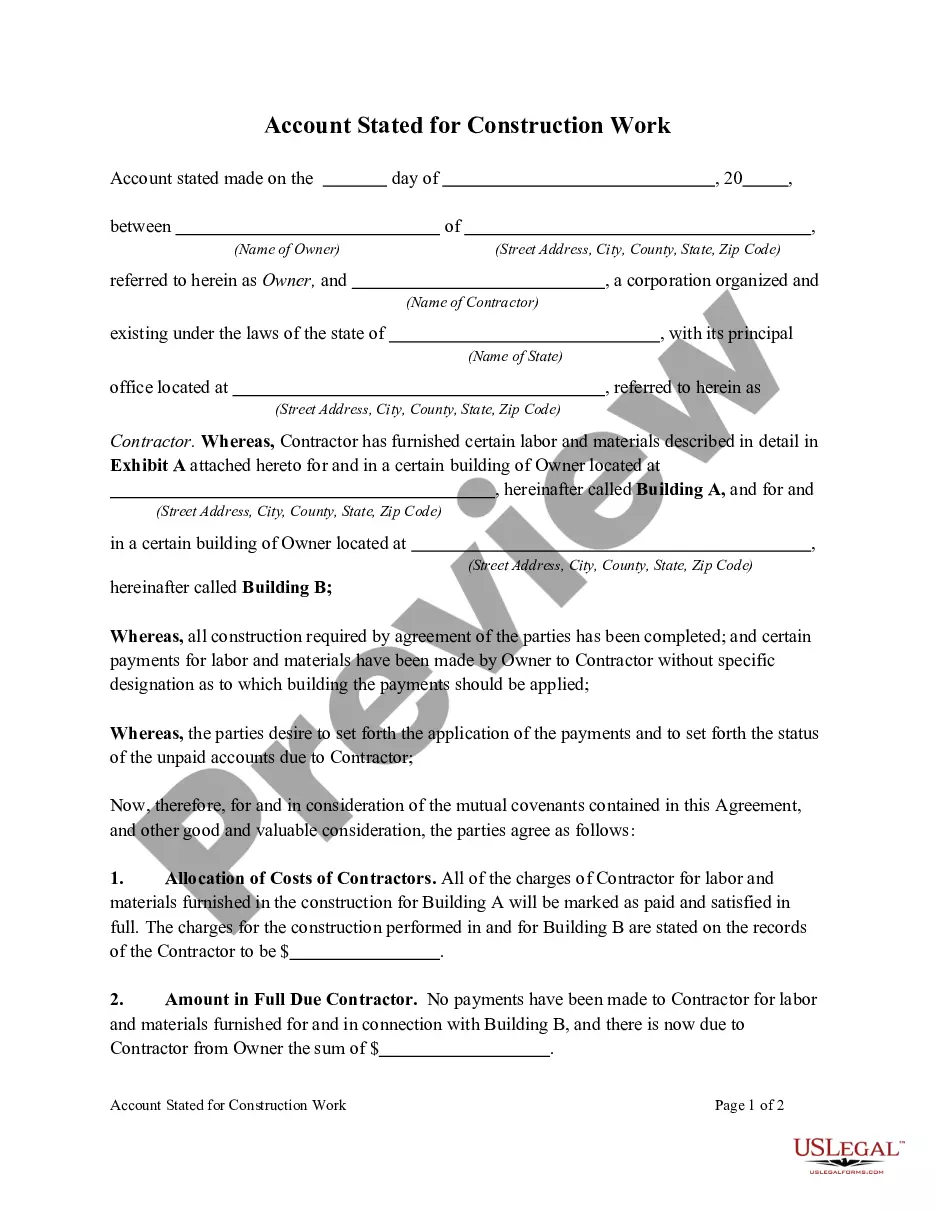
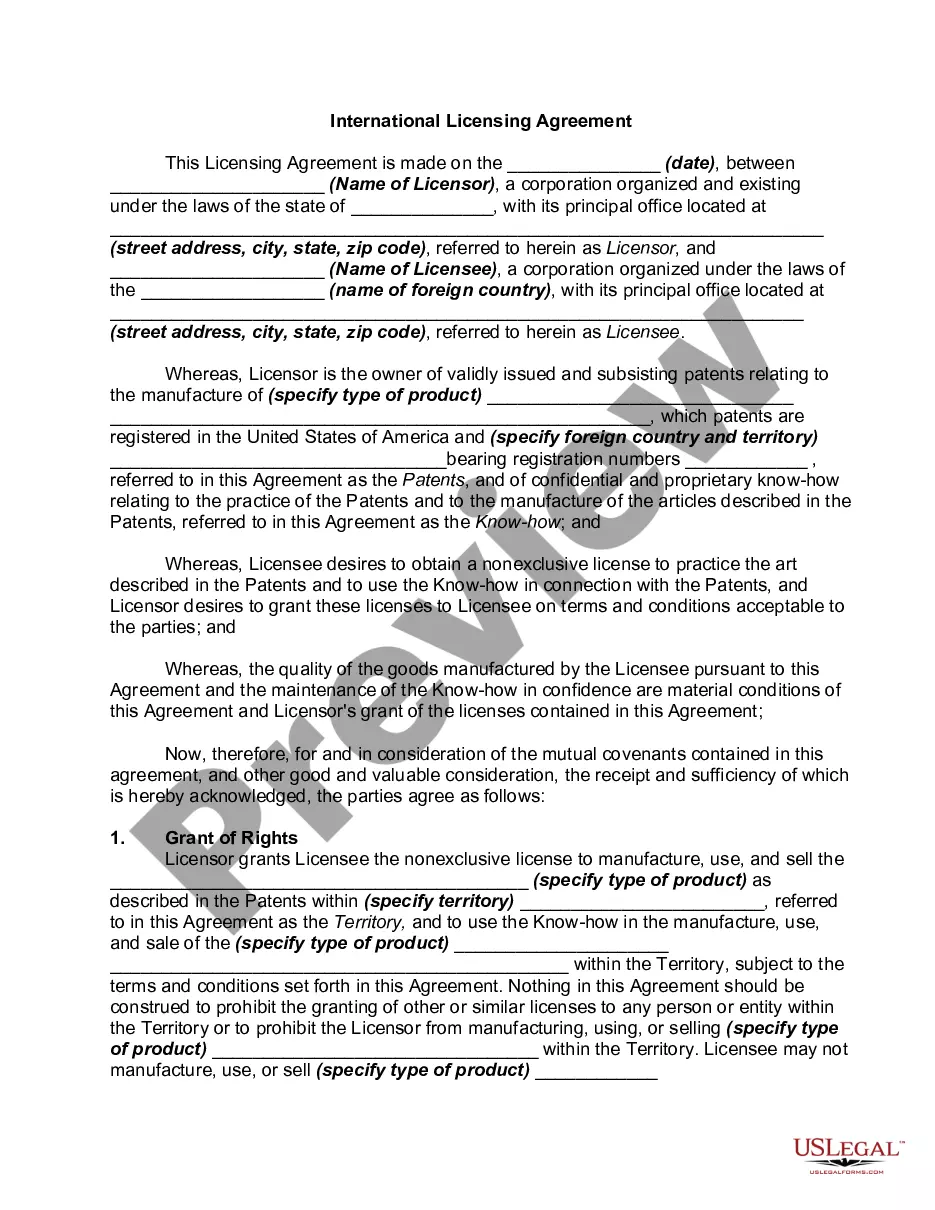






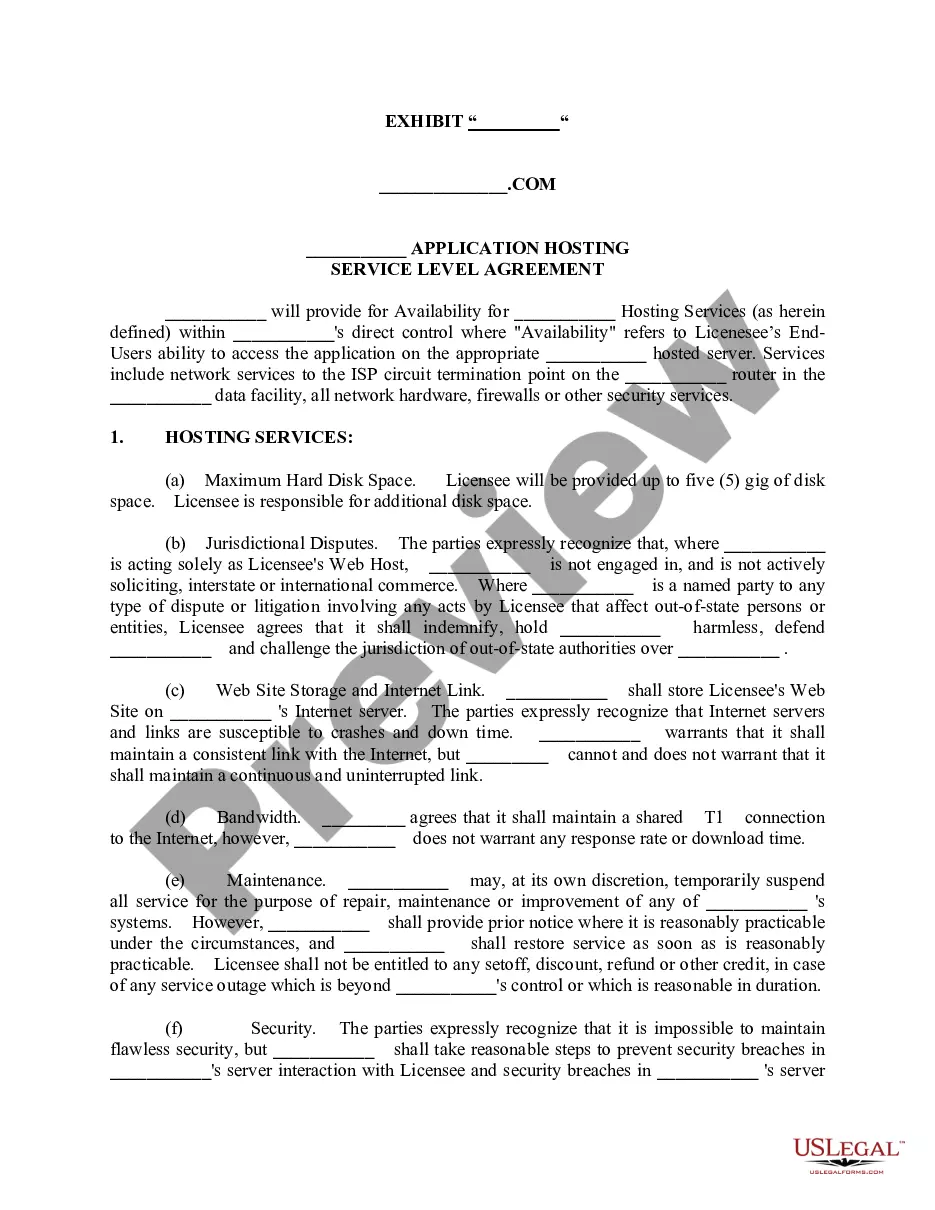
How to fill out Service Level Agreement For IT Services?
You can spend hours online searching for the legal document template that meets both state and federal requirements you need.
US Legal Forms offers a vast selection of legal forms that are reviewed by professionals.
It is easy to download or print the Mississippi Service Level Agreement for IT Services from their service.
If available, utilize the Preview button to look through the document template as well.
- If you already have an account with US Legal Forms, you can Log In and click the Download button.
- After that, you can fill out, modify, print, or sign the Mississippi Service Level Agreement for IT Services.
- Every legal document template you obtain is your property indefinitely.
- To get another copy of the form you purchased, go to the My documents tab and click the corresponding button.
- If you're using the US Legal Forms website for the first time, follow the simple instructions below.
- First, ensure that you have selected the correct document template for your area/city of choice.
- Review the form description to confirm that you have chosen the proper form.
Form popularity
FAQ
SLA stands for Service Level Agreement, which is a formal document that outlines the expected performance standards between service providers and clients. This contract includes key indicators such as uptime guarantees and response times. Understanding the significance of an SLA is crucial when drafting a Mississippi Service Level Agreement for IT Services to ensure clarity and accountability.
The SLA process in the IT industry involves defining and agreeing on service expectations between service providers and clients. A well-crafted Mississippi Service Level Agreement for IT Services establishes clear terms regarding service delivery, performance metrics, and responsibilities. It helps both parties align their goals and ensure accountability. This process allows for effective communication and minimizes misunderstandings.
A service level agreement (SLA) is a documented agreement between a service provider and a customer that identifies both the services required and the expected level of service. The agreement varies between vendors, services, and industries.
For service recipients, SLAs help define service standard expectations and incentivize desired behaviors. For service providers, SLAs help define each party's roles and responsibilities, provide transparency regarding service assessment and establish mutual accountability where client dependencies exist.
The main elements of a good SLA.Overall objectives. The SLA should set out the overall objectives for the services to be provided.Description of the Services. The SLA should include a detailed description of the services.Performance Standards.Compensation/Service Credits.Critical Failure.
ITIL focuses on three types of options for structuring SLA: Service-based, Customer-based, and Multi-level or Hierarchical SLAs. Many different factors will need to be considered when deciding which SLA structure is most appropriate for an organization to use.
A service-level agreement (SLA) is a contract between a service provider and its customers that documents what services the provider will furnish and defines the service standards the provider is obligated to meet.
The main elements of a good SLA.Overall objectives. The SLA should set out the overall objectives for the services to be provided.Description of the Services. The SLA should include a detailed description of the services.Performance Standards.Compensation/Service Credits.Critical Failure.
A service-level agreement (SLA) defines the level of service you expect from a vendor, laying out the metrics by which service is measured, as well as remedies or penalties should agreed-on service levels not be achieved. It is a critical component of any technology vendor contract.