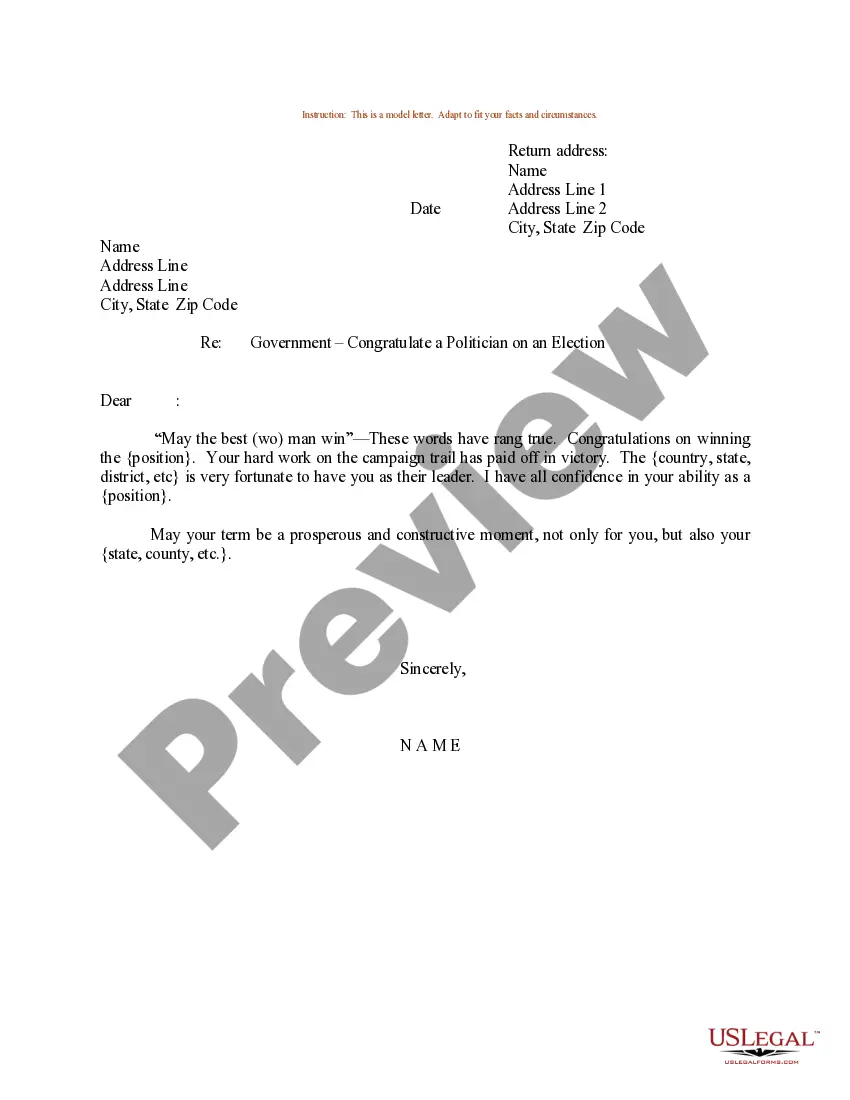
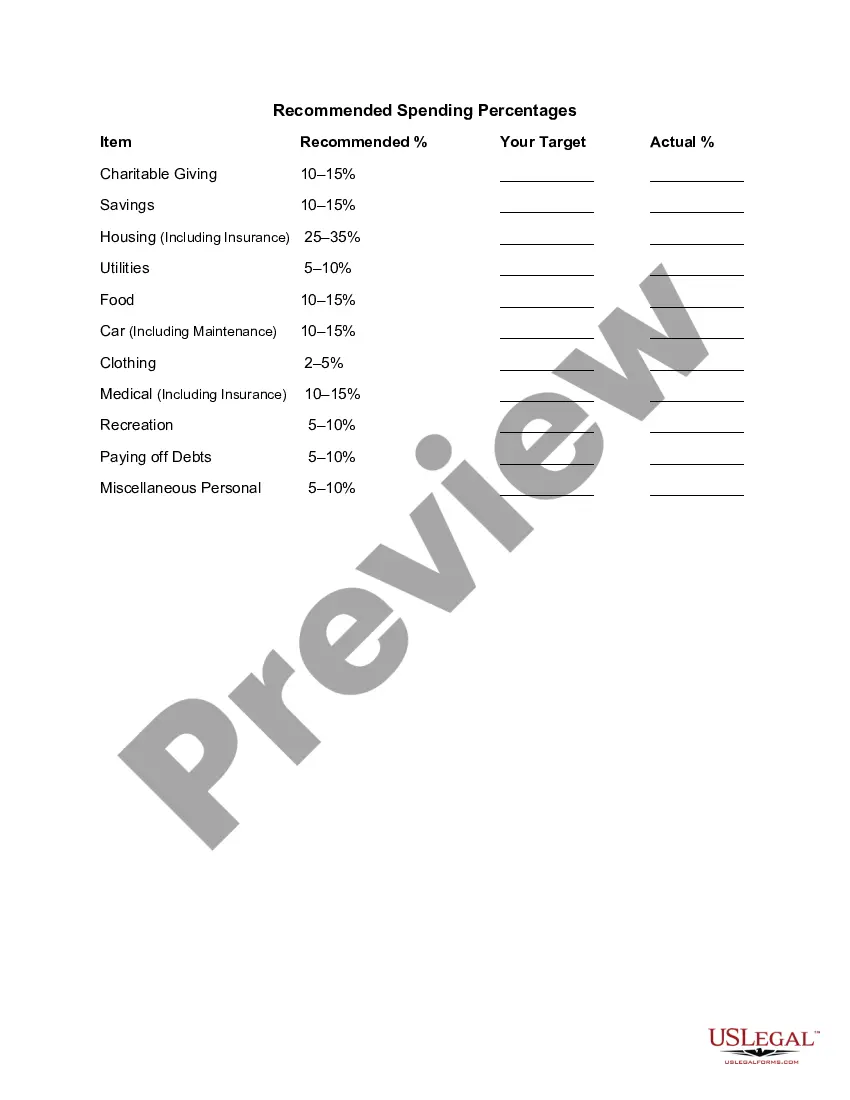
Mississippi Recommended Spending Percentages
Description
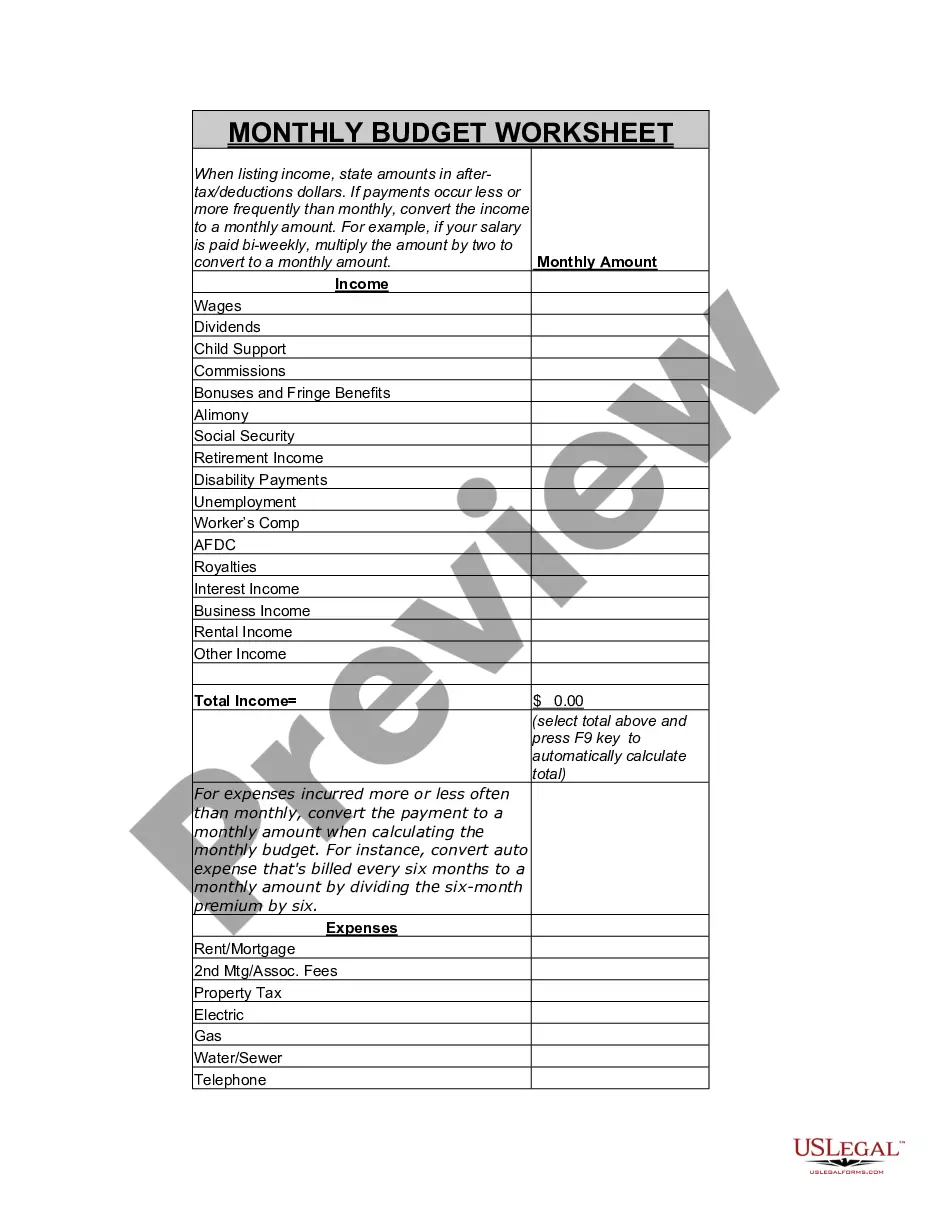
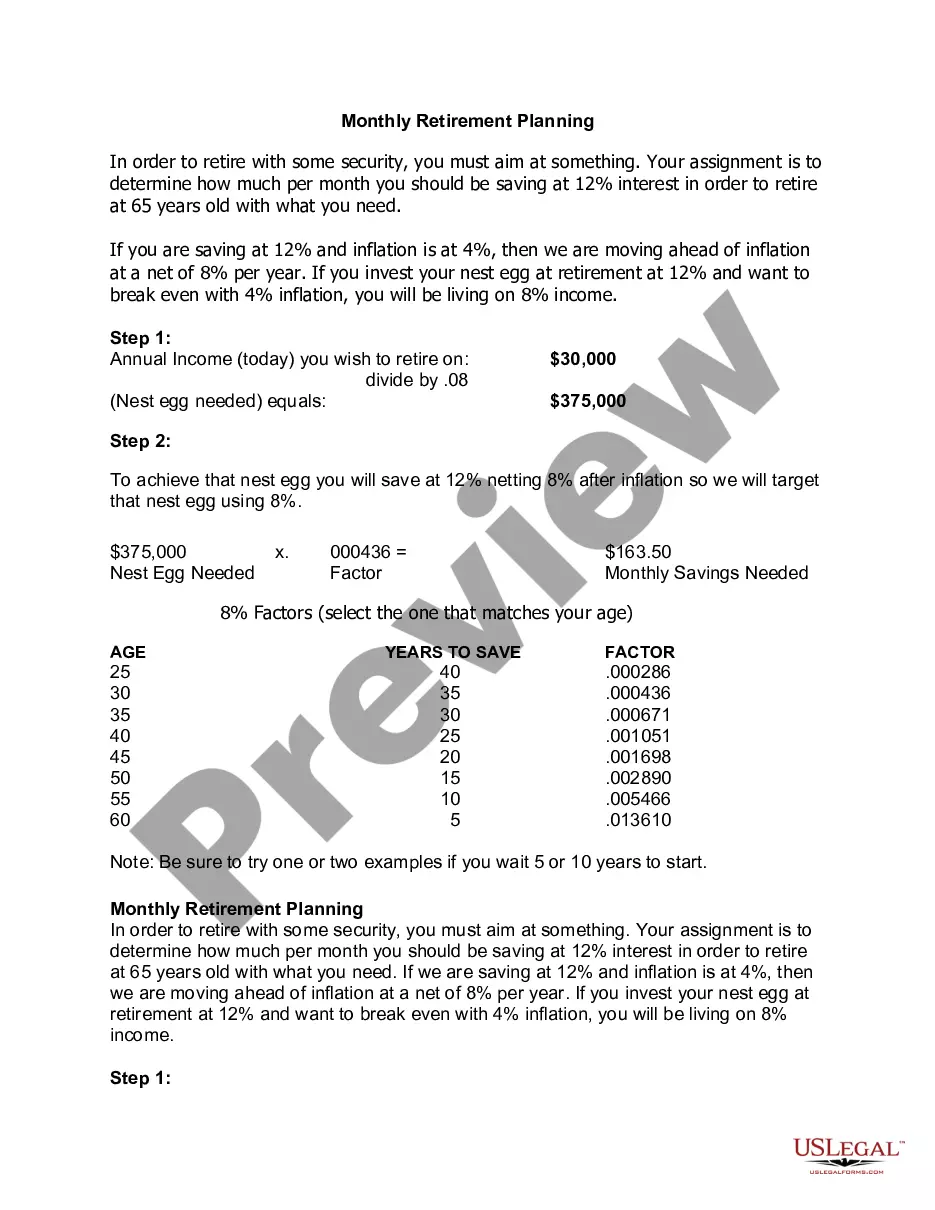
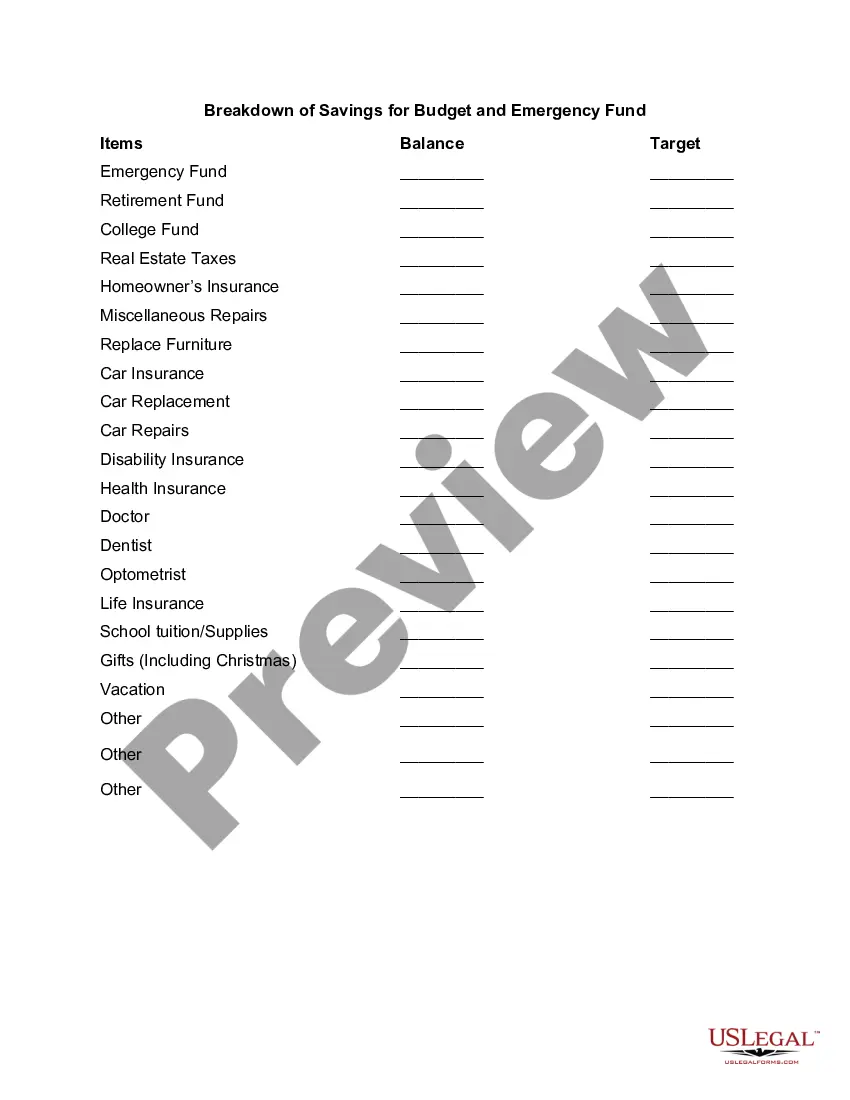
Get your form ready online
Our built-in tools help you complete, sign, share, and store your documents in one place.
Make edits, fill in missing information, and update formatting in US Legal Forms—just like you would in MS Word.
Download a copy, print it, send it by email, or mail it via USPS—whatever works best for your next step.
Sign and collect signatures with our SignNow integration. Send to multiple recipients, set reminders, and more. Go Premium to unlock E-Sign.
If this form requires notarization, complete it online through a secure video call—no need to meet a notary in person or wait for an appointment.
We protect your documents and personal data by following strict security and privacy standards.

Make edits, fill in missing information, and update formatting in US Legal Forms—just like you would in MS Word.

Download a copy, print it, send it by email, or mail it via USPS—whatever works best for your next step.

Sign and collect signatures with our SignNow integration. Send to multiple recipients, set reminders, and more. Go Premium to unlock E-Sign.

If this form requires notarization, complete it online through a secure video call—no need to meet a notary in person or wait for an appointment.

We protect your documents and personal data by following strict security and privacy standards.
Looking for another form?
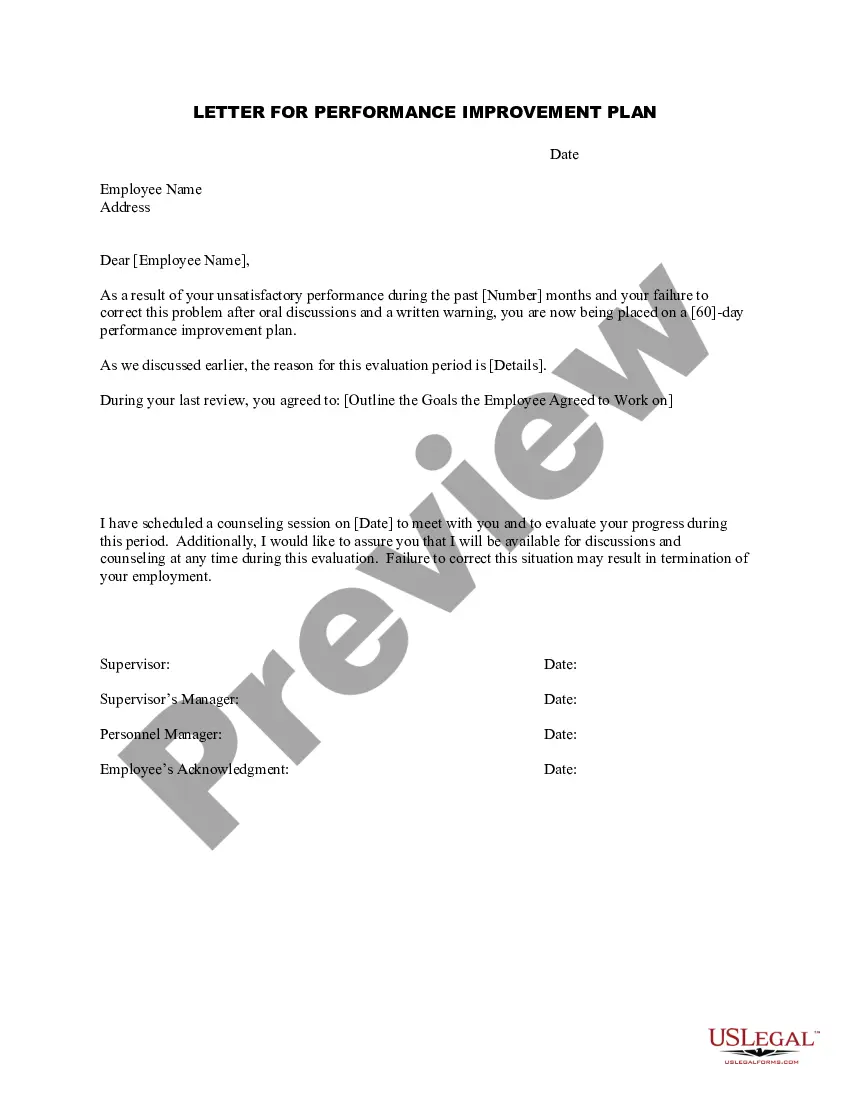







How to fill out Recommended Spending Percentages?
Locating the appropriate legitimate document design can be a challenge. Naturally, there are numerous templates accessible online, but how can you find the authentic type you require? Visit the US Legal Forms website. The platform offers a vast array of templates, including the Mississippi Recommended Spending Percentages, which can be utilized for both business and personal purposes. Each of the documents is reviewed by professionals and complies with federal and state regulations.
If you are already registered, Log In to your account and click on the Obtain button to retrieve the Mississippi Recommended Spending Percentages. Use your account to search through the legal documents you have purchased previously. Navigate to the My documents section of your account and download another copy of the document you need.
If you are a new user of US Legal Forms, here are simple instructions for you to follow.
Choose the file format and download the legal document design to your device. Complete, modify, print, and sign the acquired Mississippi Recommended Spending Percentages. US Legal Forms is the largest collection of legal forms where you can find various document templates. Utilize the service to download professionally crafted paperwork that comply with state requirements.
- First, ensure you have selected the correct form for your city/area.
- You can browse the document using the Preview button and review the form details to confirm it is suitable for you.
- If the document does not fulfill your requirements, use the Search field to find the appropriate form.
- Once you are confident that the document is correct, click on the Buy now button to purchase the form.
- Select the pricing plan you want and enter the necessary information.
- Create your account and pay for the order using your PayPal account or credit card.
Form popularity
FAQ
Mississippi's major sources of revenue are sales taxes, followed by personal and corporate income taxes, gasoline taxes, and gaming income. Local governments derive their greatest income from property taxes. Considerable amounts of federal monies are provided through numerous federal and state agencies.
The general fund revenue is derived primarily from taxes on income and retail items.
Mississippi's largest spending areas per capita were public welfare ($2,123) and elementary and secondary education ($1,577). The Census Bureau includes most Medicaid spending in public welfare but also allocates some of it to public hospitals.
What do state and local governments spend money on? State and local governments spend most of their resources on education, health, and social service programs. In 2019, about one-third of state and local spending went toward combined elementary and secondary education (22 percent) and higher education (9 percent).
Mississippi's major sources of revenue are sales taxes, followed by personal and corporate income taxes, gasoline taxes, and gaming income. Local governments derive their greatest income from property taxes. Considerable amounts of federal monies are provided through numerous federal and state agencies.
Agriculture is Mississippi's number one industry, employing approximately 17.4% of the state's workforce either directly or indirectly. Agriculture in Mississippi is a 8.83 billion-dollar industry. There are approximately 34,700 farms in the state covering 10.4 million acres.
Revenues come mainly from tax collections, licensing fees, federal aid, and returns on investments. Expenditures generally include spending on government salaries, infrastructure, education, public pensions, public assistance, corrections, Medicaid, and transportation.