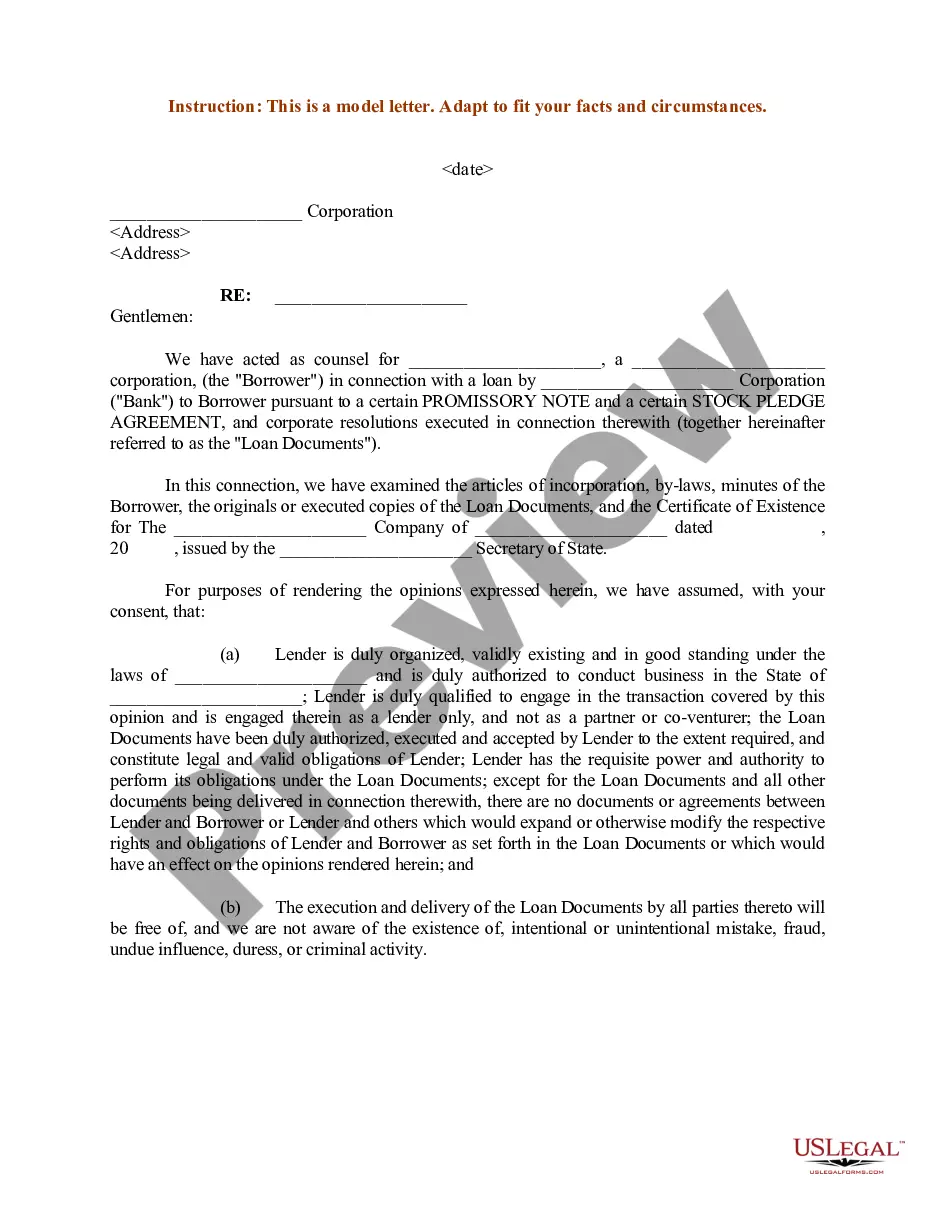
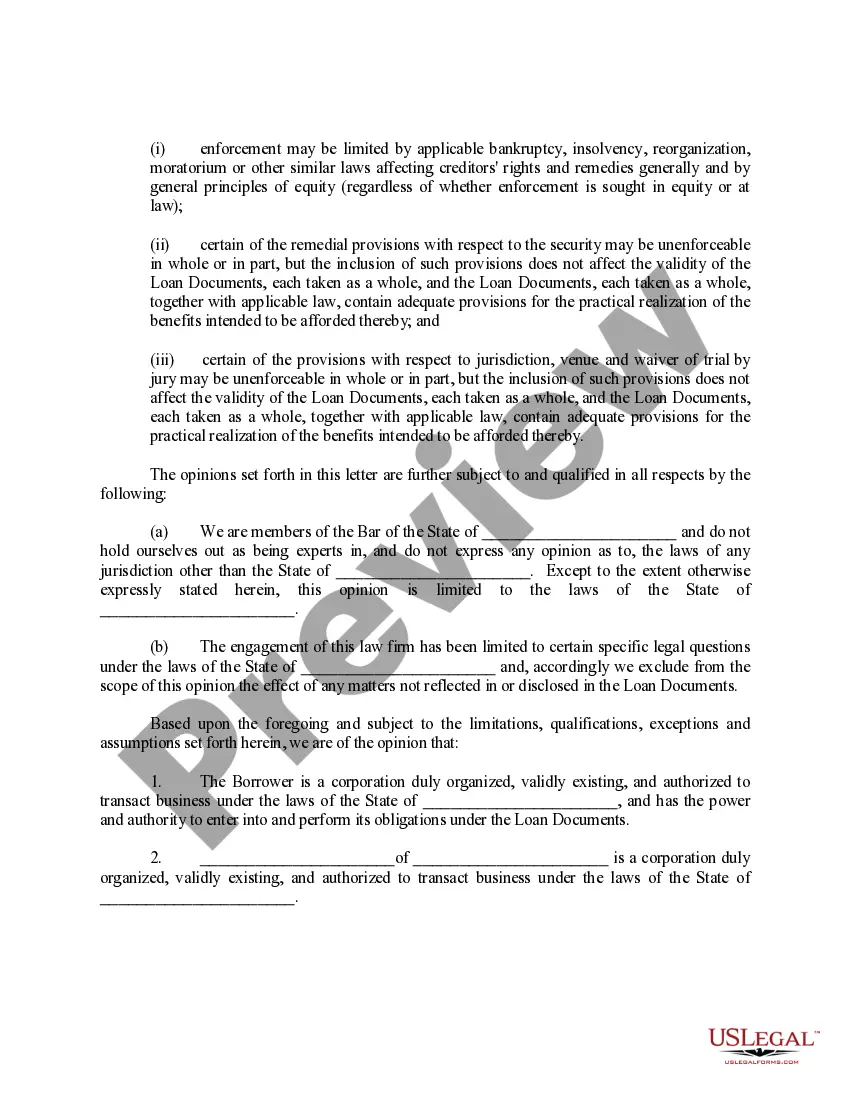
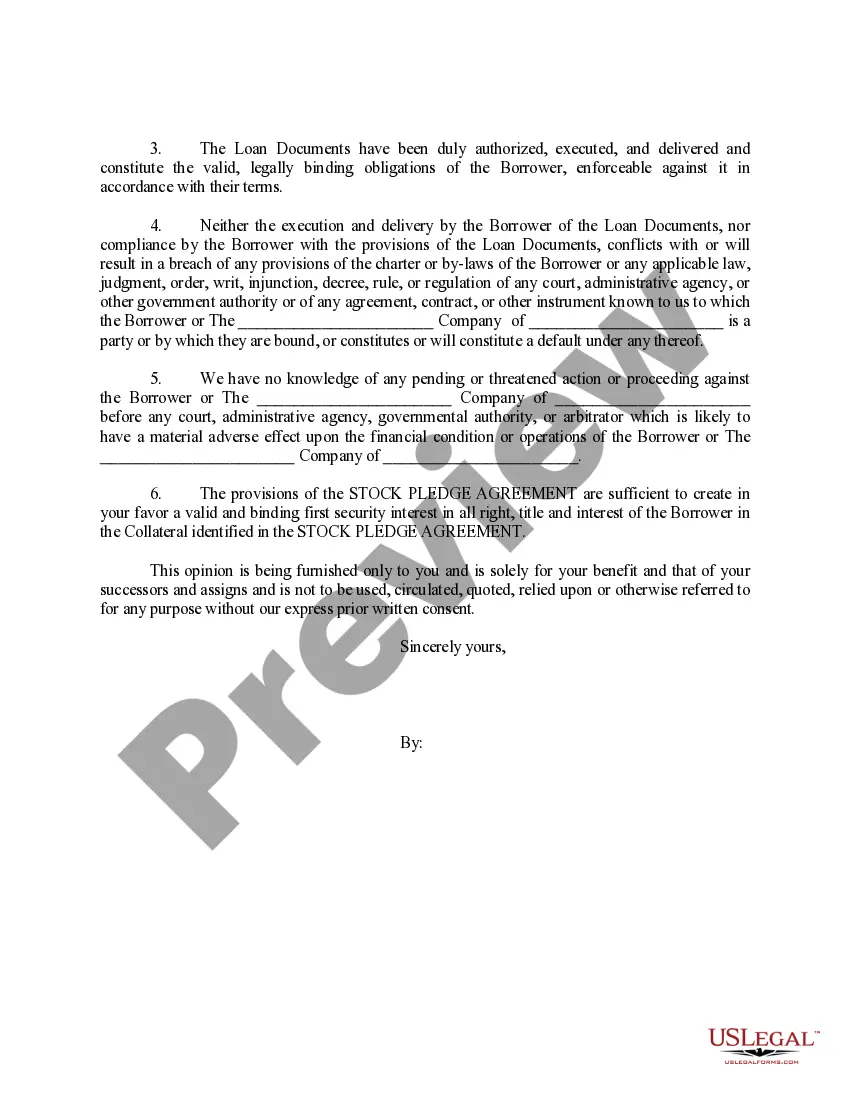
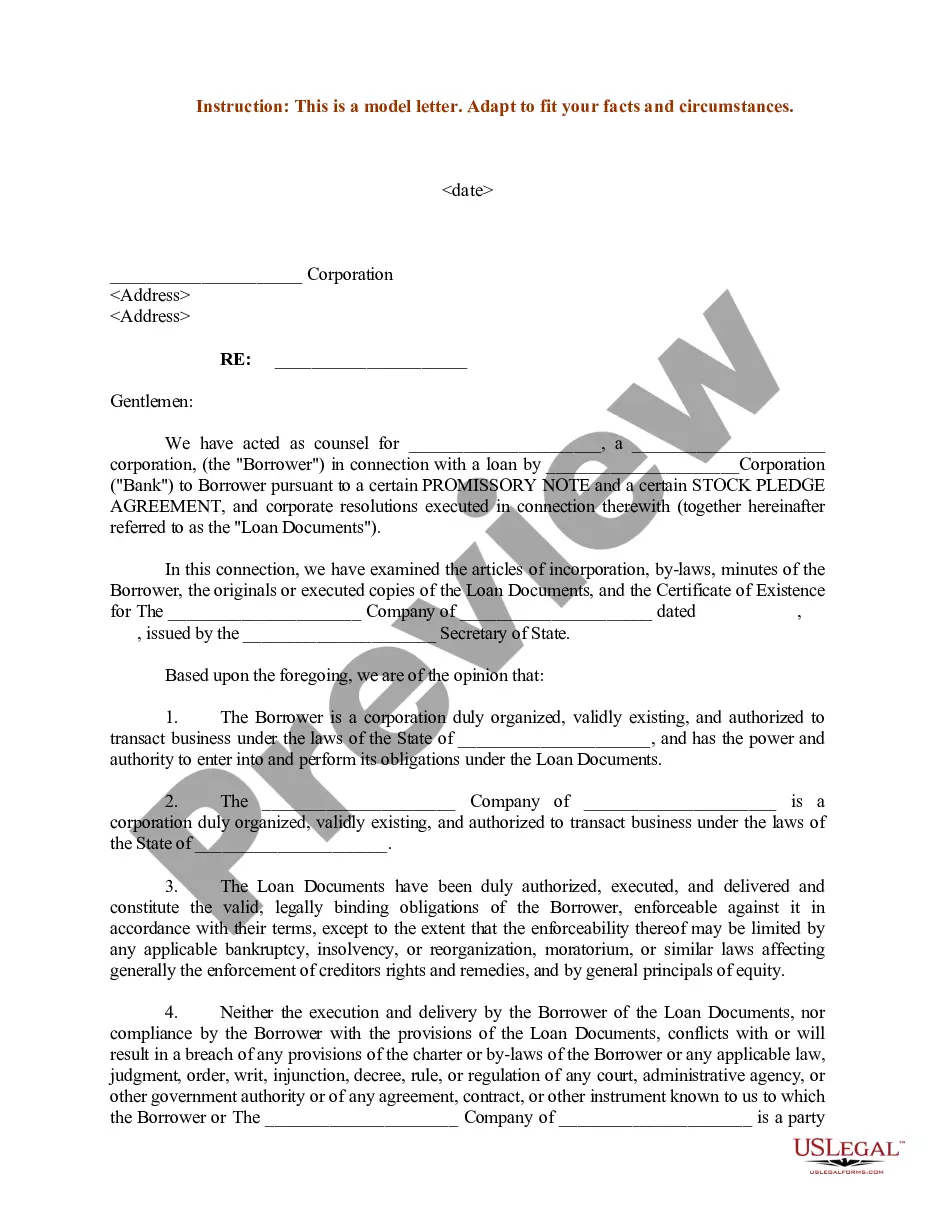
Mississippi Sample Letter for Promissory Note and Stock Pledge Agreement
Description
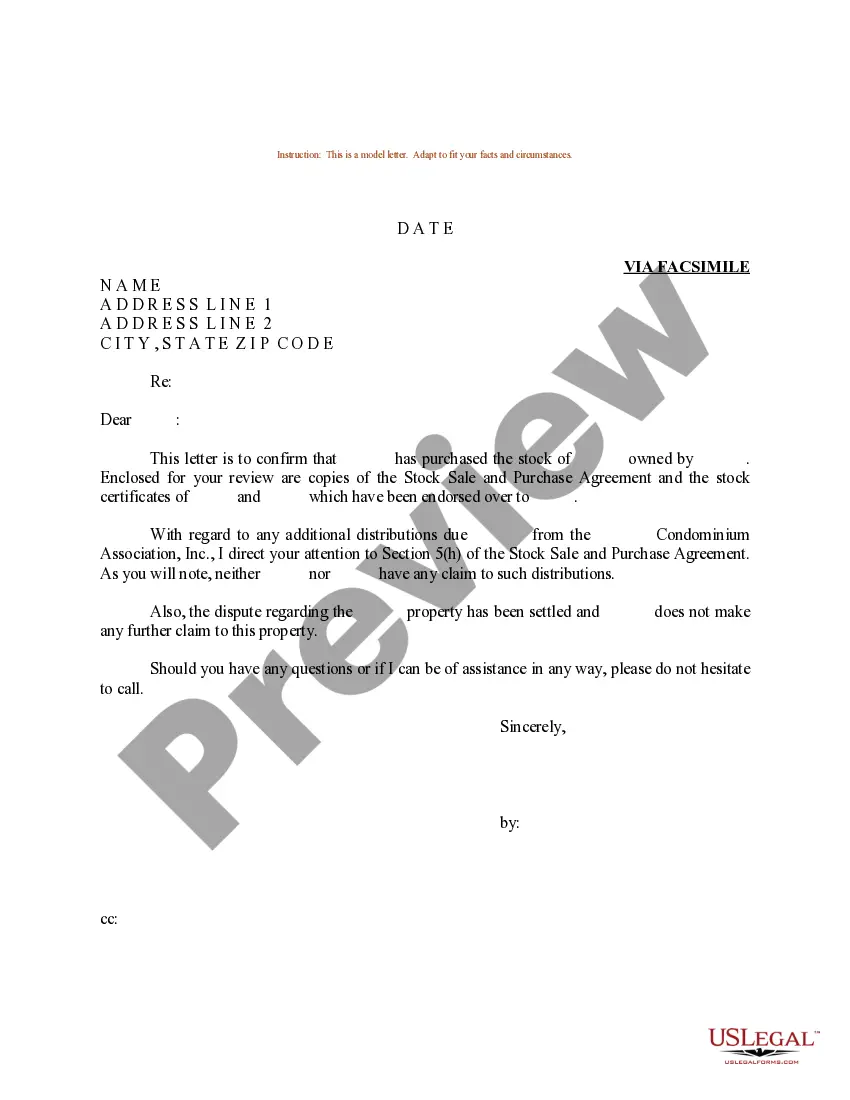
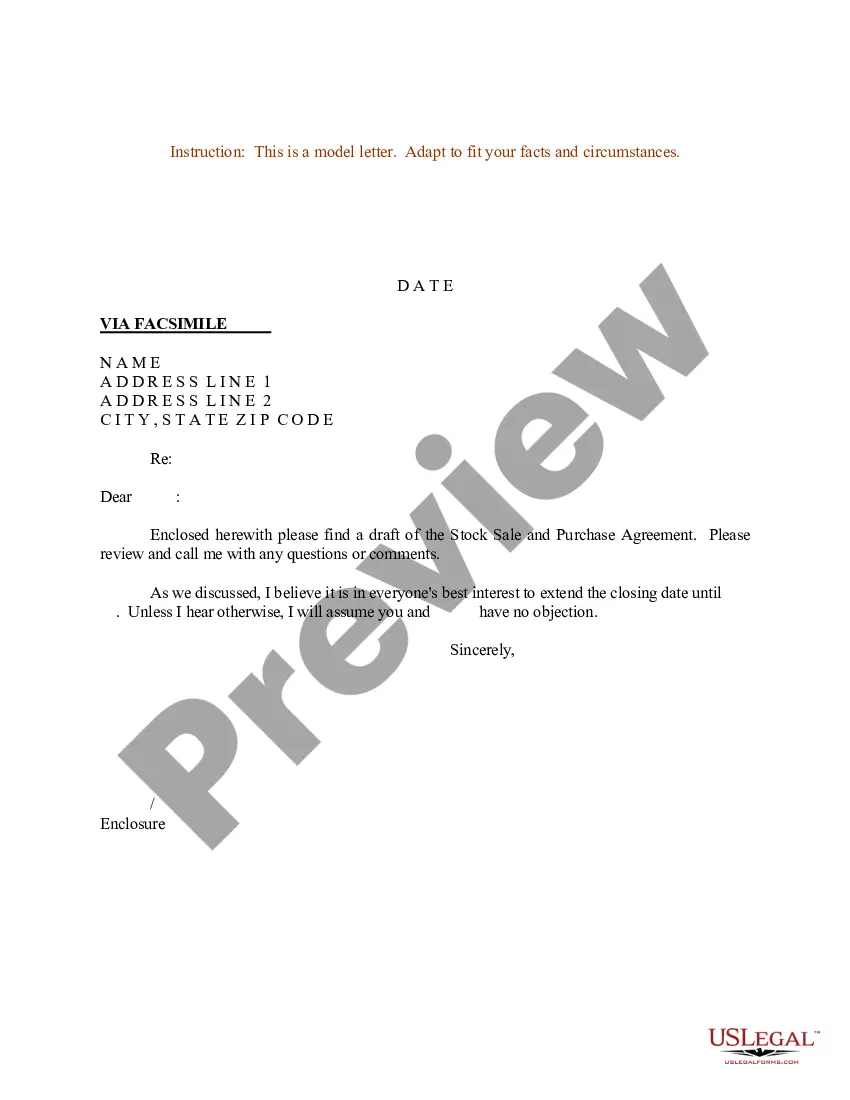
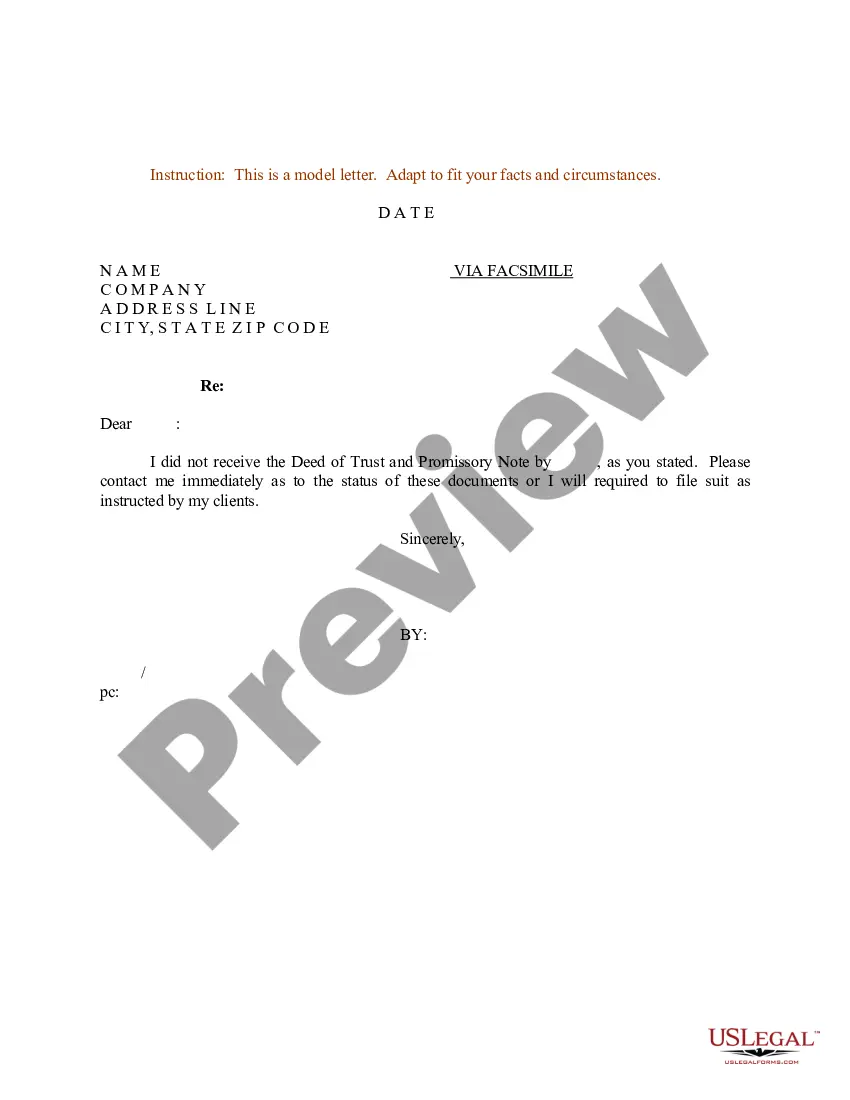
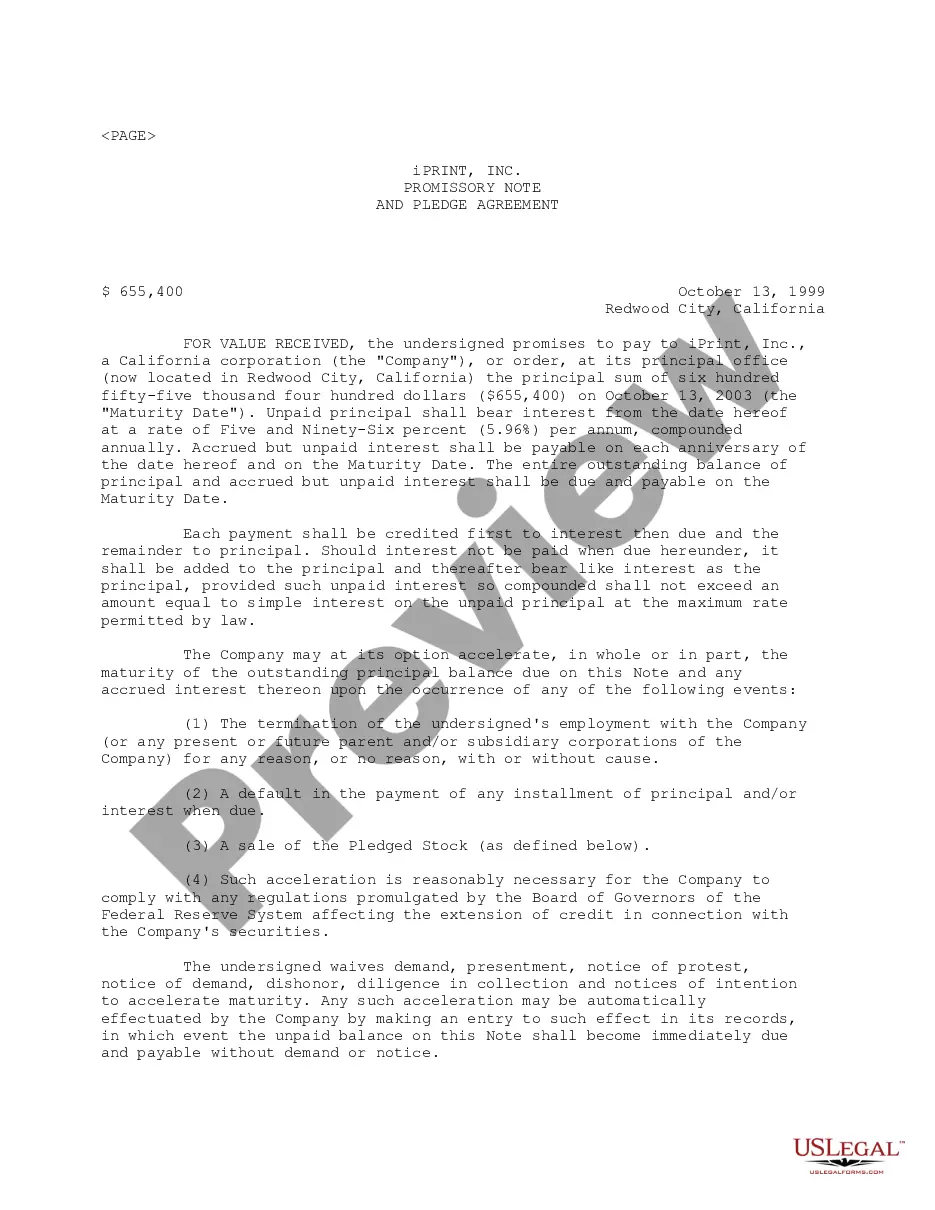
Get your form ready online
Our built-in tools help you complete, sign, share, and store your documents in one place.
Make edits, fill in missing information, and update formatting in US Legal Forms—just like you would in MS Word.
Download a copy, print it, send it by email, or mail it via USPS—whatever works best for your next step.
Sign and collect signatures with our SignNow integration. Send to multiple recipients, set reminders, and more. Go Premium to unlock E-Sign.
If this form requires notarization, complete it online through a secure video call—no need to meet a notary in person or wait for an appointment.
We protect your documents and personal data by following strict security and privacy standards.

Make edits, fill in missing information, and update formatting in US Legal Forms—just like you would in MS Word.

Download a copy, print it, send it by email, or mail it via USPS—whatever works best for your next step.

Sign and collect signatures with our SignNow integration. Send to multiple recipients, set reminders, and more. Go Premium to unlock E-Sign.

If this form requires notarization, complete it online through a secure video call—no need to meet a notary in person or wait for an appointment.

We protect your documents and personal data by following strict security and privacy standards.
Looking for another form?


How to fill out Sample Letter For Promissory Note And Stock Pledge Agreement?
US Legal Forms - one of the largest collections of legal documents in the United States - provides a range of legal form templates that you can download or print. By using the site, you can access thousands of forms for business and personal use, categorized by types, states, or keywords.
You can find the latest versions of forms such as the Mississippi Sample Letter for Promissory Note and Stock Pledge Agreement in just minutes. If you already have an account, Log In and download the Mississippi Sample Letter for Promissory Note and Stock Pledge Agreement from the US Legal Forms library. The Download button will appear on every form you view. You can access all previously saved forms in the My documents tab of your account.
If you are using US Legal Forms for the first time, here are some simple steps to get started: Ensure you have selected the correct form for your city/state. Click the Preview button to review the form's content. Check the form description to confirm you have chosen the right document. If the form does not meet your needs, use the Search box at the top of the page to find the one that does. If you are satisfied with the form, confirm your selection by clicking the Purchase now button. Then select the pricing plan you prefer and provide your information to register for the account.
- Complete the purchase. Use your credit card or PayPal account to finalize the transaction.
- Choose the format and download the form to your device.
- Make modifications. Fill out, edit, and print and sign the downloaded Mississippi Sample Letter for Promissory Note and Stock Pledge Agreement.
- Every template you add to your account has no expiration date and is yours permanently. Therefore, if you need to download or print another copy, simply go to the My documents section and click on the form you desire.
- Access the Mississippi Sample Letter for Promissory Note and Stock Pledge Agreement with US Legal Forms, the most comprehensive library of legal document templates.
- Utilize thousands of professional and state-specific templates that meet your business or personal needs and requirements.
Form popularity
FAQ
Collateral is an asset of value that a borrower pledges as a guarantee that a loan will be repaid. Collateral is a tangible or intangible asset pledged to secure a loan. If the borrower stops repaying the loan, the lender can seize and sell the collateral to get their funds back.
An agreement typically used to create a security interest in equity interests (including capital stock, LLC interests, and partnership interests) and promissory notes.
A stock pledge agreement is a legal contract used when a party wants to transfer stocks against a debt. In this agreement, when a debtor owes money to a lender, they pledge stocks against the amount of money owed as a form of security.
In simple words, a pledge is a promise to repay a loan, and collateral is what you lose if you don't keep your promise. For example, I can take a loan from a friend, pledge to return it within 30 days, and offer my bike as collateral. As long as I return the loan within 30 days, the bike is safe.
Pledging of shares is a financial arrangement in which the promoters of a company pledge their shares as collateral to secure a loan or meet their financial requirements. Pledge in the stock market means taking a loan against its securities. This arrangement is typical for companies where investors hold many shares.
Pledging of shares involves the transfer of ownership of shares from the shareholder to the lender, as collateral security for a loan. The bank or financial institution holds the shares until you fully repay the loan.
If the company's cash flow is healthy enough to keep up the collateral value, pledged shares may not harm. But, if the cash flow is poor and promoters cannot maintain collateral value, the pledged shares may prove disastrous for the company's financial conditions.