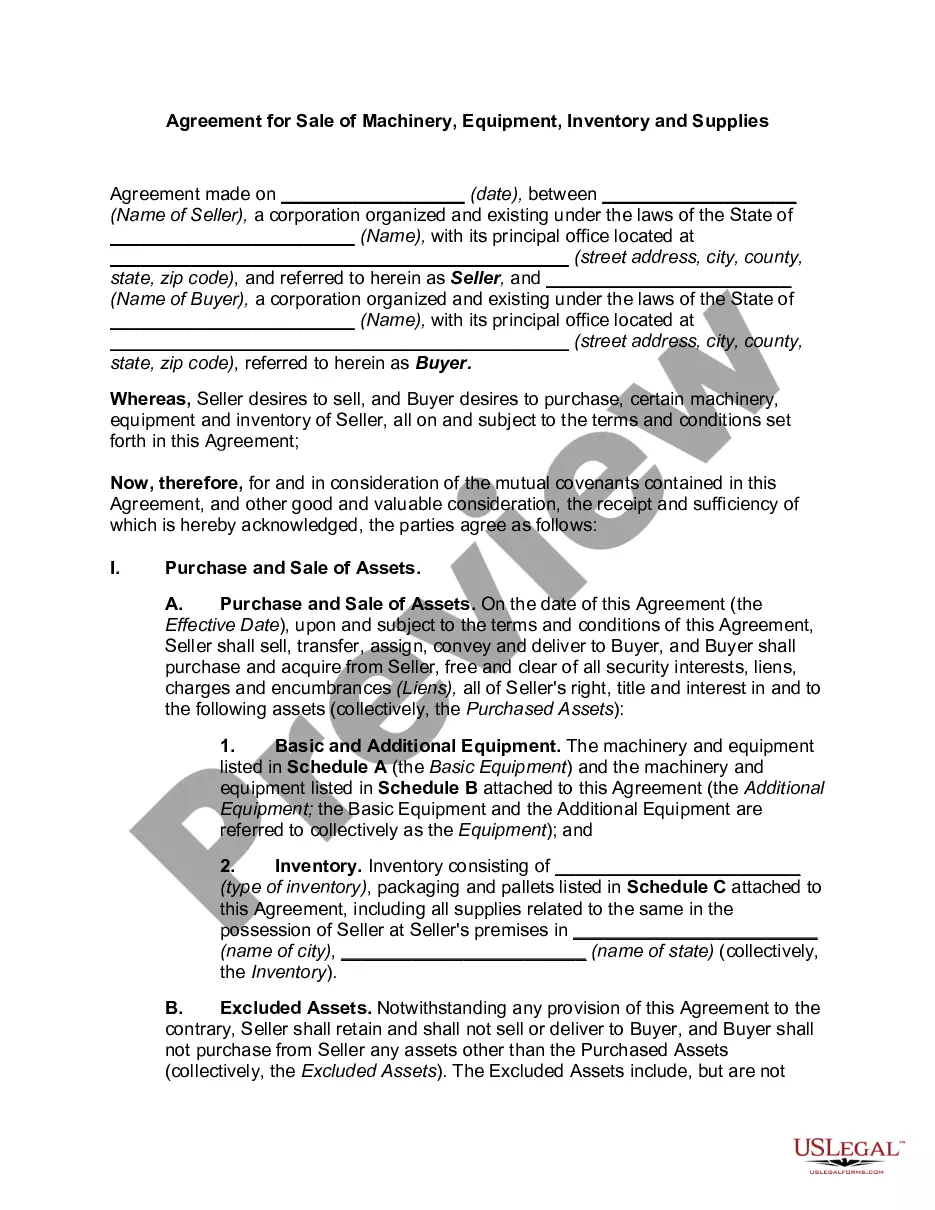
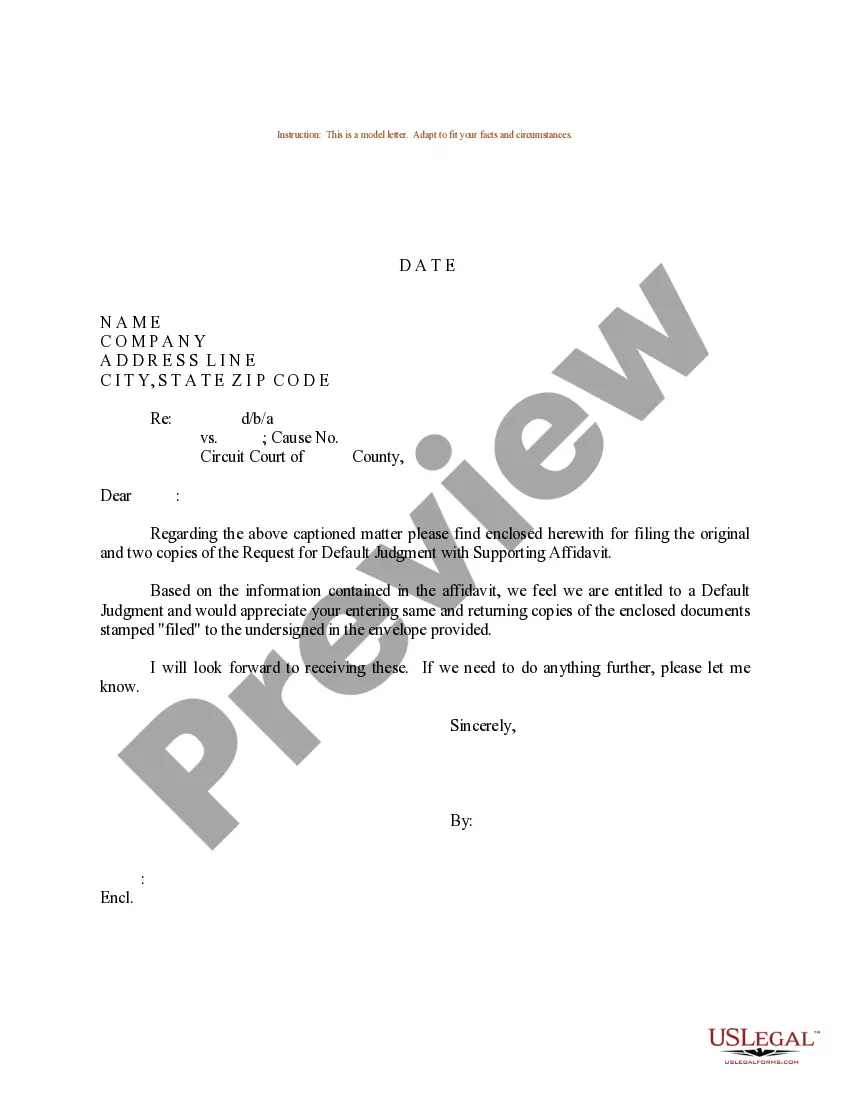
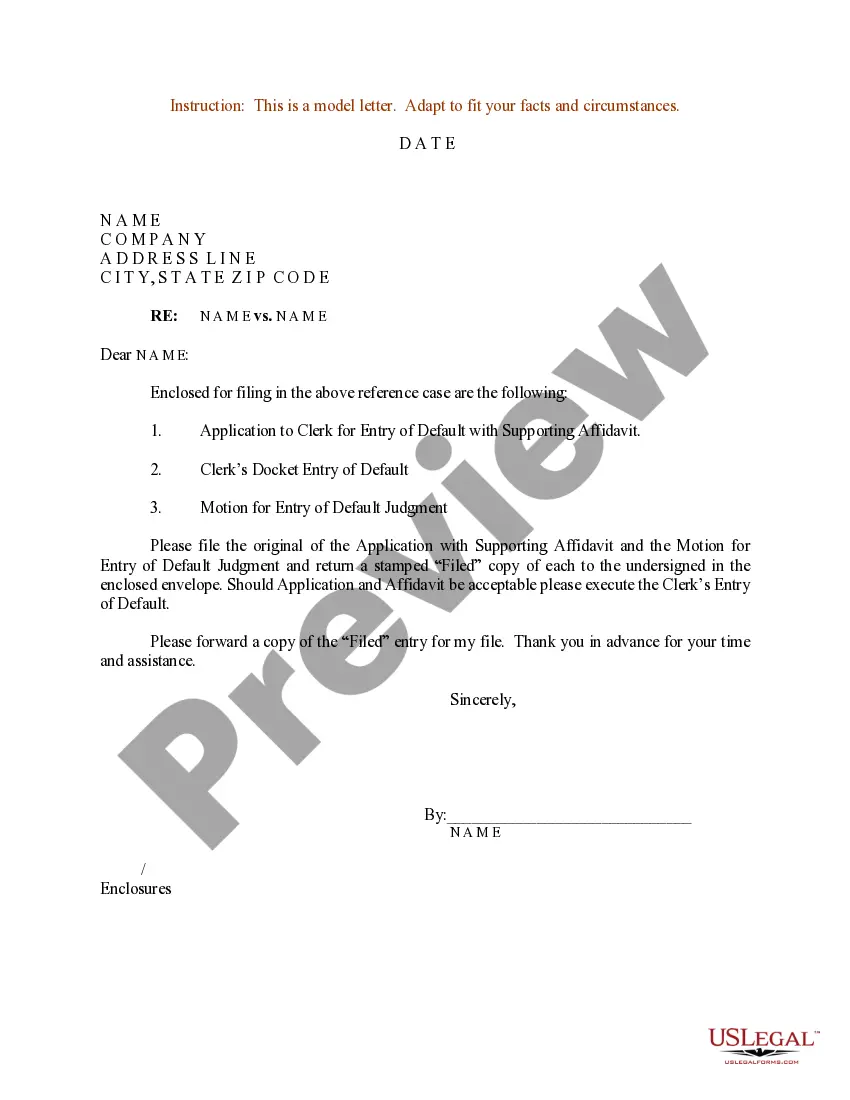
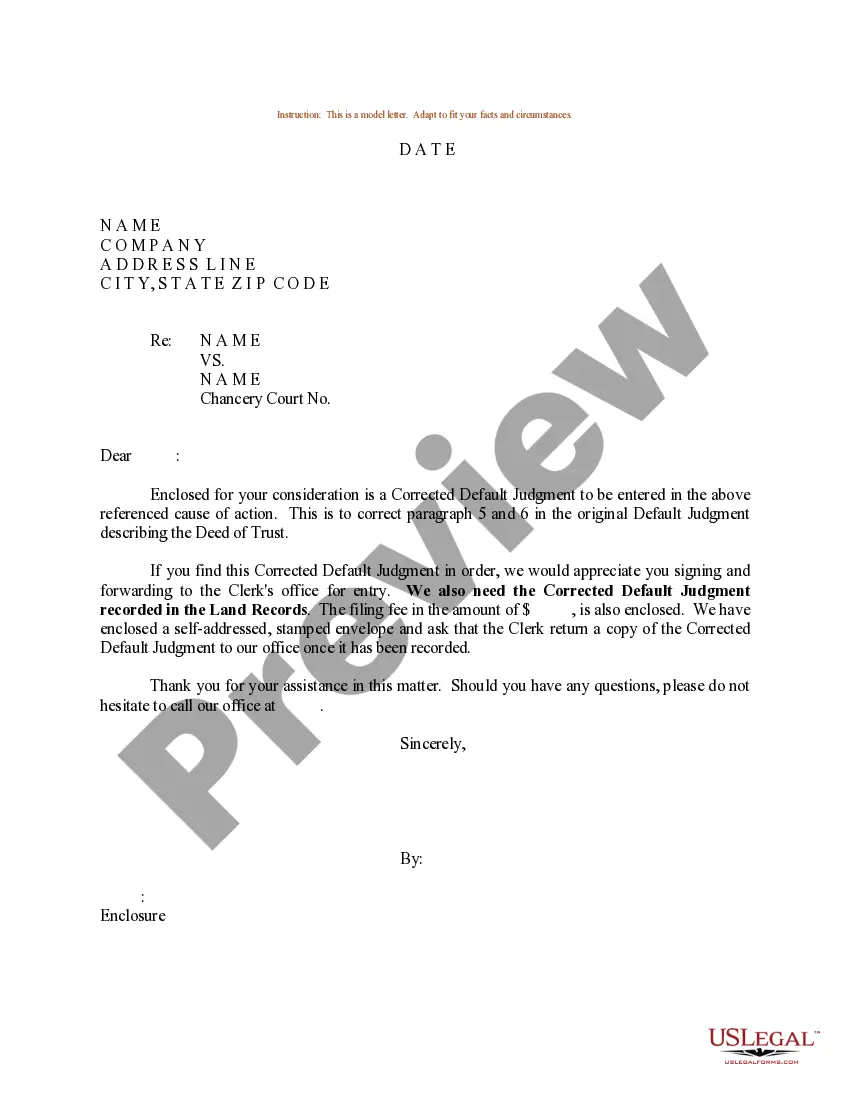
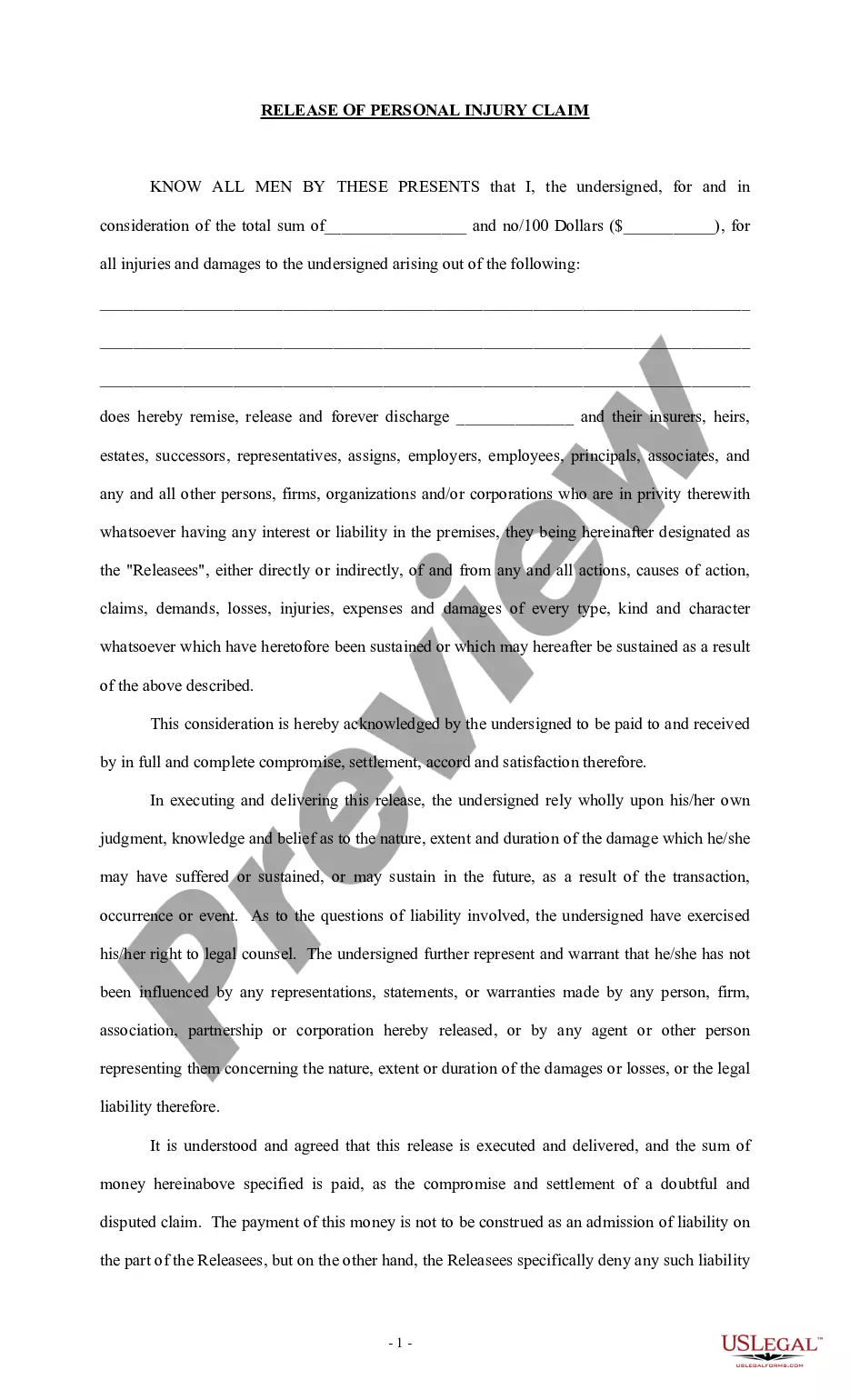
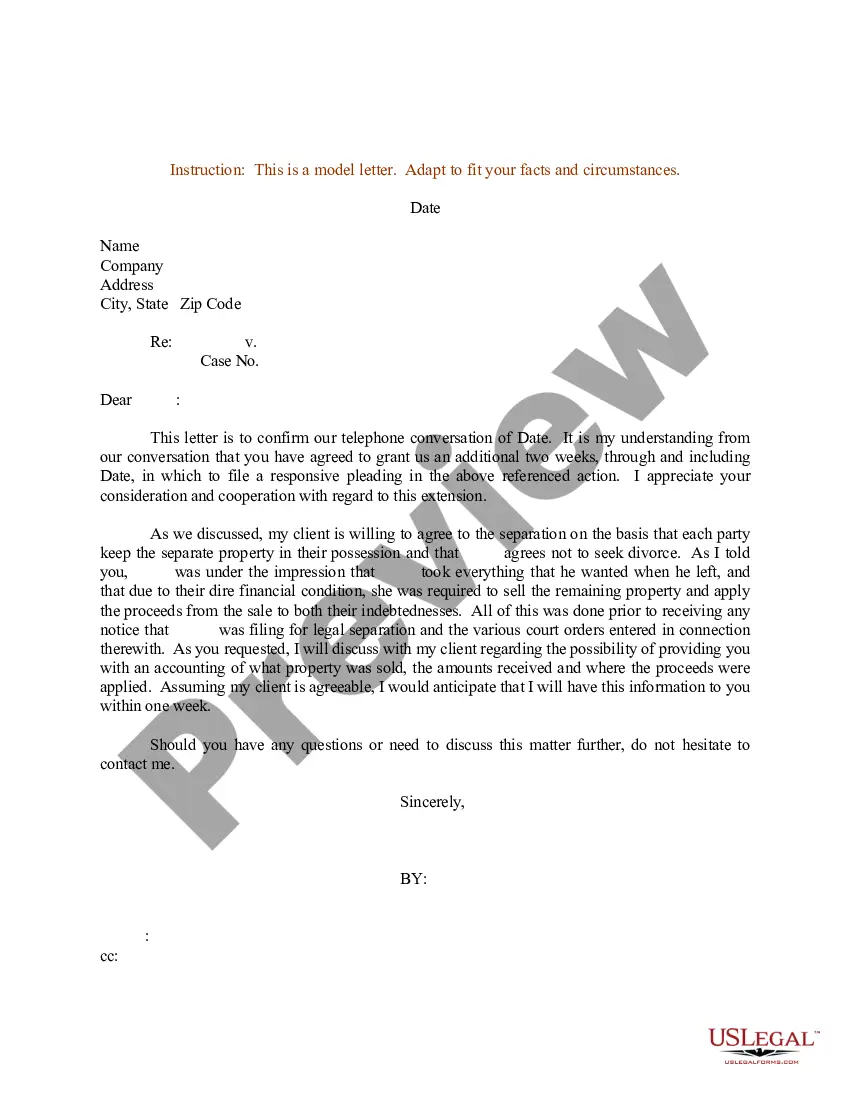
This form is a sample letter in Word format covering the subject matter of the title of the form.
Mississippi Sample Letter for Entrance of Default Judgments
Category:
State:
Multi-State
Control #:
US-0020LTR
Format:
Word;
Rich Text
Instant download
Description
Free preview

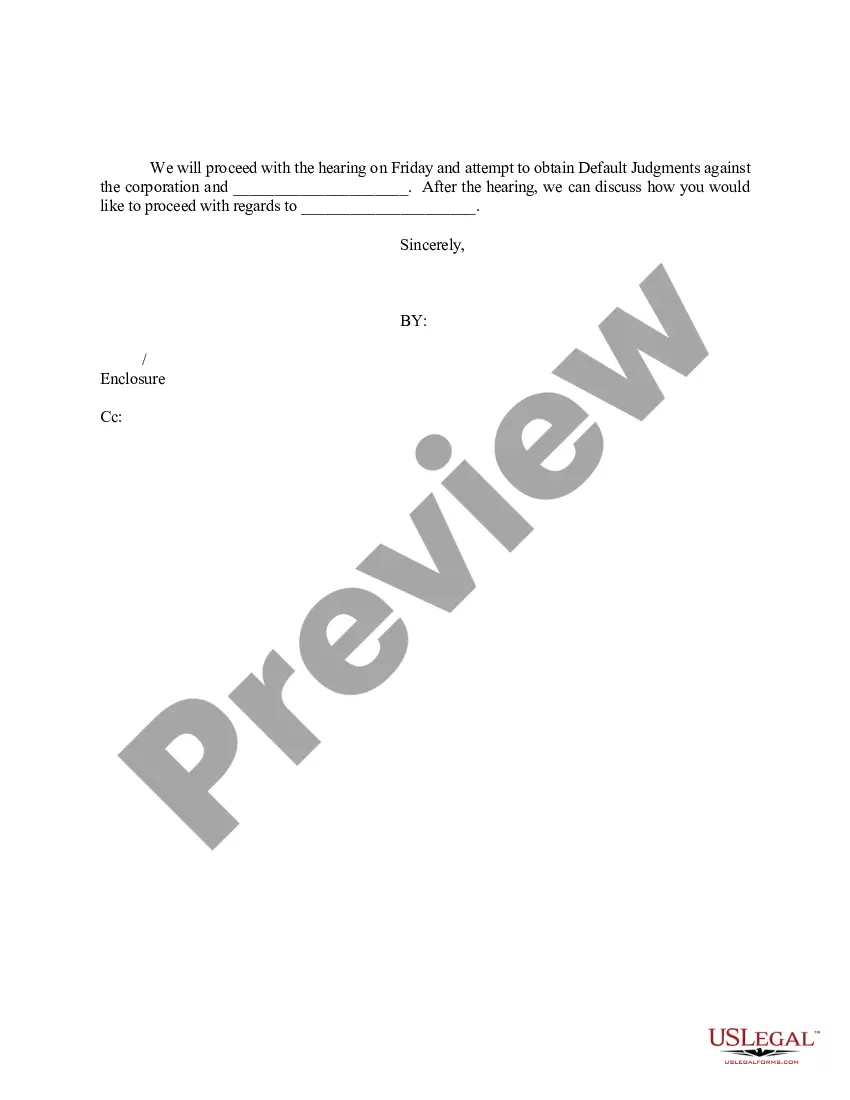
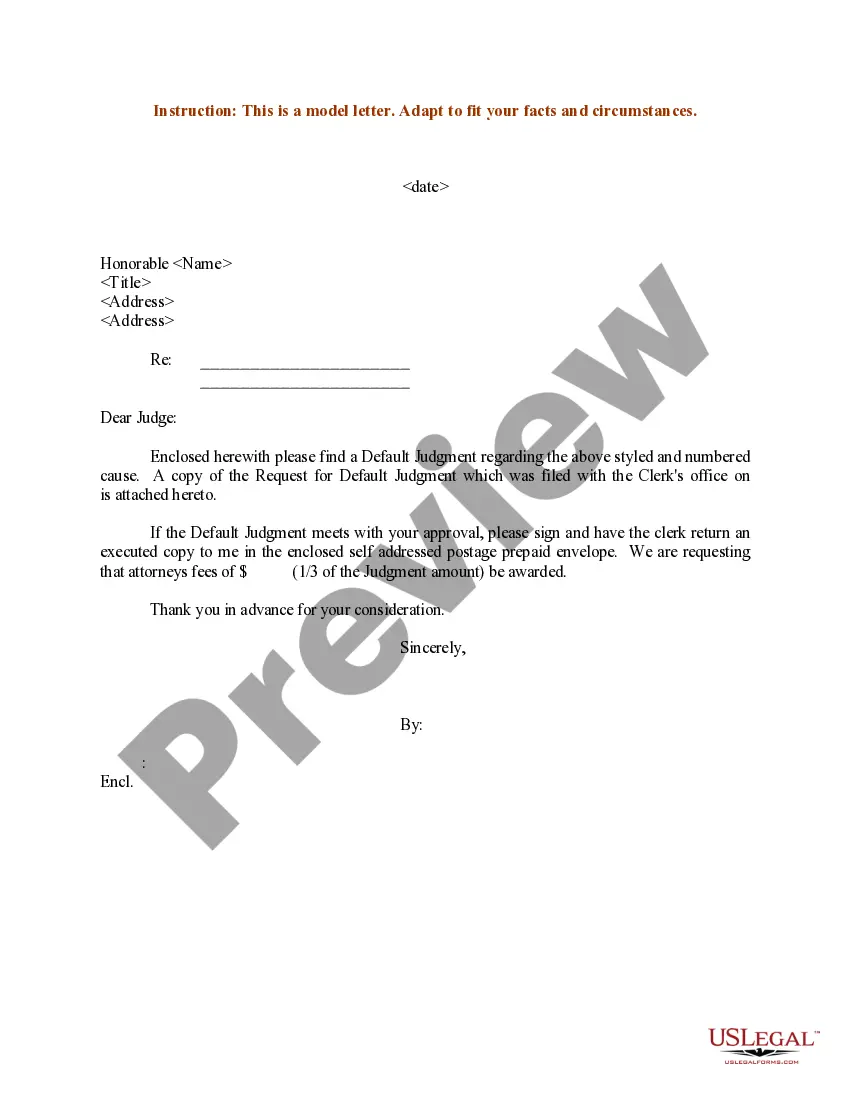
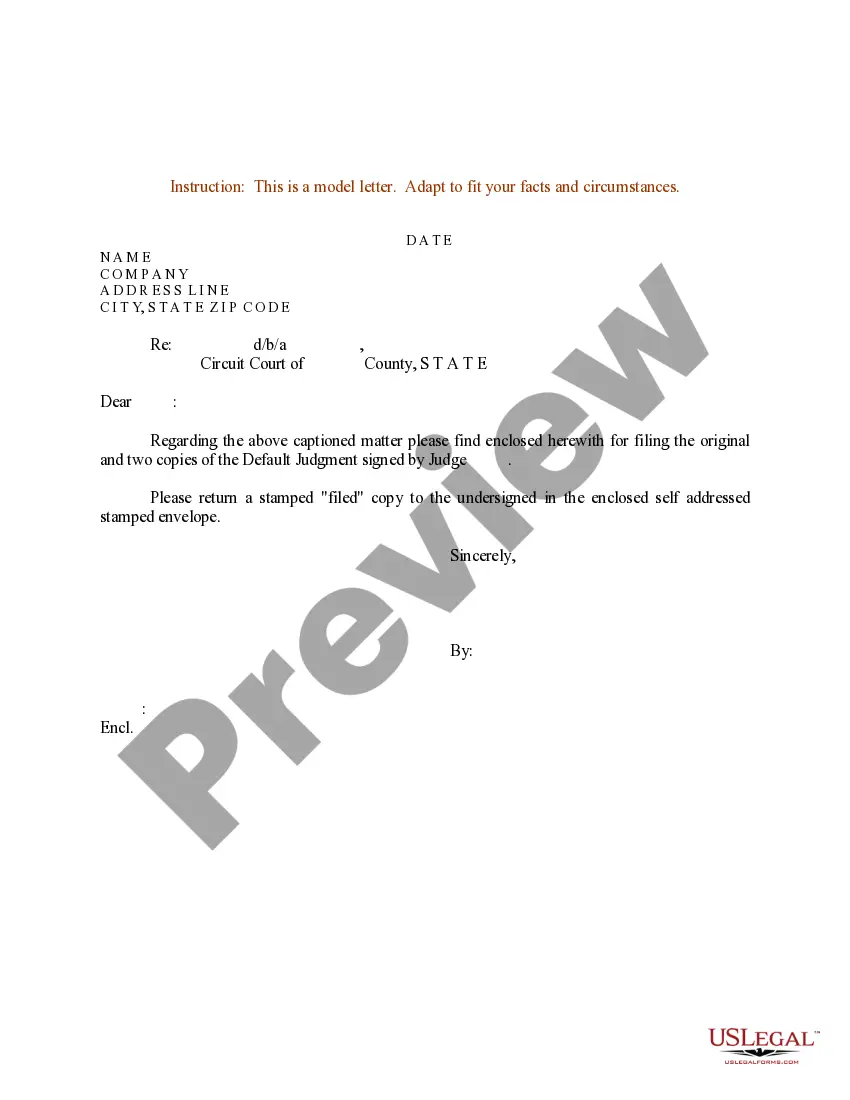
How to fill out Sample Letter For Entrance Of Default Judgments?
You can spend hours on the web searching for the authentic document template that meets the state and federal requirements you need.
US Legal Forms offers thousands of legitimate forms that are reviewed by experts.
You can download or print the Mississippi Sample Letter for Entrance of Default Judgments from the service.
If available, use the Review button to browse through the document template as well. If you wish to find another version of the form, use the Search field to locate the template that meets your needs and requirements. Once you have identified the template you desire, click on Purchase now to proceed. Select the pricing plan you prefer, enter your details, and create an account on US Legal Forms. Complete the transaction. You can use your Visa or Mastercard or PayPal account to purchase the legal document. Choose the format of the document and download it to your device. Make adjustments to your document if necessary. You can complete, edit, sign, and print the Mississippi Sample Letter for Entrance of Default Judgments. Download and print thousands of document templates using the US Legal Forms site, which offers the largest selection of legitimate forms. Utilize professional and state-specific templates to address your business or personal needs.
- If you already possess a US Legal Forms account, you can Log In and click the Download button.
- After that, you can complete, edit, print, or sign the Mississippi Sample Letter for Entrance of Default Judgments.
- Every legal document template you acquire is yours indefinitely.
- To obtain another copy of any purchased form, visit the My documents tab and click the corresponding button.
- If you are using the US Legal Forms website for the first time, follow the simple instructions below.
- First, ensure that you have chosen the correct document template for the area/town of your choice.
- Review the form description to confirm that you have selected the appropriate document.
Form popularity
FAQ
A declaration in support of entry of default is a document that outlines the facts and circumstances leading to the request for a default judgment. This declaration should include the reasons why the defendant did not respond and confirm that they were properly served. Including a well-prepared declaration can strengthen your application and align with the requirements of the Mississippi Sample Letter for Entrance of Default Judgments. It serves as crucial evidence for the court's consideration.
Rule 81 in Mississippi governs the process for obtaining a default judgment. This rule outlines the requirements for serving notice to the defendant and specifies how to file for default when a defendant fails to respond. Understanding Rule 81 is crucial for ensuring that your Mississippi Sample Letter for Entrance of Default Judgments meets the necessary legal standards. Proper adherence to these rules can significantly enhance your chances of a successful judgment.
To make an application for default judgment in Mississippi, you need to file a motion with the court. This motion should include the Mississippi Sample Letter for Entrance of Default Judgments, detailing the reasons for your application. It is essential to provide evidence that the opposing party was properly notified and failed to respond. After submitting your motion, the court will review your application and may grant the judgment.
[if] the judgment is void.? A judgment is void if the trial court that rendered the judgment lacked jurisdiction to do so. The party moving to set aside the default judgment has the burden to prove that the request can be granted.
Default judgment in parish and city courts. A. In suits in a parish court or a city court, if the defendant fails to answer timely, or if he fails to appear at the trial, and the plaintiff establishes a prima facie case by competent and admissible evidence, a default judgment in favor of the plaintiff may be rendered.
The motion must include an affidavit of the party in default (i) stating facts showing that the party in default has a good defense to the allegations in the pleading, and (ii) showing ?good cause? as to why the party in default failed to appear in court or to file an answer to the pleading.
A judgment may be revived by filing a motion with the court prior to the expiration of the original judgment.
Rule 55 - Default (a) Entry. When a party against whom a judgment for affirmative relief is sought has failed to plead or otherwise defend as provided by these rules and that fact is made to appear by affidavit or otherwise, the clerk shall enter his default.
In general civil and criminal appeals, the notice of appeal is filed with the clerk of the trial court no later than ten (10) days after the judgment becomes final. Rules 30.01(d) and 81.04(a). The form and contents of a notice of appeal are contained in Form 8-A for both criminal and civil cases.
First, the moving party must show that the default was not the result of willfulness. Second, the party must show that it has a meritorious defense. Third, the setting aside of the default judgment must not prejudice the opposing party.