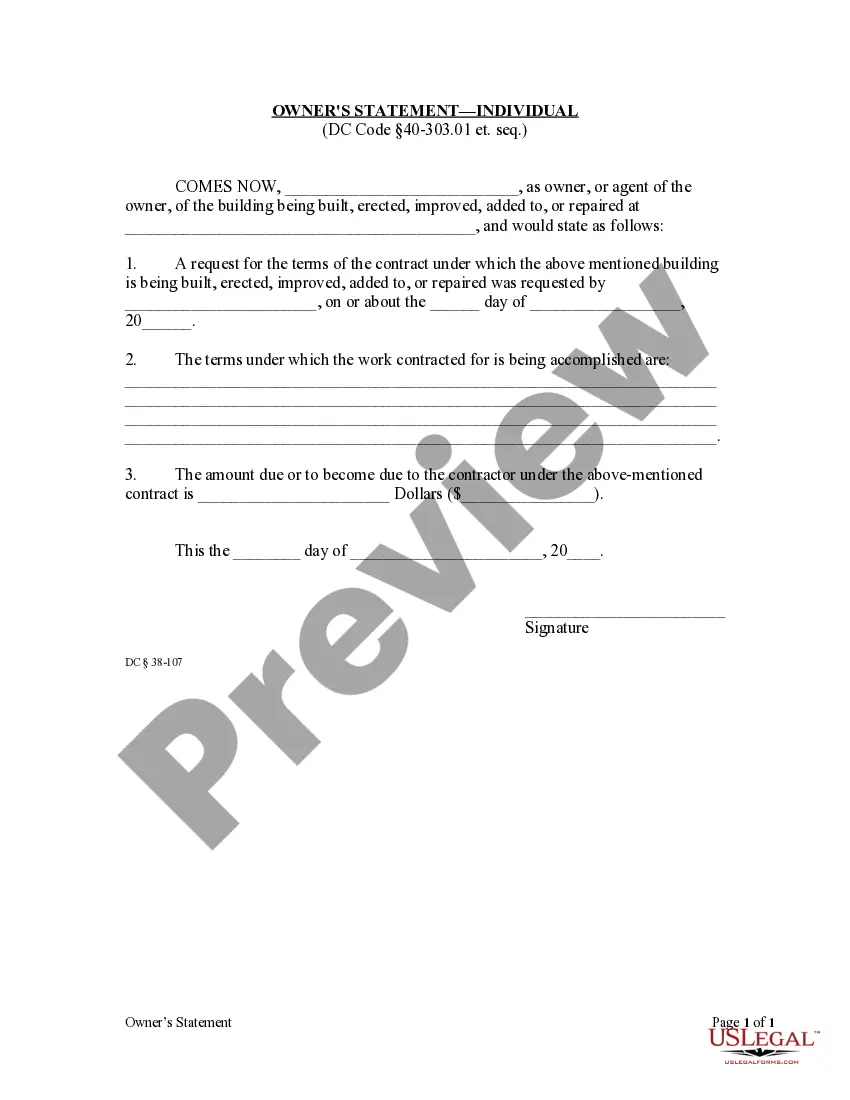
Mississippi Sewer Easements
About this form
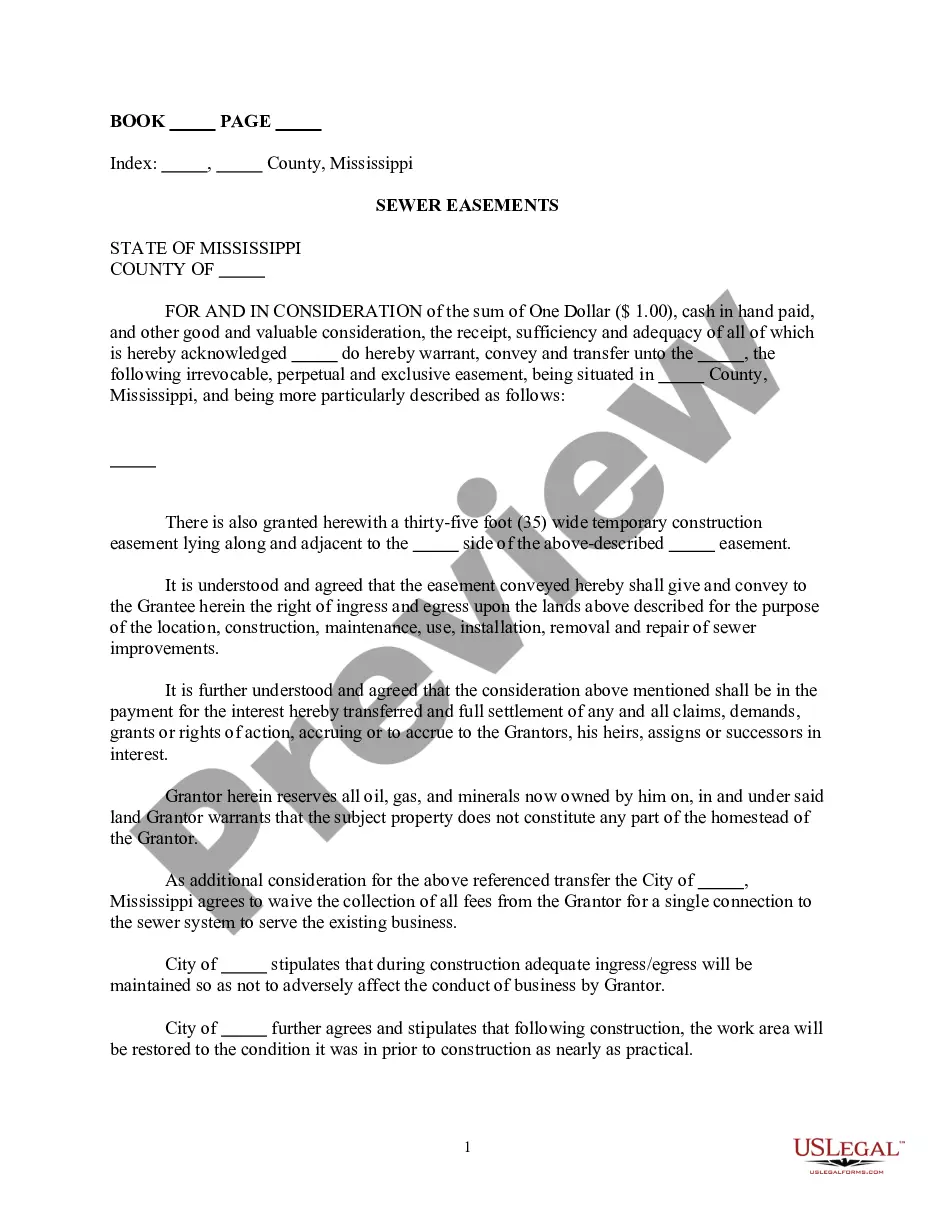
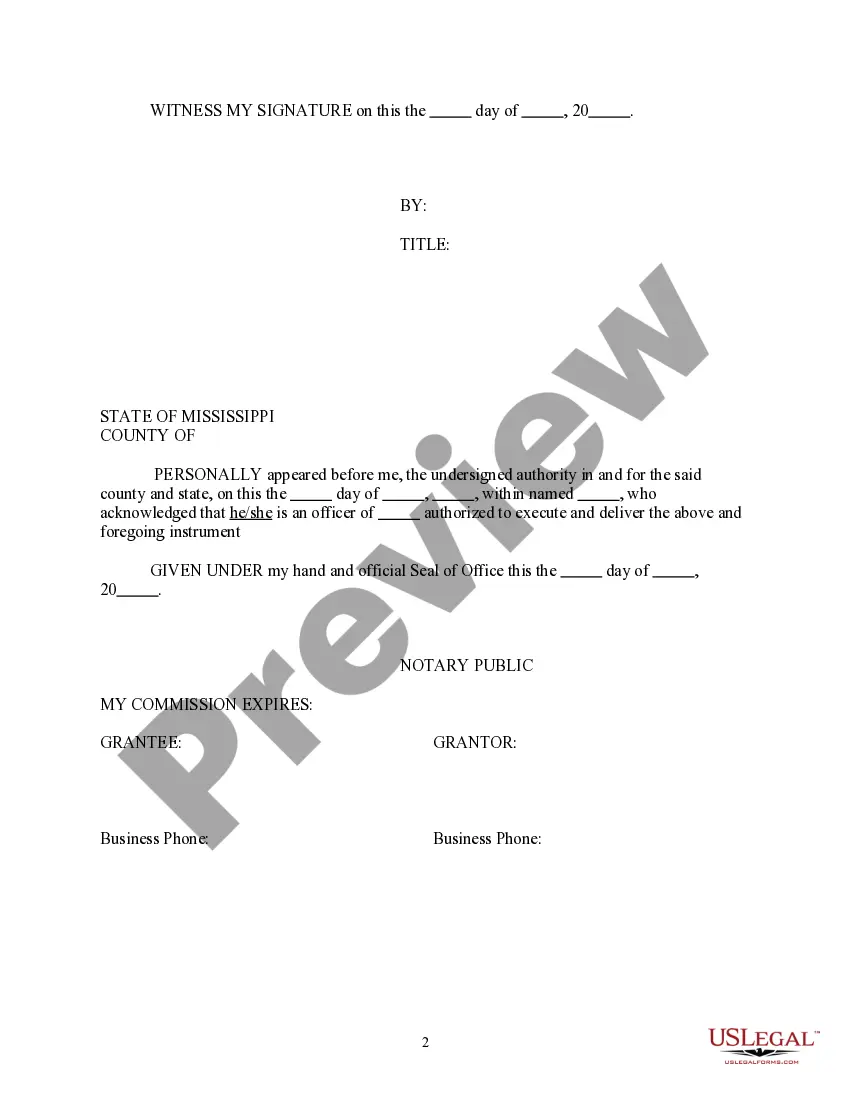
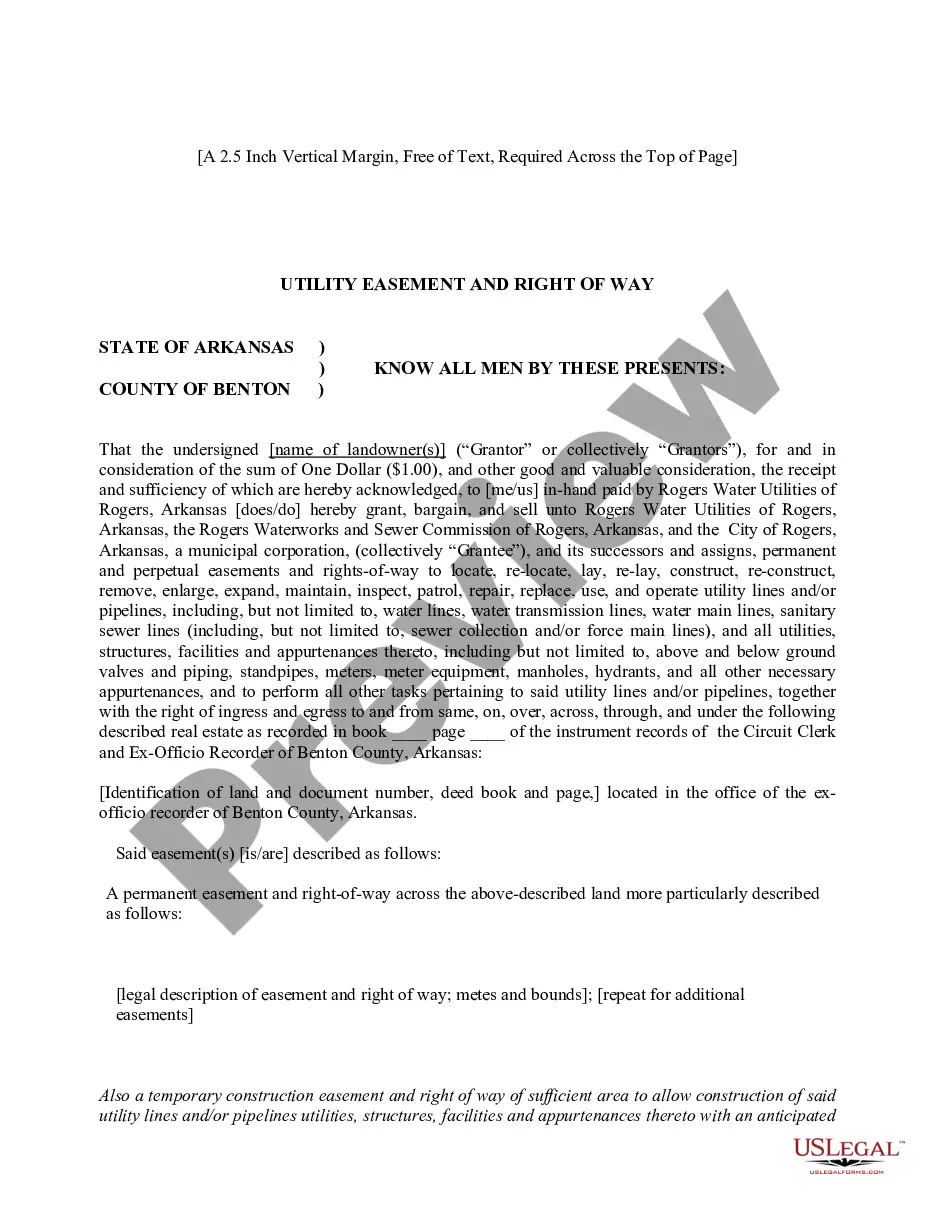
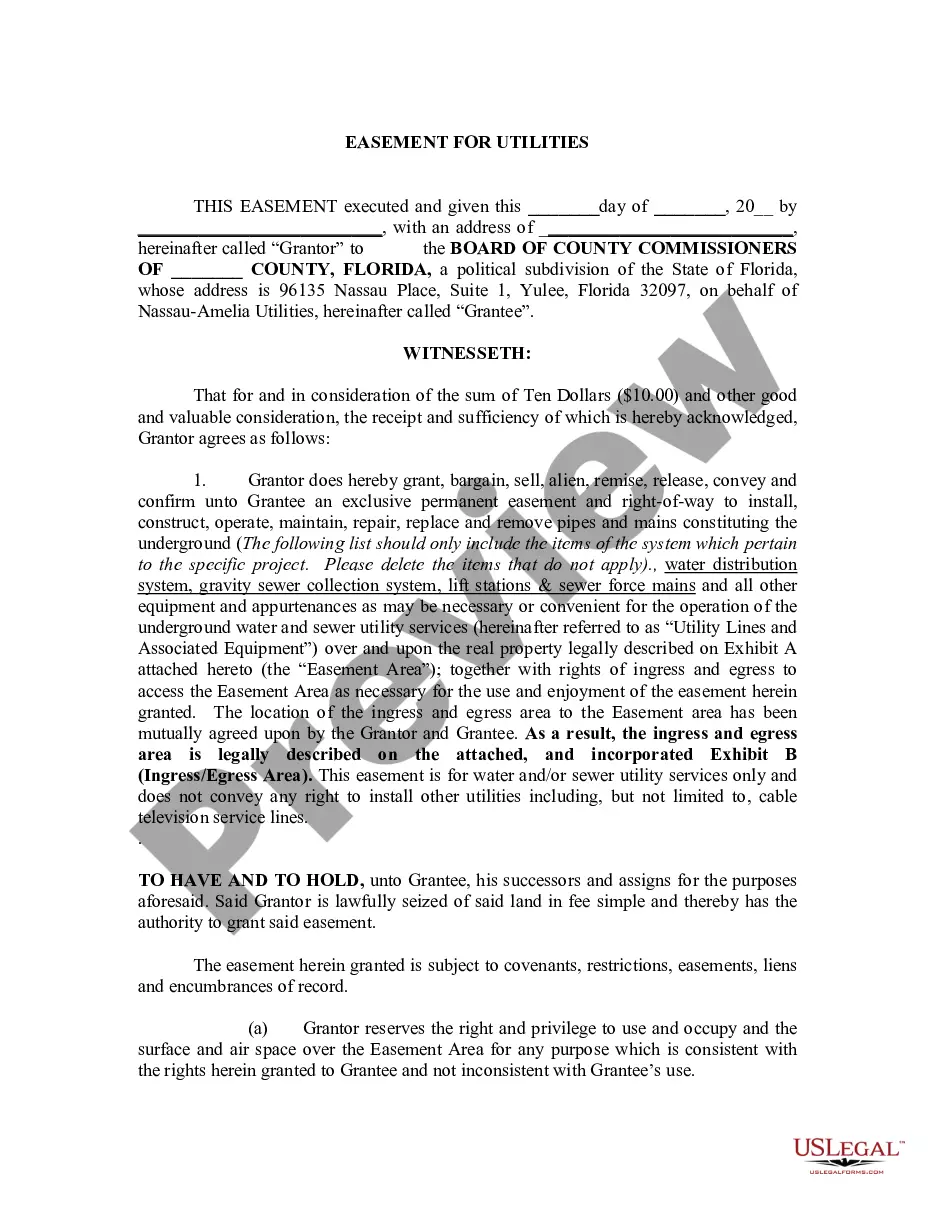
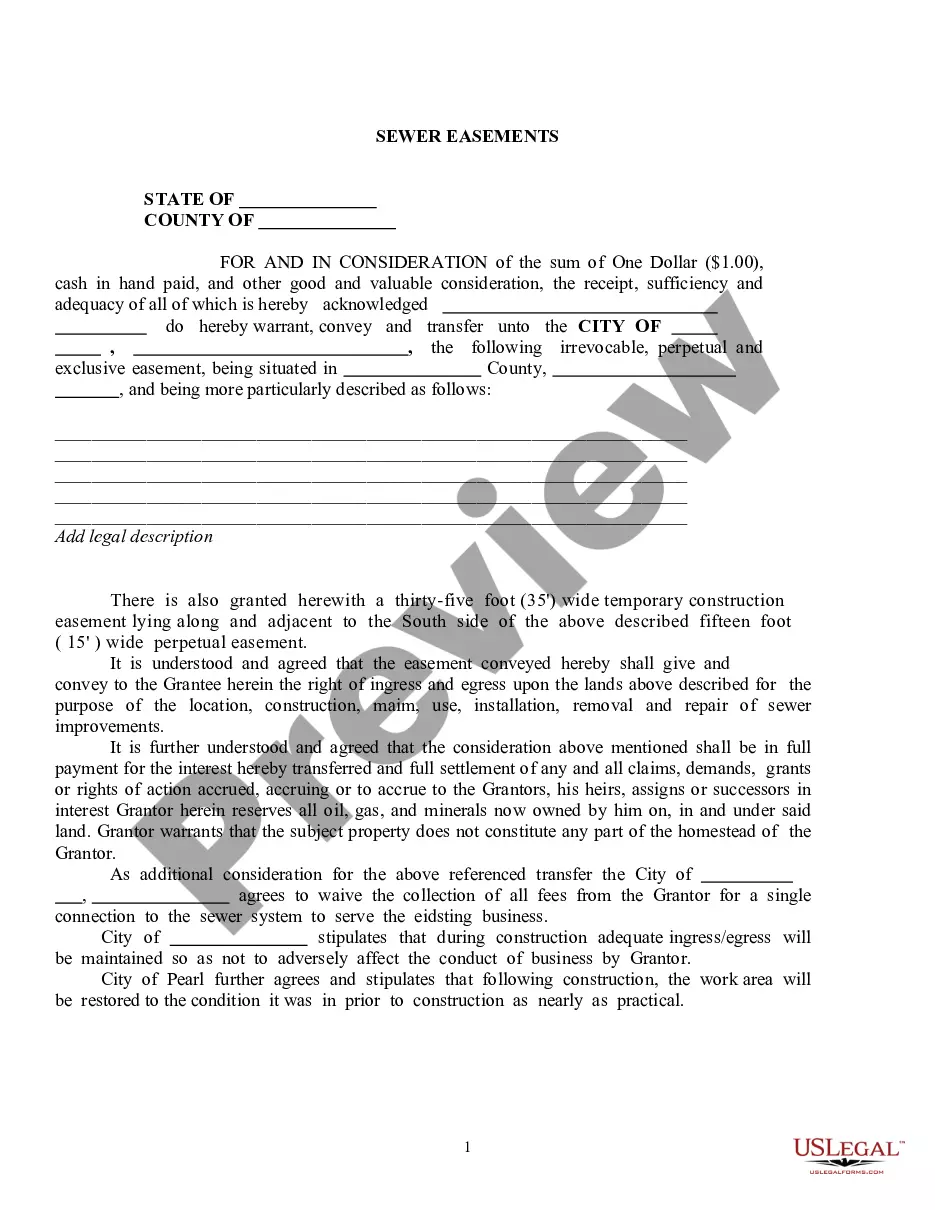
A sewer easement is a legal document that grants the right to access another person's property for the purpose of installing or maintaining sewer improvements. This form provides both temporary construction easements and irrevocable, perpetual easements, allowing utility companies or property owners to manage sewer lines effectively. Unlike general property easements, sewer easements specifically focus on installations related to waste disposal and drainage systems.
Form components explained
- Identification of the grantor and grantee involved in the easement.
- Description of the specific property where the easement is granted.
- Details of the temporary construction easement duration.
- Terms regarding the irrevocable and exclusive nature of the sewer easement.
- Consideration terms, including any payments or settlements exchanged between parties.

Common use cases
This form is necessary when a property owner needs to allow a utility company or a neighboring landowner to access their property for sewer line installation or maintenance. It is particularly relevant during new construction projects, property renovations, or routine maintenance of sewer systems, ensuring that necessary access rights are legally documented.
Who needs this form
- Property owners who are granting access rights for sewer installation.
- Utility companies needing to establish easements for sewer lines.
- Real estate developers involved in construction projects requiring sewer infrastructure.
- Attorneys or legal representatives managing real estate transactions.
Steps to complete this form
- Identify all parties involved by filling in the names of the grantor and grantee.
- Clearly describe the location and dimensions of the property where the easement will apply.
- Specify the duration of the temporary construction easement.
- State the terms of the irrevocable easement and any limitations on its use.
- Document the consideration agreed upon by both parties for granting the easement.
Does this form need to be notarized?
To make this form legally binding, it must be notarized. Our online notarization service, powered by Notarize, lets you verify and sign documents remotely through an encrypted video session.
Get your form ready online
Our built-in tools help you complete, sign, share, and store your documents in one place.
Make edits, fill in missing information, and update formatting in US Legal Forms—just like you would in MS Word.
Download a copy, print it, send it by email, or mail it via USPS—whatever works best for your next step.
Sign and collect signatures with our SignNow integration. Send to multiple recipients, set reminders, and more. Go Premium to unlock E-Sign.
If this form requires notarization, complete it online through a secure video call—no need to meet a notary in person or wait for an appointment.
We protect your documents and personal data by following strict security and privacy standards.

Make edits, fill in missing information, and update formatting in US Legal Forms—just like you would in MS Word.

Download a copy, print it, send it by email, or mail it via USPS—whatever works best for your next step.

Sign and collect signatures with our SignNow integration. Send to multiple recipients, set reminders, and more. Go Premium to unlock E-Sign.

If this form requires notarization, complete it online through a secure video call—no need to meet a notary in person or wait for an appointment.

We protect your documents and personal data by following strict security and privacy standards.
Typical mistakes to avoid
- Failing to accurately describe the property involved in the easement.
- Not specifying the duration of the temporary easement.
- Leaving out signatures or necessary dates.
- Misunderstanding the implications of irrevocable easements.
Benefits of completing this form online
- Convenient access to downloadable forms tailored by licensed attorneys.
- Ability to edit your form easily to suit specific needs.
- Reliable templates that meet legal standards for various jurisdictions.
Looking for another form?
Form popularity
FAQ
Sewer easements are common in private property and are mostly located along the rear or front boundary of a property. They exist over a portion of land that contains sewers or sewerage facilities. Council requires reasonable access to these areas and clear access to manholes.
You can terminate an easement by release. A release is a surrender of a right or interest, such as an easement. Only the person holding the right can release it, such as the owner of the dominant estate in an easement appurtenant or the holder of an easement in gross.
An easement is extinguished when the dominant owner releases it, expressly or impliedly, to the servient owner. Such release can be made only in the circumstances and to the extent in and to which the dominant owner can alienate the dominant heritage.A, without the consent of B and C, release the easement.
Many properties have drainage easements within them, and if you're purchasing a home you will see the outline of the easement on the title plan. You can't build in such an easement, so in that sense it affects the future value of the property.For the most part, though, drainage easements do not impact home value.
A drainage easement is a legal right to use a parcel of land for a specific purpose. In this case, orderly flow of water. They are essential for controlling stormwater runoff and often contain engineered best management practices.
The party gaining the benefit of the easement is the dominant estate (or dominant tenement), while the party granting the benefit or suffering the burden is the servient estate (or servient tenement). For example, the owner of parcel A holds an easement to use a driveway on parcel B to gain access to A's house.
Courts generally assume easements are created to last forever unless otherwise indicated in the document creating the easement. Despite this, an individual granting an easement should avoid any potential problems by expressly providing that the easement is permanent.
Quiet the Title. Allow the Purpose for the Easement to Expire. Abandon the Easement. Stop Using a Prescriptive Easement. Destroy the Reason for the Easement. Merge the Dominant and Servient Properties. Execute a Release Agreement.
A property easement is a legal situation in which the title to a specific piece land remains with the landowner, but another person or organization is given the right to use that land for a distinct purpose.