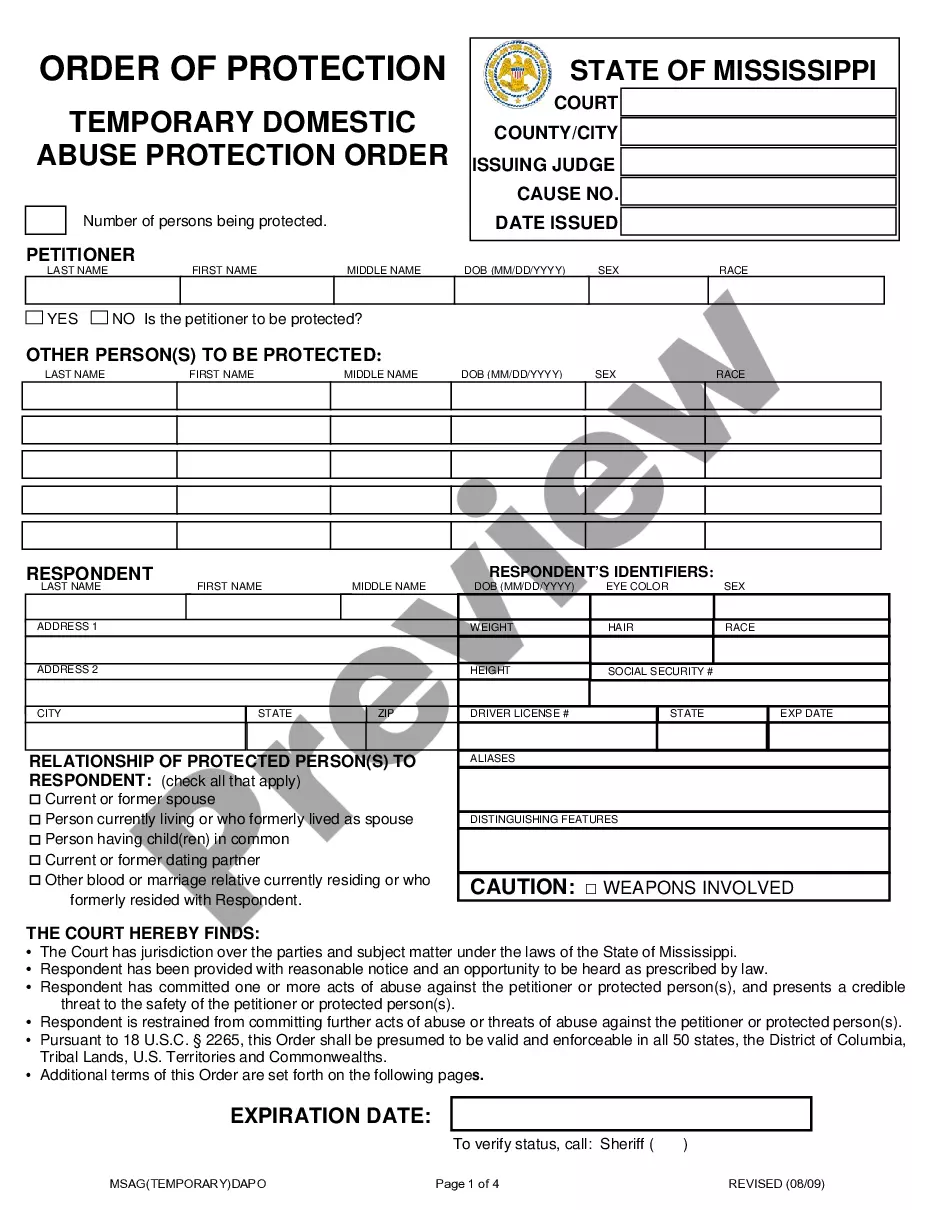
Mississippi Temporary Domestic Abuse Protective Order
What is this form?
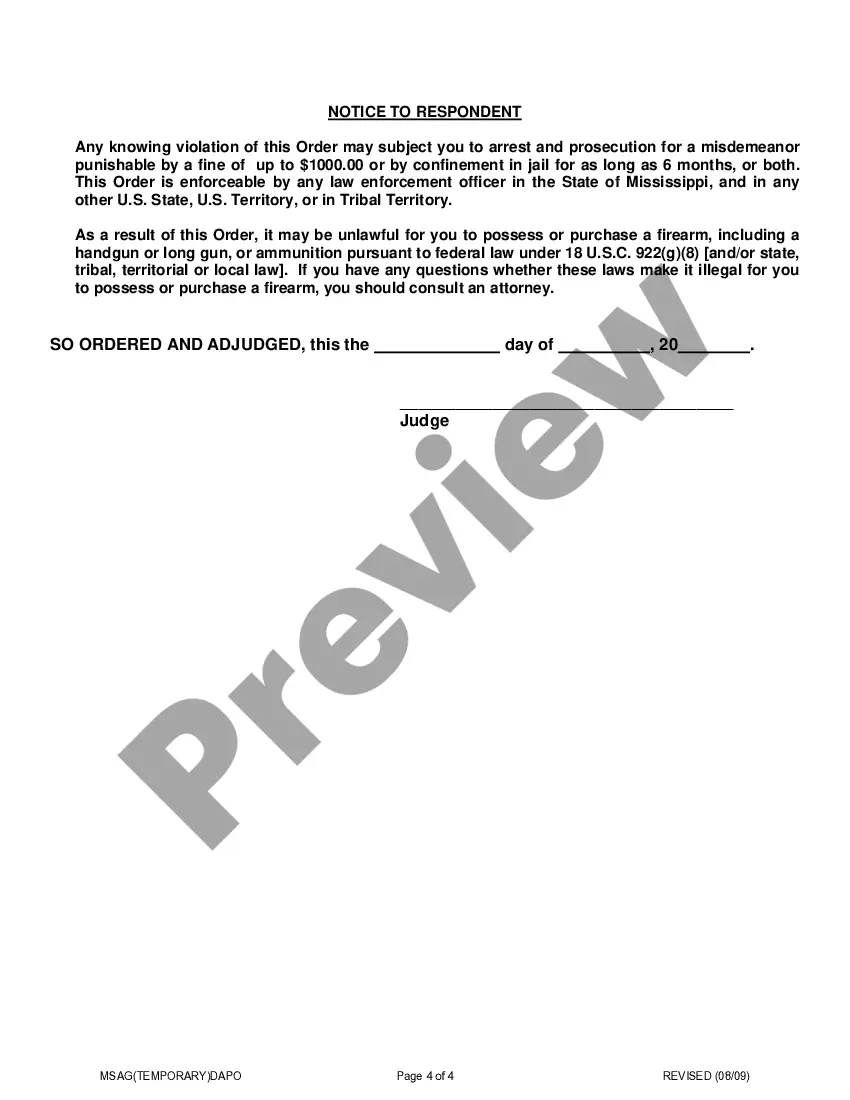
The Temporary Domestic Abuse Protective Order is a legal document issued by a court to provide immediate protection for individuals facing domestic abuse. This order is designed to prevent further acts of abuse by prohibiting the respondent from contacting or harming the protected person(s). Unlike a permanent protective order, this form is temporary and often issued after a hearing has taken place.
Key parts of this document
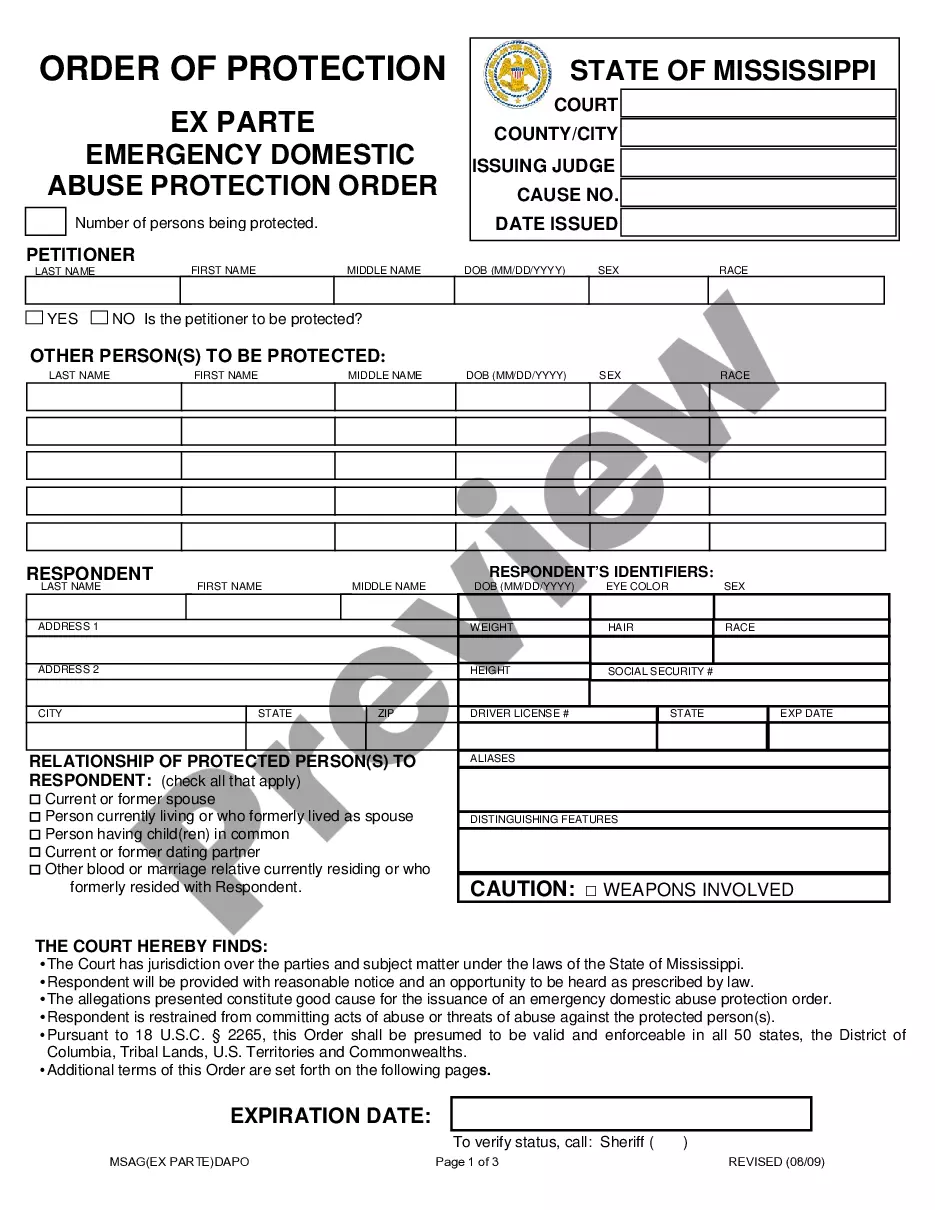
- Identification of the protected person(s) and their relationship to the respondent.
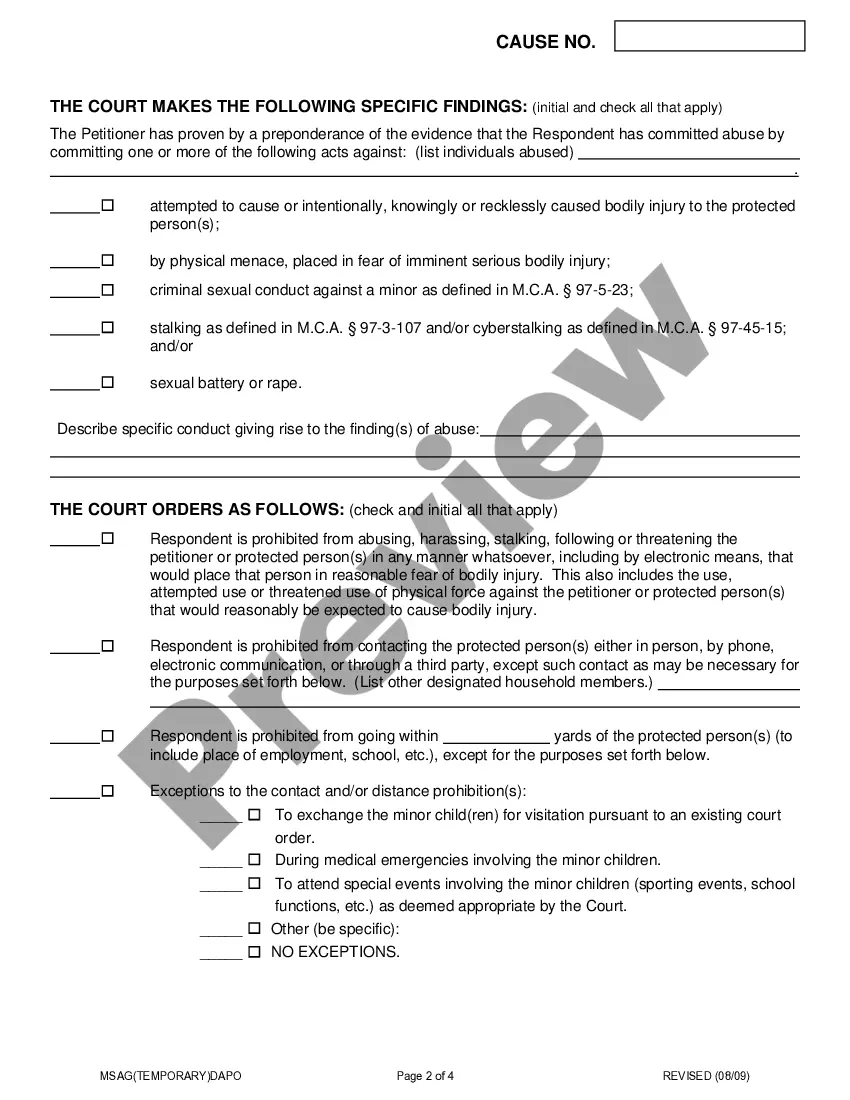
- Court findings regarding the jurisdiction, notice to the respondent, and acts of abuse.
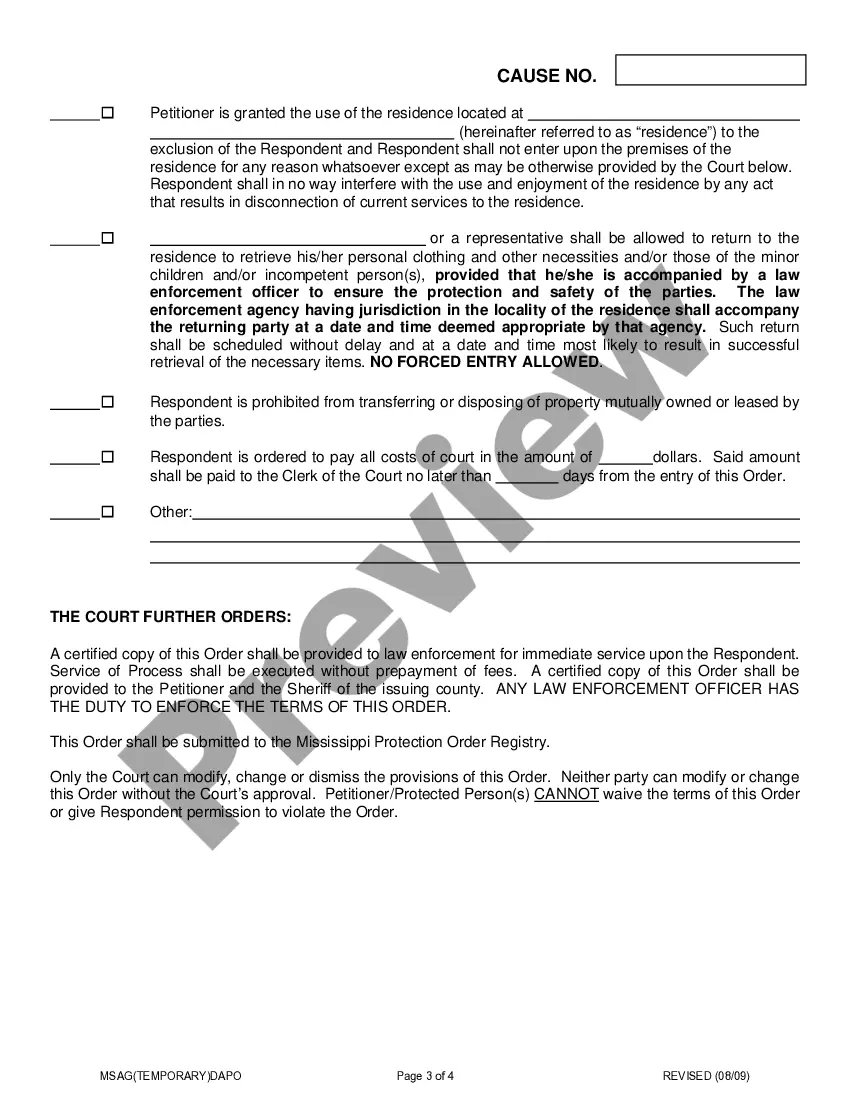
- Restrictions placed on the respondent, including harm prevention and contact prohibition.
- Space for identifying additional individuals to be protected.
- Details regarding the issuing court, judge, and expiration date of the order.
Situations where this form applies
This form should be used when an individual has experienced domestic abuse and needs immediate protection from the respondent. Common scenarios include situations where the abuse has been physical, emotional, or threatening and the victim fears for their safety or the safety of their children. This protective order is often sought during a court hearing where both parties are present.
Who should use this form
- Individuals who have been victims of domestic abuse.
- Parents or guardians seeking protection for their children from an abusive partner.
- Anyone in a current or former intimate relationship with the respondent or related by blood or marriage.
Steps to complete this form
- Identify the petitioner and the individuals to be protected along with their relationships to the respondent.
- Provide personal details of the respondent, including names and identifiers, to ensure proper identification.
- Complete the court's findings section to establish jurisdiction and details about the acts of abuse.
- Sign and date the form where required, ensuring all information is accurate.
- Submit the completed form to the appropriate court for review and issuance of the protective order.
Does this form need to be notarized?
This form does not typically require notarization unless specified by local law. It is important to check the specific regulations of your jurisdiction to ensure compliance.
Get your form ready online
Our built-in tools help you complete, sign, share, and store your documents in one place.
Make edits, fill in missing information, and update formatting in US Legal Forms—just like you would in MS Word.
Download a copy, print it, send it by email, or mail it via USPS—whatever works best for your next step.
Sign and collect signatures with our SignNow integration. Send to multiple recipients, set reminders, and more. Go Premium to unlock E-Sign.
If this form requires notarization, complete it online through a secure video call—no need to meet a notary in person or wait for an appointment.
We protect your documents and personal data by following strict security and privacy standards.

Make edits, fill in missing information, and update formatting in US Legal Forms—just like you would in MS Word.

Download a copy, print it, send it by email, or mail it via USPS—whatever works best for your next step.

Sign and collect signatures with our SignNow integration. Send to multiple recipients, set reminders, and more. Go Premium to unlock E-Sign.

If this form requires notarization, complete it online through a secure video call—no need to meet a notary in person or wait for an appointment.

We protect your documents and personal data by following strict security and privacy standards.
Mistakes to watch out for
- Failing to accurately identify all individuals to be protected.
- Leaving any sections of the form incomplete or unclear.
- Not providing sufficient evidence of abuse during the hearing.
- Neglecting to check for additional requirements that may vary based on jurisdiction.
Benefits of completing this form online
- Convenience of downloading and printing the form directly from home.
- Ability to edit the form easily before submission.
- Access to reliable templates drafted by licensed attorneys to ensure legal compliance.
Legal use & context
- The Temporary Domestic Abuse Protective Order is legally enforceable across all 50 states, as established by federal law.
- It serves as an immediate legal shield for individuals facing threats or acts of domestic violence.
- Protected individuals should regularly review the terms of the order and report any violations to law enforcement.
Quick recap
- The form is essential for individuals seeking immediate protection from domestic abuse.
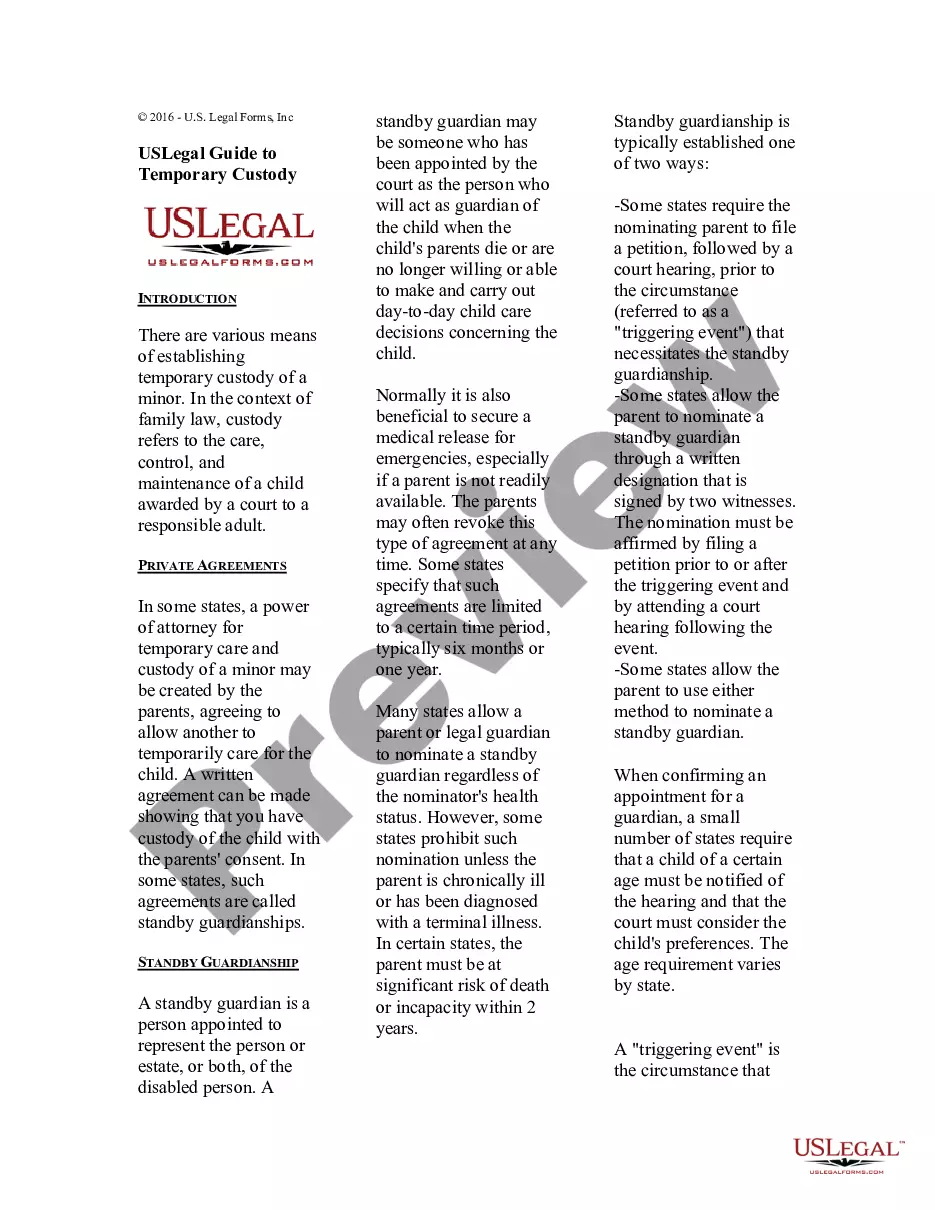
- It is temporary, requiring a follow-up for a permanent order if needed.
- Proper completion and submission are crucial for effective legal protection.
Looking for another form?




Form popularity
FAQ
The court is looking for a description of your relationship to the respondent, when, where, what happened, and who did what to whom. Using the facts of the incident only, keep your statement brief and to the point. Briefly describe the most recent incident of abuse and/or threats of abuse or other behaviors.
Under section 93-21-7(2) of the Mississippi Code, there is no cost to file for a protection order. . temporary restraining order. the clerk will fill out the information for you.
A civil harassment restraining order is a court order that helps protect people from violence, stalking, serious harassment, or threats of violence. You can ask for a civil harassment restraining order if: A person has abused (or threatened to abuse), sexually assaulted, stalked, or seriously harassed you, and.
It does not cost anything to file for an order of protection. Many orders of protection cases are handled without a lawyer however it can often be helpful to have one represent you in court.If you are going to be in court without a lawyer, our Preparing for Court By Yourself section may be useful to you.
Consider Hiring an Attorney. Prepare Your Evidence in an Organized Fashion. Preserve Your Constitutional Right Against Self-Incrimination if a Criminal Case is Pending. Be Mindful of Proof of Service. Do Not Underestimate the Burden of Proof.
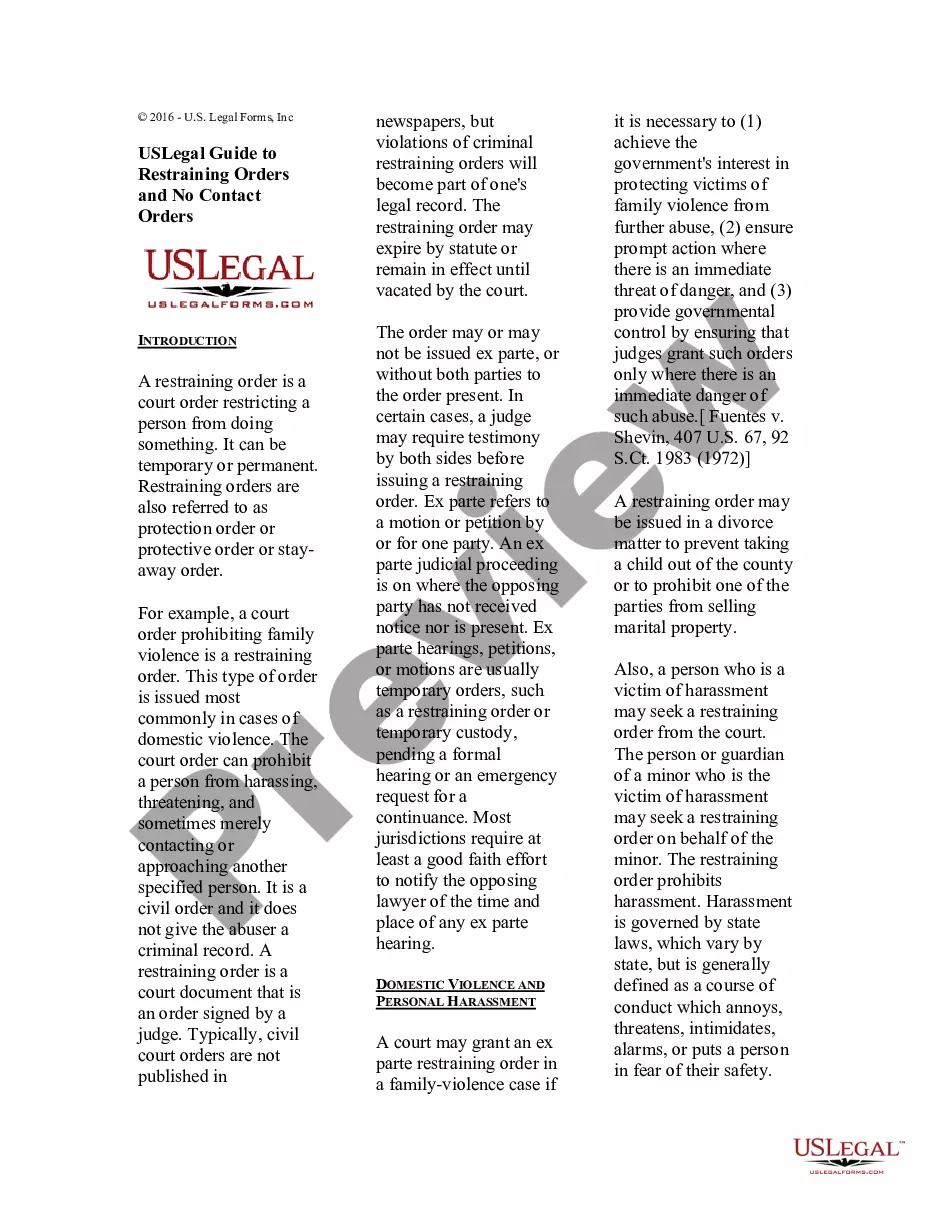
These are orders to stop specific acts against everyone named in the restraining order as a protected person. Some of the things that the restrained person can be ordered to stop are: Contacting, calling, or sending any messages (including e-mail);
If a person is subject to a restraining order and violates it, he or she can face serious penalties.Even if the parties no longer desire the restraining order to be in effect, the restraining order is still valid and enforceable while in effect. In order to remove it, the restraining order must be lifted by the court.
File and Answer to the TRO. Tell your side of the story at the mandatory hearing, where the court will review the temporary restraining order and decide whether or not to grant it.
Temporary restraining orders usually last between 20 and 25 days, until the court hearing date. When you go to court for the hearing that was scheduled for your TRO, the judge may issue a permanent restraining order. They are not really permanent because they usually last up to 5 years.