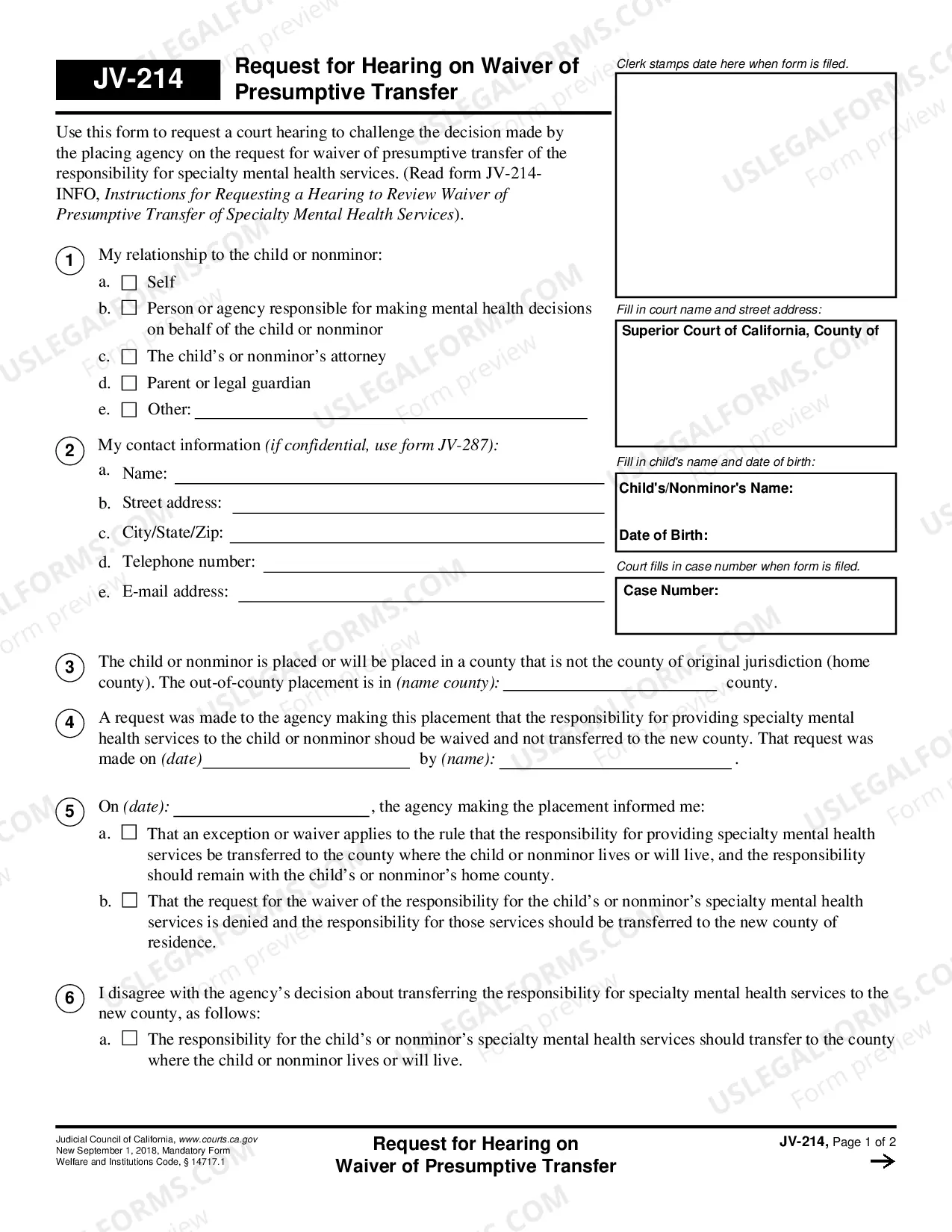
Mississippi Order Approving Final Accounting, Payment of Claims and Closing of Probate Estate
About this form
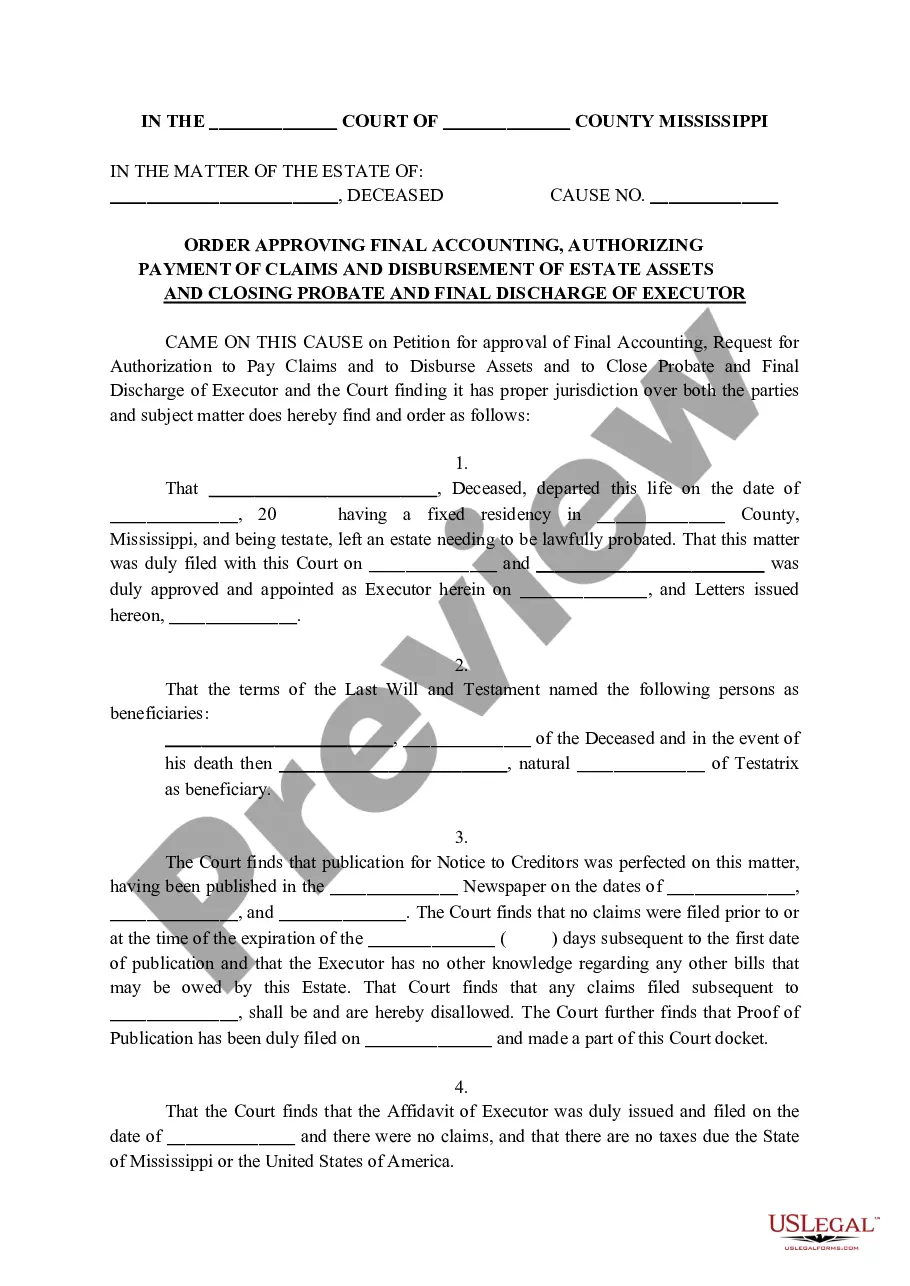
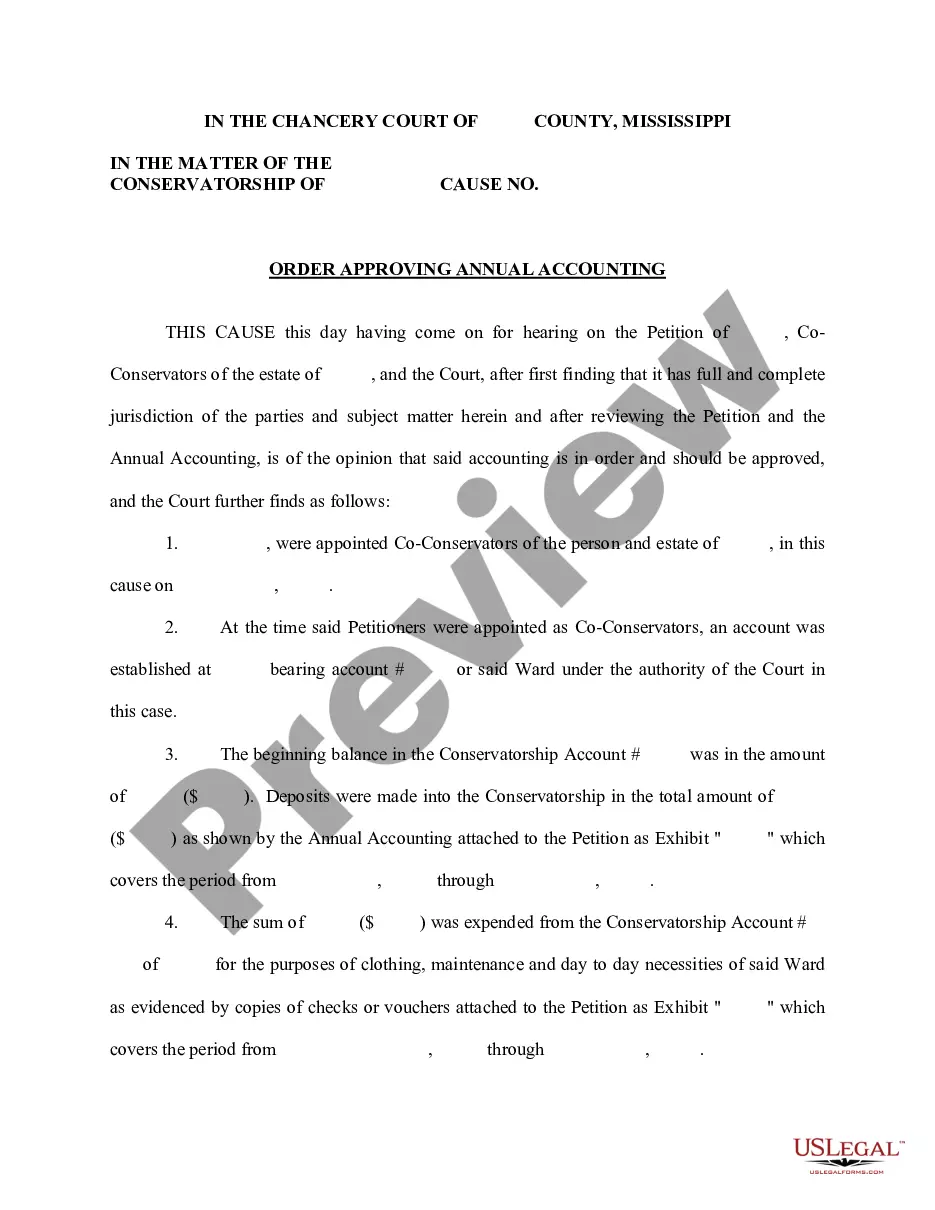
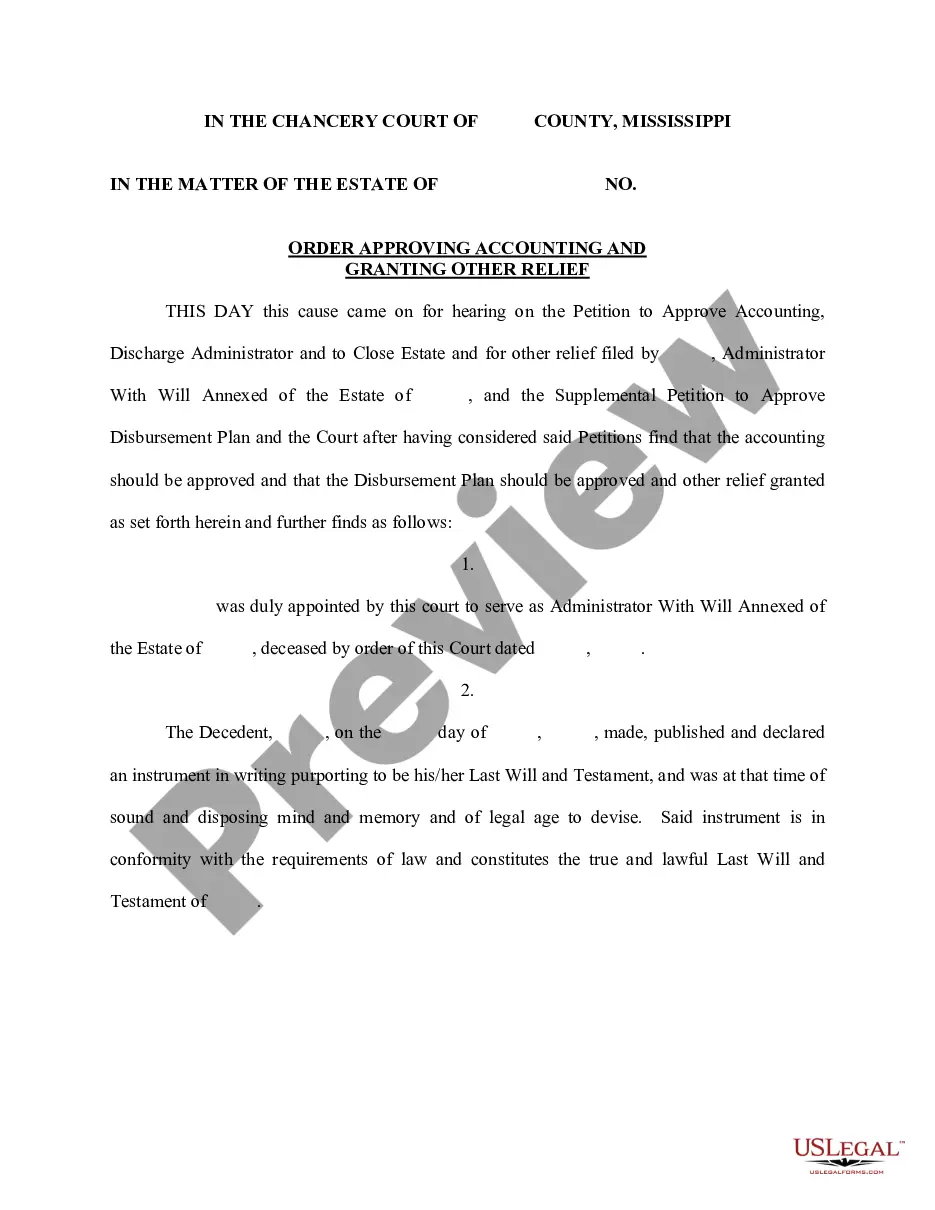
The Order Approving Final Accounting, Payment of Claims and Closing of Probate Estate is a legal document used in probate proceedings. It authorizes the court to approve the final accounting of the estate, permit the payment of claims, disburse estate assets, and ultimately close the probate estate. This form is critical in ensuring that the executor is officially discharged from their duties after fulfilling all financial obligations of the deceased's estate. Unlike other probate forms, this order specifically concludes the probate process.
Main sections of this form
- Identification of the court and the estate, including the name of the deceased.
- Details regarding the executor and the appointment process.
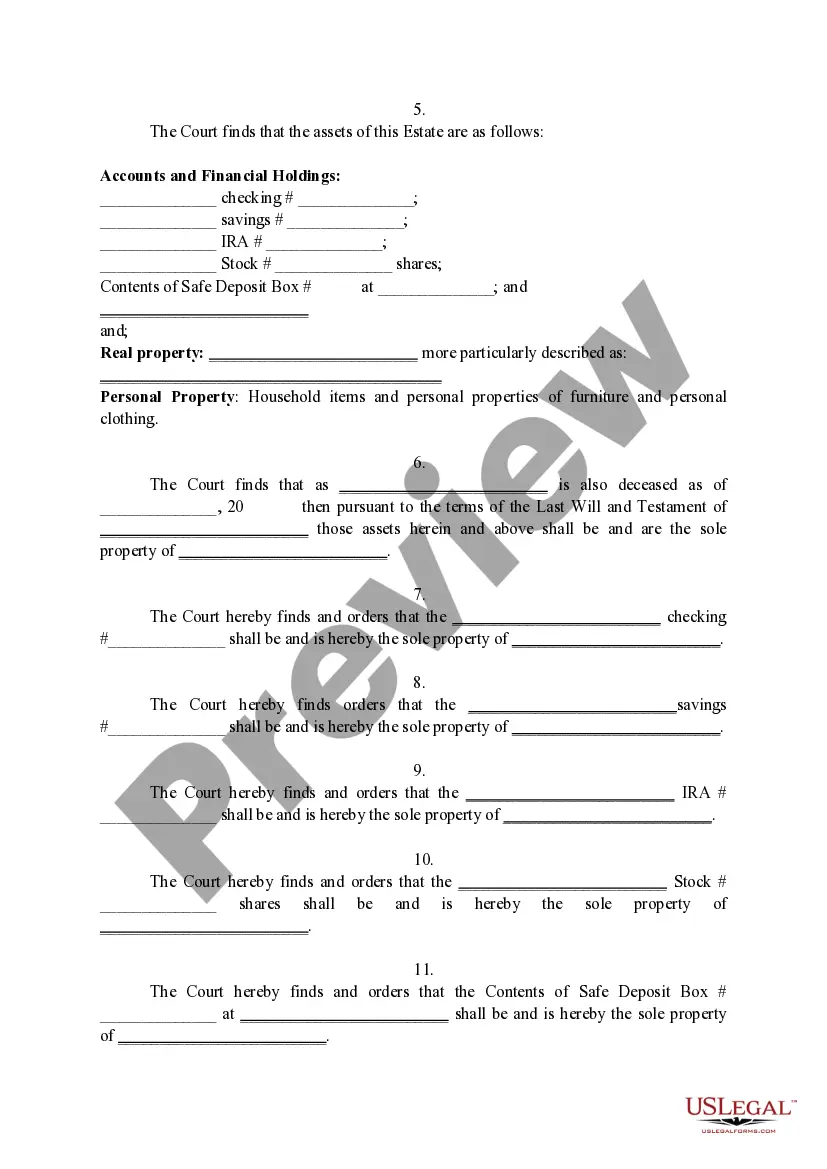
- Statement of the estateâs assets, including bank accounts and real property.
- Confirmation of publication for notice to creditors.
- Authorization for payments and asset disbursements to beneficiaries.
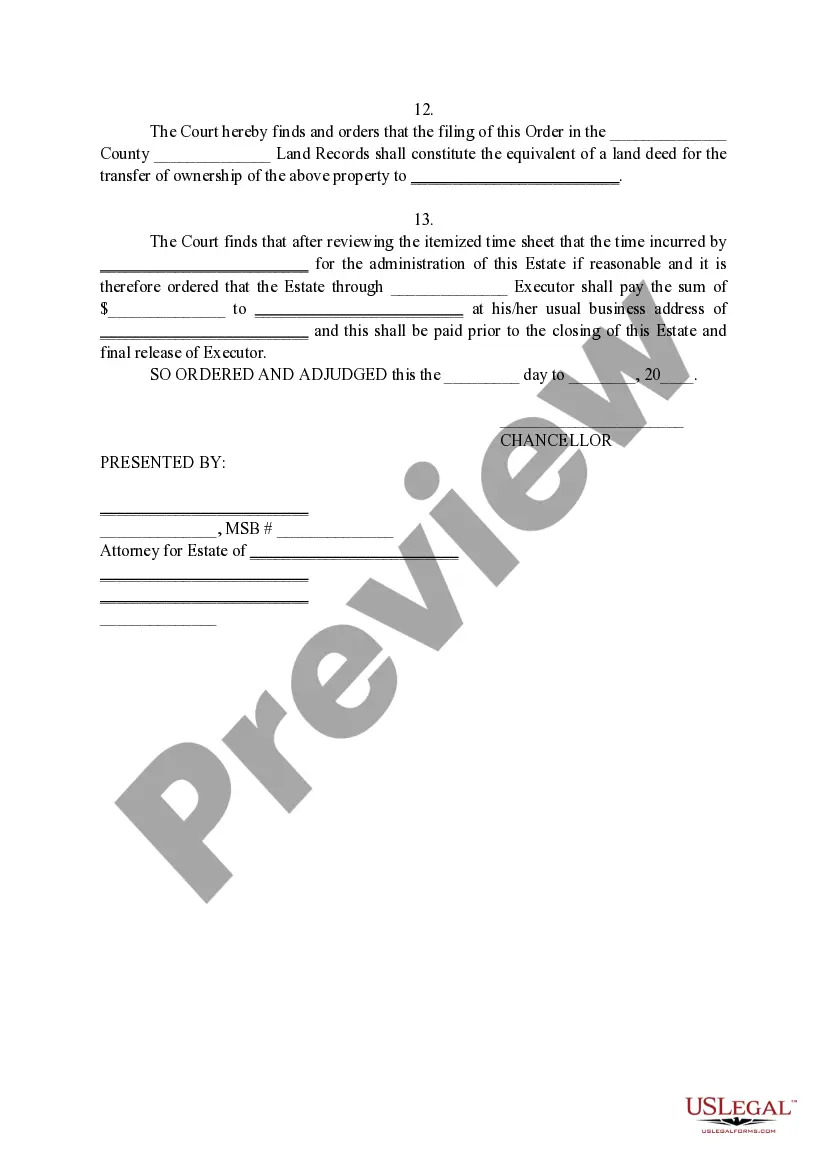
- Final discharge and release of the executor after all duties are completed.
When this form is needed
This form should be used after the executor has completed the administration of the estate but before the final closure of the probate proceedings. It is essential when there are financial obligations to settle and when the distribution of assets to beneficiaries is ready to be finalized. This document is crucial for the official closure of the estate and to release the executor from their responsibilities legally.
Who should use this form
- Executors who have administered a will and need to formally close a probate estate.
- Beneficiaries seeking to ensure that all debts are settled before distributions occur.
- Attorneys representing the estate in probate proceedings.
- Heirs or creditors anticipating payment from the estate.
Instructions for completing this form
- Begin by entering the appropriate court information and the name of the deceased.
- Document the dates of death and the appointment of the executor.
- List all assets of the estate along with their respective values.
- Indicate any claims against the estate and confirm the publication of notices to creditors.
- Authorize the distribution of assets to beneficiaries according to the last will and testament.
- Finalize by filling in all signature fields, ensuring that the form is dated properly.
Does this document require notarization?
This form does not typically require notarization unless specified by local law. However, it is advisable to check the requirements specific to your jurisdiction to ensure compliance. For added convenience, US Legal Forms offers integrated online notarization services.
Get your form ready online
Our built-in tools help you complete, sign, share, and store your documents in one place.
Make edits, fill in missing information, and update formatting in US Legal Forms—just like you would in MS Word.
Download a copy, print it, send it by email, or mail it via USPS—whatever works best for your next step.
Sign and collect signatures with our SignNow integration. Send to multiple recipients, set reminders, and more. Go Premium to unlock E-Sign.
If this form requires notarization, complete it online through a secure video call—no need to meet a notary in person or wait for an appointment.
We protect your documents and personal data by following strict security and privacy standards.

Make edits, fill in missing information, and update formatting in US Legal Forms—just like you would in MS Word.

Download a copy, print it, send it by email, or mail it via USPS—whatever works best for your next step.

Sign and collect signatures with our SignNow integration. Send to multiple recipients, set reminders, and more. Go Premium to unlock E-Sign.

If this form requires notarization, complete it online through a secure video call—no need to meet a notary in person or wait for an appointment.

We protect your documents and personal data by following strict security and privacy standards.
Avoid these common issues
- Failing to list all estate assets or providing incorrect values.
- Neglecting to confirm publication for notice to creditors.
- Omitting necessary signatures or failing to date the form.
- Not providing documentation supporting the claims against the estate.
Advantages of online completion
- Convenience of downloading and completing the form at your own pace.
- Editability allows for easy updates if necessary information changes.
- Access to attorney-drafted content ensures legal accuracy and reliability.
What to keep in mind
- This form finalizes the probate process and releases the executor from duties.
- It requires accurate reporting of estate assets and claims.
- Use this form in Mississippi to ensure compliance with state laws.
Looking for another form?
Form popularity
FAQ
Closing the Estate as an Executor Once the petition has been filed with the closing statement, time counts down for one year. At the end of that year, the executor's appointment is terminated. During this time, beneficiaries and creditors have a right to file a claim against the estate or the executor.
The Executor's Final Act, Closing an Estate The personal representative, now without any estate funds to pay his lawyer, must respond. Even if the charges are baseless, the executor is stuck paying the legal bill. Instead, before making any distribution, the administrator should insist on receiving a release.
Guide to probate. Register the death.Find out if there's a will. Before you do anything else, find out if there's a will.Apply for a grant of probate and sort inheritance tax.Tell ALL organisations and close accounts.Pay off any debts.Claim on any life insurance plans.Value the estate.Share out the remaining assets.
3 attorney answers That means that the estate has been closed. In other words, all the matters of the distribution of the estate have been resolved. If your sister did not follow proper procedure, you may be able to re-open the estate.
If an estate is not properly probated and closed in a timely manner, there may be a number of consequences that can jeopardize the estate: The statute of limitations for creditors' claims is extended. Assets may lose value or be lost altogether. The state may claim the assets.
However, if the other beneficiary is someone you do not know well, someone who you suspect will spend all the money right away, or someone who will not readily help you pay for a future bill, then you should keep the account open, perhaps until two years have passed since the date of death.
If you are named as an executor in the deceased's will, you must produce proof of your executor status and provide a certified copy of the death certificate before the bank will provide access to the account.Present either of these letters to the bank along with the death certificate to close the account.
Notify all creditors. File tax returns and pay final taxes. File the final accounting with the probate court. Distribute remaining assets to beneficiaries. File a closing statement with the court.
In the best of circumstances, the Mississippi probate process usually takes 4 to 6 months. This would only be possible if the estate was fairly simple, all interested parties are agreeable, and documents are signed and returned to the probate attorney in a timely manner.