Mississippi Nonexclusive Commission Agreement
What is this form?
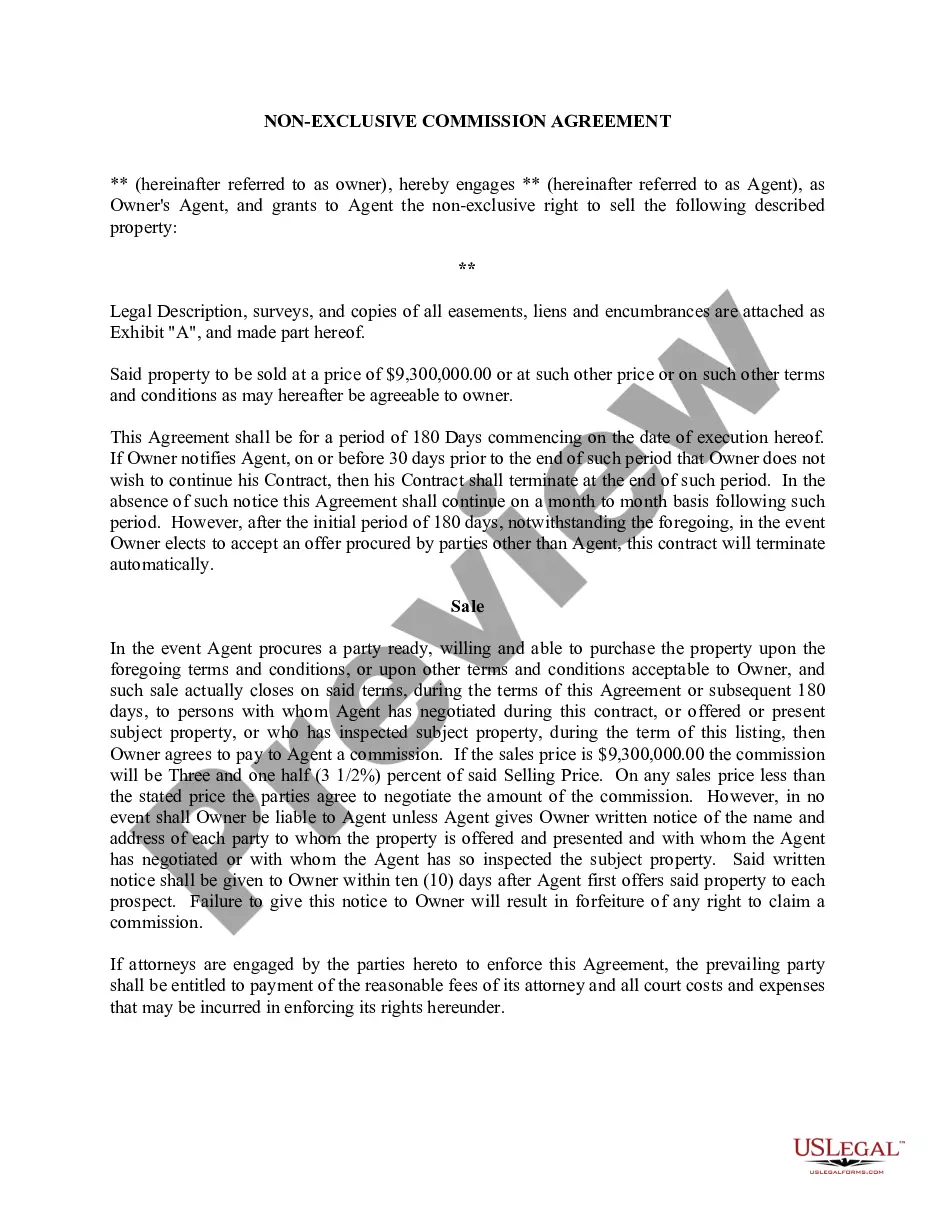
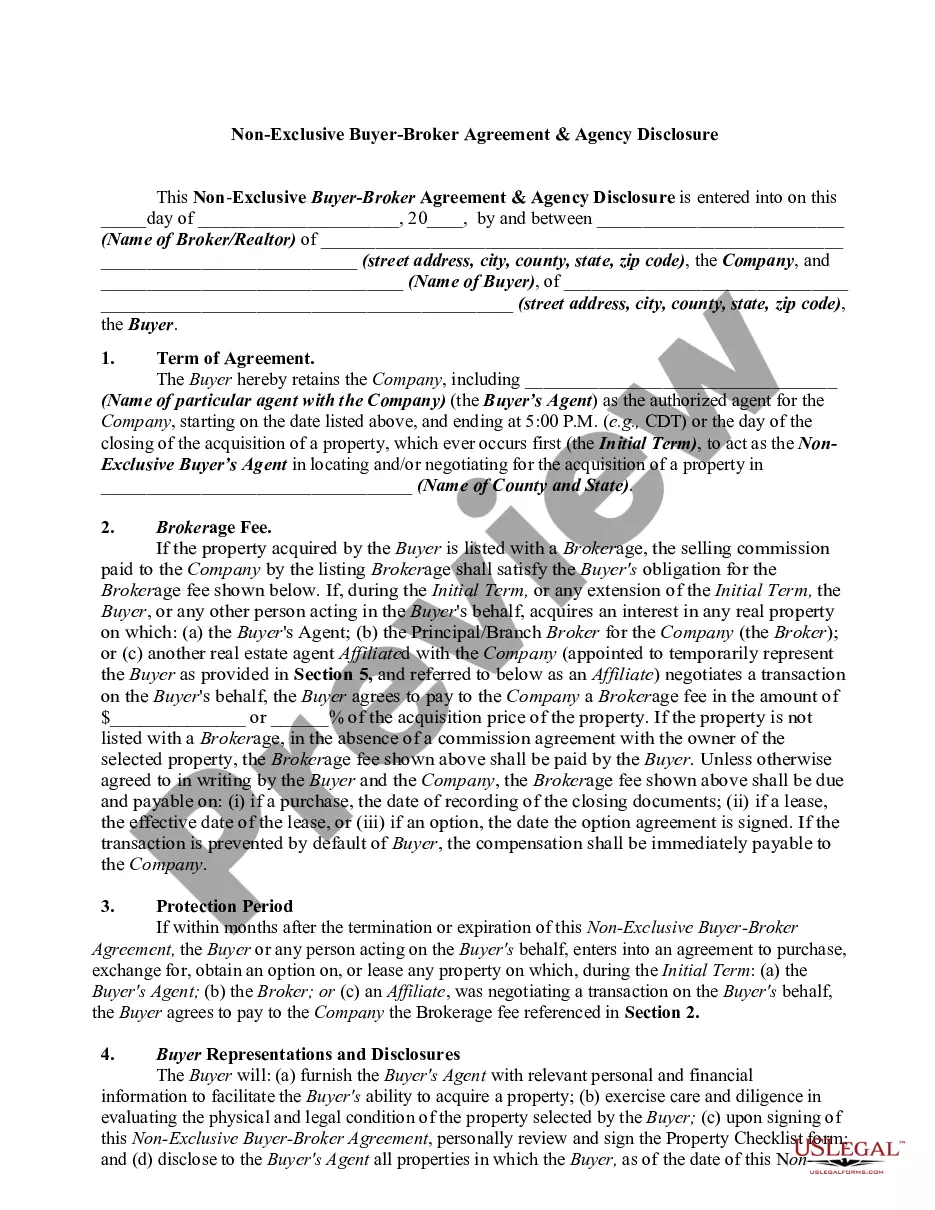
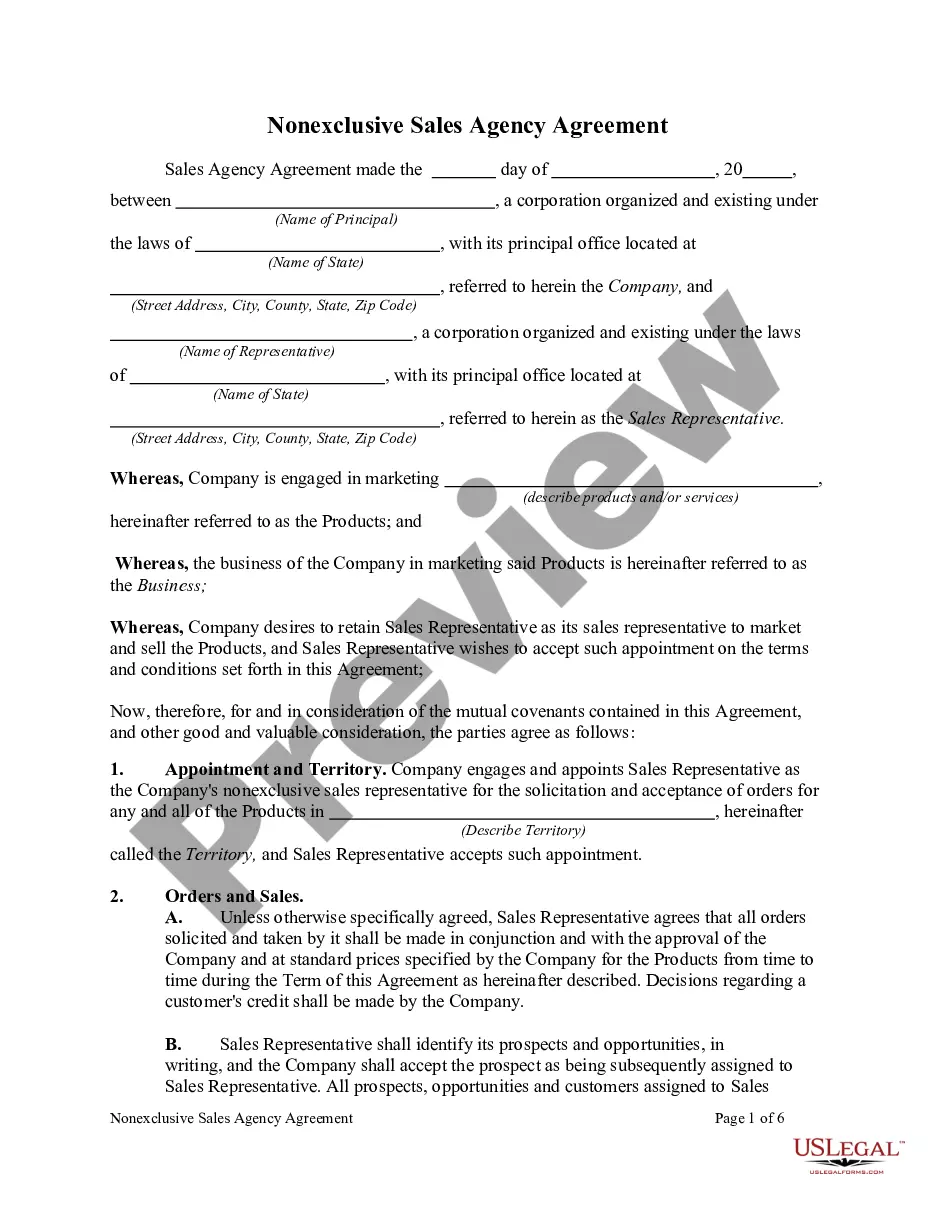
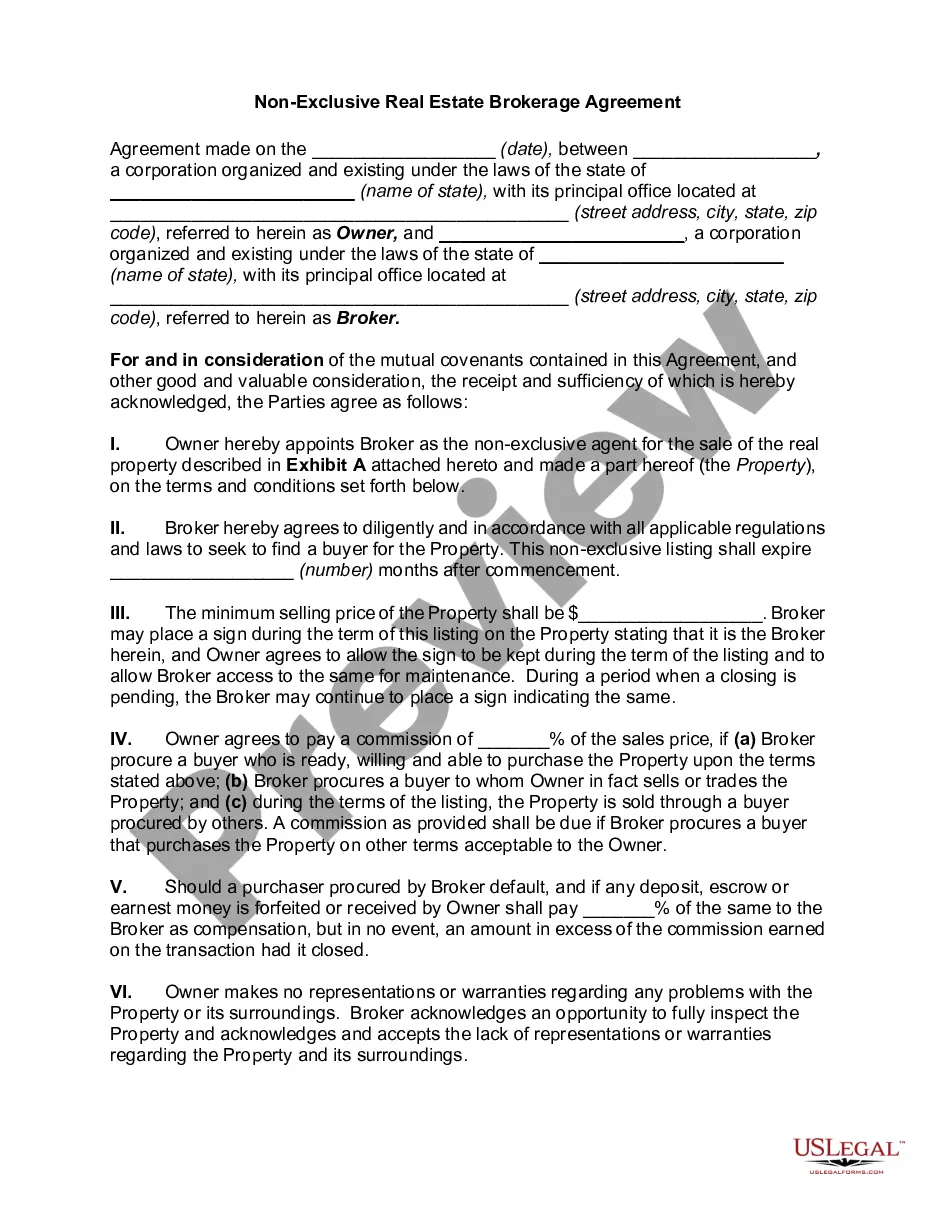
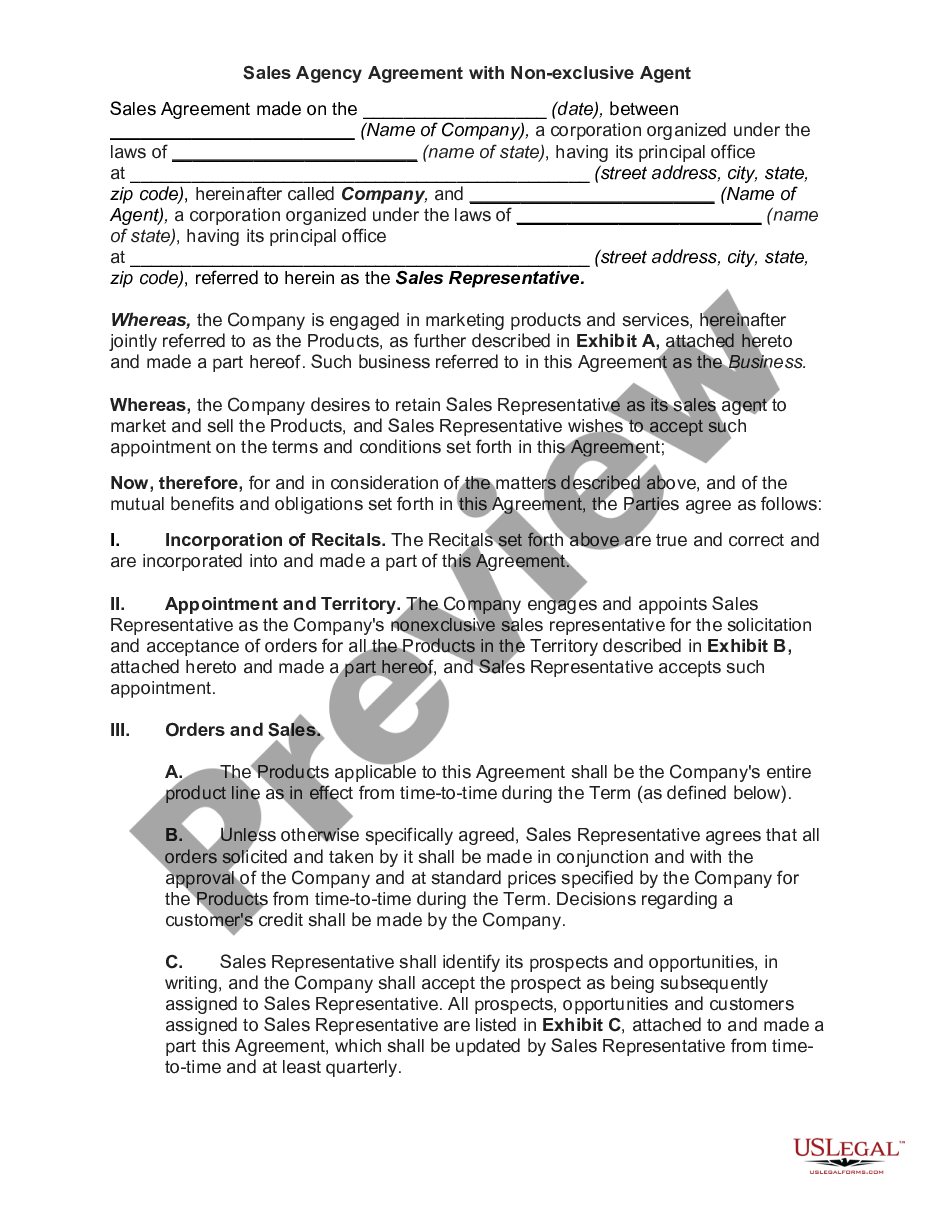
The Nonexclusive Commission Agreement is a legally binding document that allows an agent to sell property on behalf of the owner in Mississippi. This form grants the agent the right to seek buyers while ensuring that the owner retains flexibility by allowing multiple agents to represent the property. Unlike exclusive agreements, this nonexclusive format enables the owner to work with different agents simultaneously, maximizing the potential for a successful sale.
What’s included in this form
- Parties involved: Clearly identifies the owner and agent.
- Property description: Includes legal descriptions and relevant documentation.
- Commission terms: Specifies commission rates and conditions under which payments are made.
- Duration: States the valid period for the agreement and conditions for renewal or termination.
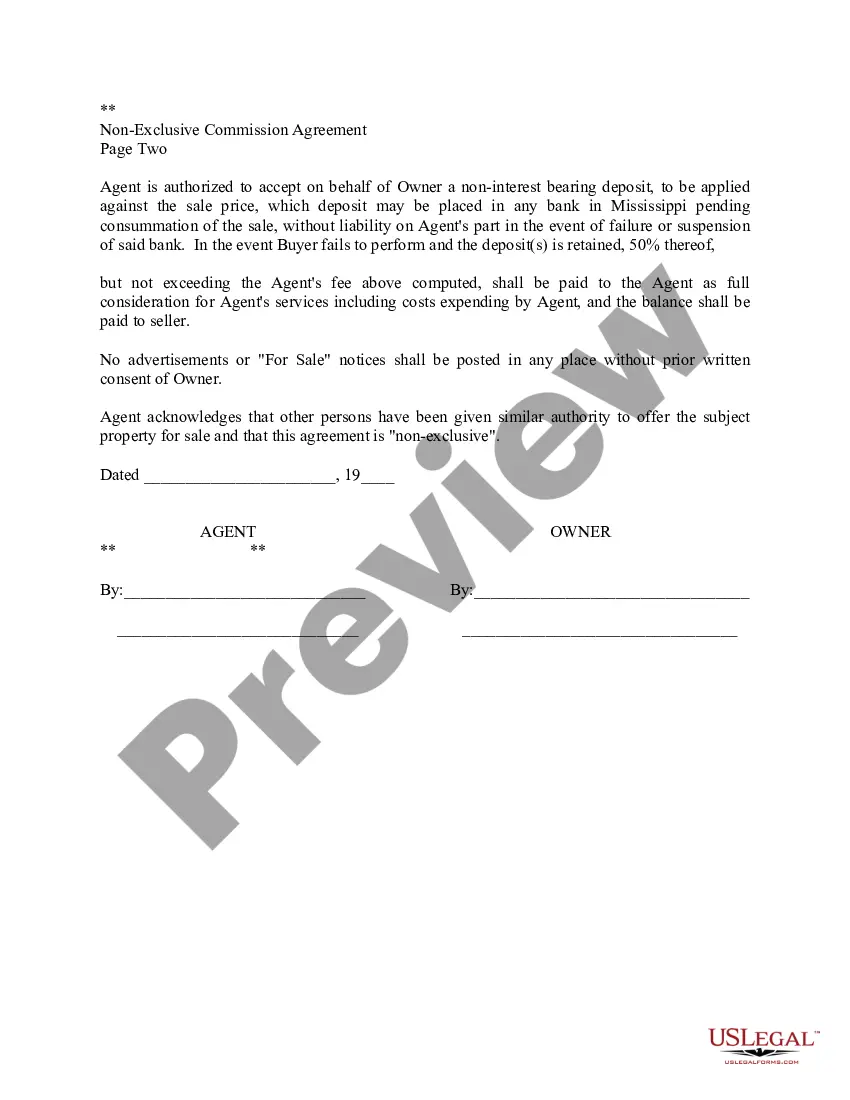
- Deposit handling: Outlines the process for handling buyer deposits during transactions.
- Notice requirements: Details the notification needed for potential buyers and commission claims.
When to use this form
This form is essential when a property owner wishes to sell real estate but does not want to limit themselves to a single agent. It can be used when multiple agents are involved in marketing the property or when the owner prefers flexibility in the sales process. It is applicable to various scenarios, such as residential, commercial, or investment property sales.
Intended users of this form
This form is intended for:
- Property owners looking to sell their real estate without exclusivity.
- Real estate agents seeking to represent properties under nonexclusive terms.
- Individuals familiar with the real estate market who wish to engage multiple agents.
Completing this form step by step
- Identify the parties: Enter the names and addresses of the property owner and agent.
- Specify the property: Include a detailed legal description of the property being sold.
- Set the commission: Determine and note the commission percentage and terms of payment.
- Enter dates: Fill in the effective date of the agreement and the duration of the contract.
- Collect signatures: Ensure both the owner and agent sign and date the document for validity.
Is notarization required?
Notarization is generally not required for this form. However, certain states or situations might demand it. You can complete notarization online through US Legal Forms, powered by Notarize, using a verified video call available anytime.
Get your form ready online
Our built-in tools help you complete, sign, share, and store your documents in one place.
Make edits, fill in missing information, and update formatting in US Legal Forms—just like you would in MS Word.
Download a copy, print it, send it by email, or mail it via USPS—whatever works best for your next step.
Sign and collect signatures with our SignNow integration. Send to multiple recipients, set reminders, and more. Go Premium to unlock E-Sign.
If this form requires notarization, complete it online through a secure video call—no need to meet a notary in person or wait for an appointment.
We protect your documents and personal data by following strict security and privacy standards.

Make edits, fill in missing information, and update formatting in US Legal Forms—just like you would in MS Word.

Download a copy, print it, send it by email, or mail it via USPS—whatever works best for your next step.

Sign and collect signatures with our SignNow integration. Send to multiple recipients, set reminders, and more. Go Premium to unlock E-Sign.

If this form requires notarization, complete it online through a secure video call—no need to meet a notary in person or wait for an appointment.

We protect your documents and personal data by following strict security and privacy standards.
Mistakes to watch out for
- Failing to accurately describe the property, which can lead to disputes.
- Not specifying the commission terms clearly, potentially causing misunderstandings.
- Omitting necessary signatures or dates, invalidating the agreement.
- Not providing the required written notices about prospective buyers, risking commission claims.
Why complete this form online
- Convenience of downloading and filling out the form at any time.
- Editability to tailor the agreement to specific needs or conditions.
- Reliability of having a legally vetted document that complies with Mississippi law.
Legal use & context
- The agreement is enforceable under Mississippi law, provided that all stipulations are followed correctly.
- It protects the rights of both the agent and the property owner in terms of commission and responsibilities.
- Properly executed agreements can minimize disputes over sales and commission claims.
What to keep in mind
- The Nonexclusive Commission Agreement allows property owners to engage multiple agents.
- It clearly outlines commission structures and terms of engagement.
- This form is compliant with Mississippi state laws, ensuring legal enforceability.
Looking for another form?

Form popularity
FAQ
A sales commission is a sum of money paid to an employee upon completion of a task, usually selling a certain amount of goods or services. Employers sometimes use sales commissions as incentives to increase worker productivity. A commission may be paid in addition to a salary or instead of a salary.
In business, a commission is the compensation paid to the person or entity based on the sale of a product; commonly calculated on a percentage basis.
The difference between Commission and Omission. When used as nouns, commission means a sending or mission (to do or accomplish something), whereas omission means the act of omitting. Commission is also verb with the meaning: to send or officially charge someone or some group to do something.
Commission is a sum of money that is paid to an employee upon completion of a task, usually the task of selling a certain amount of goods or services. It can be paid as a percentage of the sale or as a flat dollar amount based on sales volume.
The apostle James son of Alphaeus declares that if we fail to do the good we know we ought to have done, we sin! This is another category of sin that is too often overlooked, otherwise referred to as the sins of omission. In contrast, sins of commission are those sinful actions that are proactively done.
A fee paid for services, usually a percentage of the total cost. Example: City Gallery sold Amanda's painting for $500, so Amanda paid them a 10% commission (of $50).
An omission is a failure to act, which generally attracts different legal consequences from positive conduct. In the criminal law, an omission will constitute an actus reus and give rise to liability only when the law imposes a duty to act and the defendant is in breach of that duty.
Examples of acts of commission include physical, sexual, and psychological abuse. Examples of acts of omission include failure to provide (physical, emotional, medical/dental, or educational neglect) or failure to supervise (inadequate supervision, or exposure to violent environments).
Acts of commission occur when individuals initiate some course of action. In contrast, in some instances social workers decide to not take proactive steps to resolve an ethical dilemmaacts of omission.