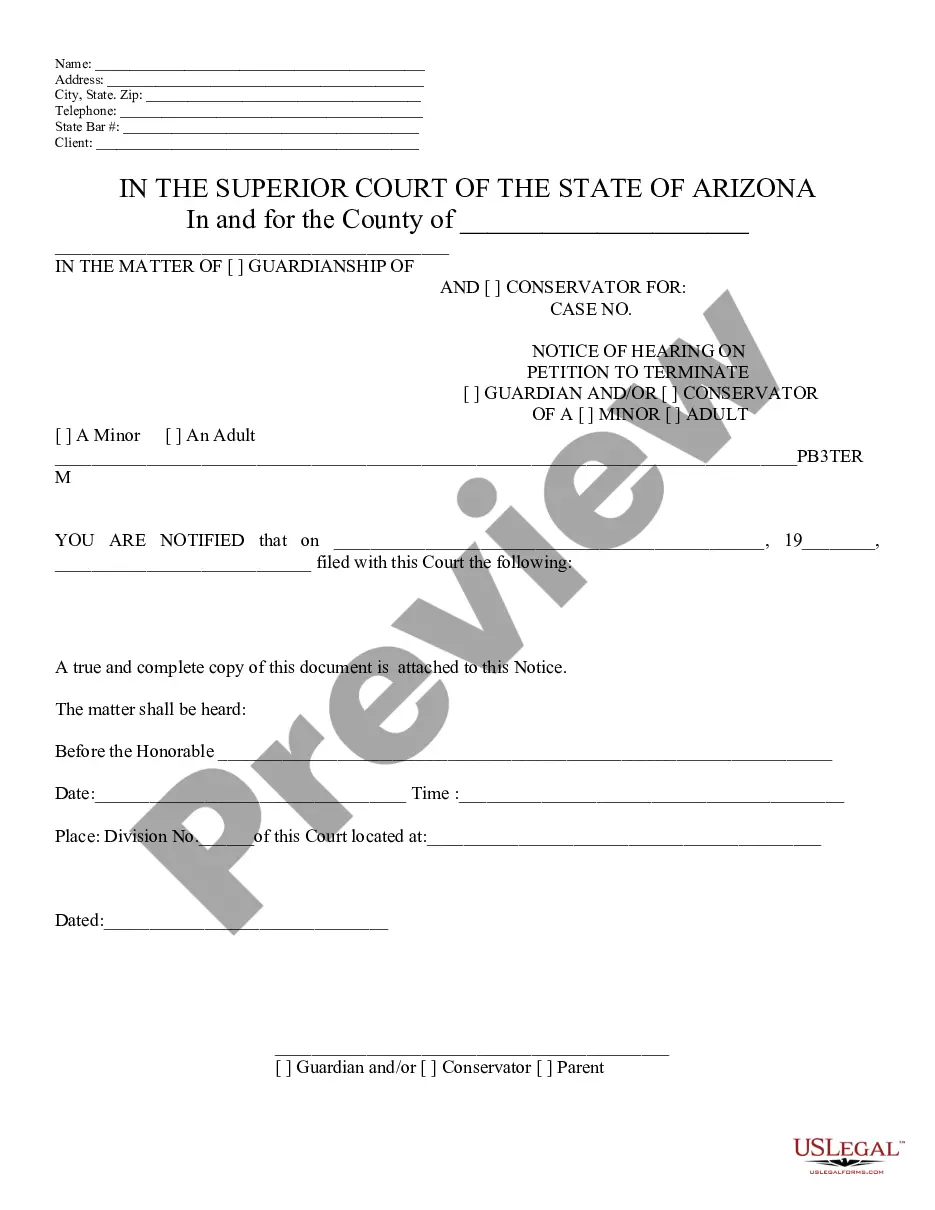
Mississippi Motion to Intervene as a Defendant
What is this form?
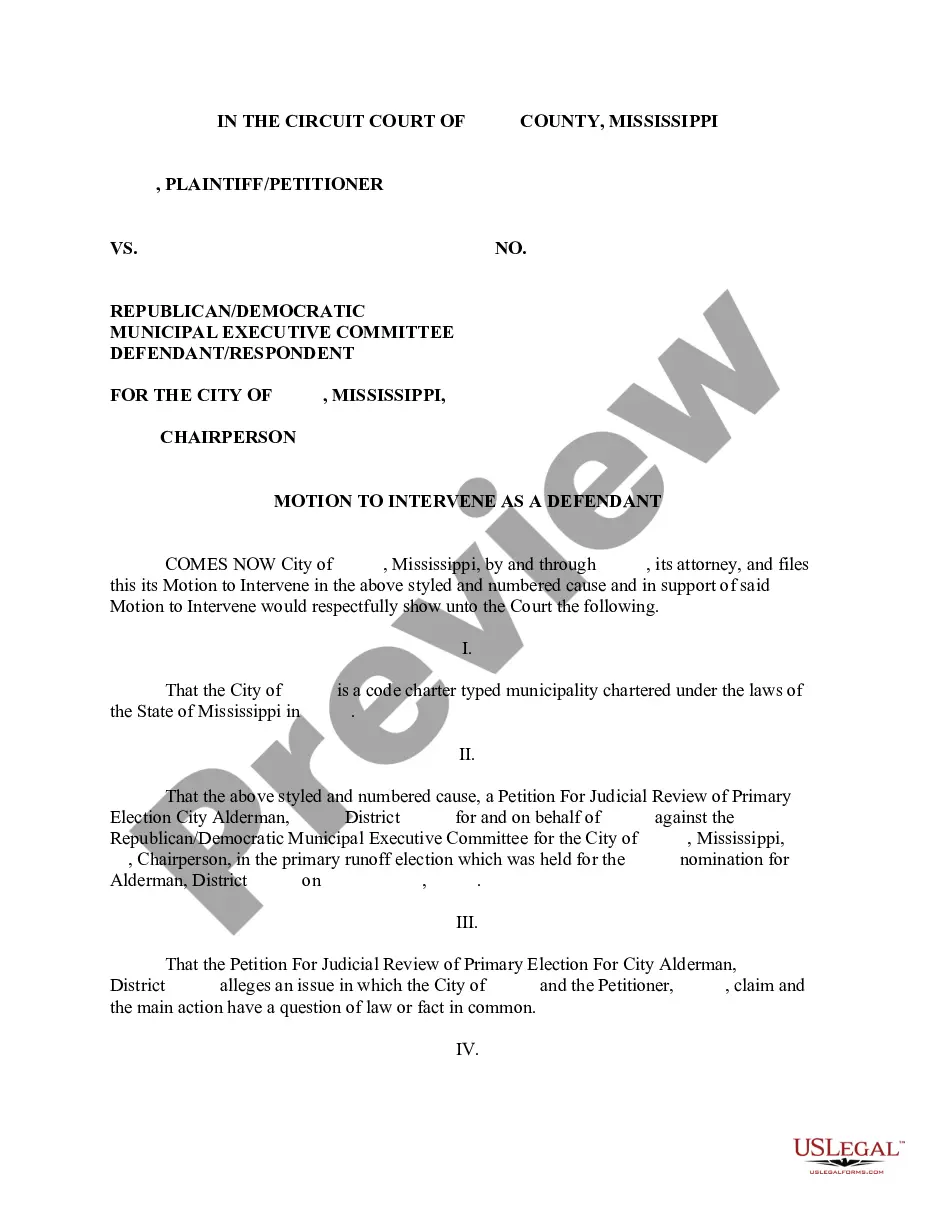
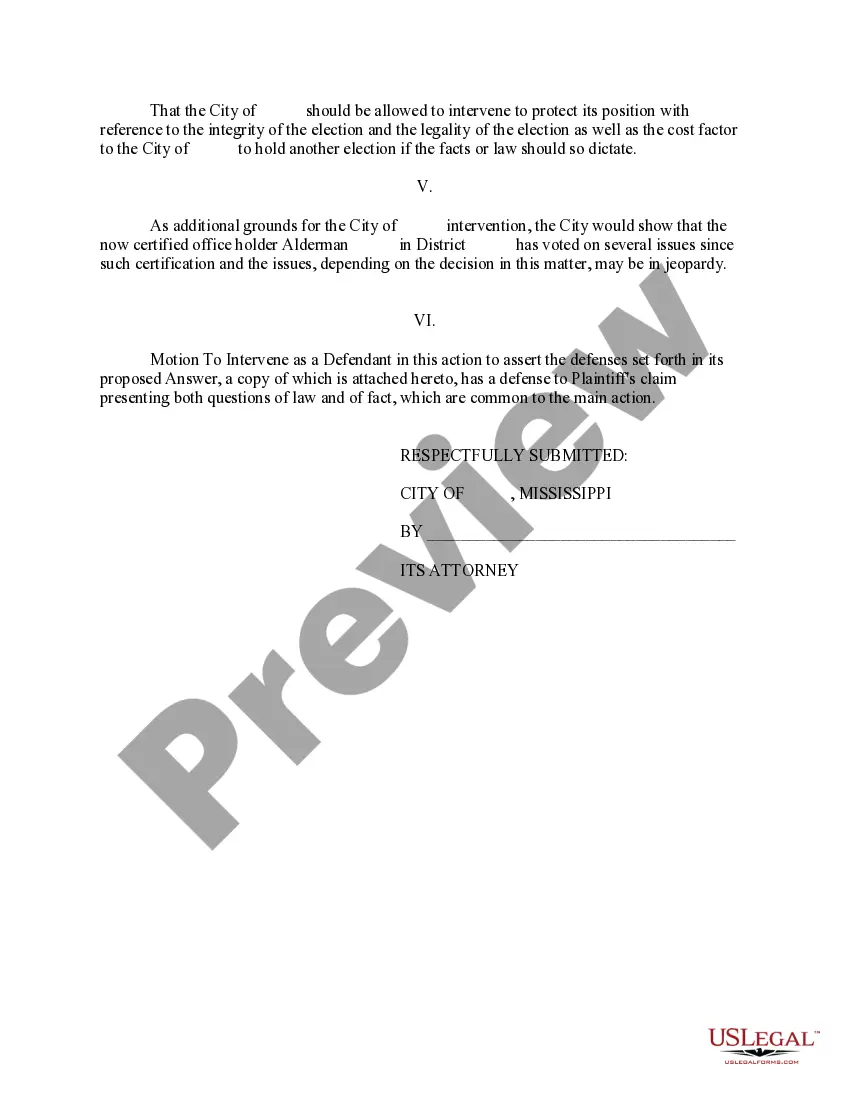
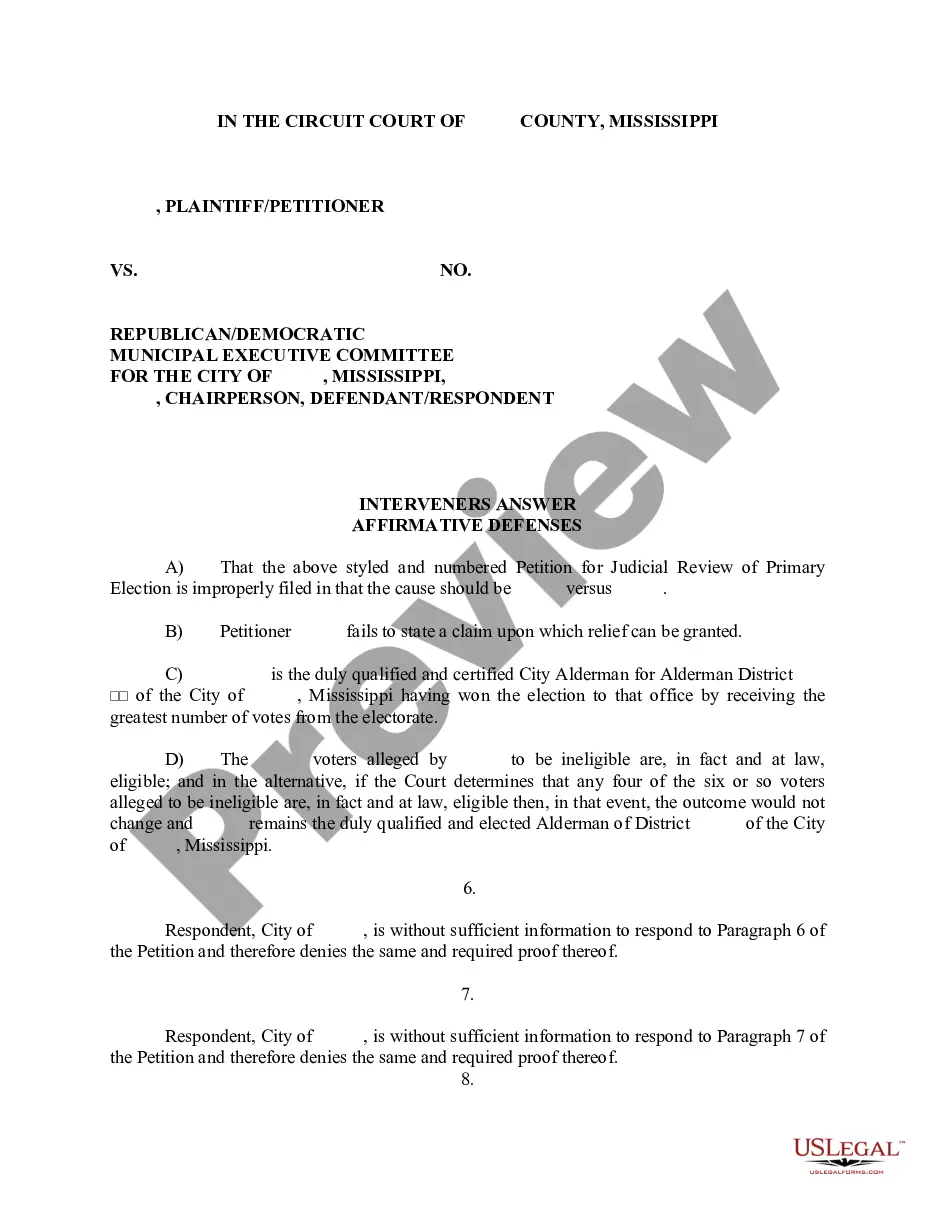
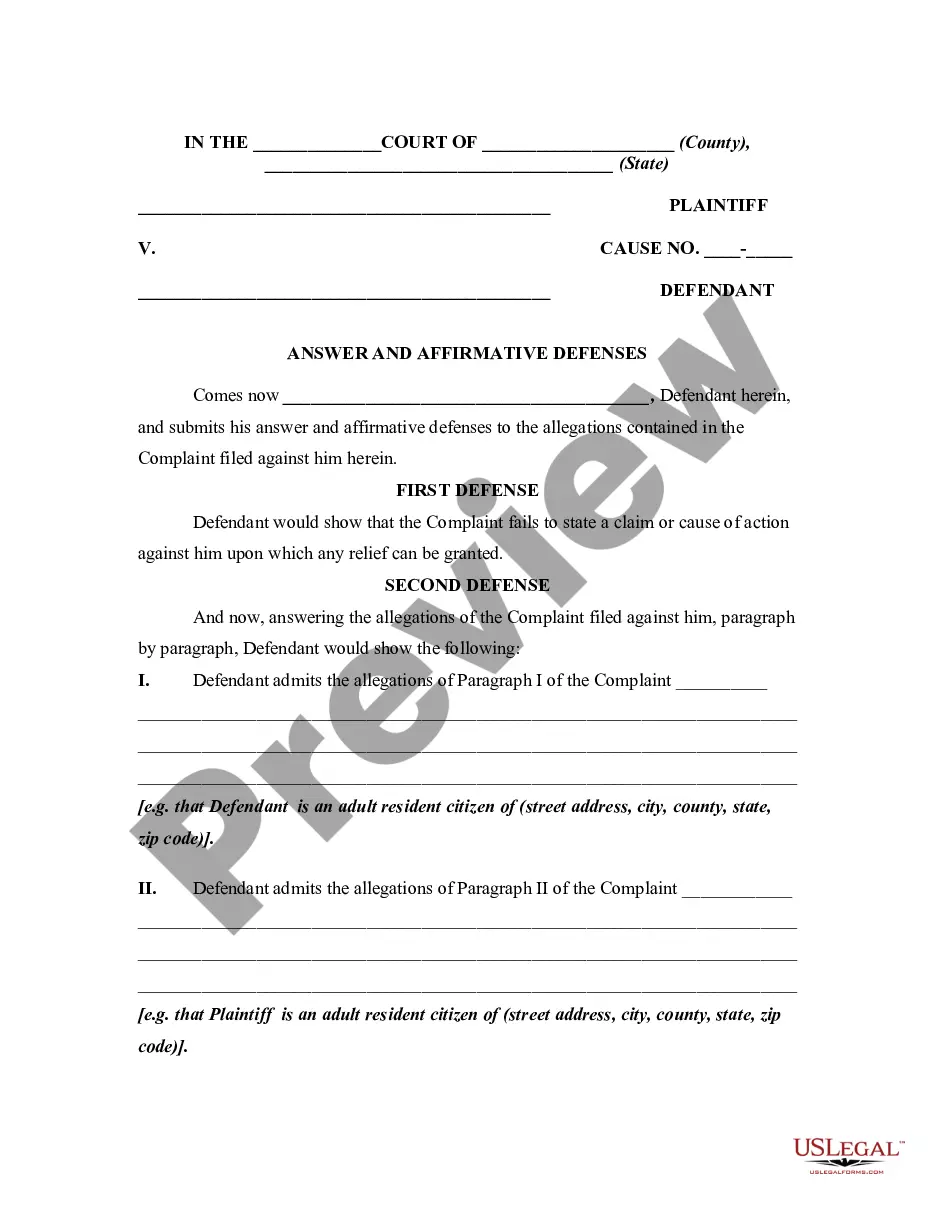
A Motion to Intervene as a Defendant is a legal document that allows a third party to request the court to participate in an ongoing lawsuit as a defendant. This form differs from other motions as it specifically addresses the need for a party to defend their interests in a case where they have not been initially included. It ensures that a party with a vested interest is able to present their case in the proceedings.
Main sections of this form
- Caption: The title of the case, including the names of the current parties and case number.
- Introduction: A brief statement of the request to intervene as a defendant.
- Legal grounds: Explanation of the basis for the motion, including applicable statutes or rules.
- Interest statement: Description of the party's interest in the case and how it will be affected.
- Conclusion: A request for the court to grant the motion with a signature line for the attorney or party filing the motion.

When this form is needed
This form is used in situations where a person or entity not originally named in a lawsuit has a legal interest in the case outcomes. Common scenarios include situations where a third party's rights might be impacted by the decision of the court or where the original defendants may not adequately represent their interests. By filing this motion, the intervenor seeks to ensure their rights are protected.
Who should use this form
- Individuals or businesses who believe their rights may be affected by a legal proceeding.
- Attorneys representing clients with an interest in joining an ongoing case.
- Organizations involved in litigation where their participation is critical for a fair outcome.
Steps to complete this form
- Identify the parties involved: Fill in the names and details of existing parties in the case.
- State your legal grounds: Clearly articulate the reasons for your intervention and cite relevant laws.
- Describe your interests: Provide a detailed explanation of how the case impacts your rights.
- Sign and date the motion: Ensure that you sign the document and include the date of submission.
- File the motion with the court: Submit the completed motion to the appropriate court and serve copies to all parties involved in the case.
Does this form need to be notarized?
This form does not typically require notarization to be legally valid. However, some jurisdictions or document types may still require it. US Legal Forms provides secure online notarization powered by Notarize, available 24/7 for added convenience.
Get your form ready online
Our built-in tools help you complete, sign, share, and store your documents in one place.
Make edits, fill in missing information, and update formatting in US Legal Forms—just like you would in MS Word.
Download a copy, print it, send it by email, or mail it via USPS—whatever works best for your next step.
Sign and collect signatures with our SignNow integration. Send to multiple recipients, set reminders, and more. Go Premium to unlock E-Sign.
If this form requires notarization, complete it online through a secure video call—no need to meet a notary in person or wait for an appointment.
We protect your documents and personal data by following strict security and privacy standards.

Make edits, fill in missing information, and update formatting in US Legal Forms—just like you would in MS Word.

Download a copy, print it, send it by email, or mail it via USPS—whatever works best for your next step.

Sign and collect signatures with our SignNow integration. Send to multiple recipients, set reminders, and more. Go Premium to unlock E-Sign.

If this form requires notarization, complete it online through a secure video call—no need to meet a notary in person or wait for an appointment.

We protect your documents and personal data by following strict security and privacy standards.
Common mistakes to avoid
- Failing to provide adequate legal grounds for intervention.
- Neglecting to describe how the interests will be affected sufficiently.
- Not following state-specific procedural rules for filing and serving the motion.
- Omitting signatures or necessary information in the file.
Why use this form online
- Convenience of instant access to the form without the need for physical visits.
- Editability allows users to tailor the motion to their specific needs easily.
- Reliability of having the form reviewed and created by licensed attorneys, ensuring legal compliance.
Legal use & context
- This motion is enforceable in court once properly filed and granted by the judge.
- Filing without a valid legal basis may result in a denied motion and potential sanctions.
- It is integral to protect your rights in ongoing litigation where you are not included.
Key takeaways
- A Motion to Intervene as a Defendant enables a third party to protect their interests in a lawsuit.
- Understanding the legal grounds and procedure is critical for a successful intervention.
- Consult state-specific rules to ensure accuracy and compliance when filing the motion.
Looking for another form?


Form popularity
FAQ
A motion for intervention, in the context of family law, is a petition by an interested party to testify to the best interests of a child when the existing parties cannot adequately protect a child's best interests.
In law, intervention is a procedure to allow a nonparty, called intervenor (also spelled intervener) to join ongoing litigation, either as a matter of right or at the discretion of the court, without the permission of the original litigants.
Intervention in legal cases is most common in child custody litigation. If you want to intervene in a legal case whether with the plaintiff, with the defendant, or on your own with independent claims against either party you must first file a motion and ask the judge's permission.
Intervention is the procedure whereby someone not named as a party to an action (or ordered joined as a party) may nevertheless become a party. (Code of Civ.