Mississippi Preventative Maintenance Agreement
Understanding this form
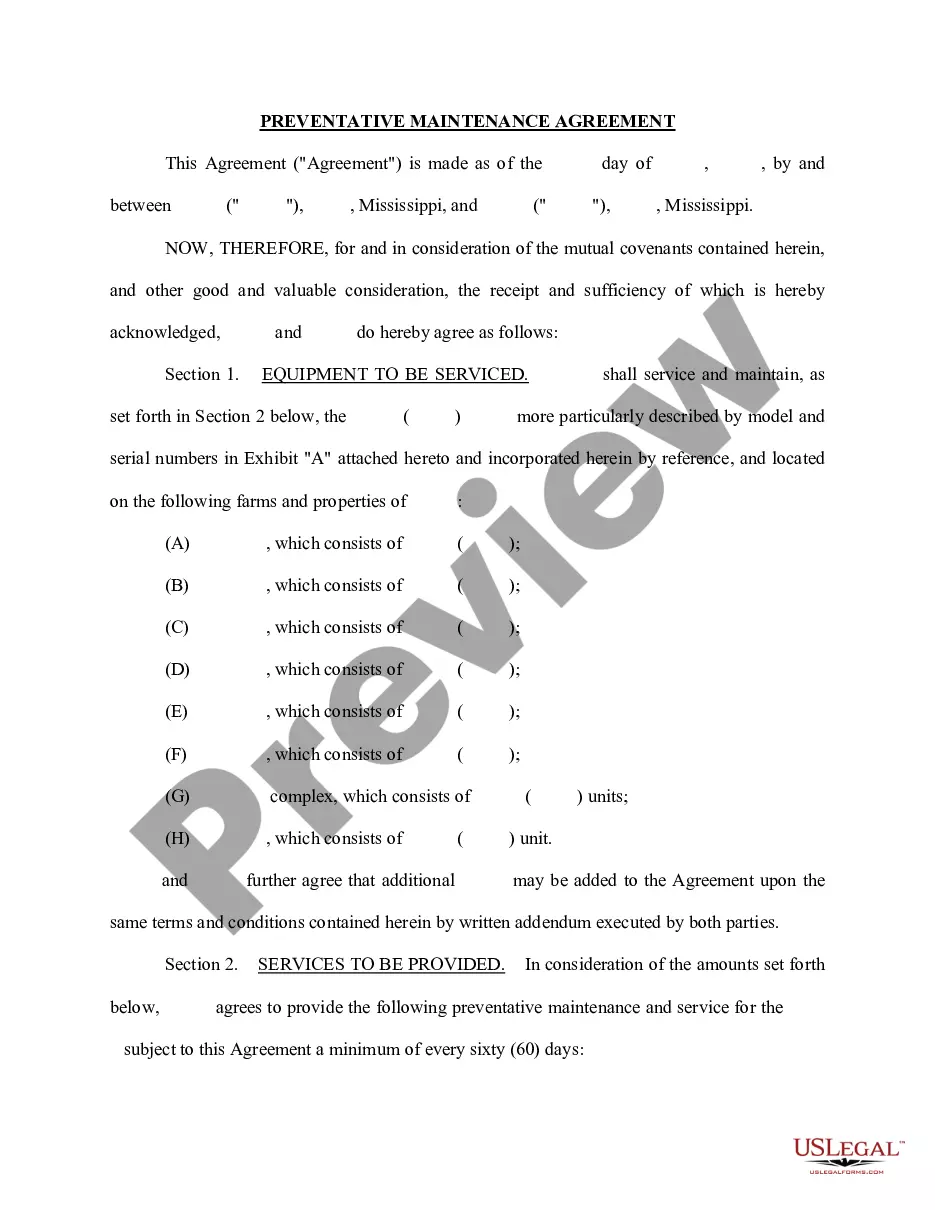
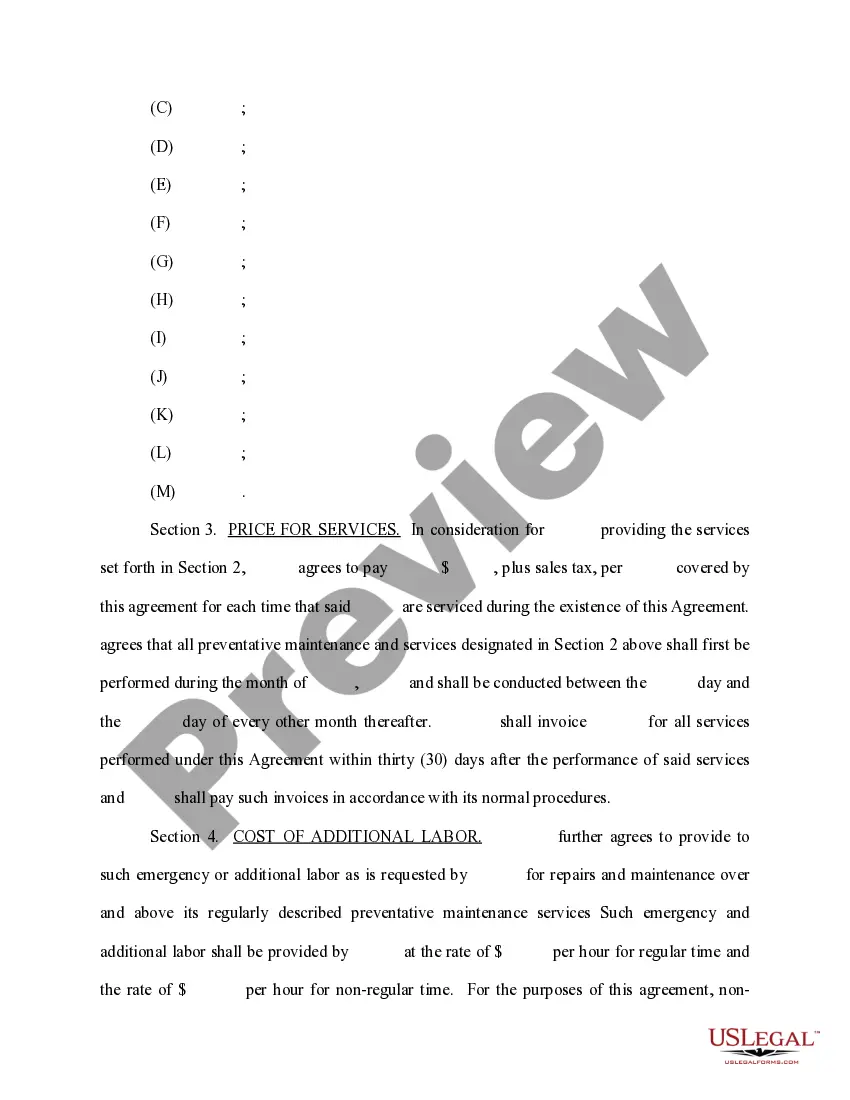
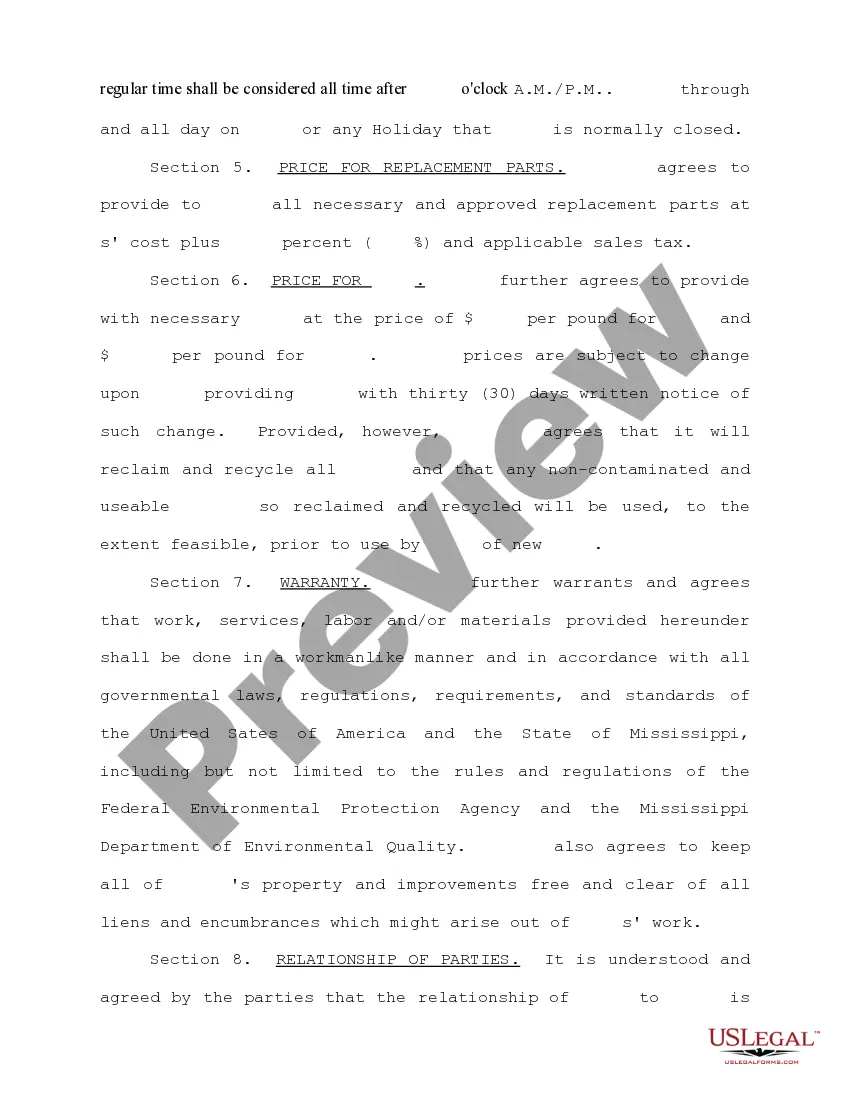
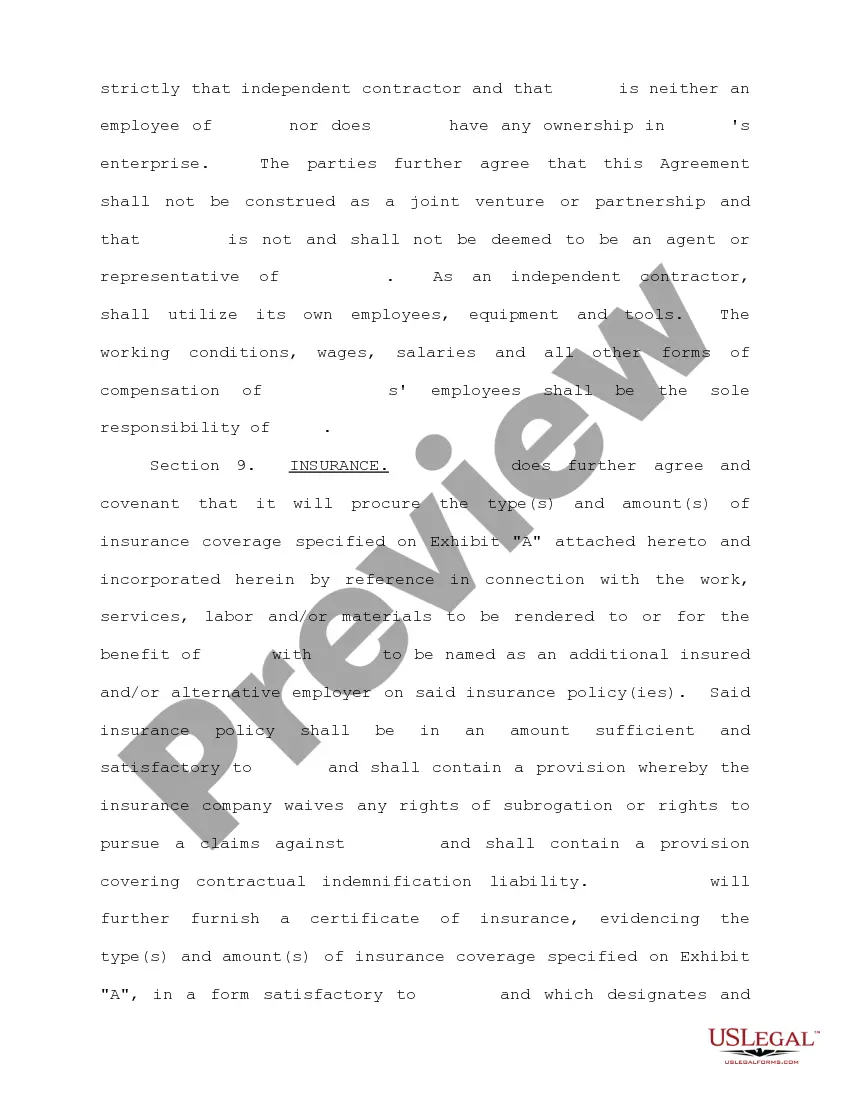
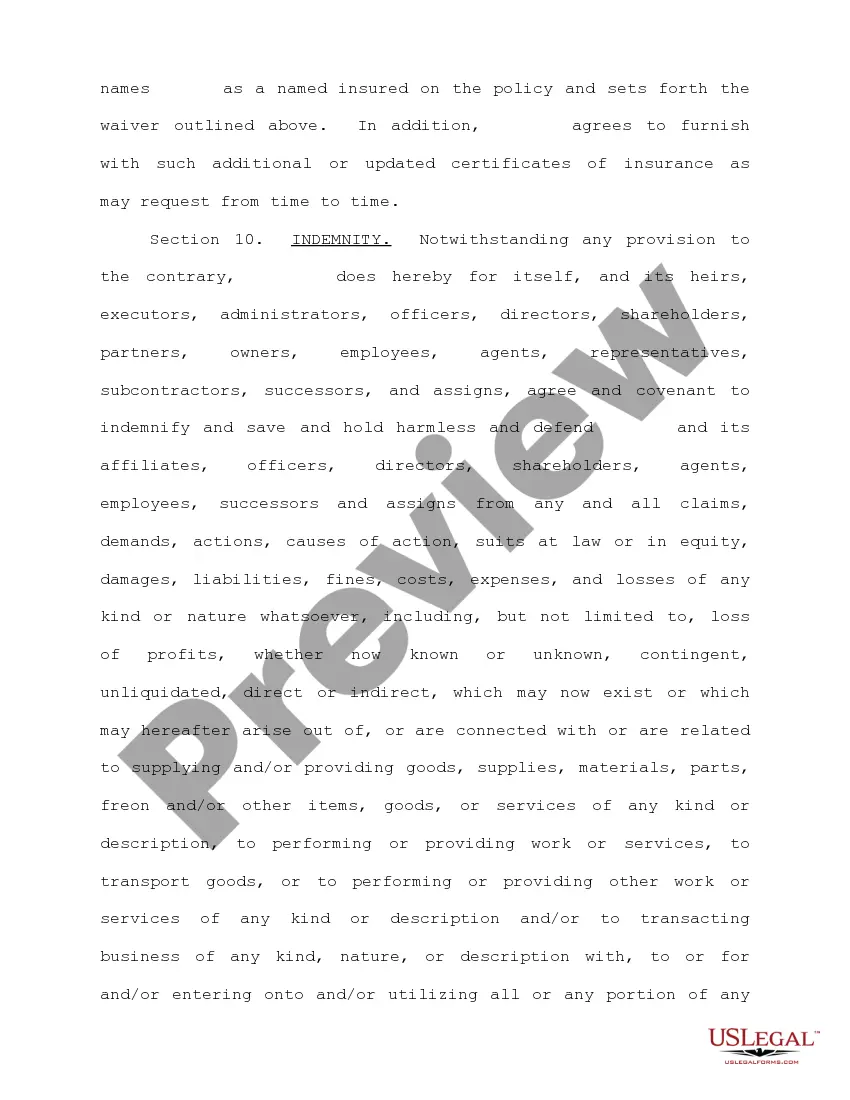
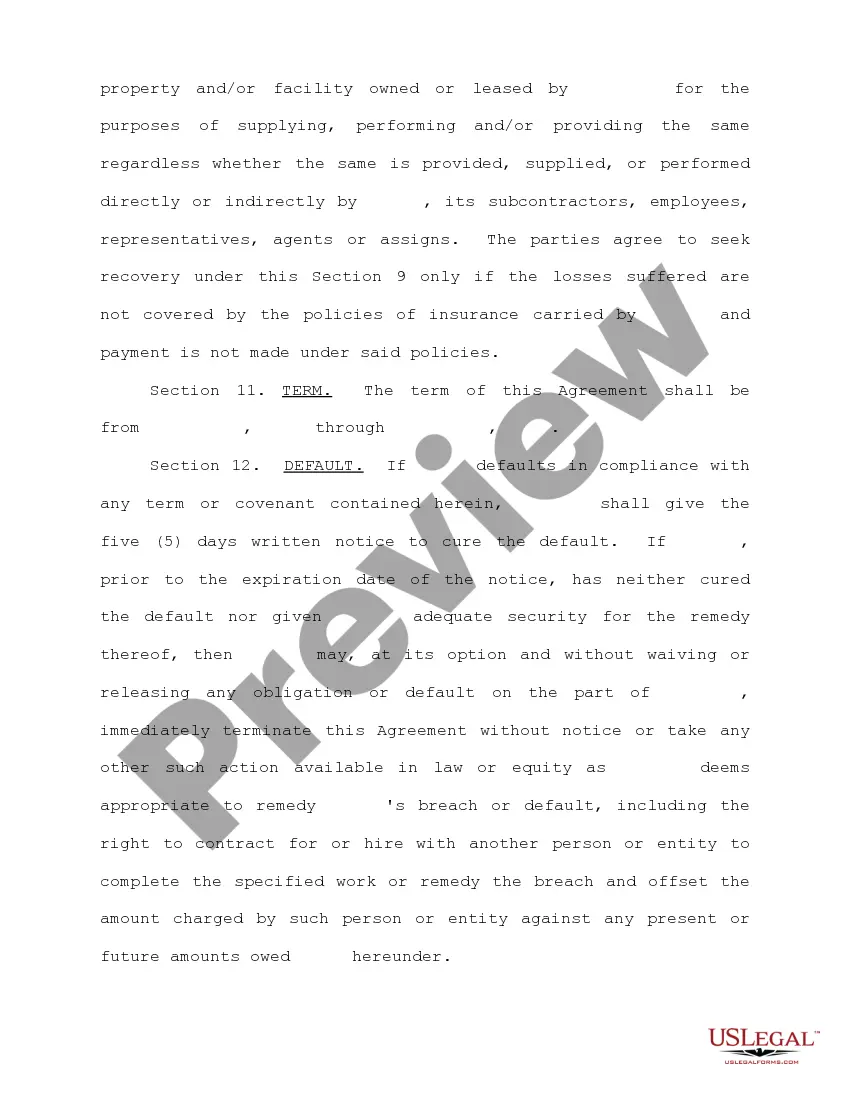
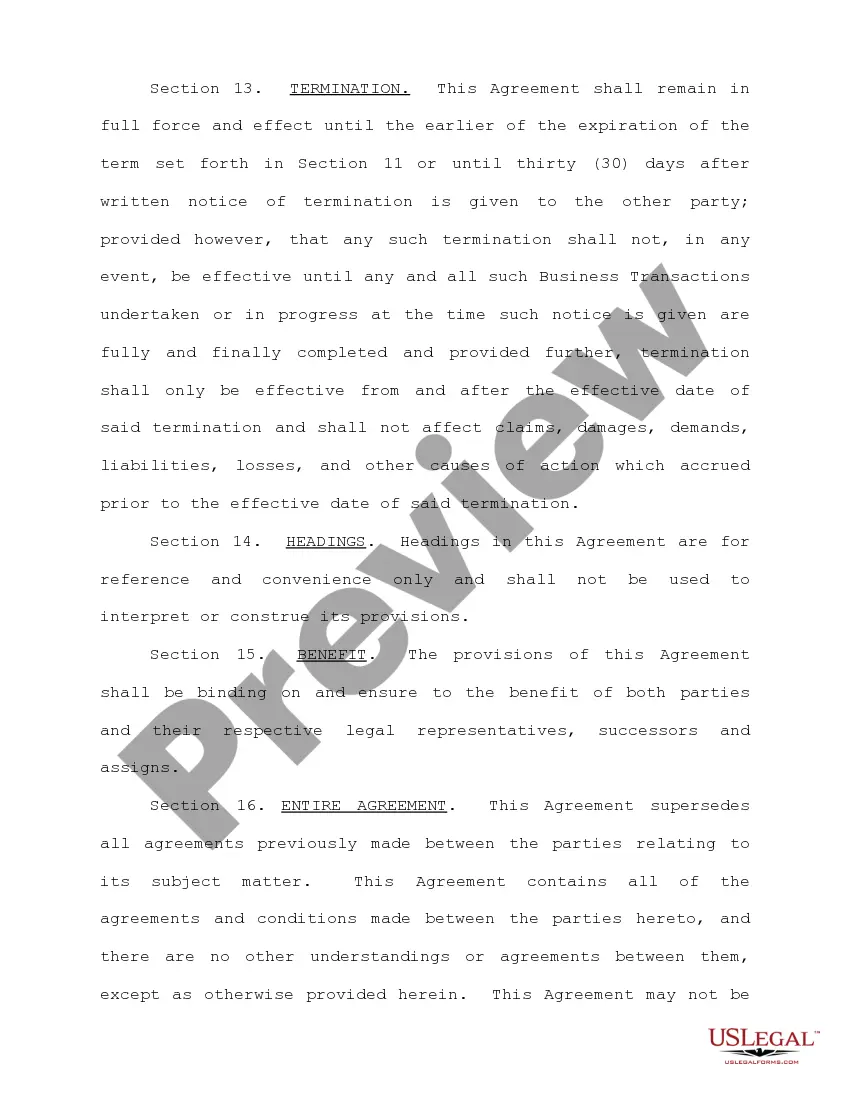
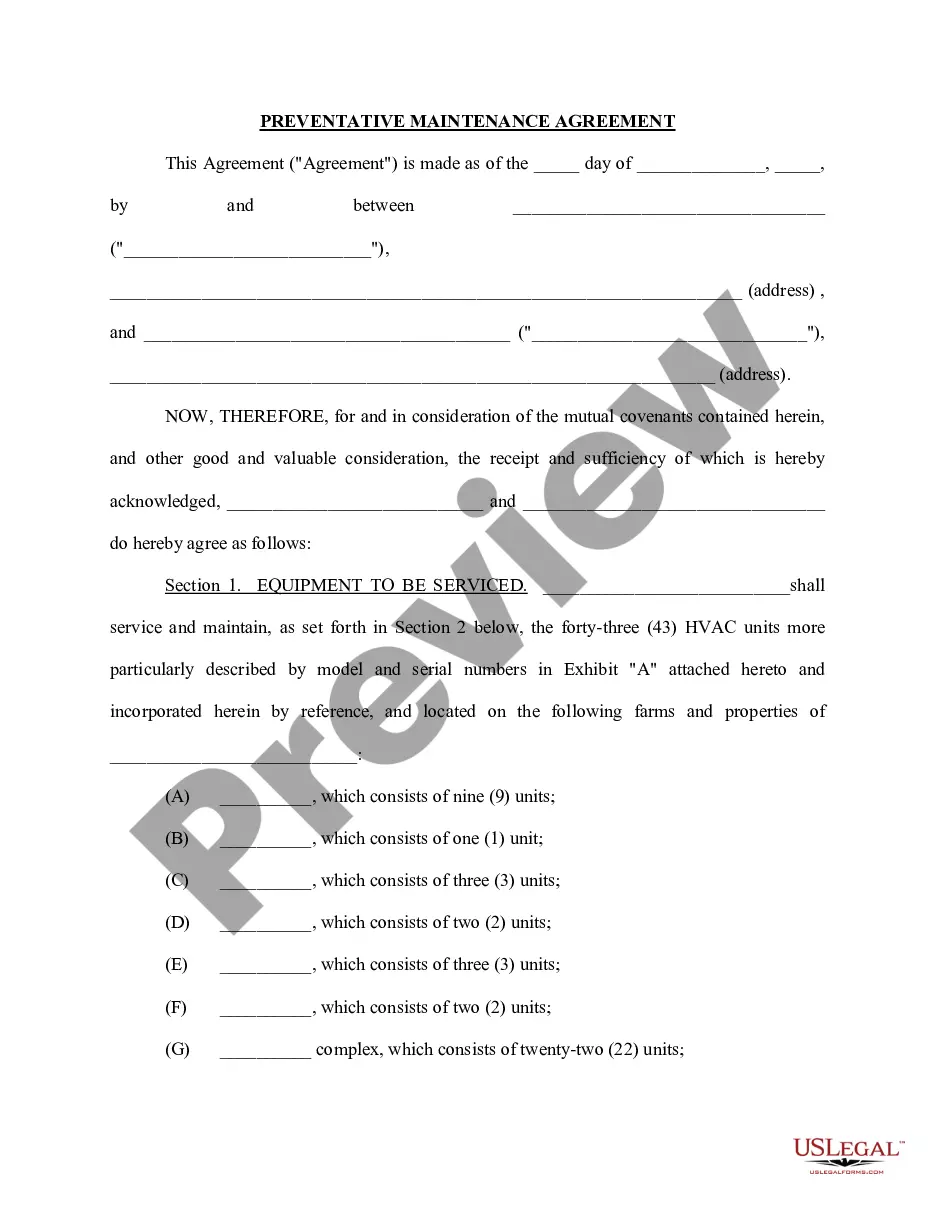
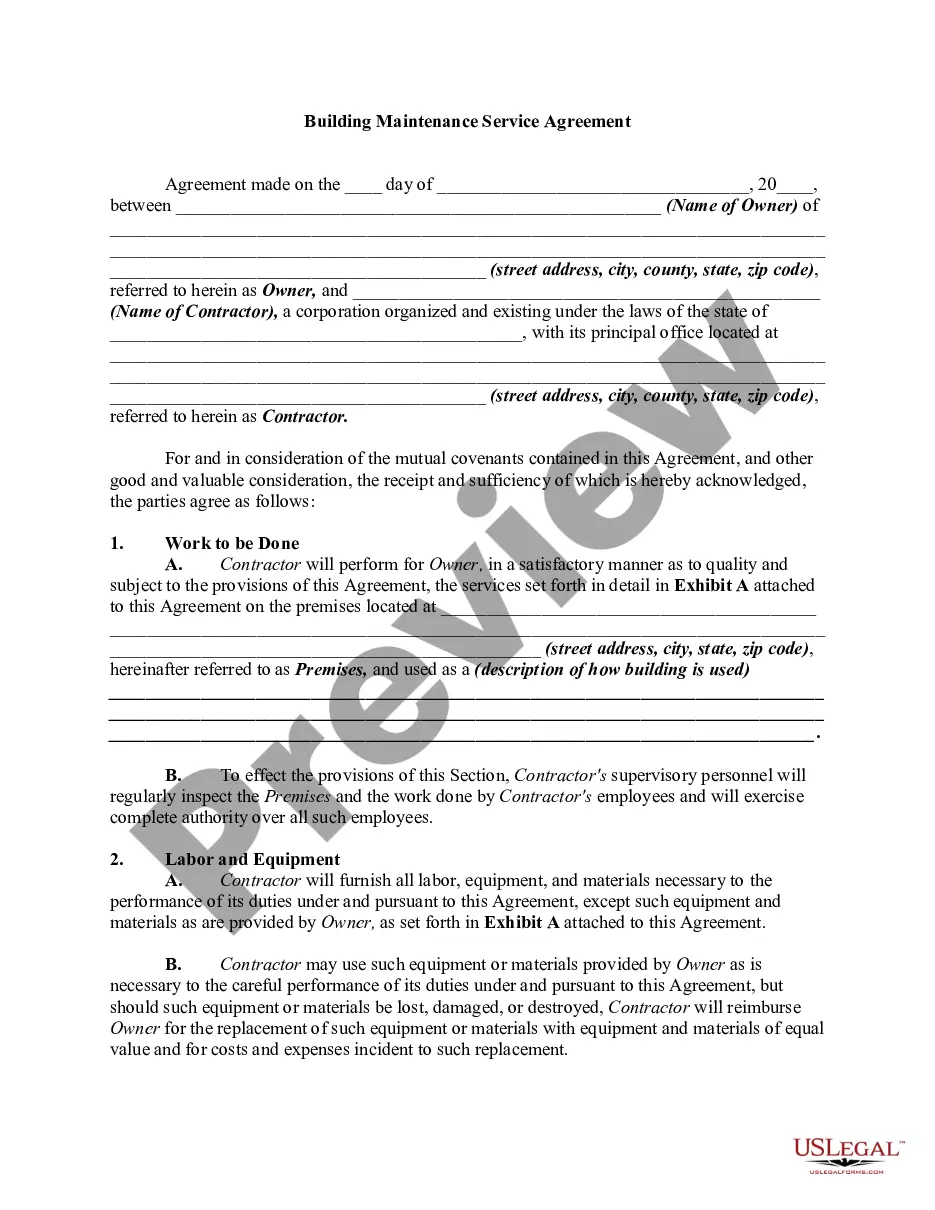
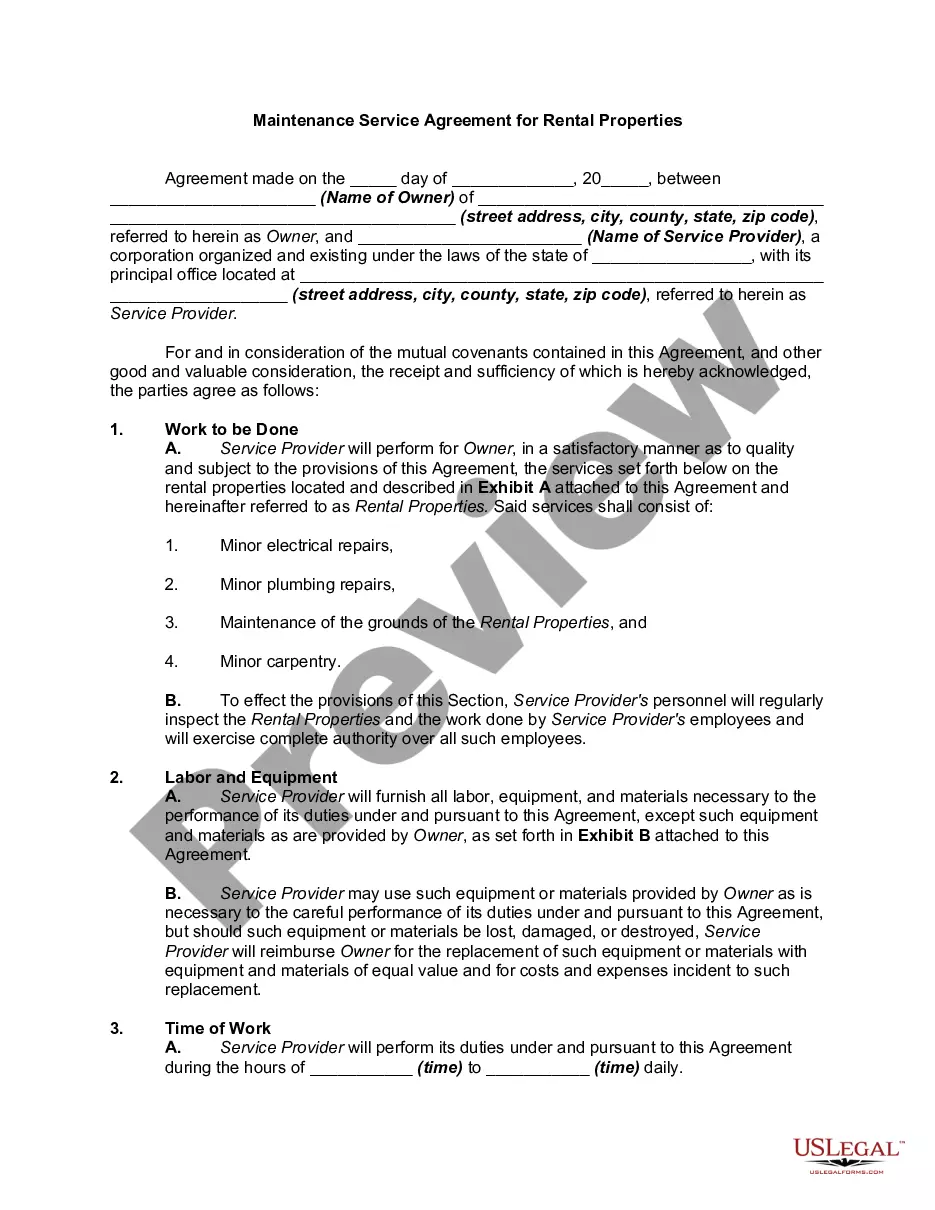
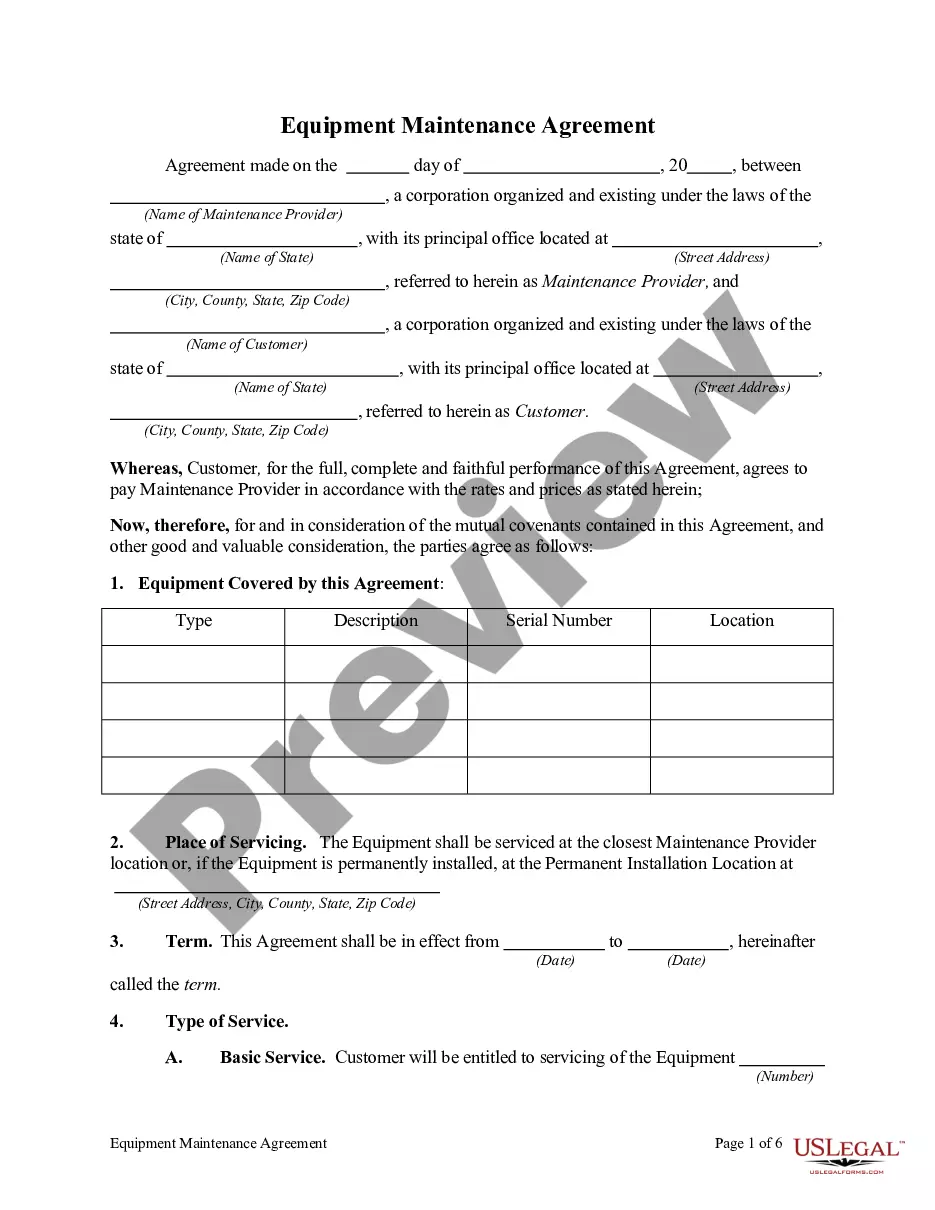
The Preventative Maintenance Agreement is a legal contract between a property owner and a maintenance service provider. It outlines the responsibilities, rights, and duties of each party when the service provider is engaged to perform regular maintenance tasks on the owner's property. This form helps ensure clarity and mutual understanding, setting the framework for ongoing maintenance relationships.
Form components explained
- Parties involved: Clearly identifies the owner and service provider.
- Scope of work: Details the specific maintenance tasks required.
- Payment terms: Sets the financial arrangement for services rendered.
- Duration: Specifies the time frame for the agreement and maintenance schedule.
- Termination: Outlines conditions under which the agreement can be ended by either party.
Common use cases
This Preventative Maintenance Agreement is useful in various situations, including when a homeowner requires consistent upkeep of their property, when a landlord wishes to ensure the property remains in good condition, or when a business hires a service provider to maintain equipment or facilities. It creates a formal understanding between the parties involved and is especially valuable in preventing disputes related to maintenance responsibilities.
Who needs this form
Anyone involved in property maintenance, including:
- Homeowners looking to hire maintenance services for their residences.
- Landlords wishing to ensure proper upkeep of rental properties.
- Business owners seeking reliable maintenance for their facilities or equipment.
- Property management companies managing multiple properties.
Instructions for completing this form
- Identify the parties: Enter the names and addresses of the property owner and service provider.
- Define the services: Clearly outline the maintenance tasks to be performed.
- Specify payment details: Include the payment amount, schedule, and any additional fees.
- Set the term: Indicate the start date and duration of the agreement.
- Review and sign: Both parties should read the agreement thoroughly and sign it for it to be legally binding.
Does this form need to be notarized?
This form does not typically require notarization unless specified by local law. However, it is advisable to have the signatures witnessed or notarized to enhance its legal standing in case of disputes.
Get your form ready online
Our built-in tools help you complete, sign, share, and store your documents in one place.
Make edits, fill in missing information, and update formatting in US Legal Forms—just like you would in MS Word.
Download a copy, print it, send it by email, or mail it via USPS—whatever works best for your next step.
Sign and collect signatures with our SignNow integration. Send to multiple recipients, set reminders, and more. Go Premium to unlock E-Sign.
If this form requires notarization, complete it online through a secure video call—no need to meet a notary in person or wait for an appointment.
We protect your documents and personal data by following strict security and privacy standards.

Make edits, fill in missing information, and update formatting in US Legal Forms—just like you would in MS Word.

Download a copy, print it, send it by email, or mail it via USPS—whatever works best for your next step.

Sign and collect signatures with our SignNow integration. Send to multiple recipients, set reminders, and more. Go Premium to unlock E-Sign.

If this form requires notarization, complete it online through a secure video call—no need to meet a notary in person or wait for an appointment.

We protect your documents and personal data by following strict security and privacy standards.
Avoid these common issues
- Failing to clearly define the scope of maintenance services.
- Not specifying payment terms or leaving them vague.
- Overlooking necessary signatures which may invalidate the agreement.
- Ignoring local legal requirements that may necessitate additional clauses.
Benefits of completing this form online
- Convenience: Easily download and fill out the agreement at your own pace.
- Editability: Customize the form to suit specific maintenance needs and conditions.
- Reliability: Access legal forms drafted by licensed attorneys, ensuring compliance with applicable laws.
Quick recap
- The Preventative Maintenance Agreement formalizes the terms of maintenance between a property owner and a service provider.
- It is essential to include clear definitions of the services, payment, and terms to avoid misunderstandings.
- Always ensure compliance with local laws to ensure the agreement is enforceable.
Looking for another form?

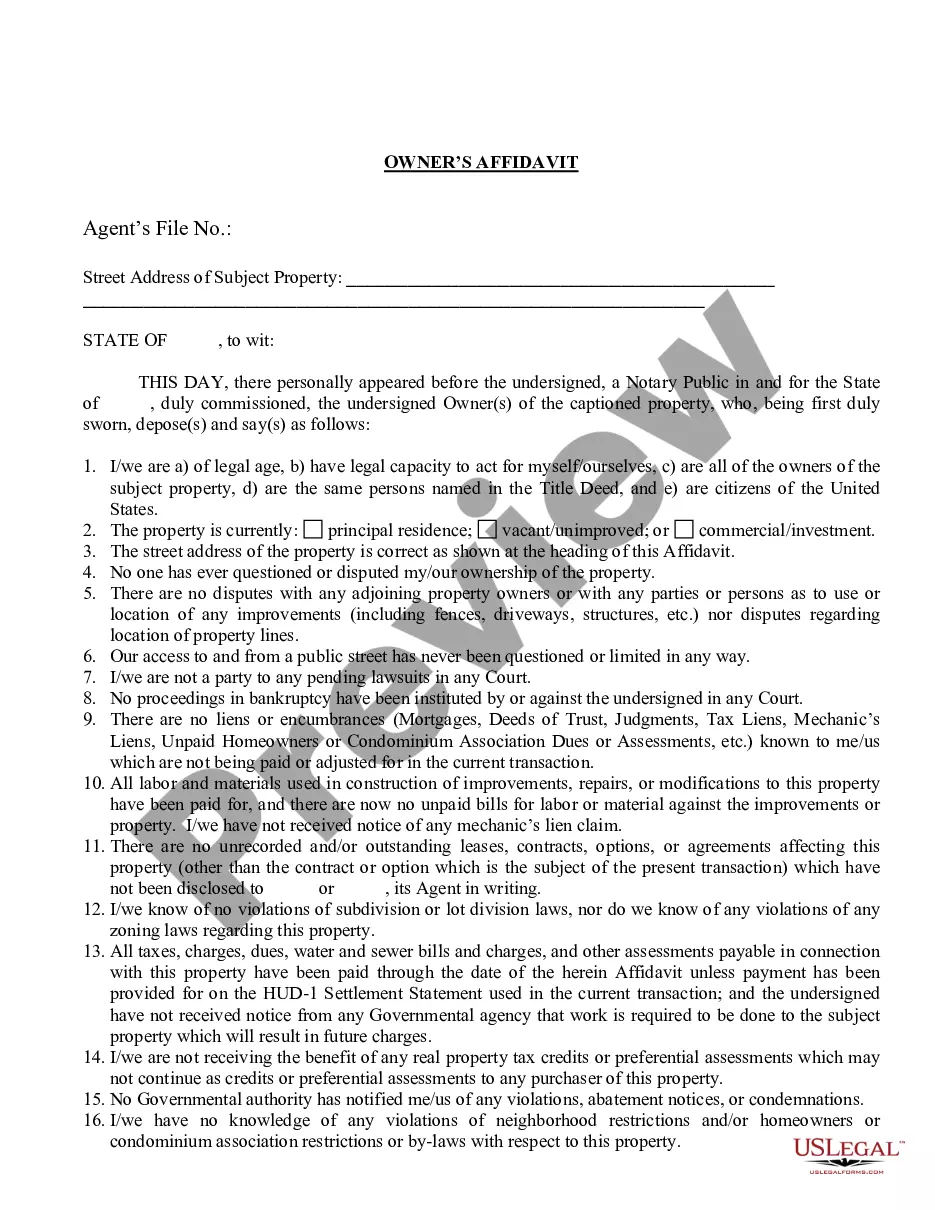
Form popularity
FAQ
Schedule and perform regular inspections of equipment. Conduct regular cleaning of buildings, grounds and assets. Lubricate moving parts to reduce wear-and-tear. Adjust controls for optimal performance and energy efficiency. Repair and replace any defective equipment parts.
Examples of routine maintenance Lubricating, cleaning, or adjusting machinery. Inspecting equipment to ensure proper operation and safety. Replacing parts that show deterioration. Checking, testing, and maintaining safety equipment, such as safety barriers, fire extinguishers, or alarm systems.
Get The Right People on Board. Set Goals For Your Preventive Maintenance Plan. Inventory The Equipment and Assets. Make Decisions. Get to Know the Owner's Manuals. Schedule For Long Term Preventive Maintenance. Schedule For Short Term Preventive Maintenance. Train, Train, Train!
Detail the work that you'll need to do on each asset. Schedule the work Use a dating frequency, running hours, or measures that will provide insight into the condition of an asset. Add workers or contractors including the estimated working hours. Add spare parts.
Example tasks may include cleaning, lubrication, replacing or repairing parts, or even partial or complete overhauls. More obvious examples of preventive maintenance include ensuring production line equipment is working efficiently or heating, ventilation or air conditioning elements are inspected, cleaned and updated.
The 6:1 preventive maintenance golden rule. If 15-30% of the work is reactive, your building is breaking the "world class" benchmark for the PM/CM ratio set in 1979.
A maintenance plan includes all the benefits of a service plan, but also adds protection for replacement and repair of various wear and tear parts. There are many protected parts in a maintenance plan, and some of the most important include the clutch, exhaust, battery, brake pads, steering components and engine.
Four general types of maintenance philosophies can be identified, namely corrective, preventive, risk-based and condition-based maintenance.
Productive Maintenance PM. It originates from Preventive Maintenance, and refers to the maintenance which includes Corrective Maintenance and Maintenance Prevention, and is performed to increase the broadly economic efficiency of production.